






Garden Fencing for Patio and Landscaping




























About Garden Fencing for Patio and Landscaping - Walmart.com
Fencing helps you define your yard, add privacy, and plan outdoor projects with clearer choices in materials, styles, heights, and installation methods. You can compare fence panels, roll options, and gate-friendly layouts that fit residential spaces, gardens, pools, and perimeter lines.
How to choose fencing for your project
You should start with the job your fence needs to handle each day. Your choice may focus on privacy, boundary lines, decorative curb appeal, garden protection, or a more secure perimeter.
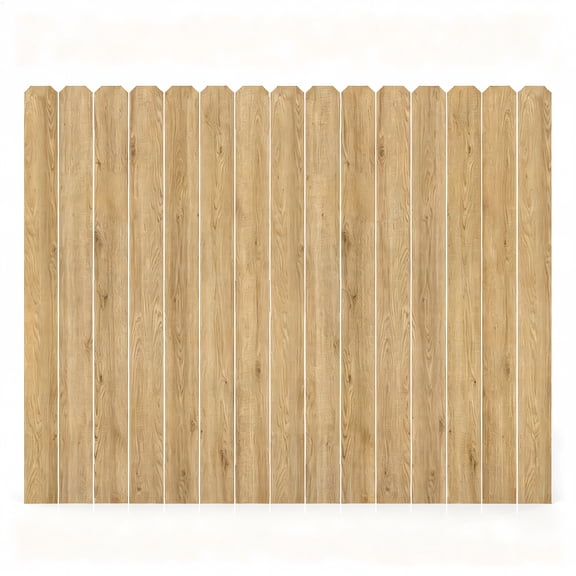
If you want fewer upkeep tasks, you may compare vinyl fencing and metal fencing first. If you prefer a natural look, your wood fence project can suit classic yards and painted or stained finishes.
You can also compare chain link fence options when your layout covers longer runs. Your project may move faster when you choose fence panels for straight sections and matching posts.
Choosing the right material
Wood, vinyl, metal, chain link, and composite each support different priorities around appearance, upkeep, and installation. You should compare how much maintenance your schedule allows before you choose a material.
- You can choose wood when your project needs a traditional look and flexible finish options.
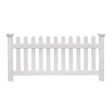
- You may prefer vinyl fencing when your yard needs a clean appearance with less routine upkeep.
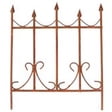
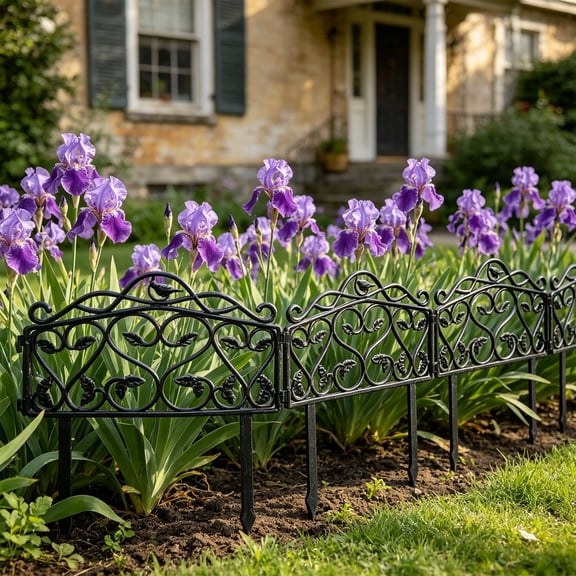
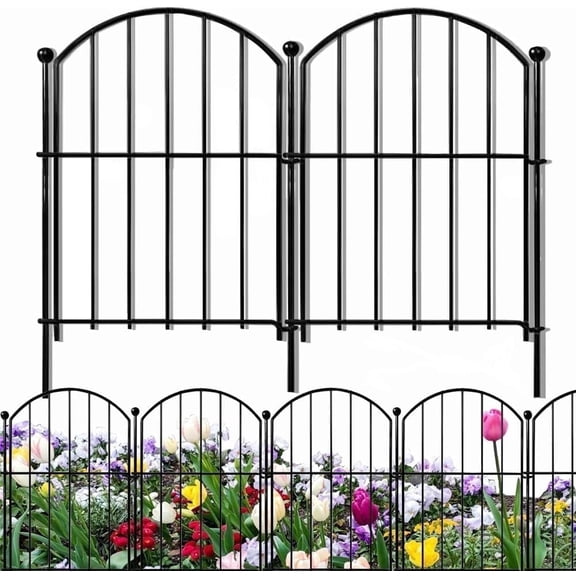
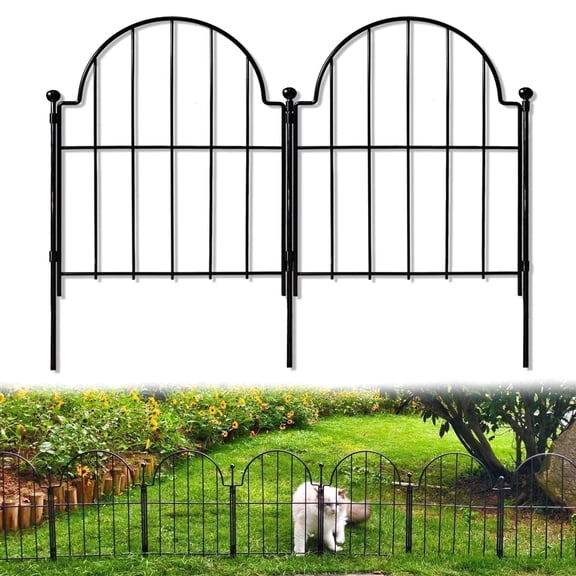
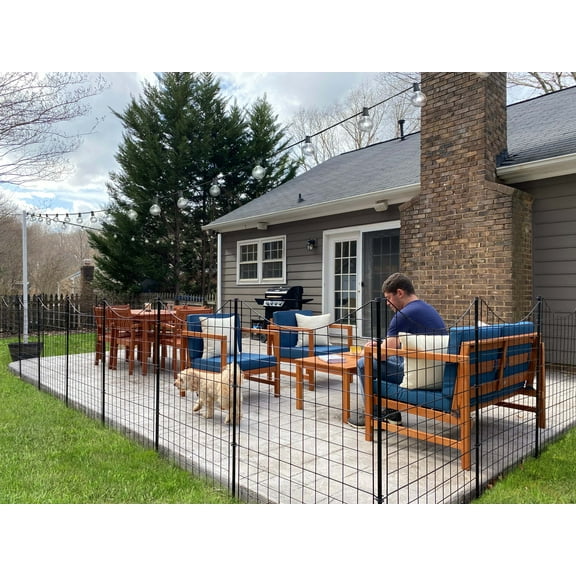
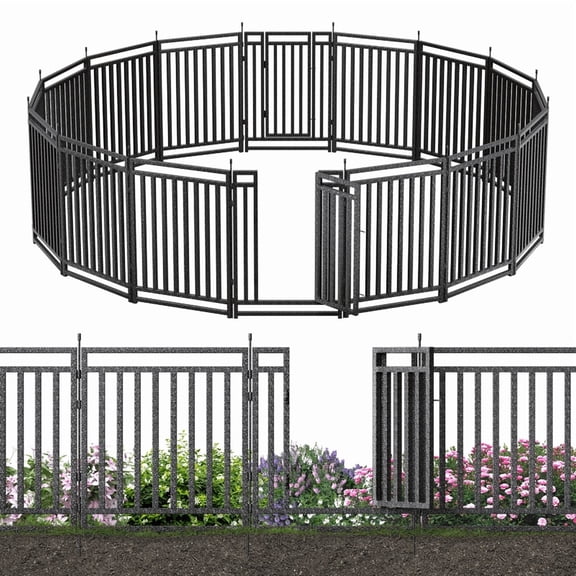
- You can select metal fencing when your layout calls for open sightlines and decorative lines.
- You might use chain link fence options when your perimeter needs practical coverage across wider areas.
- You can consider composite when your project calls for a wood-like look with different maintenance demands.
With wood, you should expect staining or painting as part of long-term care. With vinyl or metal, you can often focus more on cleaning and less on refinishing.
Chain link and some metal designs can help you keep views open across play areas or property edges. Composite can help you compare texture and upkeep when you want a more finished appearance.
Comparing privacy fence and decorative styles
Your style choice changes how your yard feels and how much screening you get. A privacy fence can help you block sightlines, while picket and decorative designs keep a more open look.
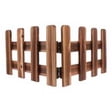
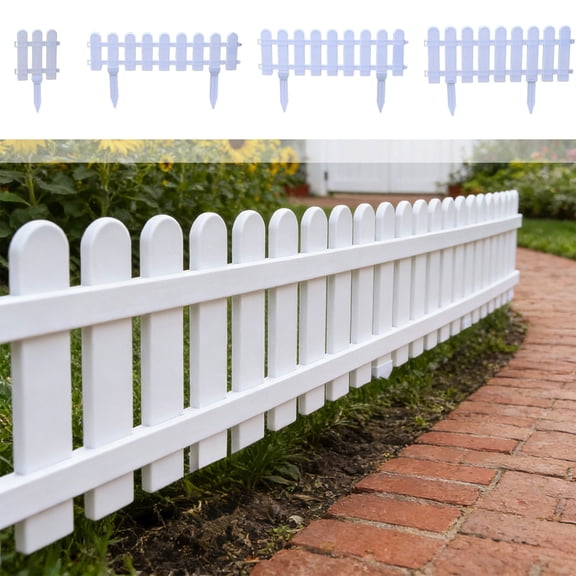
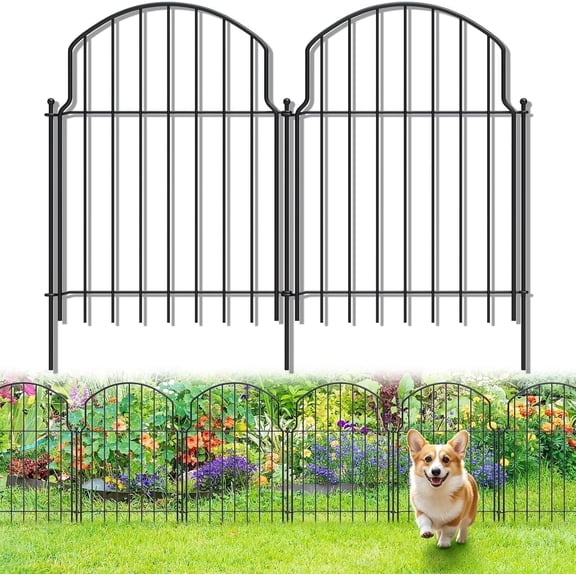
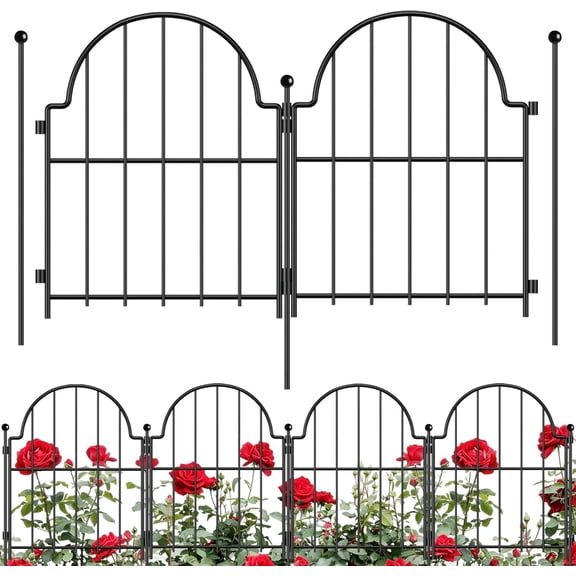
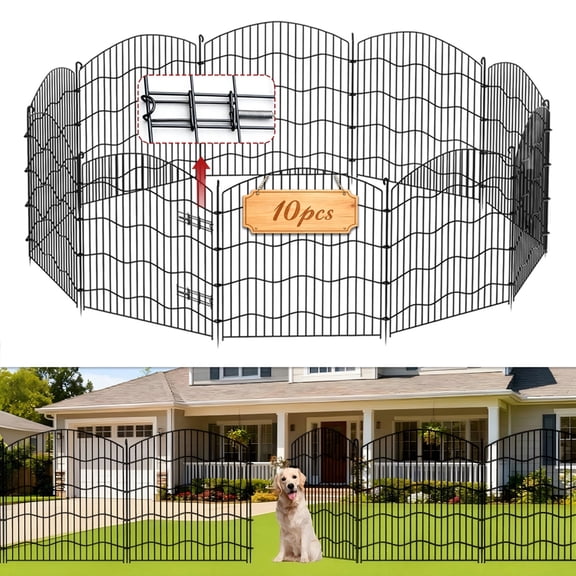
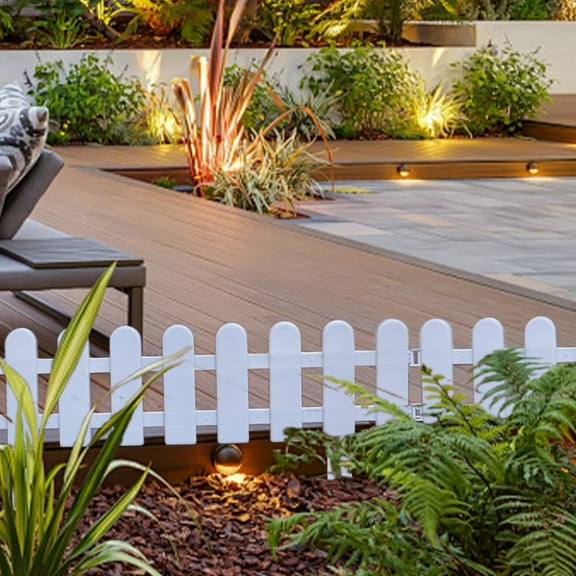
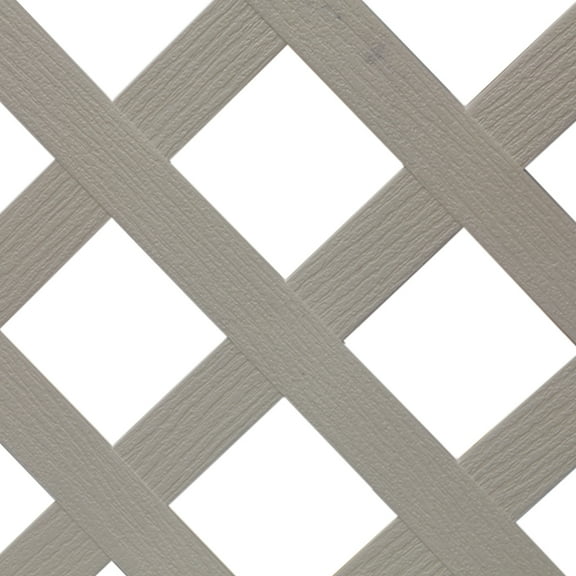
You may choose split rail for wide properties, garden edges, or rustic landscaping plans. You can select decorative metal or picket styles when your front yard needs definition without full enclosure.
If your goal is screening, you should compare board spacing, panel width, and gate placement. Your privacy fence layout should also match your home lines, driveway width, and corner transitions.
Picking the right height
You should match fence height to the space and the purpose. Lower heights can suit garden fencing and front-yard definition, while taller options can support backyard privacy and perimeter separation.
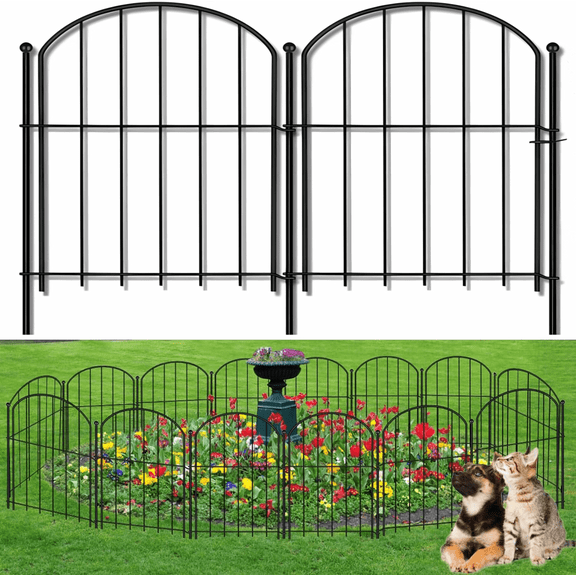
Three-foot and four-foot designs often fit decorative borders, pet zones, or garden fencing around beds. Six-foot and eight-foot options can give your yard more screening along side and rear boundaries.
You should also check whether your neighborhood rules limit height by location on the lot. Your HOA guidelines, zoning details, and setback rules can shape which height works for your plan.
What to look for in installation details
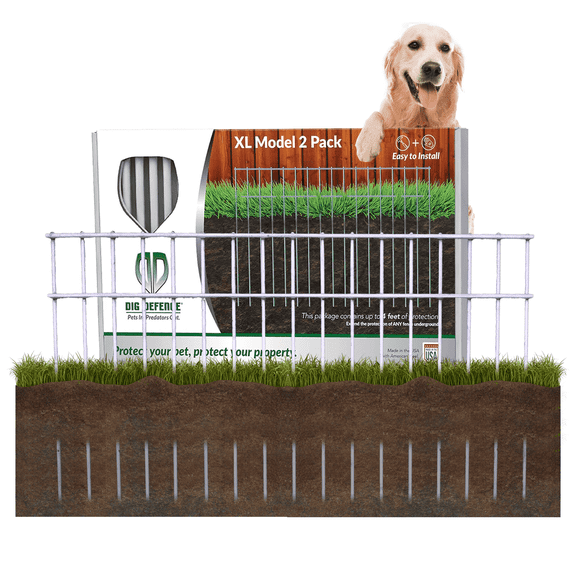
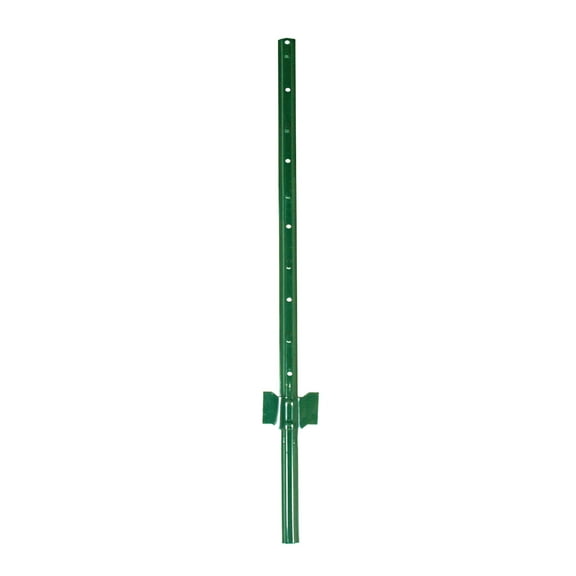
You can narrow your choices faster when you compare installation methods before you buy. Your project may use no-dig systems, driven posts, or standard posts set into concrete.
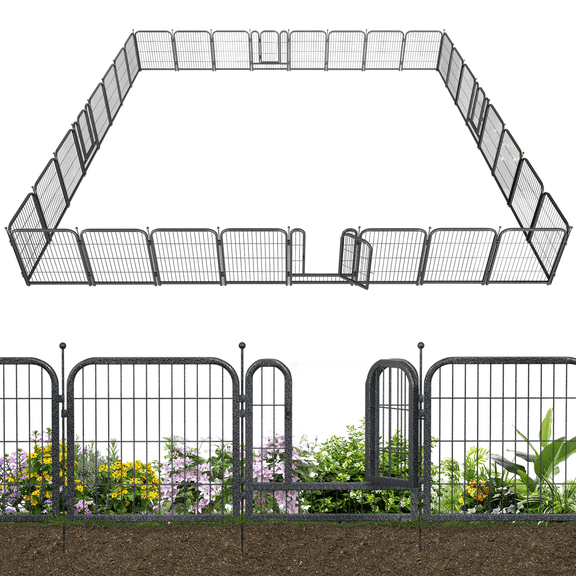
For panel systems, you should check post spacing and panel alignment requirements. Your fence panels need consistent placement, so your corners, slopes, and gate openings line up cleanly.
Post depth matters because your fence needs a stable base across the run. You should measure soil conditions, frost depth, and hole placement before you set concrete or place anchors.
If your yard has slopes, you can compare stepped panels and racked designs. Your layout may look cleaner when the fence follows grade changes without uneven gaps underneath.
Matching fencing to real uses
You may want residential fencing that gives your backyard more privacy for patios and play spaces. You can look for taller panels, coordinated gates, and materials that fit your maintenance routine.
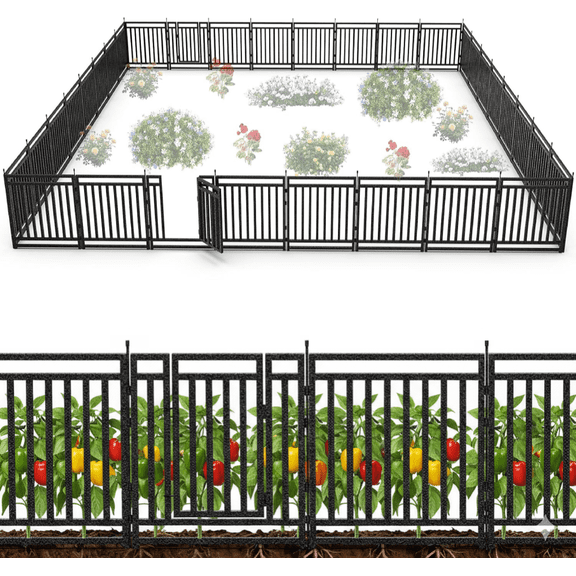
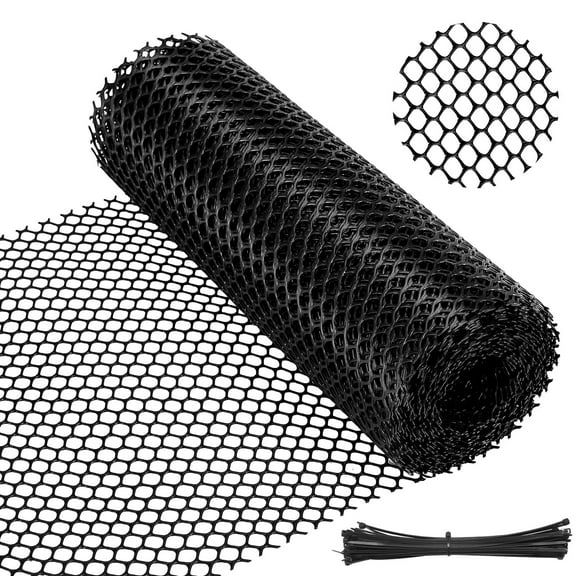
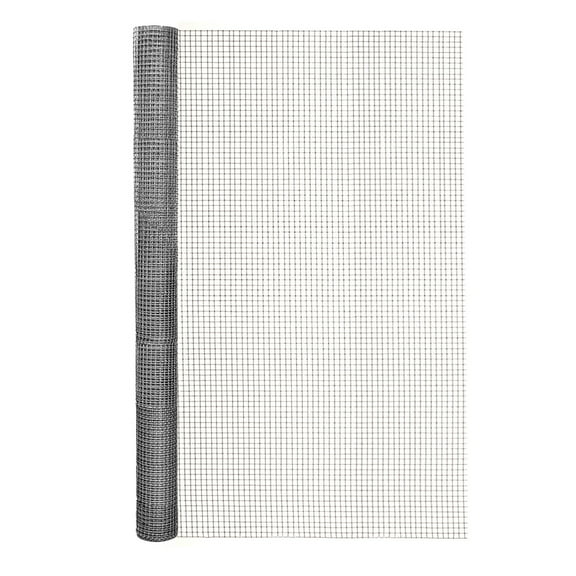
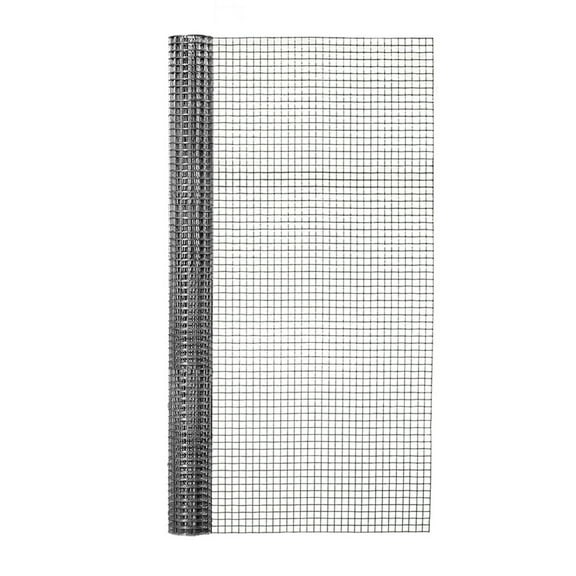
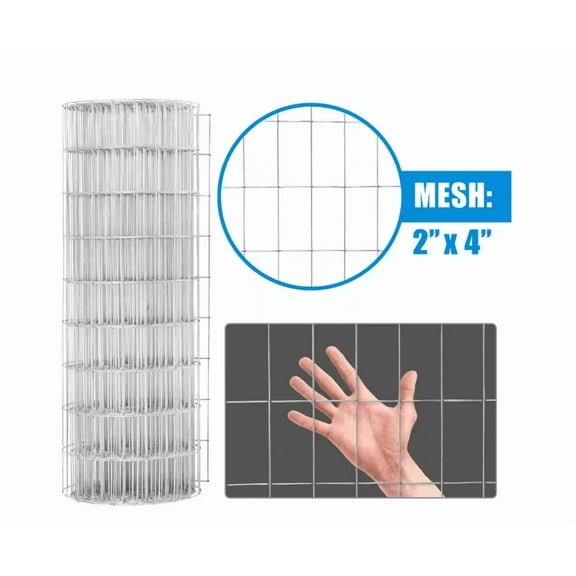
For garden fencing, you should focus on lower heights, flexible layouts, and easy access points. Your garden plan may work well with decorative borders, wire sections, or simple roll fencing.
If your project surrounds a pool, you should check local code details before you choose style or height. Your area may require specific spacing, a self-closing gate, and a self-latching entry.
For security-focused projects, you can compare taller panels, stronger posts, and hardware options that support controlled access. Your plan may also include gate width, latch placement, and visibility around entry points.
Temporary fencing can help you section off work zones, event spaces, or short-term landscaping projects. You can use it when your needs may change before you commit to a permanent layout.
Fence panels and planning tips
You can simplify planning when you measure your full perimeter before comparing products. Your count should include posts, gates, corner transitions, and any changes in slope.
It helps to sketch your layout so you can compare panel lengths with your available space. You should also check how each section connects, especially around stairs, curves, or wide openings.
When you choose fencing with clear measurements and project details, your installation path becomes easier to follow. You can move ahead with more confidence and a fence that fits your space the first time.