

Exceed in Office Supplies & School Supplies by Brand
















About Exceed in Office Supplies & School Supplies by Brand - Walmart.com
With Exceed office supplies, you can organize classes, meetings, and daily notes with paper options built for neat writing and clear planning. You’ll find notebooks, journals, planners, and padfolios that support everyday writing habits with practical formats and polished details.
How to choose Exceed office supplies by product type
When you compare product types, you should start with how you plan to write, carry, and review your pages. You’ll usually want notebooks for ongoing notes, journals for long-form writing, planners for scheduling, and padfolios for meeting materials.
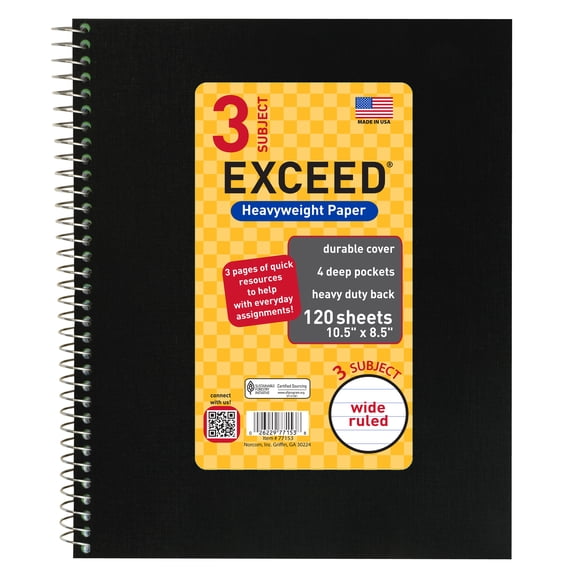
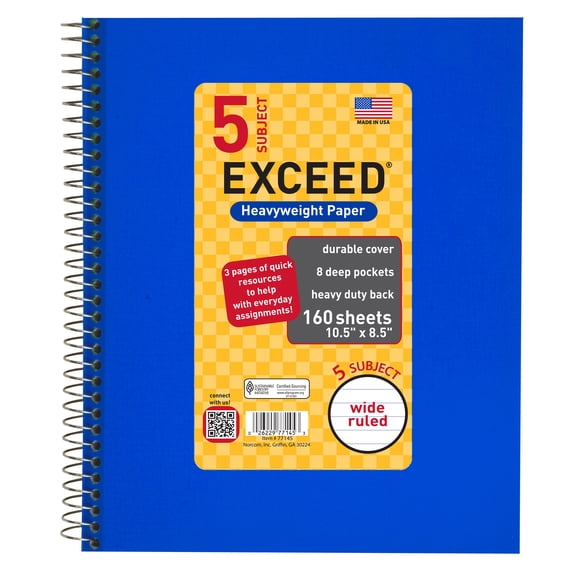
If you take fast notes in class or at work, you may prefer Exceed notebooks with layouts that match repeated daily use. If you keep records or reflective writing, you may prefer Exceed journals with covers and bindings designed for lasting structure.
For appointment tracking and task planning, you should look at Exceed planners with dated or structured page formats. If you carry documents, cards, and writing pages together, you may choose a padfolio for a more contained setup.
Choosing ruling types for Exceed notebooks and journals
Your page layout affects how easily you can write, sketch, map ideas, or build lists. You should match ruling type to your writing style so your pages feel useful from the first entry.
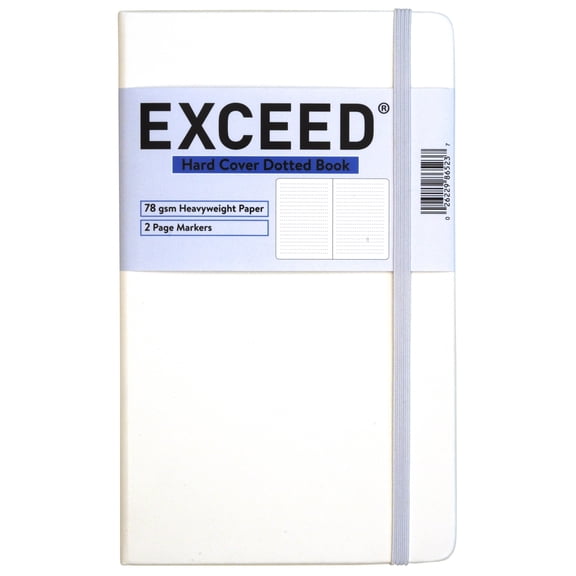
If you write paragraphs, meeting notes, or class summaries, you’ll likely want lined pages for steady spacing. If you build trackers or layouts, you may choose an Exceed bullet journal with dotted pages.
When you draw charts, plan math work, or organize boxes neatly, you may prefer grid pages. If you sketch freely or mix writing with diagrams, you may choose blank pages for open space.
- You can use lined pages for lecture notes, lists, and journal entries.
- You can use dotted pages for habit tracking, layouts, and bullet journaling.
- You can use grid pages for charts, technical notes, and measured sketches.
- You can use blank pages for drawing, brainstorming, and mixed-format pages.
What to look for in paper weight and writing performance
When you care about clean pages, you should check paper weight in GSM and overall sheet feel. You’ll often notice that heavier paper supports smoother writing and a tidier look on both sides.
If you write with gel pens or fountain pens, you may want sheets that help reduce show-through and bleed-through. You should compare paper descriptions carefully when your pen choice matters as much as the cover style.
For everyday lists and quick notes, you may be comfortable with standard writing paper and lighter books. For journaling, polished notes, or presentation prep, you may prefer a weightier page that feels more substantial.
Comparing size options for daily carry and desk use
Your notebook size changes how much you can write and how easily you can carry it. You should think about backpack space, desk space, and how often you write away from home.
If you want a balance of portability and writing room, an Exceed notebook A5 format may fit your routine well. You can tuck A5 and medium books into bags while still keeping enough space for organized notes.
When you need wide writing areas for class notes, project outlines, or meeting summaries, you may prefer letter size. If you need quick access during errands or travel, you may like pocket formats that stay close at hand.
Choosing binding types for comfort and durability
Your binding style affects how your pages open, turn, and hold up through repeated use. You should choose a format that matches whether you write flat, archive pages, or carry your book daily.
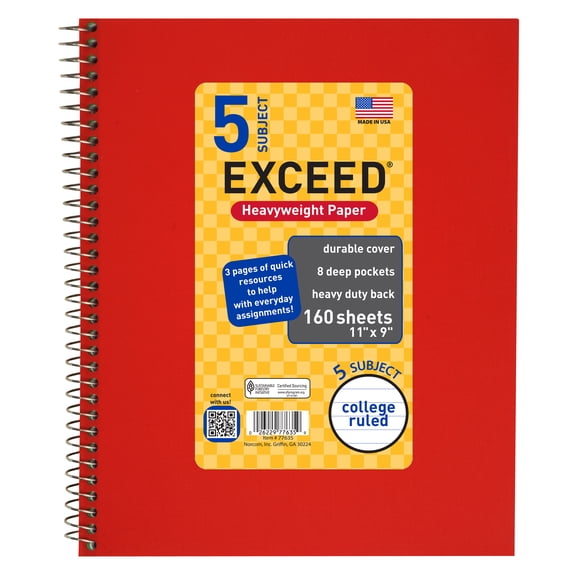
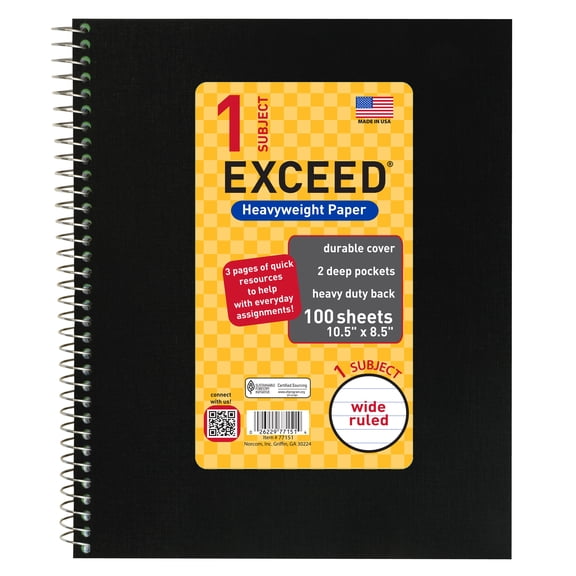
If you want pages to lie flatter during note-taking, you may prefer spiral bound formats. If you want a more structured look for shelves, desks, or giftable journals, you may lean toward casebound or bookbound options.
For active school and office routines, you should compare cover firmness and edge protection along with binding type. You’ll often notice that your preferred writing position matters as much as the notebook’s appearance.
Using Exceed planners and Exceed school supplies for real routines
You can use Exceed planners to map deadlines, weekly priorities, and recurring appointments in one place. You may also pair them with Exceed school supplies for coordinated note-taking across classes, clubs, and study sessions.
At work, you can use journals for project notes, notebooks for meetings, and padfolios for presentations or interviews. At home, you can use dotted or lined formats for meal planning, habit tracking, journaling, or household lists.
If you switch between desk work and travel, you should combine an A5 notebook with a planner for flexible organization. When you need longer writing sessions, you may choose a larger format with heavier paper and a durable binding.
With Exceed office supplies, you can choose layouts, sizes, paper weights, and bindings that match how you actually write each day. You’ll leave with pages that stay organized, feel comfortable to use, and support cleaner notes.