

Eskimo in Shop Fishing Brands












About Eskimo in Shop Fishing Brands - Walmart.com
With Eskimo brand gear, you can prepare for ice fishing trips with shelters, augers, sleds, and apparel built for harsh winter conditions. You’ll find practical options for changing ice thickness, transport needs, and group size, which makes this page useful for focused cold-weather planning.
If you’re comparing winter fishing equipment, you’ll want guidance that matches real decisions you face on the ice. You can use this overview to compare shelter capacity, insulation, power source, and portability before you narrow your pick.
How to choose Eskimo brand gear
When you shop Eskimo brand products, you’ll usually start with the job you need to handle first. You may need a shelter for long sits, an auger for fast hole drilling, or a sled for easier hauling.
Your setup also depends on how you fish through the season. You might travel light for solo mornings, or you may need group-ready equipment for longer outings with more gear.
- You can match shelter capacity to your crew size, so your space feels practical instead of cramped.
- You can compare insulated and non-insulated builds, so your setup fits changing temperatures and trip length.
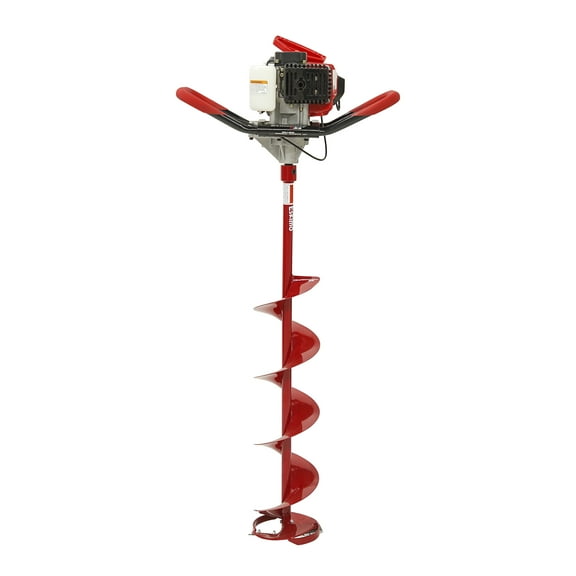
- You can choose electric, gas, propane, or manual power, so your auger matches ice thickness and portability needs.
- You can look at folded dimensions and sled compatibility, so your equipment is easier to load, pull, and store.
You’ll also notice that category choices connect to each other. If your shelter is larger, you may also want a sled that helps you move seating, tackle, and a heater.
Choosing the right shelter capacity and insulation
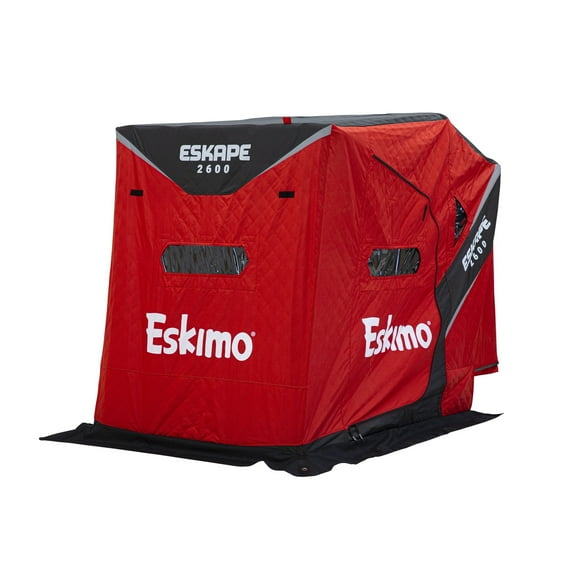
You should start shelter shopping by measuring how many people and how much gear you bring. A one-person option supports a compact setup, while group hub styles give you room for extra buckets and movement.
If you fish with a partner, you may prefer a two-person shelter that balances coverage and transport. If your crew is larger, you’ll likely want a three-to-four-person space or a group hub layout.
You should also compare hub-style and flip-over designs before choosing your shelter. Hub-style shelters can give you broader fishable space, while flip-over models can suit quicker moves during active fishing days.
When you review insulated and non-insulated options, you’re really deciding how you want to manage warmth and weight. Insulated shelters can help you hold heat, while non-insulated shelters can feel lighter to move.
You may also see thermal fabric denier listed as a decision detail. Higher denier fabric usually means you’re getting a tougher material that can stand up to repeated setup and pack-down.
Comparing auger power sources and ice conditions
You should choose auger power based on your ice conditions, transport method, and drilling pace. Electric augers can suit anglers who want easier starts and lighter handling during routine outings.
If you expect thicker ice or longer drilling sessions, you may lean toward gas models for sustained cutting power. Manual augers can make sense when you want simple carry weight and a straightforward setup.
You may also compare propane options if you want another fuel-based choice for cold-weather use. The right pick depends on how far you’ll walk, how many holes you’ll drill, and how much equipment you’ll carry.
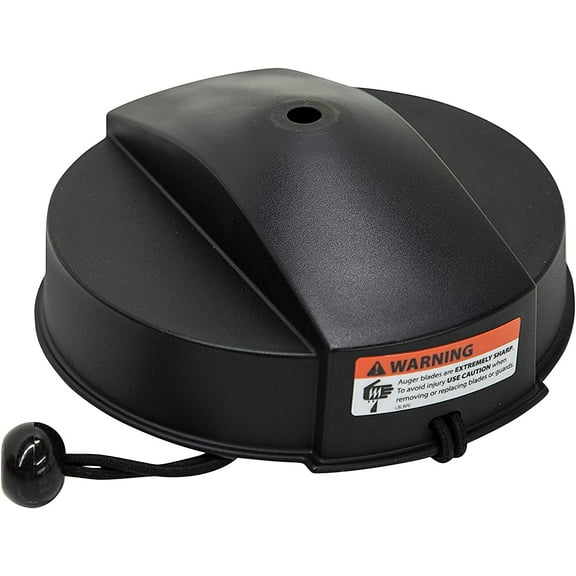
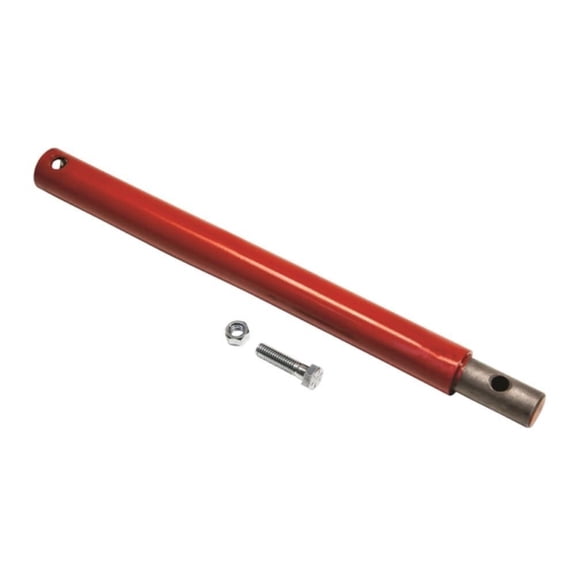
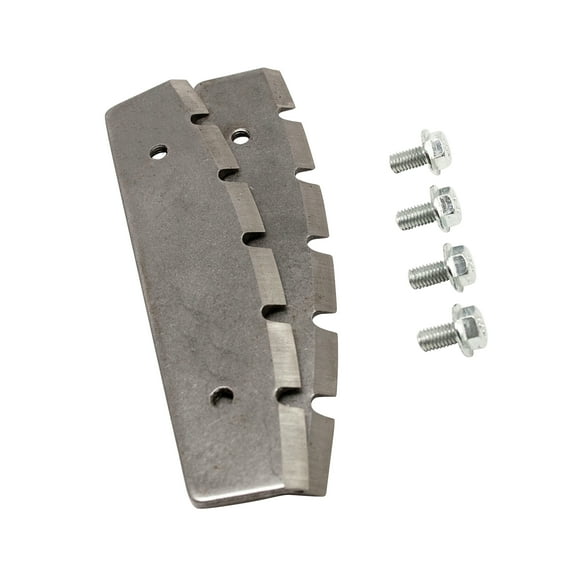
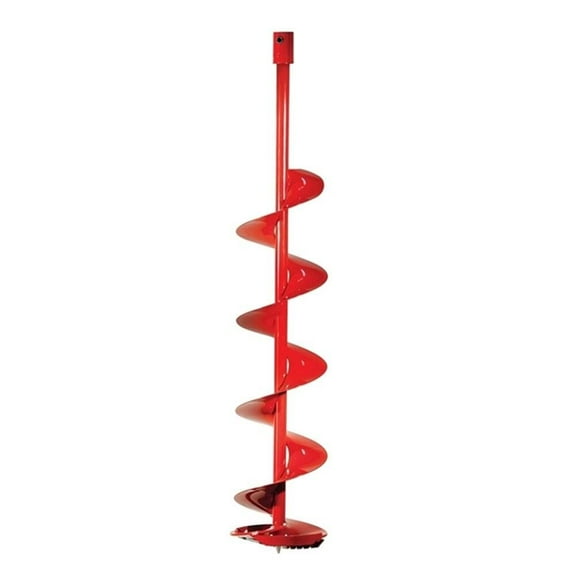
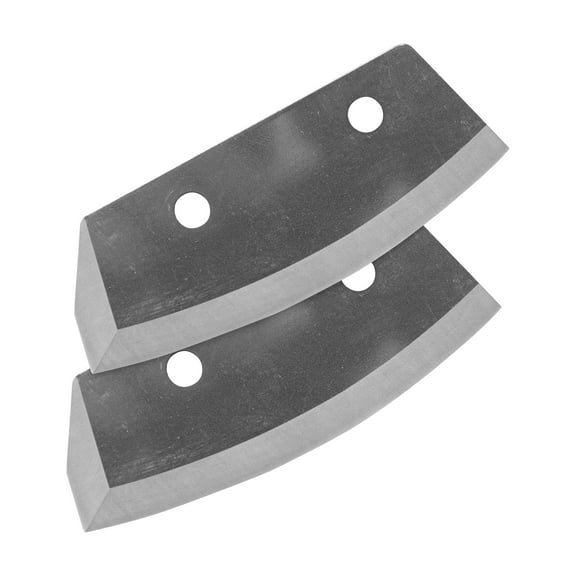
As you compare augers, you should look at blade style, weight, and shaft length in plain terms. Those details affect how easily you can drill, transport, and use your auger over changing ice depth.
Matching sleds, apparel, and portability needs
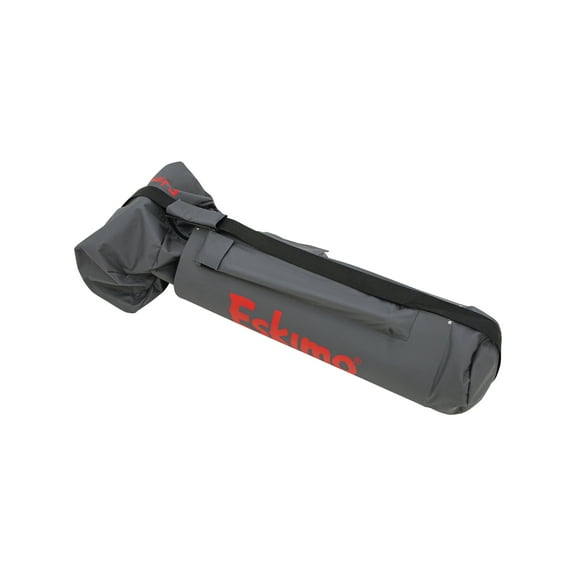
You should treat portability as a major buying factor, especially if you carry shelters, rods, electronics, and bait together. Folded dimensions matter because you need gear that fits your vehicle and storage space.
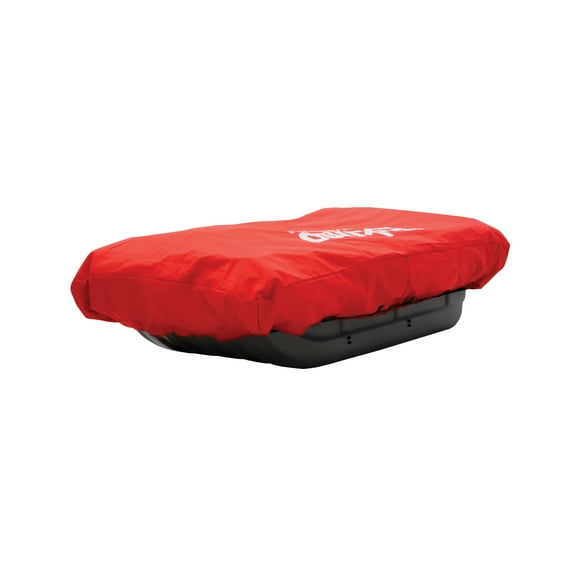
If you pull equipment by hand, you’ll want sled capacity and shape that support stable hauling. A compatible sled can help you organize bulky winter equipment without constant shifting during transport.
Your apparel choices also affect how comfortably you move through a long day outside. You may want outer layers that work with shelter use, drilling, and repeated walks between spots.
When you build a full setup, you should think about how each piece works with the others. A portable shelter, a matching auger style, and a practical sled can create a smoother trip from parking lot to ice.
Using Eskimo brand gear for real trip scenarios
If you fish alone before sunrise, you may want a one-person shelter, a lighter auger, and a compact sled. That combination can support quicker setup and easier movement between drilled holes.
If you fish with a partner for several hours, you might choose a two-person insulated shelter and a power auger. That setup can give you more room, steadier comfort, and efficient drilling during colder stretches.
For weekend groups, you may prefer a larger hub shelter with room for extra tackle and seating. You can pair that setup with a hauling sled when your load includes electronics, heaters, and layered clothing.
If your local ice conditions vary through the season, you should choose equipment that matches those shifts. You can move from lighter transport-focused gear to more insulated, power-focused options as winter deepens.
You may also use this page to plan around storage between trips. When your gear folds compactly and packs cleanly, you can spend less time reorganizing and more time getting onto the ice.
With Eskimo brand equipment, you can compare cold-weather essentials using the decisions that matter to you on the ice. You’ll leave with a setup that fits your crew, your transport plan, and your winter fishing routine.