

Engine Splash Shields in Splash Shields











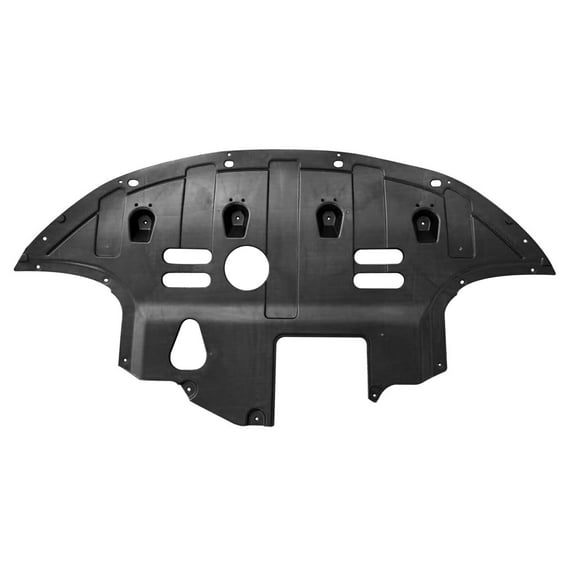
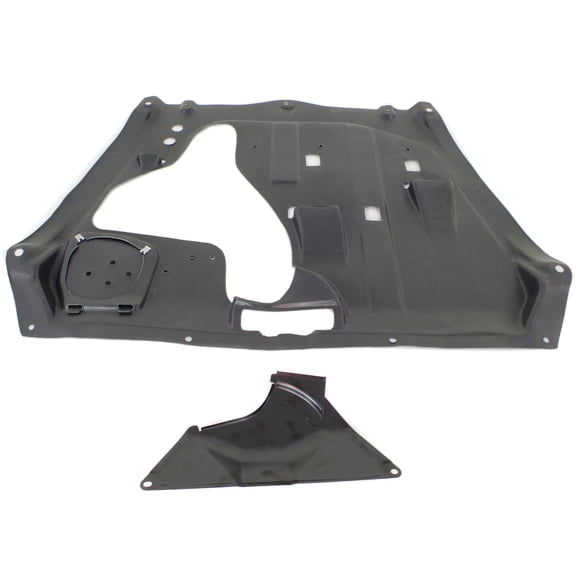


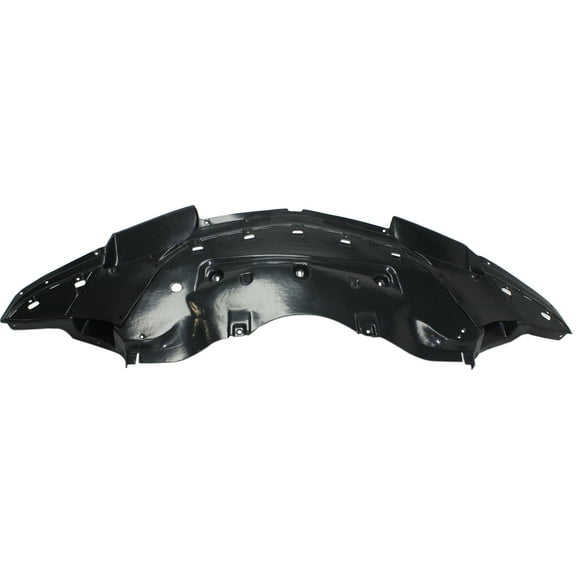
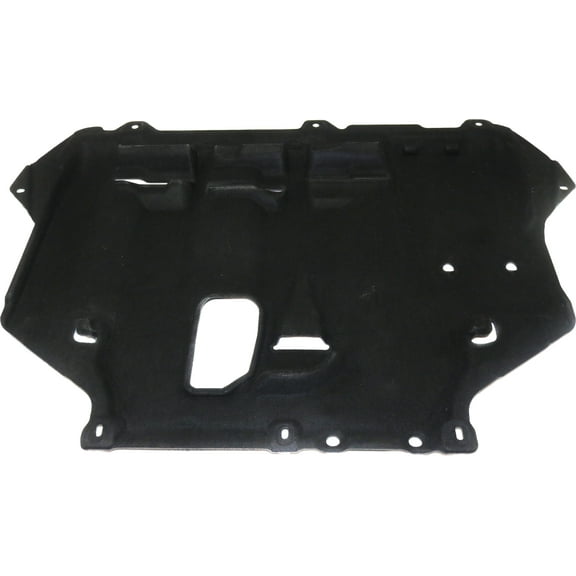

About Engine Splash Shields in Splash Shields - Walmart.com
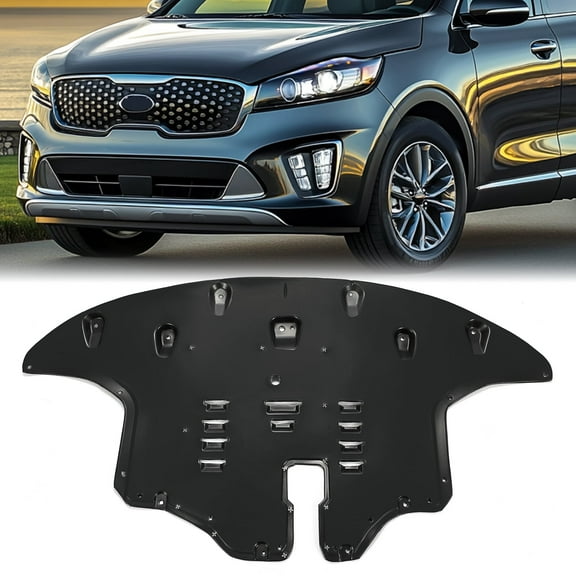
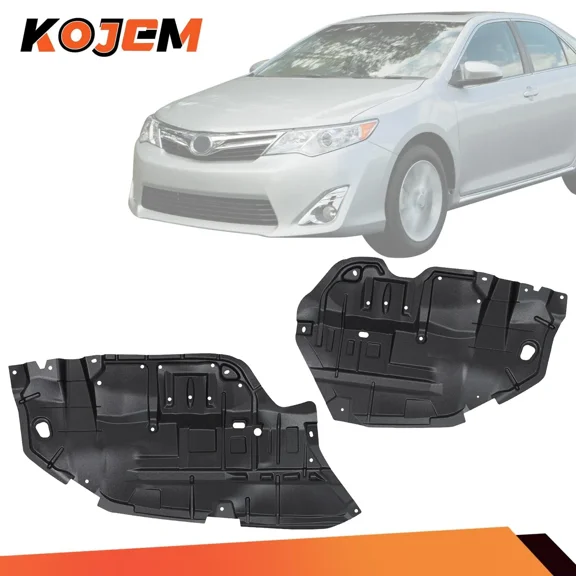
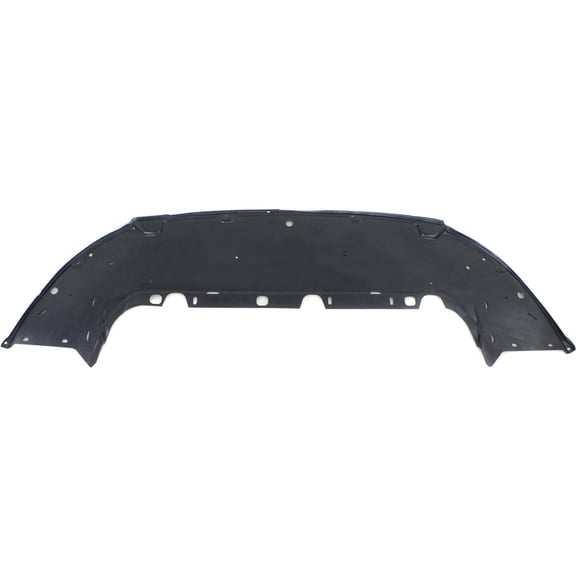
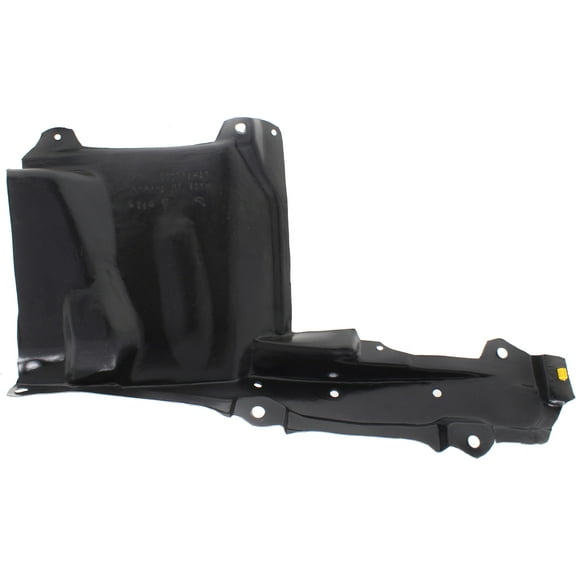
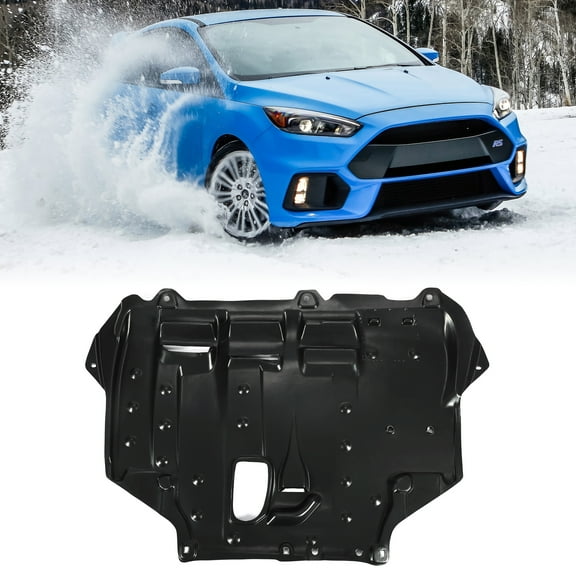
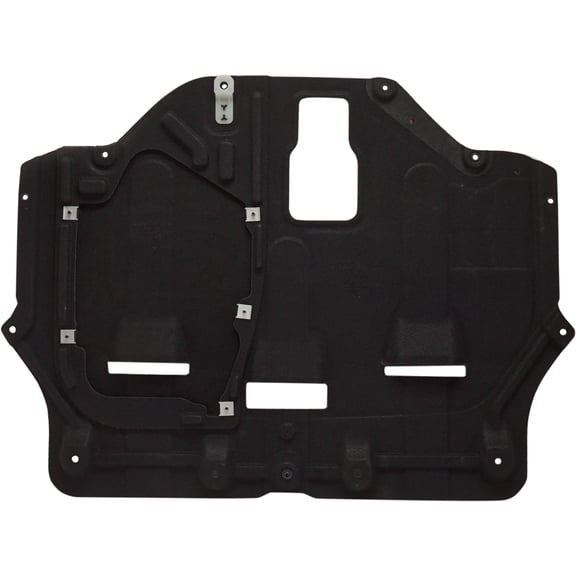
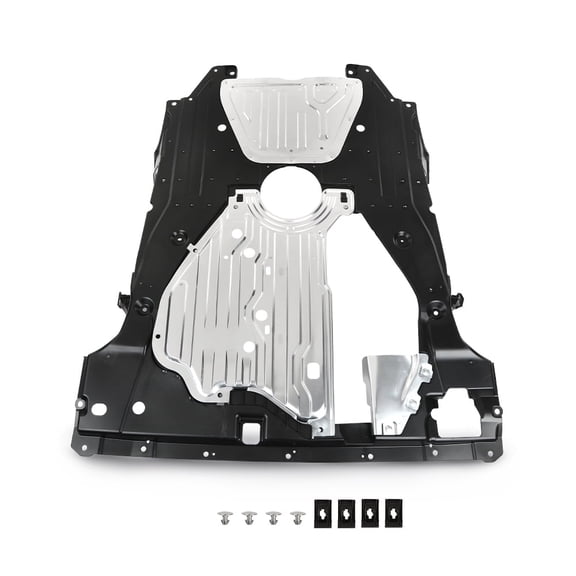
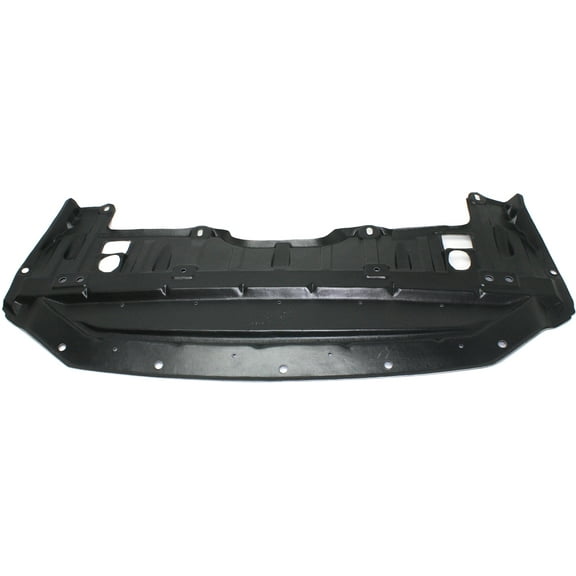
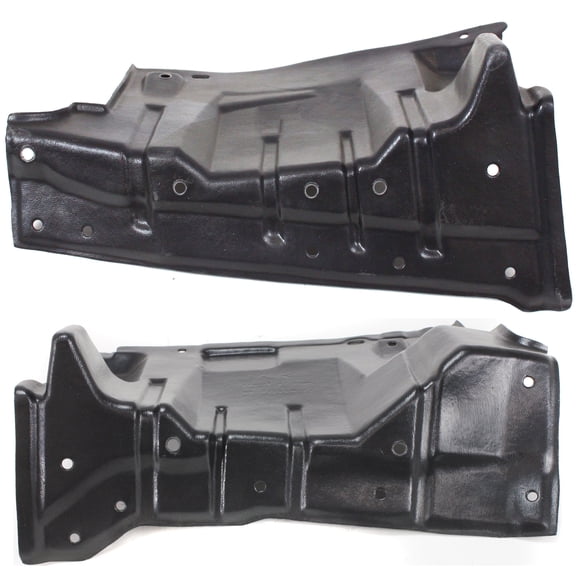
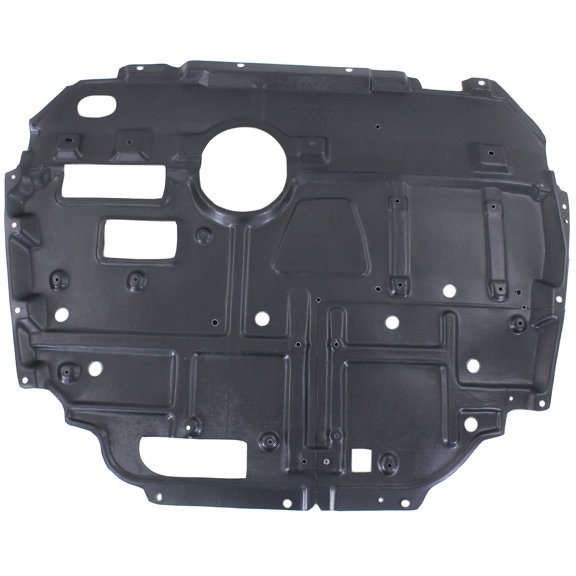
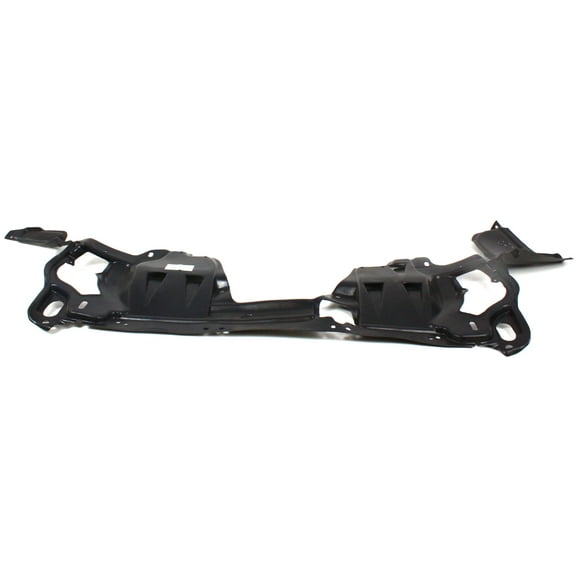
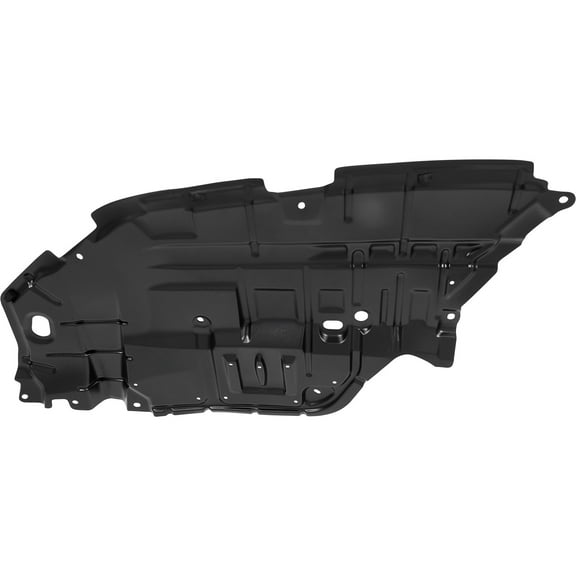
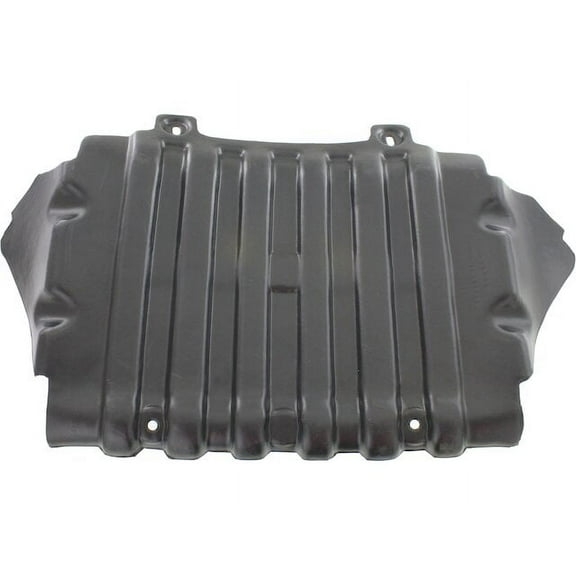
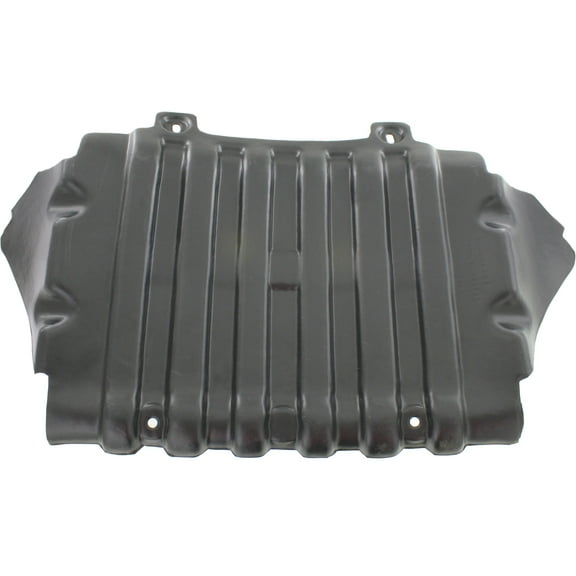
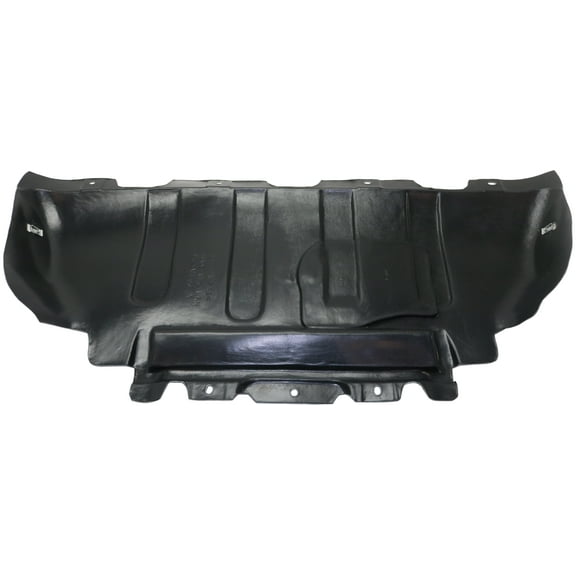
Your under engine cover helps shield key lower components from road spray, grit, and loose debris during everyday driving. When you replace a cracked or missing panel, you can restore cleaner underbody coverage and a more secure fit.
You may shop this category when your original panel drags, rattles, or no longer lines up with factory mounting points. You'll also find front, center, lower, and rear placement options, so your fitment search stays focused.
How to choose the right under engine cover
You should start with exact vehicle fitment, because year, make, model, and trim compatibility can change mounting holes and panel shape. If you compare those details first, you can avoid returns and get a cleaner installation.
You may also check the OEM part number when you want a closer match to your original panel. When you confirm that number, you can narrow choices for your engine splash shield car more confidently.
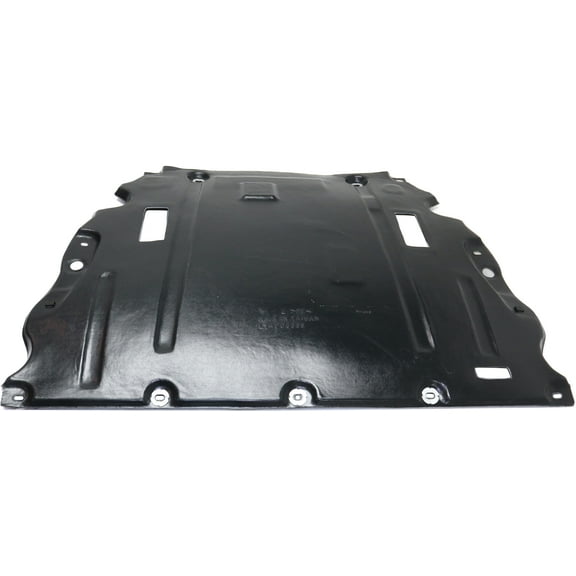
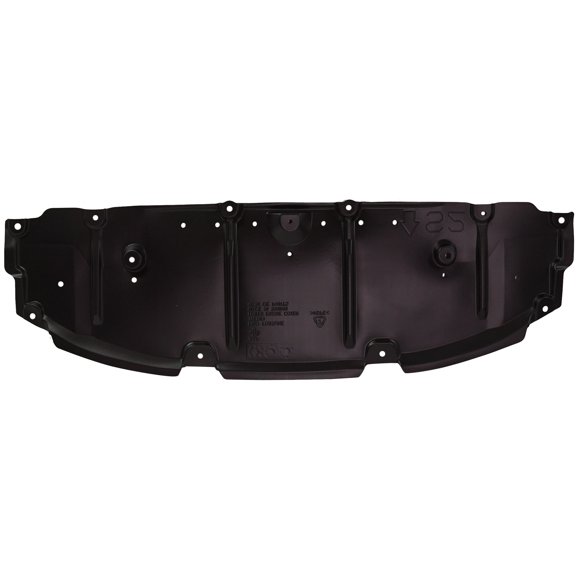
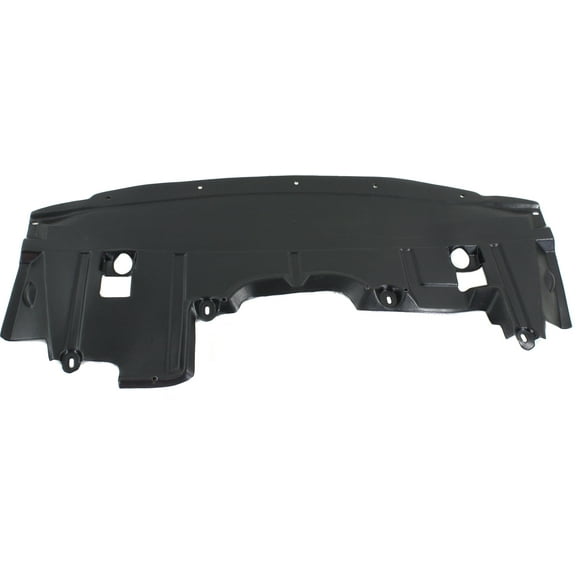
You’ll want to compare the coverage area before you buy, because a front lower splash shield protects a different section than a center engine splash shield. If you match the placement correctly, your replacement can line up with nearby liners and guards.
- You can confirm year, make, model, and trim before choosing a replacement.
- You can compare front, center, lower, or rear placement for the coverage you need.
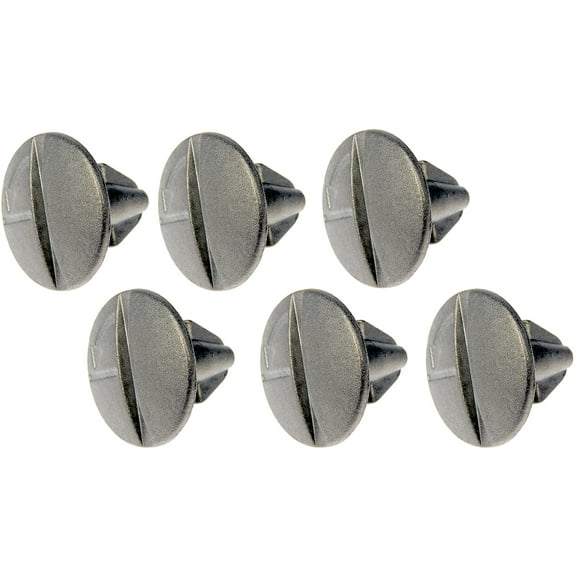
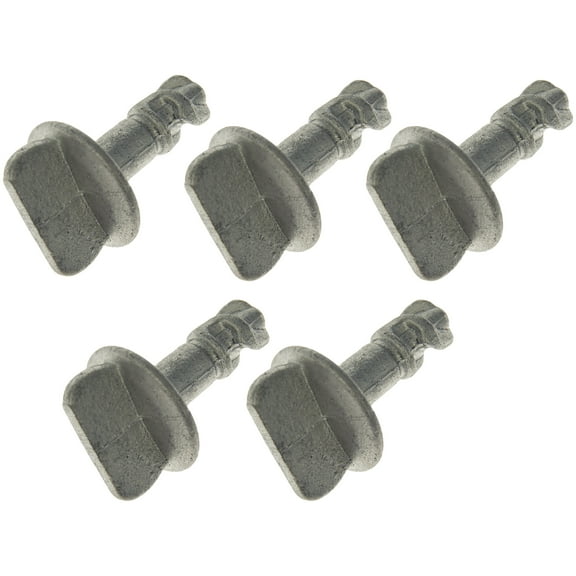
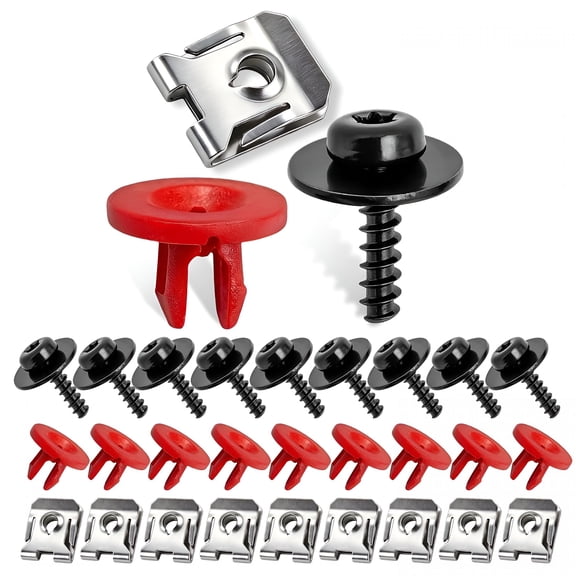
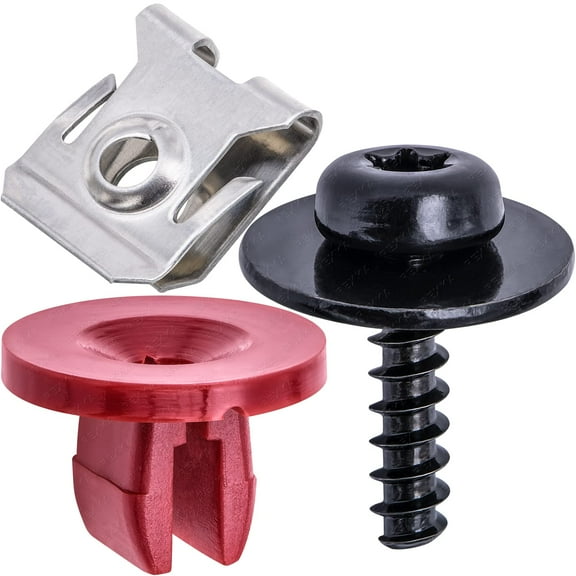
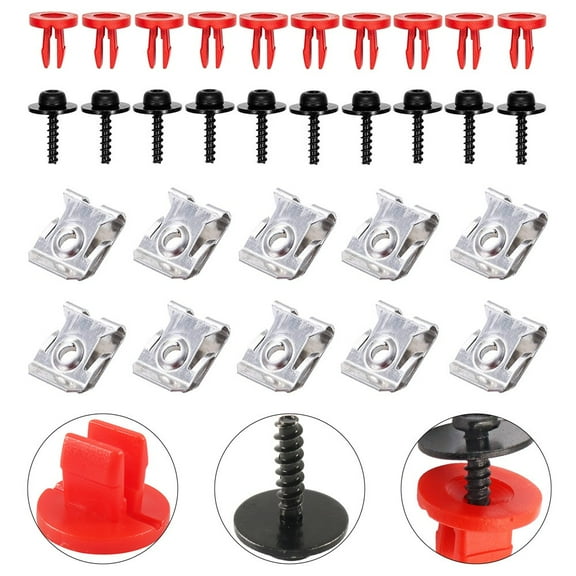
- You can check whether the kit includes clips, screws, or full hardware sets.
- You can choose between HDPE plastic, aluminum, or steel based on driving conditions.
Comparing fitment, placement, and materials
You’ll notice that fitment matters here, because panel contours follow the underside of your vehicle closely. If your trim level changes the bumper or subframe area, your mounting pattern may change too.
You can use placement terms as a quick filter when you compare listings. A front lower splash shield usually covers the leading underside area, while a center engine splash shield extends protection farther back.
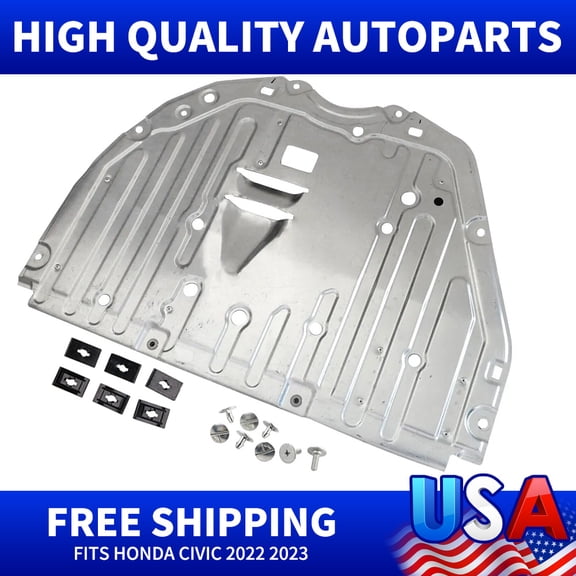
You may prefer HDPE plastic when you want an OEM-style replacement with some flex during everyday driving. You can consider aluminum when you want a rigid engine under cover splash shield guard for rougher surfaces.
You can also compare steel options when you want a sturdier feel and a more rigid lower barrier. If you drive in mixed conditions, your material choice can affect weight, fit style, and panel response.
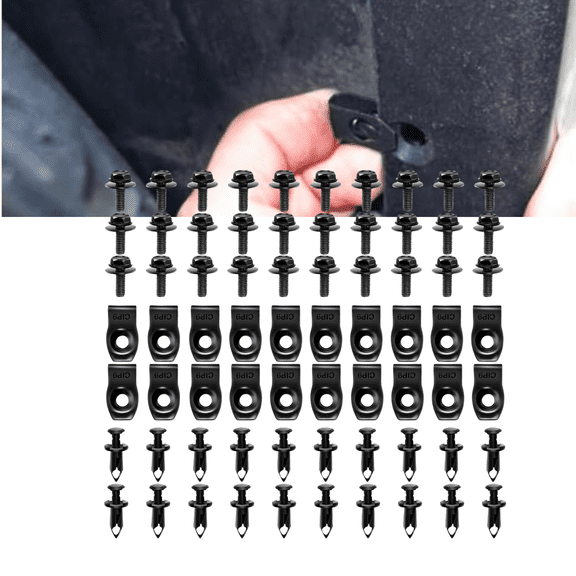
You should check whether you’re buying a shield only, a shield with clips, or a full assembly. If your old fasteners are worn or missing, included hardware can make your installation planning easier.
What to look for in an engine splash shield cover
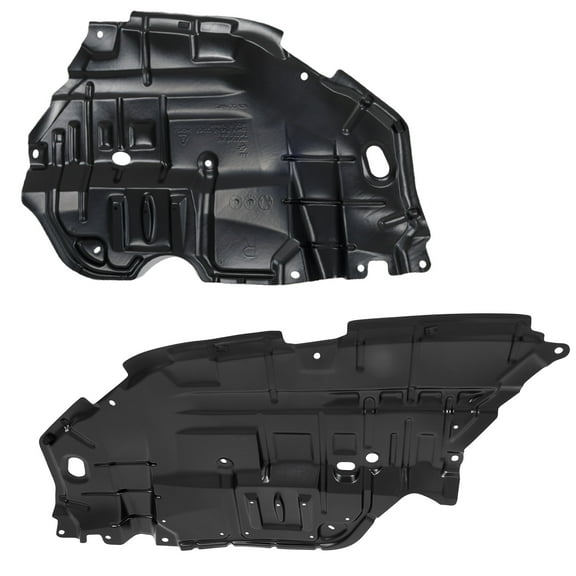
You can inspect mounting hole locations, edge shape, and cutouts before you choose an engine splash shield cover. When those details match your vehicle, you can reduce gaps and help the panel sit where it should.
You may look for molded vents, access openings, or reinforcement points when your vehicle design calls for them. If your original panel had those details, you should compare them closely in product specs.
You can check dimensions and placement notes when you’re replacing an engine lower guard or lower engine shield. Those notes can help you distinguish a small front section from a larger underbody panel.
You’ll also want to review whether the panel works with nearby fender liners or adjacent underbody pieces. If you’re replacing more than one section, matching those parts can help you complete the area cleanly.
You can keep installation more straightforward when you verify clips and screws before ordering. If the package lacks hardware, you may want compatible automotive clips and fasteners ready before you start.
Matching your under shield to real driving needs
You may need an under shield for a daily driver that sees rain, gravel, and highway miles each week. In that case, you can focus on OEM-style fitment, front coverage, and hardware compatibility.
You might choose a motor splash guard in aluminum when your route includes rough access roads or frequent uneven surfaces. That material can give you a firmer panel feel where extra rigidity matters.
You can replace a center section when road debris damages several attachment points or you lose multiple panels. If your front piece is still intact, you may only need targeted center coverage.
You may want a full assembly when several sections no longer line up around the lower front area. That approach can help you restore a more complete engine shield area in one repair plan.
You can also use this category when you’re finishing related underbody work around liners, supports, or fasteners. If you’re already accessing the lower front area, replacing worn splash shields at the same time can make sense.
Why careful selection matters for under engine cover fit
You’ll get the most from this category when you compare fitment, placement, material, and hardware together instead of choosing by appearance alone. When those details line up, your replacement can install with fewer surprises and restore proper lower coverage.
You can shop with more confidence when your under engine cover matches your vehicle’s exact underside layout. That careful match helps you protect exposed lower components with the coverage the manufacturer designed your vehicle to use.