

Electrical Boxes in Breakers, Distributors, and Load Centers



























About Electrical Boxes in Breakers, Distributors, and Load Centers - Walmart.com
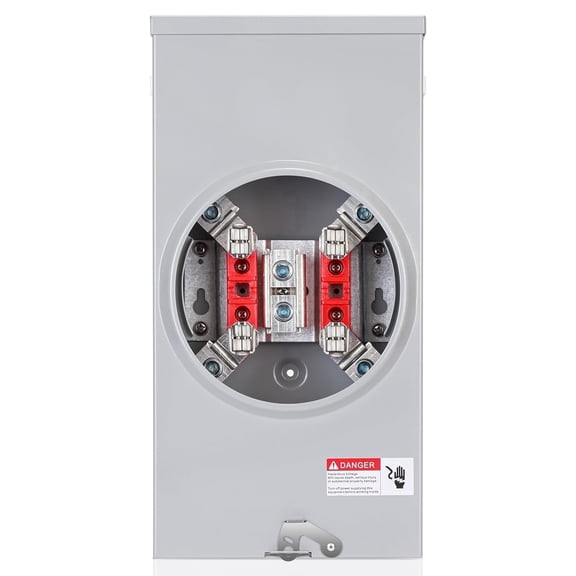
Electrical boxes help you plan cleaner wiring paths and device placements across remodels, new builds, and outdoor installations. You can compare material, mounting type, location rating, and gang layout to match your wiring method and wall setup.
How to choose electrical boxes by material
When you compare electrical boxes, material is one of your first decisions. You’ll often choose metal for conduit runs and exposed wiring, while your sheathed cable setups often pair with plastic options.
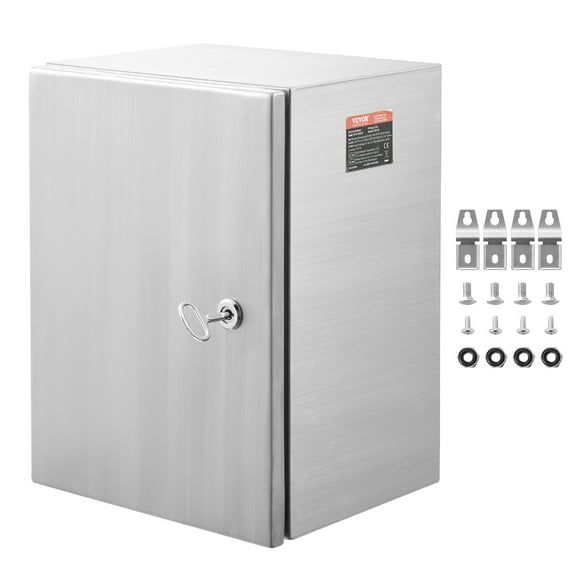
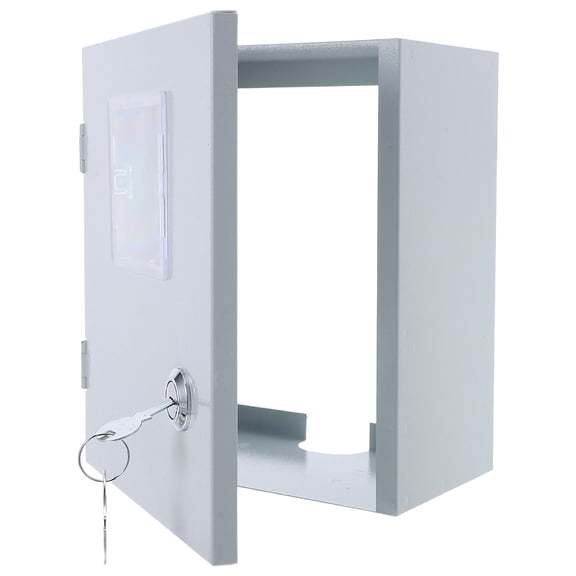
If you’re wiring a garage, basement, or workshop with conduit, metal electrical boxes can support that installation style. You may also prefer them when you want threaded entries and a rigid feel for surface-mounted work.
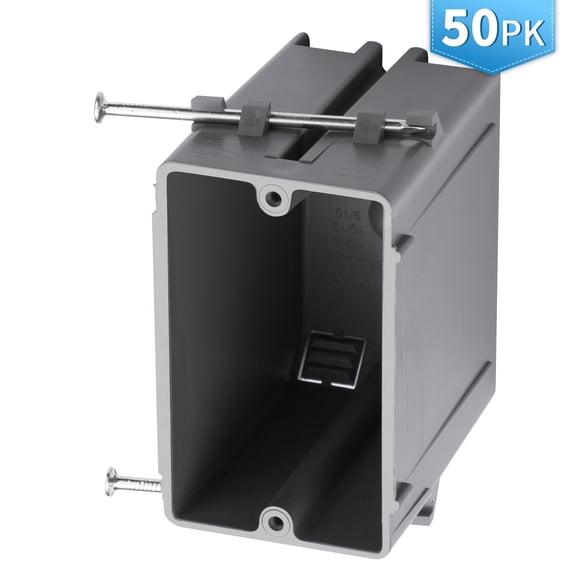
If you’re working with nonmetallic cable inside finished walls, plastic electrical boxes can simplify your install. You’ll often find them lighter to handle, and your projects may benefit from built-in clamps or nail-on designs.
Fiberglass styles can matter when your project needs a nonmetallic body with durable outdoor-ready construction. You should compare each box rating, because your location and wiring method still guide the right choice.
What to look for in box size and gang configuration
You should check box volume before you pick a style, because your wire count and device count affect the space you need. You’ll usually see cubic inch capacity listed, which helps you match the box to switches, receptacles, and splices.
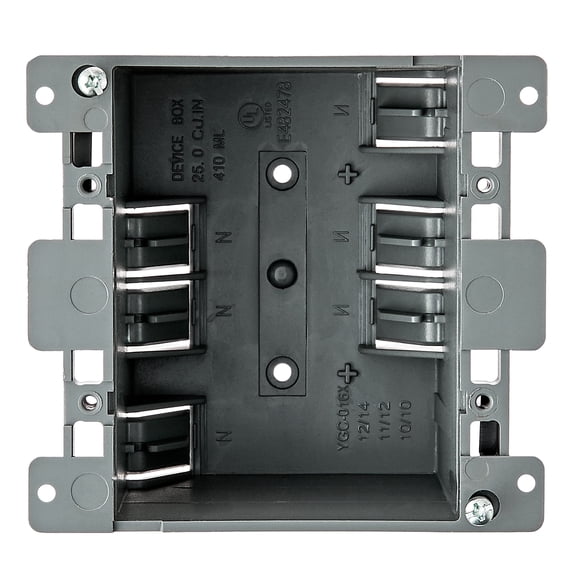
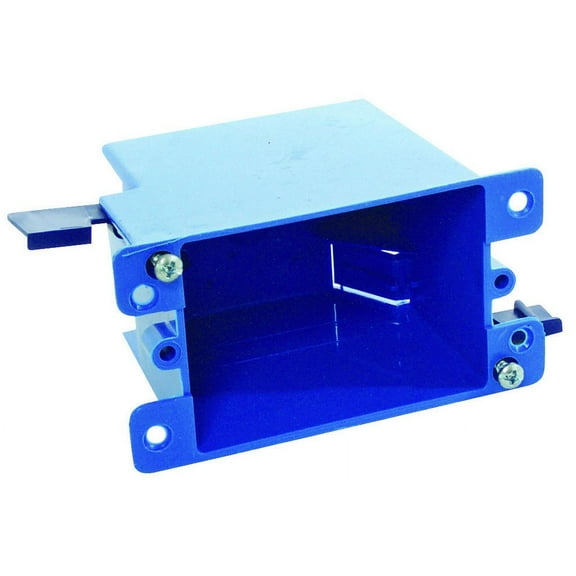
If you’re adding a single switch or receptacle, your one-gang layout may fit the space neatly. If you’re combining two devices, a 2 gang electrical box can give your wiring and devices room to sit properly.
Multi-gang options help you line up several controls in one location, which can streamline your wall layout. You should measure stud spacing, wall depth, and cover compatibility before you finalize that wider footprint.
- You can use one-gang boxes for single switches, dimmers, or outlets.
- You can choose two-gang boxes when your wall needs paired devices or extra room.
- You can compare multi-gang layouts for banks of switches in larger rooms.
- You should review cubic inch capacity when your box holds multiple conductors.
Choosing mounting type for new or existing walls
You should match the mounting type to your stage of construction. If your studs are open, new work boxes can attach before drywall goes up and help you keep placement consistent.
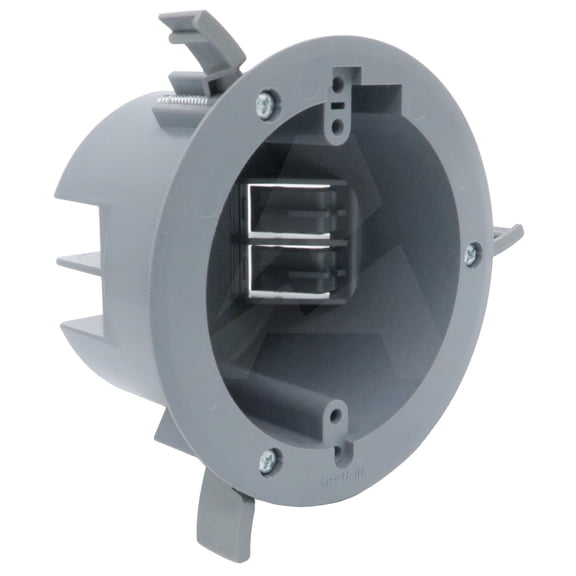
If your walls are already finished, an old work electrical box can help you retrofit a switch or outlet opening. You’ll often see flip-out tabs or wings that secure the box against the drywall surface.
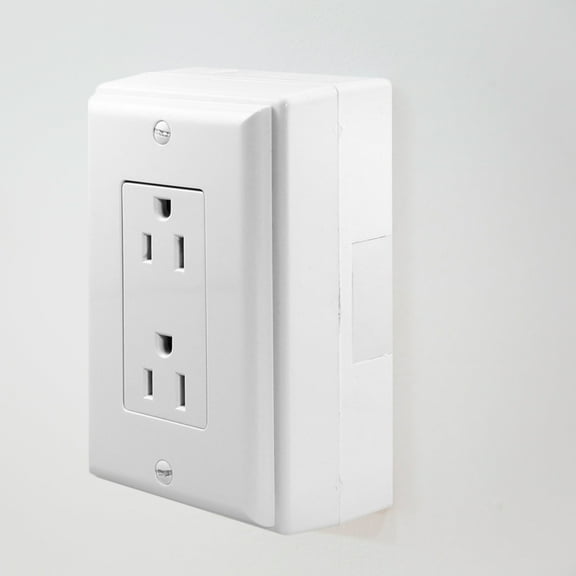
Surface mount boxes can work well when your wiring runs along the wall rather than inside it. You may use them in utility spaces, workshops, or areas where conduit stays visible and accessible.
As you compare mounts, check whether your box includes brackets, nails, clamps, or mounting ears. You’ll want those details to match your wall material, device type, and installation plan.
Choosing an outdoor electrical box or weatherproof electrical box
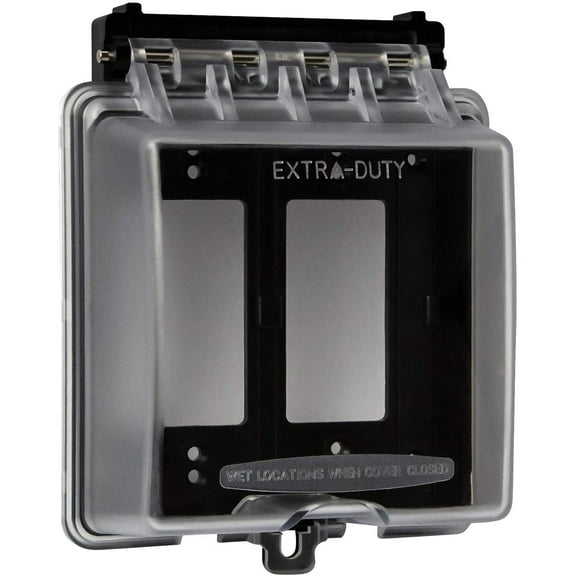
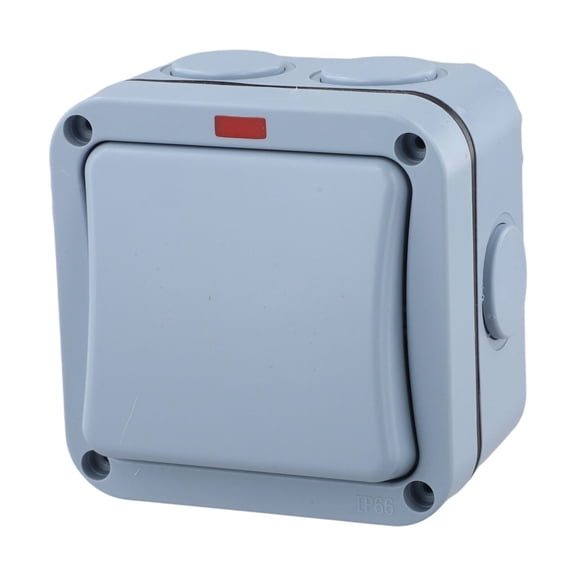
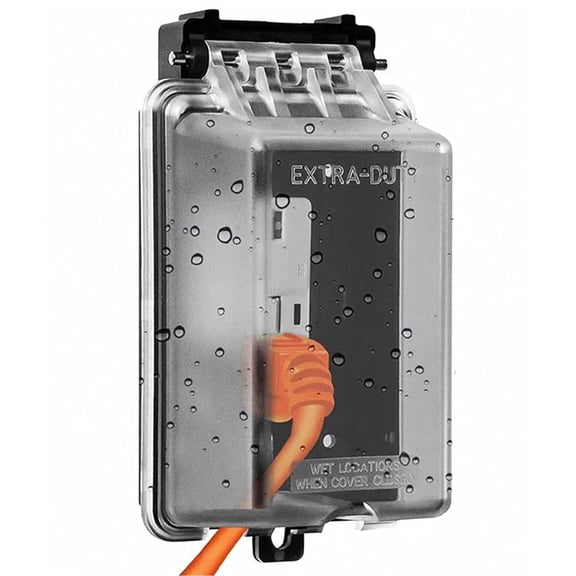
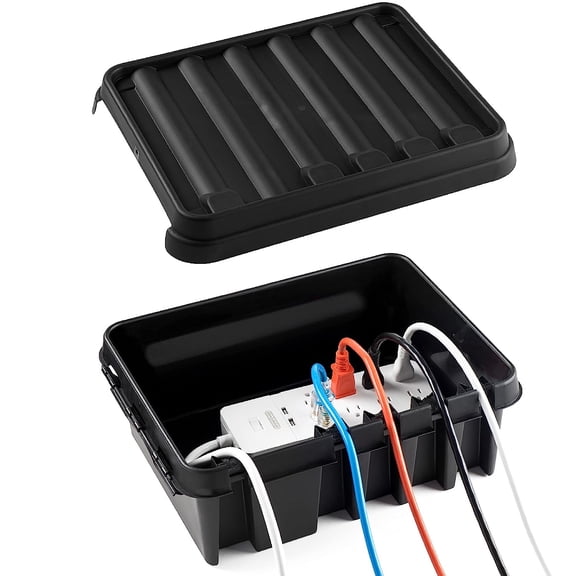
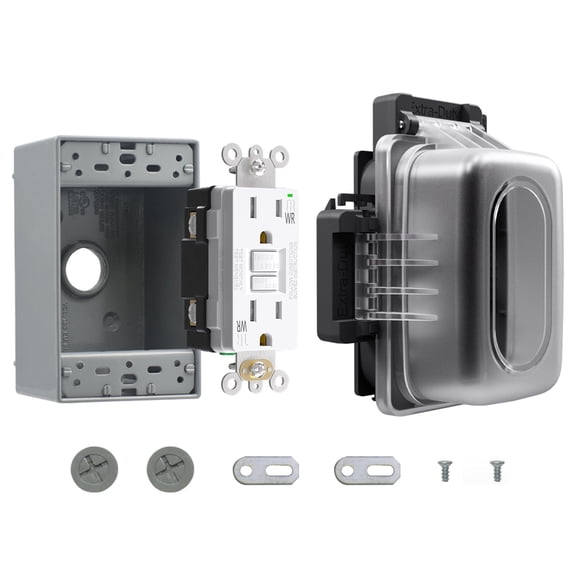
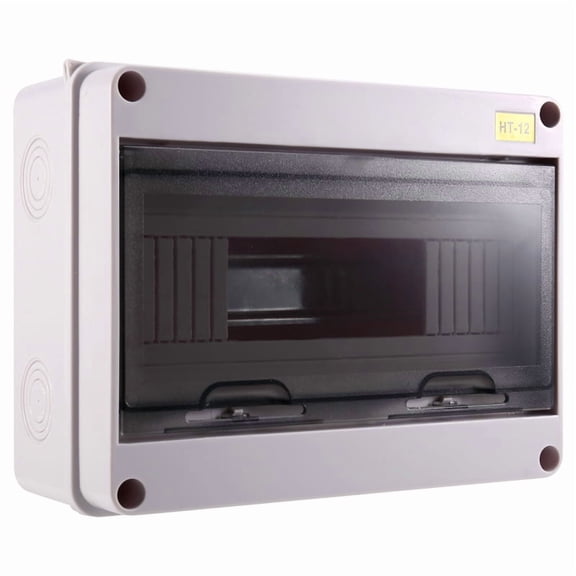
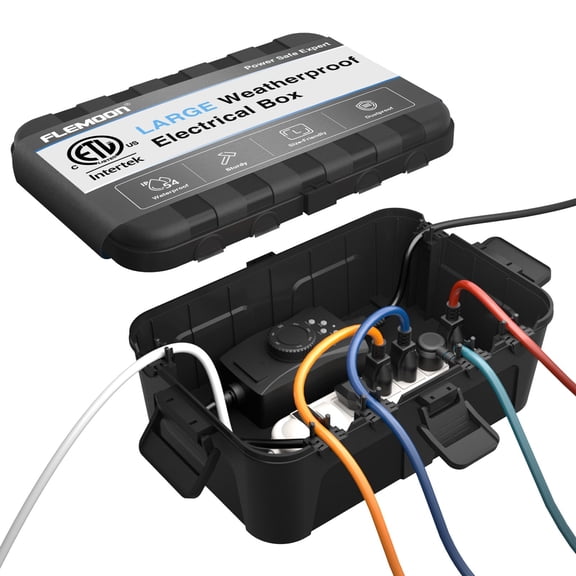
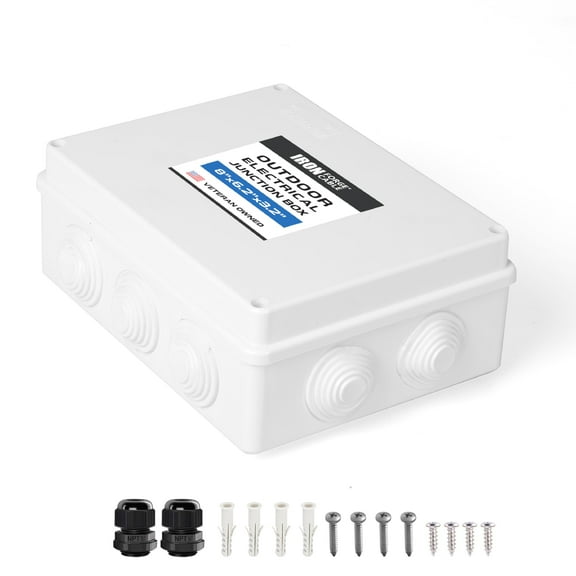
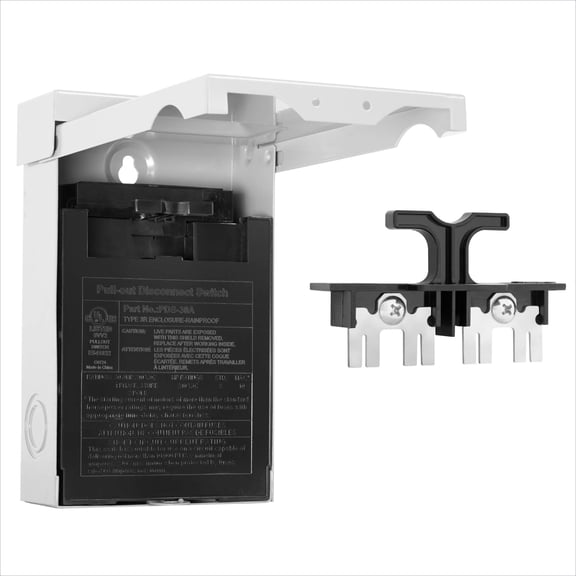
If your installation faces rain, splashing water, or open-air exposure, you should compare an outdoor electrical box with the right rating. You’ll also want a weatherproof electrical box when your project includes exterior lights, outlets, or switches.
Outdoor placements often need gasketed covers, threaded hubs, or sealed entry points that fit the box design. You should confirm that your box and cover are intended to work together in the same environment.
Indoor boxes usually support dry locations, while weather-rated options are built for exterior walls, patios, and detached structures. You can narrow your choice quickly when you start with the installation location first.
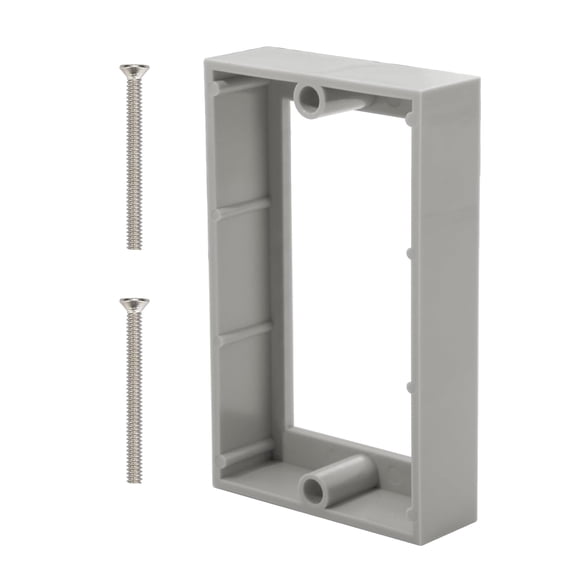
If you’re adding devices near siding, masonry, or concrete, you should also compare mounting depth and entry style. You’ll often need enough room for fittings, conductors, and the device body behind the cover.
How electrical boxes fit real projects
You might choose metal electrical boxes for a basement conduit run, where your wiring stays exposed and your fittings need threaded connections. You may prefer plastic boxes for bedroom or living room outlets that use nonmetallic cable inside framed walls.
For a remodel, you can use an old work electrical box when you’re adding a receptacle without opening the full wall. If you’re planning a fresh room build, new work styles can help you place devices before drywall installation.
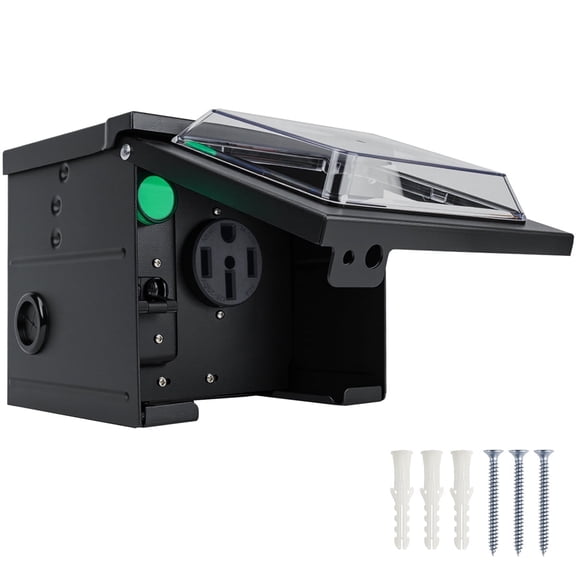
On a porch or exterior wall, an outdoor electrical box can support lights, switches, or receptacles in exposed conditions. You should also compare cover style, because your in-use setup affects how the finished installation functions.
If your kitchen, office, or media wall needs paired controls, a 2 gang electrical box can support that layout. You’ll get a cleaner fit when your gang count, wall plate, and device combination all align.
As you narrow your options, compare material, cubic inch capacity, mounting type, and location rating together. You’ll make a more accurate choice when your box matches your wiring method, wall condition, and device layout.
With the right electrical boxes, you can create a cleaner device fit, smoother installation planning, and a setup that matches your wiring method. You’ll feel more confident when your box choice lines up with your wall type, gang count, and installation location.