

Where to Buy ECOS Products & Eco-Friendly Cleaners | Walmart

















About Where to Buy ECOS Products & Eco-Friendly Cleaners | Walmart - Walmart.com
You can compare ecos household essentials by product type, scent, form, and certifications before you choose your everyday cleaning routine. You'll find plant-powered formulas, concentrated options, and scent choices that fit laundry rooms, kitchens, and shared household spaces.
If you're shopping this brand page, you likely want clear guidance on what each format means in daily use. You can use these decision points to narrow options for clothes, dishes, counters, and handwashing needs.
How to choose ecos by product type
You can start with product type because each option supports a different cleaning task and routine. Your choice usually comes down to fabric care, dishwashing, surface cleaning, or everyday handwashing.
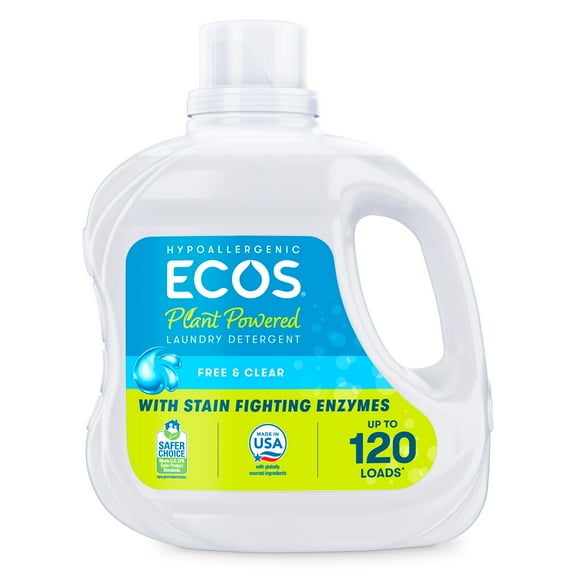
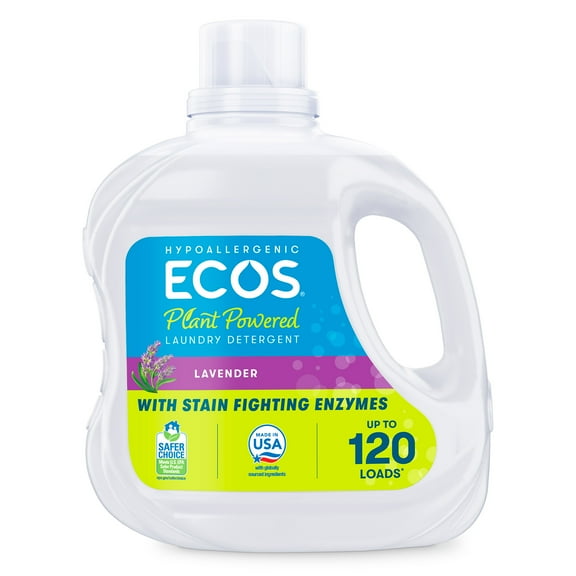
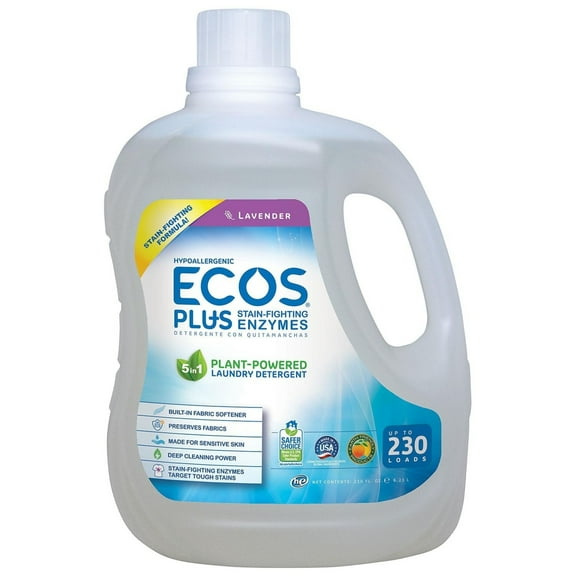
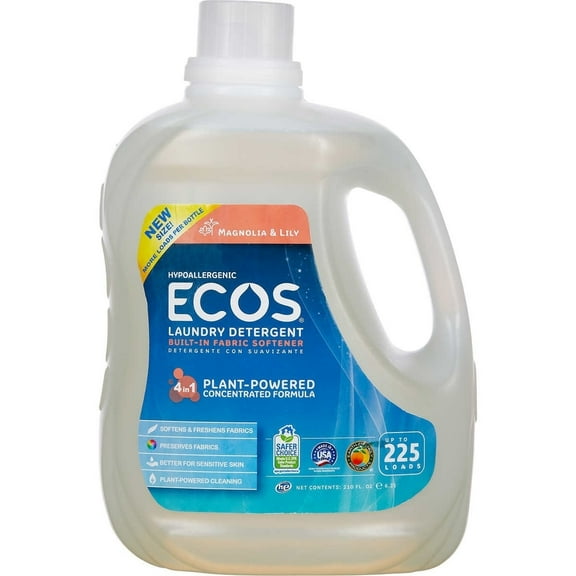
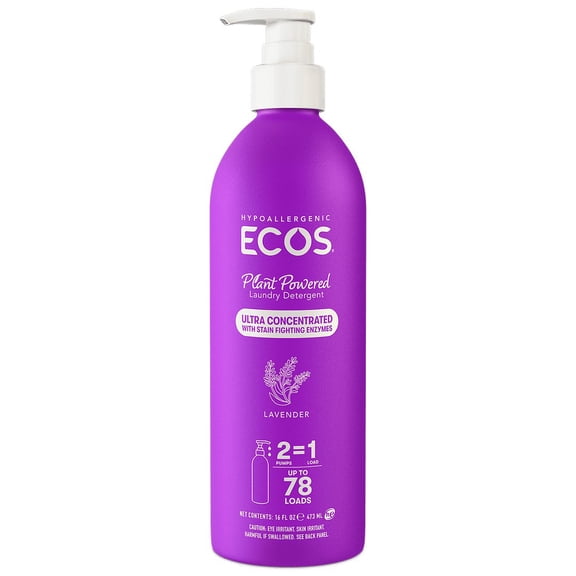
When you compare ecos laundry detergent, you should focus on load size, fabric habits, and fragrance preference. If you wash activewear, towels, or baby clothes, you may want a gentle formula with clear ingredient details.
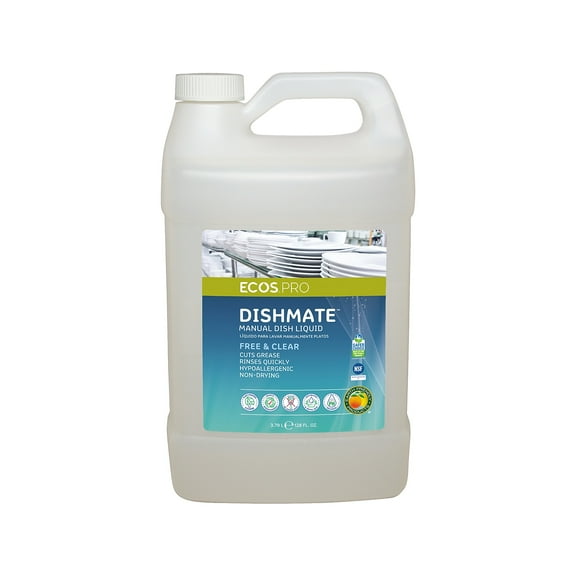
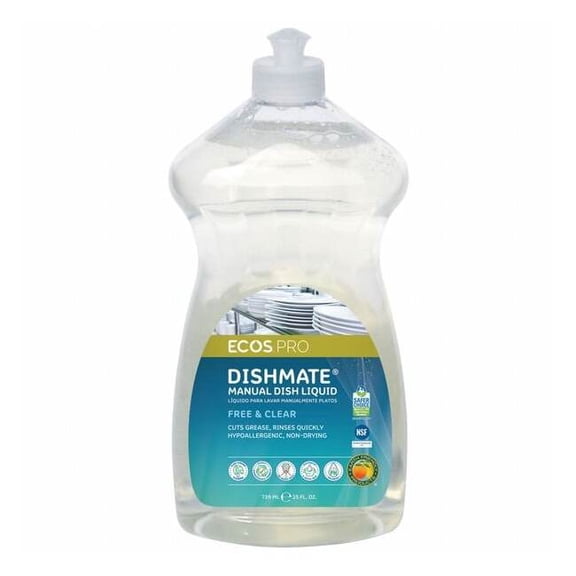
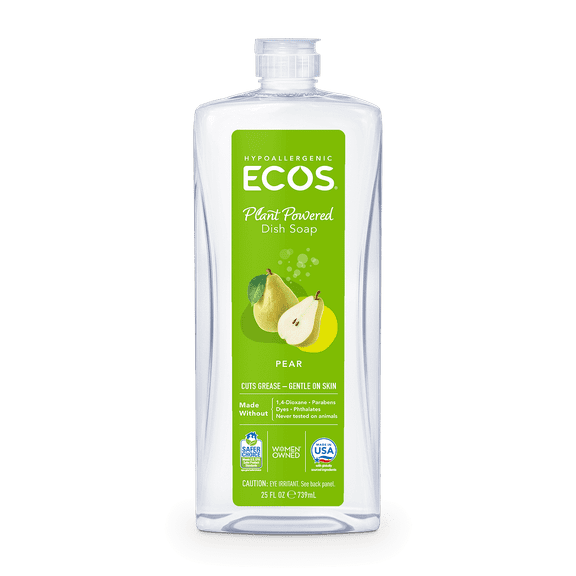
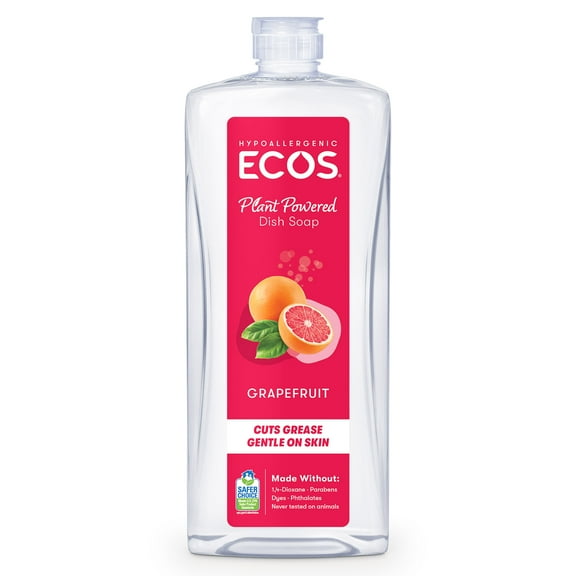
For ecos dish soap, you should consider grease removal, sink-side convenience, and how often you hand wash cookware. If your household cooks often, you may prefer a formula that cuts through oily residue without a heavy scent.
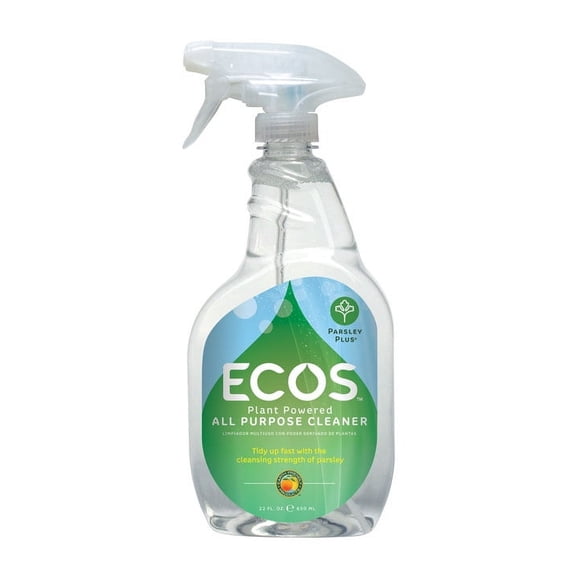
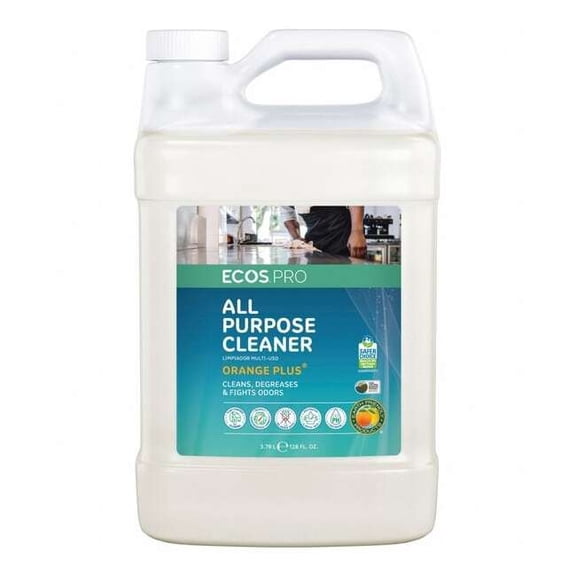
You can also look at all-purpose cleaner for counters, sealed surfaces, and quick wipe-downs between deeper cleans. If you want one bottle for several rooms, this product type can simplify your routine.
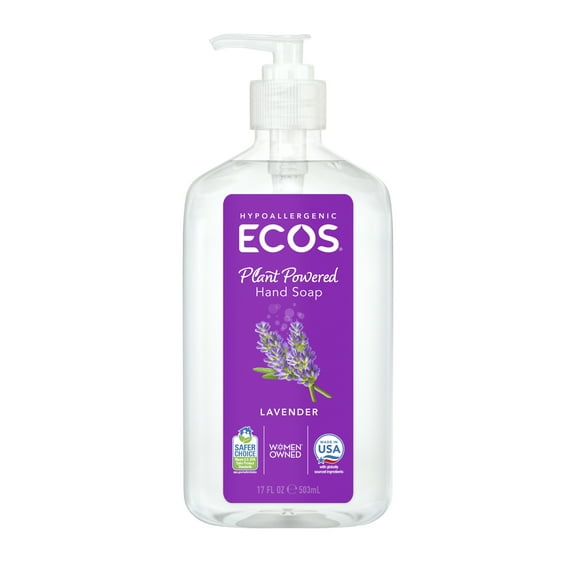
Hand soap works well when you want a matching brand across kitchen and bathroom spaces. You may prefer it if your household washes hands often and wants a familiar scent profile.
- You can match laundry detergent to load habits, fabrics, and preferred fragrance strength.
- You can choose dish soap based on grease cleanup and frequent handwashing comfort.
- You can select all-purpose cleaner when your routine includes counters, appliances, and sealed surfaces.
- You can pick hand soap when your household wants a coordinated sink-side setup.
Choosing scent profiles in ecos laundry detergent and ecos dish soap
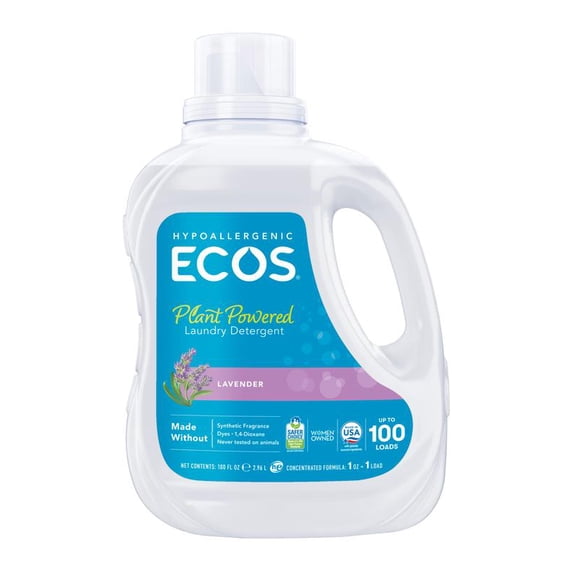
You should compare scent profiles early because fragrance affects every wash, rinse, and wipe-down. Your options may include lavender, lemongrass, free and clear, and magnolia and lily.
If you prefer a lighter routine, you may want free and clear formulas for a more neutral experience. You can look for this option when your household prefers minimal added fragrance.
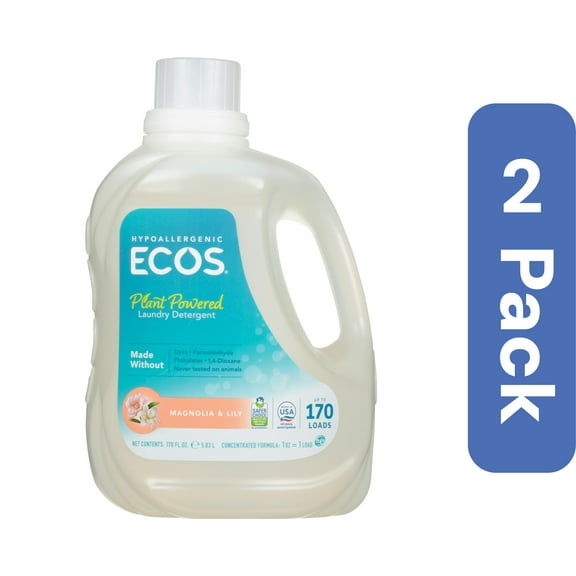
Lavender and magnolia and lily can suit shoppers who want a softer floral finish on fabrics or hands. You should compare where the scent stays longest, since laundry and hand soap wear differently.
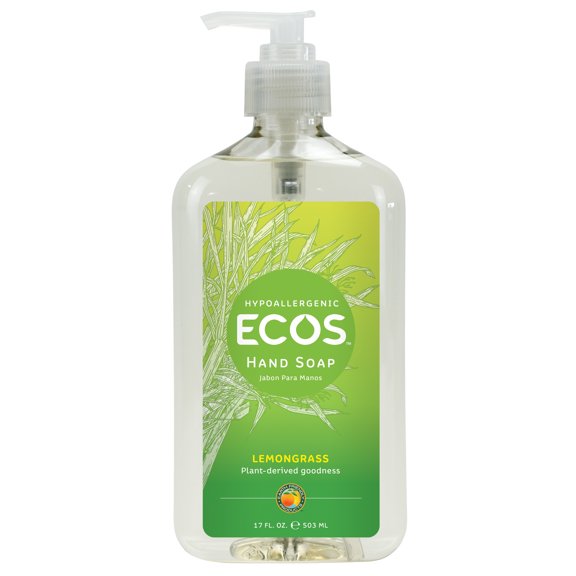
Lemongrass often fits kitchens because you may want a brighter, fresher impression around dishes and sinks. You can use scent choice to separate kitchen products from laundry products in a simple way.
Your scent decision also connects to skin comfort and household preference. If your home shares products across several people, you may prefer milder profiles that feel easier to use every day.
What to look for in form and concentration
You should compare form next because liquid, sheets, and concentrate each change how you measure and store cleaners. Your available space, load frequency, and cleanup habits can guide that decision.
Liquid formulas can feel familiar if you like straightforward measuring for loads, sinks, or spray bottles. You may choose them when you want easy pouring and a format you already know.
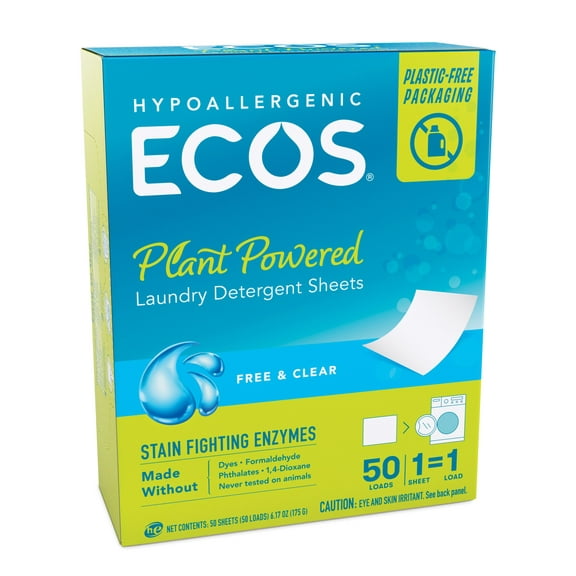
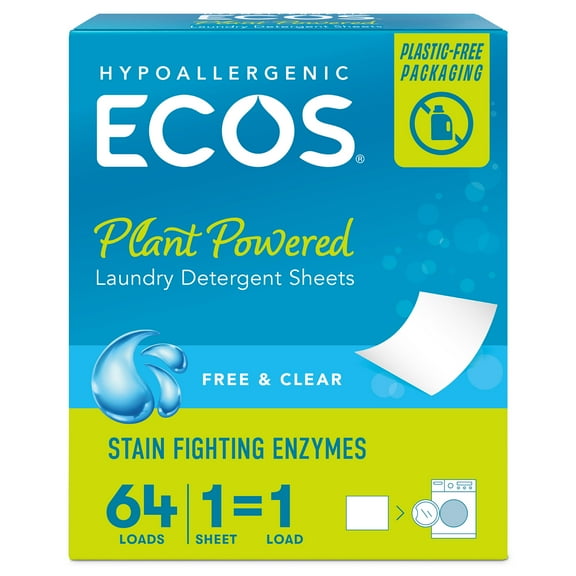
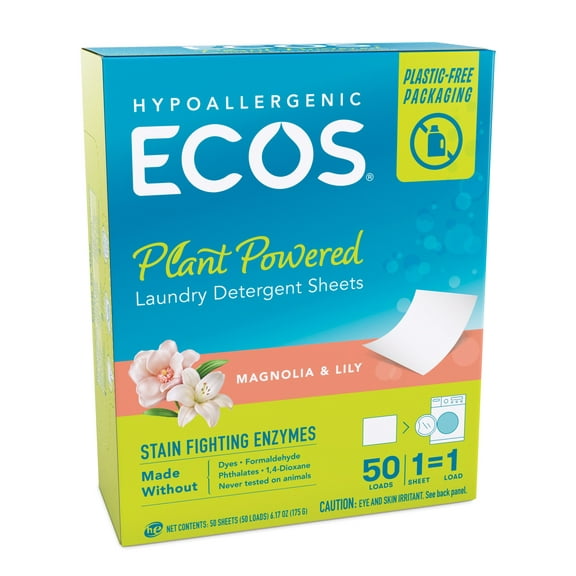
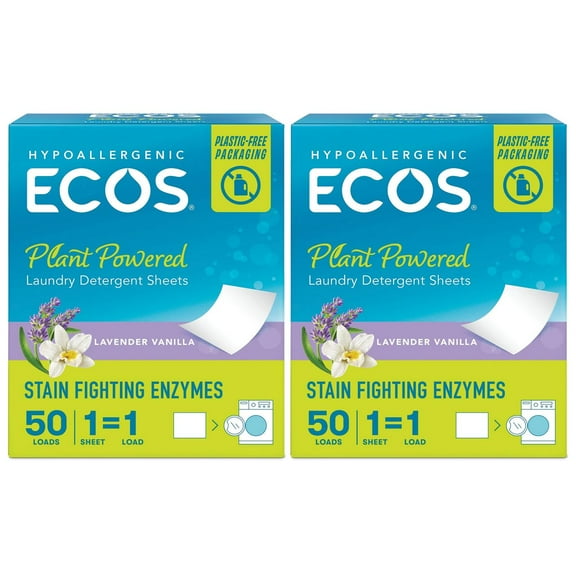
Sheets can make sense when you want a compact laundry setup with less shelf clutter. You should check how many loads each package supports and how that fits your weekly routine.
Concentrate options matter if you want more washes or cleanups from a smaller amount of product. You can compare per-load or per-wash use to understand how the formula stretches across regular chores.
Your cleaning performance also ties to form, especially with tough stains and greasy pans. When you see plant-powered ingredients or enzymatic cleaning support, you should read them as tools for breaking up residue during washing.
You don't need heavy jargon to compare results across formats. You just need to check how each form dispenses, how much you use, and where it fits in your storage space.
Understanding certifications and ingredient details
You should review certifications because they help you compare ingredient standards across ecos household cleaners. Your page may include markers like EPA Safer Choice, USDA Certified Biobased, hypoallergenic, and vegan.
EPA Safer Choice can help you identify formulas screened against that program's criteria for ingredient selection. You can use that label when you want a quick shortcut for comparing everyday cleaning products.
USDA Certified Biobased points you toward formulas that include biobased content from renewable sources. You should treat it as one useful comparison point alongside scent, form, and intended cleaning task.
If you look for hypoallergenic options, you may want formulas designed with sensitive households in mind. You can pair that preference with free and clear scent profiles for a simpler routine.
Vegan labeling can matter when your household checks product standards across personal and home care items. You should use these certifications as filters, not as substitutes for choosing the right product type.
How ecos fits real household routines
You can build a practical system by matching product combinations to the rooms and chores you handle most. Your laundry area, kitchen sink, and shared surfaces may each need a slightly different format.
If you wash several loads each week, ecos laundry detergent in liquid or sheets can support a steady laundry schedule. You may prefer free and clear for daily basics or lavender for a softer finish.
For frequent cooking, ecos dish soap with a fresh scent profile can suit pans, plates, and utensils after dinner cleanup. You can pair it with hand soap to keep your sink area consistent.
If you want fewer bottles across the house, an all-purpose cleaner can cover routine wipe-downs on compatible sealed surfaces. You should compare concentrate and ready-to-use habits based on how often you clean.
A shared household may benefit from milder scents, hypoallergenic labeling, and concentrated formats that last through repeated use. You can make your final choice by checking usage directions, fragrance style, and certification preferences.
When you use these decision points, you can narrow ecos options with more confidence and less guesswork. Your routine stays easier to manage when product type, scent, form, and certifications all line up.