

Dymo in Office Supplies & School Supplies by Brand







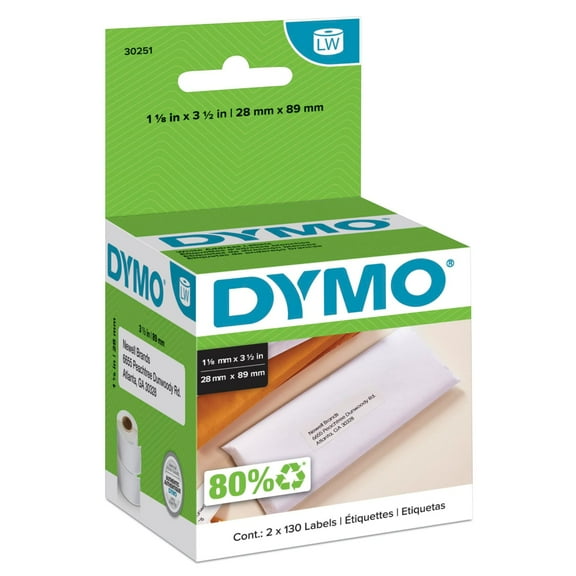

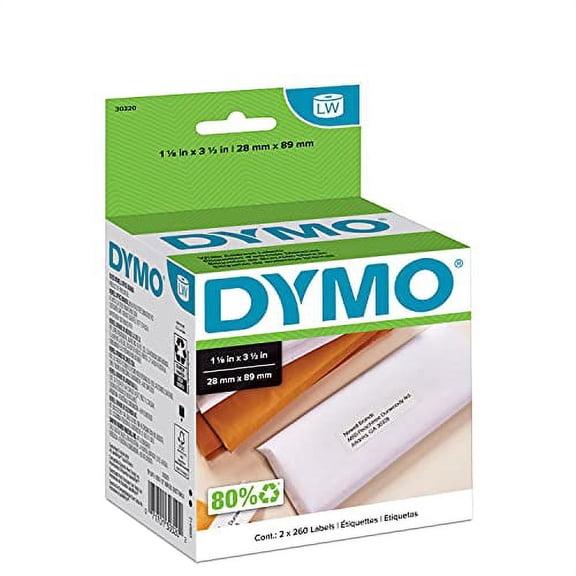

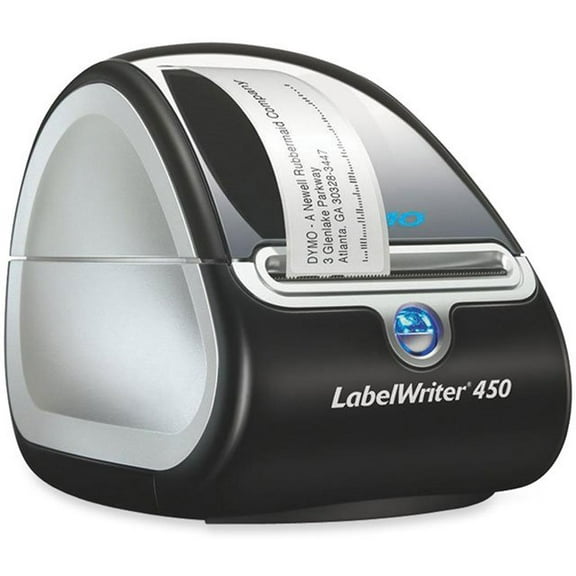

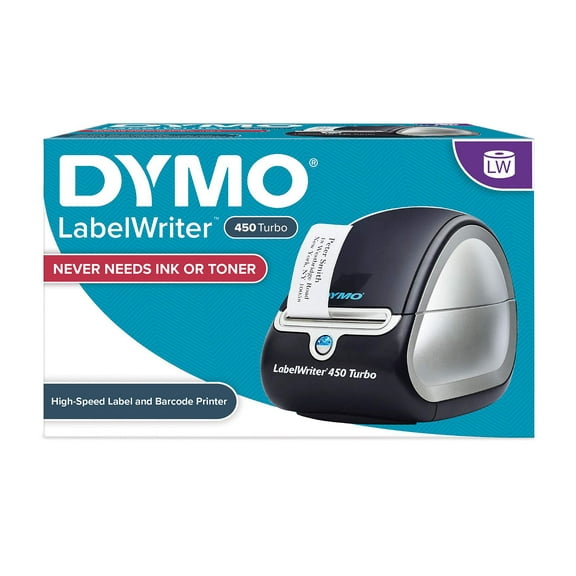






About Dymo in Office Supplies & School Supplies by Brand - Walmart.com
You can organize mailrooms, desks, and stockrooms quickly with dymo label supplies that match your printer, label size, and adhesive needs. You also get direct thermal options for LabelWriter systems, so you can print crisp labels without ink or toner.
When you compare Dymo categories, you should first separate LabelWriter labels from LetraTag and LabelManager tapes. You can avoid fit issues by checking your device family before you choose paper, plastic, polyester, or vinyl formats.
How to choose dymo label supplies
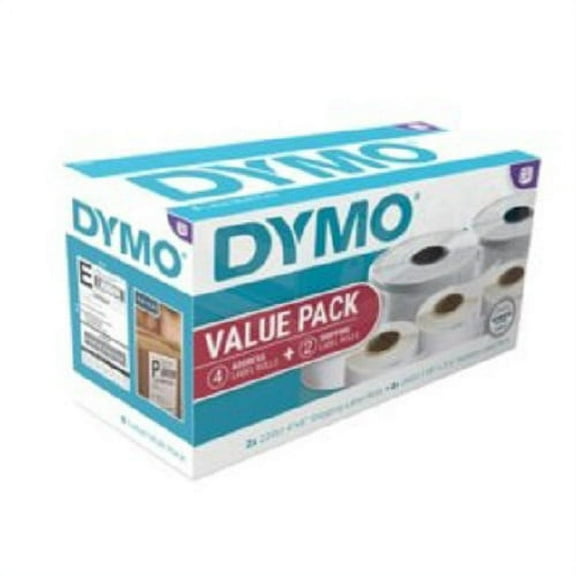
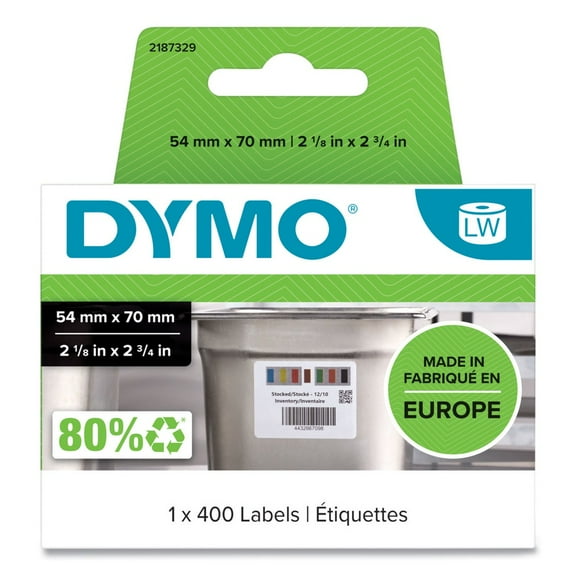
You should start with the job you need to finish every day. You may need shipping labels for parcels, address labels for envelopes, file folder labels for records, or multi-purpose labels for bins.
If you ship often, you’ll want rolls that feed cleanly and print barcodes sharply. If you organize files, you may prefer smaller formats that fit tabs, folders, and drawer fronts neatly.
You can narrow your options quickly when you compare a few key buying points first. You should look at label type, material, adhesive strength, and printer compatibility before anything else.
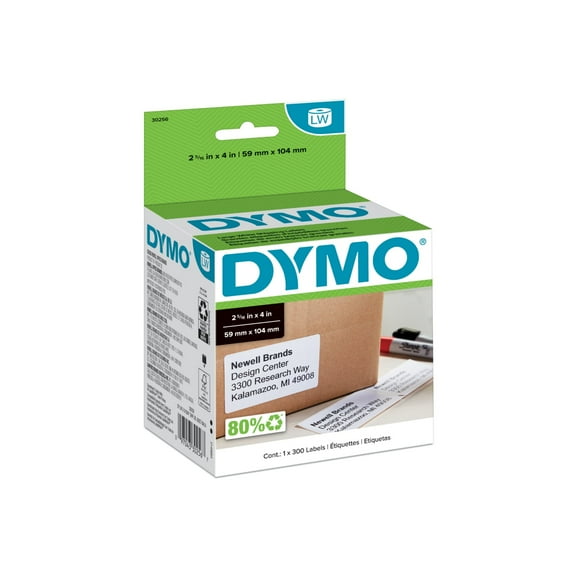
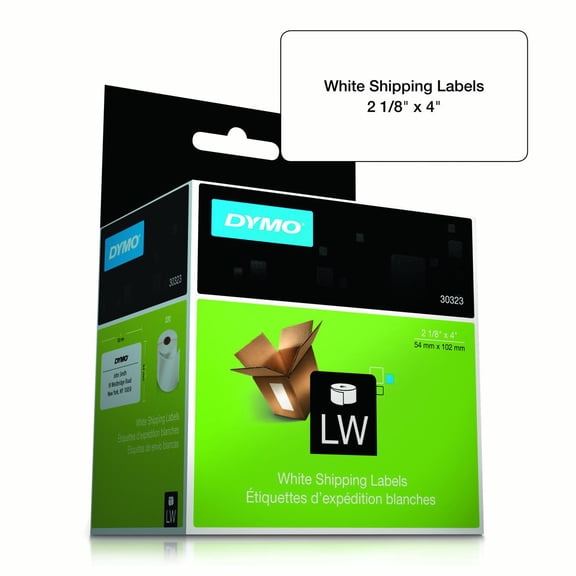
- You can use shipping labels for cartons, padded mailers, and return labels.
- You can choose address labels for mailing lists, invitations, and office correspondence.
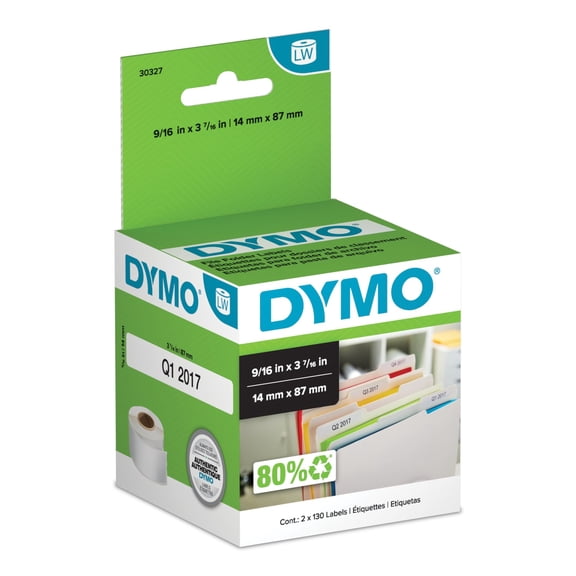
- You can apply file folder labels when you want clear tabs across cabinets and shelves.
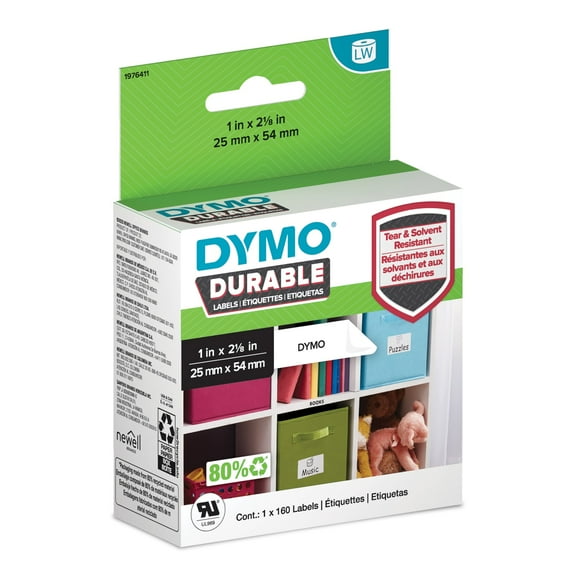
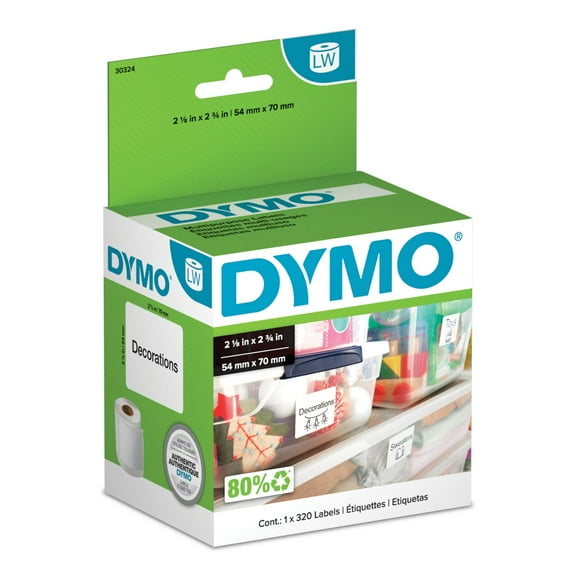
- You can pick multi-purpose labels for storage bins, classroom supplies, and name labeling.
You’ll also notice that direct thermal labels support quick setup for everyday workflows. You won’t need ink cartridges, which keeps your labeling station simpler and easier to maintain.
Choosing dymo shipping labels and label types
You should match the label type to the surface and the information you need to print. You can get cleaner results when the label shape and dimensions fit your package, envelope, or file tab.
For shipping, you may want larger formats that leave room for addresses, service markings, and scannable barcodes. You should check the exact width and length in inches, especially for carrier labels.
For mailing projects, you can choose compact address labels that align with contact details and return information. This helps keep envelopes looking tidy when the label size matches standard mail pieces.
For office organization, you may prefer file folder labels or smaller multi-purpose formats. You can label drawers, binders, archive boxes, and classroom bins without covering too much surface area.
If you switch between tasks, you should keep more than one label size on hand. You can move from shipping to filing quickly when your supplies match each recurring job.
What to look for in materials and adhesive strength
You should compare paper, plastic, polyester, and vinyl based on where your labels will live. You’ll usually want paper for indoor paperwork and more durable films for bins, shelving, or busy work areas.
Paper labels can suit invoices, envelopes, and file systems where you want a clean, easy-to-read finish. You may choose plastic or polyester when your labels need extra resistance to rubbing and handling.
Vinyl options can make sense when you label containers, equipment, or storage areas with frequent contact. You should check the product details for the intended surface and everyday wear conditions.
You also need the right adhesive strength for the job. You can use permanent adhesive for shipping and long-term identification, removable adhesive for temporary sorting, and high-tack adhesive for demanding surfaces.
If you send packages daily, you’ll usually want permanent labels that stay put through handling and routing. If you relabel shelves often, you may prefer removable options that lift cleanly from smooth surfaces.
Checking compatibility across dymo supplies
You should verify compatibility before you buy dymo labels online, because Dymo systems use different supply formats. You’ll see important differences between LabelWriter rolls and tape cartridges for LetraTag or LabelManager devices.
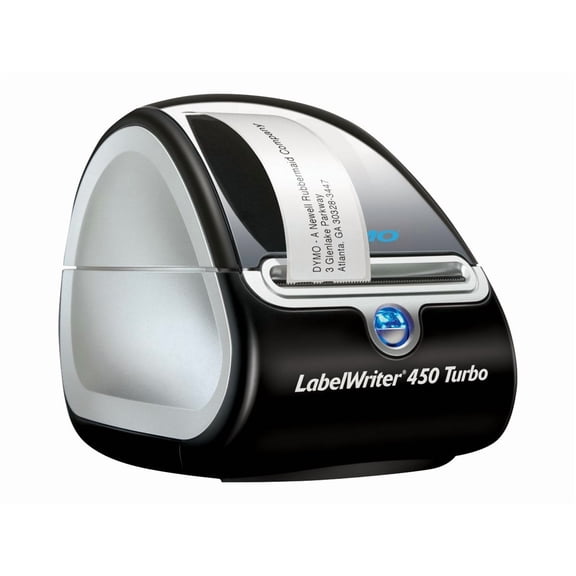
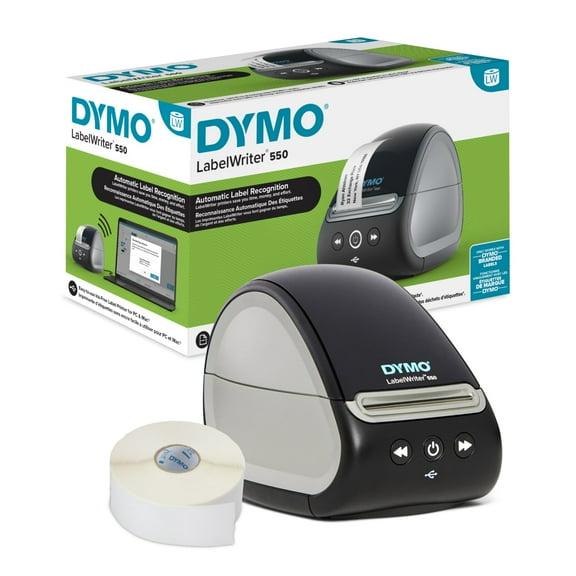
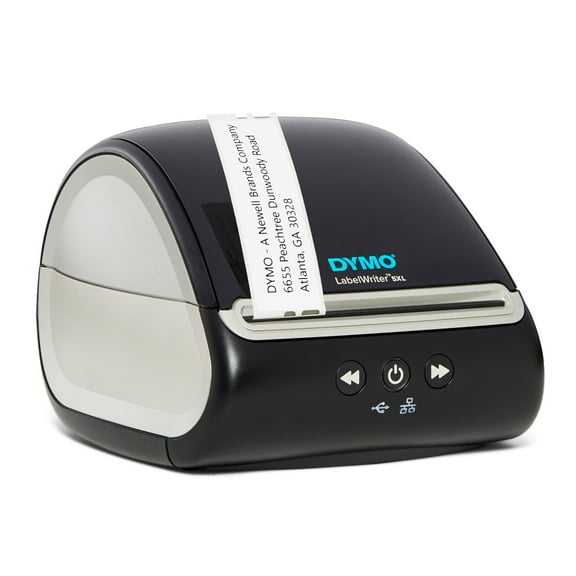
LabelWriter models use direct thermal technology, so you can print labels without ink or toner. You should confirm whether your printer is in the 450 series or 550 series, because roll recognition can vary.
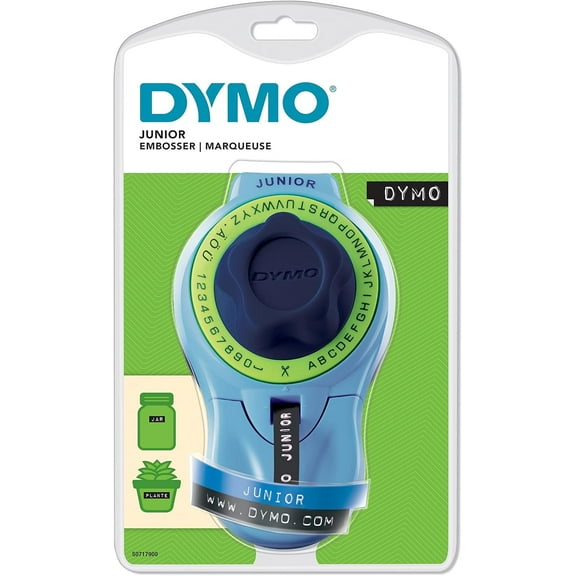
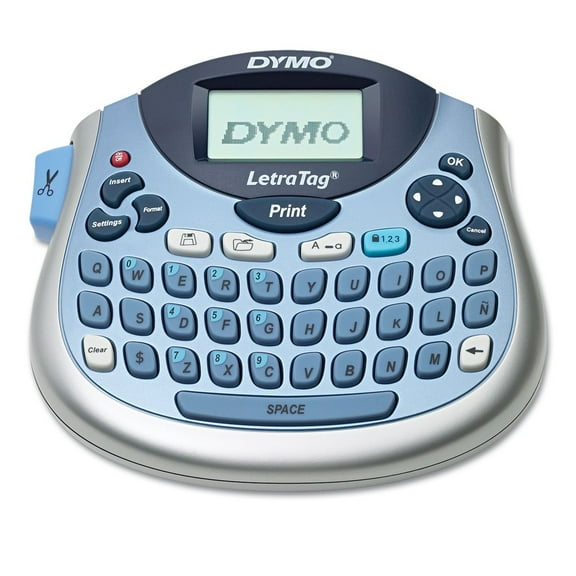
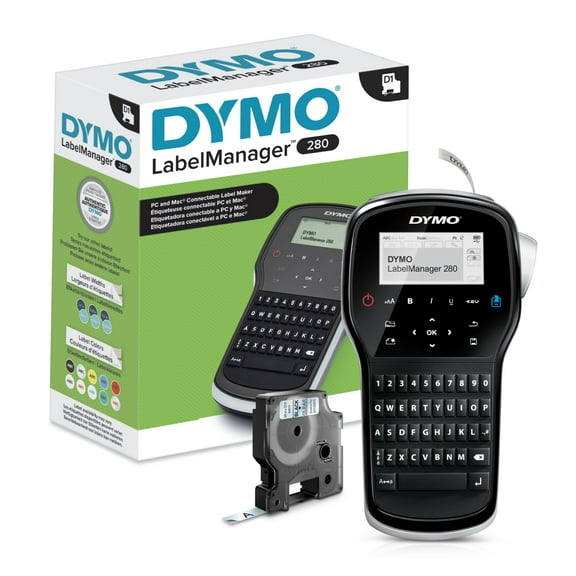
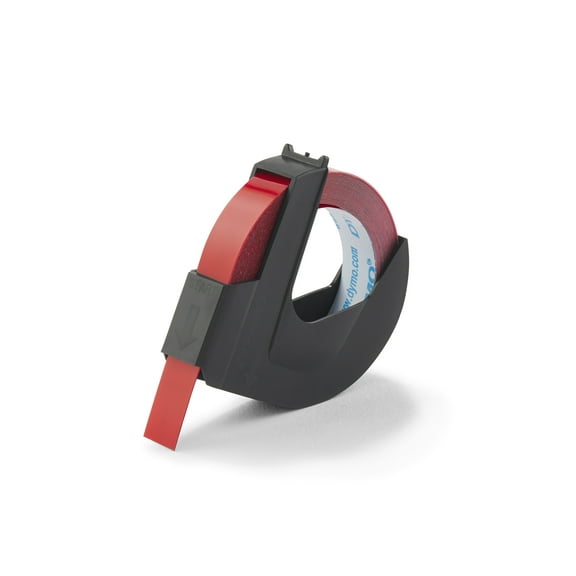
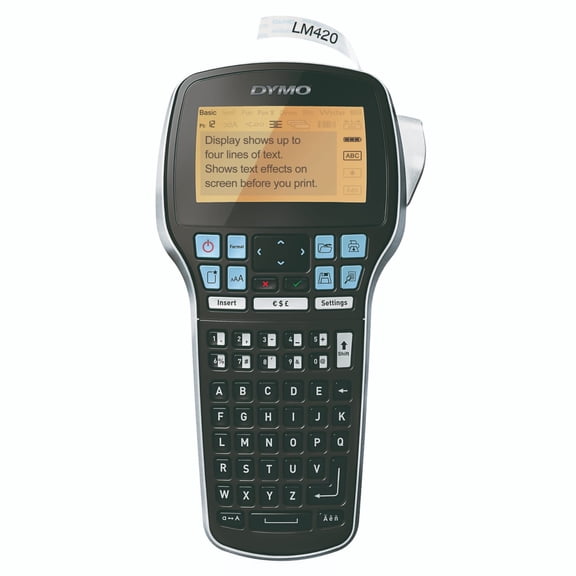
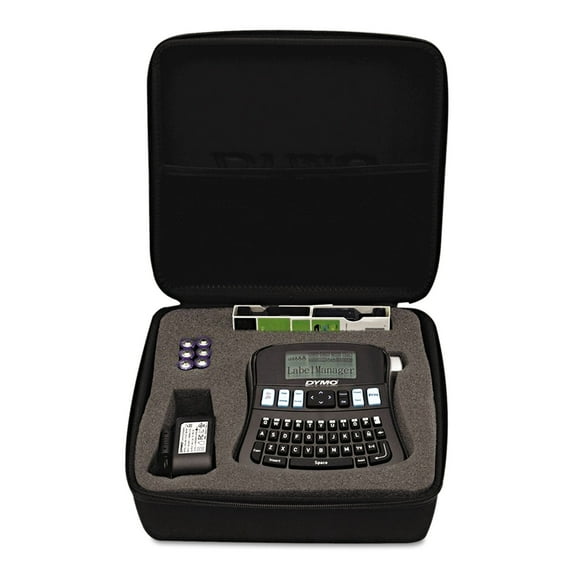
LetraTag devices typically use compact tape cartridges for home organization, school items, and craft labeling. You may prefer LabelManager tapes when you want laminated-style labeling for office equipment and supply storage.
You should also check core fit, roll format, and stated model compatibility on each listing. This helps reduce trial and error when you match the supply style to the exact machine on your desk.
When you manage several workstations, you can sort supplies by printer family and label size. You’ll restock quickly and keep interruptions lower when each station uses the right format.
Using dymo supplies for shipping, filing, and daily workflows
You can use these supplies in mailrooms, front offices, classrooms, and home workspaces. You’ll keep recurring tasks moving when your labels match your printer, surfaces, and storage system.
For order fulfillment, you may use larger shipping labels for cartons, returns, and barcode routing. You can support a smooth workflow when your roll size fits your printer and your package format.
For records management, you can label folders, archive boxes, and shelf locations with consistent text. You can make retrieval easier when the same size and adhesive type stay consistent across your filing system.
For home organization, you may label pantry bins, moving boxes, school supplies, and craft containers. You can switch to plastic or vinyl styles when your labeled items get frequent handling.
In shared offices, you should keep separate supplies for mailing, storage, and name labeling. You’ll stay organized when each use case has the right size, material, and adhesive ready to go.
You can shop Dymo with more confidence when you compare compatibility, dimensions, and material first. You can get clearer printing, smoother application, and labels that fit your workflow from the first roll.