

Dressing Aids in Daily Living Aids





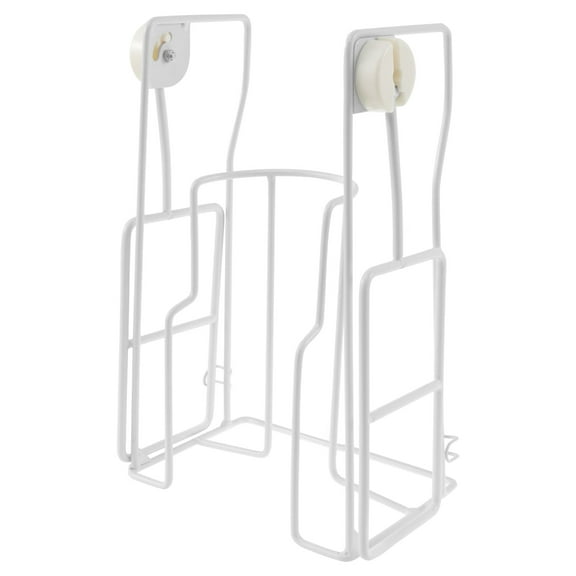
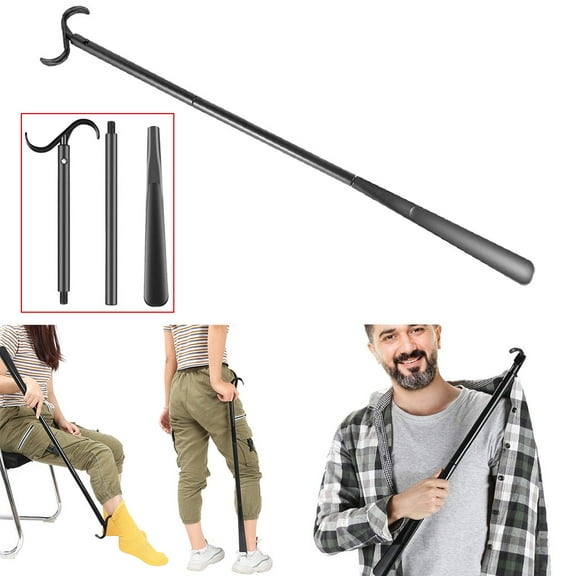
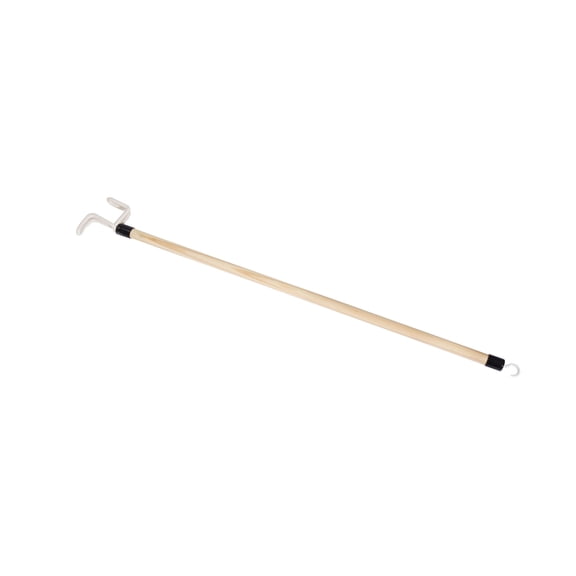
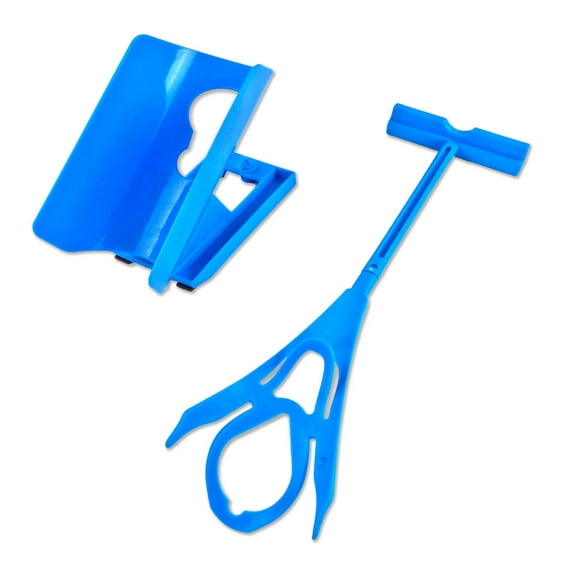













About Dressing Aids in Daily Living Aids - Walmart.com
Dressing aids help you get ready with less bending, twisting, and reaching. You can compare sock aids, dressing sticks, button hook tools, and long handled shoe horns by the dressing task you manage.
If you're shopping for arthritis, post-surgery routines, or limited mobility, you need practical support that fits your daily habits. You can use this guide to compare aid type, handle length, grip material, and portability.
How to choose dressing aids by task
You should start with the dressing step that slows you down most. You may need sock pullers for footwear, a dressing stick for pulling garments, or a button hook tool for shirt closures.
Different dressing aids support different movements during your routine. You can reduce repeated bending with a long handled shoe horn, or simplify fine finger work with a hook-style button helper.
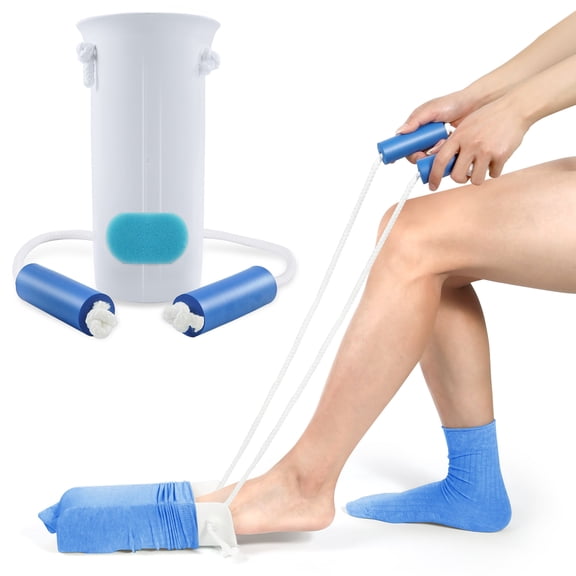
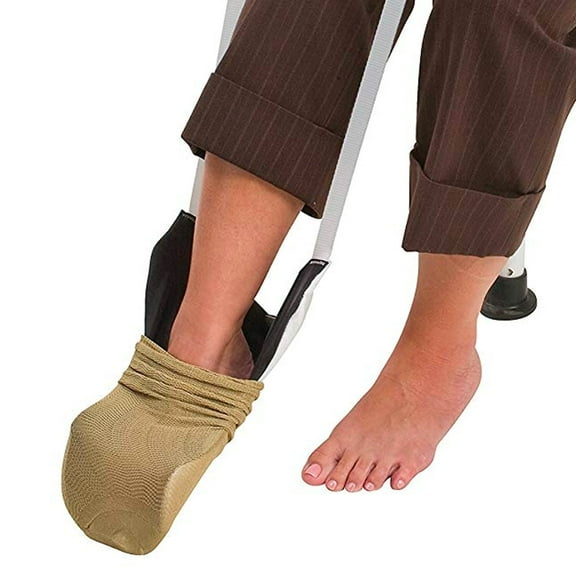
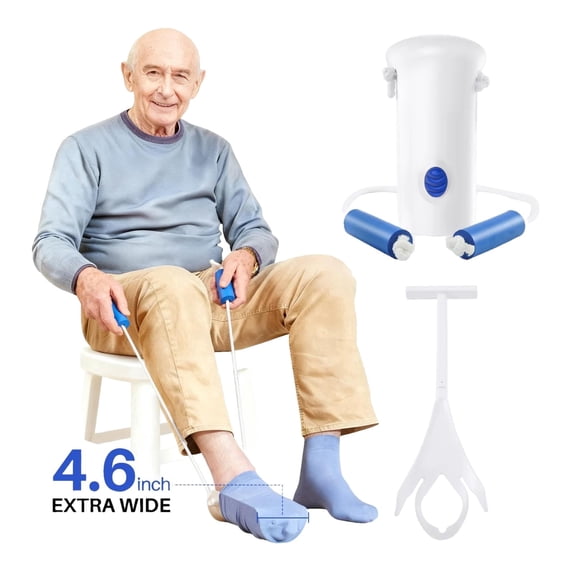
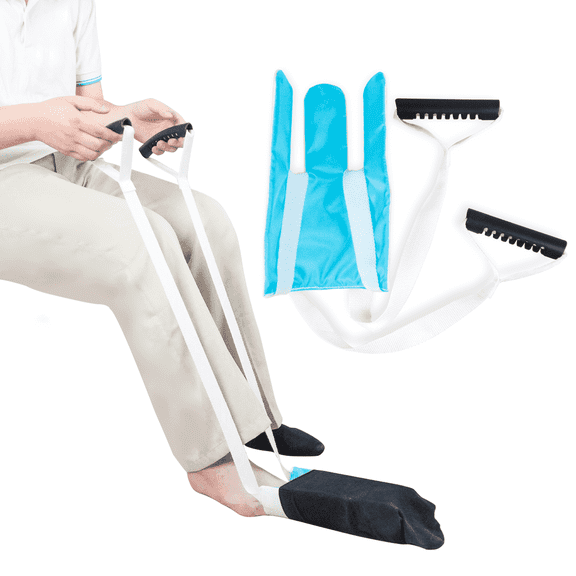
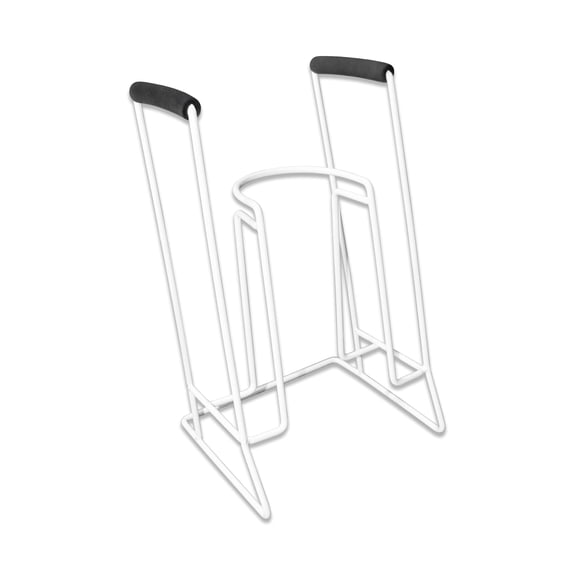
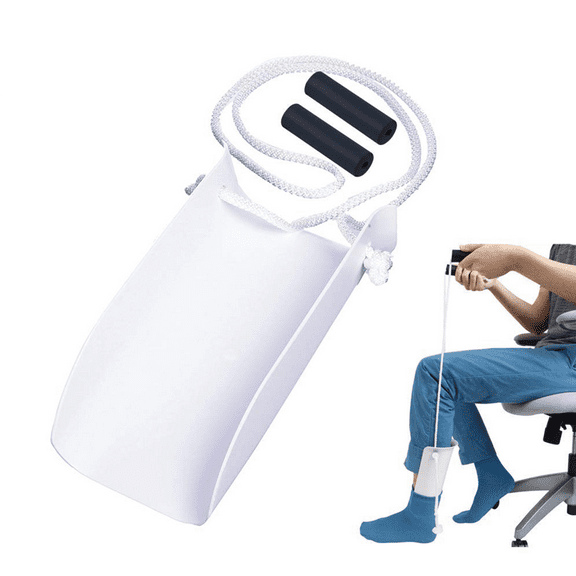
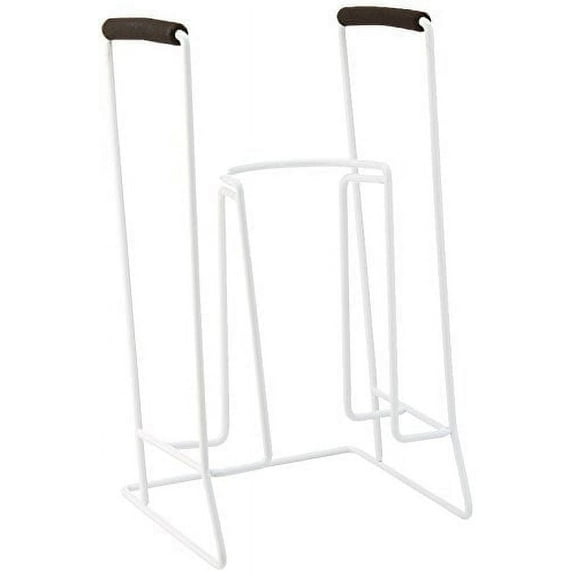
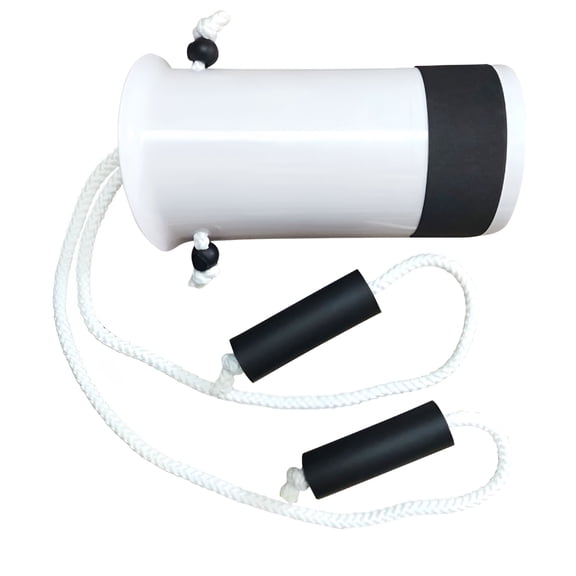
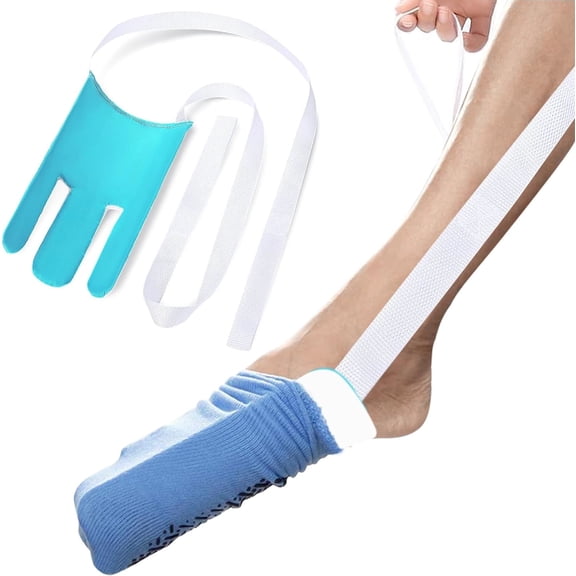
- You can use sock aids to guide socks over your foot with less reaching.
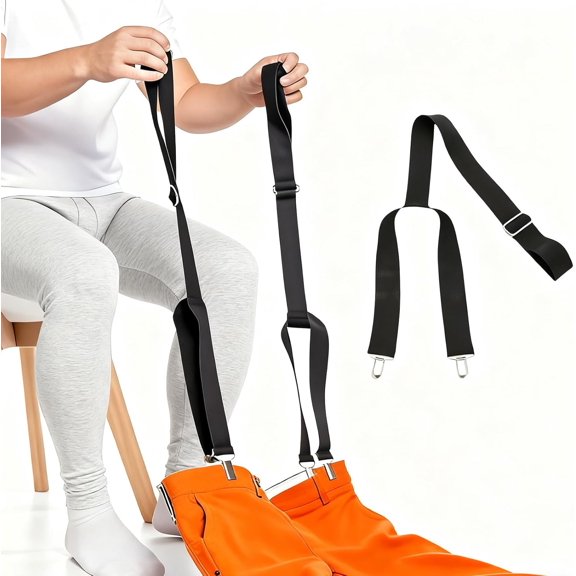
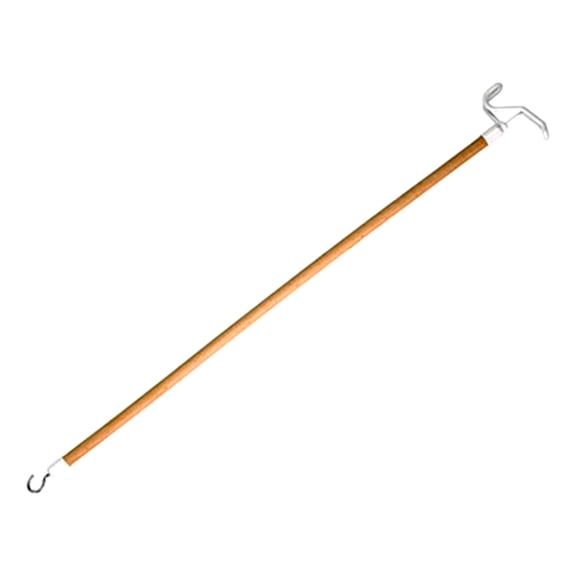
- You can use a dressing stick to pull waistbands, loops, or lightweight garments into place.
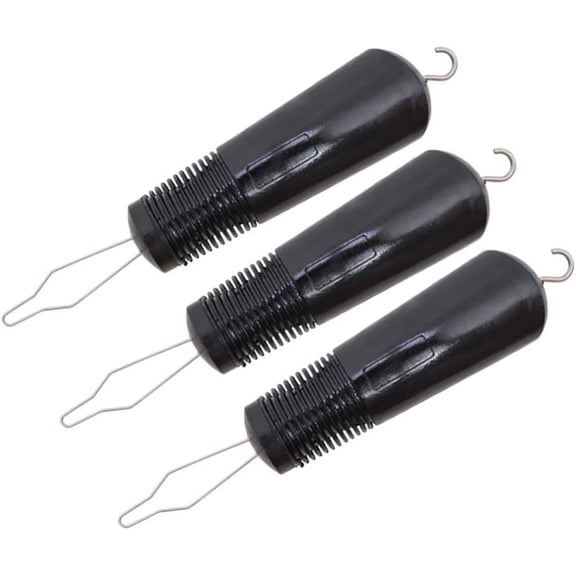
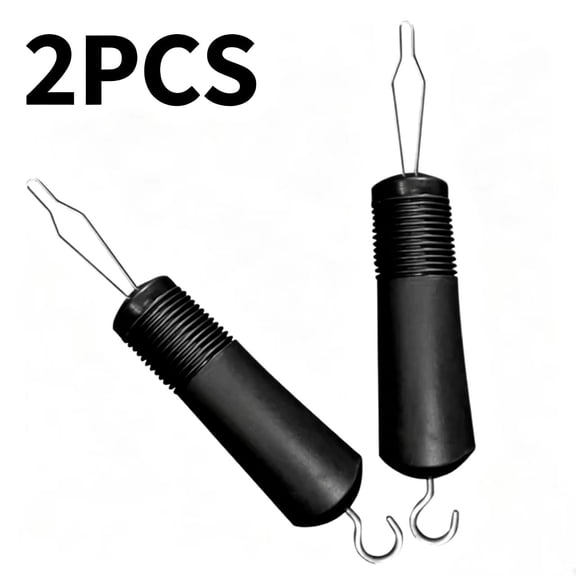
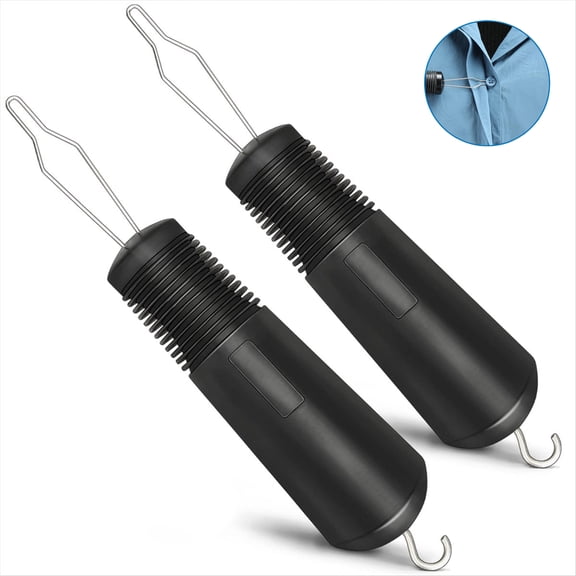
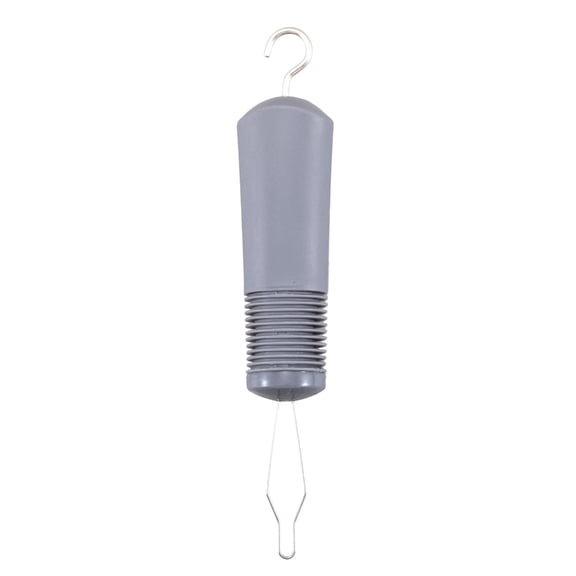
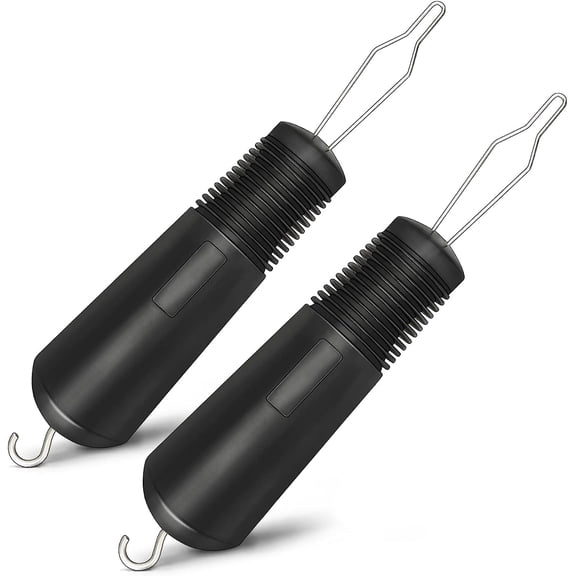
- You can use a button hook tool when small buttons feel harder to grip.
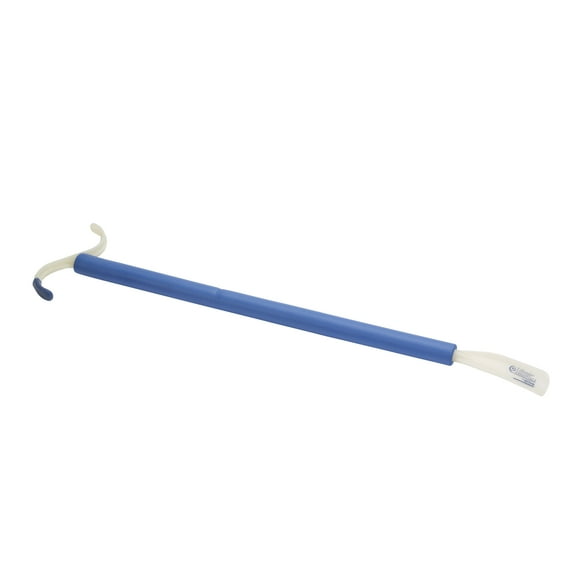
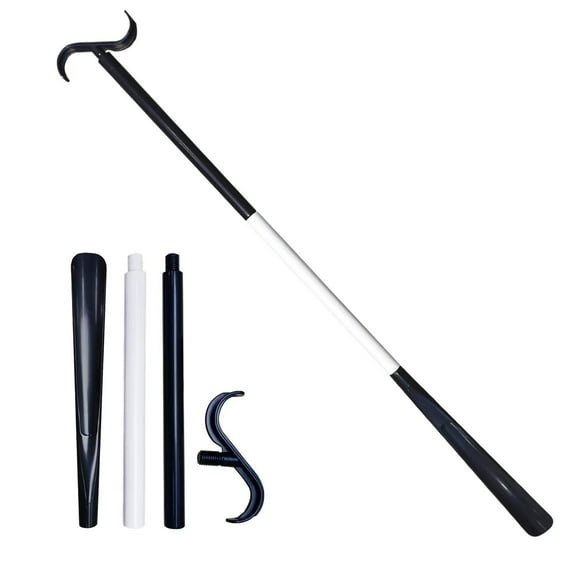
- You can use a long handled shoe horn to slide into shoes with less twisting.
When you match the aid to the exact task, you can keep your routine smoother. You also avoid buying a tool that solves a different dressing challenge.
Choosing dressing aids by handle length
You should measure how much reach you want before choosing handle length. You may prefer a long handle when you want extra distance for shoes, socks, or lower garments.
A standard handle can work when you want a compact tool for smaller adjustments. You might choose an extendable design when you want more flexibility between home use and travel use.
Handle length matters because your height and reach needs affect comfort. You can often manage footwear more easily when the handle gives enough distance without awkward wrist angles.
If you're comparing a long handled shoe horn, check whether the extra length fits your entryway or travel bag. You should also consider whether you want easier standing use or seated use.
Comparing grip and material for daily comfort
You should compare grip style carefully if your hands tire quickly during dressing. You may find a foam grip easier to hold when you want a softer, thicker surface.
Hard plastic grips can feel lighter and easy to wipe clean after daily use. You might choose wood for a familiar feel, or stainless steel for a sturdy, streamlined build.
Your grip choice affects control during small motions like buttoning or guiding fabric. You can often keep a steadier hold when the handle shape matches your hand and dressing pace.
When you compare a button hook tool, look for a handle that feels secure without extra strain. You should check whether the hook size looks practical for the button style you wear most.
Matching dressing aids to mobility needs
You should think about your routine, seating setup, and range of motion before choosing. You may want different dressing aids for arthritis, post-surgery recovery, elderly users, or general limited mobility.
If your fingers feel less nimble, you can focus on button hooks and larger grips. If bending feels harder, you can prioritize sock aids, dressing sticks, and longer shoe horns.
Post-surgery shoppers often look for tools that support lower-body dressing with less reaching. You can compare aid types that help with socks, shoes, and lightweight clothing adjustments from a chair.
For everyday independence, you should consider whether one tool covers one task or several. You may want a dressing stick for hanging loops and garments, plus a separate shoe horn for footwear.
Using sock aids and dressing stick options in real routines
You can use sock aids during morning dressing when pulling socks over your foot feels awkward. You should compare cradle shape, strap setup, and portability when you want a simpler daily routine.
A dressing stick can help you guide a sleeve, pull a waistband, or move light clothing within reach. You may prefer this tool when you want one simple helper for several clothing adjustments.
If you travel often, you should check whether your dressing aids store easily in a drawer or tote. You can make portability part of your decision if you split time between home, visits, and appointments.
You may also combine tools based on your wardrobe and footwear. You can pair sock pullers with a long handled shoe horn when your routine includes both socks and slip-on or closed-back shoes.
What to look for before you decide on dressing aids
You should compare aid type first, then narrow by handle length and grip material. You can make a clearer choice when you connect each feature to the dressing step you do every day.
With the right dressing aids, you can make daily dressing feel more manageable and consistent. You also keep the focus on smoother routines, from buttoning shirts to putting on shoes.