

Daily Living Aids in Home Health Care






























About Daily Living Aids in Home Health Care - Walmart.com
Aids for daily living help you handle everyday tasks with more control and less effort. You can compare dressing aids, eating and drinking aids, reaching tools, and grooming aids in one place.
If your routine includes buttons, shoelaces, utensils, or high shelves, you need tools built for those moments. You can use this guide to compare practical daily living aids before you choose adaptive equipment.
How to choose aids for daily living by task
You should start with the task that affects your routine frequently. Your choice becomes clearer when you match the aid type to a specific daily activity.
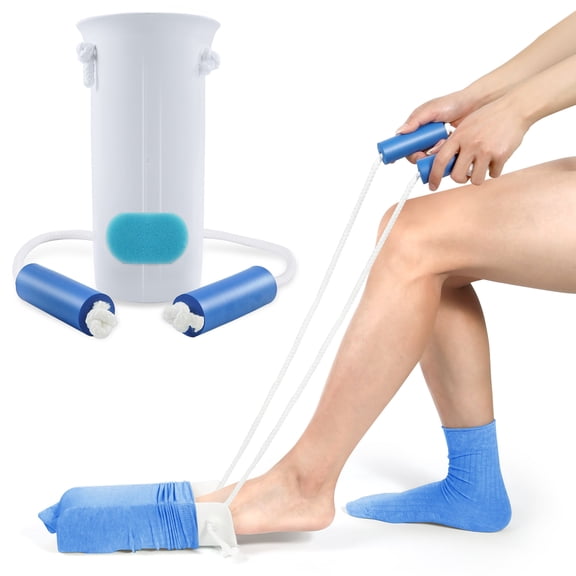
For clothing, you can look for dressing aids that help with socks, shoes, buttons, and zippers. For meals, you can compare eating and drinking aids with easy-grip handles.
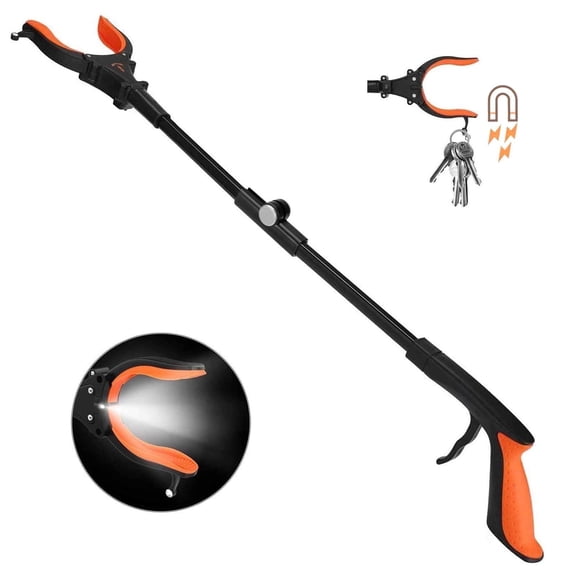
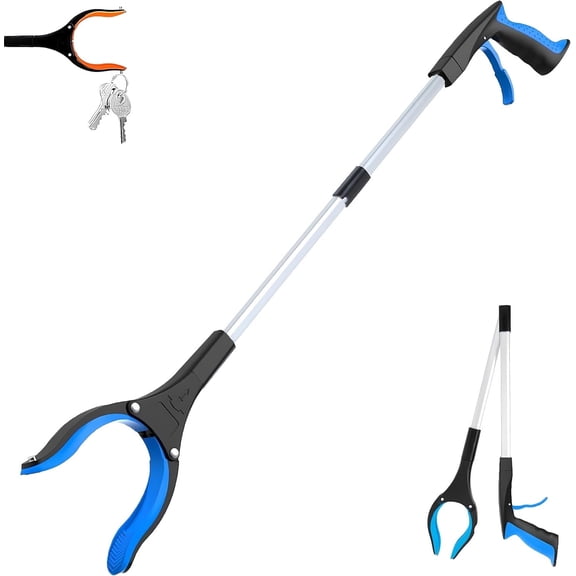
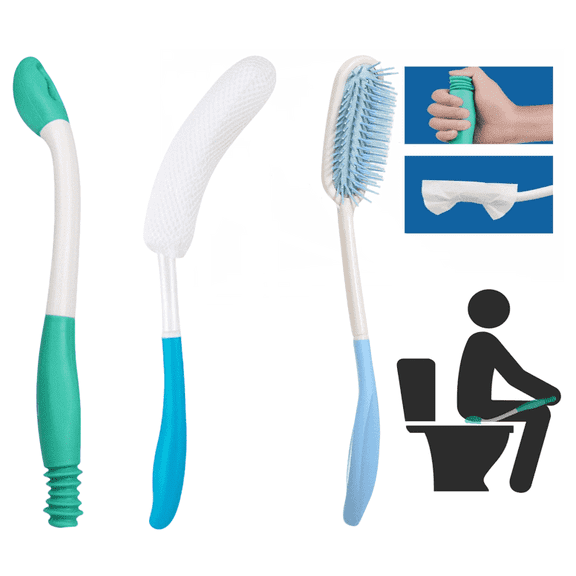
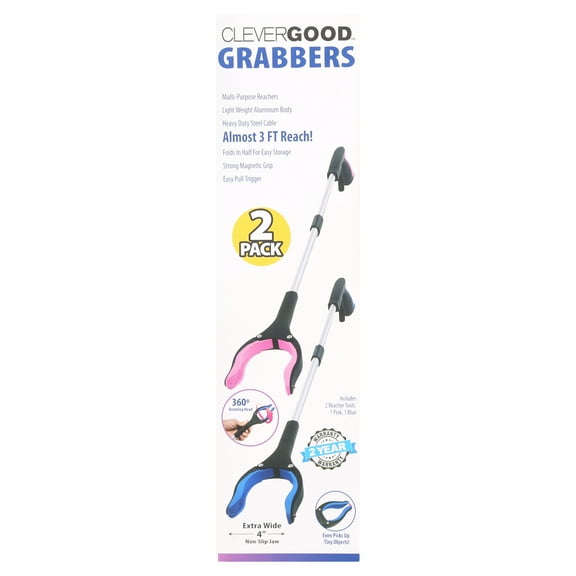
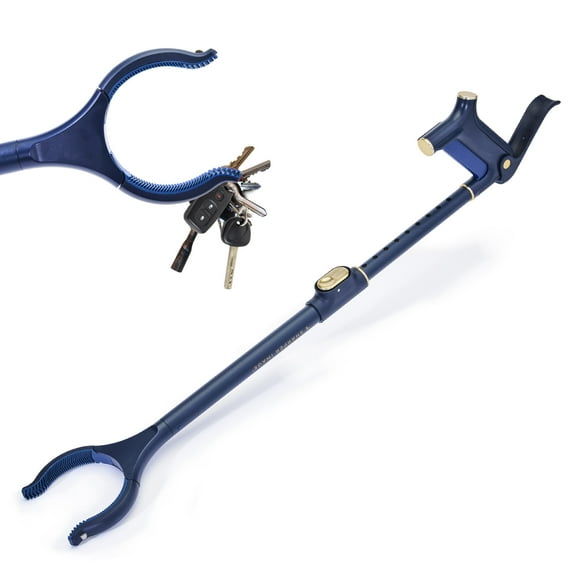
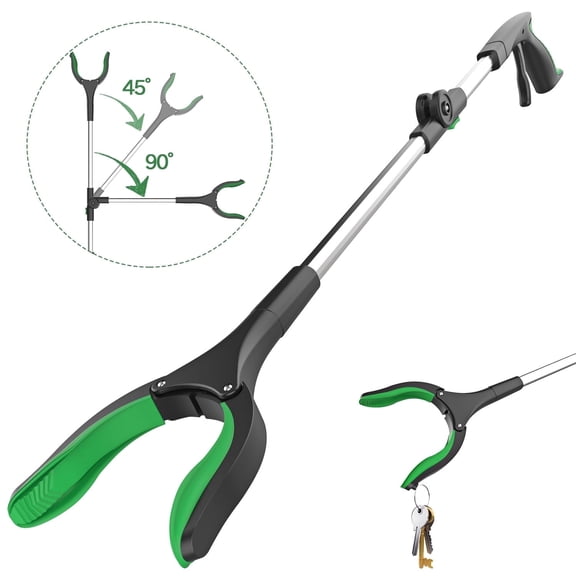
When shelves or floors feel hard to reach, you can consider reaching tools with long shafts and easy triggers. If personal care takes extra effort, you can compare grooming aids for brushing, washing, and similar routines.
- You can use dressing aids for buttons, socks, shoes, and zipper pulls.
- You can choose eating and drinking aids for steadier mealtime handling.
- You can pick reaching tools for cabinets, closets, laundry, and dropped items.
- You can select grooming aids for brushing, bathing, and everyday personal care.
Choosing daily living aids for grip, comfort, and control
You should check whether limited grip strength affects your routine. Your hands may feel more comfortable with ergonomic grip designs and non-slip surfaces.
If twisting or pinching feels difficult, you can look for one-handed operation or larger handles. You may also prefer button-assisted options when simple controls make daily tasks easier.
Materials also shape how the tool feels in use. You can compare lightweight plastic for portability, stainless steel for a sturdy feel, non-slip rubber for grip, and silicone for soft touchpoints.
When you want a lighter tool for frequent lifting, you can measure overall weight before you choose. If you want more structure, you can compare frames and shafts that feel steady in your hand.
What features to compare in adaptive equipment
You can make faster decisions when you focus on a few practical details. Your checklist should include size, handle shape, surface texture, and how the aid operates.
For portable use, you can look for compact adaptive equipment that fits in a drawer, tote, or bedside area. For home setups, you can compare longer tools or wider handles that stay within easy reach.
You should also check whether the item works manually or includes button-assisted parts. Your routine may feel simpler when the tool needs little setup and clear everyday handling.
If assembly matters to you, you can look for plain product details that explain setup in simple terms. You can choose options that are ready to use or need only a few steps.
You may also compare cleaning needs before you decide. Your daily living aids may feel easier to maintain when surfaces wipe clean and parts stay simple.
Matching independent living products to different users
You can narrow your options by thinking about who will use the aid every day. Your needs may differ if you're shopping for elderly users, disabled users, post-surgery recovery, or arthritis patients.
For elderly users, you may prefer larger grips, clear controls, and lighter tools for regular routines. If hand stiffness shapes daily tasks, you can look for non-slip rubber and one-handed designs.
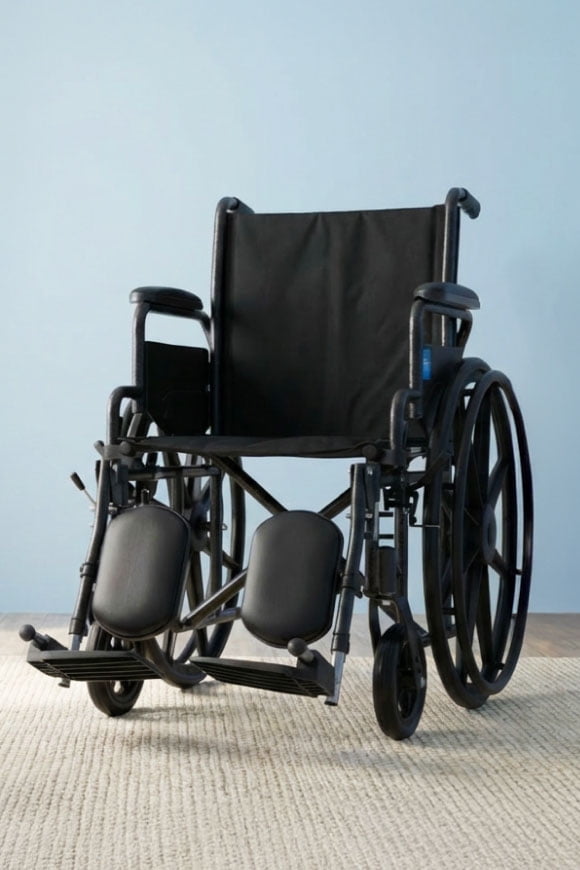
For disabled users, you can compare handle reach, control style, and placement flexibility. Your setup may work better when the tool fits a wheelchair, bedside area, or bathroom counter.
During post-surgery recovery, you may want reaching tools or dressing aids that reduce bending and stretching during normal routines. You can also compare compact options that are easy to carry between rooms.
If arthritis patients need easier handling, you can focus on wider handles, softer touchpoints, and simple manual movement. Your comfort often improves when the tool asks for less pinching.
Using mobility aids and daily living aids at home
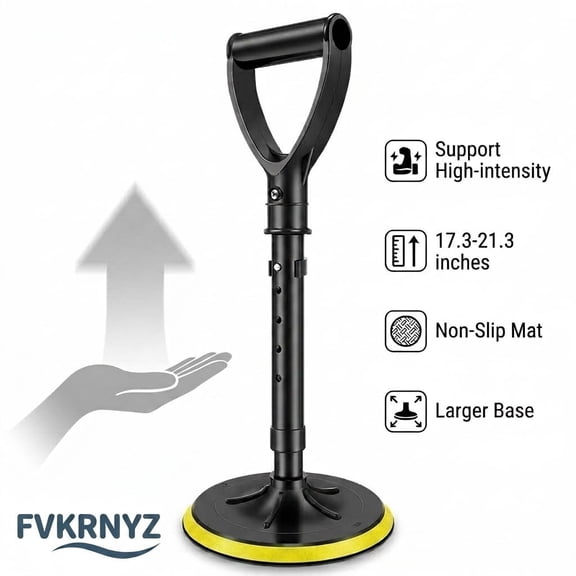
You may shop for mobility aids alongside independent living products when several routines need support. Your home can feel easier to manage when reaching, dressing, grooming, and moving through spaces work together.
In the kitchen, you can pair eating tools with easy-grip utensils and cup helpers for more controlled meals. In the bedroom, you can use dressing aids for socks, shoes, and fasteners.
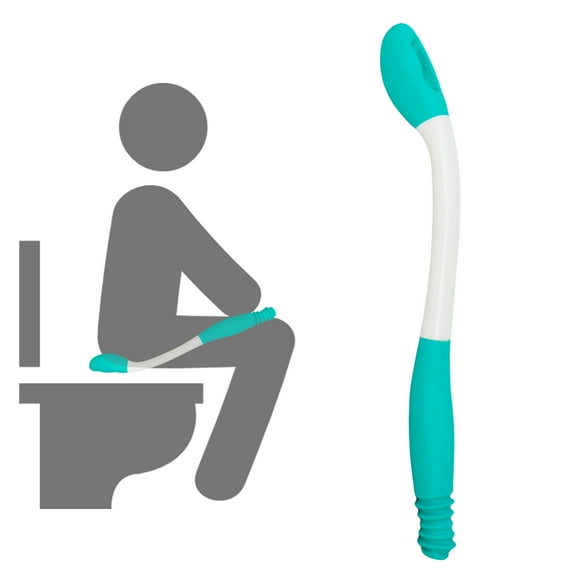
In the bathroom, you can compare grooming aids that extend your reach during washing and brushing. Around the house, you can use reaching tools to pick up clothing, grab household items, or access storage.
You can also think about where each item will stay between uses. Your setup works more smoothly when tools fit baskets, drawers, hooks, or countertop organizers.
A clear match between the task, handle style, material, and setup needs helps you choose with confidence. You can build a routine that feels simpler, steadier, and easier to manage every day.