










Drawing Notebooks in Notebooks & Pads

















About Drawing Notebooks in Notebooks & Pads - Walmart.com
Drawing notebooks give you a practical place to sketch, study, and organize ideas with paper made for art tools. You can compare paper weight, tooth, binding, and size to match your routine.
How to choose drawing notebooks for your art
When you compare drawing notebooks, you should start with paper weight because GSM affects how each page handles your marks. You’ll often notice 90 GSM suits light pencil notes and quick practice pages.
If you use charcoal, layered graphite, or stronger ink lines, you should consider 120 GSM or 150 GSM paper. You may prefer 200+ GSM sheets when your mixed media pages need added thickness.
Paper texture matters because tooth changes how your tools grip the page during sketching. You may like smooth drawing pads for crisp pen lines and medium tooth for blending.
- You can choose lighter GSM pages for class sketches, warmups, and quick studies.
- You can use heavier paper when your pencils, markers, or ink need more support.
- You can pick smooth, medium tooth, rough, or vellum surfaces for different mark styles.
- You can match binding and size to travel, school projects, or desk work.
Page count matters when you balance daily practice with the feel of thicker sheets. You may want more pages for drills, while heavier stock often means fewer sheets.
Choosing between drawing pads and sketchbooks for drawing
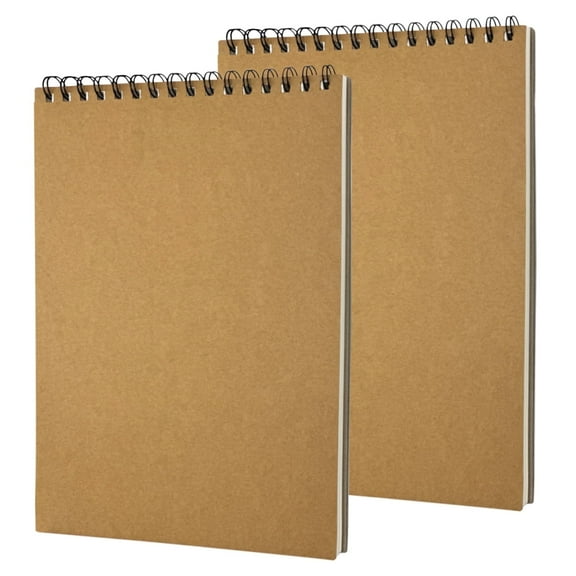
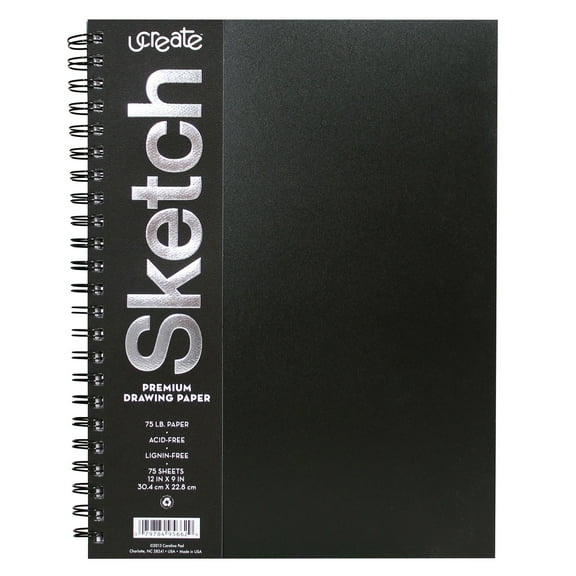
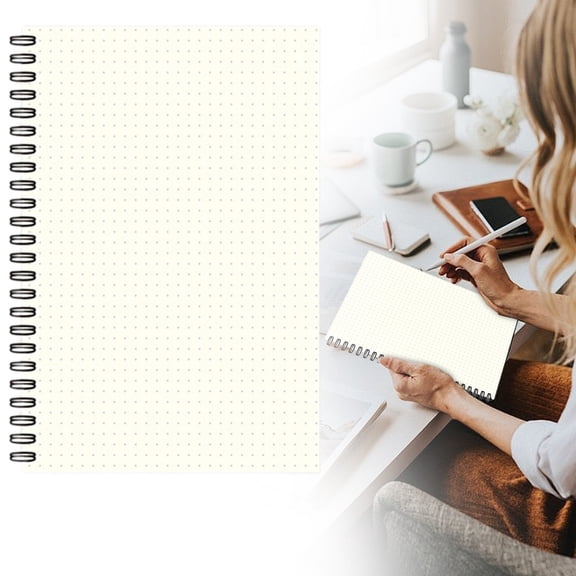
Binding style affects how comfortably you work across the page and how easily you carry your notebook. You may prefer a spiral drawing notebook when you want pages to flip back neatly.
A spiral format helps you draw on a lap, classroom table, or compact desk with less fuss. You can turn pages quickly and keep your current sheet visible.
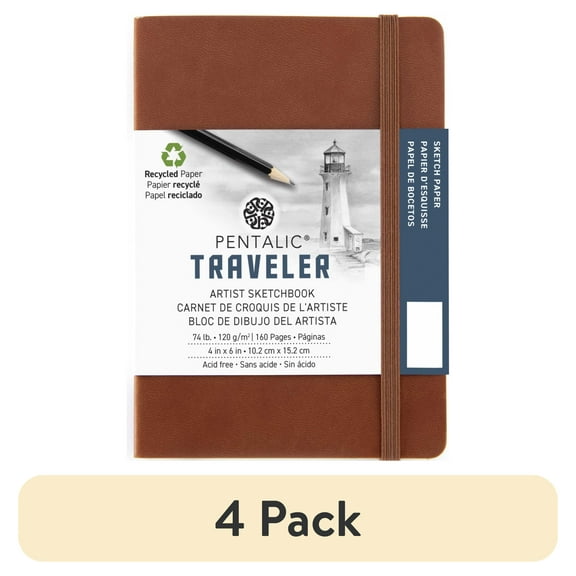
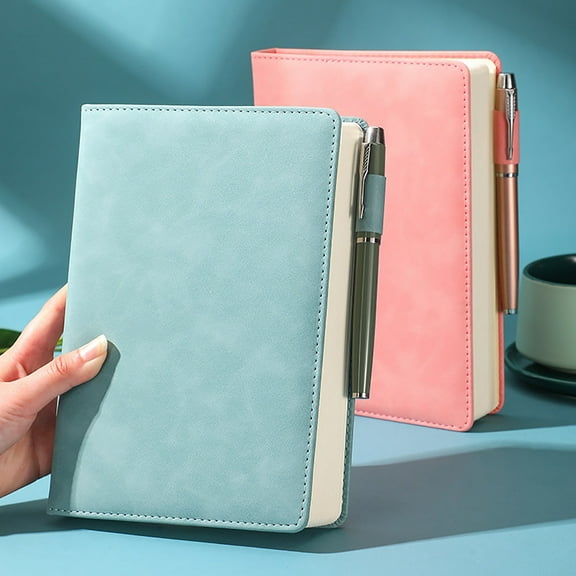
Hardcover formats suit you when you want a firmer surface under your hand during sketching. You may also like them when your artists drawing notebook travels in a backpack.
Glue bound and tape bound options give you a cleaner edge and a pad-like feel. You can remove finished sheets more easily in many drawing pads with those styles.
What to look for in paper weight and tooth
GSM tells you how substantial each sheet feels and how well it supports layered marks. You should compare GSM with your usual tools before choosing a notebook.
For dry media, you can often use 90 GSM or 120 GSM pages for graphite practice and light colored pencil work. You may notice these books feel lighter in your bag.
For pencil and charcoal, you may prefer medium tooth or rough paper that holds more material. You can build richer shading when the surface gives your tools more grip.
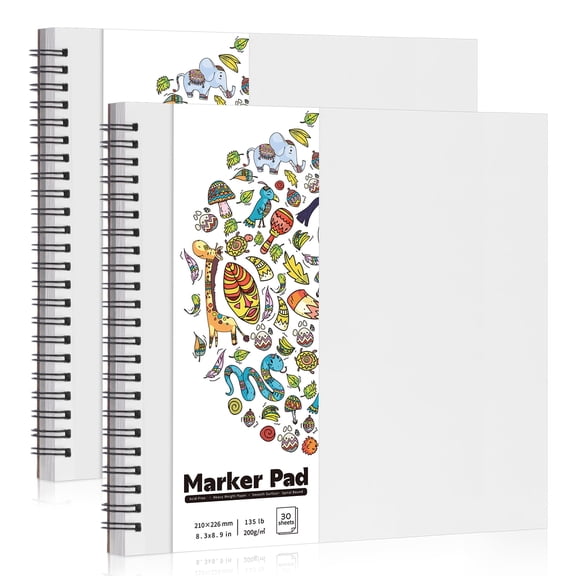
For ink and marker, you should look for smoother paper and heavier sheets with less show-through. You can keep the next page cleaner when the stock feels thicker.
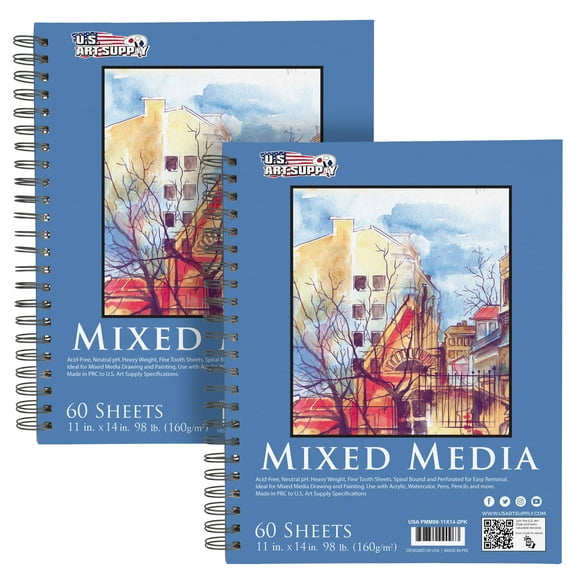
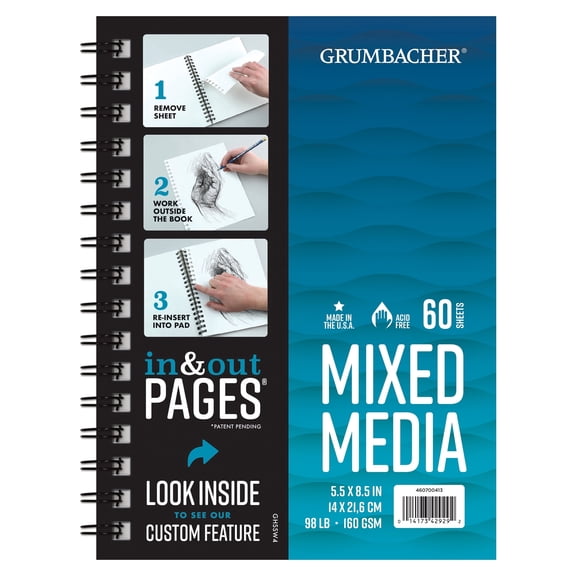
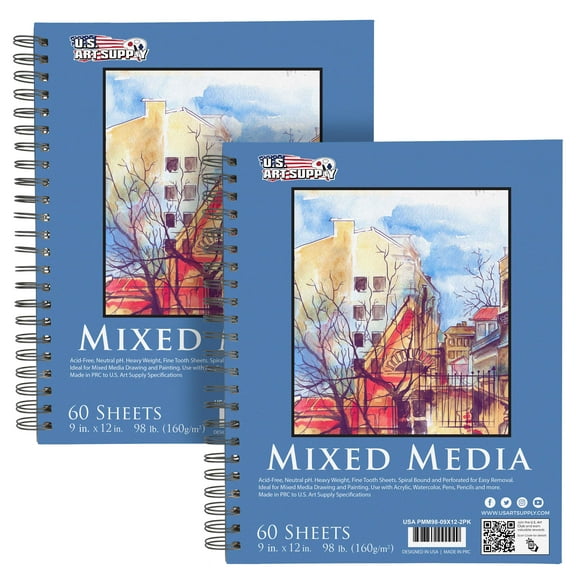
For a mixed media drawing notebook, you should compare 150 GSM and 200+ GSM options carefully. You can handle light washes, marker accents, and layered detail with more control.
Choosing the right size and format
Size affects how you carry your notebook and how much room you have for each drawing. You should match dimensions to where you draw frequently.
A 5.5 x 8.5 inch format works well when you want portability for commuting, waiting, or travel days. You can slip it into smaller bags with ease.
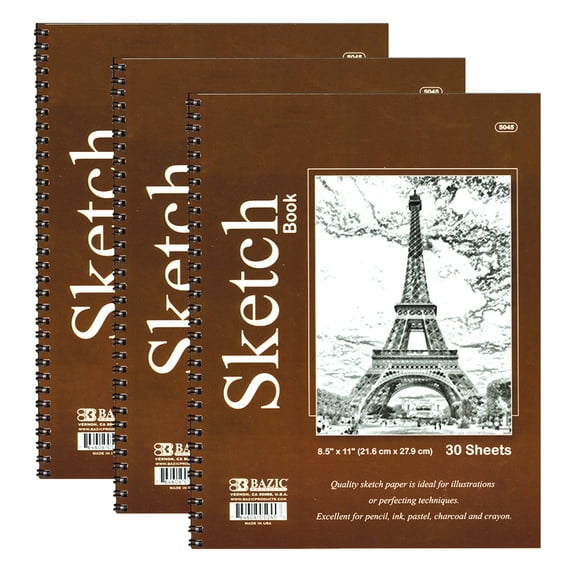
An 8.5 x 11 inch notebook gives you a familiar workspace for school, home, or studio sessions. You may find it easier to store with folders and class supplies.
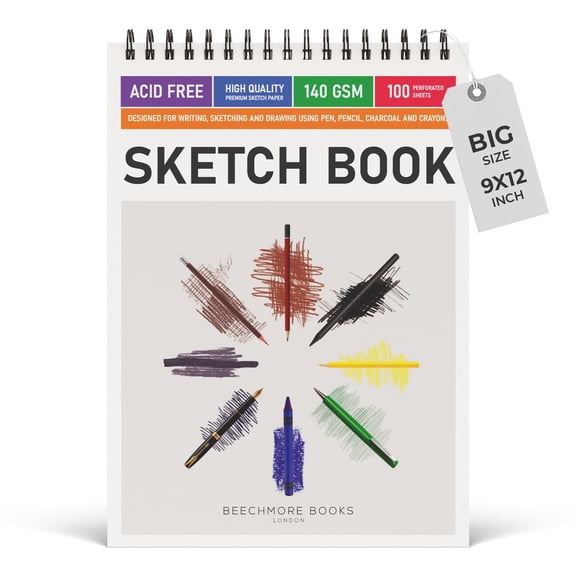
A 9 x 12 drawing notebook gives you extra room for gesture studies, perspective practice, and larger character sketches. You can use broader arm movement without turning pages as often.
An A4 format may suit you if you organize work with standard document sizes. You can stack, store, and compare pages neatly with other papers.
Matching media compatibility to your routine
You should check whether the notebook fits dry media, pencil and charcoal, ink and marker, or mixed media. You can narrow your options faster when you start with media compatibility.
If you sketch with graphite, sketchbooks for drawing with medium tooth pages can support controlled lines and soft shading. You may also appreciate pages that erase cleanly during revisions.
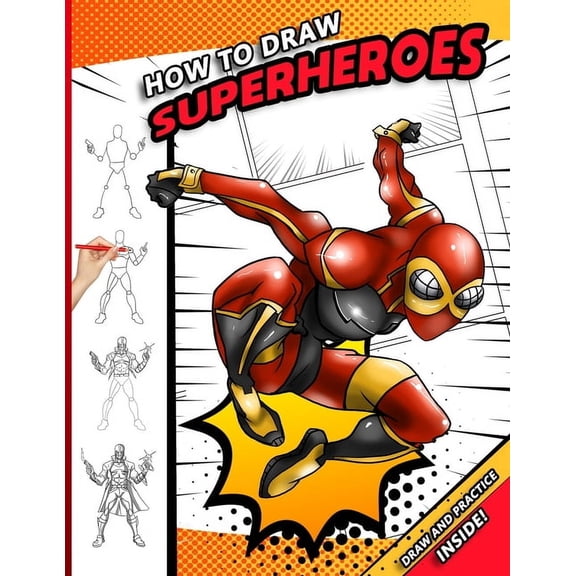
If you ink comics, fashion figures, or technical outlines, smoother sheets can help your pens move cleanly. You can get sharper edges and clearer detail on those surfaces.
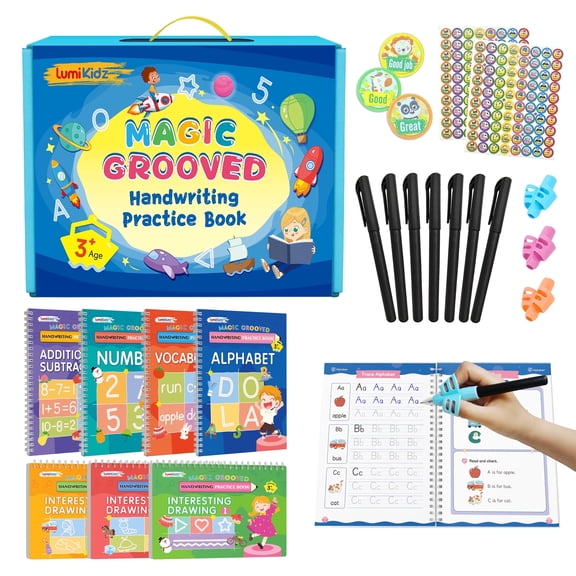
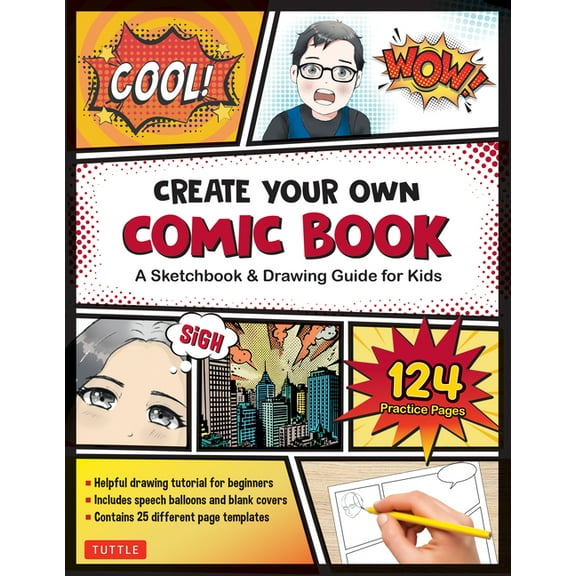
If you’re choosing kids drawing pads, you may want simple spiral bindings and practical sizes for desks and backpacks. You can also look for pages that handle crayons, pencils, and light markers.
When you switch between pencils, markers, and light paint accents, mixed media formats keep your process flexible. You can move from rough concepts to more finished studies in one book.
How drawing notebooks fit everyday projects
You may need one notebook for life drawing, one for class, and one for travel. You can compare paper, size, and binding to fit each use clearly.
For studio sessions, you might choose heavier paper and larger sheets for layering, gesture work, and reference studies. You can keep more varied marks without overcrowding the page.
For school or workshops, you may prefer lighter books that fit easily into a backpack. You can carry them with sketching pencils, colored pencils, and drawing markers more comfortably.
For personal practice, you should choose a format that makes daily use feel simple. You can build a steady sketch habit when your notebook fits your hand, tools, and schedule.
With the right paper weight, tooth, binding, and size, you can turn quick ideas into pages worth keeping. You can find a drawing notebook that fits the way you create.