

Do-It-Yourself in House & Home Books




















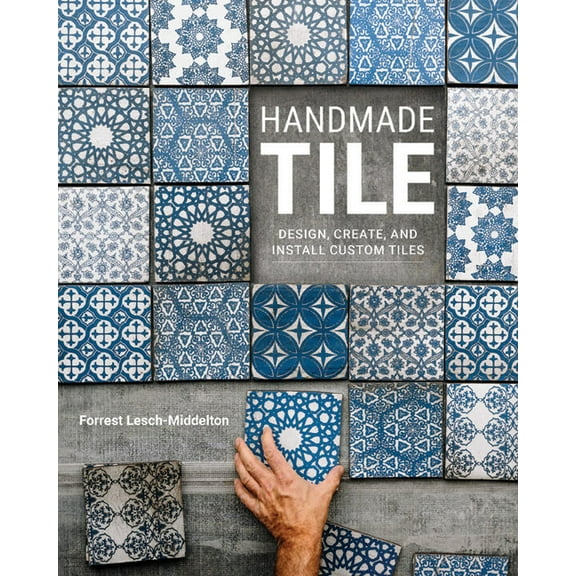
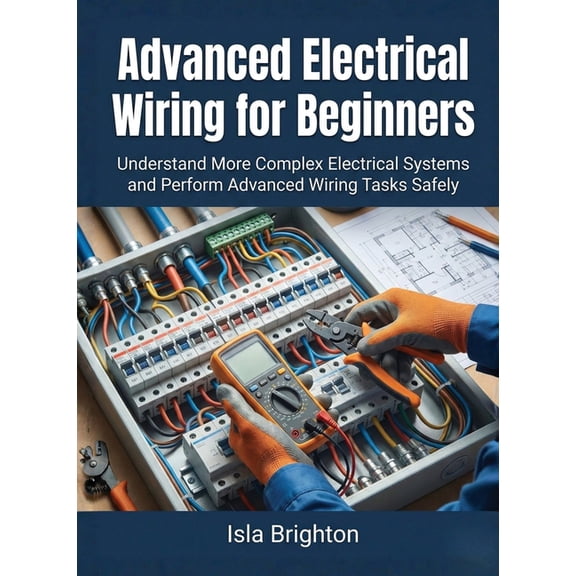
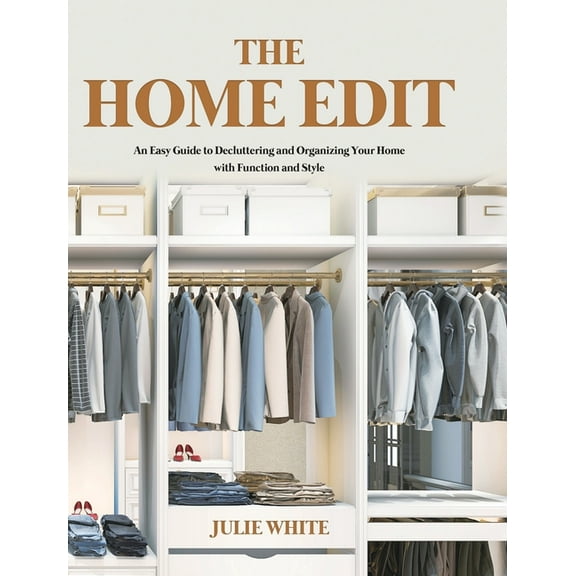
About Do-It-Yourself in House & Home Books - Walmart.com
Do it yourself books help you plan projects with clearer steps and fewer surprises. You can compare project types, skill levels, and formats before you choose a guide.
If you're tackling shelves, garden beds, or basic repairs, you need instructions that match your experience. You can use this page to narrow choices by project scope, visuals, and tool lists.
How to choose do it yourself books
When you compare do it yourself books, start with the project type you want to finish. You should look for books that stay focused on woodworking, plumbing, electrical tasks, gardening, crafts, or home repair.
A focused guide helps you follow steps that fit the job in front of you. You won't need to sort through unrelated chapters when your weekend project has a clear goal.
You should also check whether the book covers maintenance, interior design, outdoor projects, or structural building. That topic focus tells you whether you'll get everyday upkeep tips or larger build plans.
Format matters when you use a guide at a workbench or kitchen table. You may prefer paperback for portability, hardcover for shelf use, spiral-bound for lay-flat pages, or e-book access on a device.
What to look for by skill level
You should match the book's skill level to your tools, time, and confidence. Beginner guides usually explain each step in plain language, while intermediate and advanced titles move faster.
If you're new to repairs, you may want books with basic measurements, simple cuts, and common materials. You can build momentum when instructions don't assume prior project experience.
Intermediate books often help you connect several skills in one project. You might use them for built-ins, trim updates, raised beds, or room refreshes that need planning.
Advanced guides can suit you when you're comparing complex layouts, specialized methods, or multi-stage builds. You should check whether the instructions expect specific tools before you commit.
- You can start faster when your book matches your current skill level.
- You can follow projects more easily when photos or diagrams support each step.
- You can plan materials ahead when the guide includes tool and supply lists.
- You can choose a format that fits your workspace and reading habits.
Choosing visuals, project scope, and format
You should compare visual aids before you pick a title. Step-by-step photos can show placement and sequence, while diagrams can clarify measurements, angles, and layout.
If you learn by seeing each stage, you may want books with labeled images on every major step. You can move through unfamiliar tasks with fewer pauses when visuals do more of the teaching.
Text-heavy books can still work well when you already know the basics. You may prefer them when you want deeper explanation, broader planning advice, or design ideas.
You should also measure the book's project specificity against your goal. A general maintenance guide can help you cover patching, caulking, painting prep, and routine upkeep in one place.
A specialized title can serve you better when you're focused on tiling a bathroom, building a planter box, or wiring a workshop light. You get tighter instruction when the content stays centered on one task.
Before you choose, check whether the guide lists tools and materials up front. You can plan your workspace more smoothly when you know what lumber, fasteners, fittings, or finishes you'll need.
Matching project types to real use cases
If you're refreshing a room, you may look for interior design books with paint guidance, trim ideas, and layout tips. You can pair those titles with beginner or intermediate skill levels for approachable home updates.
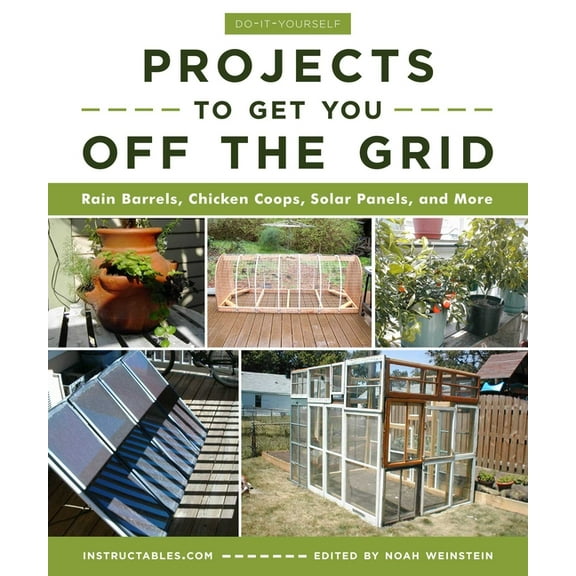
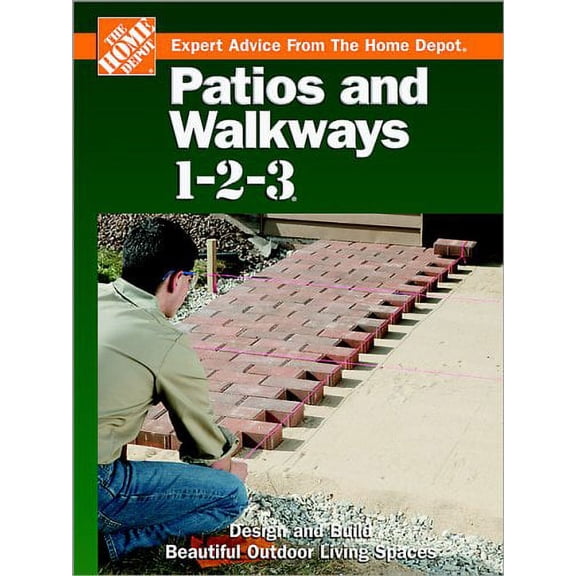
When your focus is outdoor work, you might compare gardening books and project guides for beds, edging, trellises, or small structures. You should look for weather-focused material lists and clear diagrams for placement.
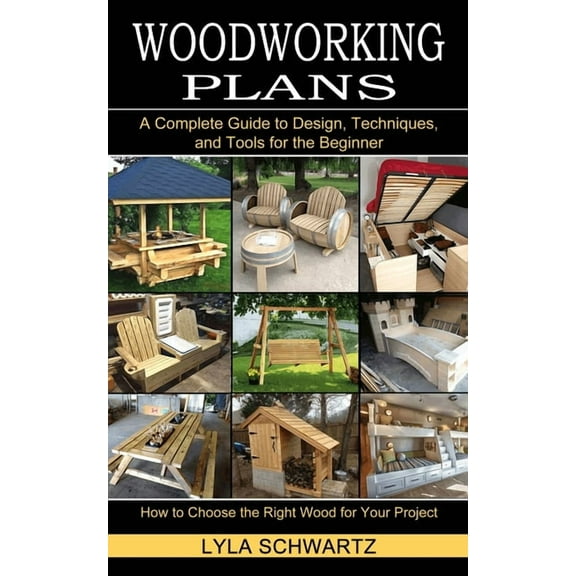
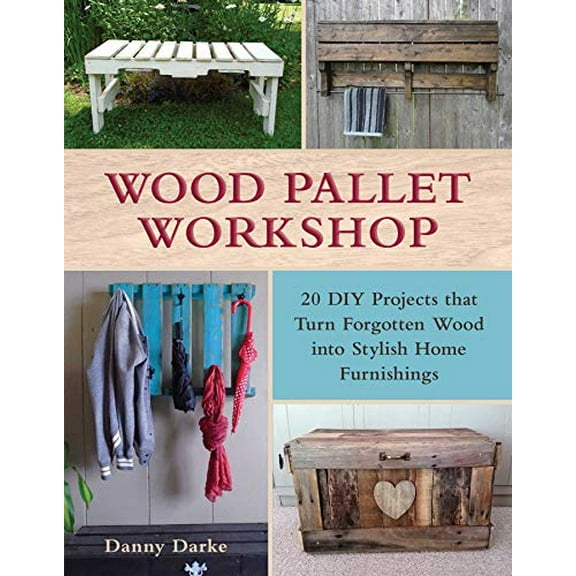
If you're planning shelves, tables, or storage, woodworking books can help you compare joinery, cuts, and finishing steps. You can choose spiral-bound formats when you want pages to stay open near your workspace.
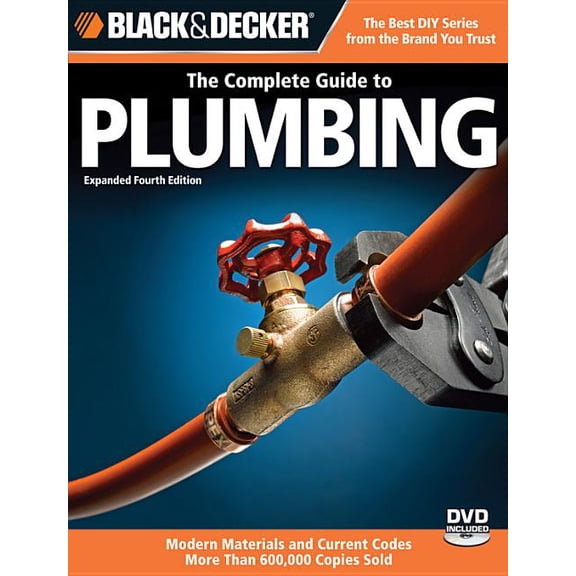
For sink updates or pipe projects, plumbing guides should explain parts, sequence, and measurements in clear terms. You may want strong visuals here, especially when fittings and layouts look similar.
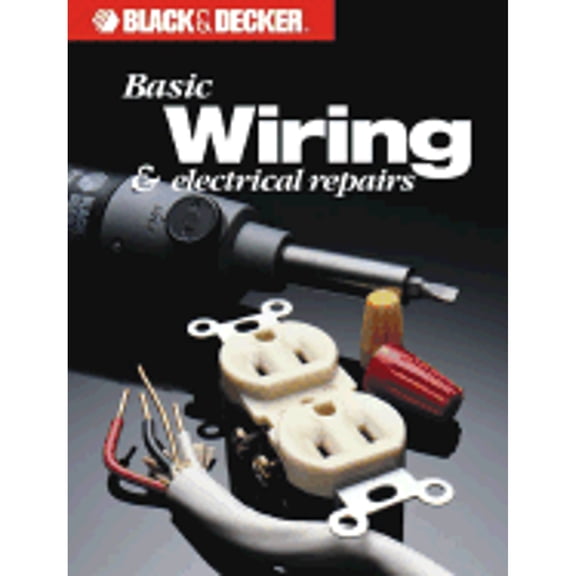
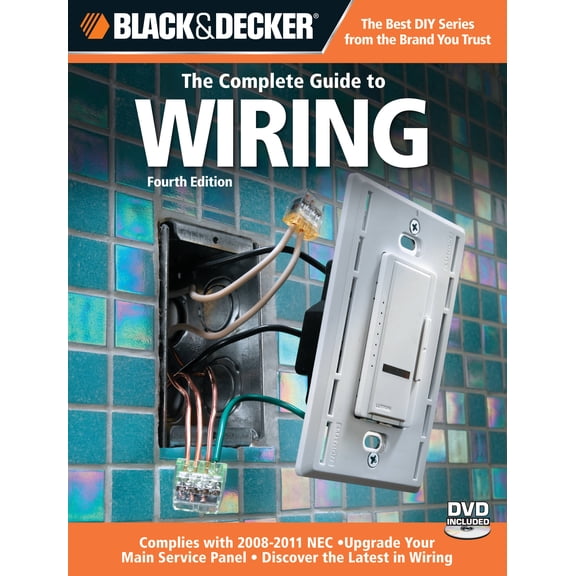
Electrical books can fit you when you're learning switches, fixtures, or basic layout concepts. You should look for organized diagrams and a clear project sequence so each step feels easier to follow.
Craft books work well when you want decorative projects, gift ideas, or seasonal updates around your home. You can use them for smaller projects that still let you practice measuring, cutting, and finishing.
Using do it yourself books for smarter project planning
You can use do it yourself books to compare time, materials, and complexity before you begin. That planning support helps you choose projects that fit your weekend, workspace, and tools.
You should look for guides that explain preparation, not just the final build. You can avoid mid-project guesswork when chapters include supply lists, surface prep, and finishing steps.
If you want one reference for ongoing upkeep, you may prefer maintenance-focused books with broad household coverage. If you want a single standout project, you may choose a specialized guide with deeper detail.
With the right match, you can move from idea to finished project with clearer direction. You gain practical guidance that keeps your next build, repair, or craft project organized from start to finish.