

Diseases in Health & Wellness Books














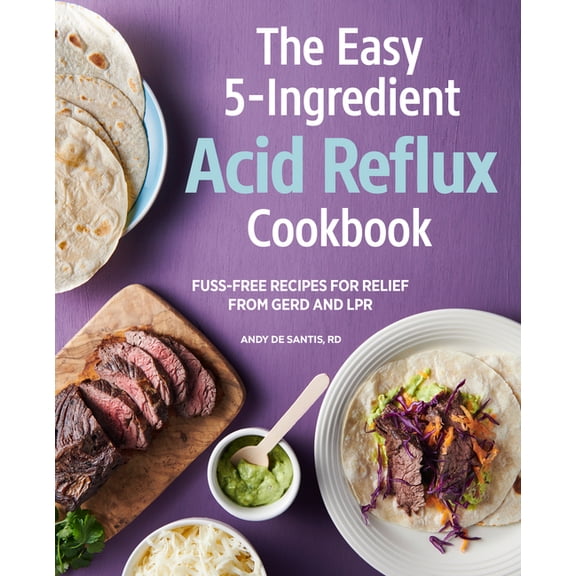
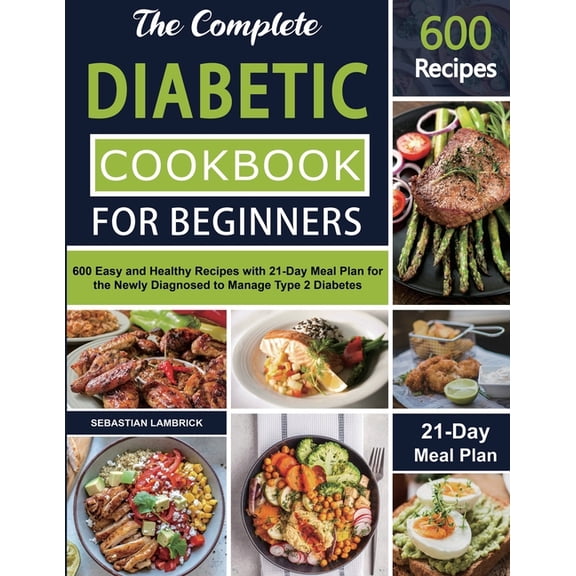


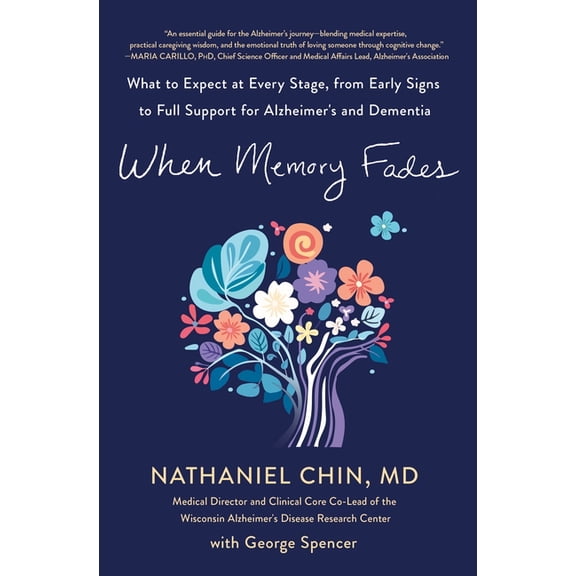




About Diseases in Health & Wellness Books - Walmart.com
Books about diseases help you compare reading levels, condition coverage, and author backgrounds before you choose a title. You can use this category to find patient guides, academic textbooks, memoirs, and reference works that match your purpose.
How to choose books about diseases by reading level
You should start with the reading level that fits your goal and your background. You may want plain language for personal reading, or you may need technical detail for coursework.
Patient guides usually explain symptoms, terminology, and care conversations in everyday words you can follow more easily. Academic textbooks often include clinical language, diagrams, and structured chapters that support deeper study.
Professional reference titles can help you compare classifications, case examples, and diagnostic frameworks in a more formal format. Memoirs give you personal perspectives, so you can understand lived experiences alongside medical facts.
- You can choose patient guides when you want clearer language and practical explanations.
- You can choose academic textbooks when you need organized subject coverage for classes or independent study.
- You can choose professional reference works when you want detailed terminology and source-driven information.
- You can choose memoirs when you want personal stories that add human context to health topics.
Choosing medical books on diseases by condition focus
You should check whether a title covers one diagnosis or a broader group of related conditions. You can often narrow your search by infectious diseases, chronic illnesses, autoimmune topics, or oncology.
Infectious disease books may focus on transmission history, outbreak case studies, or public health context you want to understand. Books on chronic illnesses often cover long-term condition management, daily routines, and changing care needs.
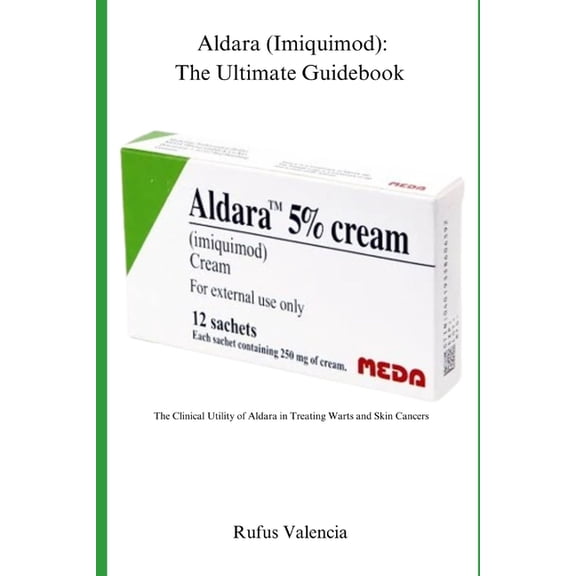
Autoimmune titles can help you compare overlapping symptoms and condition-specific terminology across related disorders. Oncology books may cover cancer types, treatment pathways, research history, or personal narratives you want to explore.
You may also want disease reference guides that explain rare conditions or compare several disorders in one volume. That approach helps you if you're researching patterns, terminology, or broader medical themes.
What to look for in format and usability
You should compare format choices based on where and how you read. You may prefer paperback for portability, hardcover for shelf reference, e-book for quick search, or audiobook for listening.
Paperback editions can work well when you want a lighter book for commuting, travel, or class bags. Hardcover editions may suit your desk or bookshelf when you plan to revisit chapters often.
E-book formats help you search terms quickly, highlight passages, and move between chapters without flipping pages. Audiobook options can fit your routine when you prefer listening during walks, commutes, or household tasks.
You should also consider how often you'll return to charts, indexes, glossaries, and citations. Those details matter when you compare pathology books or technical references with study-focused layouts.
How to evaluate author type and credibility
You should match the author type to the kind of perspective you want. Medical doctors and researchers often provide structured analysis, while patients and health journalists may offer narrative clarity.
Books written by medical doctors can help you review terminology, disease mechanisms, and clinical context with more depth. Titles by researchers may focus on evidence, history, and evolving scientific understanding you want to follow.
Patient-written memoirs can show you daily experiences, emotional context, and practical observations from lived experience. Health journalists may give you accessible summaries that connect interviews, research, and wider social context.
You can also compare contributor notes, bibliographies, and chapter organization when you assess credibility. Those details help you choose health and disease books that fit study, discussion, or personal reading goals.
Using disease reference guides for real reading goals
You may be building a study list for class, researching a family diagnosis, or adding context to a book club selection. Your goal should guide whether you choose textbooks, memoirs, or cross-category reference titles.
If you need coursework support, you should look for structured chapters, glossaries, and indexed terms that support repeat consultation. If you want personal understanding, you may prefer books on chronic illnesses with clearer language.
When you want broad comparison, you can look for disease reference guides that cover multiple systems or related diagnoses. When you want one topic in depth, you can choose infectious disease books or oncology titles with narrower focus.
You may also pair a technical title with a memoir, so you get both terminology and lived experience. That combination can give your reading list more balance and clearer context.
Why this category works for focused health reading
You can use this category to sort books about diseases by reading level, disease category, format, and author type. That structure helps you choose titles that fit your exact topic and your preferred way to read.