














Dinner
Appetizers & more





FAQ
About Dinner - Walmart.com
You can simplify weeknights with dinner food that matches your schedule, serving size, and storage space. You’ll find easy dinner meals for fast prep, family tables, and stocked pantries in one convenient place.
When you’re comparing dinner options, it helps to look at meal type first. You can choose frozen dinners, ready-to-eat dinners, pantry staples, or meal kits based on how involved you want cooking to be.
Choosing dinner food by meal type
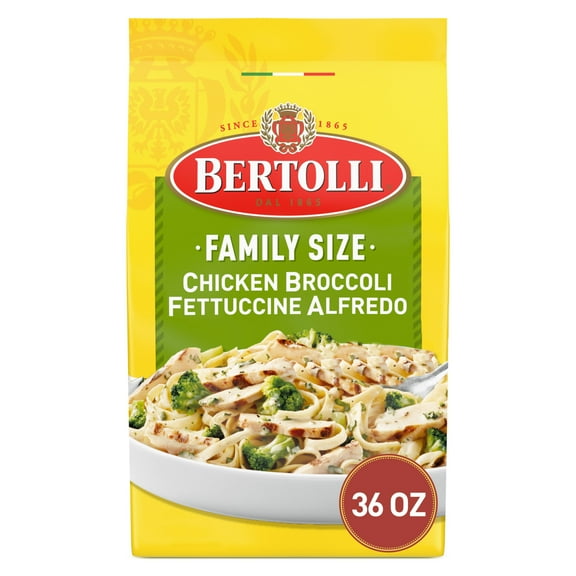
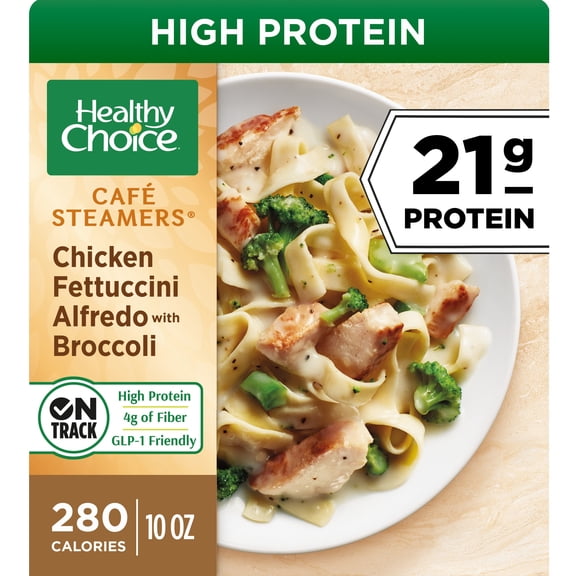
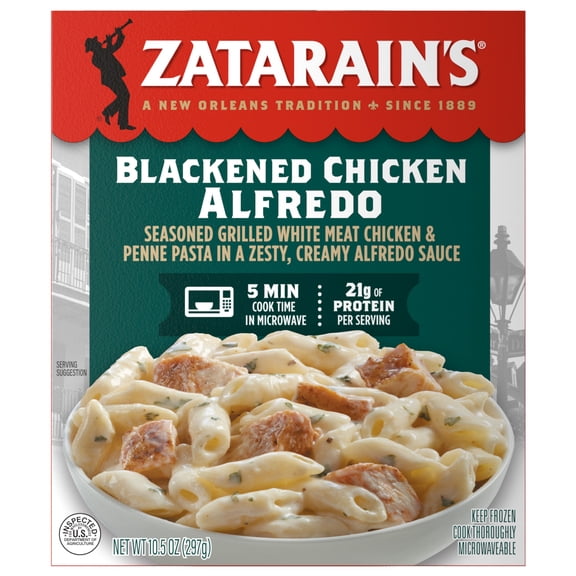
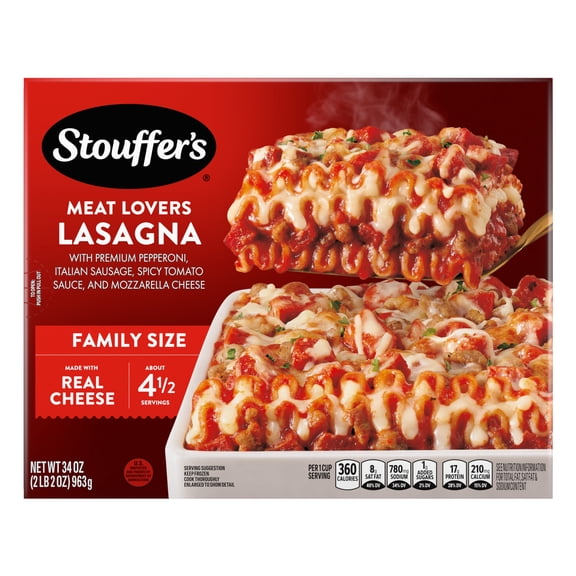
Frozen dinners work well when you want portioned meals that stay ready in your freezer. Ready-to-eat dinners fit nights when you want heat-and-serve convenience with very little prep.
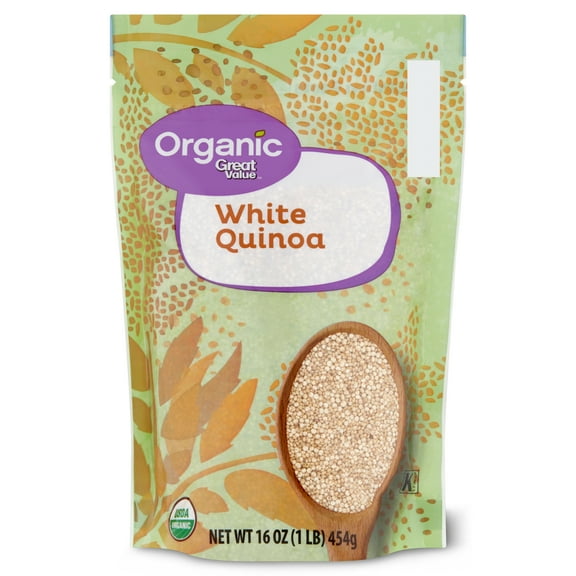
Pantry staples help you build flexible meals from shelf-stable ingredients you can keep on hand. Meal kits give you preplanned components, so you can assemble dinner with fewer steps.
You can use meal type to narrow choices quickly before you compare flavors or serving sizes. That approach helps you match dinner to your routine instead of reshaping your routine.
How to choose easy dinner meals by prep time
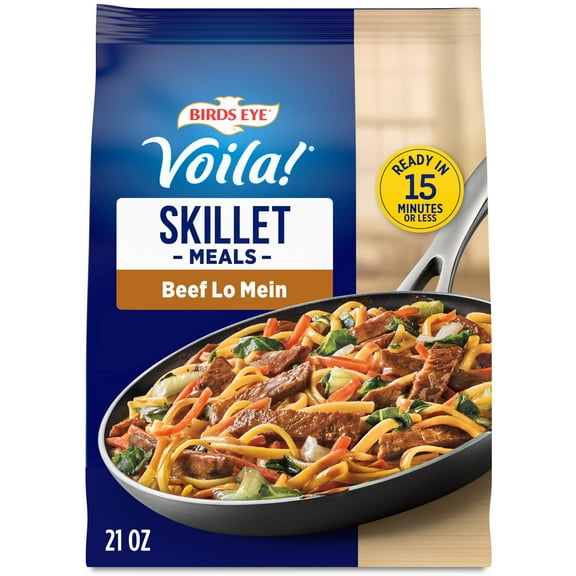
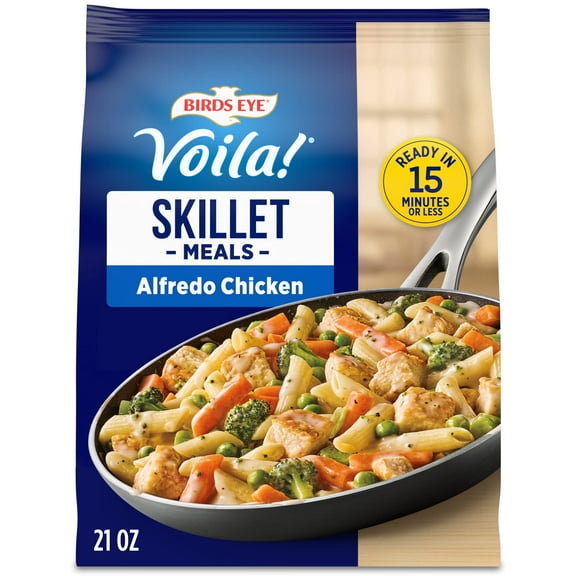
You should compare prep time early because it changes how dinner fits into your evening. Some easy dinner meals are ready in under 15 minutes, while others need 15 to 30 minutes.
Heat-and-serve options help you keep dinner moving when your schedule feels packed. Meal kits can still feel convenient when you want fresh assembly without starting from scratch.
- You can pick under 15 minute meals for quick solo dinners or short lunch breaks.
- You can choose 15 to 30 minute options when you want more hands-on cooking.
- You can rely on heat-and-serve meals when you need minimal cleanup and fast plating.
- You can keep pantry staples nearby for quick dinner ideas built from what you already store.
You’ll often notice prep time also affects cleanup, cookware needs, and how much planning you need. That makes prep time one of the clearest ways to sort dinner choices.
Comparing serving size for family dinner food
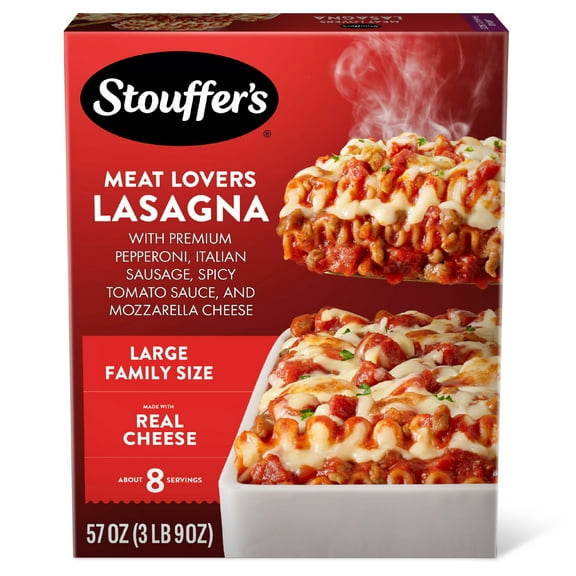
You should check serving size before you choose flavors because package format changes how well a meal fits your household. Single serve meals suit solo dinners, while family size options support shared meals.
Multi-pack formats help you stock several meals at once for repeated use across the week. That can make planning easier when your schedule changes from day to day.
If you’re feeding several people, family dinner food formats can reduce the need for extra sides. If you’re planning lunches too, multi-pack choices can support leftovers or staggered meals.
What to look for in dietary preference details
You can narrow dinner food choices by checking labels that match your household’s eating preferences. Gluten-free, low sodium, organic, and vegetarian options help you compare choices with more confidence.
When you review these details, you should look for the exact wording on the package. That helps you choose items that align with your pantry habits and meal planning style.
You may also want variety across your cart so different eaters have practical options at dinner. That’s especially useful when you’re balancing quick prep with specific ingredient preferences.
Understanding storage and shelf life
You should think about storage space before you build a larger dinner plan. Frozen dinners need freezer room, ready-to-eat meals may need refrigeration, and pantry staples stay shelf-stable.
That difference matters when you’re stocking up for busy weeks, shared kitchens, or smaller apartments. You can often organize dinner choices more easily when you group them by storage type.
If you want flexible backup meals, shelf-stable pantry items can stay ready until you need them. If you want faster serving, frozen and refrigerated meals can shorten prep on busy nights.
Using dinner food for real meal moments
You can use quick dinner ideas to cover weeknights, weekend lunches, or late work evenings without much planning. Frozen dinners and ready-to-eat dinners fit especially well when timing matters most.
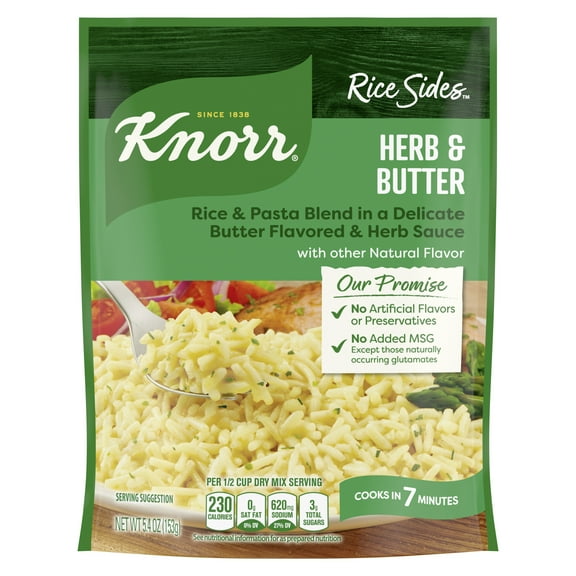
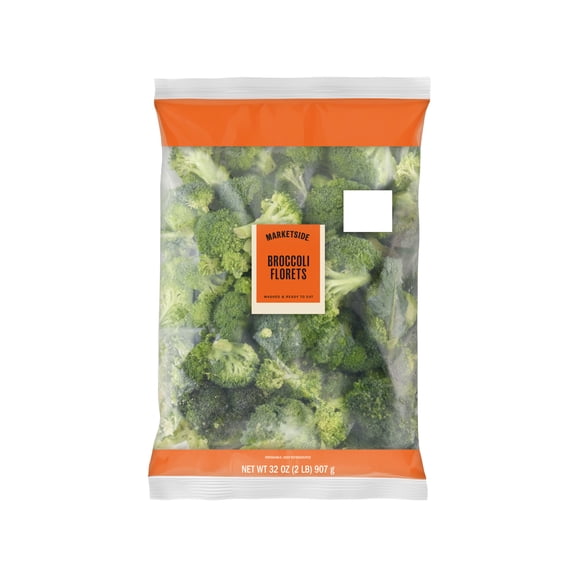
Meal kits make sense when you want structure but still want to assemble the meal yourself. Pantry staples support custom dinners when you want to add vegetables, pasta, rice, or canned goods.
You might also plan family dinner food for school nights, shared apartment meals, or mixed schedules. Single serve options help when everyone eats at different times but still wants a complete dinner.
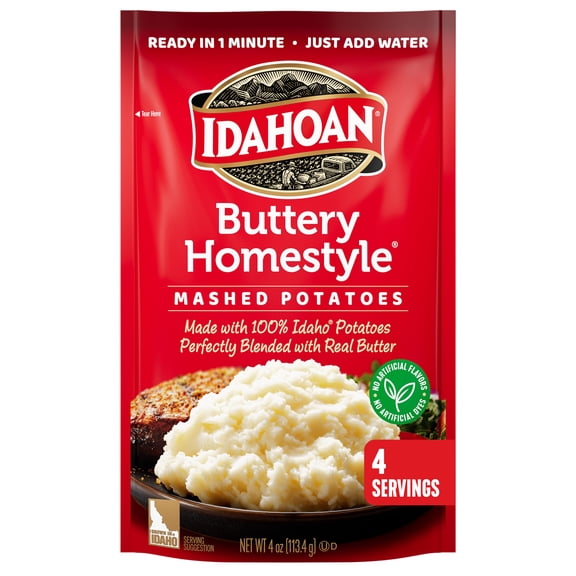
During colder months or holiday planning, you can also look for holiday dinner sides that complement your main meal. That helps you build a fuller table without adding complicated prep.
If you’re comparing categories, you may also pair dinner choices with frozen foods, canned goods, fresh produce, or meal kits. That gives you more ways to shape dinner around your time and storage needs.
You can feel confident choosing dinner food when you compare meal type, prep time, serving size, dietary preferences, and storage together. That simple approach helps you land on meals that fit your evening and keep dinner easy.