


Find auto parts that fit
Let’s search for parts that fit your vehicle.
Differentials and Components for Auto Driveline



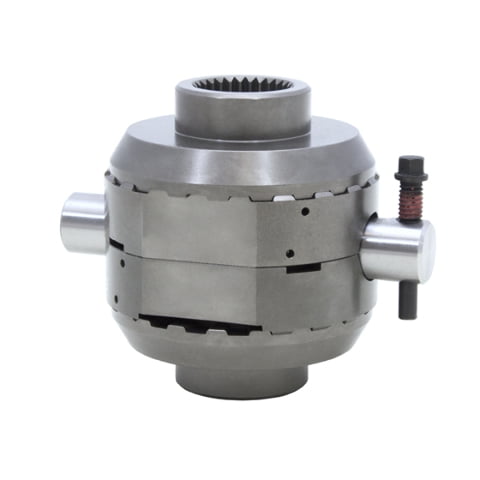


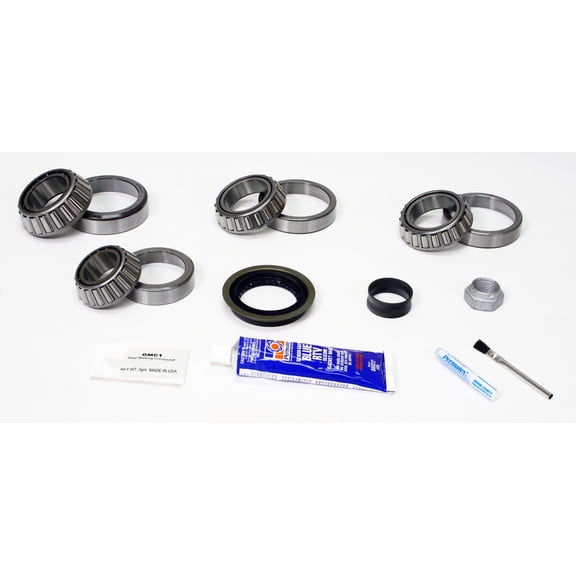




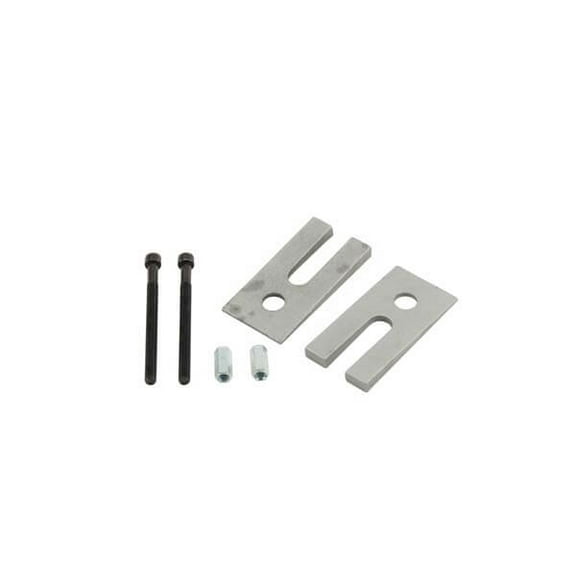

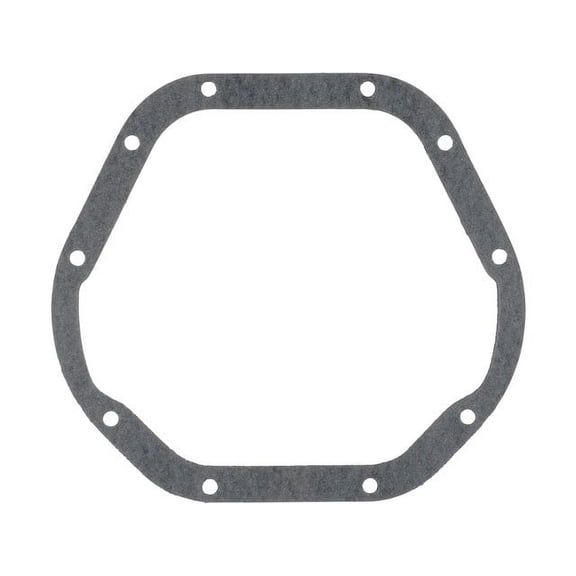
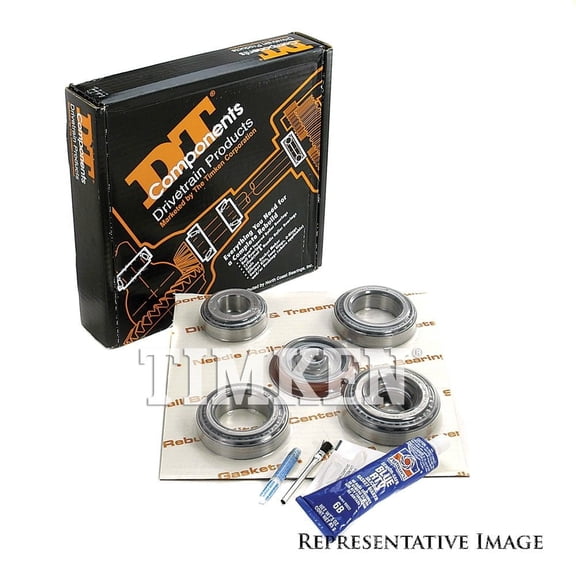

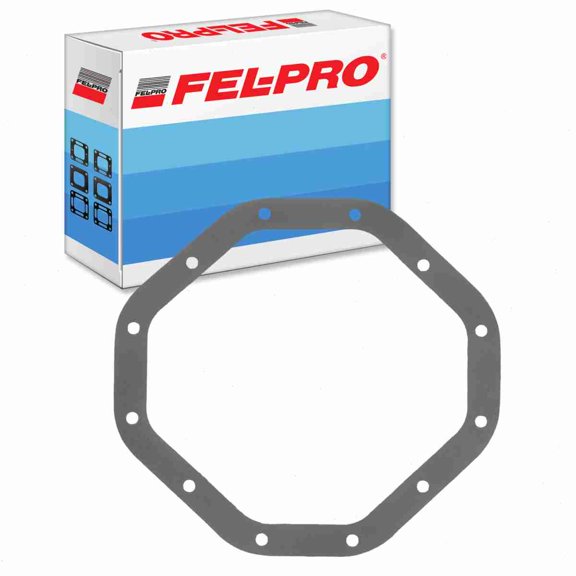



About Differentials and Components for Auto Driveline - Walmart.com
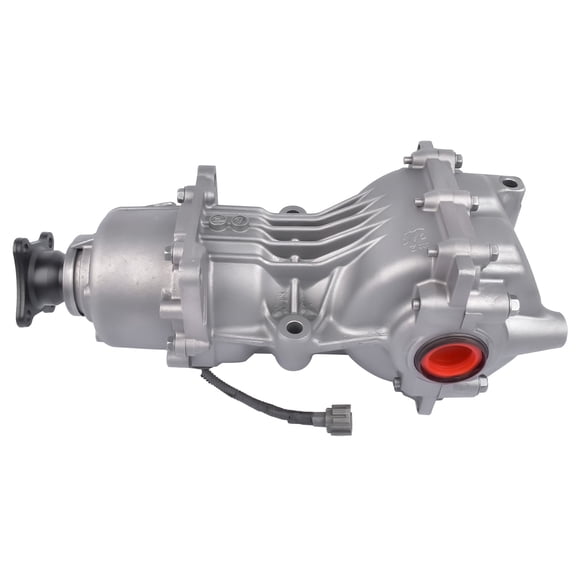
Differential components help you restore smooth power transfer, match your axle setup, and rebuild your driveline with confidence. You can compare fitment details, gear ratios, and housing placement before choosing parts for your repair.
If you're fixing noise, updating worn internals, or planning a full axle refresh, you need category guidance that matches real vehicle decisions. You can use this page to compare differential parts by type, placement, component style, and compatibility.
Choosing differential components by differential type
You should start with differential type because it changes how your vehicle puts power to the wheels. You can narrow options faster when you know whether your setup is open, limited-slip, locking, or spool.
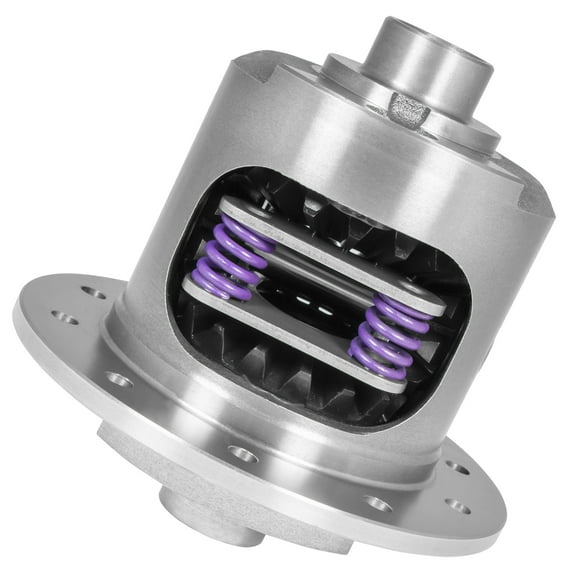
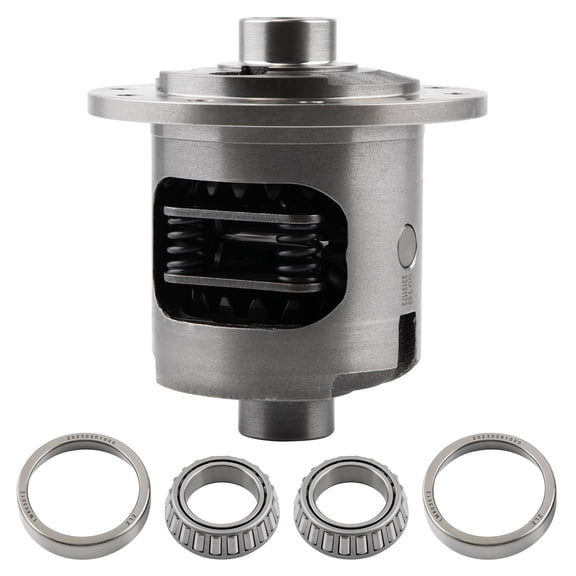
With an open design, you get straightforward street use and common replacement needs for daily driving. With a limited-slip setup, you can expect extra traction control through clutch packs or internal mechanisms.
If you run a locking design, you can look for parts that support firm engagement in demanding off-road conditions. If you use a spool setup, you should compare race-focused fitment details for dedicated performance builds.
- You can choose open differential parts for common factory-style replacements.
- You can compare limited-slip internals when you want stronger traction in changing road conditions.
- You can look for locking assemblies when your truck or SUV needs consistent wheel engagement.
- You can check spool-compatible parts when your build focuses on straight-line performance.
How to compare rear differential components and front placement
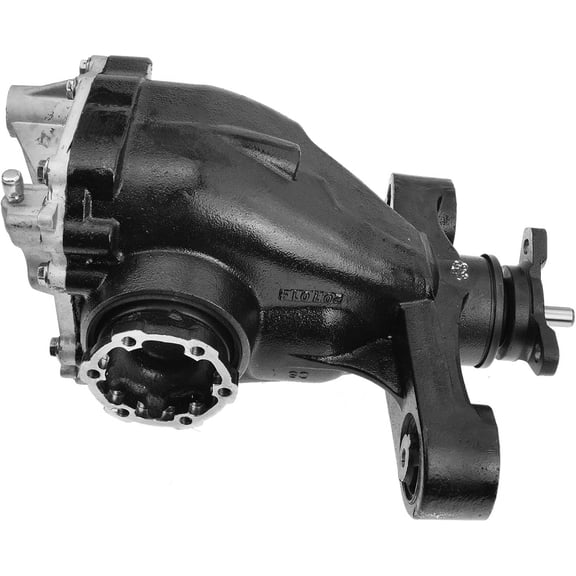
You need to confirm placement before you order because front and rear assemblies use different housings, shafts, and gear sizes. You should check whether your vehicle uses a rear differential, front differential, or both.
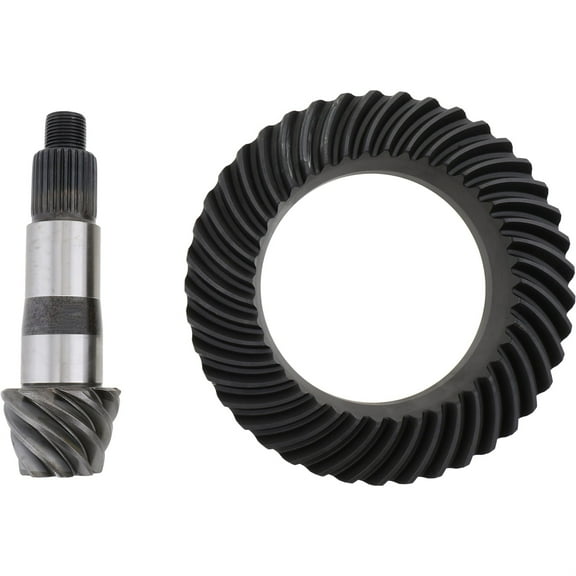
For rear differential components, you may compare ring and pinion dimensions, axle shaft parts, and cover shape. For front placement, you should verify clearance, housing style, and the exact axle connection points.
You can avoid mismatched parts when you confirm ring gear diameter, spline count, and gear ratio early. You should also measure mounting patterns because a small housing difference can change overall fitment.
What to look for in differential parts and rebuild pieces
You can break your search into major component groups so you know which parts support a complete repair. You should compare ring and pinion gears, bearings, seals, axle shafts, and differential covers as separate decisions.
A differential gear set matters when you need the correct ratio and tooth pattern for your axle. You should match that set carefully because gear ratio affects cruising behavior, towing response, and acceleration feel.
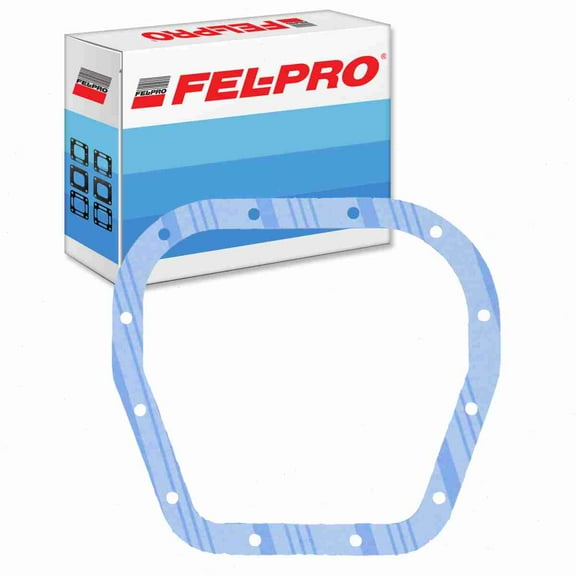
Bearings and seals support smooth rotation and help keep internal lubricant where it belongs. You can use a differential rebuild kit when your service includes multiple wear items in one planned repair.
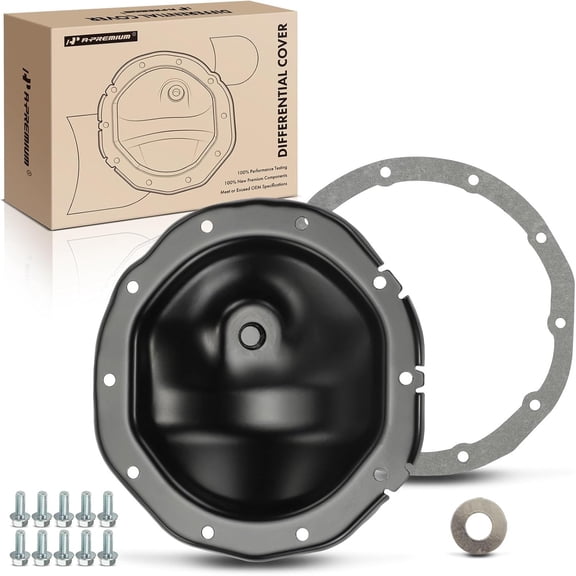
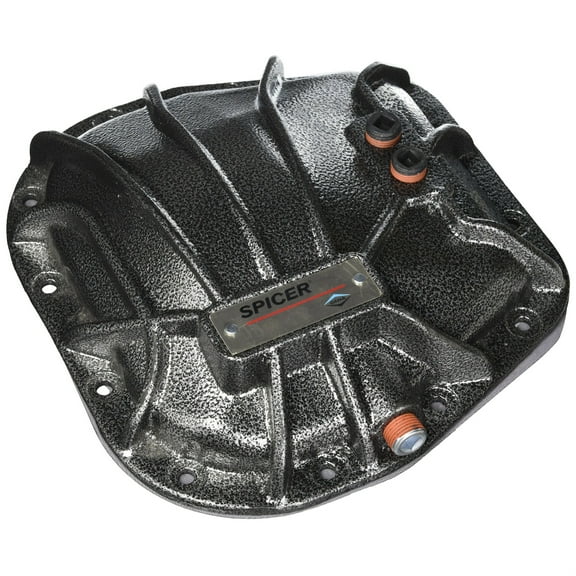
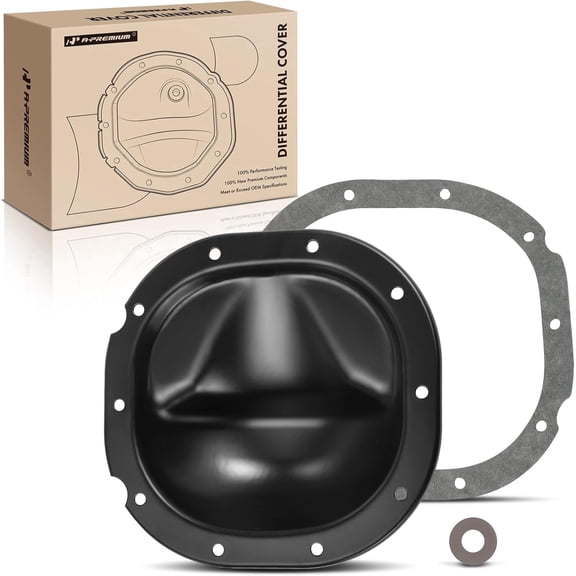
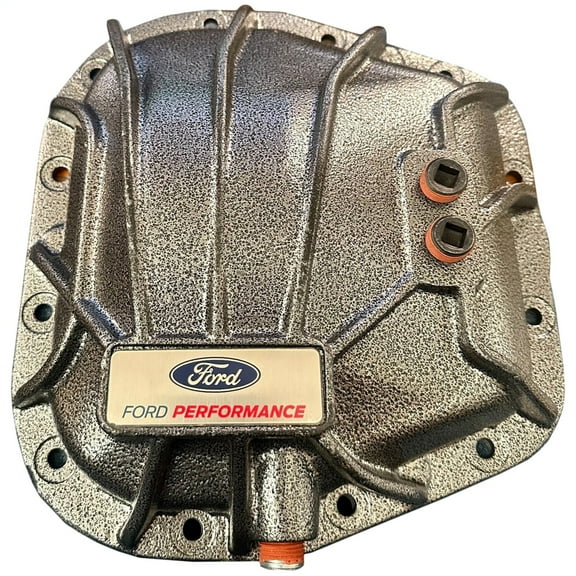
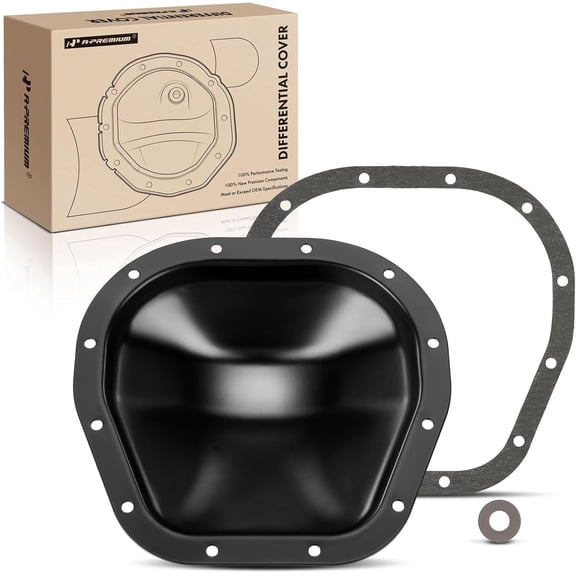
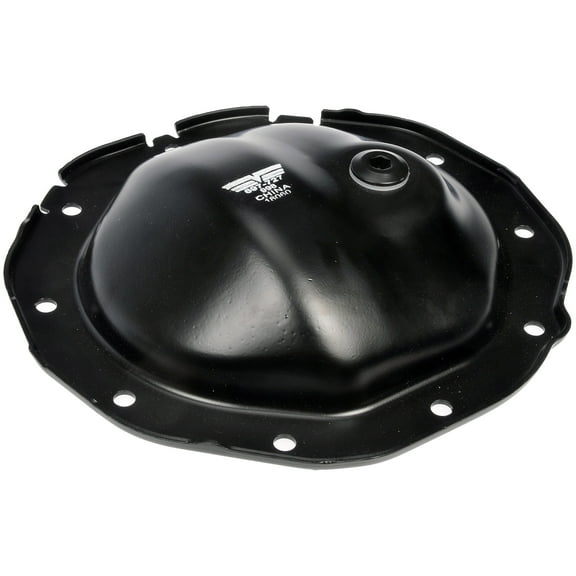
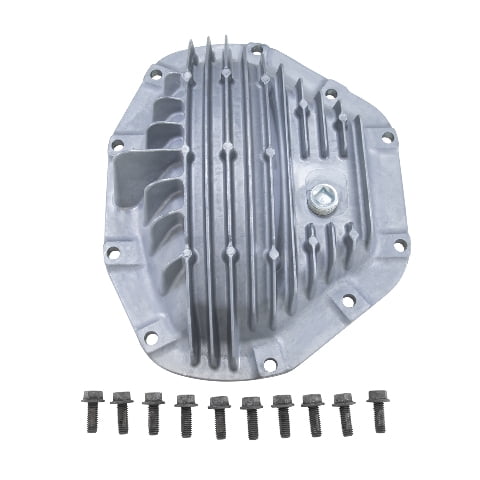
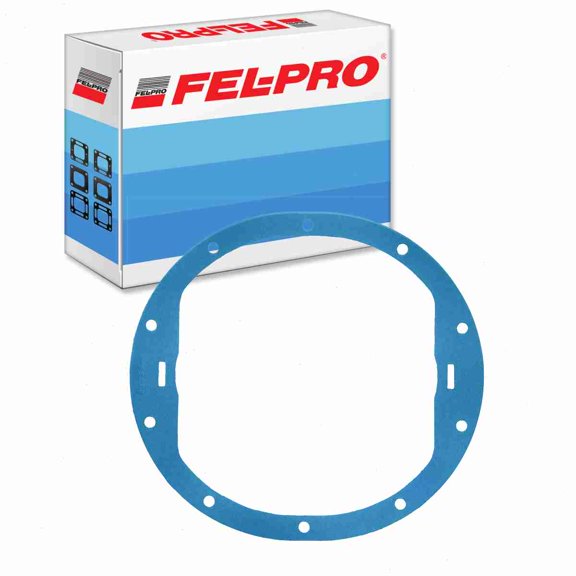
Axle shaft parts matter when you need strength at the wheel end and proper spline engagement inside the carrier. Differential covers matter when you want the correct bolt pattern, fluid capacity, and housing compatibility.
Checking vehicle compatibility before you choose
You should treat vehicle compatibility as the first filter because axle differences can look similar at a glance. You can narrow choices by vehicle type, axle family, spline count, and ring gear diameter.
For a light truck or SUV, you may look for heavier-duty materials and parts built for towing loads. For a passenger car, you may focus on factory-style replacement specs and everyday drivability.
If you're building for performance or racing, you should compare gear ratio options and shaft strength more closely. You can also check whether OEM-style or heavy-duty aftermarket construction fits your driving goals.
You should confirm year, make, model, and axle code whenever fitment data is available on Walmart.com. You can reduce guesswork when you compare technical details with your current assembly before ordering.
Using differential components for real repair scenarios
You may need replacement driveline components during a gear ratio change, axle refresh, or full rear axle service. You can also use this category when you're replacing worn internals after long-term use.
If your project centers on a rear axle rebuild, you might combine bearings, seals, and a matched gear set. If your vehicle needs broader service, you may add axle shaft parts and housing-related hardware.
For an off-road truck, you can compare locking or limited-slip options with strong internal parts. For a street-driven SUV, you may prefer replacement pieces that match original fitment and predictable handling.
When your build serves towing, commuting, or weekend performance use, you should compare every specification together. You can get a more accurate repair plan when type, placement, and compatibility all line up.
Why careful selection matters with differential components
You get a smoother installation path when your differential components match your axle, gear ratio, and intended use. You can move forward with more confidence when your parts list reflects real fitment details, not guesswork.
Popular in Differentials and Components for Auto Driveline - Walmart.com
- Ford Freestar Engine Timing Chain Tensioner
- Buick Limited Differential Pinion Seal
- Oldsmobile Cutlass Engine Timing Chain Tensioner
- Mercury Monarch Suspension Ball Joint
- Mercury Sable Rack And Pinion Bellows Kit
- Ford Flex Engine Timing Camshaft Sprocket
- Ford F250 Engine Timing Chain Tensioner
- Oldsmobile Alero Engine Timing Chain Tensioner
- Ford F250 Engine Timing Chain Tensioner Guide
- Ford Five Hundred Engine Timing Chain Tensioner
- Transmission Linkage Bushing
- Ford Windstar Engine Timing Chain Tensioner