






Find auto parts that fit
Let’s search for parts that fit your vehicle.Boat Brushes & Boat Cleaning Brushes



















About Boat Brushes & Boat Cleaning Brushes - Walmart.com
Your boat brush choice gets easier when you focus on bristle stiffness, handle style, and marine-ready materials. You need cleaning tools that suit gelcoat, non-skid decks, and saltwater exposure.
Whether you're replacing a worn brush or building a marine cleaning kit, you can use this guide to compare key options. You can sort deck brushes for boats by surface type, reach, storage needs, and handle connection.
Choosing the right boat brush
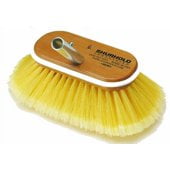
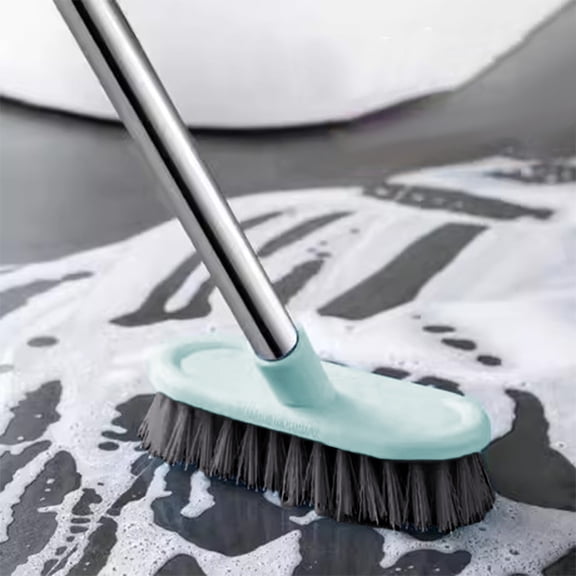
Start with bristle stiffness because your boat surfaces need different contact. You can use soft bristles on painted finishes and gelcoat when you want a gentler pass.
For mixed surfaces, you may prefer a medium bristle deck brush during routine washing. You get practical scrubbing power for everyday messes without moving straight to a very rigid brush.
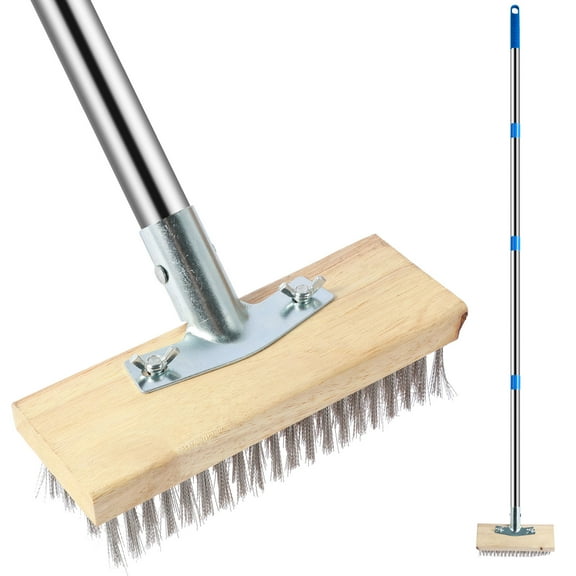
On textured decks, you should consider stiff or extra stiff bristles for more grip. You can work into non-skid patterns and teak grooves where softer bristles may slide past buildup.
- You can choose soft bristles for hull cleaning, gelcoat, and painted areas.
- You can choose medium bristles for general washing and mixed deck surfaces.
- You can choose stiff bristles for non-skid patterns and heavier deck scrubbing.
- You can choose extra stiff bristles when you want stronger contact on rugged marine surfaces.
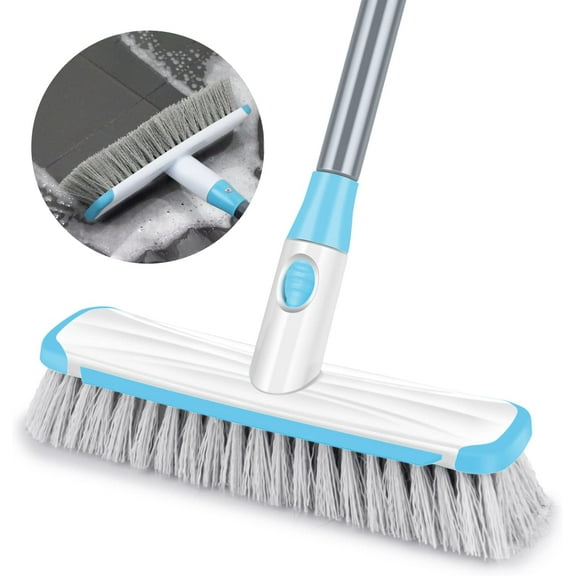
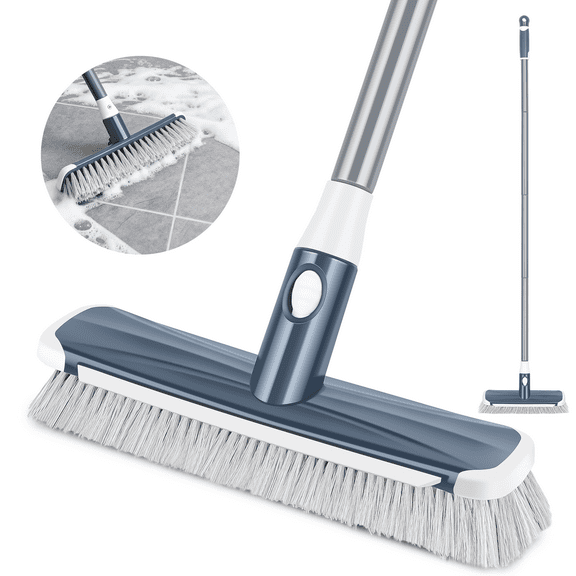
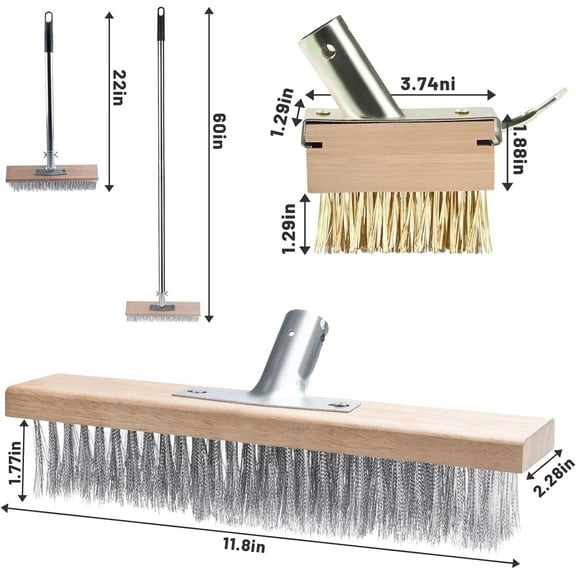
Head width also shapes how your brush feels during cleanup and storage. You can cover broad walkways with a 12-inch head, while an 8-inch head fits tighter lockers.
If you want a balanced option, a 10-inch brush head often works across many layouts. You can move around cleats, corners, and seating bases with less awkward repositioning.
How to choose a boat cleaning brush handle
Handle type affects your reach, storage plan, and day-to-day cleanup routine. You should compare telescoping, fixed length, threaded, and flow-through designs before you decide.
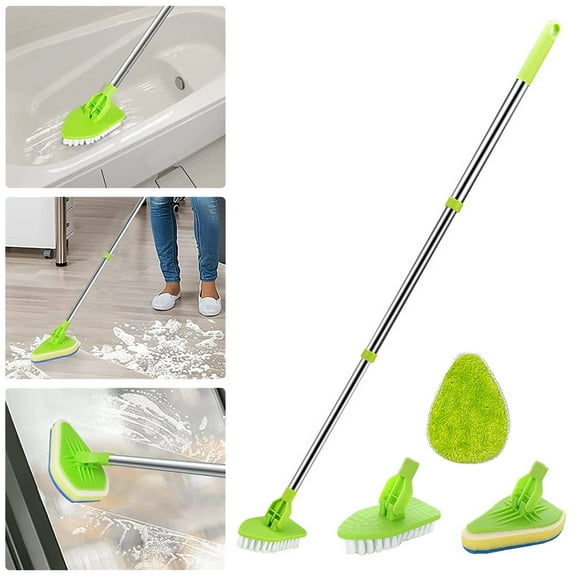
With a telescoping deck brush, you can extend your reach for decks, gunwales, and higher hull sections. You can also shorten the handle for easier storage between washdowns.
If your setup stays simple, a fixed length handle can feel ready for repeated use. You can grab it quickly when your storage area fits a full-length tool.
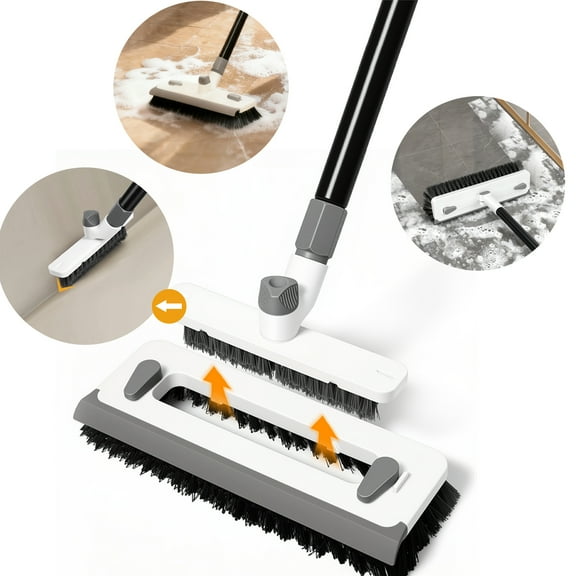
Connection style matters because you want the brush head to stay secure while you scrub. You should check whether your handle uses a threaded mount or a locking-pin connection.
A threaded mount lets you twist the handle into place for a familiar attachment method. A locking-pin system can give you a firm connection when your deck scrubbing gets more active.
Flow-through handles suit routines where you want water moving through the pole while you scrub. You can rinse suds and loosened grime in the same motion during washdowns.
Material choice also matters when your brush faces saltwater and wet storage conditions. You should look for anodized aluminum, stainless steel hardware, fiberglass, or sealed wood based on your routine.
Aluminum can feel lighter during repeated passes with a long handle deck brush. Fiberglass can feel sturdy in hand, and stainless steel parts help resist marine corrosion.
Comparing deck brushes for boats by size and surface
Brush size should match the areas you clean most often on board. You can move faster across open cockpits and swim platforms with wider heads, while narrow heads help around rails.
When your boat is compact, an 8-inch brush can fit tighter passages and storage spots. You can carry it around side decks and tuck it into smaller lockers more easily.
For all-around cleaning, a 10-inch head can balance coverage and control across several areas. You can use it on open deck space and still work through tighter corners.
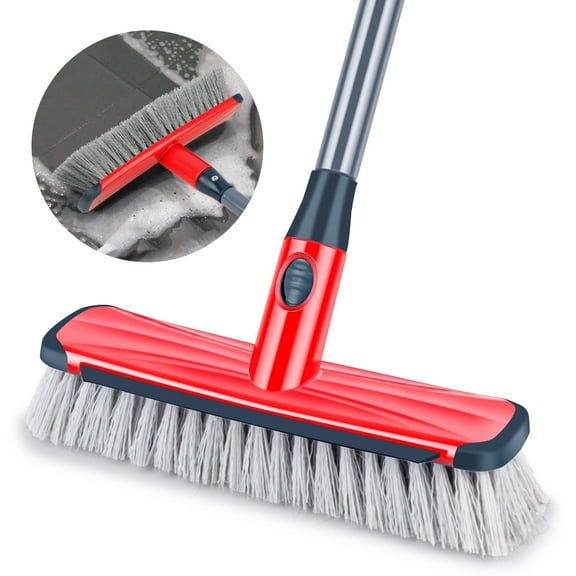
On larger layouts, a 12-inch boat broom or boat deck scrubber can cover more area per stroke. You can clean broad decks, docks, and platform sections with fewer passes.
Surface finish should guide your final choice as much as brush size does. You can protect smooth hull areas with softer contact, while textured flooring often needs firmer scrubbing action.
Teak deck scrubbing calls for a deliberate match between your bristles and the wood grain. You can clean seams and grooves more effectively when your stiffness level matches that surface.
Matching your boat scrub brush to cleaning jobs
Routine washdowns often call for a boat scrub brush with handle that reaches more of your deck. You can clean around seating, along gunwales, and across deck panels without constant crouching.
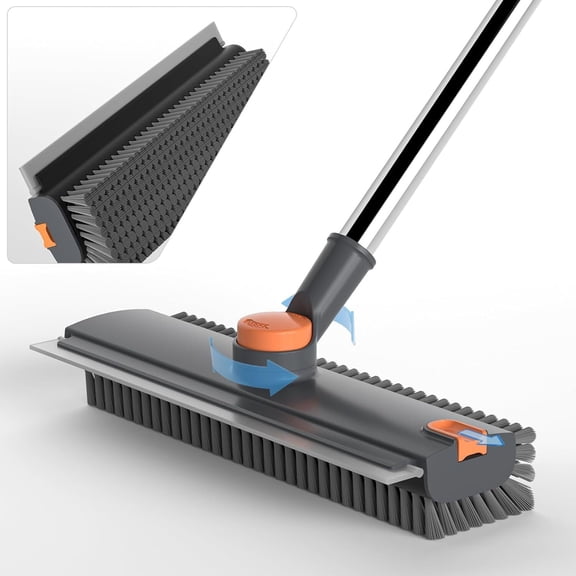
Loose debris usually comes off more easily when you start with a boat broom or deck broom. You can clear leaves, dirt, and dock debris before moving into a wetter scrubbing step.
For glossy finishes, a boat deck brush with soft bristles can suit hull cleaning and smooth panels. You can lift splash marks and surface film while keeping contact gentler.
General washing often works well with a medium bristle deck brush on mixed materials. You can move from fiberglass sections to walking surfaces with one practical tool.
Textured traction zones usually need a boat deck scrubber with firmer bristles for more bite. You can reach into raised patterns on non-skid surfaces with stronger brushing contact.
On taller hull sides or wider beam layouts, a telescoping deck brush helps you reach farther. You can extend your cleaning range from the dock or trailer without changing tools.
Storage should stay part of your decision when you choose a long handled deck brush. You can fit collapsible options into tighter compartments, while fixed handles suit larger lockers.
With the right boat brush, you can match stiffness, handle security, corrosion resistance, and head width to your boat. You get a cleaning tool that fits your surfaces, storage space, and routine.