



Darts in Darts & Equipment









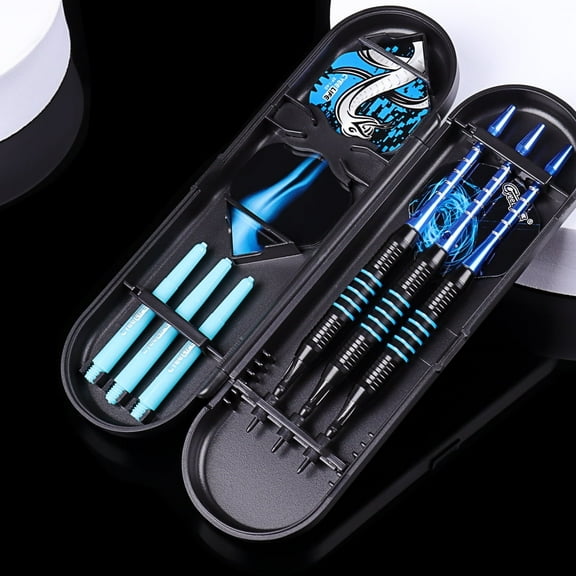


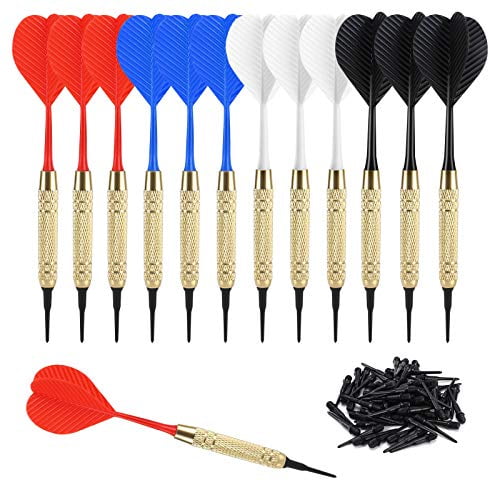

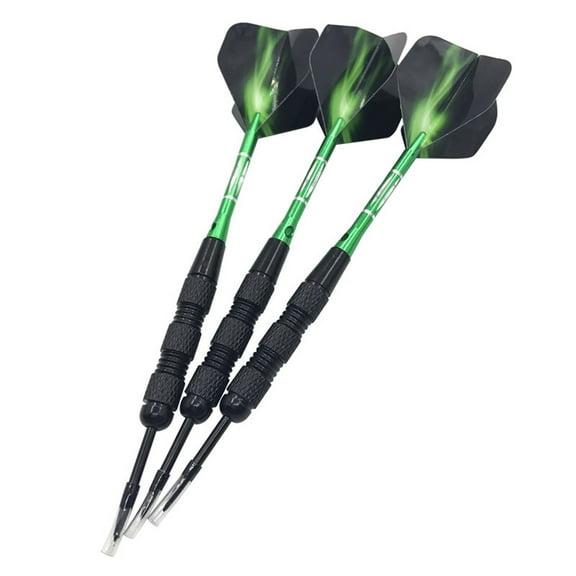
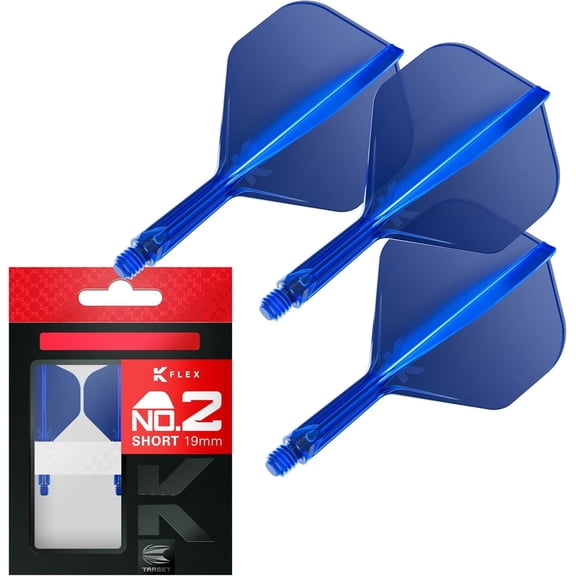






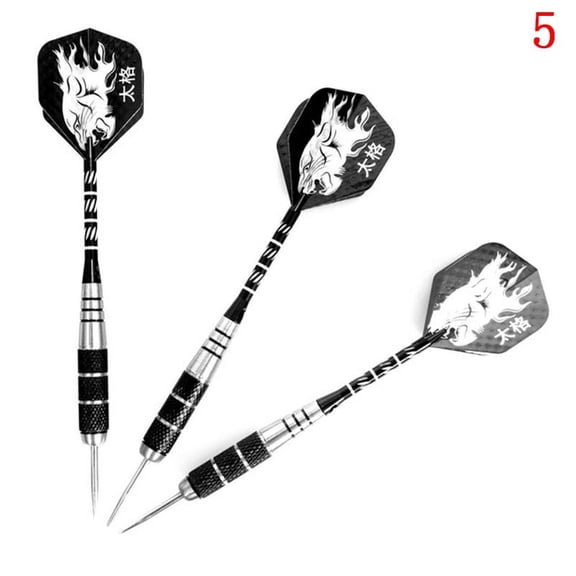


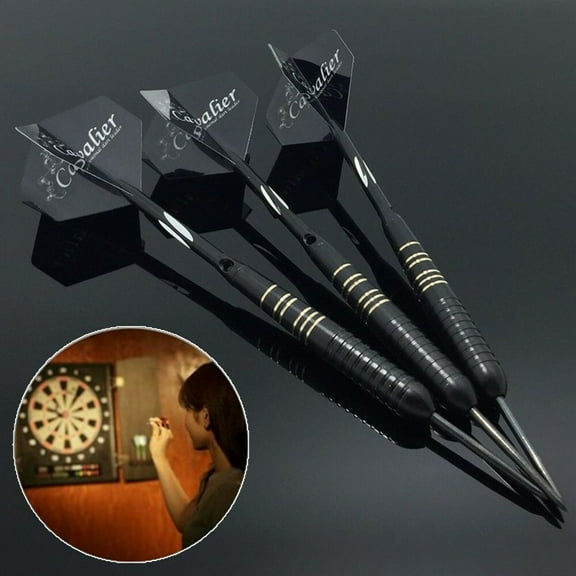




About Darts in Darts & Equipment - Walmart.com
Darts help you build a setup that matches your board, your grip, and your throwing style. You can compare tip type, barrel material, and dart weight in one place. You’ll also find dart equipment that supports casual games, league practice, and home game rooms.
How to choose darts for your board
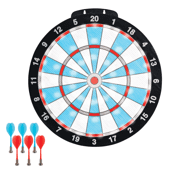
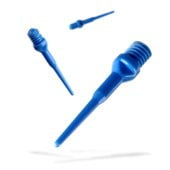
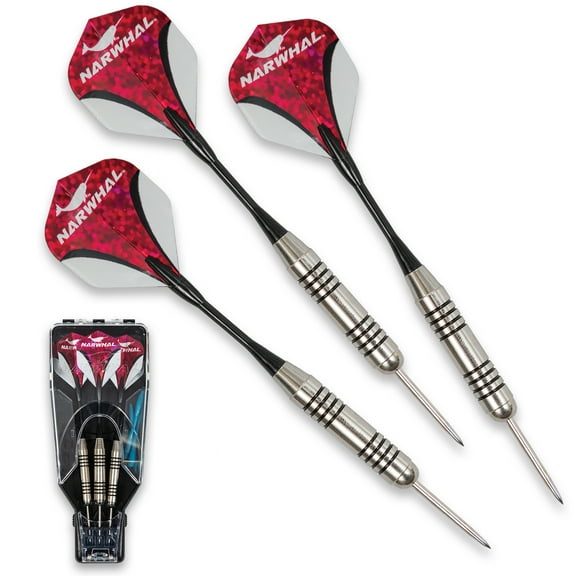
You should start with board compatibility before you compare any other detail. You’ll need steel tip darts for bristle dartboards and soft tip darts for plastic electronic boards.
That choice affects how your darts land and how your setup performs over time. You can avoid mismatched gear when you check tip type first and narrow your options faster.
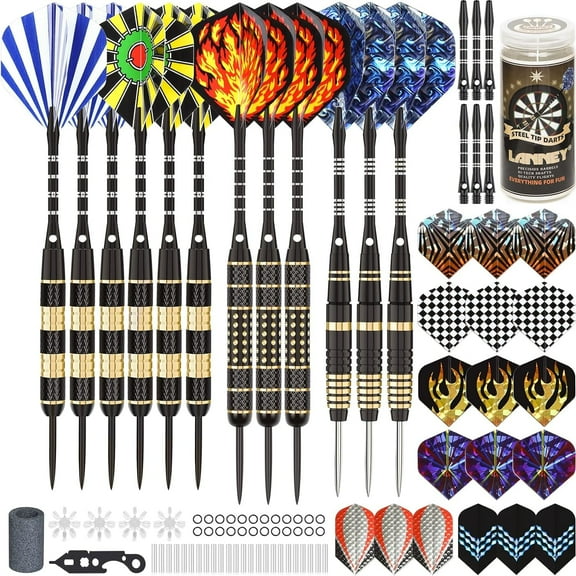
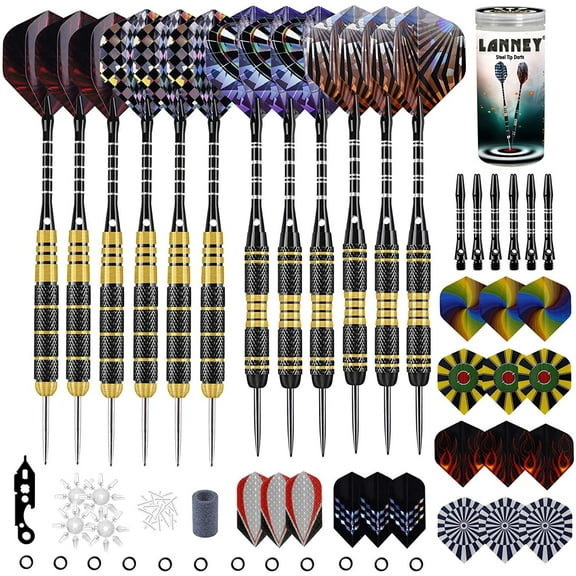
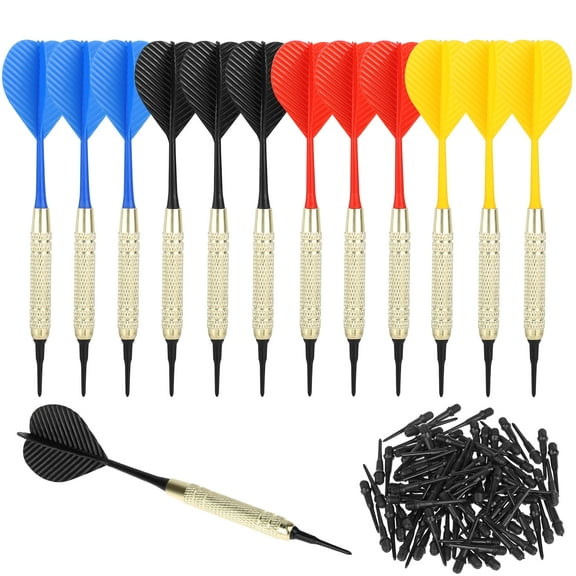
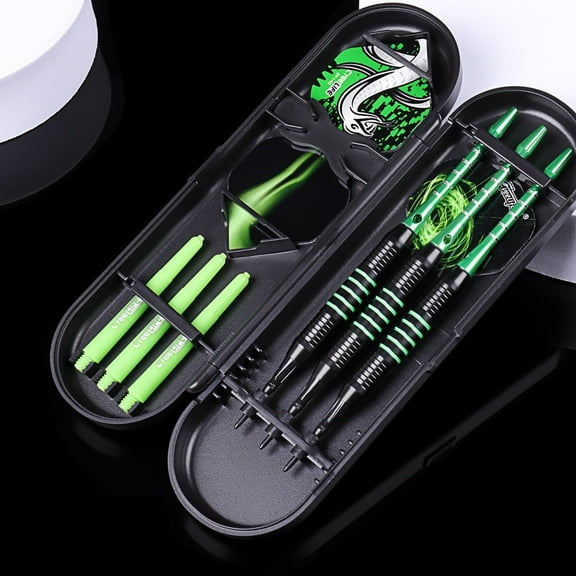
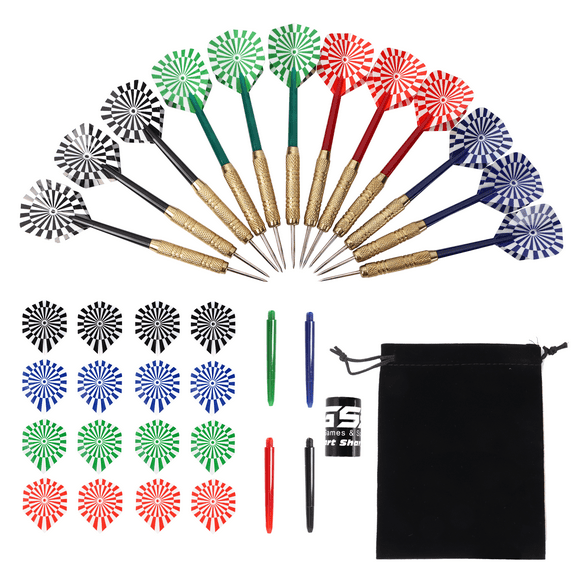
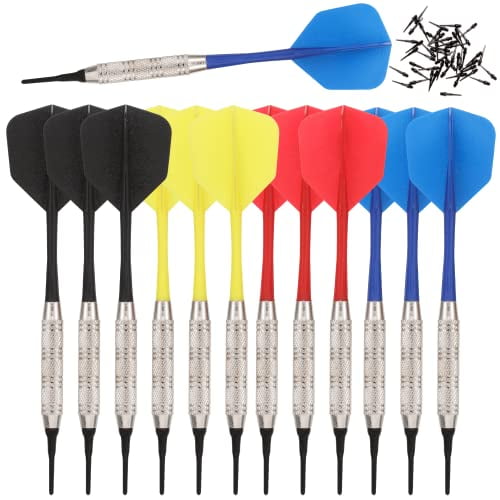
Many shoppers also compare complete dart sets when they want an easier starting point. You can get coordinated barrels, shafts, and dart flights that simplify your first setup.
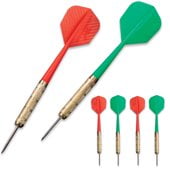
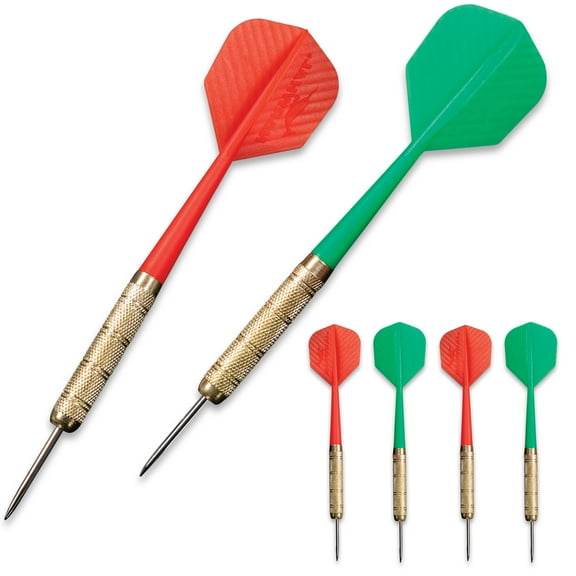
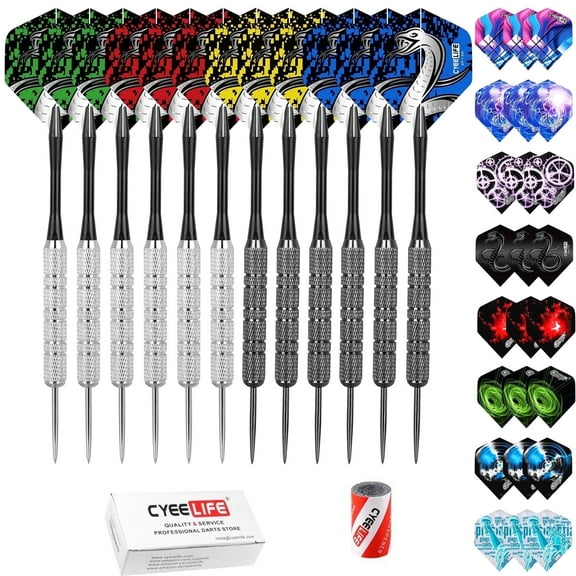
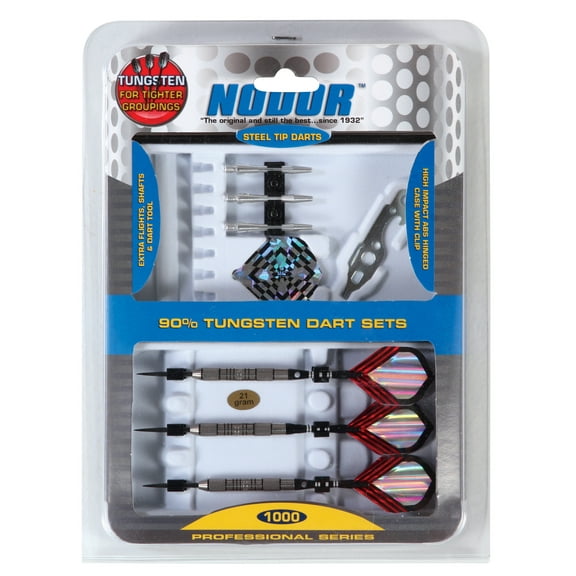
- You can match steel tip darts to traditional bristle boards for classic pub-style play.
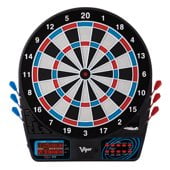
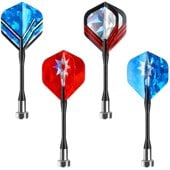
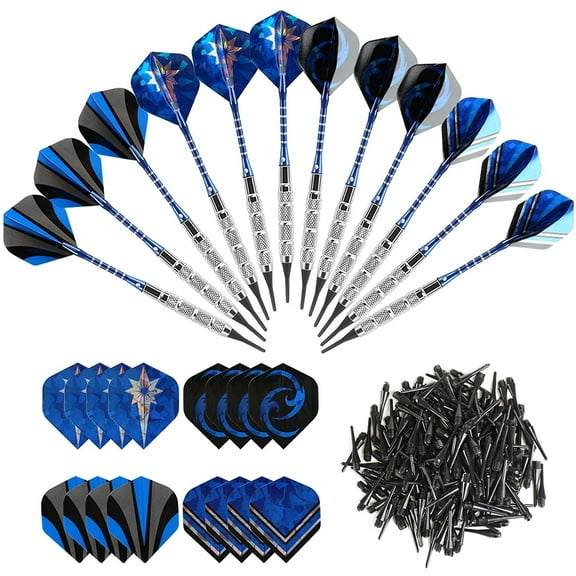
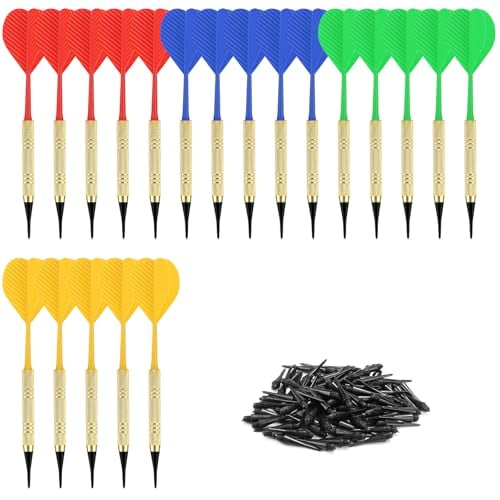
- You can pair soft tip darts with electronic dartboards for easy scoring and casual home sessions.
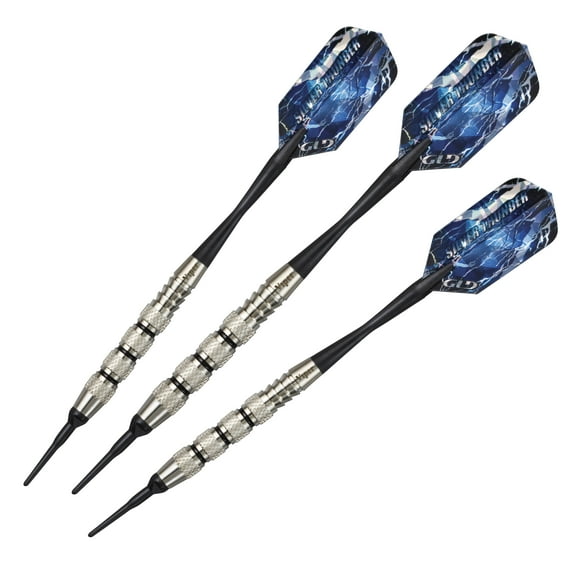
- You can choose tungsten darts when you want slimmer barrels and tighter groupings.
- You can start with brass or nickel-silver barrels when you want familiar handling and simple practice options.
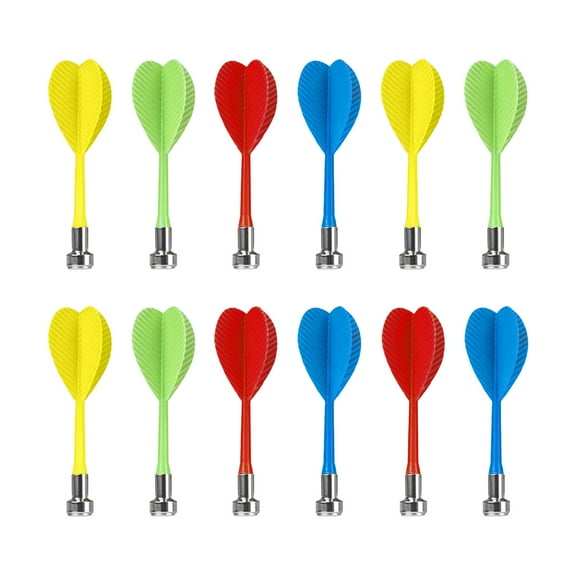
- You can swap dart flights and dart shafts to fine-tune balance, speed, and stability.
Choosing dart equipment by weight and material
You should compare dart weight based on how quickly you release and how much control you want. You may notice lighter 16g or 18g options feel quicker through the air.
You might prefer 20g or 22g darts when you want a balanced feel for everyday play. You can also try 24g or 26g weights if your throw feels steadier with more heft.
Barrel material changes both feel and barrel width in your hand. You’ll often see tungsten darts chosen for a denser build that keeps the barrel slimmer.
That slimmer shape can help you group throws closer together on crowded targets. You may choose brass when you want a wider barrel that feels straightforward for early practice sessions.
You can also compare nickel-silver barrels for another familiar option in dart sets. You should check grip texture, barrel shape, and shaft length together for a more complete fit.
Dart flights, shafts, and setup details
You should treat dart flights and shafts as tuning parts, not small extras. You can change how your darts travel by adjusting these pieces to your throw.
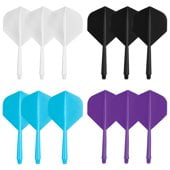
Standard flights usually give you more stability during slower or more controlled throws. Slim flights can reduce drag when your throw is faster and flatter.
You may also compare kite and pear shapes when you want a different balance in the air. You can test these shapes to see which one supports your release angle.
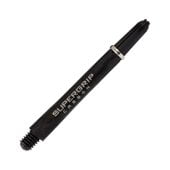
Shaft length matters because it changes where the dart balances during flight. You might prefer shorter shafts for a compact feel or longer shafts for added stability.
When you compare dartboards and darts together, you can build a setup with fewer guesswork changes later. You’ll make cleaner decisions when you match flights, shafts, and tip style from the start.
Using darts for practice, leagues, and home game rooms
You can choose different combinations based on where and how often you play. You may want electronic dartboards and soft tip darts for family spaces and easy score tracking.
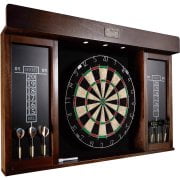
You might keep steel tip darts with a bristle board when you want a traditional practice experience. You can use that setup for repeated target work, doubles practice, and league-style sessions.
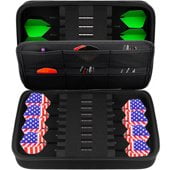
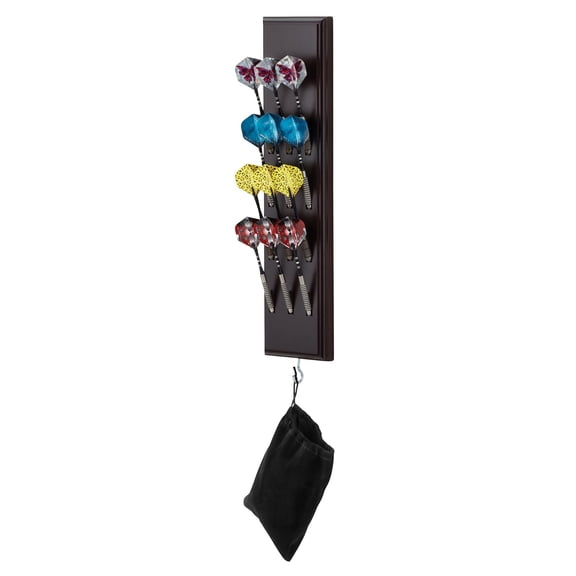
If you’re building a home game room, you may want dart sets that help everyone start quickly. You can add extra dart flights, dart shafts, and cases for simple upkeep.
You may also compare barrel materials by how often you play each week. If you throw often, you might like tungsten for its slim profile and consistent feel.
If you’re newer to the category, you may prefer brass while you learn grip and release. You can then adjust weight, flights, and shafts as your preferences become clearer.
For gifting, you can choose dart equipment that fits the player’s board type first. You’ll give a more usable setup when you match the tips, weights, and accessories correctly.
What to look for in darts before you decide
You should check tip type, dart weight, barrel material, and flight shape before you compare anything else. You can narrow your choices quickly when those core decisions are clear.
Darts become easier to choose when you match your gear to your board and throwing style. You’ll end up with a setup that feels more natural from the first throw.