

Current Testers in Electrical Testing





About Current Testers in Electrical Testing - Walmart.com
Current testers help you check electrical flow with less guesswork during installation, maintenance, and troubleshooting. You can compare clamp meters, fork testers, open jaw designs, and pen detectors to match your workspace and measurement needs.
If you're building an electrical testing kit, you should look for current testers that fit wire size, current type, and safety rating. You'll also want display details and added functions that support faster readings in busy panels or field calls.
How to choose current testers by tester type
You should start with tester type because each design changes how you access conductors and read current. If you work in crowded panels, you may prefer clamp-style tools that measure current without breaking the circuit.
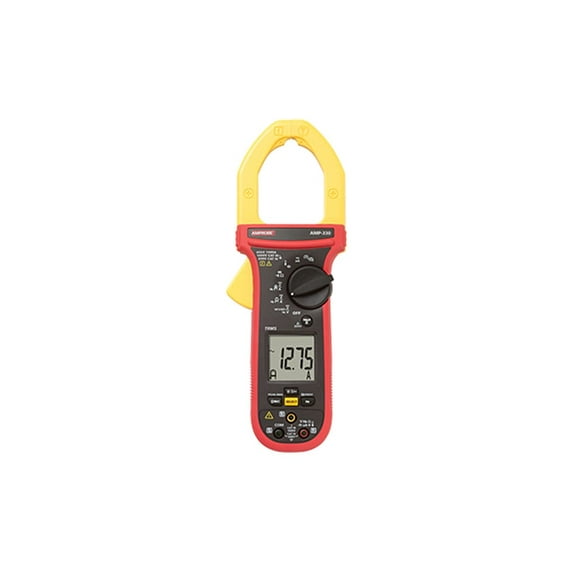
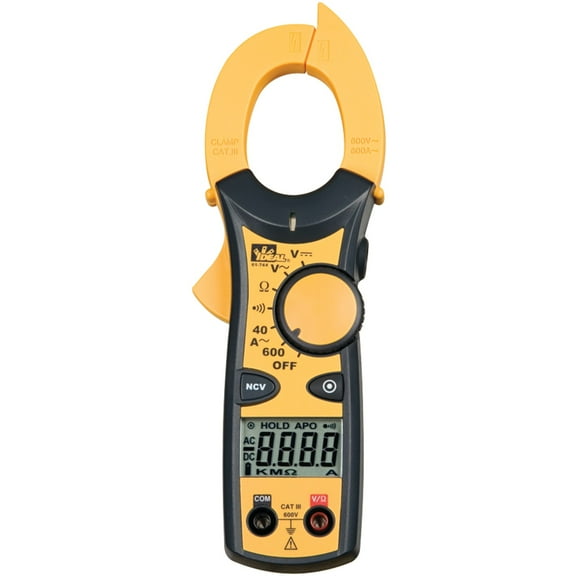
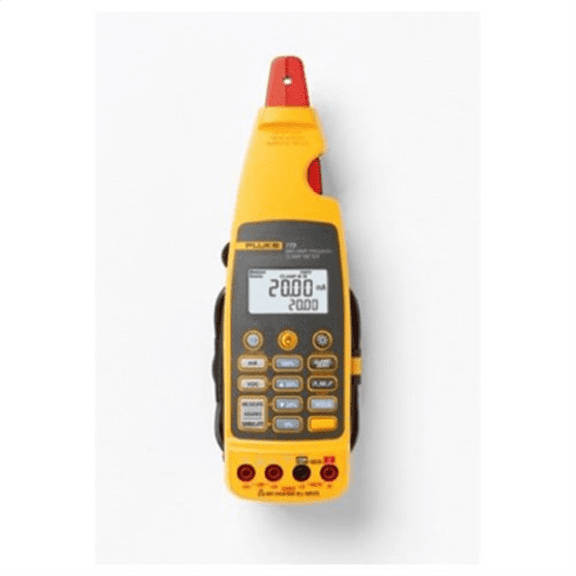
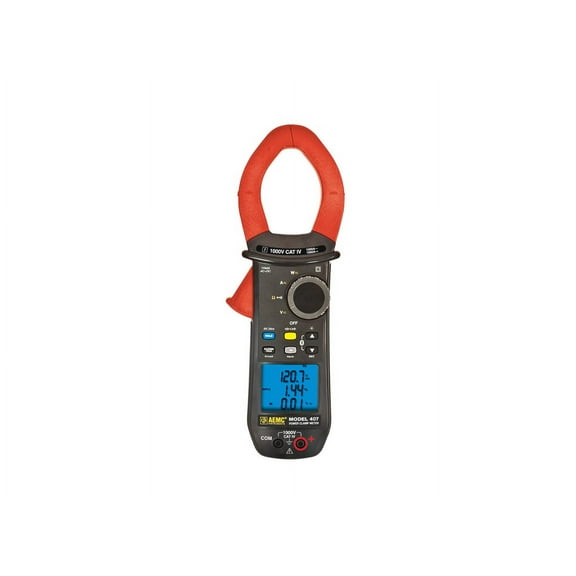
Clamp meters help you measure around a single conductor, and you can often use them for broader electrical testing tasks. Fork testers and open jaw models give you quicker access when you need faster placement around wires.
Pen detectors fit lighter checking tasks, and you may use them when compact carry matters most. If you compare electrical testing current testers carefully, you can match handling style to your daily workflow.
- You can use clamp meters when you need wider jaw capacity and multi-function testing.
- You can choose fork testers when you want quick placement around single conductors.
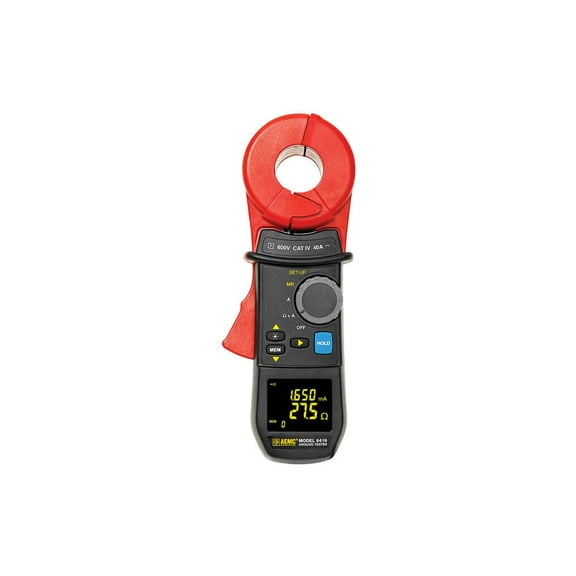
- You can consider open jaw designs when tight spaces make a full clamp harder to position.
- You can carry pen detectors when you want a slim tool for basic current-related checks.
Choosing current type and measurement range
You should confirm whether your work calls for AC only, AC/DC, or DC only measurement. If you service mixed systems, you may want AC/DC current modes for broader compatibility across equipment.
You'll also want to compare measurement range, because small electronics and larger circuits need different reading capacity. Some current measurement equipment covers up to 400A, while other options reach 1000A or focus on microamp readings.
If you need AC/DC measurement, you should check for a Hall effect sensor because it supports direct current readings. You can avoid mismatched tools when your tester's current mode matches the systems you inspect.
Jaw size matters too, because you need enough opening for the conductor you're measuring. If your wires are thicker, you should compare current clamps and open jaw capacity before choosing a tool.
What to look for in safety ratings and displays
You should compare CAT ratings carefully because they show where a tester is designed to be used. If you work on building distribution equipment, you may need CAT III 600V or CAT III 1000V coverage.
If you test service entrances or utility-connected points, you should check whether CAT IV 600V fits your environment. You can use these ratings as a practical filter when you're narrowing electrical testing options.
Display type also affects how quickly you can read results during routine checks. You may prefer a digital LCD for easy number reading, while a backlit display helps you in dim mechanical rooms.
Analog displays can still matter when you want to watch changing movement rather than a fixed number. You should choose a current measuring device that matches your viewing conditions and your pace of work.
Comparing extra testing functions
You should check whether your current testers handle only amperage or also cover voltage, resistance, and continuity. If you want fewer tools in your bag, multi-function models can simplify common electrical checks.
Some current meters support broader diagnostics, and you can use them for maintenance routes or service calls. If you only need current measurement, you may prefer a simpler design with controls that are easier to navigate.
You should also compare hold functions, backlights, and clear button layouts when speed matters. If you're moving between panels often, these details can make repeated readings easier to capture.
Matching current testers to real work
If you handle residential panel work, you may want a compact clamp meter with AC measurement and a backlit display. You can read household circuits more easily when the tool fits tighter spaces.
If you work in commercial maintenance, you may need AC/DC capability, broader range, and a CAT III or CAT IV rating. You can cover more equipment types when your tester supports varied systems.
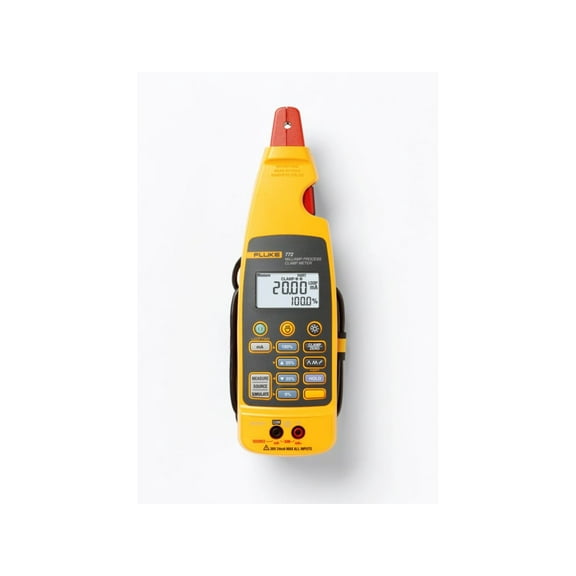
If you troubleshoot control circuits or low-current applications, you should look at microamp-capable models. You can get more useful readings when your range matches smaller current levels.
For quick checks during facility rounds, you may prefer fork testers or pen-style options that travel easily. You can move faster when your tester type fits repeated spot checks.
If you compare tester type, current mode, safety rating, and display together, you can choose with more confidence. You'll end up with current testers that fit your wires, your environment, and your testing routine.