

CraZArt in Shop Toys by Brand



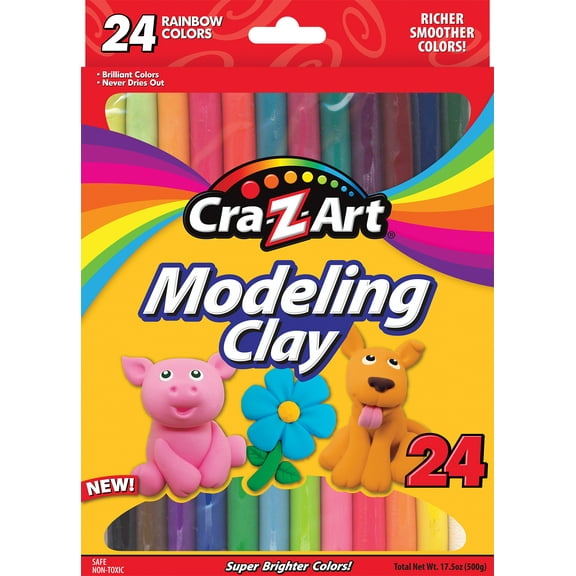
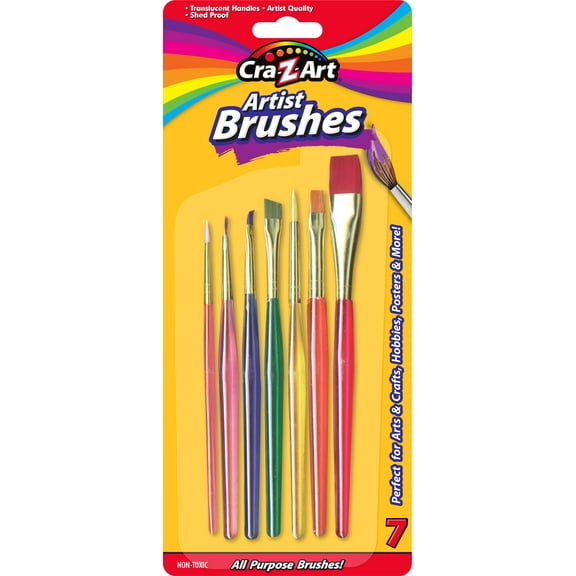


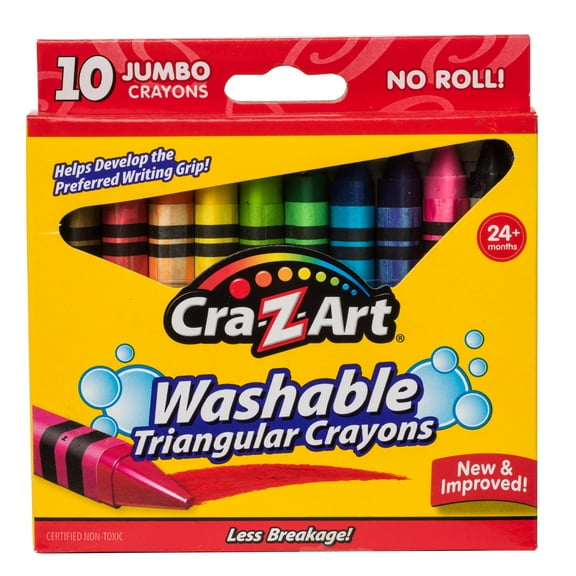
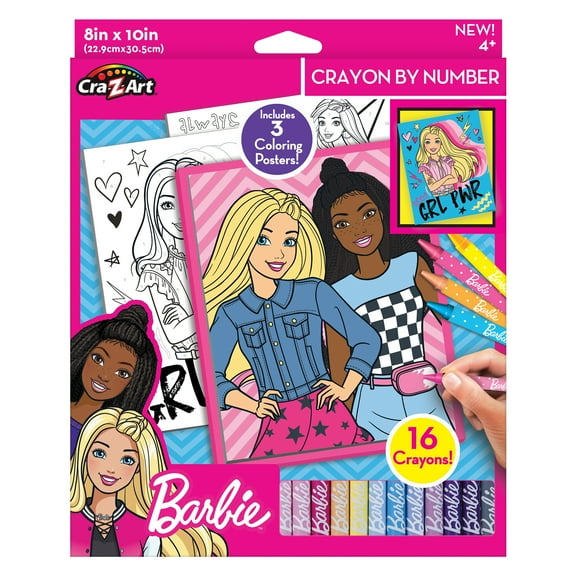









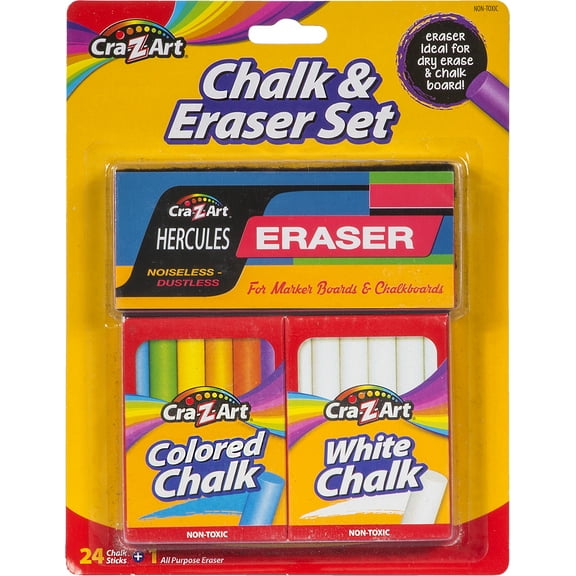
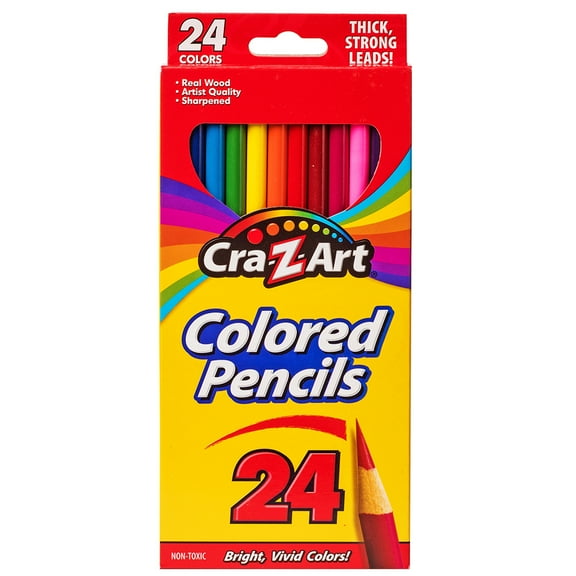

About CraZArt in Shop Toys by Brand - Walmart.com
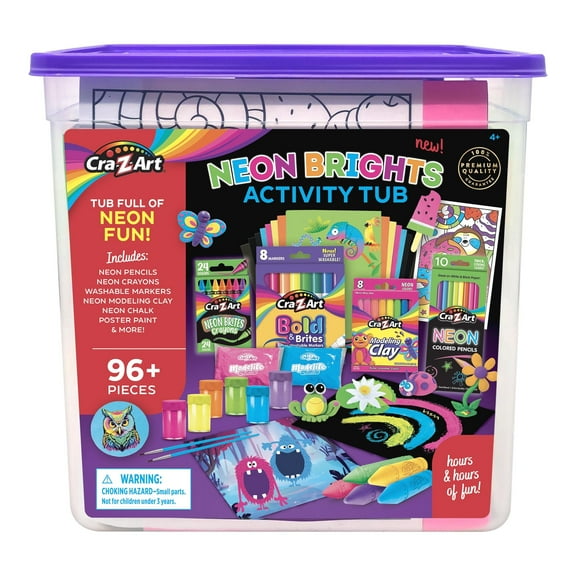
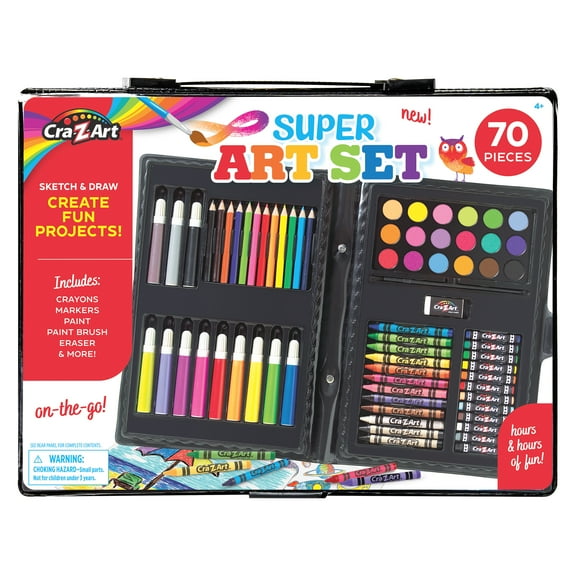
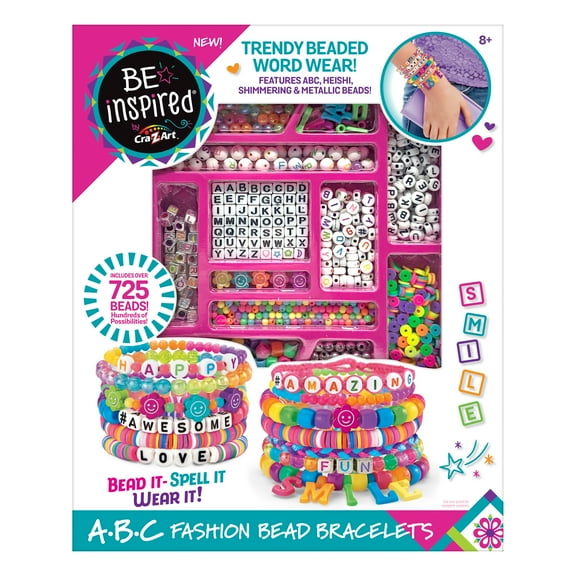
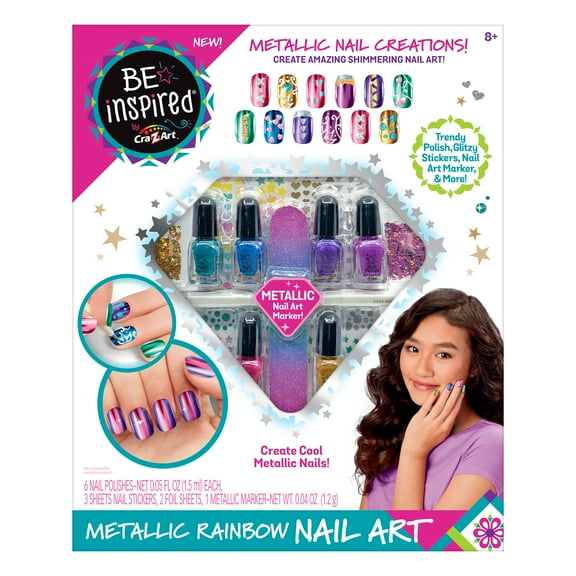
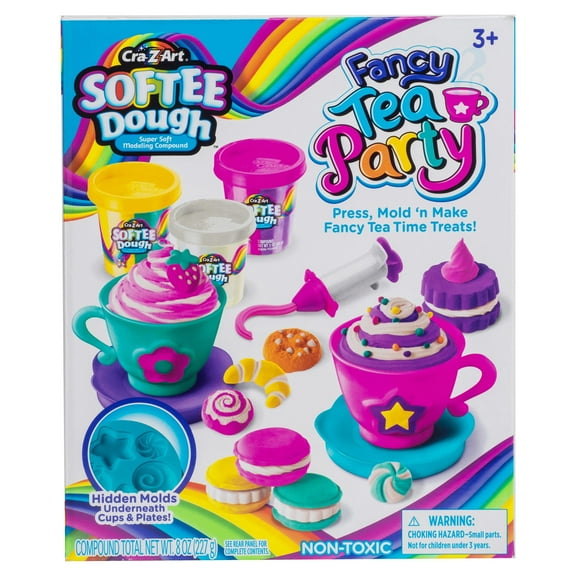
You can explore crazart activities that bring hands-on play, colorful projects, and family puzzle time into your routine. You’ll find choices across slime making, drawing and painting, 3D crystal art, and jigsaw puzzles, so your pick can match your moment.
If you’re choosing for after-school play or weekend downtime, you’ll want options that feel clear and easy to compare. You can use activity type, age range, project complexity, and kit completeness to narrow your choice with less guesswork.
How to choose a crazart creative set
When you compare a creative set, you should start with the activity your household actually enjoys. You may prefer slime making for hands-on mixing, or you might want puzzles for a cleaner table.
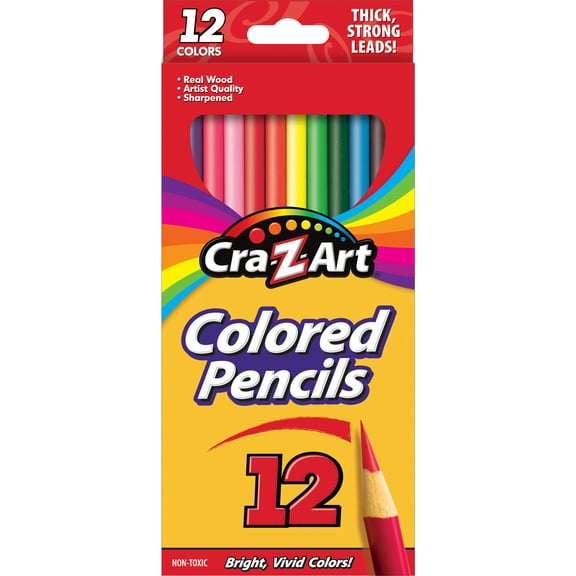
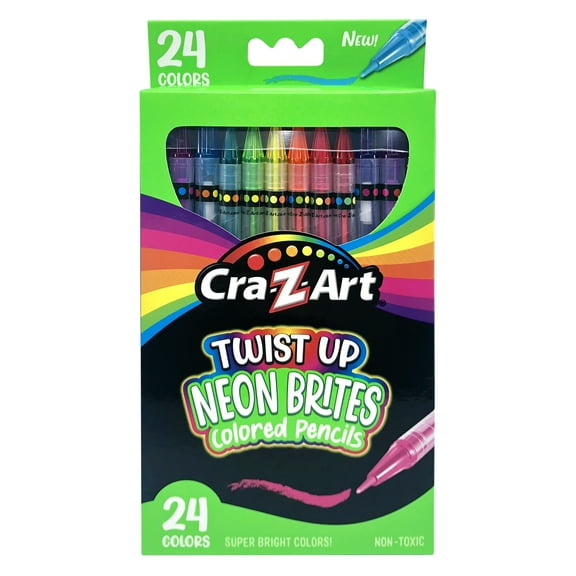
For drawing and painting, you can look for sets that support coloring, sketching, and simple guided projects. For 3D crystal art, you’ll get a more decorative craft experience with gem-like details and step-by-step assembly.
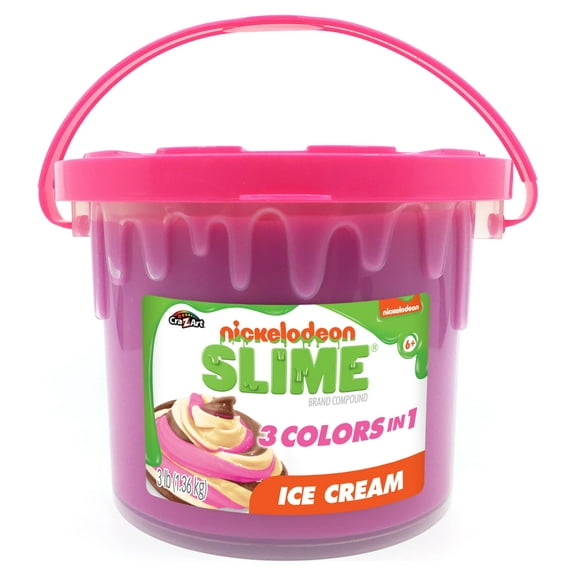
- You can pick slime making when your child likes mixing, stretching, and customizing textures.
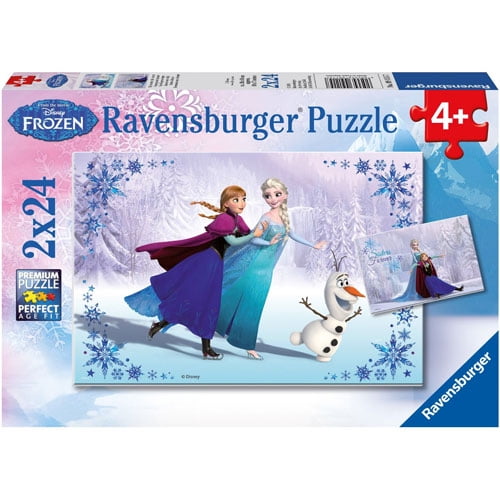
- You can choose jigsaw puzzles when your family wants screen-free table activities with a clear finish point.
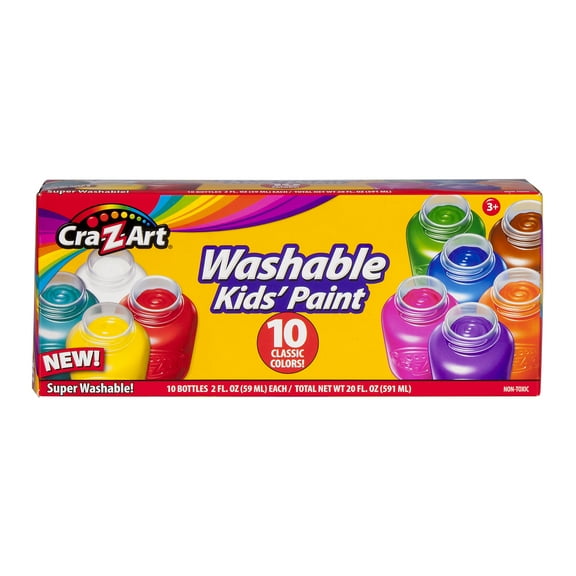
- You can select drawing and painting kits when you want open-ended kids creations with repeat use.
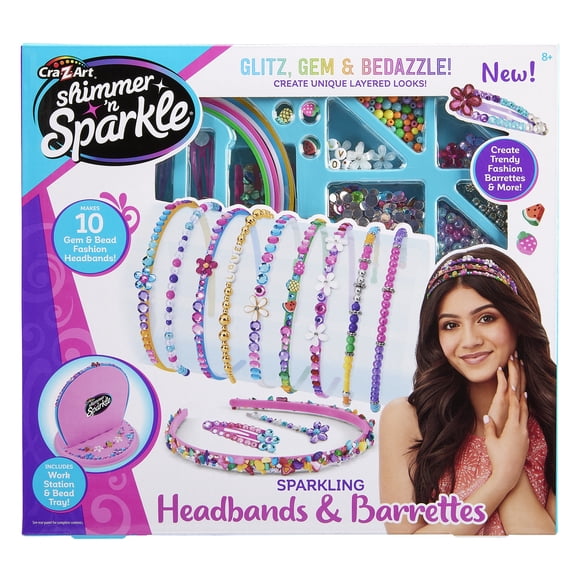
- You can try 3D crystal art when you want a craft that looks display-ready after you finish.
If you’re shopping for variety, you can rotate between art fun projects and puzzles across different days. You’ll keep play fresh without repeating the same activity every time.
Choosing activity type and age fit
You should match the activity to your child’s stage and attention span before you compare colors or themes. You’ll usually want simpler steps for toddlers and more detailed projects for kids, teens, or adults.
With slime kits, you can check whether the set includes activator for slime or if you need slime activator separately. You’ll avoid extra searching when you confirm the kit contents before you choose.
For art sets, you can look for washable formats, easy-grip tools, and guided steps that help younger makers stay engaged. You may want more detailed projects and layered materials for older kids.
Safety details matter when you’re buying for shared family spaces or younger users. You can check for ASTM D-4236 labeling, because that marking helps you identify art materials intended for standard labeling review.
You should also look at small decorative pieces before choosing 3D gems or 3D crystal projects. You’ll get a smoother experience when the project size fits your user’s age and coordination.
Understanding puzzle size and project complexity
You can use puzzle piece count as a quick way to judge how long an activity may take. You’ll usually find 500 pieces easier for casual sessions and 1000 pieces more involved.
If you want a longer challenge, you can consider a 2000 piece puzzle for older kids, teens, or adults. You’ll need more table space, but you can enjoy a project that lasts across several sittings.
For craft kits, complexity often comes from the number of steps and the amount of assembly. You can look for simple instructions when you want a fast finish, or more detailed builds when you want a longer project.
Slime making often feels quick and interactive, especially when your kit includes mix-ins and color choices. Jigsaw puzzles usually give you a tidier setup and a more structured pace from start to finish.
If your family likes visible progress, you may enjoy puzzle sorting by edge pieces, color blocks, and sections. If your child prefers immediate results, you might lean toward slime or drawing activities.
What to look for in kit completeness
You can make your decision faster by checking whether your craft kit includes the main supplies in one box. You’ll want to know if paints, tools, decorations, puzzle boards, or slime components are already included.
With slime activities, you should confirm whether slime activator comes inside the set or needs a separate purchase. You can avoid interruptions when your box includes the basics for mixing and decorating.
For puzzles, you may want to check finished size and storage needs before you commit to a larger count. You’ll have an easier setup when your table or mat fits the full layout.
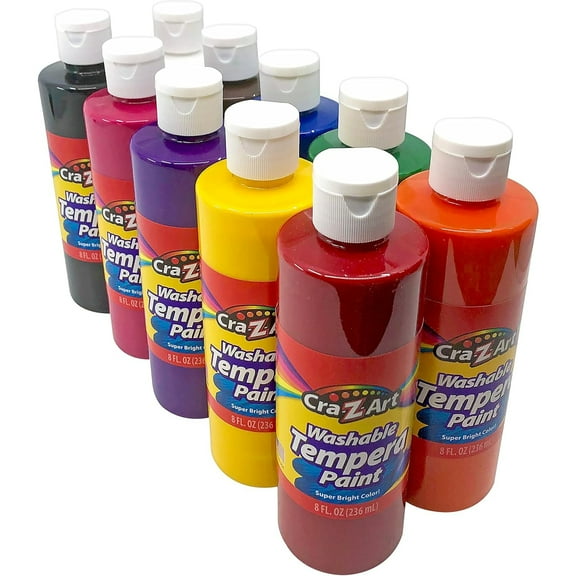
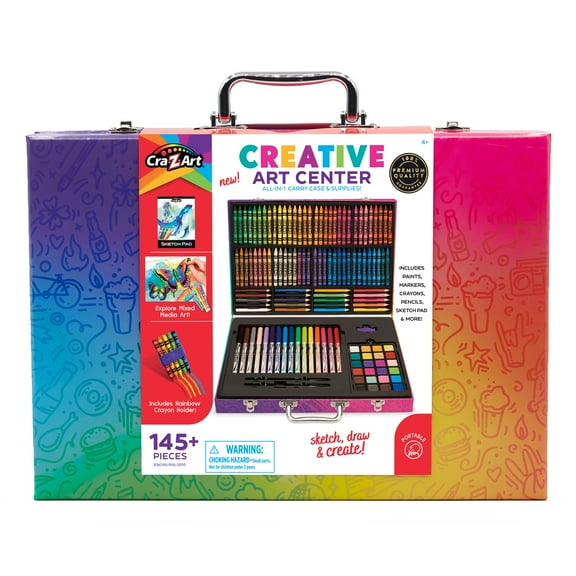
In drawing and painting kits, you can compare markers, crayons, paints, paper, and organizers based on how often your child creates. You may prefer a larger assortment when you want repeat use across many sessions.
For 3D crystal projects, you can look for clear instructions and all decorative parts in the box. You’ll spend less time replacing missing essentials and more time building the finished design.
Matching crazart activities to real-life use
You can use slime kits for rainy afternoons, birthday activities, or quick creative breaks between homework tasks. You’ll often like them when your child wants color mixing and hands-on art fun.
Jigsaw puzzles fit family tables, quiet evenings, and shared projects across age groups. You can choose 500, 1000, or 2000 piece puzzle options depending on your time and space.
If you’re planning independent play, you may prefer drawing and painting sets with familiar tools and simple prompts. You’ll give your child an easy way to start creating without constant setup help.
For gift giving, you can match 3D crystal and 3D gems projects to kids who enjoy detailed builds and display pieces. You’ll have a craft that feels different from coloring or standard putty play.
When your home includes multiple ages, you can mix kids creations with puzzles for flexible activity planning. You’ll cover quick solo projects, sibling play, and longer family sessions with fewer compromises.
You can feel confident choosing crazart when you compare activity type, age fit, complexity, and included supplies first. You’ll land on a creative option that fits your schedule, your space, and your child’s style of play.