


Find auto parts that fit
Let’s search for parts that fit your vehicle.
Engine Management Computers Modules and Chips






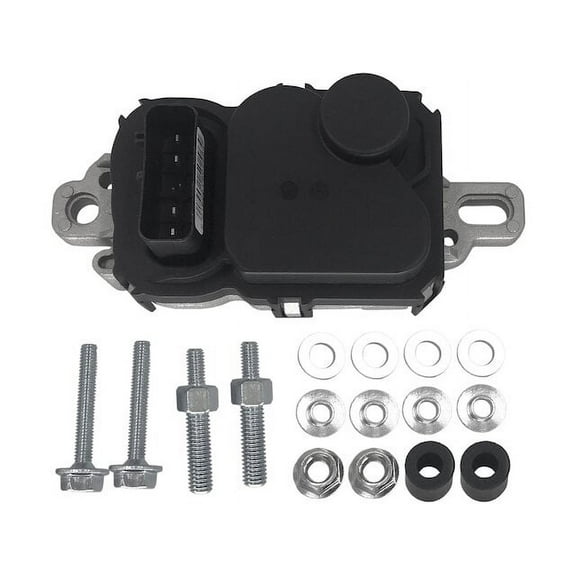
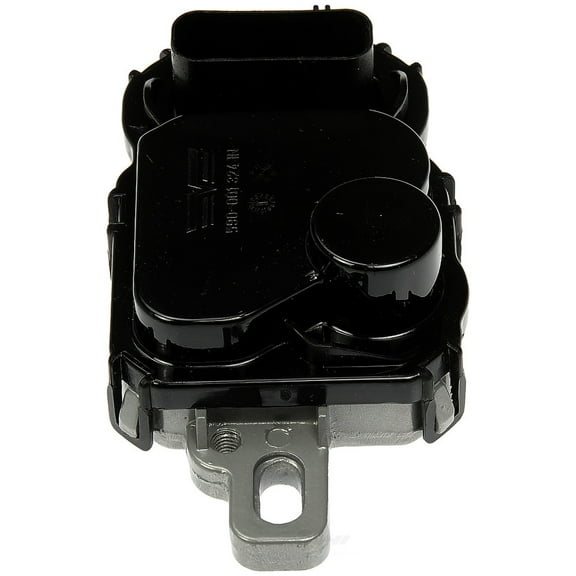
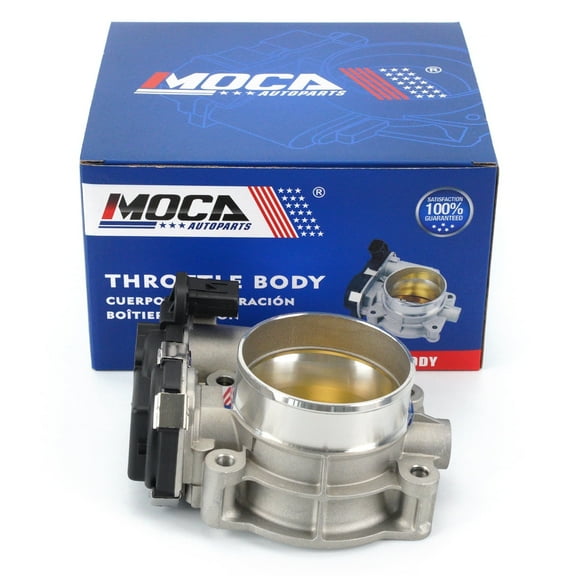
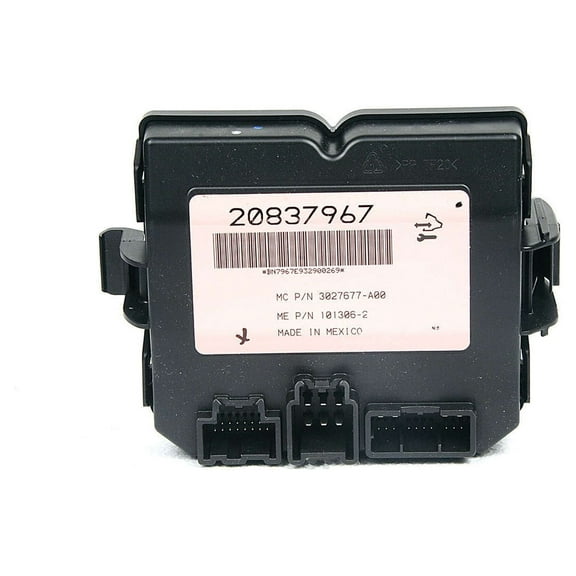





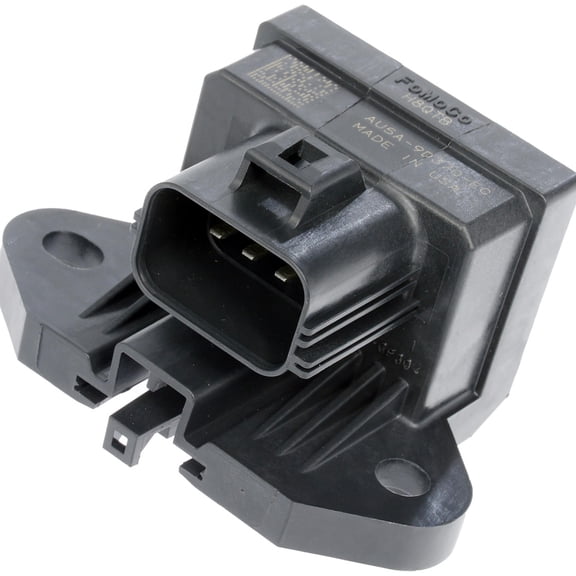





About Engine Management Computers Modules and Chips - Walmart.com
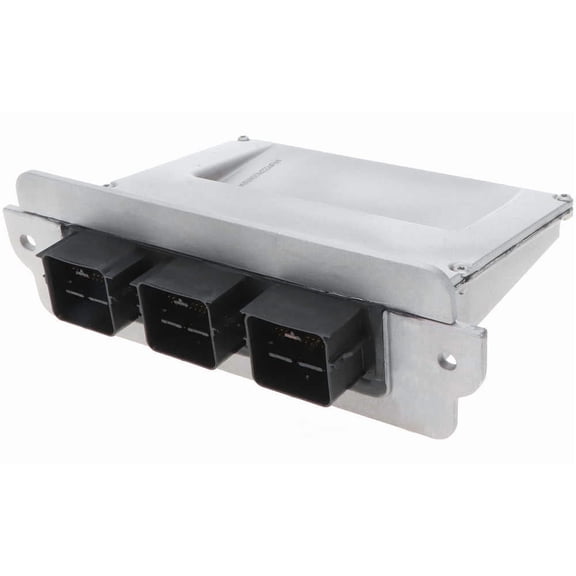
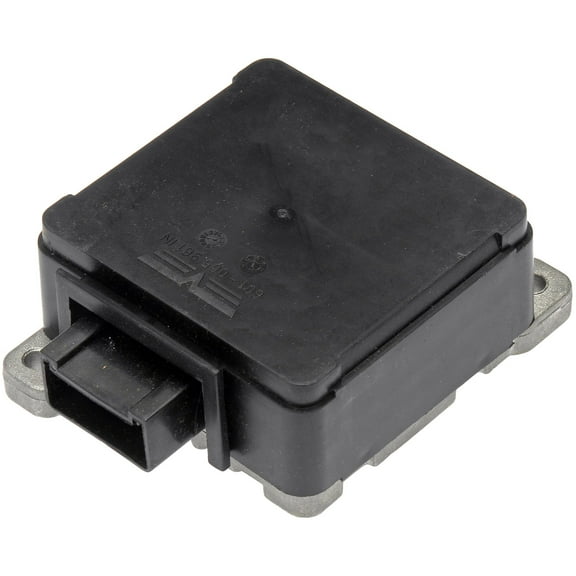
Car computers and modules help you match the right replacement electronics to your vehicle’s systems and programming needs. You can compare module type, fitment details, and flashing requirements, so your search stays focused on compatible parts.
How to choose car computers and modules
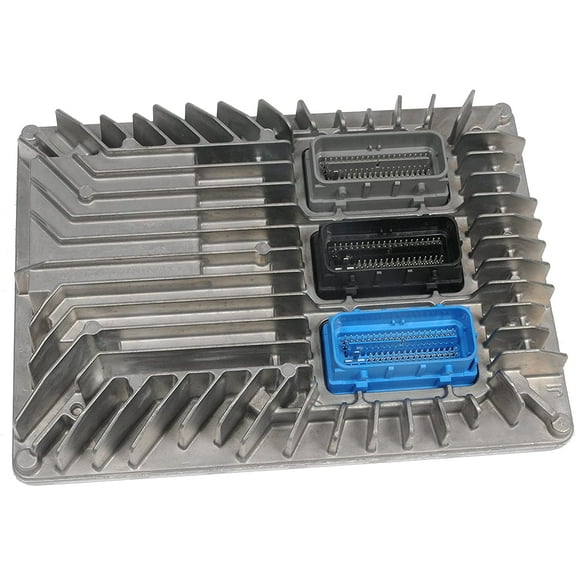
When you shop this category, you should start with the exact module type your vehicle uses. You may need an engine control module, a powertrain control module, a transmission control module, or an ecu engine control unit.
Your choice affects how your vehicle communicates with sensors, injectors, and transmission components. You should also compare make, model, year, and engine size, because a close match may not fit correctly.
As you review listings, you can narrow your options faster by checking a few key details first. You should look for OEM part numbers, VIN matching notes, emissions compatibility, and programming information.
- You can identify whether your vehicle needs an engine control module, PCM, TCM, or ECU.
- You can confirm fitment by checking make, model, year, engine displacement, and part number.
- You can compare pre-programmed options with units that require VIN flashing.
- You can choose between remanufactured, new, and OEM replacement parts.
Understanding engine control module and powertrain control module options
An engine control module manages engine-related inputs, so you should focus on fuel, spark, and sensor communication. A powertrain control module combines engine and transmission functions, so you should confirm both systems before ordering.
If your vehicle uses separate controllers, you should replace only the failed unit that matches your setup. If your vehicle uses one combined computer, you should search carefully for the correct powertrain control module listing.
Car computer chips can appeal to you if you want replacement electronics or tuning-related components. You should read each listing closely, because chip compatibility, calibration, and intended use can differ by vehicle platform.
Checking vehicle compatibility and fitment details
Vehicle compatibility is a critical decision point in this category, and you should verify every detail before you choose. Your make, model, year, and engine size should match the listing exactly, including engine displacement notes.
You should also compare the original part number on your current unit with the replacement listing. Your VIN may help confirm production changes, emissions setup, and connector style that aren’t obvious from year alone.
For car ecm replacement, you may need to check transmission type, drivetrain, and calibration code. You can avoid mismatches by comparing labels, connector shapes, and notes about federal or California emissions systems.
Comparing programming requirements
Programming needs can change how quickly you install a replacement, so you should check this detail early. Some listings are pre-programmed, while others require VIN flashing before your vehicle recognizes the module.
If you want a plug and play car computer, you should confirm that the listing states that setup clearly. You should also check whether your vehicle still needs key relearn steps, anti-theft setup, or idle relearn procedures.
A unit that requires programming may still be the right match if your vehicle has specific calibration needs. You can plan ahead by confirming whether a dealer, locksmith, or qualified installer handles the flashing process.
Choosing condition and replacement format
Condition matters when you compare car computers and modules, because each option supports a different replacement plan. You can choose remanufactured units, new parts, or OEM replacement options depending on your vehicle and repair goals.
Remanufactured modules can work well when you want an exact replacement format for an older vehicle. You should read the listing for housing condition, transferred data requirements, and any core charge details.
New modules may suit newer applications where updated electronics and fresh components matter to your repair plan. OEM replacement parts help you focus on factory-style fit, so your connectors and mounting points align as expected.
Matching module choices to real repair scenarios
If your vehicle has rough shifting and your diagnosis points to transmission controls, you should compare TCM listings first. You can then confirm connector style, transmission code, and programming notes before you move forward.
If your engine replacement project includes sensor changes and harness updates, you should review engine control module compatibility carefully. Your project may also require matching emissions calibration and immobilizer information to keep the install straightforward.
For daily-driver repairs, you may want a pre-programmed unit that reduces setup steps after installation. For harder-to-find applications, you might choose a remanufactured module when your original part number is no longer common.
When you maintain a work truck or older vehicle, you should compare OEM replacement formats with exact engine size matches. You can keep your repair focused by checking every fitment field before choosing a module.
With the right fitment details, module type, and programming plan, you can choose automotive electronics with more confidence. You can get closer to a clean installation when your replacement matches your VIN, part number, and calibration needs.