










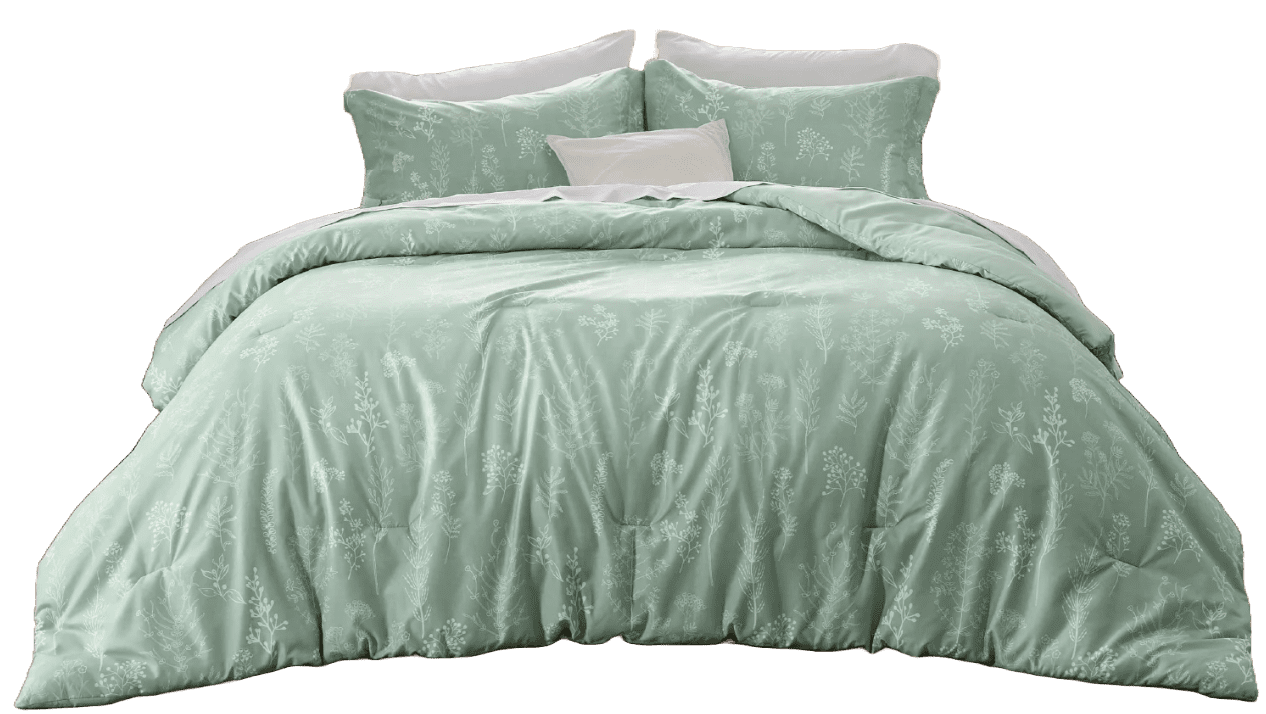


Comforters
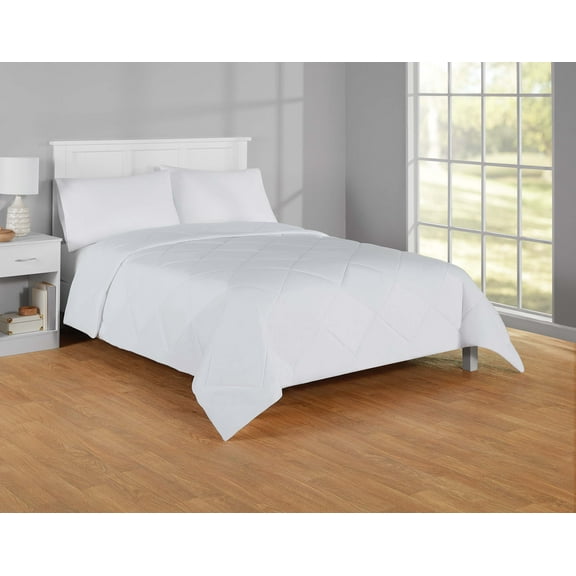


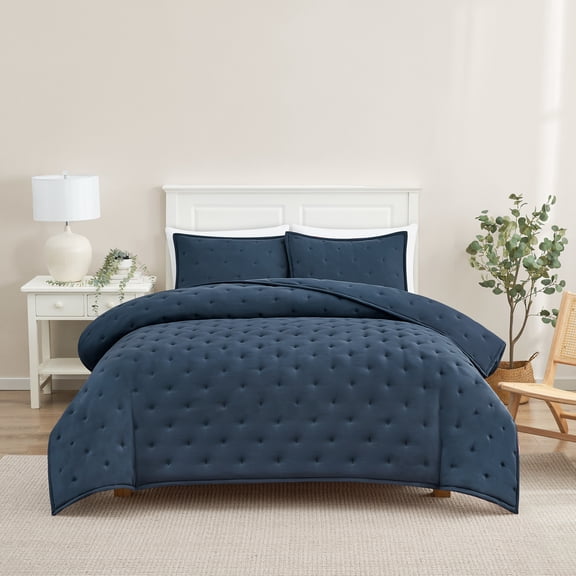


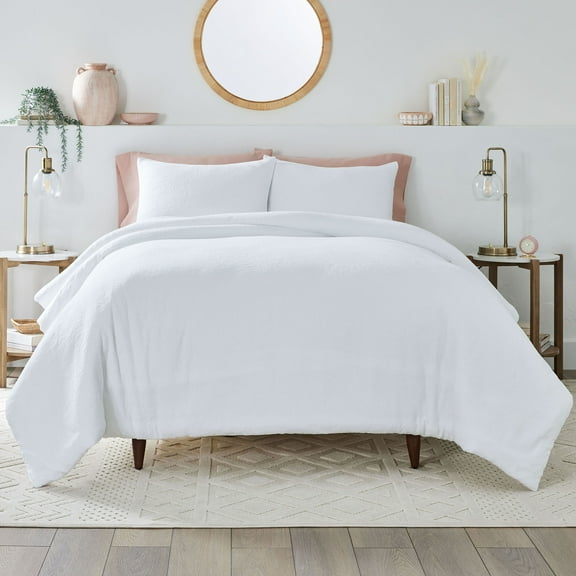














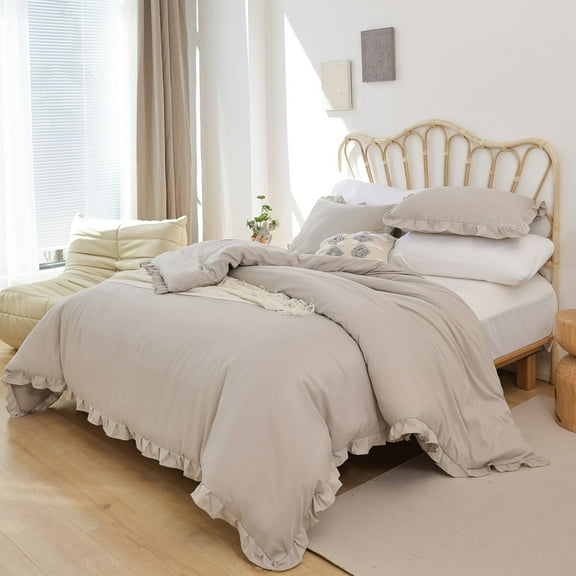


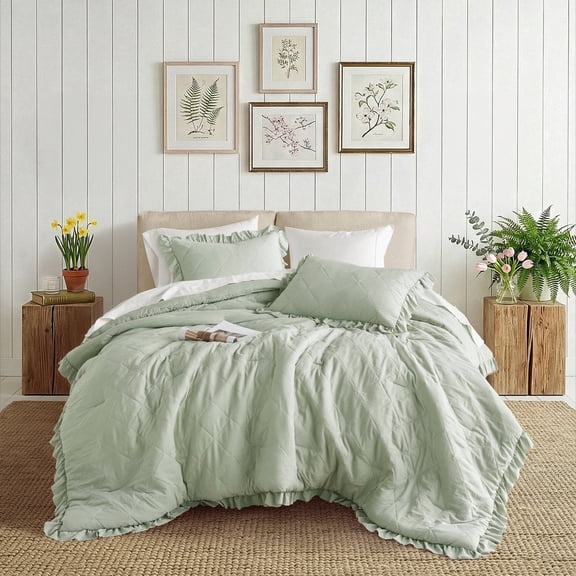


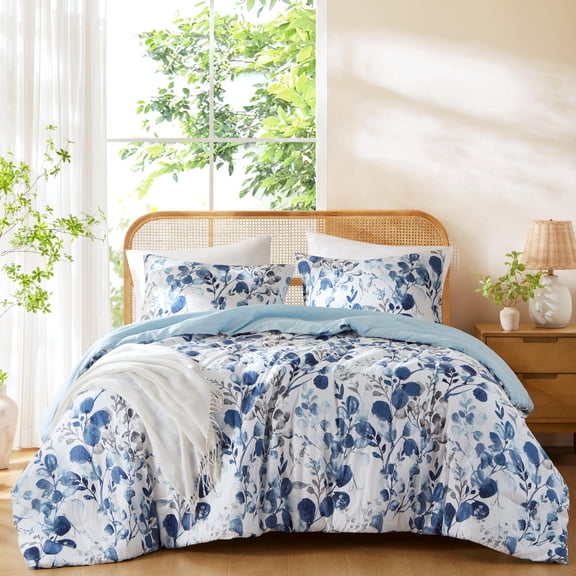


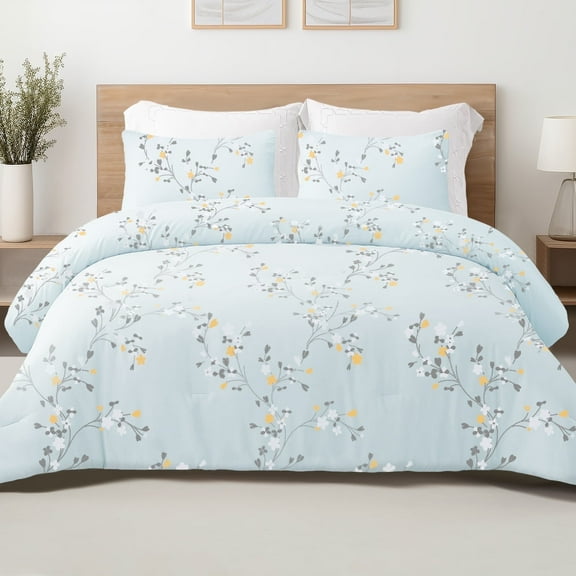








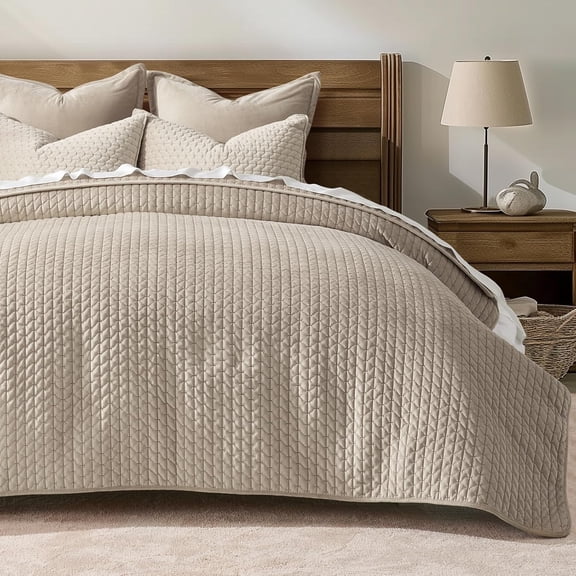


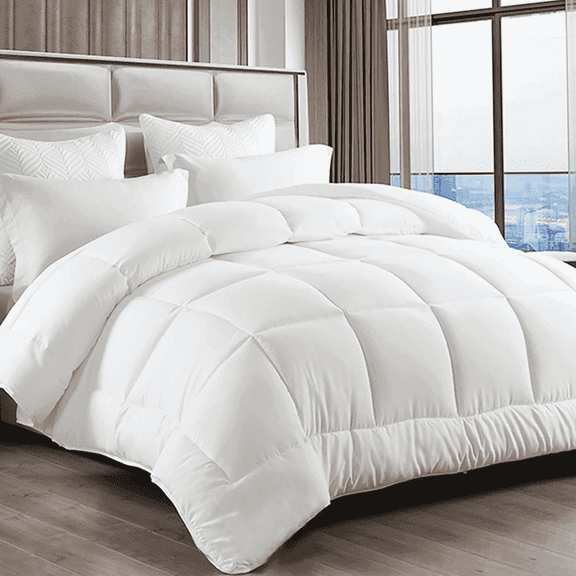

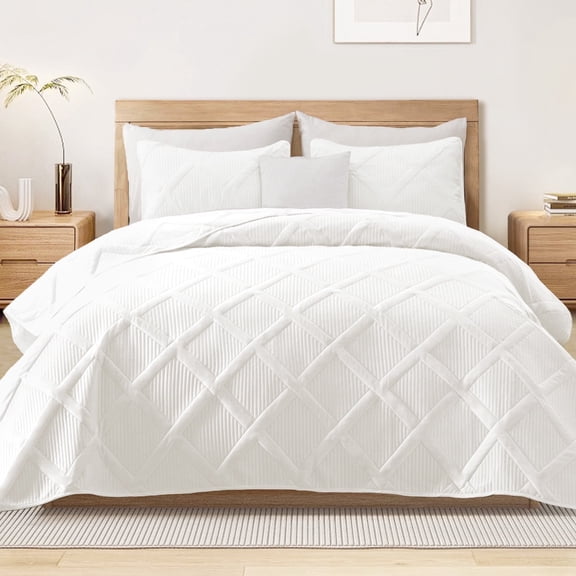


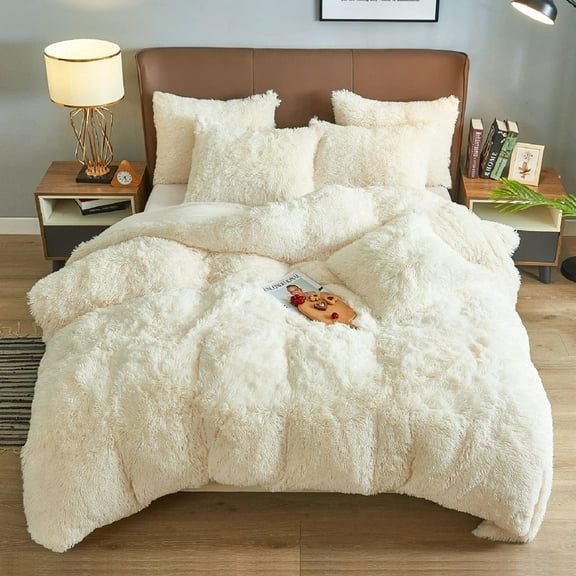


















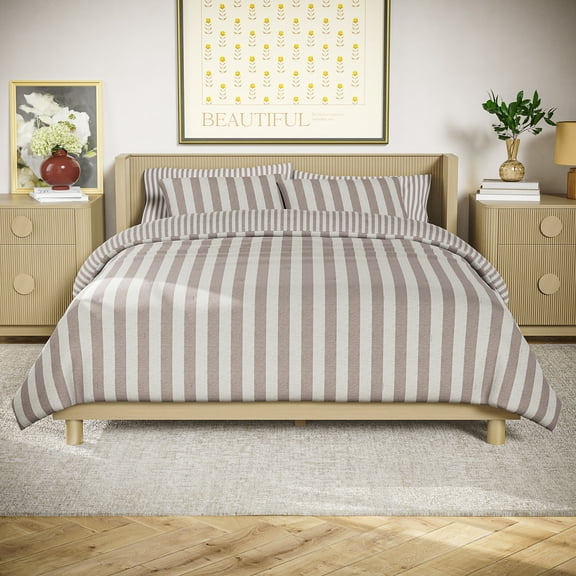


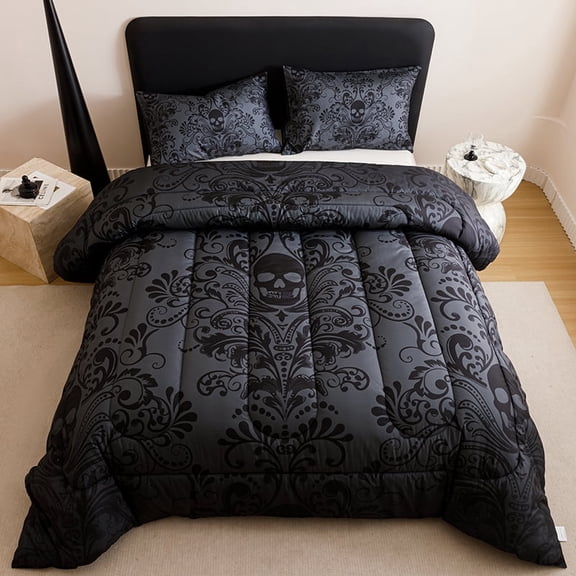


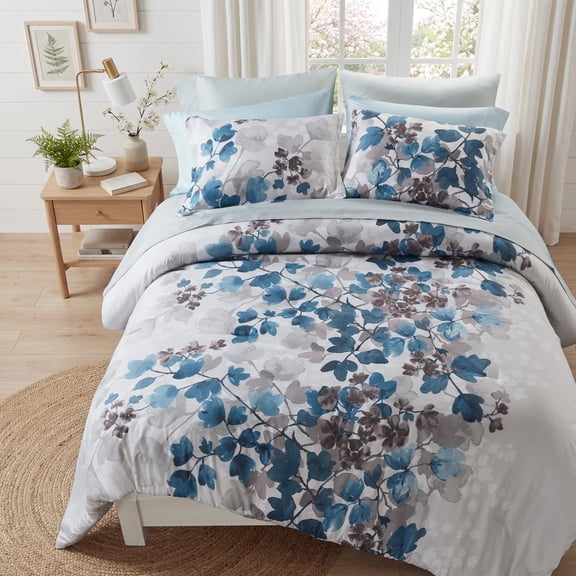


About Comforters - Walmart.com
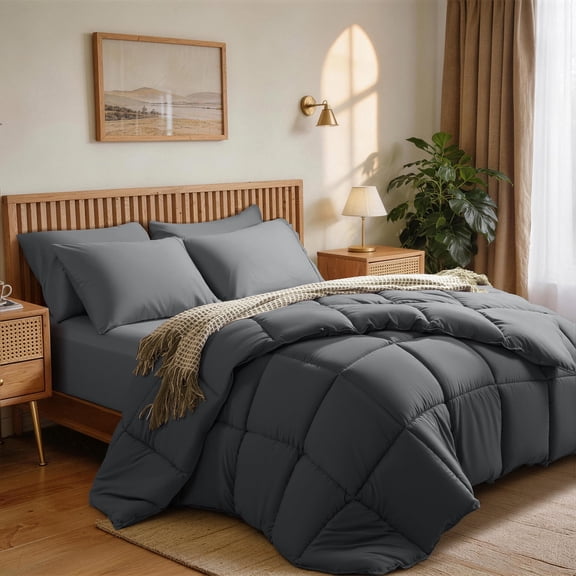
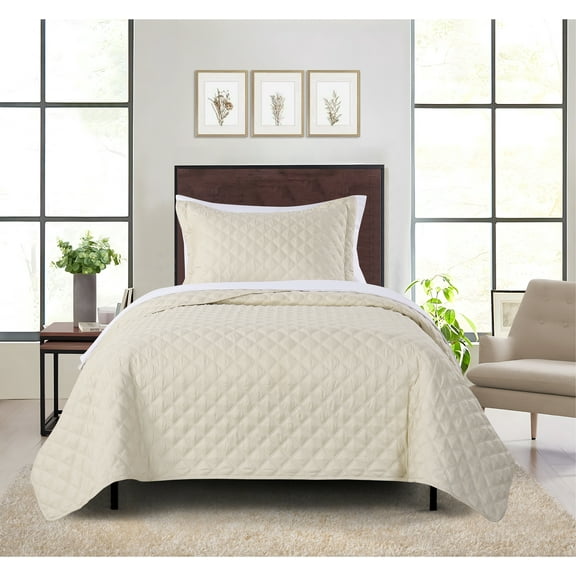
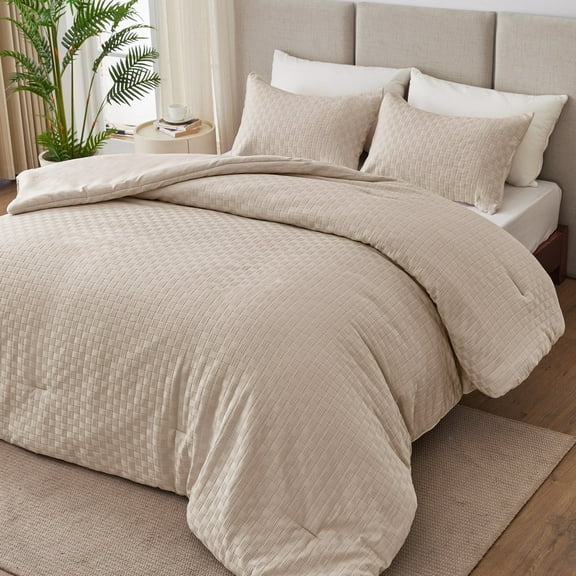
Comforters help you build a warmer, more polished bed fast. You can compare sizes, fill types, and warmth levels to match your room, sleep style, and care routine.
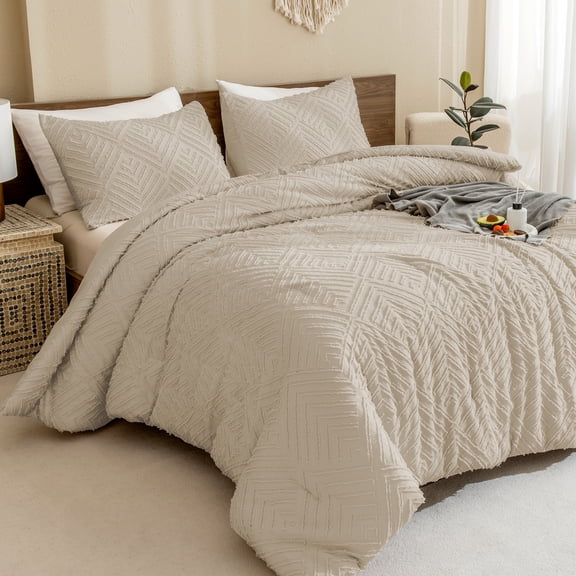
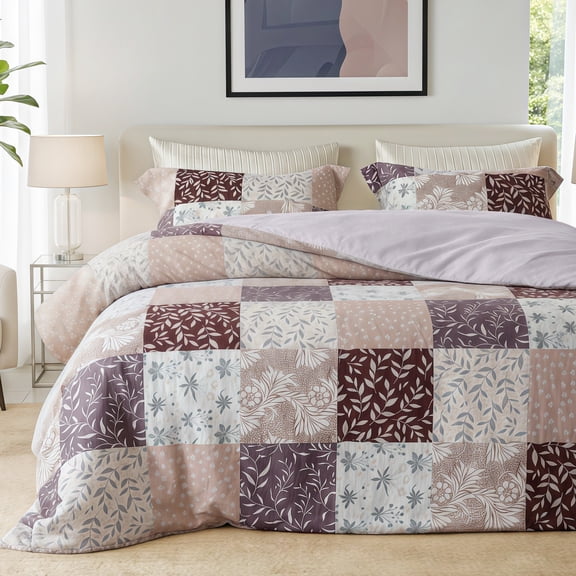
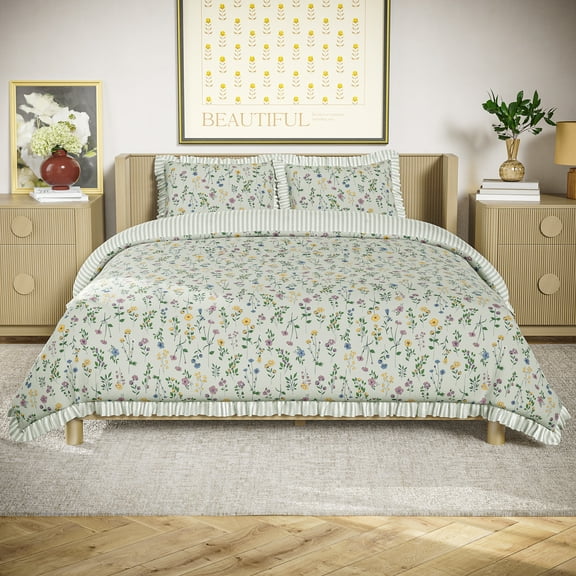
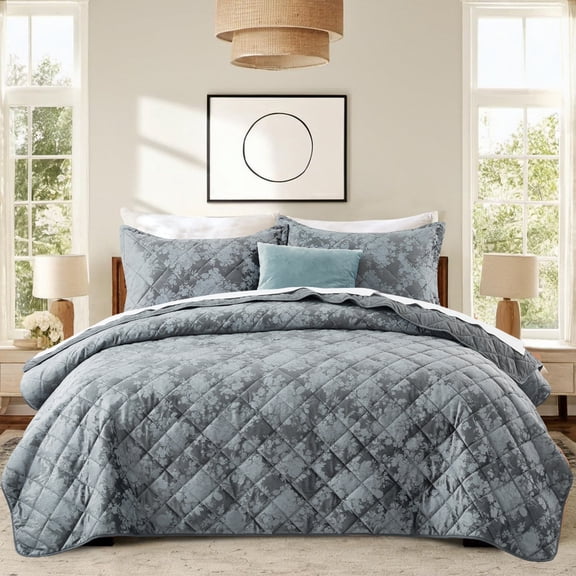
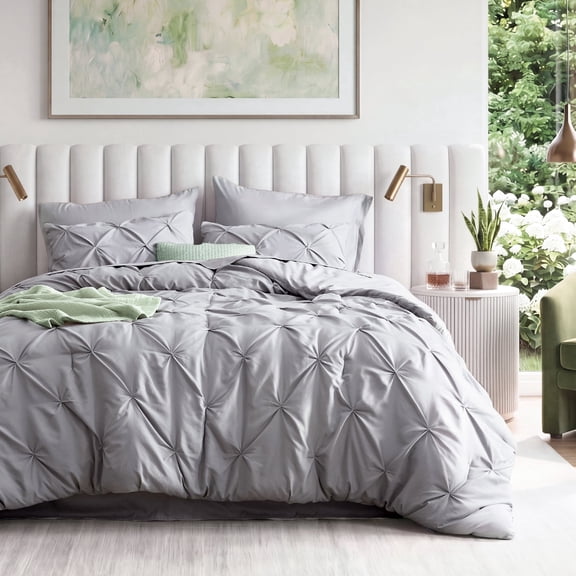
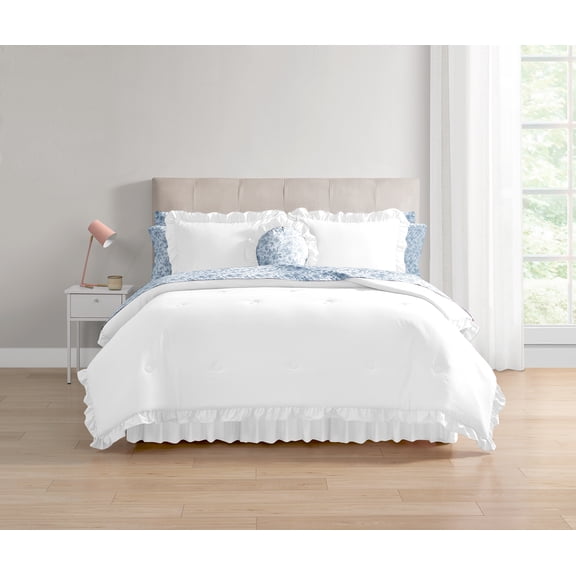
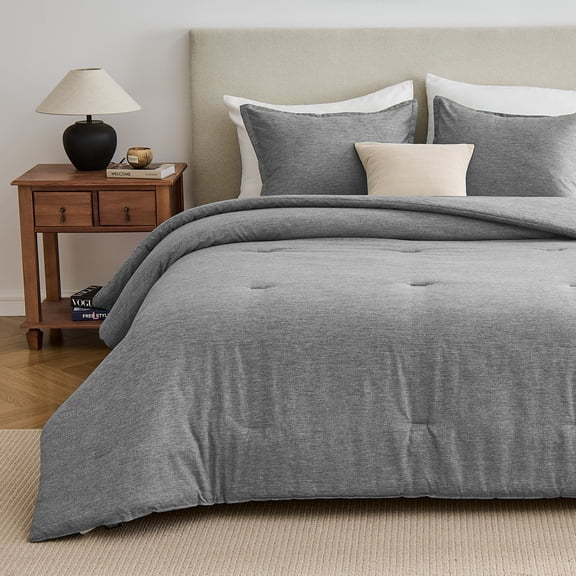
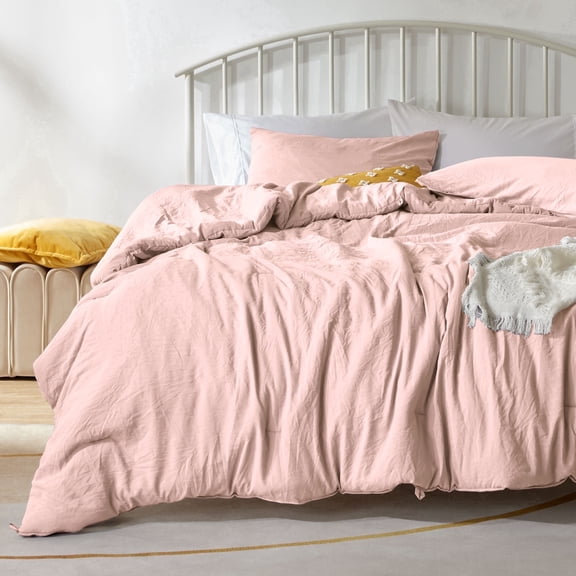
If you're updating a guest room or your main bed, comforters give you an easy top layer with visible loft. You can also choose comforter sets when you want a coordinated look without mixing pieces separately.
How to choose comforters for your bed size
You should start with mattress dimensions and the drape you want along each side. You may prefer standard dimensions for a cleaner fit or oversized dimensions for fuller coverage.
If you need a queen comforter, you should check both mattress width and drop length before choosing. You can also compare twin, full, king, and california king options for the look you want.
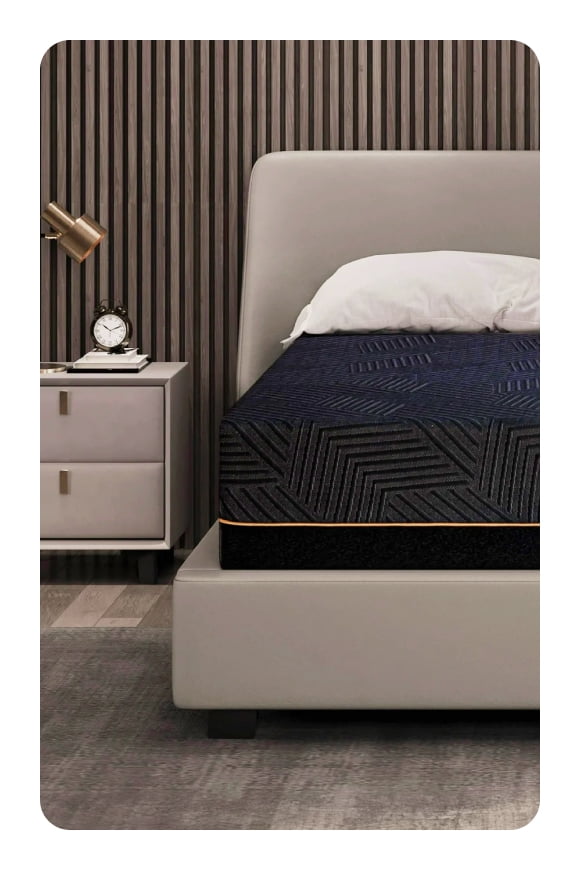
Some bed comforters sit closer to the mattress edge, while others hang lower for a fuller finish. You should measure your bed height too, especially if you use a thick mattress or topper.
- You can choose twin sizes for kids' rooms, bunk rooms, or compact guest spaces.
- You can select queen comforter options when you want broad everyday fit across many main bedrooms.
- You can look at king and california king sizes when you want added side coverage on wider beds.
- You can compare standard and oversized dimensions when your mattress height changes the final drape.
Choosing fill type in comforters
You should compare fill type early because it affects loft, feel, and care. You may notice natural down feels airy, while a down alternative comforter often feels easier to maintain.
If you prefer a cloudlike feel, you can consider down or feather blends with visible loft. If you want simpler care, you can look for polyester or down alternative fills.
You may also compare fill choices if your household prefers specific fabric and cleaning routines. You should check whether your preferred option is machine washable or needs dry cleaning.
A down alternative comforter can suit busy homes because you can often wash and refresh it more easily. Natural down can appeal when you want light loft that still feels substantial.
Choosing comforter sets or individual pieces
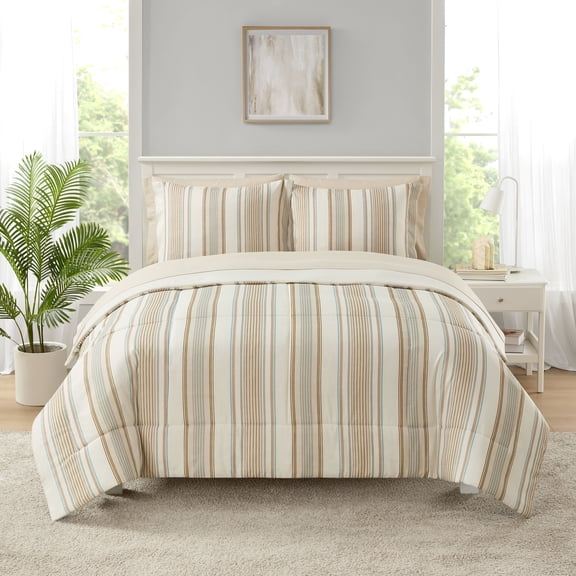
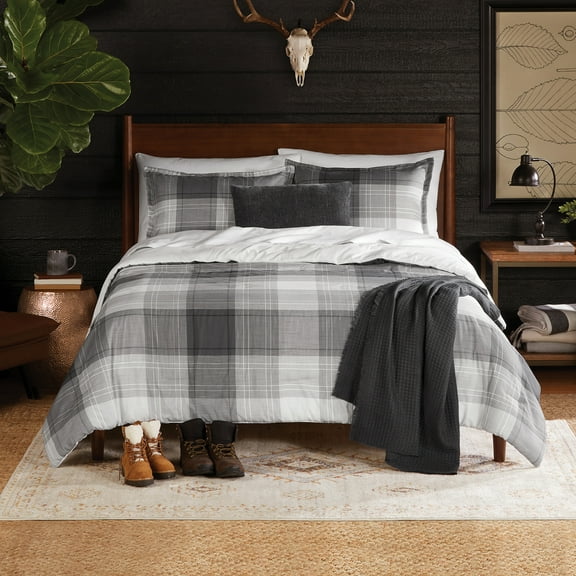
You should decide whether you want one comforter or a coordinated package. You can often simplify bedroom updates when you choose comforter sets with matching shams.
If you want a quick room refresh, you can compare 3-piece set options for a pulled-together bed. If you need more pieces at once, you can consider a bed-in-a-bag layout.
An individual comforter can work well when you already own sheets and pillows you like. A set can help you align colors, prints, and texture without extra guesswork.
You may also compare comforter sets by room type and styling goal. You can keep a guest room consistent, or you can give your main bedroom a more finished top layer.
How to choose an all season comforter or lightweight option
You should match warmth level to how you sleep and when you use the bed. You can choose lightweight comforters for warmer rooms and an all season comforter for flexible year-round use.
If you sleep warm, you may prefer lighter fill that feels easier to layer. If you want more insulation for colder months, you can compare heavyweight options with fuller loft.
An all season comforter can make sense when your room temperature changes through the year. You can use it across more months without swapping your bedding as often.
Lightweight comforters can suit spring and summer setups, especially if you prefer breathable layering. Heavier options can suit colder nights when you want a fuller, cozier bed appearance.
What to look for in care, construction, and everyday use
You should read care details before choosing because washing needs can shape daily convenience. You can look for machine washable designs when you want easier upkeep between full bedding changes.
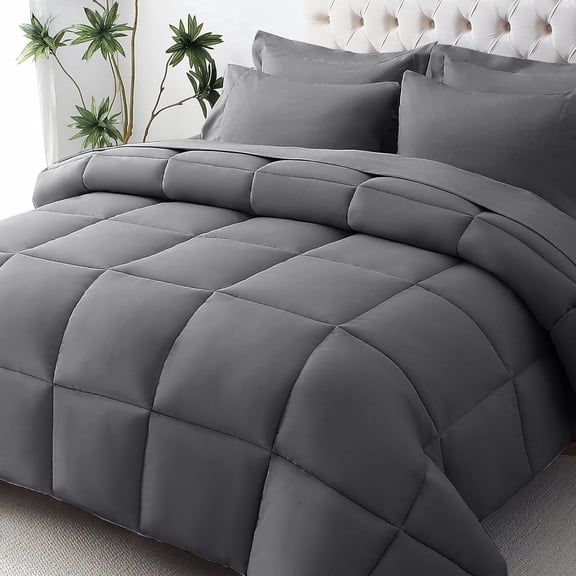
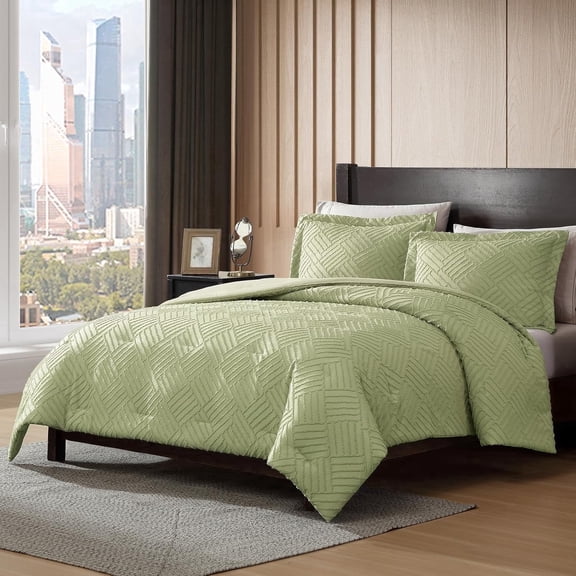
Baffle box and sewn-through construction can affect how evenly fill stays distributed over time. You should compare stitching patterns because they can change loft, shape, and the bed's finished look.
You may also want corner loops if you use a duvet cover over certain bedding comforters. You can check shell fabric and finish when you want a smoother hand or less visual sheen.
If you're buying for a primary bedroom, you may focus on drape, fill feel, and care routine first. If you're buying for a guest space, you may prioritize versatile warmth and easy washing.
Using comforters in different rooms and seasons
You can match specific combinations to the way each room gets used. A queen comforter with all-season fill can fit an everyday bedroom, while a lightweight option can suit a sunny guest room.
If you're furnishing a dorm or first apartment, you may want comforter sets that reduce extra coordination work. If you're styling a layered bed, you may choose an individual comforter with oversized dimensions.
You can also compare fill choices by household routine and laundry habits. A down alternative comforter can fit frequent washing, while down can suit a loft-focused feel.
For shared bedrooms, you should consider room temperature, mattress depth, and how much side coverage you prefer. Those details can help you narrow bed comforters that feel right from the first night.
When you compare size, fill, set configuration, and warmth together, you can narrow comforters with more confidence. You end up with bedding that fits your bed cleanly, matches your routine, and keeps your room looking finished.