





Shop Clocks for Home Decor Indoor and Outdoor




























About Shop Clocks for Home Decor Indoor and Outdoor - Walmart.com
Clocks help you keep your day on track while shaping your room’s look. You can compare display type, placement, style, movement, and power source to match your space.
How to choose clocks for your home
When you shop clocks, you’ll want to start with where you plan to place them. Your wall, desk, mantel, or floor space changes the size, shape, and viewing distance you need.
You should also think about how you read time during busy moments. Your choice between analog, digital, and hybrid displays affects visibility, style, and daily convenience.
Another key detail is sound. If your bedroom or office stays quiet, you may prefer silent sweep or non-ticking quartz movement for a calmer setup.
Choosing display type and readability
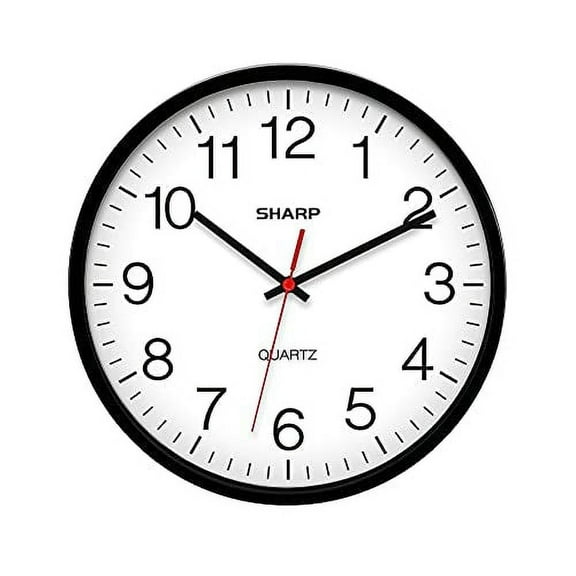
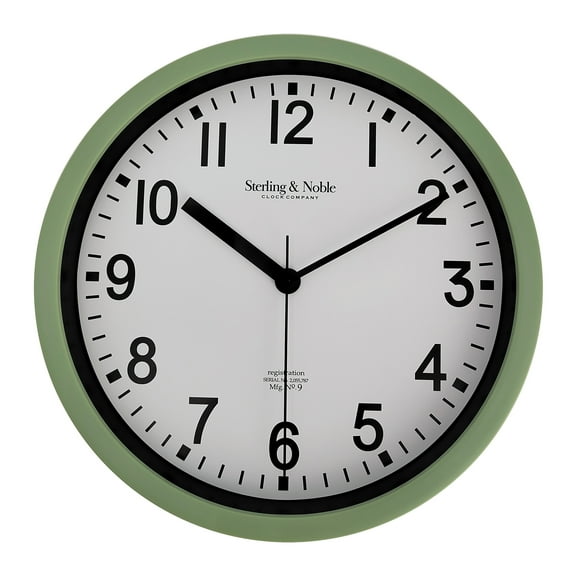
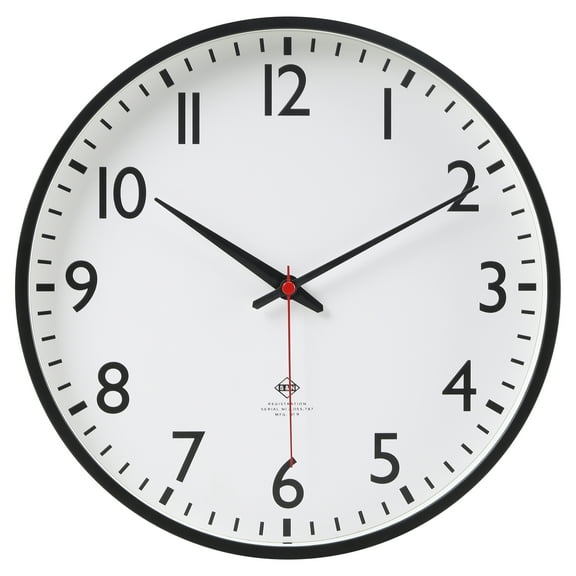
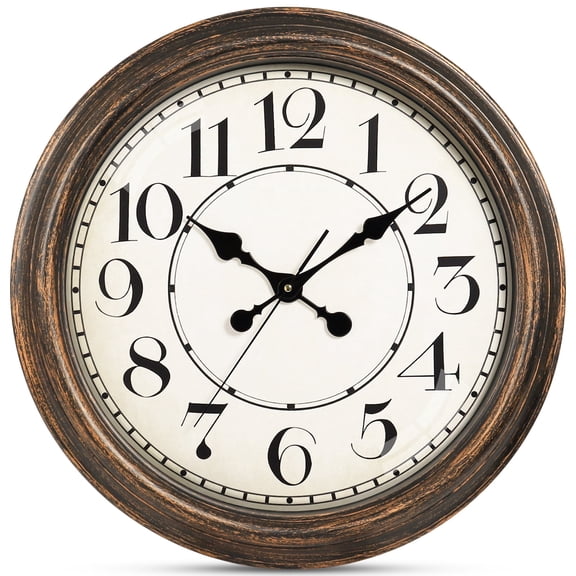
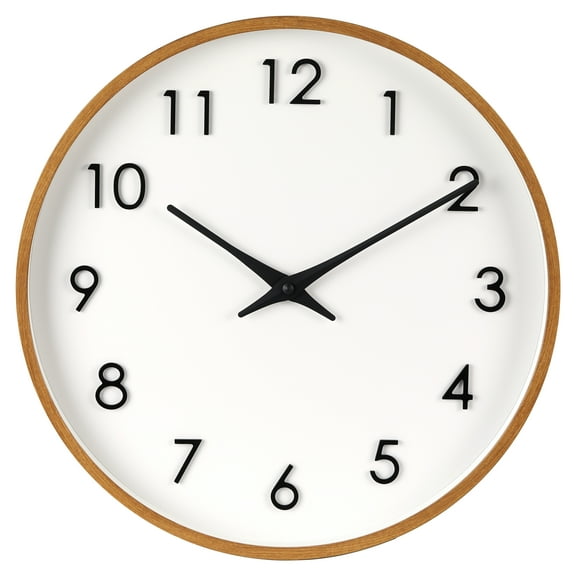
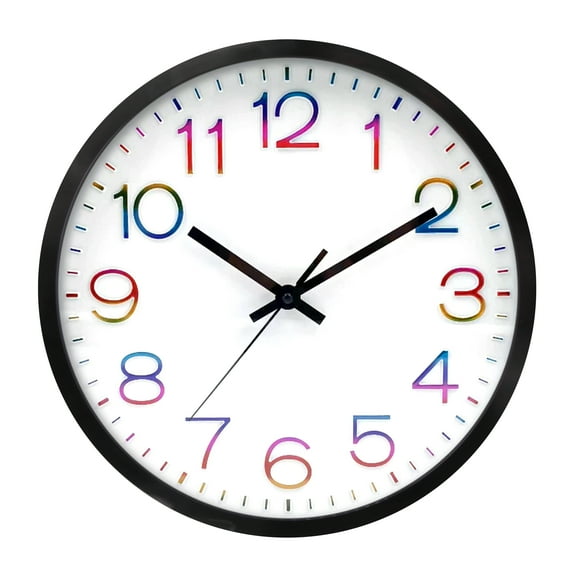
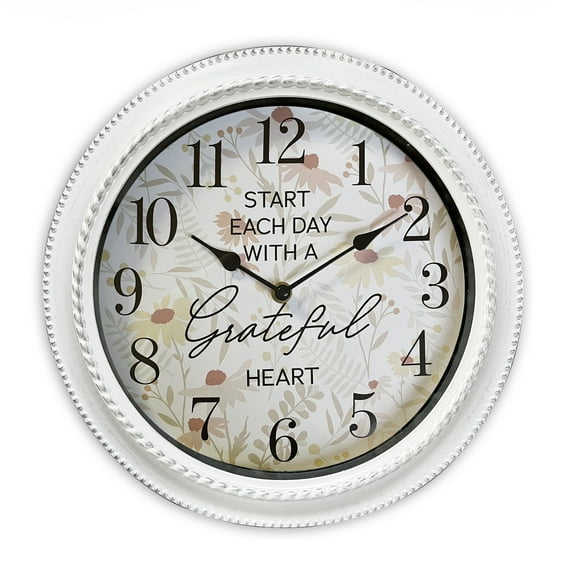
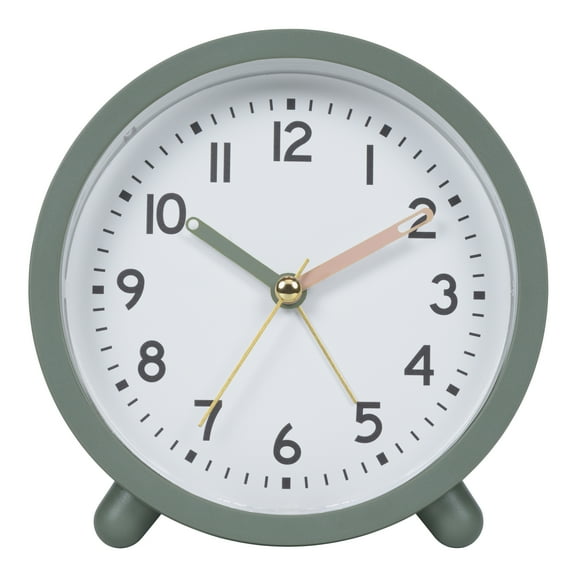
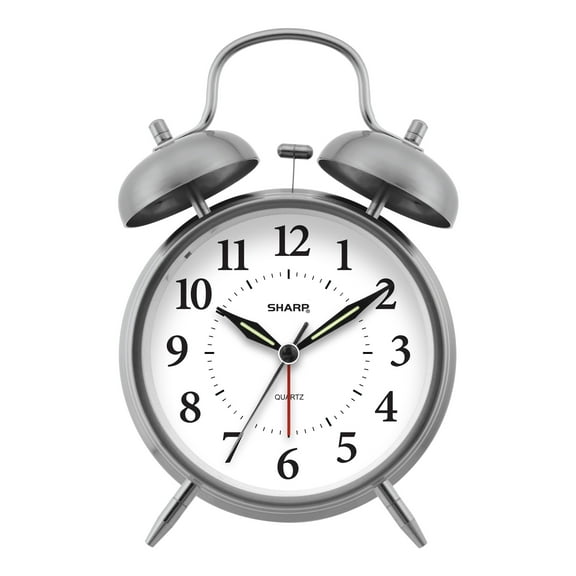
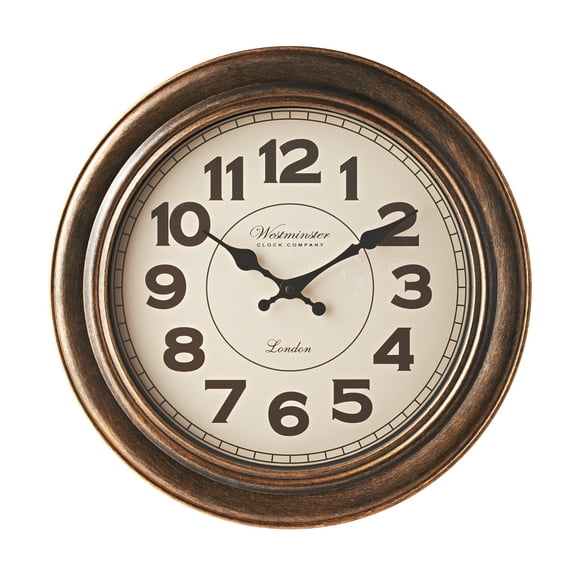
Analog clocks give you a classic dial that can suit traditional, mid-century, or modern rooms. You can read the hands quickly when your numbers are bold and your contrast is clear.
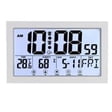
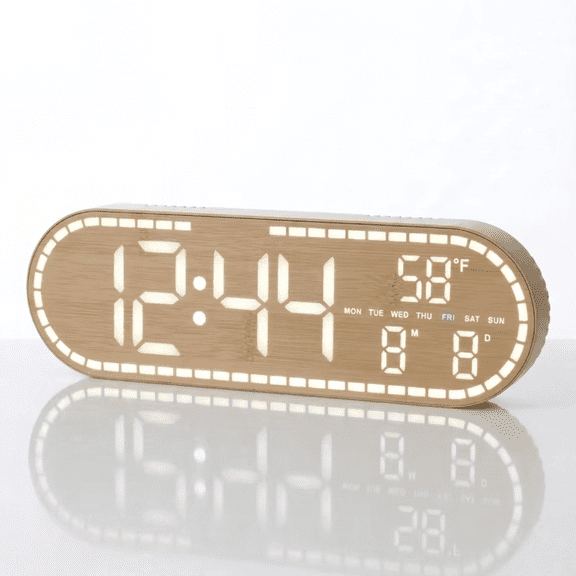
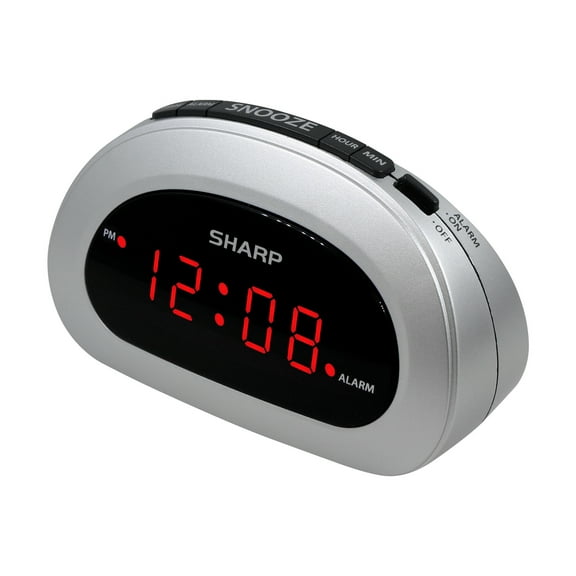
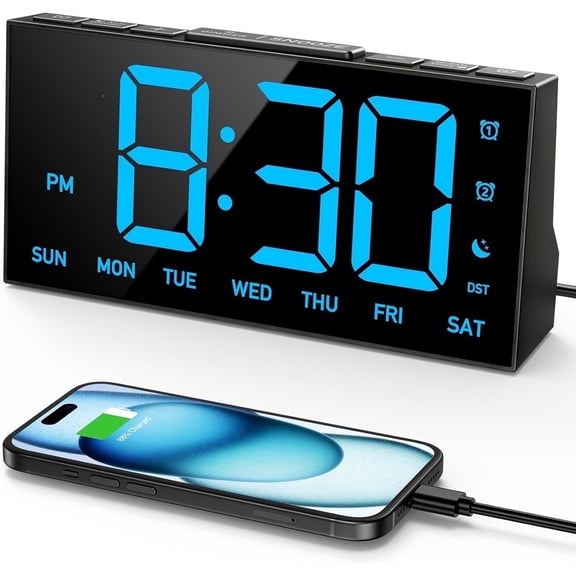
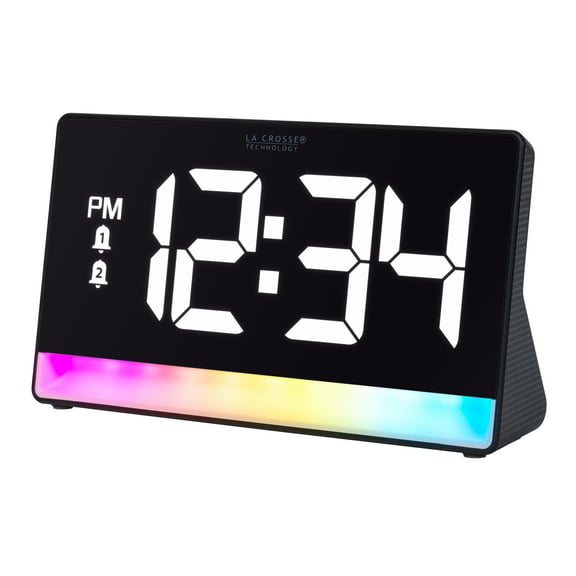
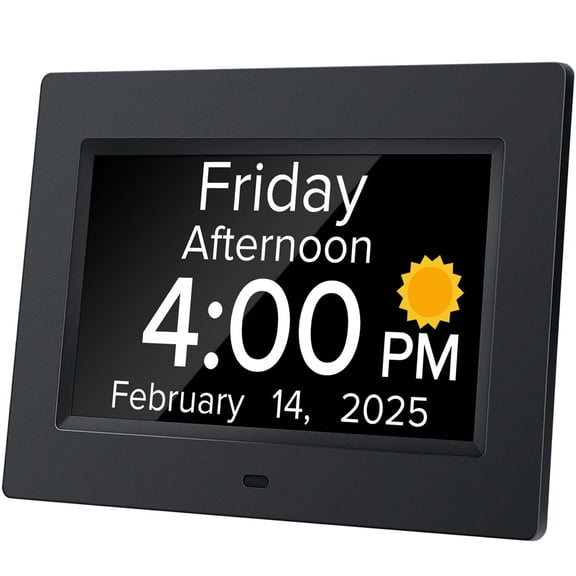
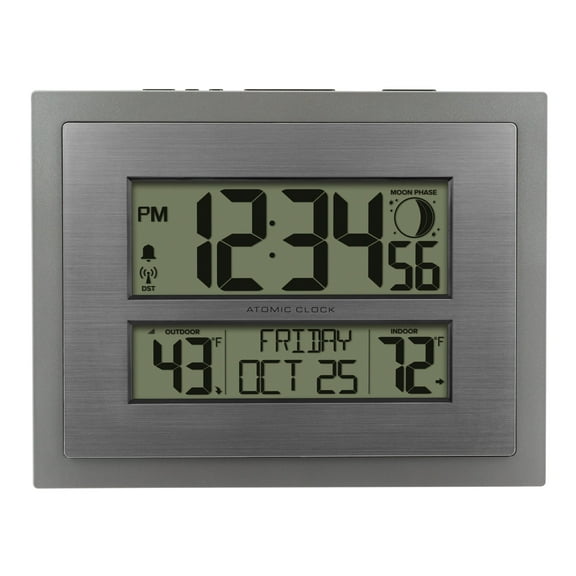
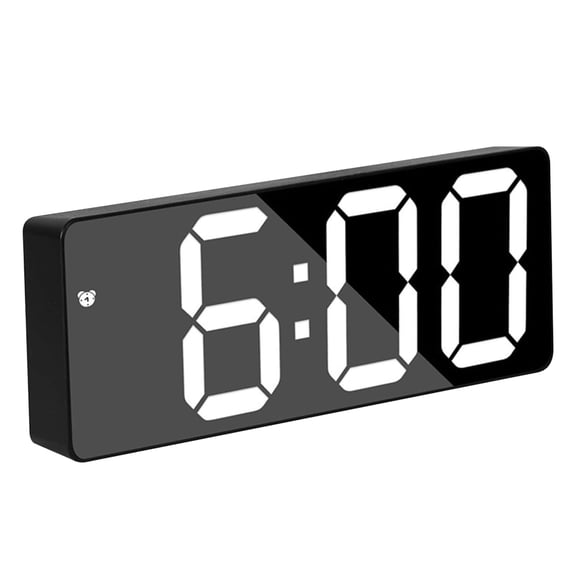
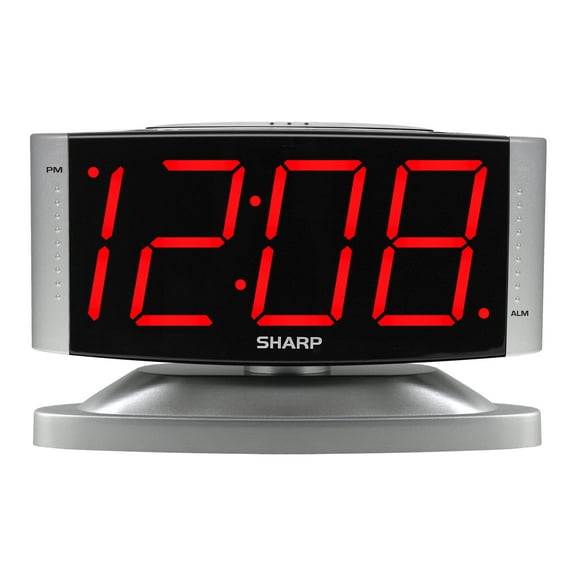
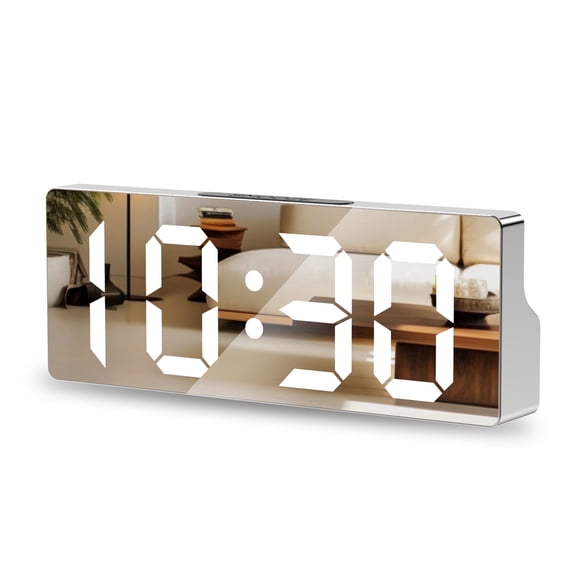
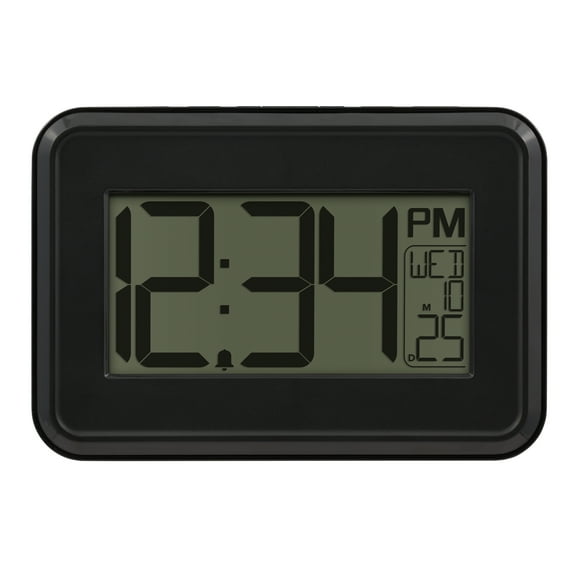
Digital clocks give you an instant readout that works well from across the room. You may prefer this format when your morning routine moves fast or your lighting stays low.
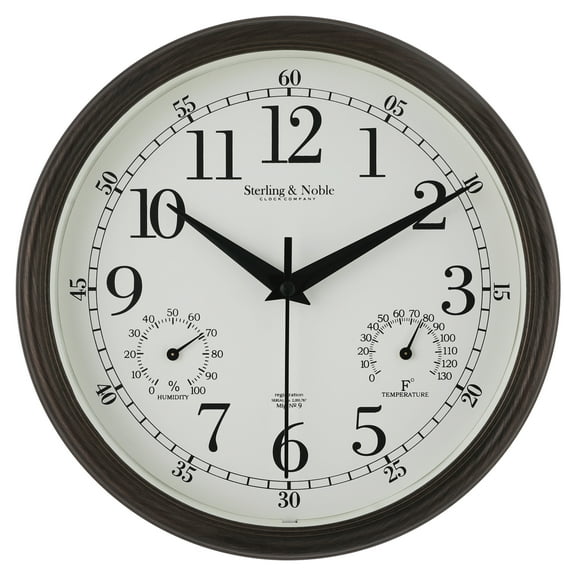
Hybrid styles combine a familiar face with added digital details. You can use them when your décor needs a decorative look but your schedule needs fast readability.
- You can choose analog clocks when your décor calls for a classic focal point.
- You can choose digital clocks when your room needs easy reading at a distance.
- You can choose hybrid clocks when your style and visibility needs overlap.
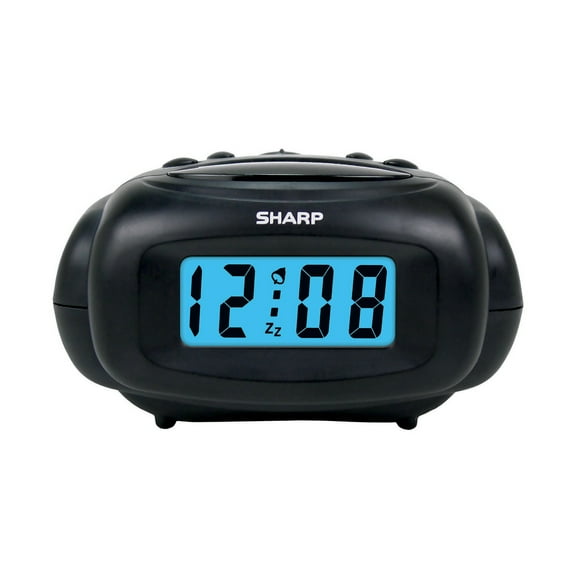
- You can look for backlit or LED displays when your room stays dim at night.
Picking wall clocks and other placements
Wall clocks work well when you want open surfaces and easy visibility. You can use large wall clocks in living rooms, kitchens, and entryways where your glance needs to travel farther.
Desk clocks fit workstations, bookshelves, and side tables where your space stays compact. You may prefer a smaller footprint when your monitor, lamp, and notebooks already share the surface.
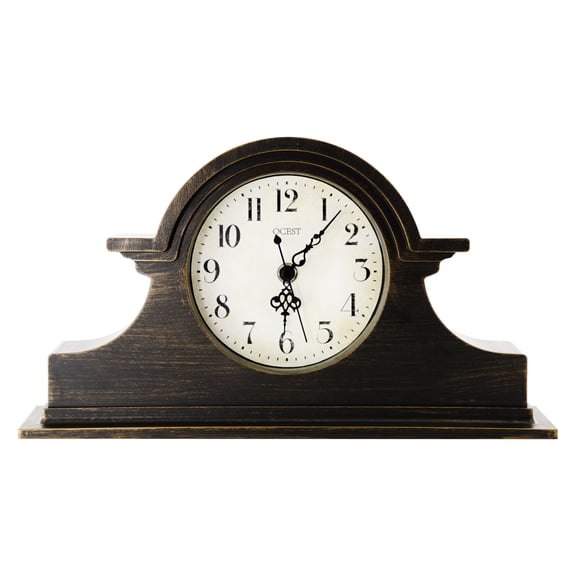
Mantel clocks add shape and texture to fireplaces, consoles, and display shelves. You can use floor clocks when your room has open corners and taller furniture proportions.
Size matters as much as placement. You can picture a 10-inch clock in a small nook, while a 24-inch oversized face anchors a broad wall.
Comparing decorative clocks by style
Decorative clocks let you support your room’s design while keeping time in view. You can compare modern clocks, rustic finishes, mid-century shapes, and traditional details to match your furniture.
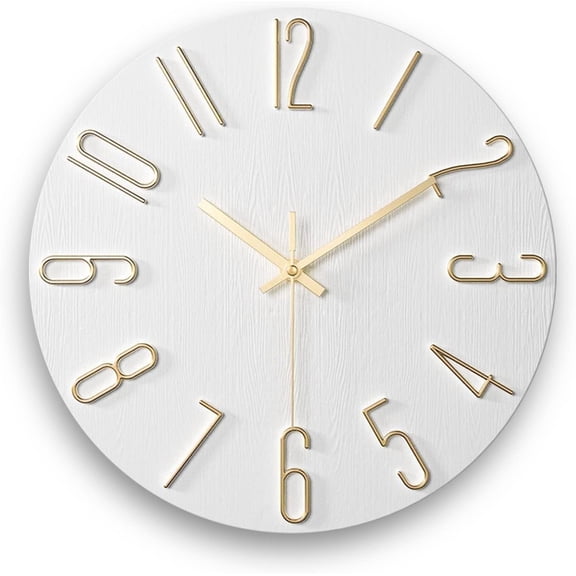
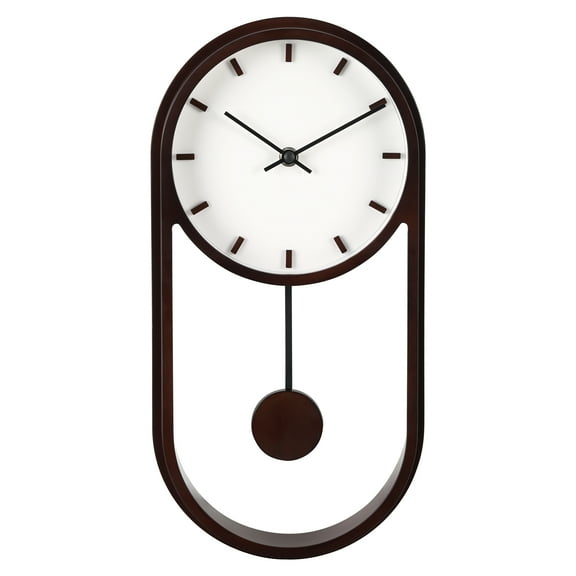
Modern clocks often feature clean lines, simple markers, and restrained color palettes. You may choose them when your room uses sleek lighting, metal accents, or minimal décor.
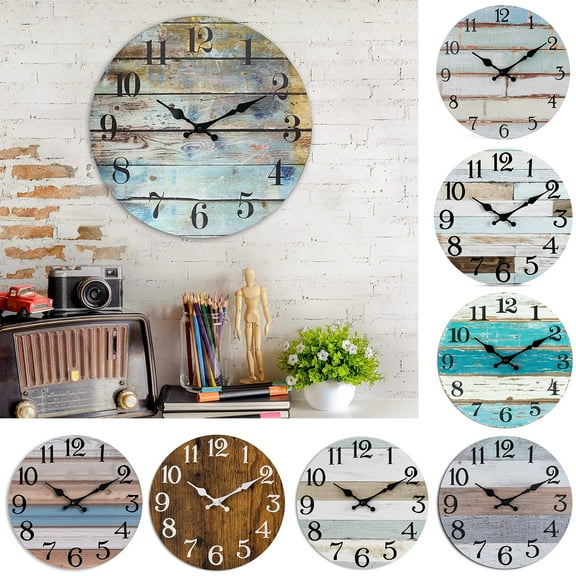
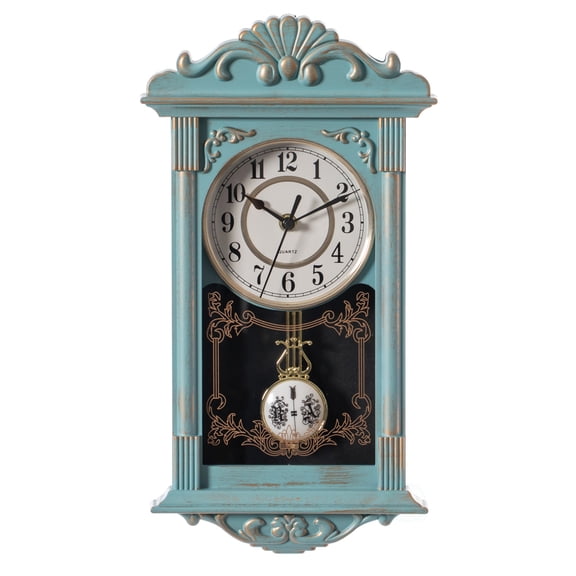
Rustic styles usually bring weathered textures, wood looks, and farmhouse-inspired character. You can place them in kitchens, dens, or living room clocks displays that need warmth.
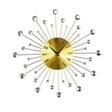
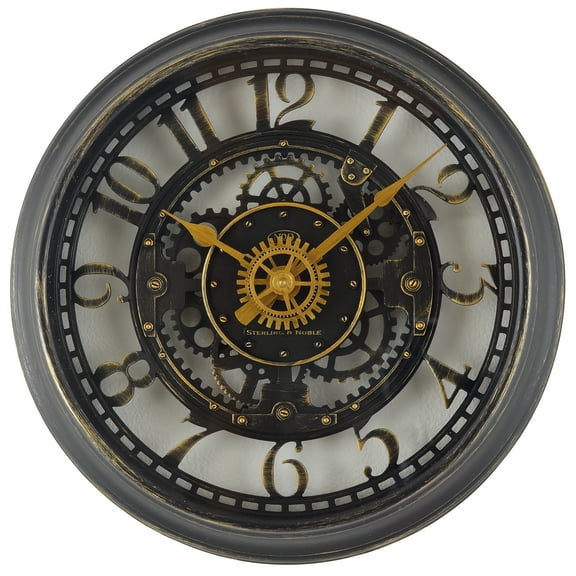
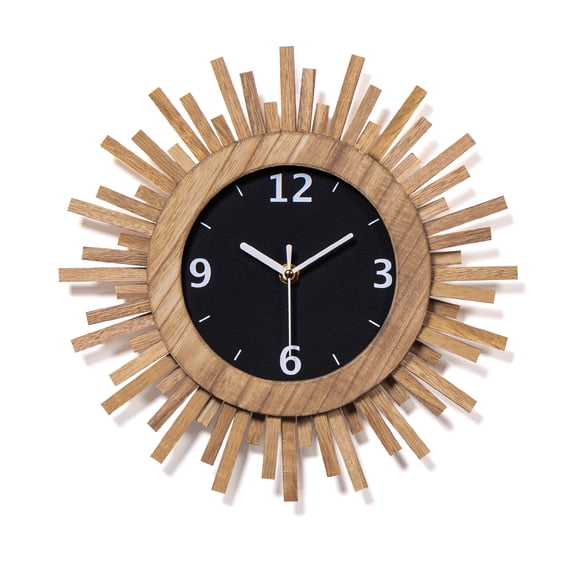
Mid-century options often use tapered shapes, starburst forms, or geometric markers. Traditional styles can suit formal spaces where your framed art and classic furniture set the tone.
Understanding movement type and sound
Movement type affects what you hear and how your clock behaves each day. You should compare quartz, silent sweep, atomic, and mechanical options based on your routine.
Quartz movement is common because you get dependable timekeeping with simple upkeep. If your room is quiet, you may want to check whether the movement is ticking or non-ticking.
Silent sweep movement helps you avoid the pronounced tick many shoppers notice at night. You can use it in bedrooms, nurseries, or offices where your background noise stays low.
Atomic clocks update automatically using a time signal, which reduces manual resets. Mechanical styles offer hands-on character, and you may enjoy them when your décor leans traditional.
Checking power source and daily upkeep
Power source shapes where you can place your clock and how often you maintain it. You should compare battery operated clocks, plug-in designs, and solar options before you choose.
Battery operated clocks give you flexible placement because you don’t need a nearby outlet. You may want to check your required battery size so your setup stays simple from day one.
Plug-in clocks can suit desks, bedside tables, and spots near lamps or charging hubs. You can rely on a steady display when your room already has convenient outlet access.
Solar options may appeal when your clock sits near consistent light. You should still review placement needs so your display stays visible and your power source stays practical.
Matching clocks to real rooms and routines
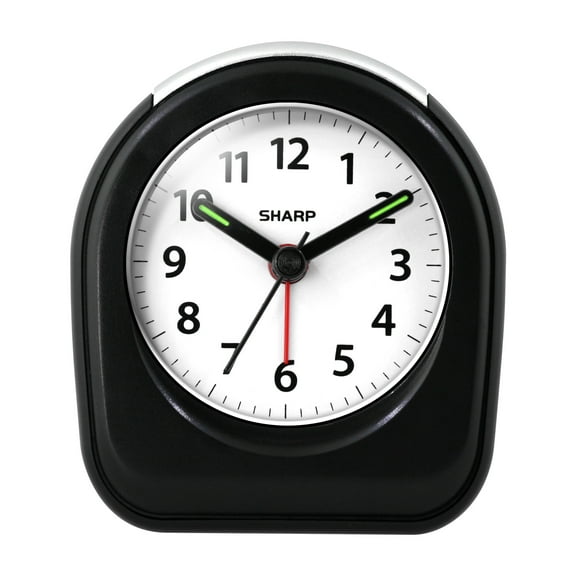
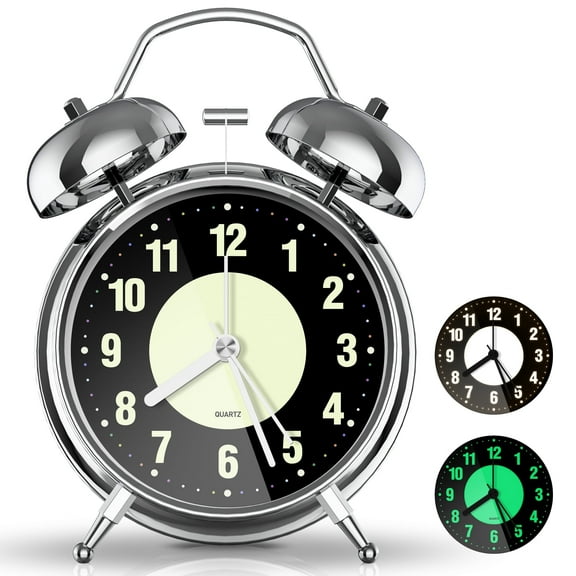
In a bedroom, you may want digital clocks or alarm clocks with clear nighttime visibility. You can pair a readable display with quiet movement when your sleep space needs less distraction.
For a living room, you might choose large wall clocks that double as décor. You can coordinate finish, frame shape, and numeral style with your sofa, rug, and art.
In a home office, you may prefer a desk clock or silent wall design. You can keep your schedule visible without adding extra visual clutter around your screen.
For kitchens and entryways, you’ll often want quick readability from across the room. You can choose high-contrast analog clocks or digital displays that stay easy to scan while moving.
When your home mixes styles, you can use decorative clocks to tie separate rooms together. You’ll get practical timekeeping and a finished look that fits your everyday routine.
With the right clock, you can balance readability, placement, sound, and style in one decision. You’ll feel confident choosing a clock that fits your wall, surface, and daily rhythm.