




Chinchilla in Pets


























About Chinchilla in Pets - Walmart.com
Your chinchilla pet shop destination should help you compare cages, food, grooming tools, and habitat basics with clear guidance. You need supplies that match active jumping, constant chewing, and regular dust bath routines.
How to choose chinchilla accessories
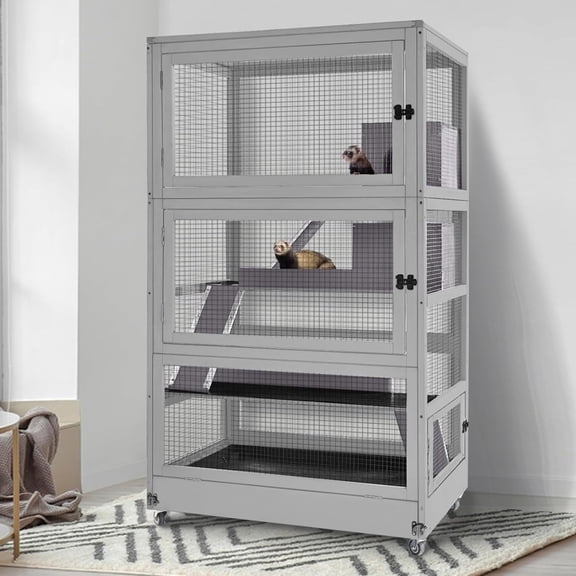
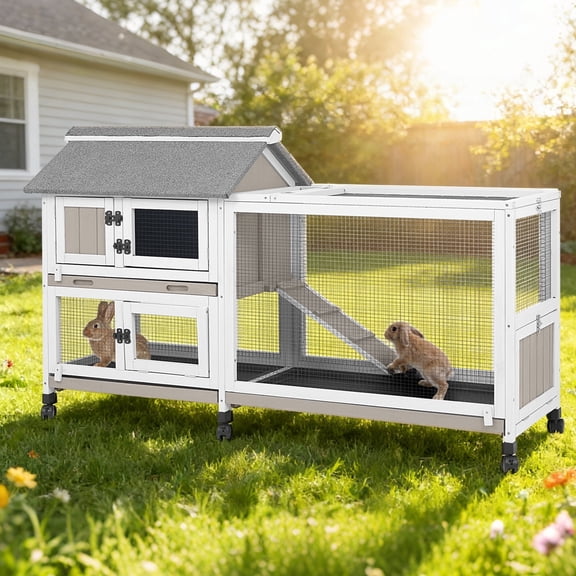
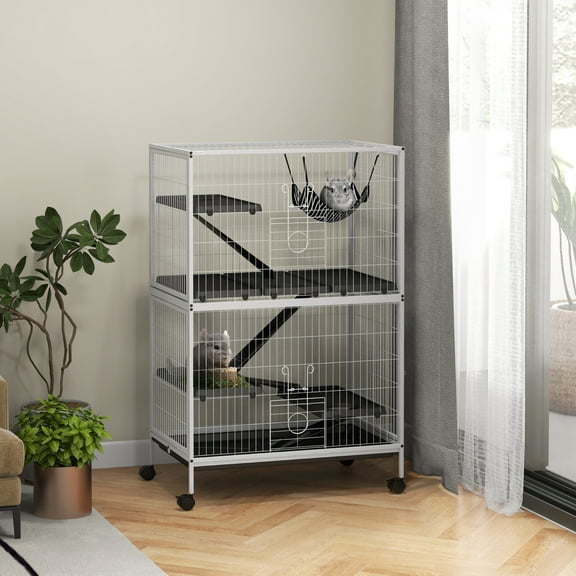
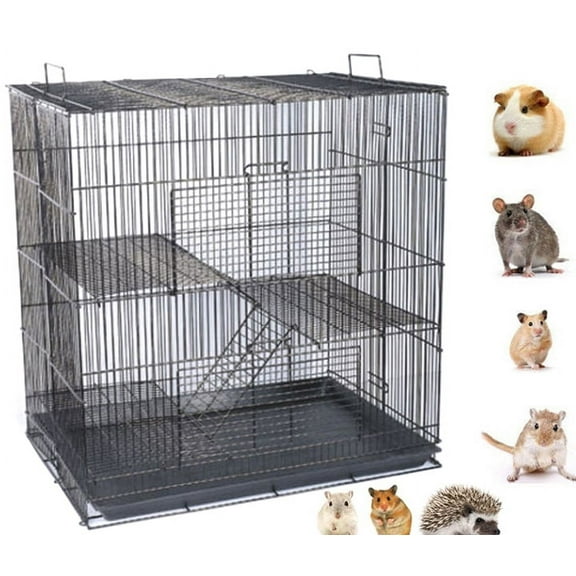
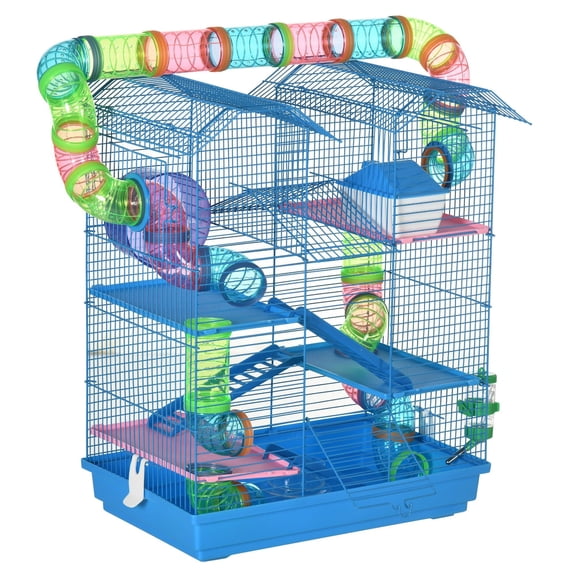
When you compare chinchilla accessories, start with cage type because your setup shapes daily movement and cleanup. You’ll often choose between multi-level habitats, wire cages, and playpens for supervised floor time.
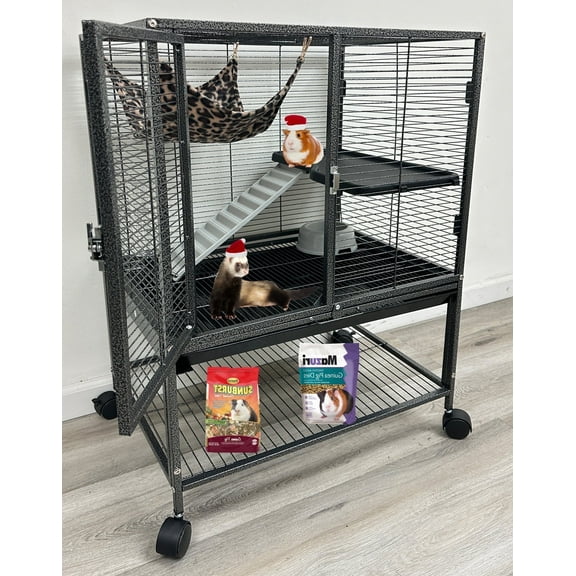
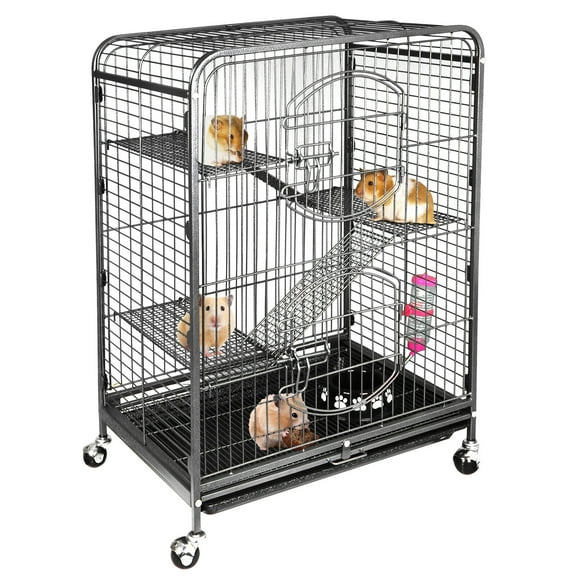
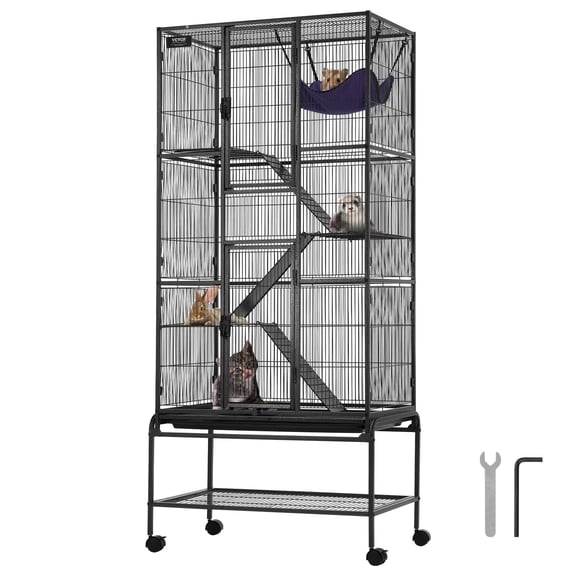
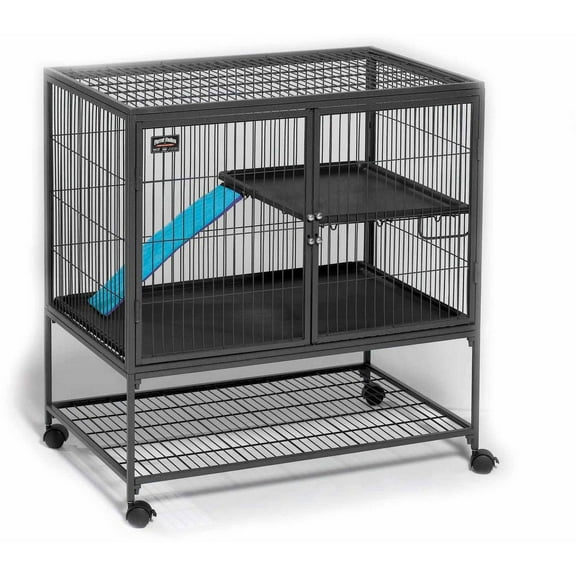
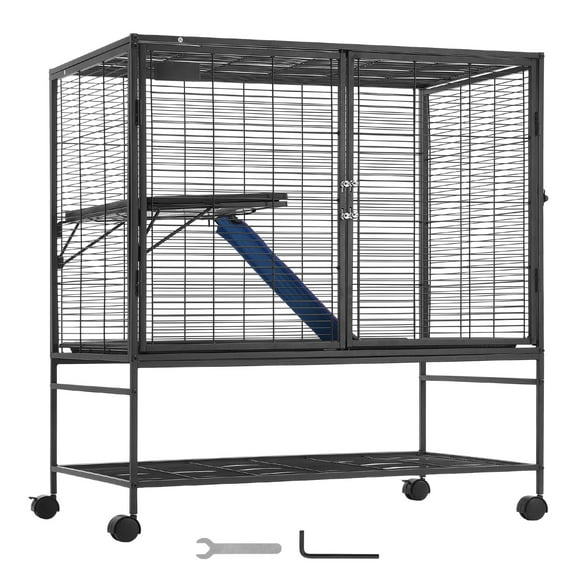
Multi-level designs give your pet vertical space, which suits climbing and hopping better than flat habitats. Wire cages also improve airflow, and you can check wire spacing for secure, comfortable containment.
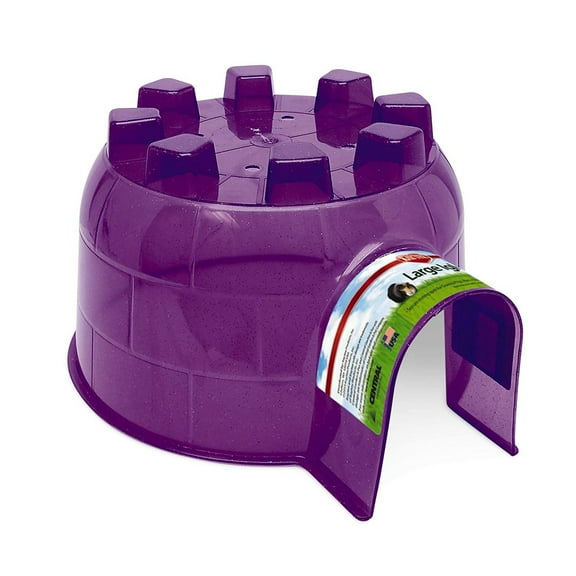
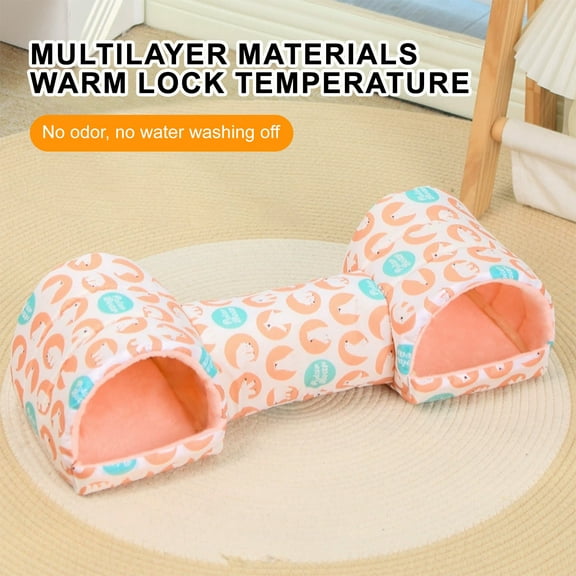
If you use a playpen, you’ll want it for monitored exercise sessions rather than full-time housing. You can pair that setup with tunnels, hideouts, and exercise wheels for added enrichment.
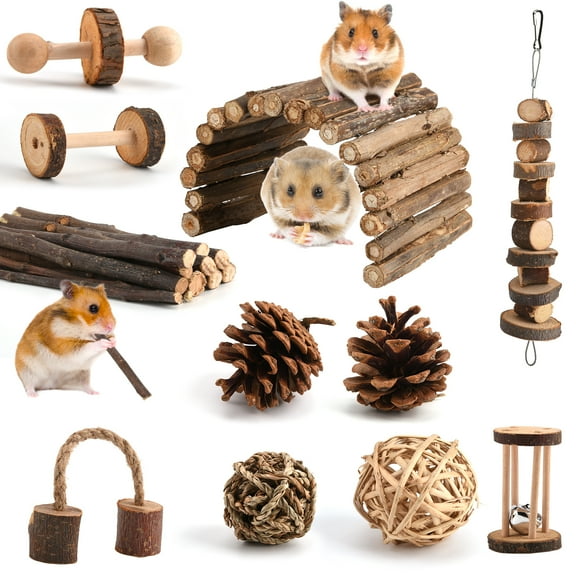
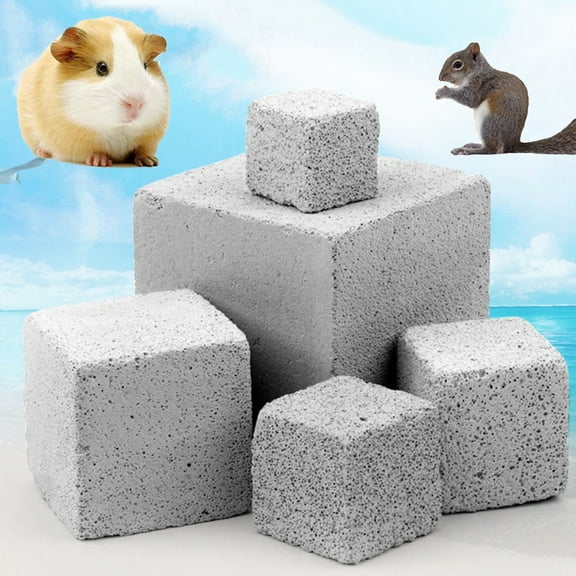
- You can support natural chewing with wood-based chew toys made for small pets.
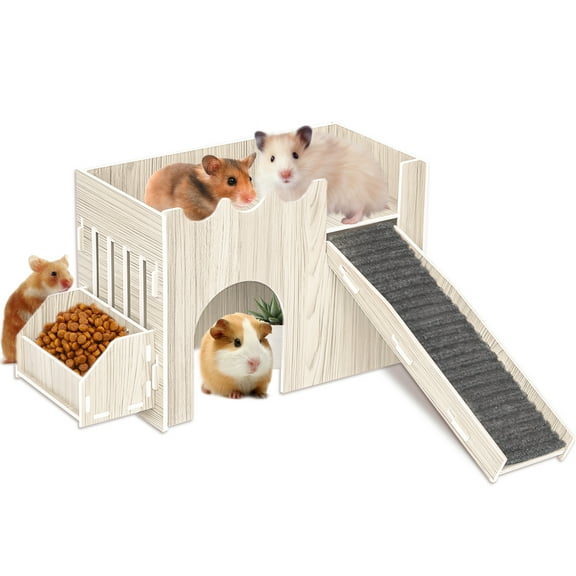
- You can build a more active habitat with tunnels, ledges, and wheels sized for chinchillas.
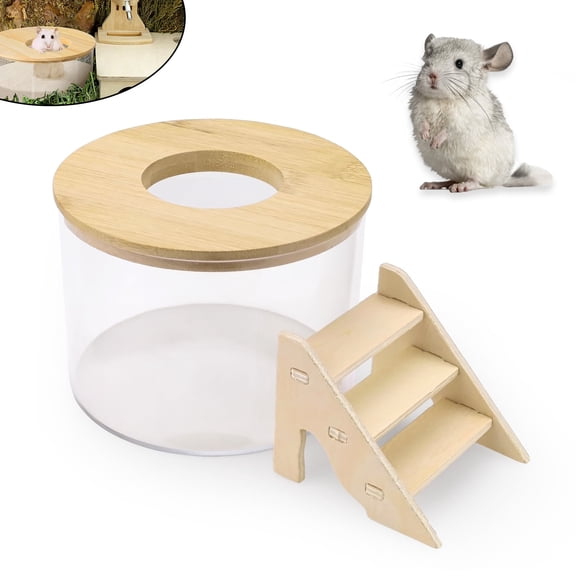
- You can make grooming easier with dust bath containers, bath sand, and a grooming brush.
- You can keep the habitat tidier with bedding options and litter pans that fit your enclosure.
Choosing chinchilla products for food and habitat care
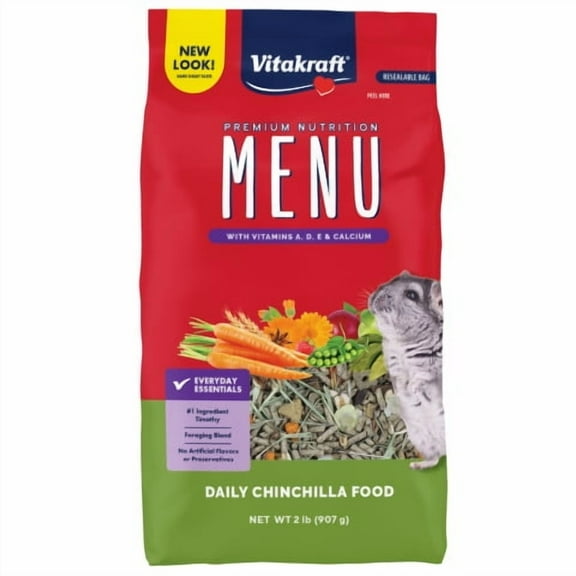
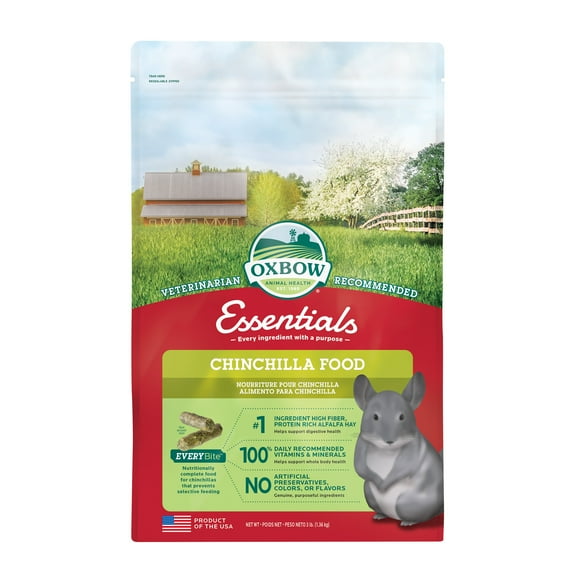
Your daily feeding plan matters because chinchillas need simple, consistent choices made for small herbivores. You’ll usually compare timothy hay, pellets, and treats as separate parts of that routine.
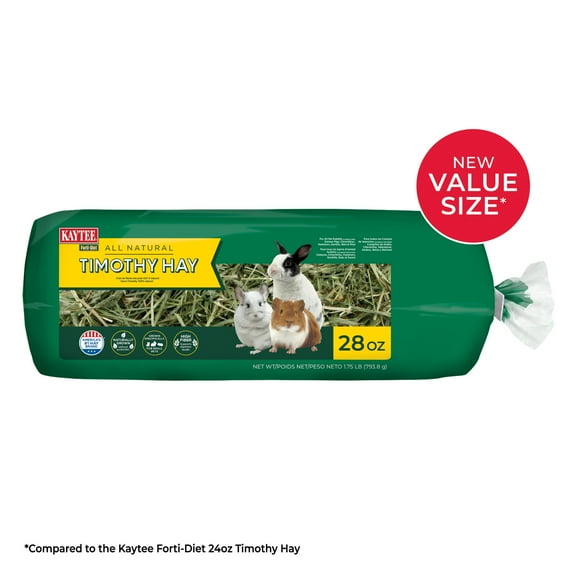
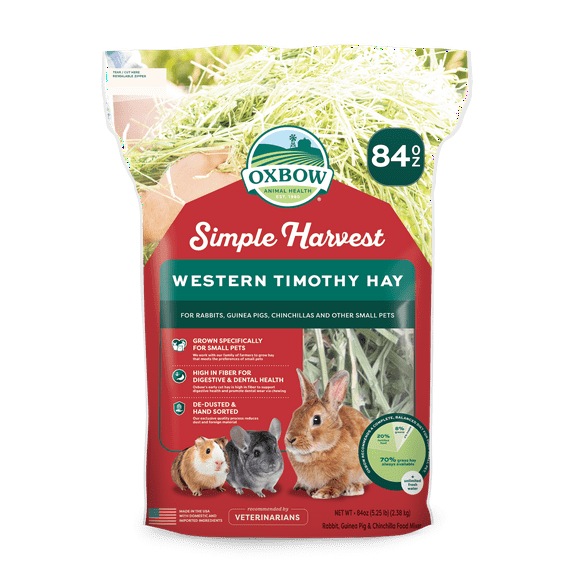
Timothy hay gives your pet a fibrous staple for everyday nibbling and foraging behavior. Pellets offer a measured format, so you can portion meals more consistently alongside loose hay.
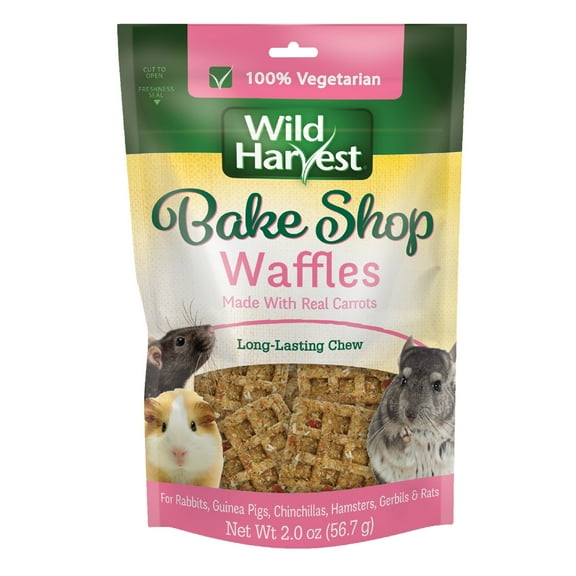
Treats work well as occasional extras, and you’ll want options made specifically for chinchillas. You can also compare package sizes if you’re stocking up for regular feeding and habitat maintenance.
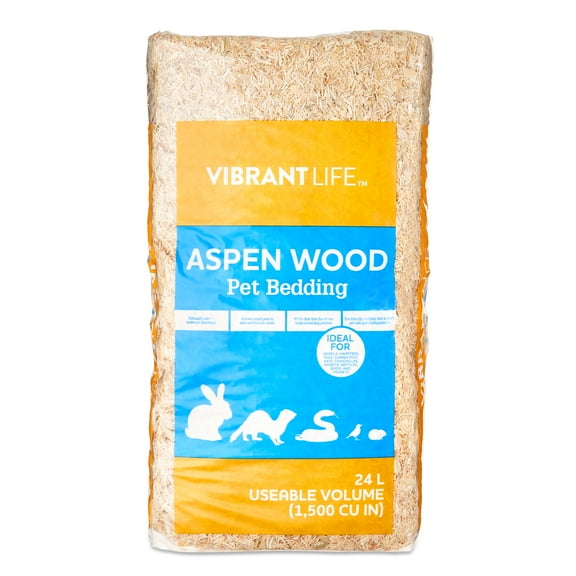
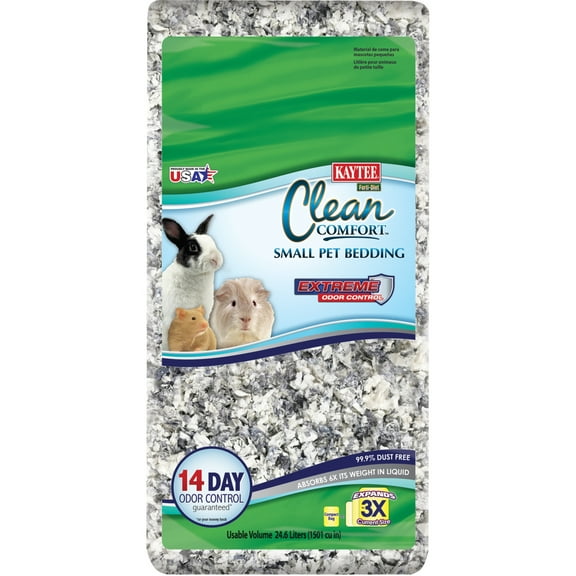
Bedding decisions affect comfort and cleanup, so you’ll want to compare aspen shavings, paper bedding, and litter pans carefully. Aspen shavings can feel familiar for many small pet setups, while paper bedding offers a soft, absorbent texture.
Litter pans help you create a more defined bathroom area inside larger cages or multi-level layouts. You can also match bedding depth and pan size to your enclosure footprint.
What to look for in chinchilla pet shop grooming and care
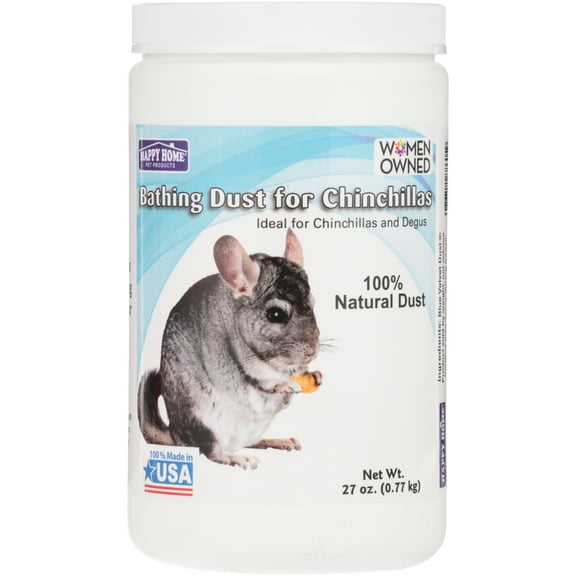
Your grooming setup should focus on dust-based care because chinchillas have very dense fur. You’ll usually look for a dust bath container, bath sand, and a grooming brush.
Dust bath products are a core part of chinchilla care, and you’ll want formats made for this specific routine. Bath sand should stay dry and fine, so your pet can roll and fluff through it easily.
A grooming brush can help you manage loose fur around handling time and habitat cleaning. You can also compare bath house shapes if you want better mess control around the enclosure.
Because this category is specialized, you should look for care items designed around dry grooming instead of water-based bathing. You’ll notice that chinchilla routines differ from many other small pets in that specific way.
Choosing cage details, chew toys, and activity gear
Your cage decision should go beyond size because chinchillas jump, climb, and explore at several heights. You’ll want to measure shelf spacing, overall height, and door access before choosing a habitat.
Wire spacing is an important detail because you need a secure enclosure that still allows ventilation. You can compare spacing and bar layout to fit your pet’s size and activity level.
Chew toy materials also matter, and you should look for small pet options made from appropriate woods. You may notice kiln-dried pine called out on packaging because shoppers often compare wood types carefully.
Exercise wheels and tunnels add movement options, so you can create a more engaging daily setup. You’ll want accessory sizes that match your cage footprint without crowding food, hay, and rest areas.
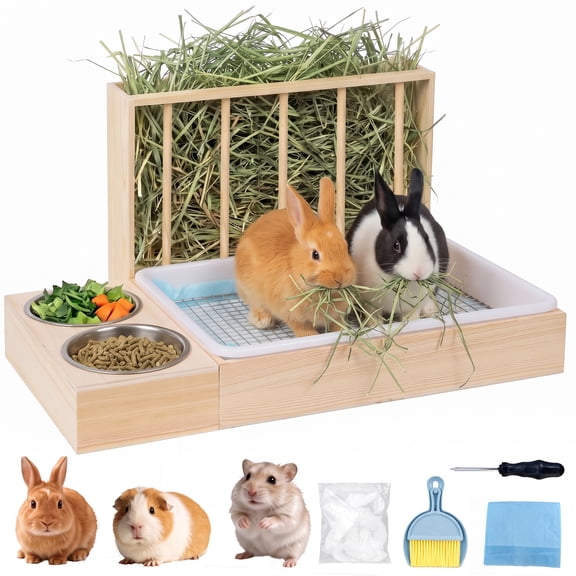
If you’re planning a full habitat refresh, chinchilla products like ledges, litter pans, hay feeders, and dust houses work together. You can build a setup that supports feeding, play, grooming, and easier upkeep.
How your setup fits everyday chinchilla routines
Your routine may center on feeding, spot cleaning, and short enrichment sessions throughout the week. You can use multi-level cages for climbing, then add playpen time for supervised exercise outside the enclosure.
If your pet spends long periods indoors, you’ll want chew toys and tunnels that keep the space interesting. You can rotate accessories to change the layout without replacing your entire habitat.
For feeding routines, you might pair timothy hay with measured pellets and a small treat option. You can keep those items organized with feeders, bowls, and storage-friendly packaging.
For grooming days, you can set out a dust bath house with fresh bath sand, then brush loose fur after handling. You’ll appreciate care supplies that fit neatly into your regular habitat cleaning routine.
If you’re comparing a chinchilla pet shop page with general small pet pages, you’ll notice more specialized needs here. You need supplies that account for vertical movement, dust grooming, hay-based feeding, and safe chewing habits.
Your choices come together when each item supports the same daily routine inside one habitat. You’ll feel more confident when your chinchilla accessories and care essentials fit your cage, feeding plan, and cleanup needs.