




Chickens in Pets























About Chickens in Pets - Walmart.com
Chicken coops help you create a safer, cleaner backyard setup for your flock. You can compare flock capacity, materials, and run styles to match your space and daily routine.
If you're raising a few hens or planning a larger setup, you need a coop that fits how you care for birds. You can narrow choices faster when you focus on size, security, airflow, and cleaning access.
Choosing chicken coops by flock size
You should start with flock size because space affects comfort, movement, and egg collection. You can use square footage per chicken as a practical way to compare coop layouts.
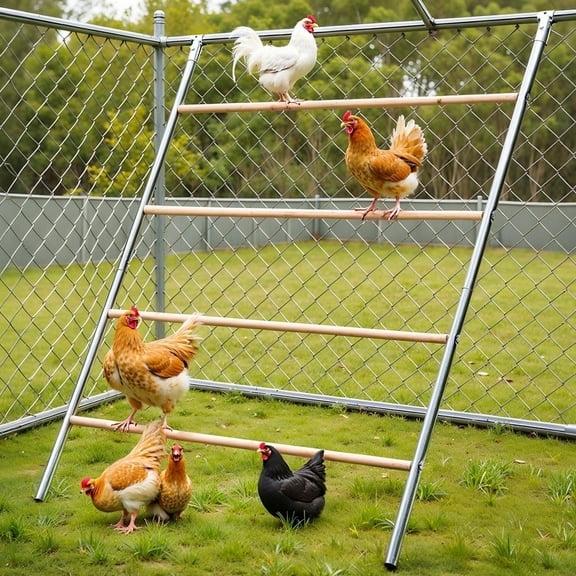
For two to four chickens, you may prefer small chicken coops that fit compact yards. You can keep your setup manageable while still giving birds room to roost and nest.
If you need chicken coops for 6 chickens, you should check both indoor and run space. You can avoid crowding when you compare perch length, nesting areas, and overall footprint.
For 10 or more birds, you may want large chicken coops with walk-in access. You can move around more easily during feeding, cleaning, and collecting eggs.
- You can match two to four chicken coops to starter flocks and smaller yards.
- You can choose six to eight bird layouts when your flock is growing steadily.
- You can select 10 plus capacity designs when you need more nesting and roosting space.
- You can compare walk-in styles when you want easier daily care inside the coop.
How to compare materials and outdoor placement
You should compare material choices based on weather exposure, cleaning habits, and the look you want. You can find wooden chicken coops, metal frames, and plastic styles for different outdoor setups.
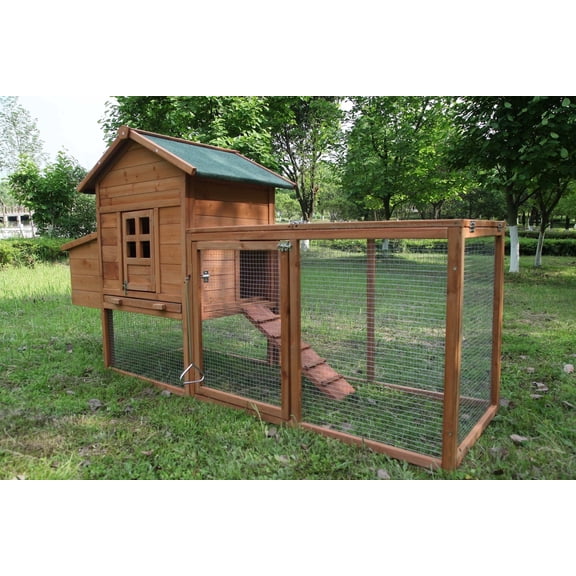
Wooden chicken coops often suit backyard spaces where you want a classic hen house look. You can check panel thickness, raised floors, and roof coverage for everyday outdoor use.
Metal styles may appeal to you when you want a sturdy frame and simpler wipe-down care. You can compare coated finishes and mesh sections to see how each design handles outdoor placement.
Plastic options can work well when you want lighter upkeep and smooth interior surfaces. You can rinse many surfaces quickly and keep routine cleanup more straightforward.
Placement matters because your yard size changes what coop shape makes sense. You can compare backyard chicken coops, outdoor chicken coops, and mobile styles based on where birds spend time.
Backyard layouts help you dedicate one spot for feeding, nesting, and roosting. Mobile coops can suit you when you want to shift grazing areas across your property.
Key features in chicken coops with run
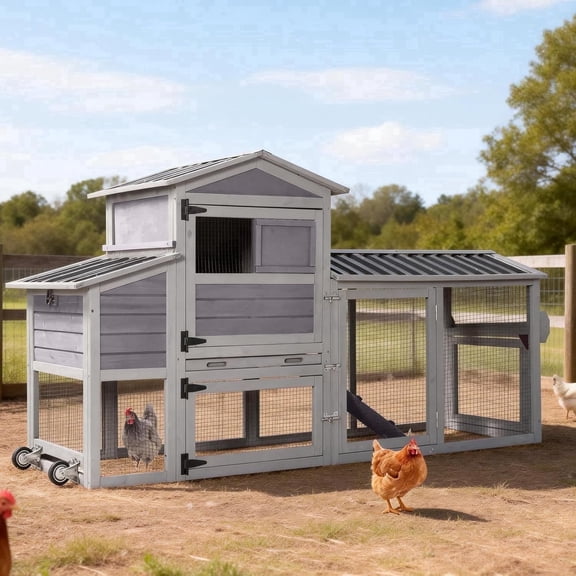
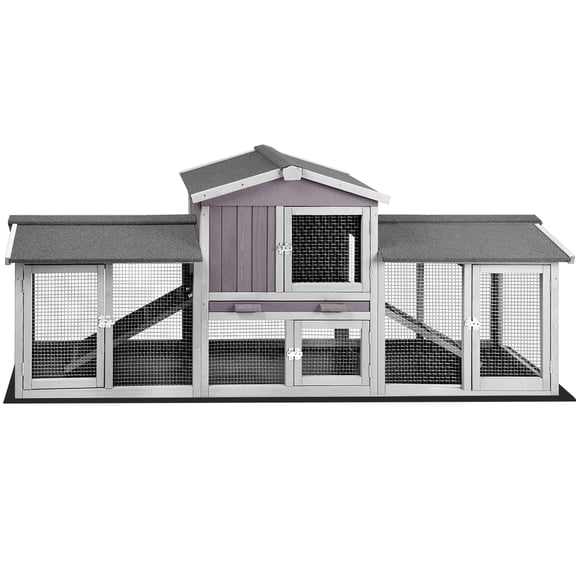
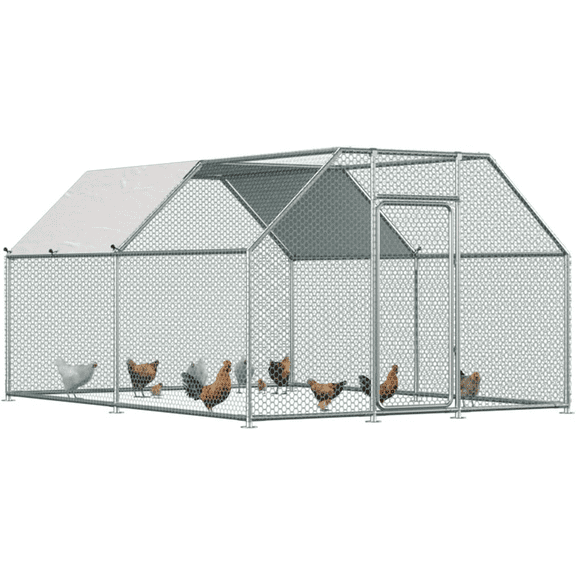
You should look closely at security features when birds stay outside for long periods. Chicken coops with run designs give you an enclosed area where hens can move without roaming freely.
Latch style matters because you want doors that stay shut during daily use. You can compare sliding bolts, twist locks, and two-step latches that take more effort to open.
Wire spacing and frame design also deserve attention when you compare hen houses. You can look for enclosed runs, solid door frames, and secure access points around nesting areas.
Weatherproofing should balance airflow and shelter, especially in changing seasons. You can look for vents near the roofline that move air while helping reduce direct drafts.
A covered roof section can help you keep feed zones and nesting spaces drier. You can compare sloped roofs, raised legs, and enclosed sleeping areas for outdoor conditions.
Cleaning features can make a big difference in your weekly routine. You can check for removable trays, wide doors, and walk-in access that simplify cleanup.
What to look for in daily use and real backyard setups
You can match small chicken coops to a starter flock that needs a compact footprint. If your yard is tight, you may prefer a raised coop with a nesting box and attached run.
You can choose outdoor chicken coops with larger runs when birds spend more daytime hours outside. If you want one contained area, a fixed backyard model may fit your routine.
When your flock is expanding, you may need chicken coops for 6 chickens with extra perch room. You can compare interior height and door width if you clean the coop often.
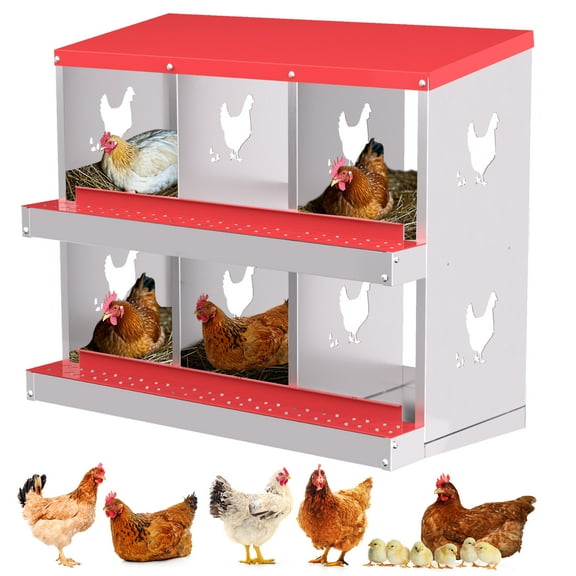
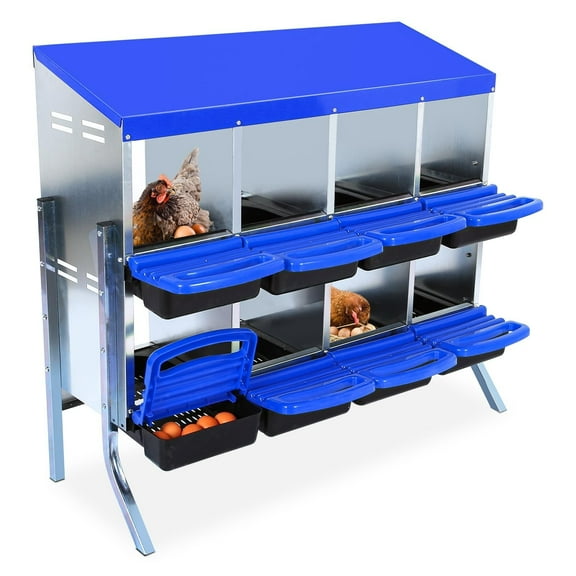
If you collect eggs daily, you may want an exterior nesting box for easier access. You can reach eggs faster without stepping fully inside the enclosure.
Walk-in hen houses can suit you when you manage several feeders, waterers, and roost bars. You can move through the space more comfortably during regular chores.
Mobile options can make sense if you rotate birds across different parts of your yard. You can balance access to fresh ground with a contained sleeping and nesting area.
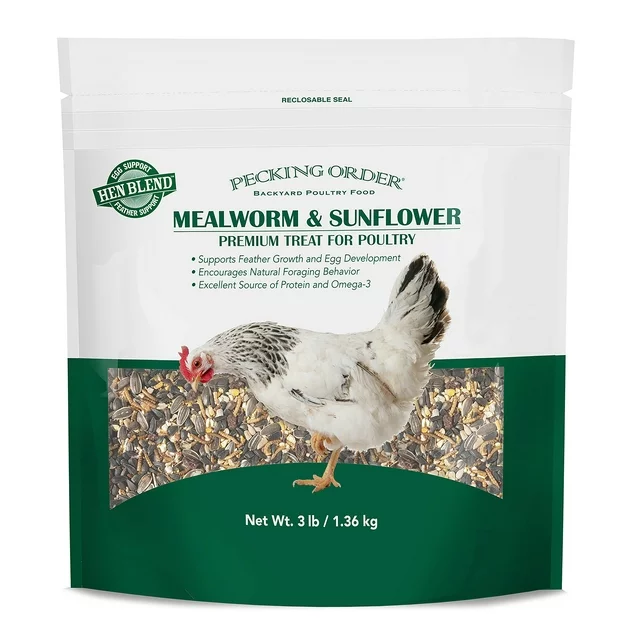
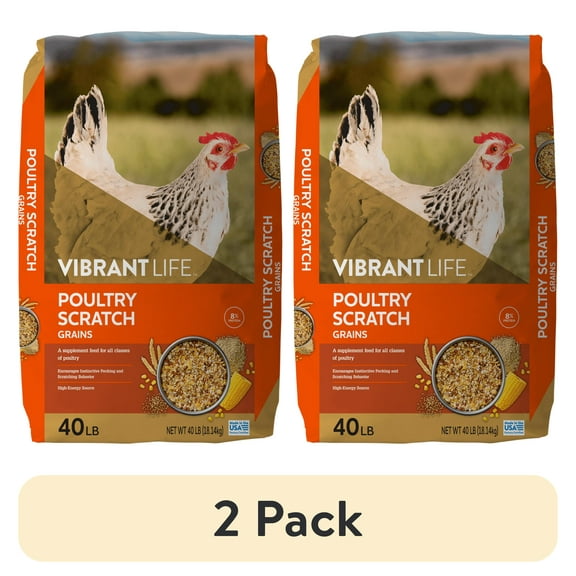
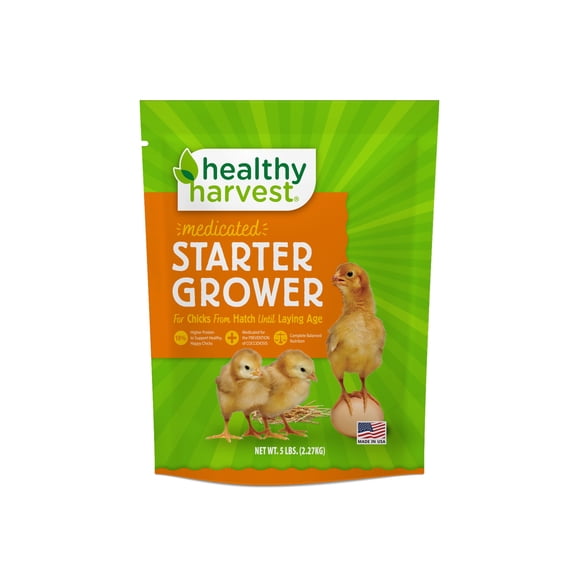
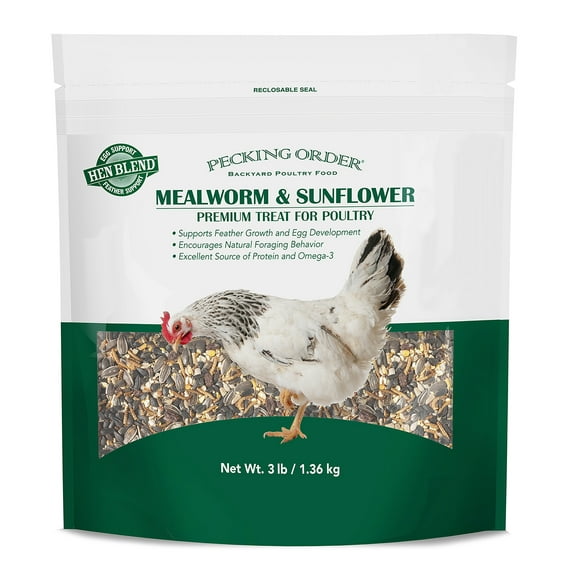
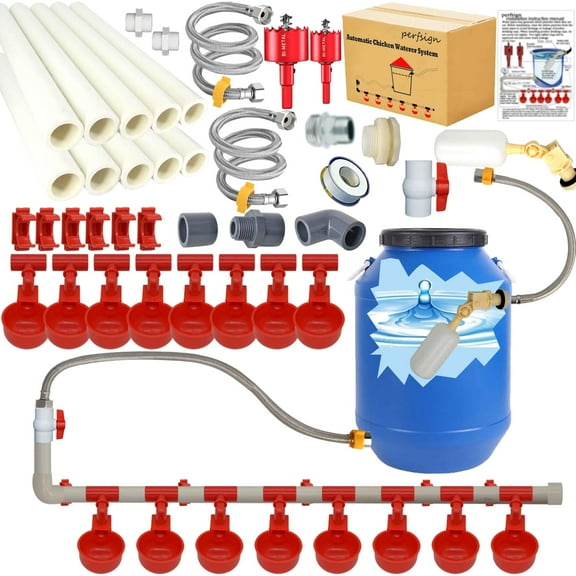
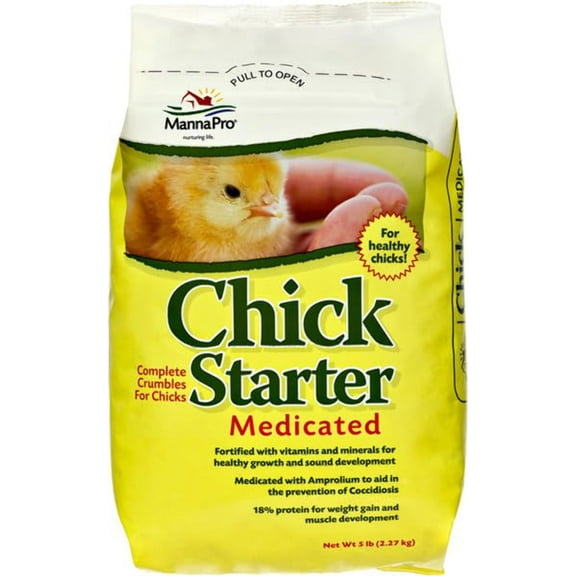
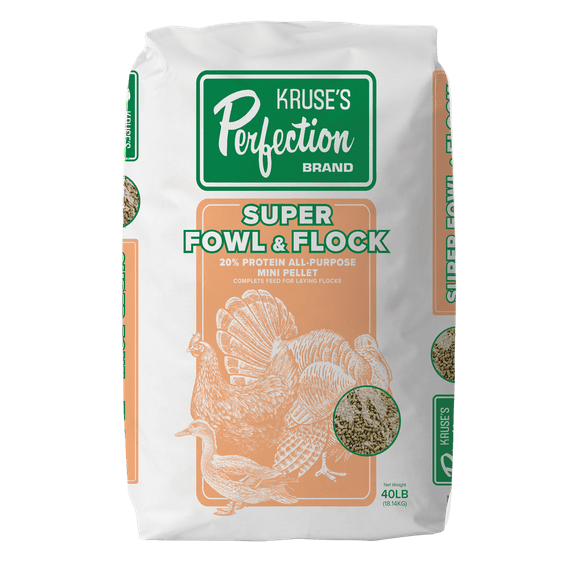
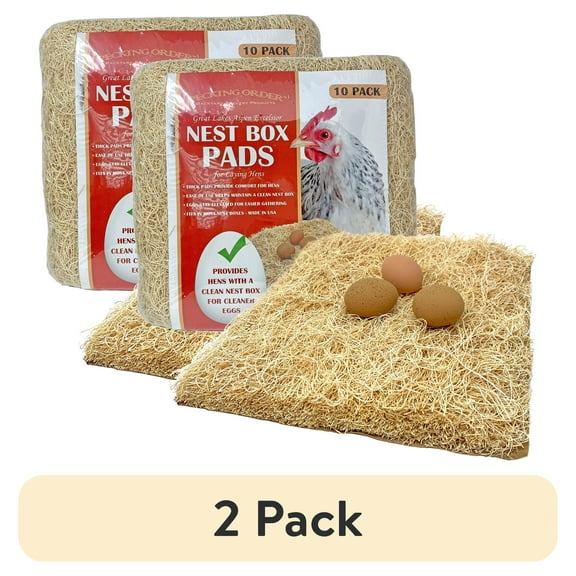
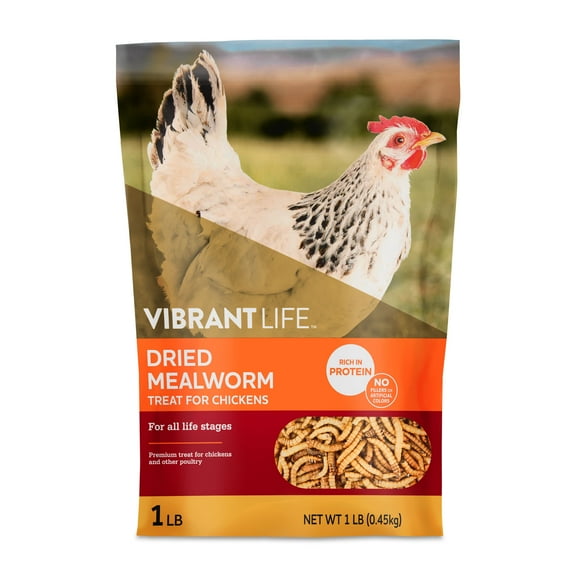
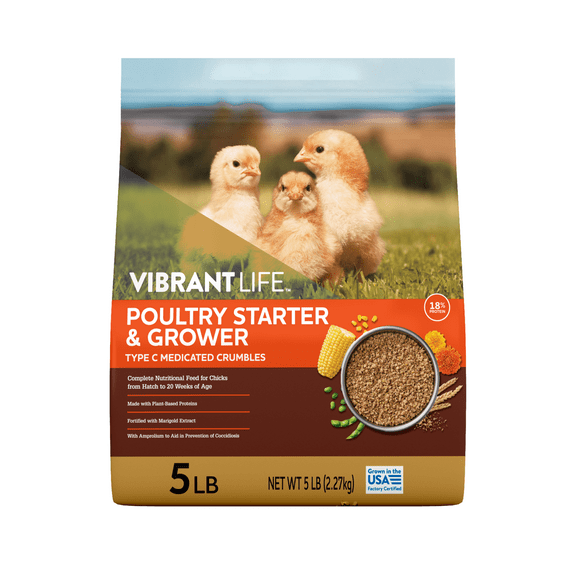
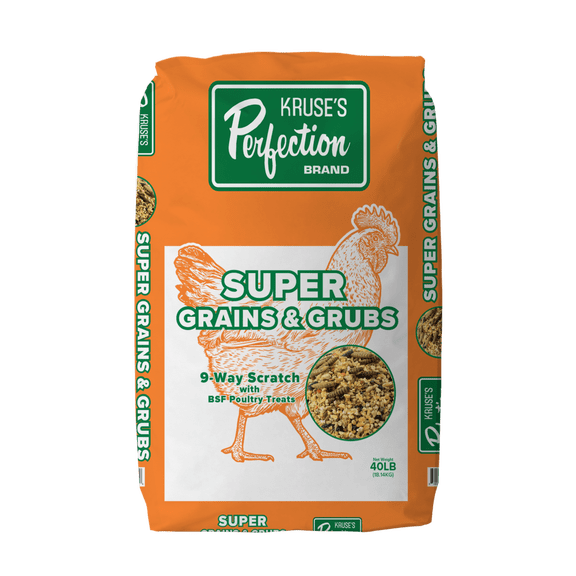
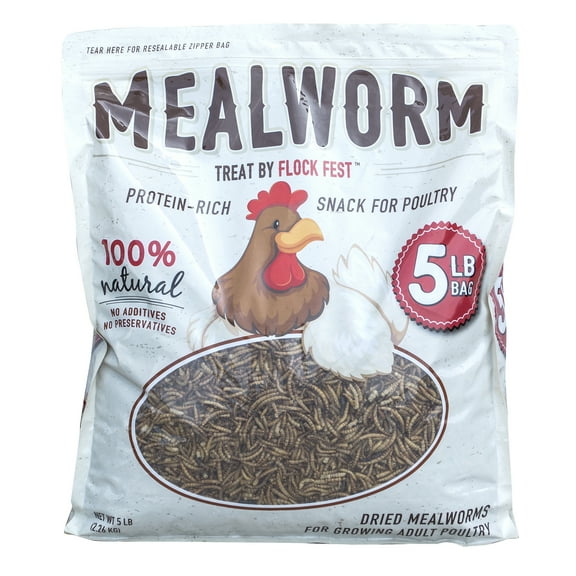
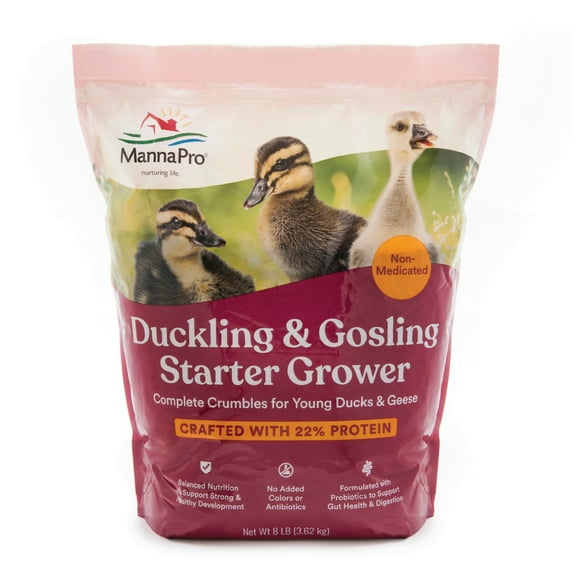
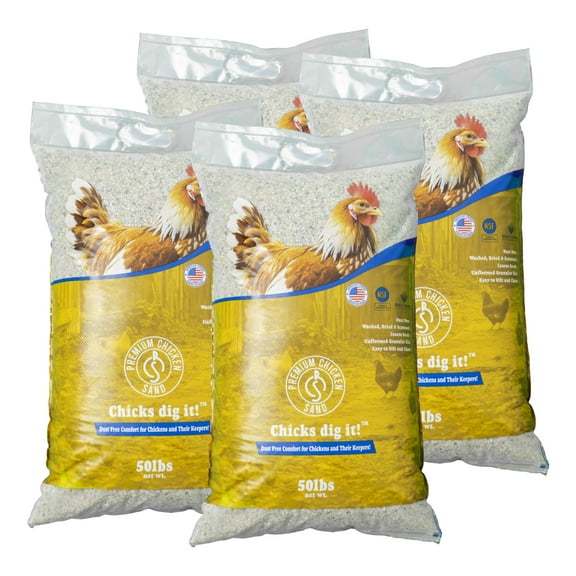
You can also build a fuller poultry setup by pairing your coop with chicken feed, nesting boxes, poultry heaters, and egg cartons. That approach helps you organize daily flock care in one routine.
When you compare chicken coops by capacity, material, features, and placement, you can choose with more confidence. You end up with a setup that fits your flock, supports cleaner upkeep, and makes daily care easier.