


Find auto parts that fit
Let’s search for parts that fit your vehicle.
Chassis and Frame Components for Auto Replacement
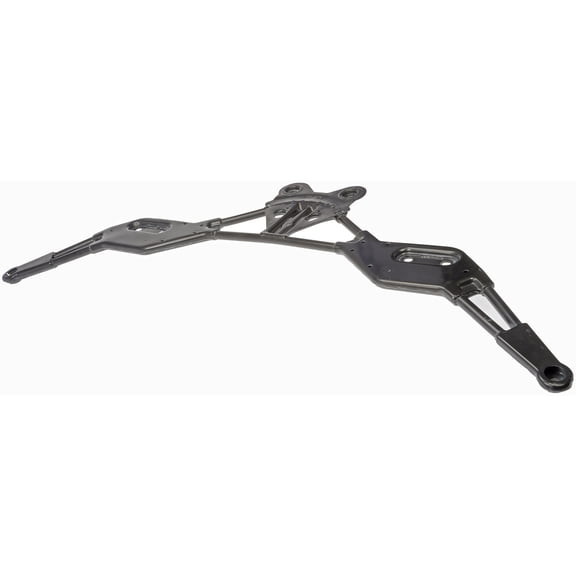

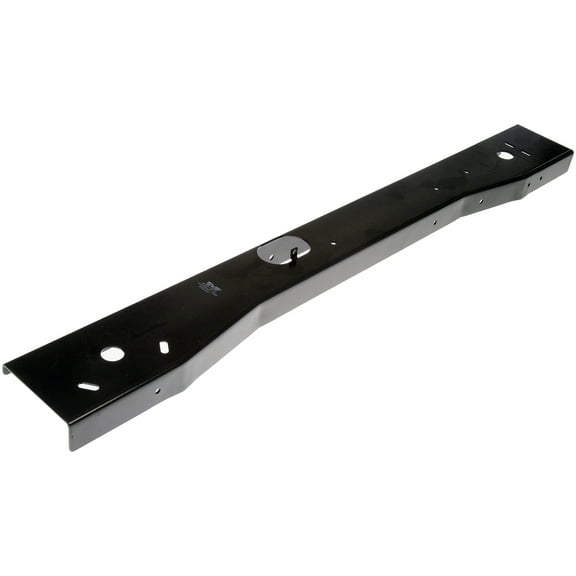

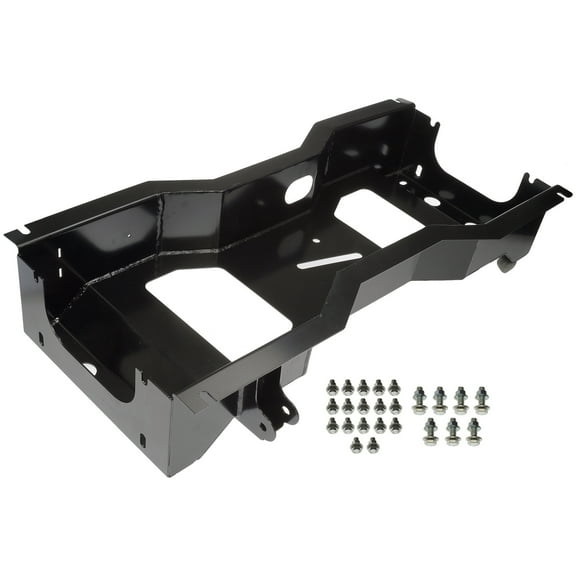
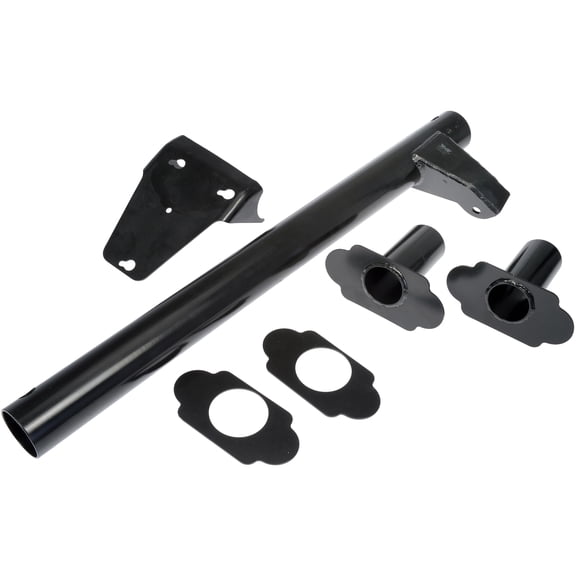
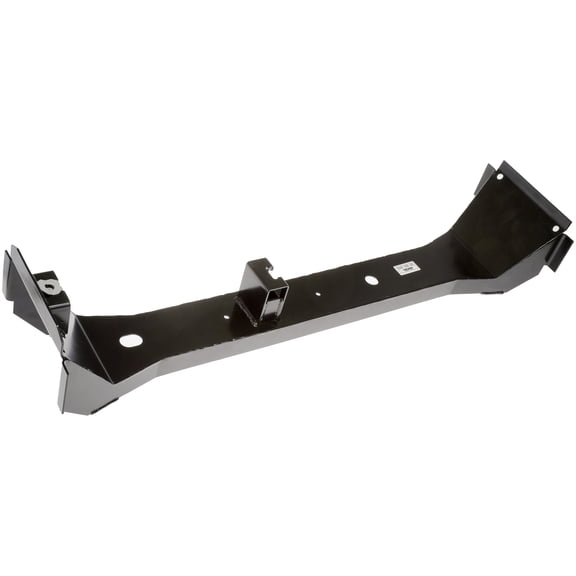


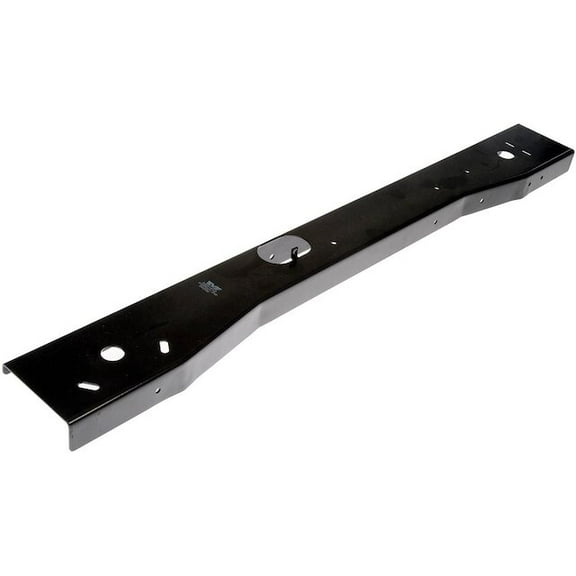

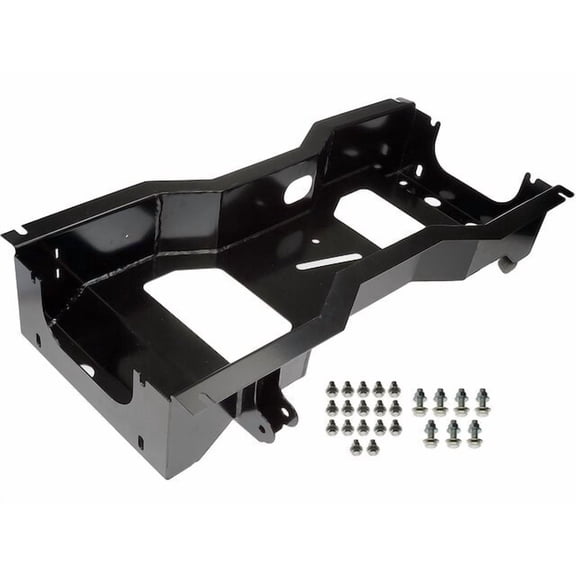

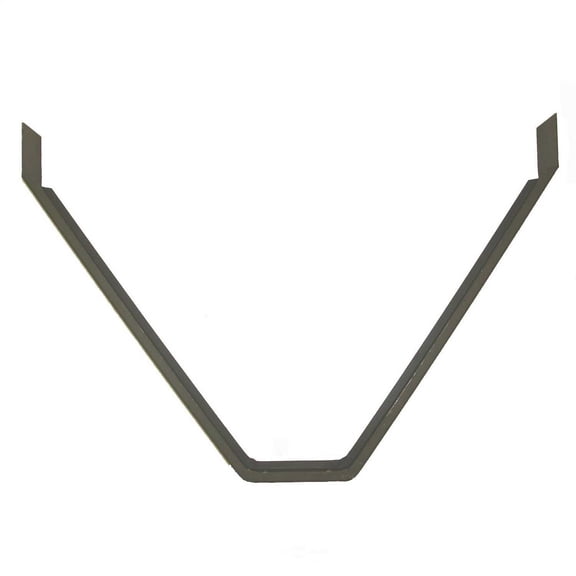

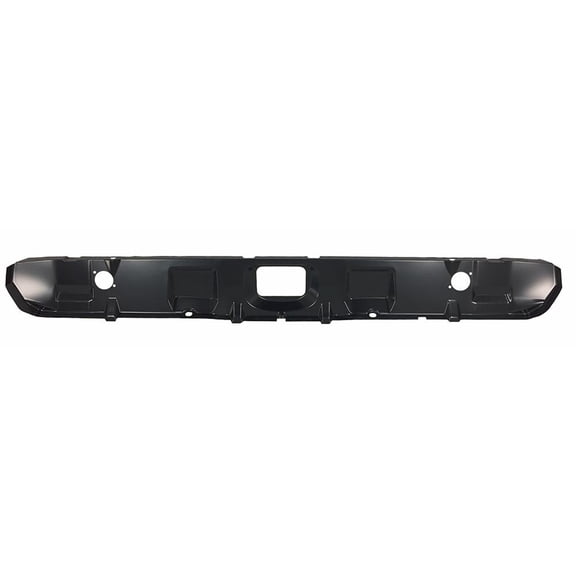

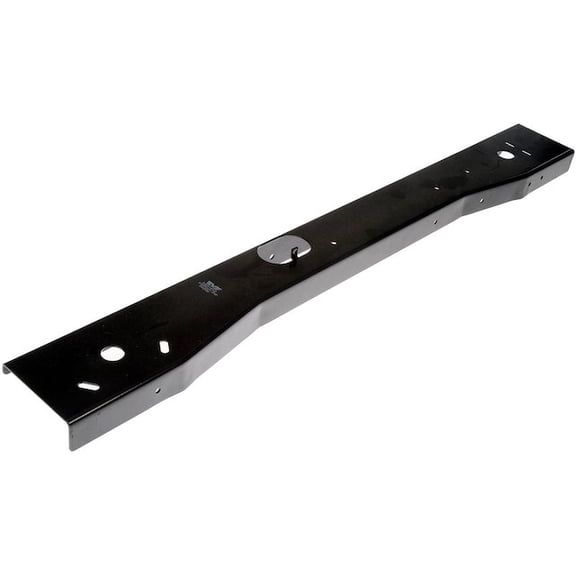
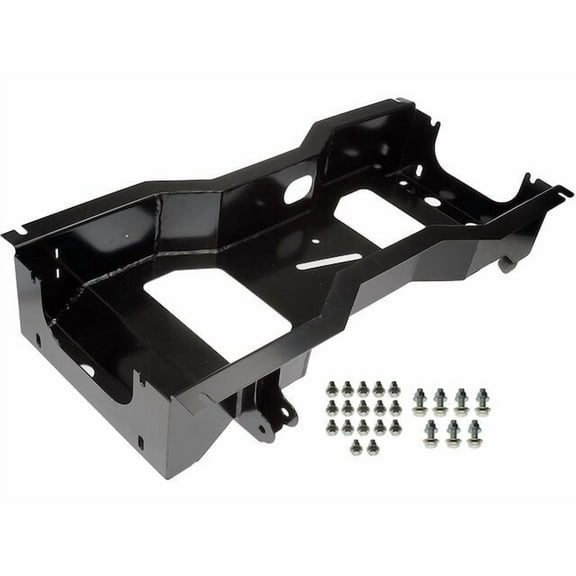
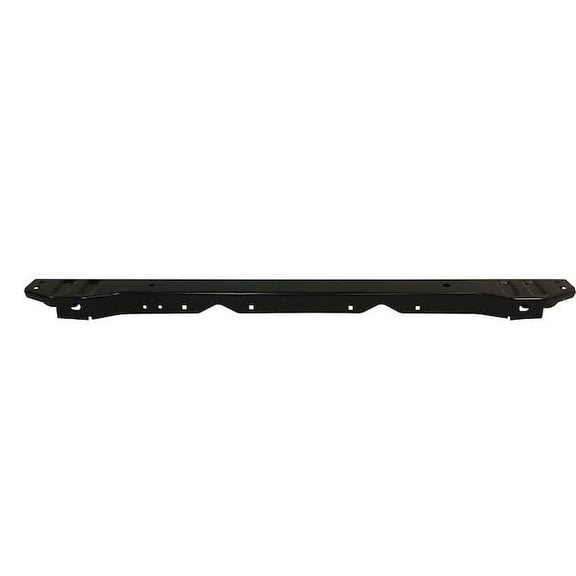
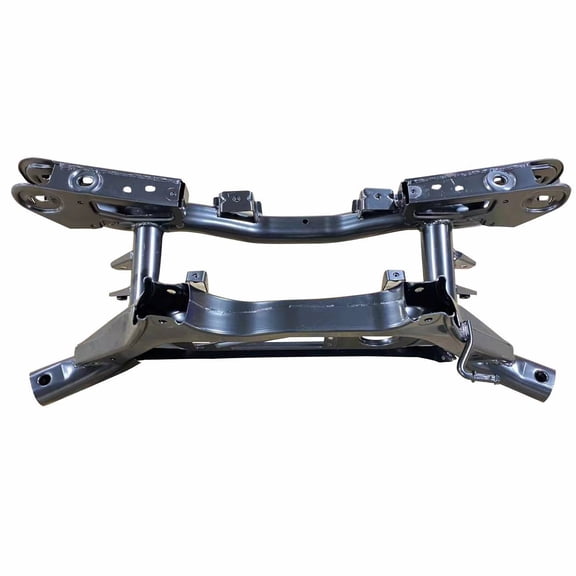
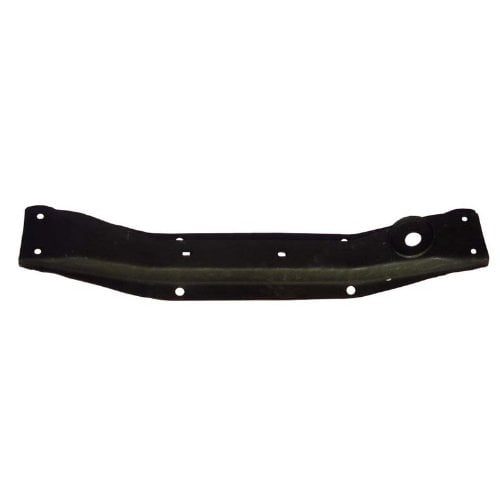
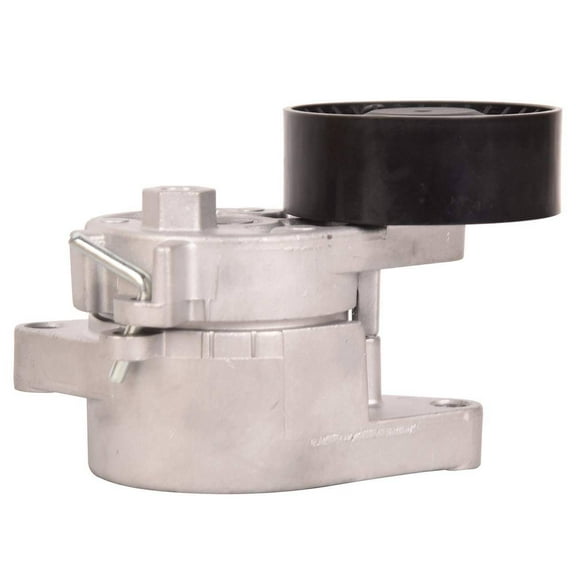


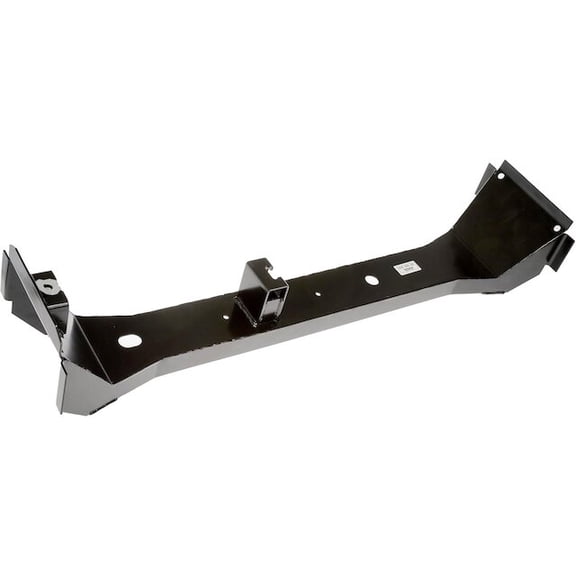
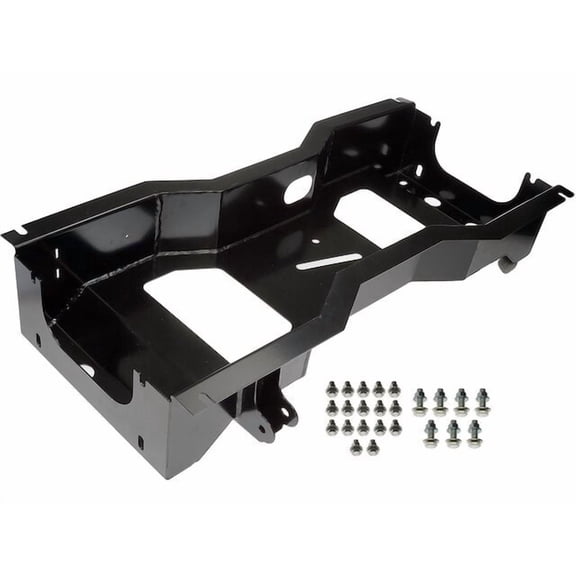
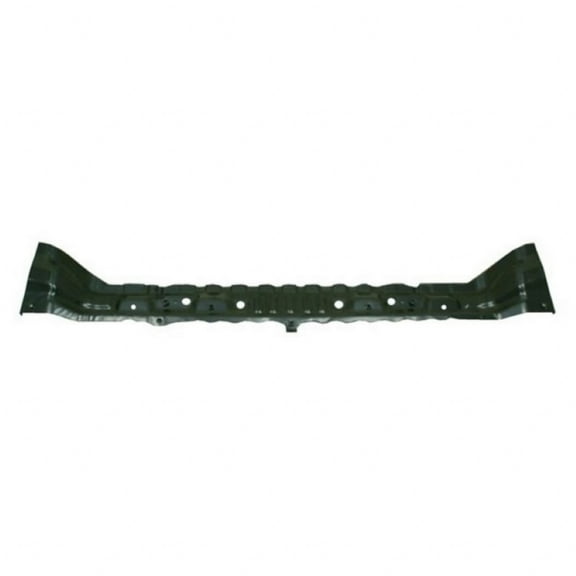
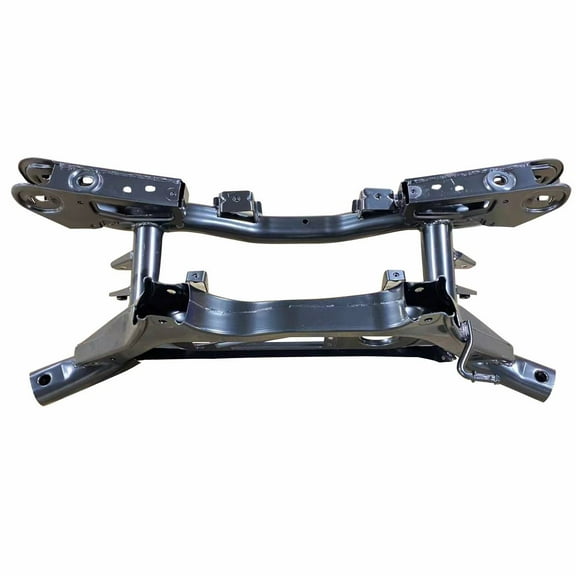
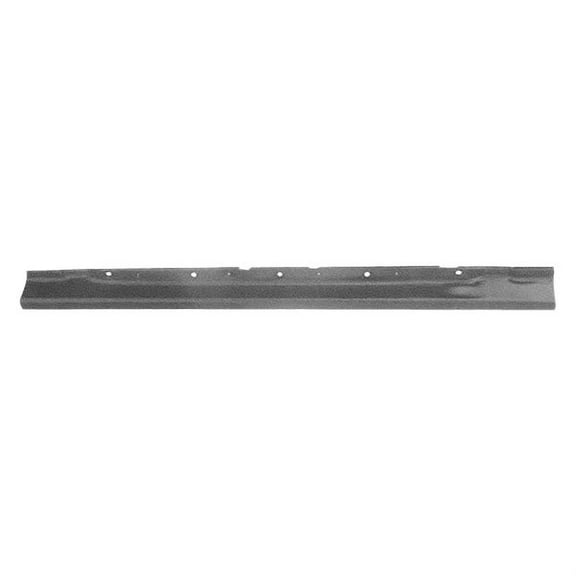
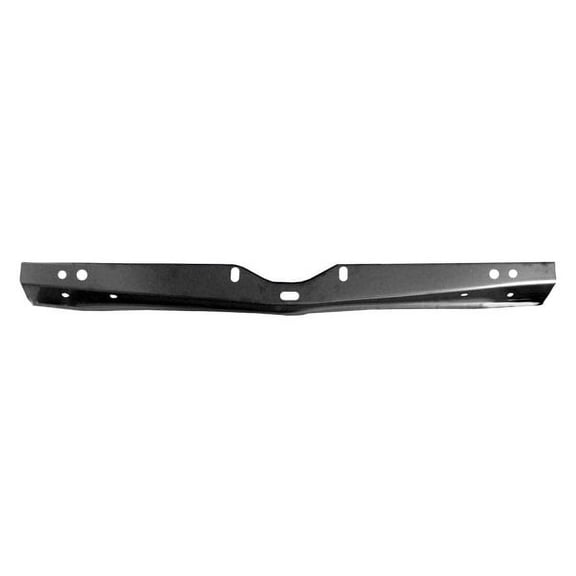
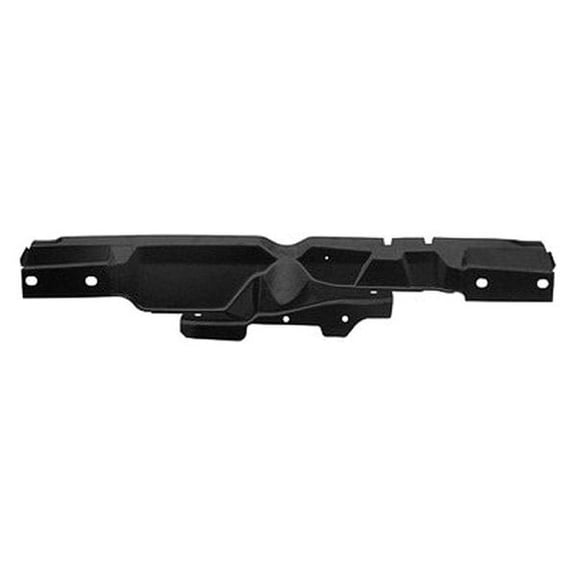

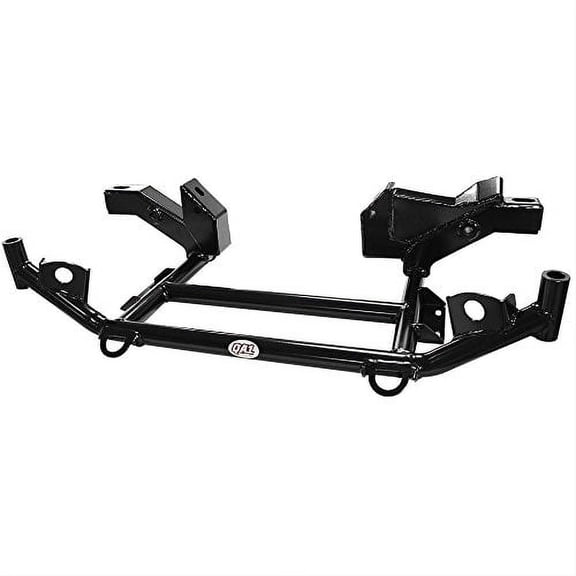
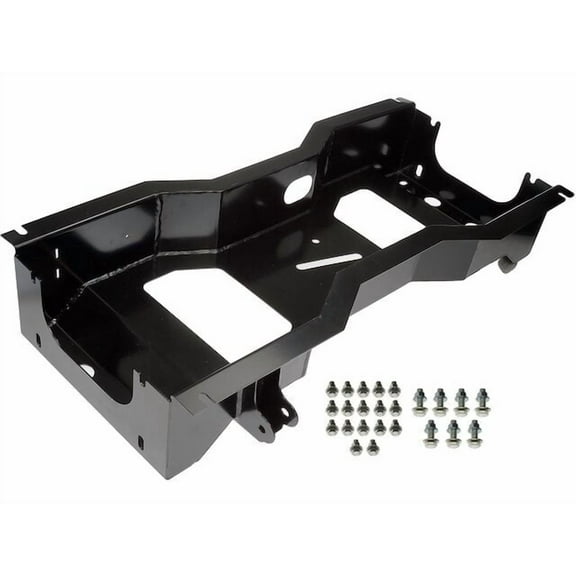
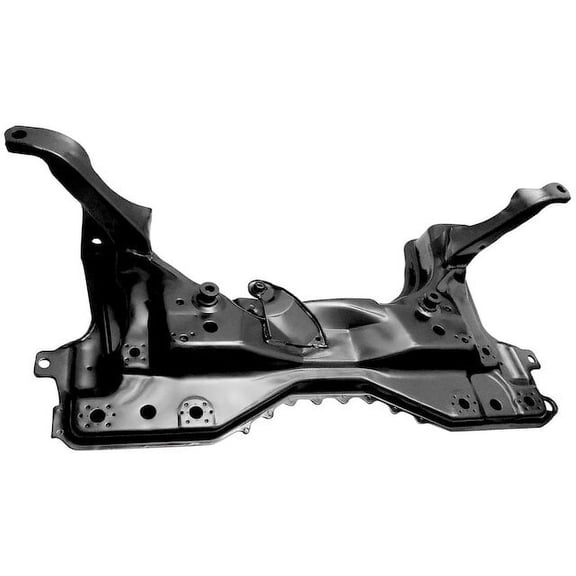

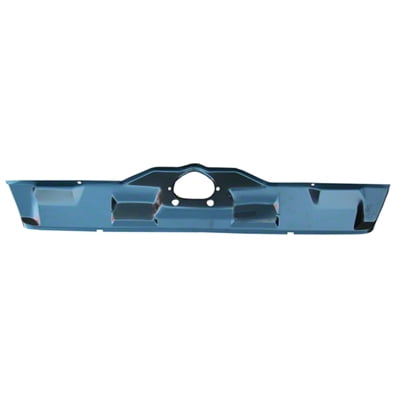
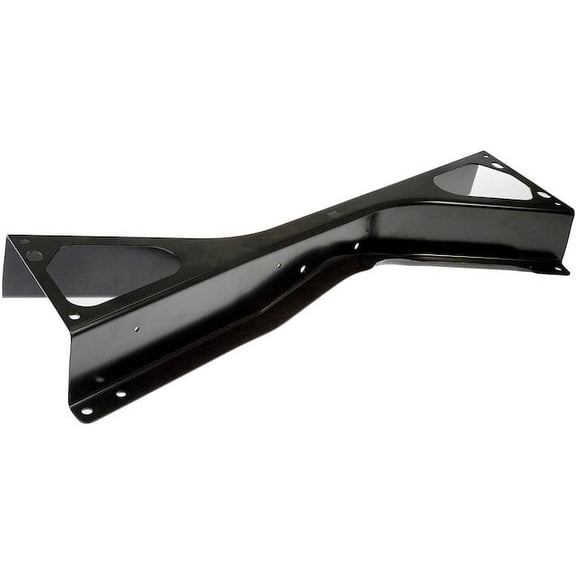
About Chassis and Frame Components for Auto Replacement - Walmart.com
Your cross member choice affects fit, installation time, and how your chassis frame components line up under your vehicle. You need exact year, make, model, and engine compatibility, especially when you’re replacing a front, rear, or center support.
When you compare chassis and frame components, you’ll want guidance that matches real repair decisions. You’ll also want clear differences between crossmembers, subframes, frame rails, and k-members before you choose a replacement.
How to choose the right cross member
You should start with fitment because mounting points, width, and engine configuration can vary across trims. You’ll avoid returns when you check your year, make, model, and engine details first.
You may use a cross member to support key mounting locations beneath your vehicle. You may need one for suspension attachment, drivetrain support, or a structural brace that keeps surrounding parts aligned.
If you’re comparing a subframe, frame rail, or k-member, you should focus on the role each part serves. You’ll find that these parts don’t always interchange, even when they look similar online.
Key benefits you should compare
You’ll notice a primary benefit is proper alignment across connected components. Your replacement part can help mounting points line up correctly for steering, suspension, and drivetrain hardware.
Another benefit is durability for daily driving and heavier vehicle demands. You’ll want a component that handles repeated road vibration, load transfer, and chassis movement without added guesswork.
You should also compare finish and material because exposure under your vehicle is constant. Your choice can affect how well the part stands up to moisture, grime, and changing road conditions.
- You can narrow options faster when your fitment matches your exact vehicle details.
- You may reduce installation surprises when your mounting style matches bolt-on or weld-on requirements.
- You’ll get a clearer materials comparison when you review steel, aluminum, and powder-coated finishes.
- You can choose placement-specific parts more confidently when you confirm front, rear, or center location.
Choosing a crossmember frame by component type
You should compare component type before you focus on finish or hardware. Your repair may call for a crossmember, while another setup may require a subframe or k-member.
You’ll see that a crossmember frame part typically spans across the chassis to support attached systems. You’ll often see it used where strength, mounting accuracy, and underbody rigidity are critical.
If you’re looking at a subframe, you’re usually considering a larger structural section. You may choose that route when your repair involves broader mounting areas for suspension or drivetrain assemblies.
You’ll find that frame rails serve a different role because they form longer structural sections along the vehicle. You should confirm whether your project needs a connecting member or a rail-specific replacement.
K-members matter when your vehicle uses that design for engine and suspension mounting. You’ll want to compare the original layout carefully so your replacement matches the intended attachment points.
What to look for in material and finish
You should compare heavy-duty steel, aluminum, and powder-coated steel with your driving needs in mind. Your material choice affects weight, stiffness, and how the part handles long-term exposure.
Heavy-duty steel gives you a sturdy feel for load-bearing applications. You may prefer it when your vehicle sees regular commuting, towing, or repeated rough-road use.
Aluminum can appeal to you when reducing part weight matters for your build. You should still verify that the design matches your vehicle’s original specifications and mounting pattern.
Powder-coated steel adds a protective finish that helps resist corrosion. You’ll appreciate that finish when your vehicle sees wet roads, winter residue, or year-round outdoor parking.
Comparing placement and installation requirements
You should confirm whether your part fits the front, rear, or center position before anything else. Your mounting holes, shape, and connected components will change by placement.
Front applications often involve suspension and steering attachment areas. You’ll want close attention to fitment if your replacement sits near control arm or engine support points.
Rear placements can involve different brackets and underbody layouts. You should compare diagrams and notes carefully so your selected part matches the intended mounting zone.
Installation type matters just as much as placement because your repair steps can differ significantly. You may choose direct-fit bolt-on options for simpler replacement, while weld-on parts may suit custom or specific structural work.
If you’re reviewing a cross member frame replacement, you should check hardware compatibility and bracket design. Your part should match the original connection style to support a smoother installation process.
Using your vehicle details for a confident fit
You should enter your year, make, model, and engine type before comparing shapes or finishes. Your exact vehicle information helps you filter out parts that won’t align correctly.
For daily driving, you may want a direct-fit option that matches factory mounting points closely. You’ll usually spend less time comparing modifications when the fitment details are precise.
If your vehicle handles towing or heavier loads, you should pay extra attention to material thickness and support design. Your chassis benefits from a part built for the intended load path.
For restoration projects, you may compare finish, original-style dimensions, and installation method together. You’ll get a cleaner match when those details align with your rebuild plan.
When you’re replacing a damaged support component, you should focus on exact placement and attachment style first. Your cross member selection makes more sense when the structural role matches your vehicle’s layout.
You can choose this category with more confidence when you compare fitment, component type, material, and installation together. Your final choice supports a cleaner repair path and a more accurate chassis fit.
Popular in Chassis and Frame Components for Auto Replacement - Walmart.com
- Hemi Cylinder Heads
- Lincoln Town Car Axle Shaft Seal
- Sbc Motor Mount Bolts
- Sbc Motor Plate
- Lincoln Corsair Steering Tie Rod End Adjusting Sleeve
- Eccentric Shaft Bmw
- Volkswagen Cc Engine Valve Lifter
- Oldsmobile Alero Engine Connecting Rod Bearing Set
- Model Performance Lowering Springs
- Lincoln Town Car Steering Coupling Assembly
- Speedway Motors
- Pontiac Bonneville Engine Valve Lifter Kit