


Cereal
What's your preference?

New in breakfast




Shop by brand



Hot deals
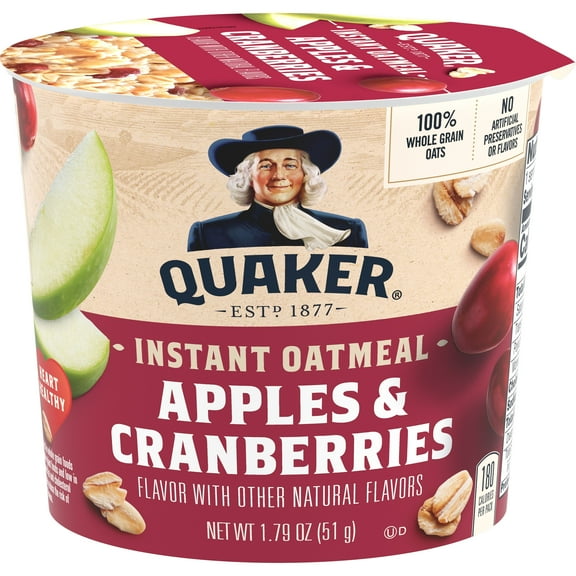
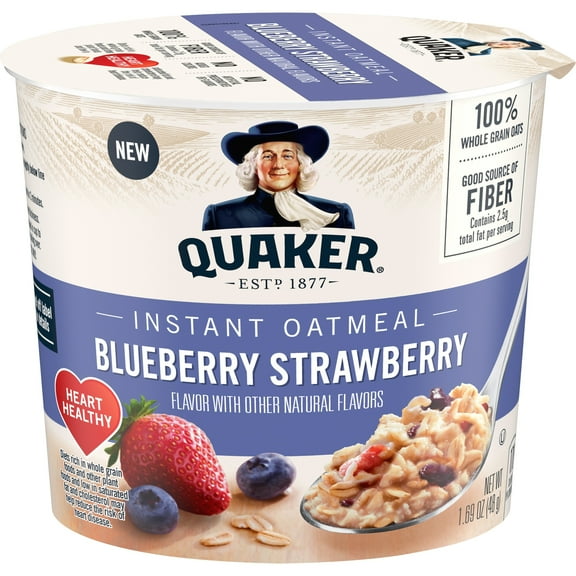
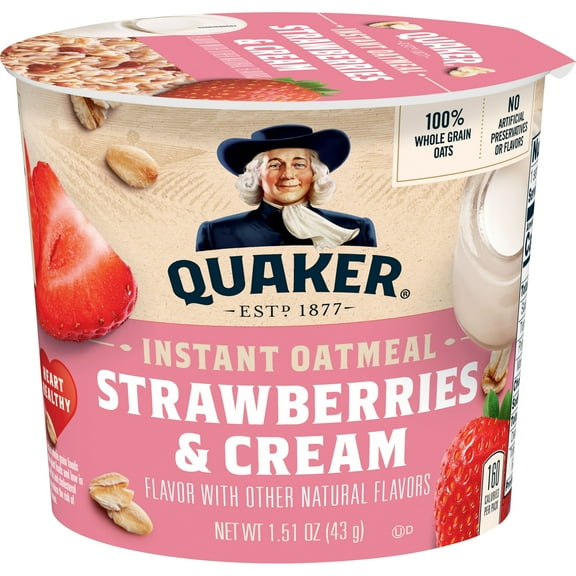
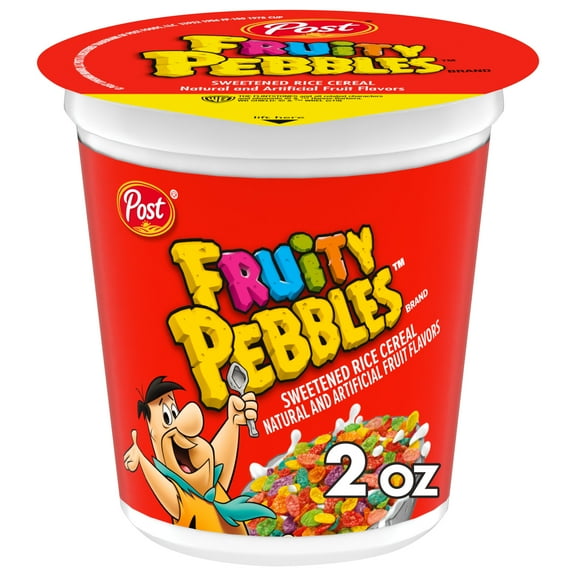


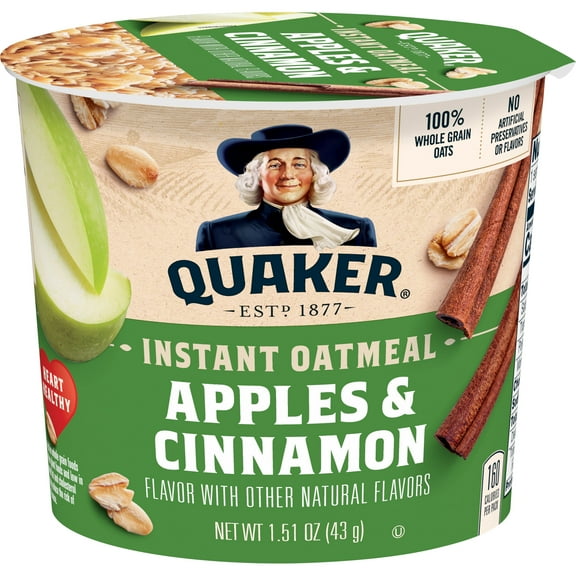
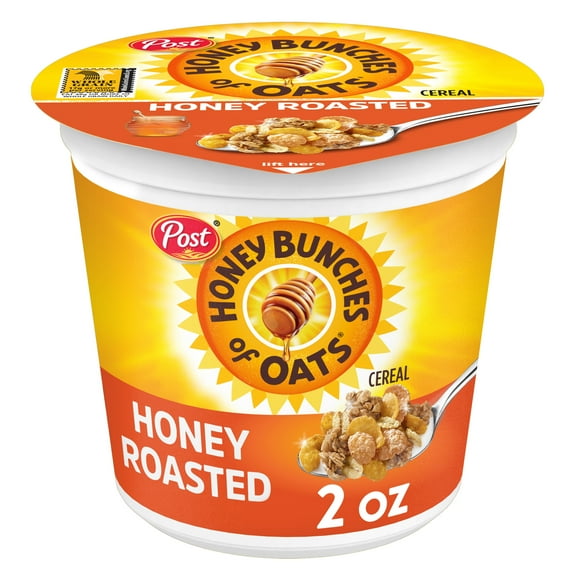
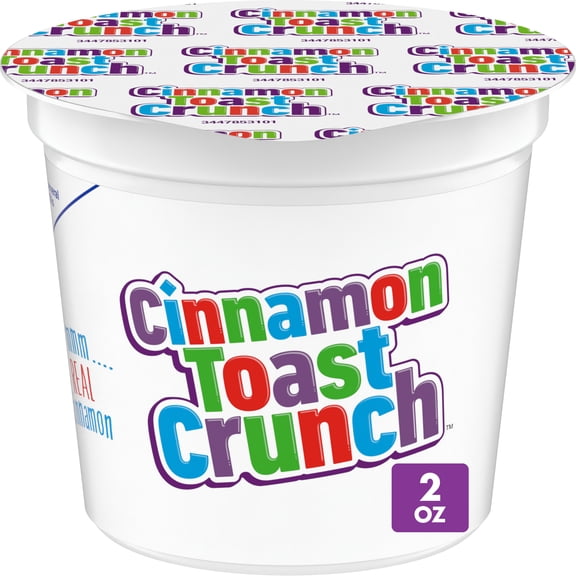
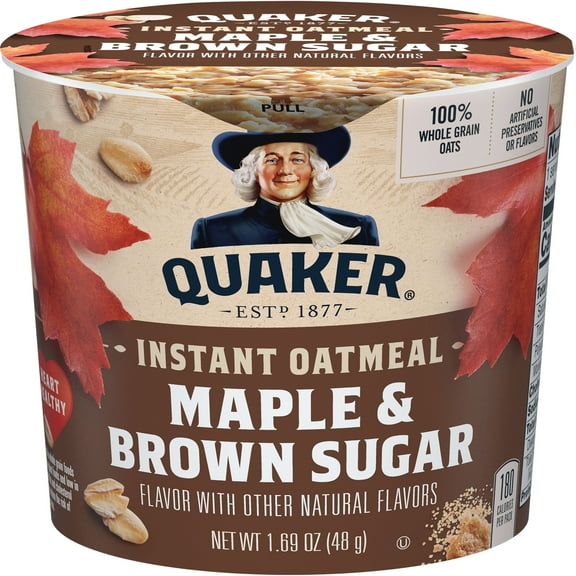
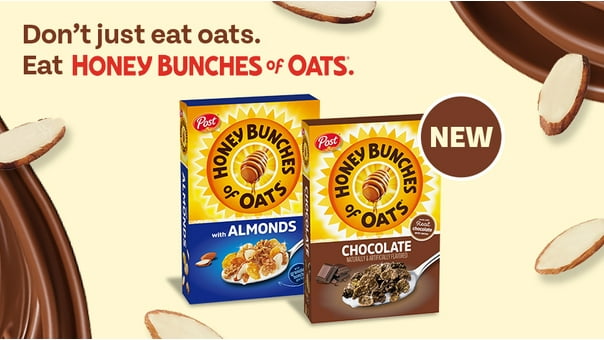
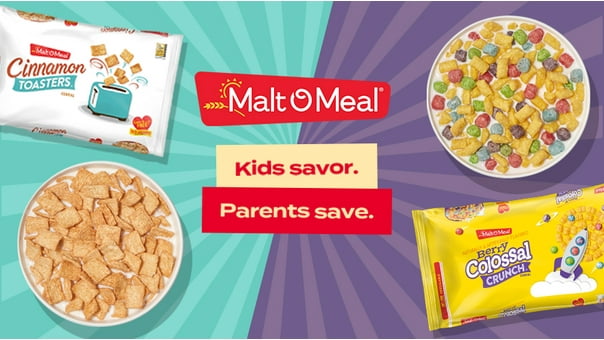
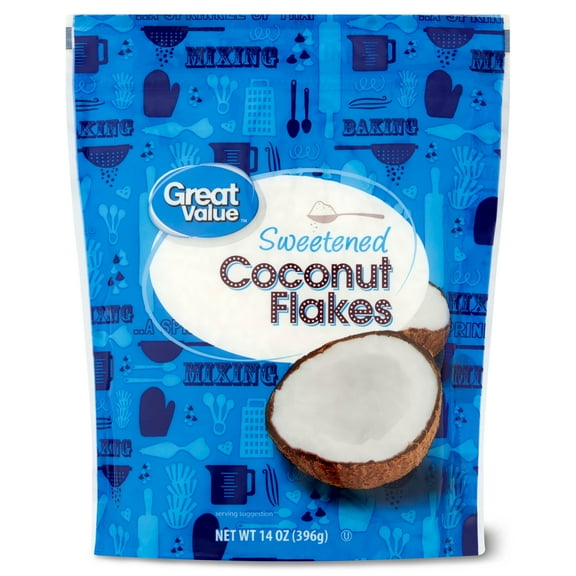
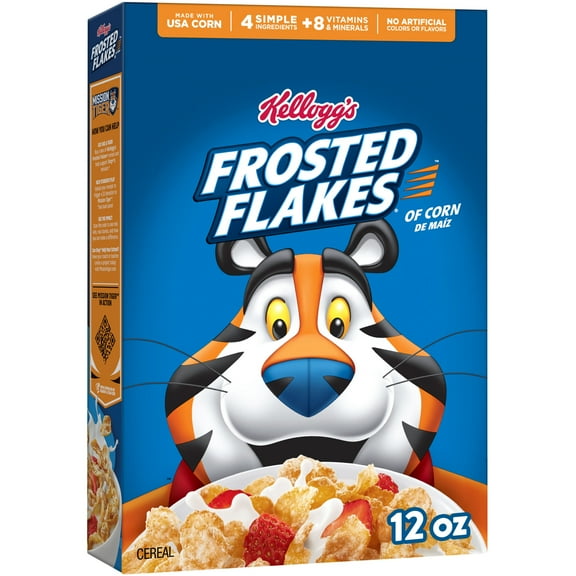
Transform your cereal into a sweet treat!


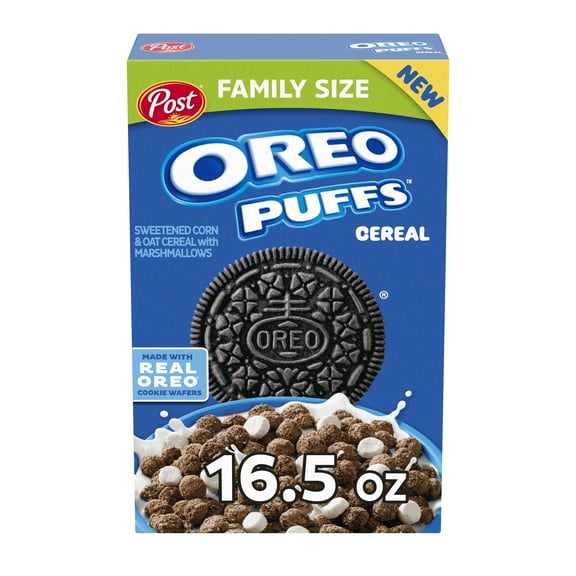
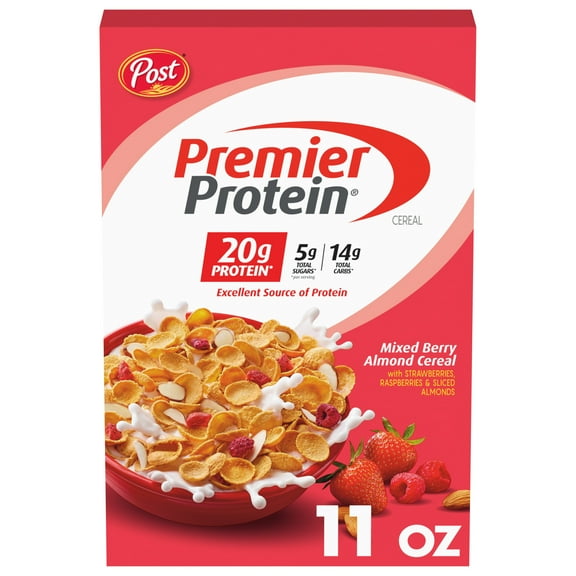
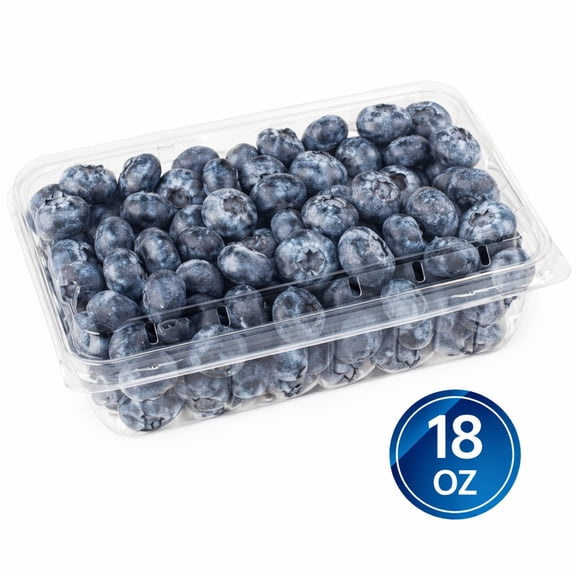


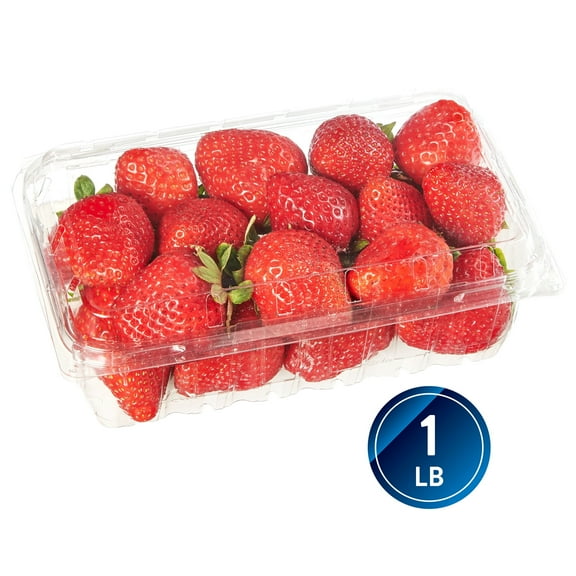
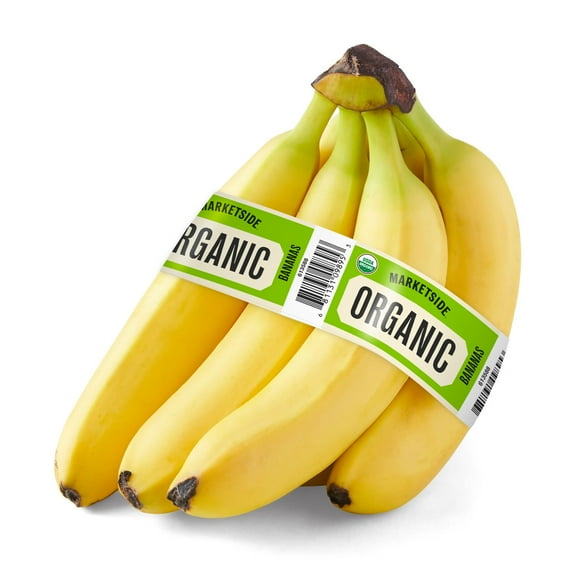
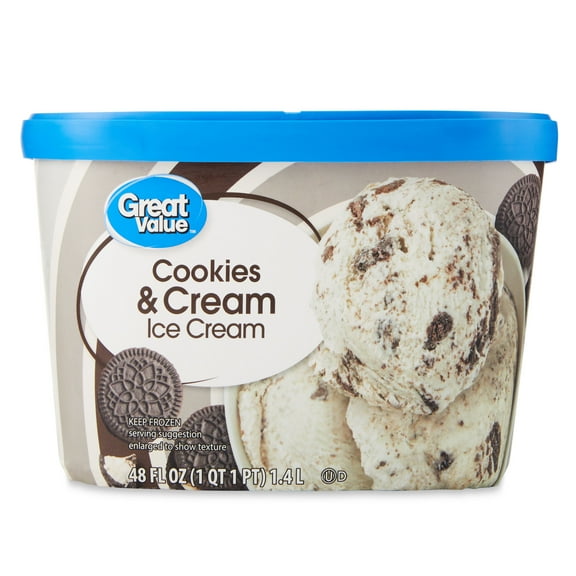
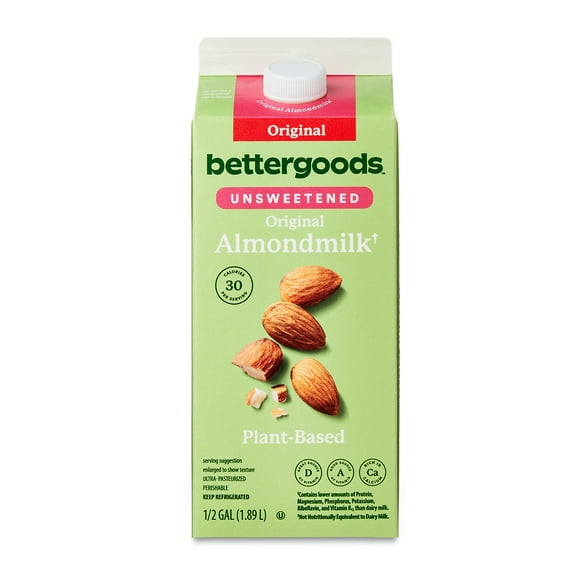
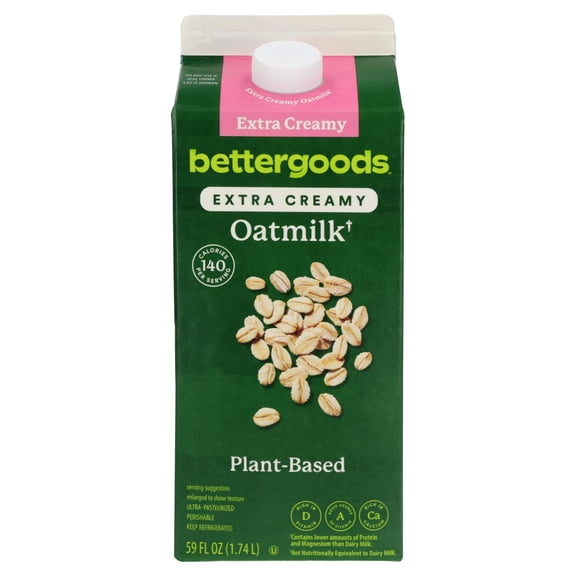
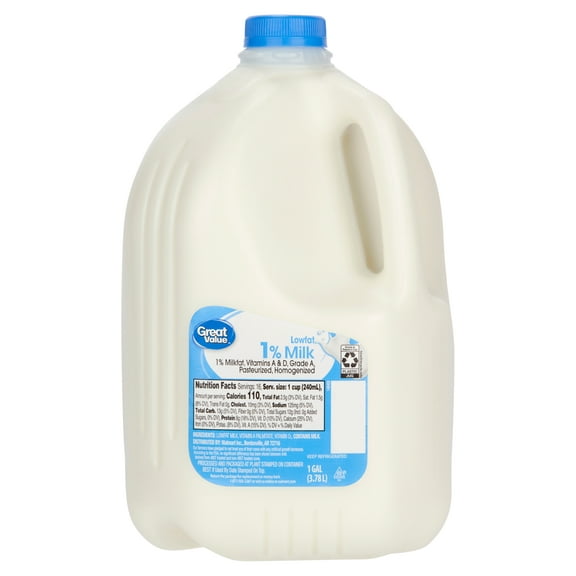
Don't forget the milk!



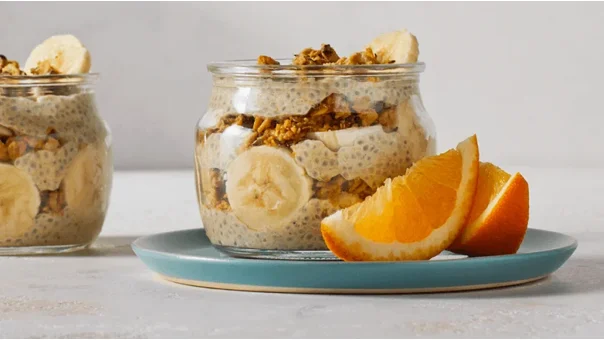
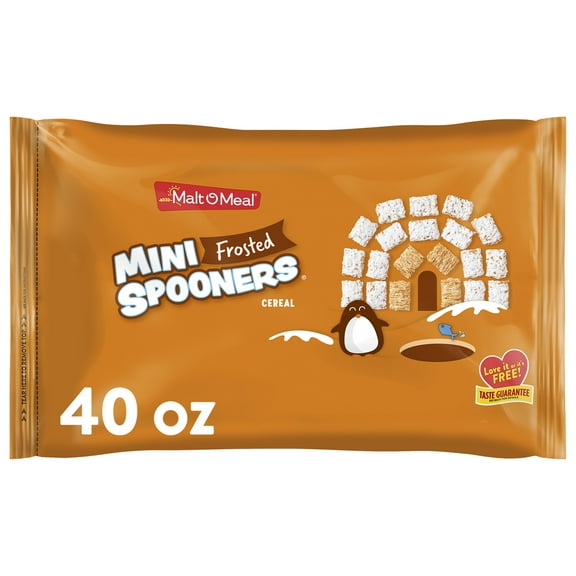
Cereal Bags
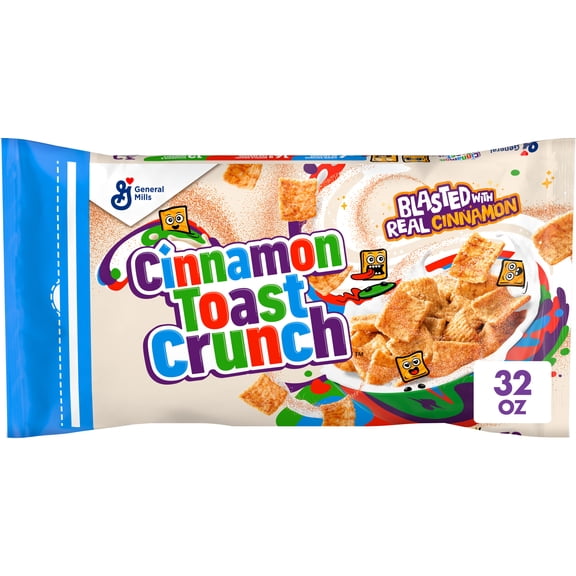
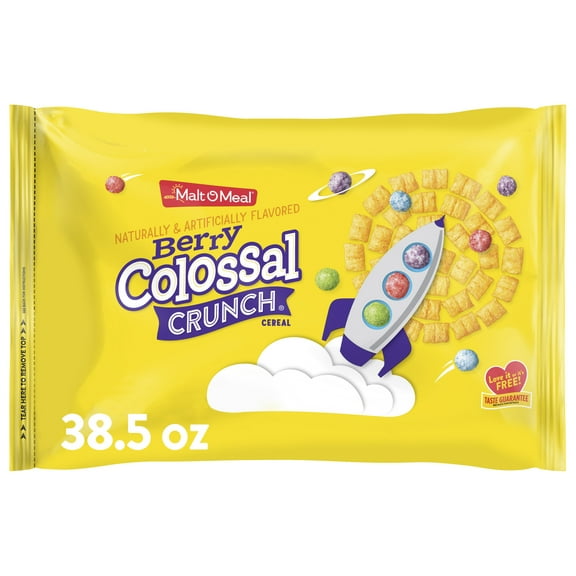


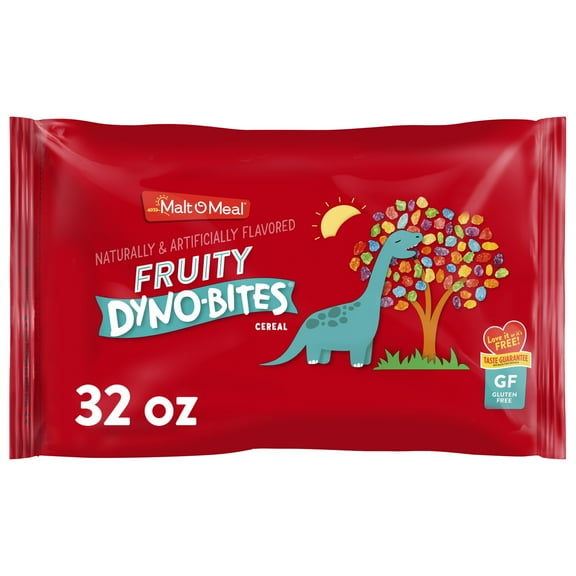
Granola

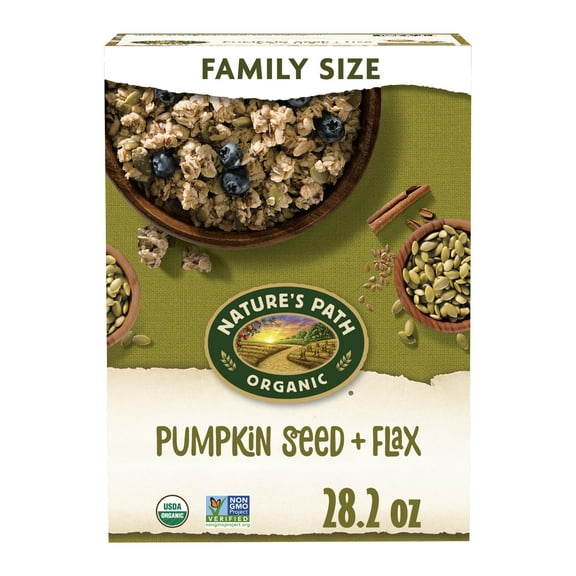
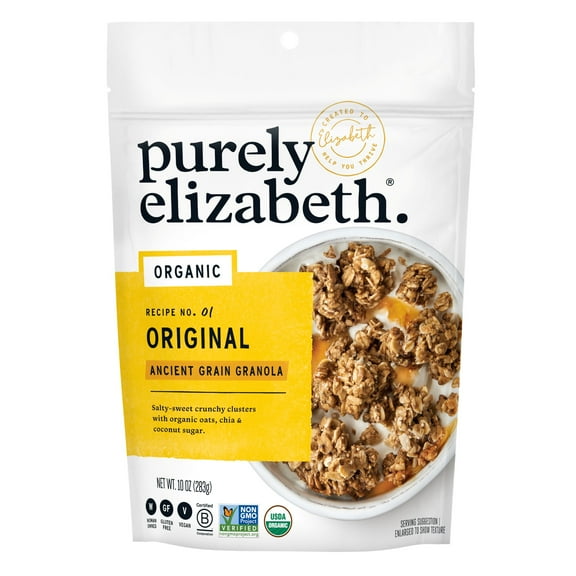


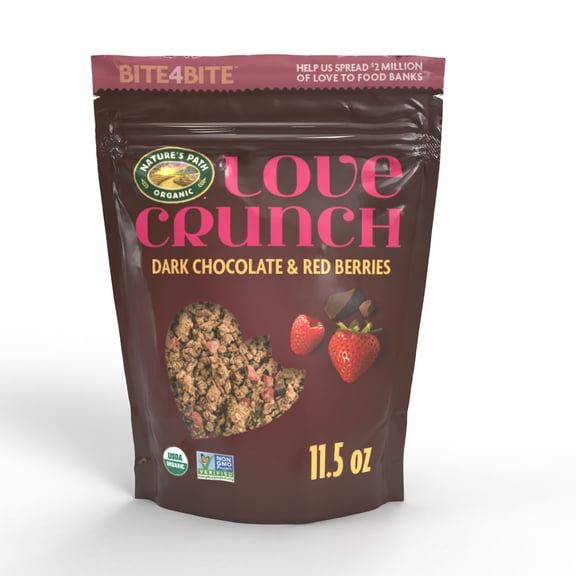
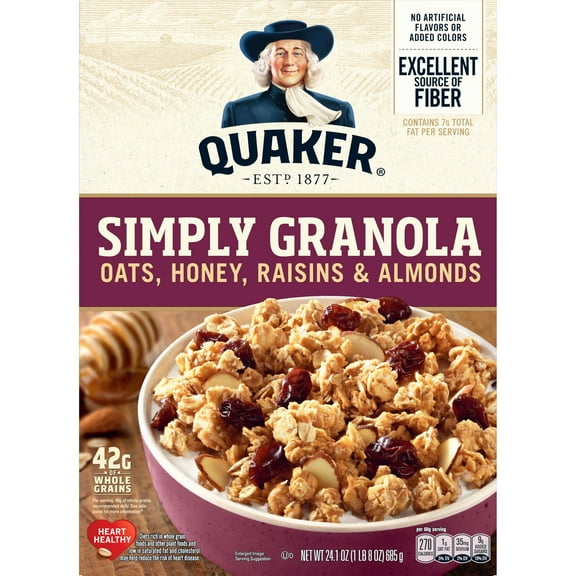
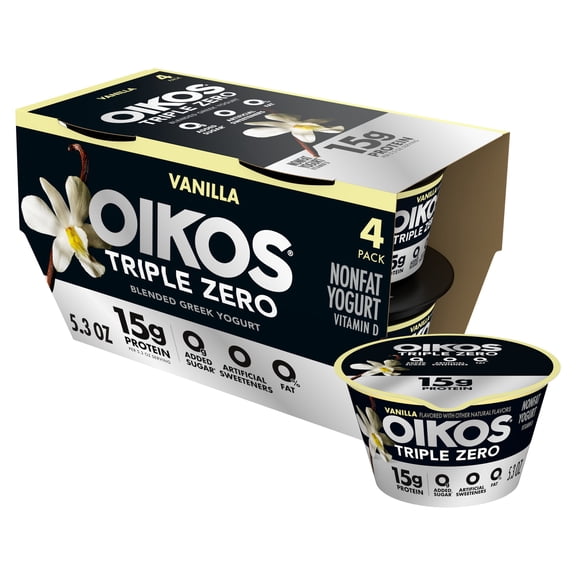
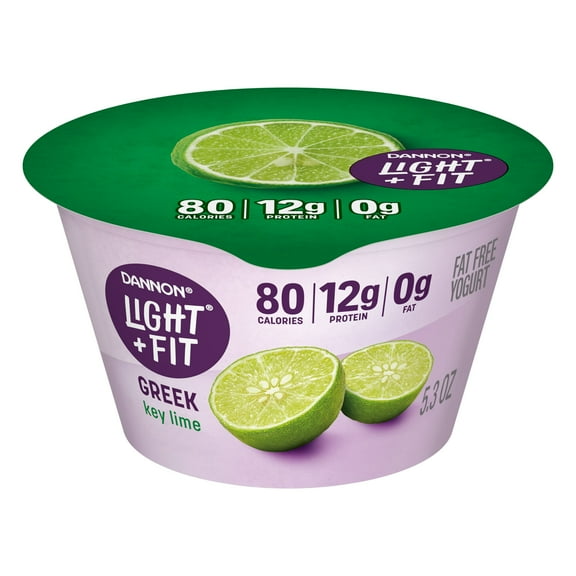
Add yogurt to your bowl
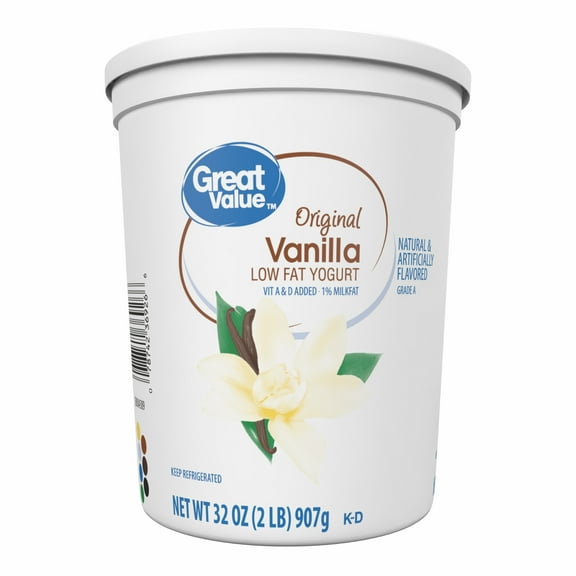
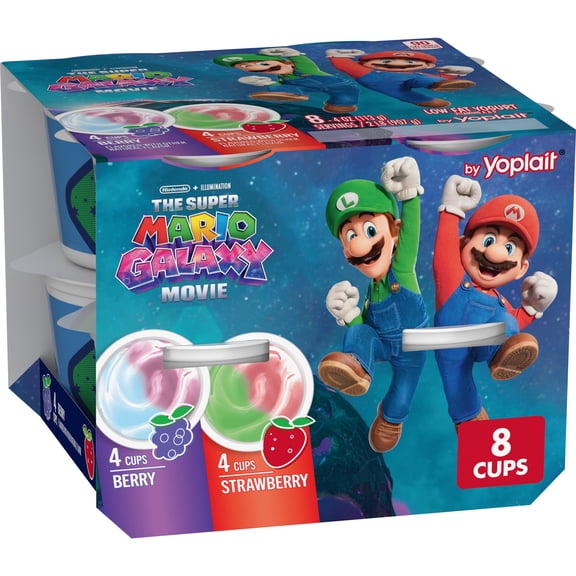
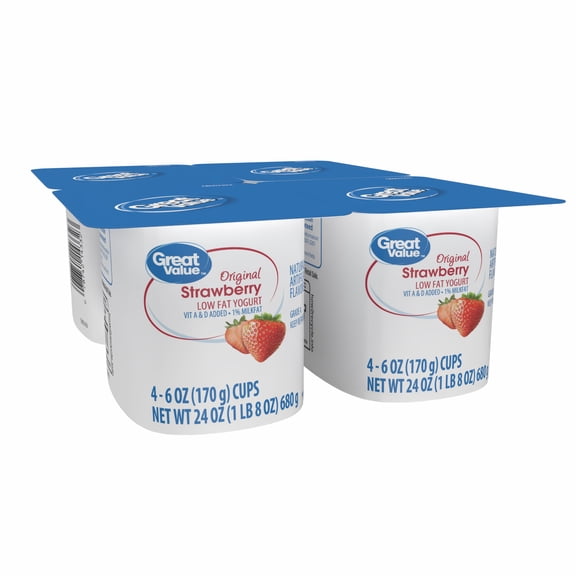





More choices


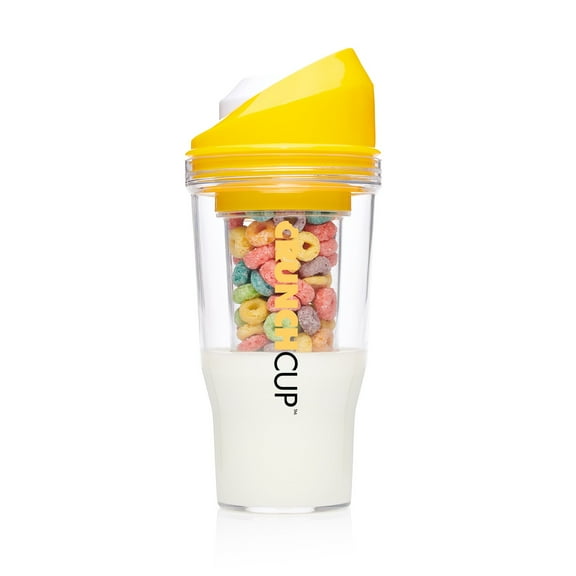
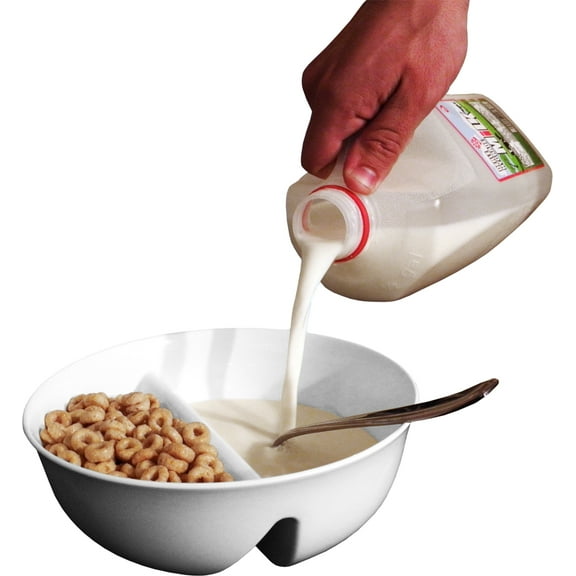
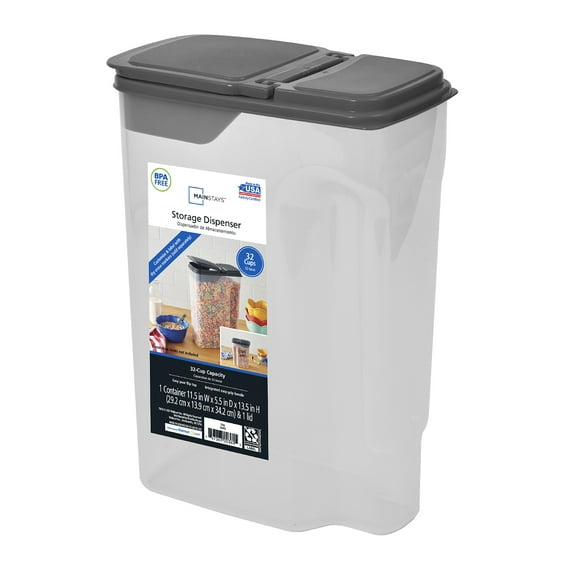
Cereal storage & accessories

FAQ
About Cereal - Walmart.com
You can compare cereal options by flavor, pack size, nutrition, and type before you choose what fits your mornings. You’ll find quick breakfast picks, pantry staples, and family boxes that match your routine.
If you’re stocking one household or several busy mornings, you can use this guide to narrow your cereal choices. You’ll also see how the cost of cereal can change with box size, ingredients, and format.
How to choose cereal for your routine
You can start with when and how you eat breakfast. If you want a fast pour-and-go option, you may prefer cold cereal, granola, or muesli.
When you want a warmer bowl, you can compare hot cereal styles that suit slower mornings. You’ll notice each cereal type supports a different texture, prep time, and topping style.
- You can choose cold cereal for quick weekday breakfasts and easy lunchbox add-ins.
- You can choose hot cereal when you want a warm bowl with simple stovetop or microwave prep.
- You can choose granola for crunchy clusters that pair well with yogurt and smoothie bowls.
- You can choose muesli when you want a less sweet mix with grains, fruit, or nuts.
You may also compare how each type holds up with milk, yogurt, or dry snacking. You’ll get a useful match when you choose cereal around your actual eating habits.
Choosing flavors and cereal types
You can narrow your options fast by choosing a flavor profile first. If your household likes sweet breakfast bowls, you might compare honey nut, cinnamon, fruity, chocolate, or frosted varieties.
If you want more flexibility, you can look at plain options that work with fresh fruit or nuts. You’ll have an easier time balancing sweetness when you build your bowl yourself.
Different flavors can also fit different ages and occasions in your home. You may keep fruity or chocolate cereal for quick breakfasts, then keep plain or cinnamon options for snacks and recipes.
You can also compare cold cereal against hot cereal within the same flavor preference. You’ll often find that flavor choice matters as much as texture when you’re planning repeat purchases.
Comparing cereal prices and pack sizes
You can make a smart pantry choice by matching pack size to how fast you finish a box. If you eat cereal often, family size, giant size, or multi-pack options may fit your week better.
When you want variety or you’re trying something new, you may prefer a single box. You’ll avoid overcommitting to one flavor before you know your household will finish it.
You can also compare cereal prices by looking at ounces, servings, and the number of boxes included. The cereal price on a shelf matters, but your total pick depends on how long each option lasts.
If you’re watching the cost of cereal across several breakfasts, you can compare cost per ounce in plain terms. You’ll often find larger boxes work well when your household reaches for the same cereal every day.
Multi-packs can help you stock more than one flavor without filling your cart with separate boxes. You can use them when you want easy backup options for school mornings or shared kitchens.
What to look for in nutritional choices
You can compare labels based on fiber, sugar, grains, and dietary preferences. If you want staying power at breakfast, you may look for high fiber and whole grain options.
When you’re checking sweetness, you can compare low sugar choices across flavors and cereal types. You’ll get a clearer picture when you review serving size beside the nutrition panel.
If dietary certifications matter in your home, you can check whether a cereal has a gluten-free label or an organic label. You should use those terms as decision points when you’re narrowing options for your pantry.
You may also wonder, is total cereal healthy, when you’re comparing familiar boxes. You can answer that by checking fiber, vitamins, whole grains, sugar, and how the serving fits your breakfast plan.
You can make nutrition work harder by pairing cereal with fruit, yogurt, or nuts. You’ll turn a simple bowl into a filling breakfast without changing your preferred flavor.
How to match cereal to real-life use cases
You can keep different cereal formats on hand for different parts of your week. If you need speed before work or school, you may reach for cold cereal in a family size box.
For slower mornings, you can choose hot cereal that feels hands-on and customizable. You’ll have room to add fruit, cinnamon, or nut butter based on the season.
If several people share breakfast, you can compare multi-pack assortments by flavor mix and box count. You may find that variety helps reduce waste because everyone can pick a cereal they’ll actually finish.
You can also plan around snacks, dessert toppings, and baking add-ins. Granola works well over yogurt, while plain or honey nut cereal can add crunch to snack mixes.
When you’re building a pantry for one person, you can focus on single box choices and flavor variety. If you’re buying for a larger household, you may lean toward giant size boxes with familiar flavors.
You can compare nutrition and pack size together when your household has different needs. A gluten-free option, a low sugar box, and a chocolate favorite can all fit the same weekly breakfast lineup.
You’ll make a confident choice when you compare cereal by type, flavor, nutrition, and package size together. You can build a breakfast setup that fits your mornings, your pantry space, and your household habits.