







Catfish Baits in Fishing Baits




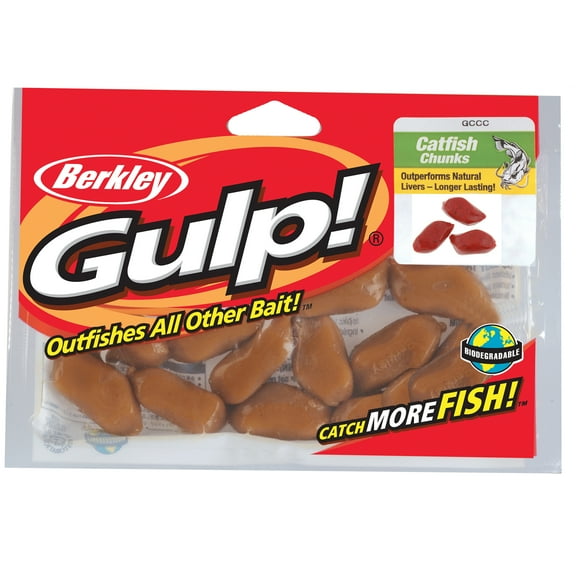


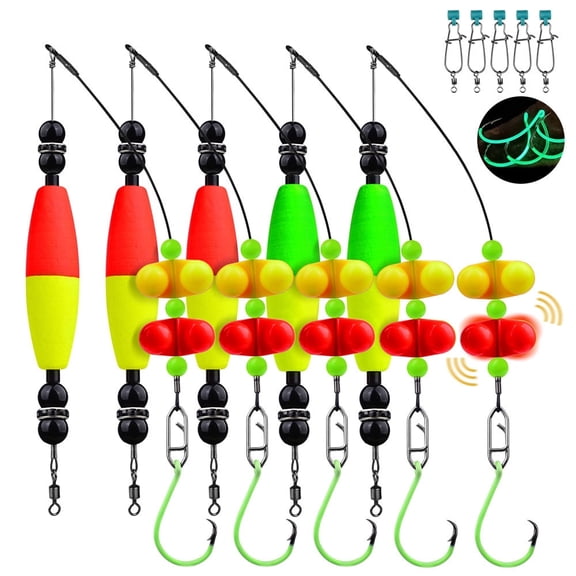


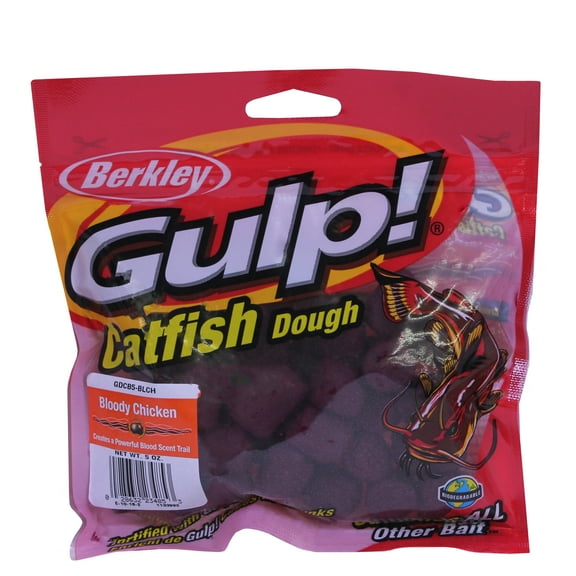


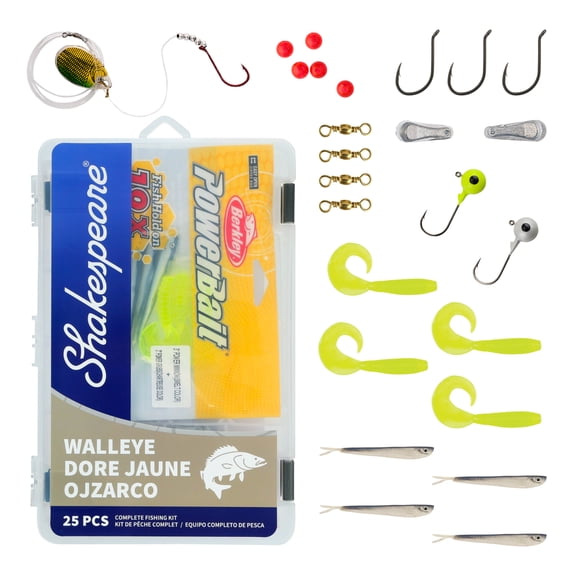










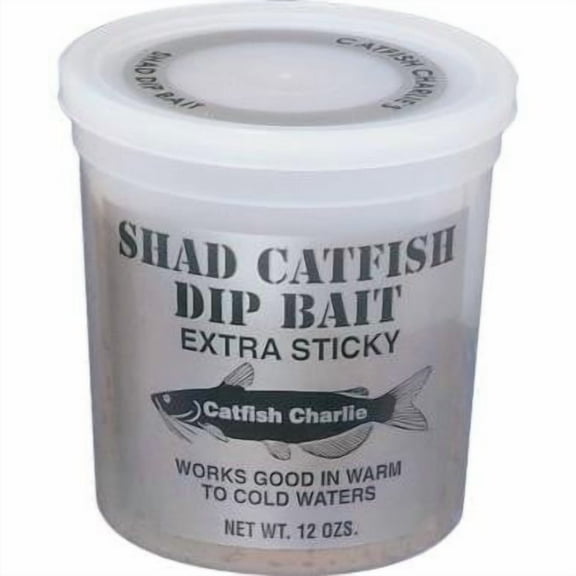
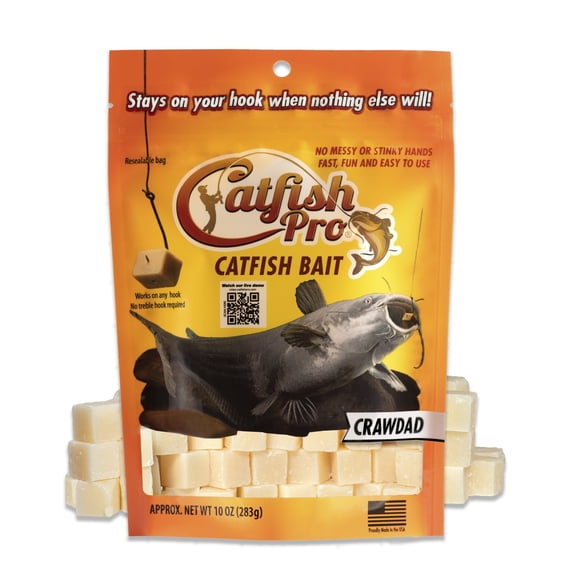
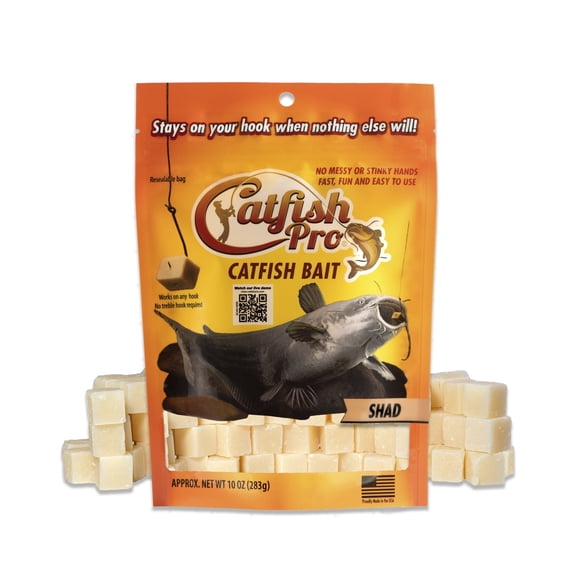


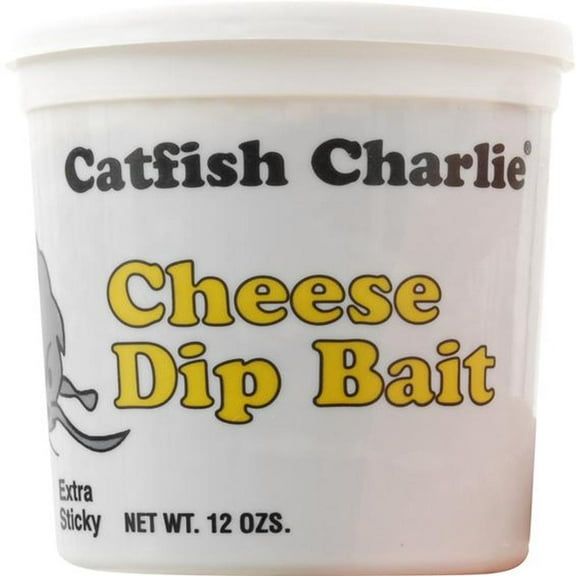




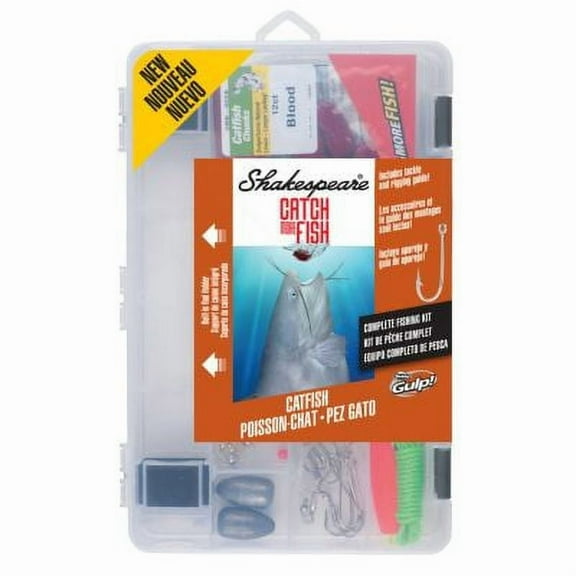


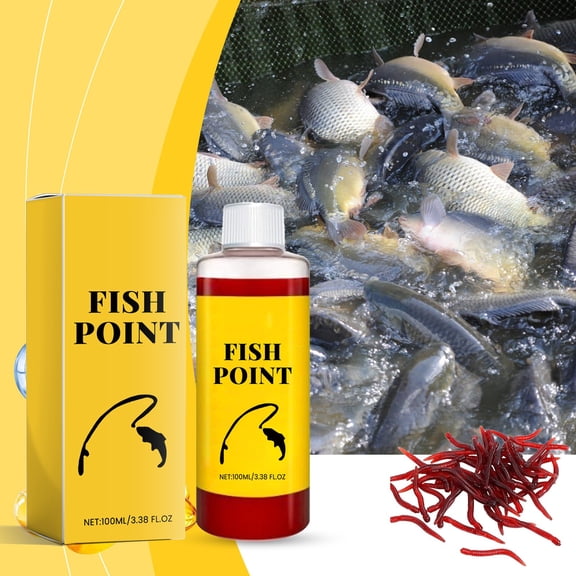

About Catfish Baits in Fishing Baits - Walmart.com
Catfish baits help you match scent, texture, and hook setup to the water you fish. You can compare dough, dip, stink, and chunk options to choose a bait that stays put and draws fish in.
If you fish ponds, rivers, or reservoirs, you need bait that fits your target species and rig. You can use this guide to compare bait type, scent profile, and form factor with less guesswork.
Choosing catfish baits by bait type
When you compare bait type first, you can narrow your options fast. You’ll usually choose between dough bait, dip bait, stink bait, and chunk bait based on texture and how you rig.
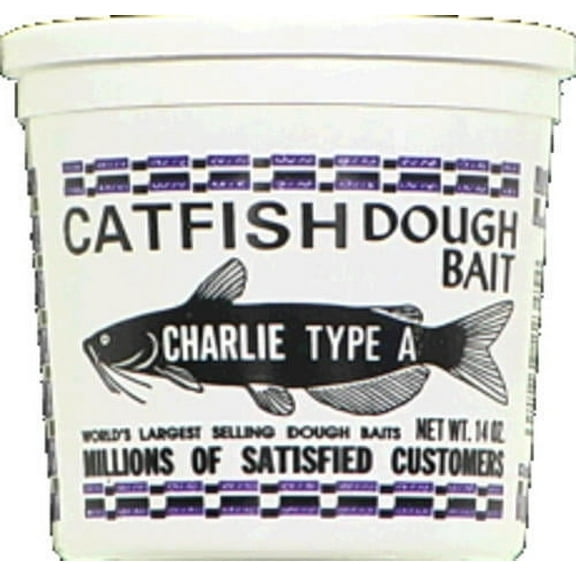
Dough bait gives you a moldable texture that you can press onto treble hooks or bait-holder hooks. You may prefer it when you want a firmer bait that handles moderate current.
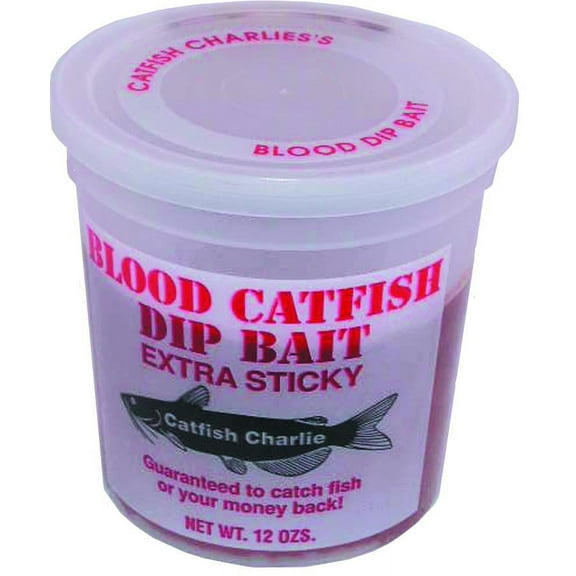
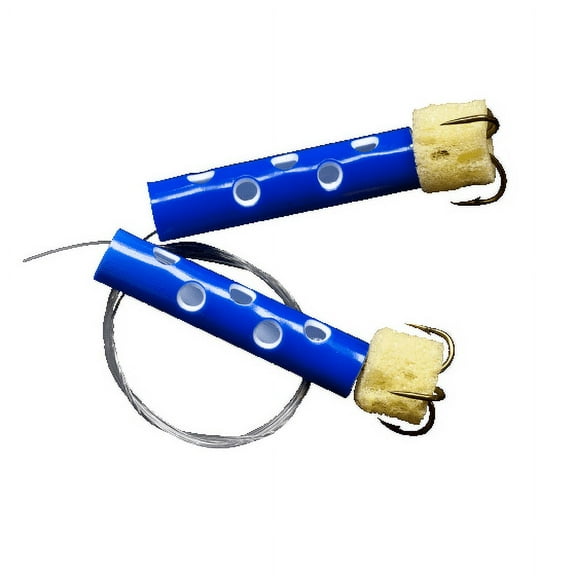
Dip bait has a softer texture, so you’ll often pair it with dip worms, spring rigs, or bait holders. You can use it when you want a strong scent trail that spreads through the water quickly.
Stink bait for catfish usually focuses on bold scent and soft consistency. You may choose it when you want quick scent release around docks, banks, or slow-moving water.
Chunk bait gives you cut pieces that you can rig more directly on larger hooks. You can turn to it when you’re targeting bigger fish and want a natural-looking presentation.
What to look for in stink bait for catfish and dough bait
You should compare how each bait holds up in current before you choose. Dough bait often stays on the hook longer, while softer dip formulas can wash off faster.
That difference matters when you fish rivers or spillways with moving water. You may want firmer catfish dough bait when you’d rather recast less often and keep your bait in place.
Soft dip styles can still work well when you refresh the bait regularly. You’ll often notice catfish dip bait creates a wider scent cloud that helps fish locate your spot.
- You can choose dough bait when you want firmer hook coverage and steadier hold.
- You can choose dip bait when you want faster scent spread in still or slow water.
- You can choose stink bait when you want strong odor output and simple bank-fishing setups.
- You can choose chunk bait when you want a meat-style option for larger hooks.
You should also compare scent profiles like blood, cheese, shrimp, and garlic. You can switch scents when water conditions change or when fish respond to one trail more quickly.
Blood and shrimp profiles can help you create a rich scent path in murkier water. Cheese and garlic options can give you another way to test what fish are following that day.
Comparing form factor, scent trail, and rigging
Form factor changes how you handle bait on the bank or in the boat. You can pick nuggets, paste, liquid dip, or pre-formed pellets based on how much contact you want with the bait.
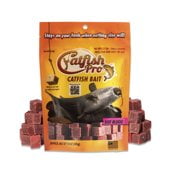
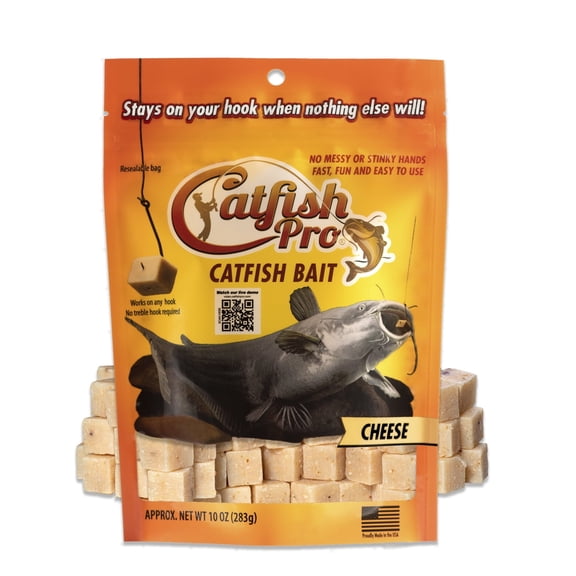
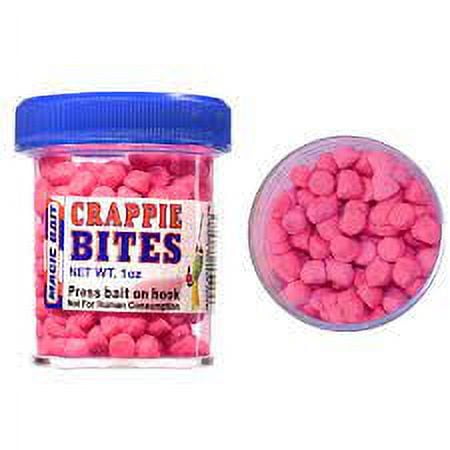
Nuggets and pellets usually feel easier to store, portion, and place on the hook. You may like them when you want a cleaner setup and quick rebaiting between casts.
Paste and liquid dip formats can coat rigs more completely and release scent fast. You should check whether your setup uses treble hooks, bait holders, dip worms, or spring rigs.
That rigging step matters because soft baits need support to stay in place. You can avoid frustration when you match soft formulas with the right holder or spring-style rig.
Scent dispersion radius sounds technical, but you can think of it as how far the odor trail travels. You want that trail to move through the water and pull catfish toward your baited hook.
In calmer water, you may prefer a bait that releases scent steadily around a fixed spot. In current, you may need a texture that stays attached while still sending out scent downstream.
Matching bait to channel catfish and other target species
Target species can shape your bait choice more than you might expect. You can start with channel catfish bait styles that balance scent, manageable size, and easy rigging.
For channel cats, you may lean toward dough, dip, or stink formulas in cheese, blood, or garlic scents. You can use those combinations when you want broad scent appeal in lakes, ponds, and rivers.
When you fish for blue catfish, you may step up hook size and consider chunk-style options. You can also test stronger scent formulas when you’re covering deeper water or wider areas.
For flathead catfish, you may focus more on presentation and hook fit around larger offerings. You should compare bait texture and rig style so your setup stays secure during longer waits.
If you fish from shore, you may want cleaner nuggets or pre-formed pellets for quick casts. If you fish from a boat, you can manage softer dips and pastes with less hassle.
Beginners often do well when they start with easy-to-handle catfish baits and simple rigs. You can then branch into softer dip formulas once you know how often you want to rebait.
Using catfish baits in real fishing situations
On a muddy riverbank, you may want stronger scent and a bait that matches moving water. You can try firmer dough or supported dip rigs when current makes bait retention harder.
At a pond or dock, you may want a fast scent trail around a fixed casting zone. You can use dip or stink styles when you’re trying to draw fish from nearby cover.
During longer sessions, you may appreciate form factors that are easy to portion and reapply. You can keep your setup consistent when nuggets, pellets, or paste match your rig and routine.
When conditions change, you can adjust one variable at a time and stay organized. You might switch from cheese to shrimp, or from dip bait to dough bait, and track what gets attention.
With the right bait type, scent profile, and rig, you can fish more confidently in each spot. You’ll get a clearer path to the setup that fits your water, your target, and your casting style.