

Case IH Cooling in Case IH Parts




















About Case IH Cooling in Case IH Parts - Walmart.com
Case IH cooling parts help you keep tractors and harvest equipment ready for long workdays. You can compare radiators, water pumps, thermostats, fans, and hoses by fit, material, and operating demands.
If you maintain older or hard-working equipment, you need replacement parts that match your series and engine details. You can use this page to focus on compatibility, installation points, and cooling capacity before you choose.
How to choose Case IH cooling parts
When you compare Case IH cooling parts, start with your equipment type and series. You should check whether your machine is a tractor, combine, harvester, or utility vehicle.
Your series matters because mounting points, hose routing, and engine layouts can differ. You should confirm your Maxxum Series, Magnum Series, Puma Series, or Farmall Series before ordering.
OEM part number cross-reference is another key step for your selection. You can match your existing number to help confirm fit with your Case IH cooling system.
- You can narrow choices faster when you verify your equipment type first.
- You can avoid mismatch issues when you compare OEM numbers and engine model details.
- You can support steady airflow and coolant movement when you replace worn cooling components together.
- You can prepare for field work by checking hoses, clamps, and mounting points during planned maintenance.
Choosing the right component type
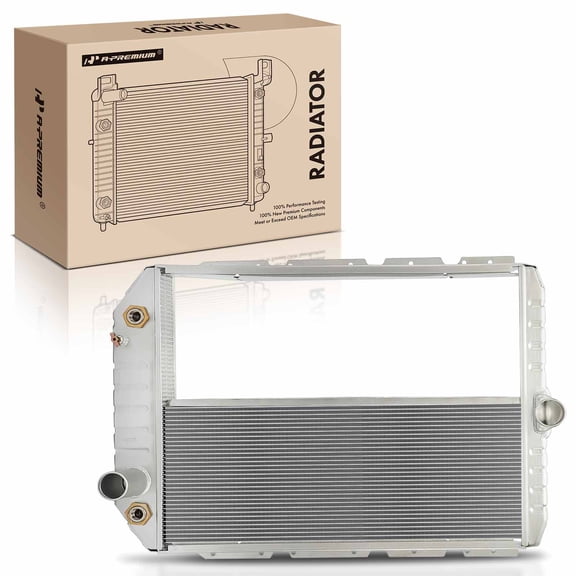
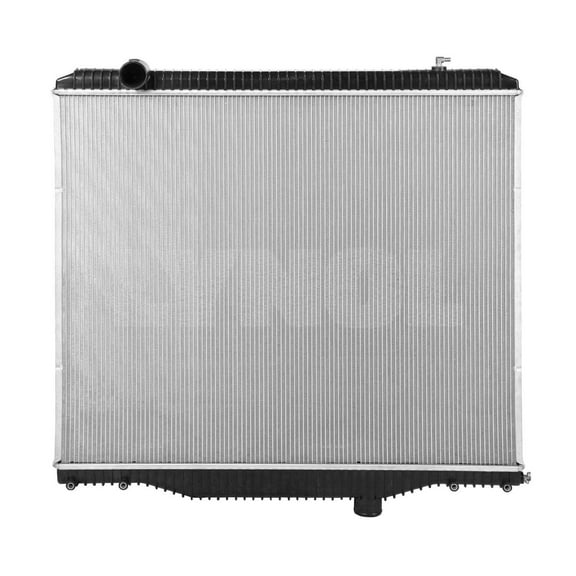
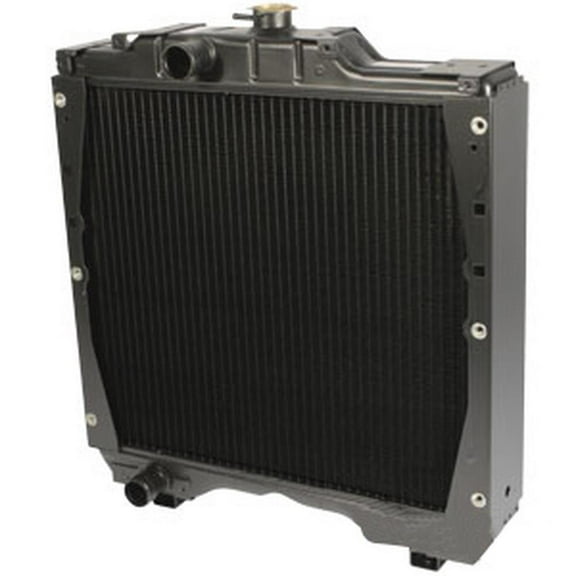
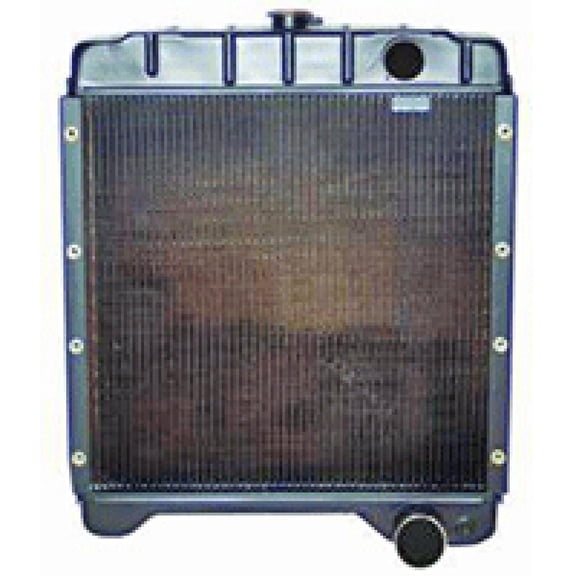
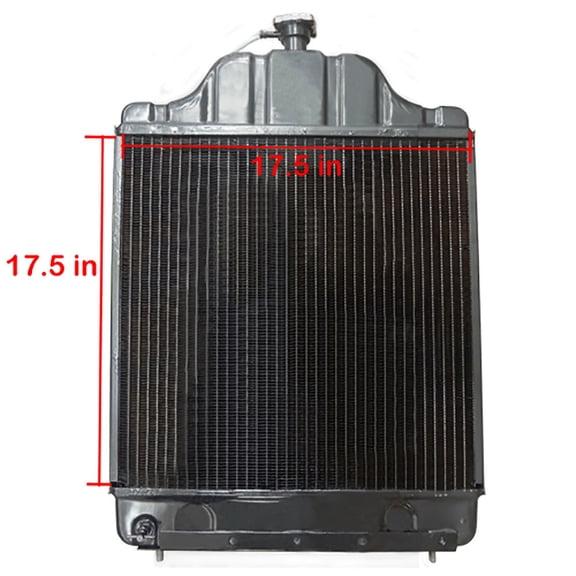
You should choose a radiator when your machine needs the main heat exchange component. You can look at core thickness and row count to understand cooling capacity for heavy field use.
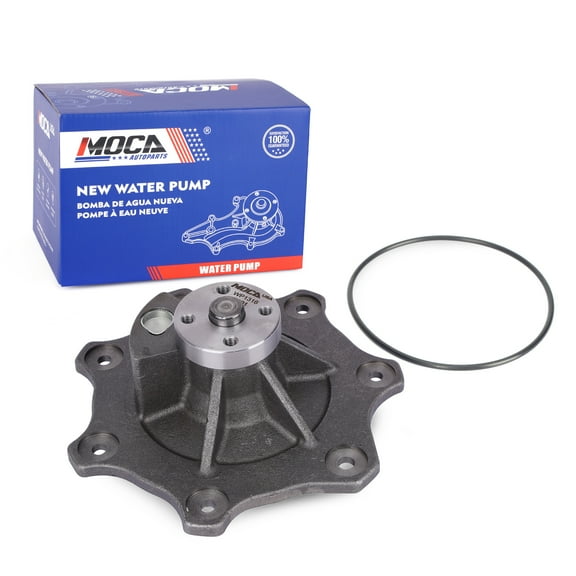
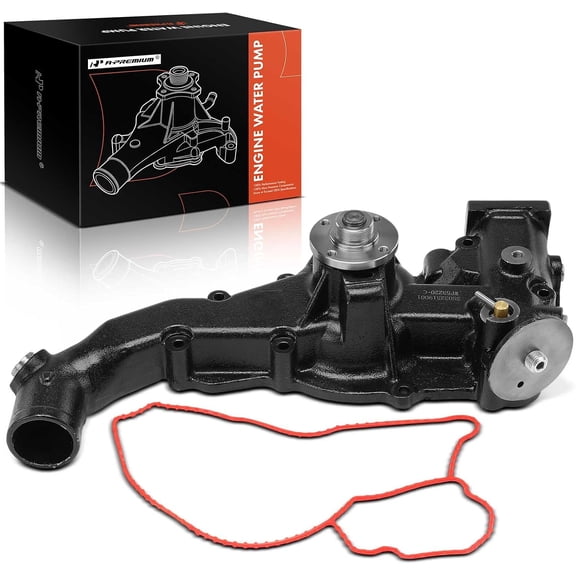
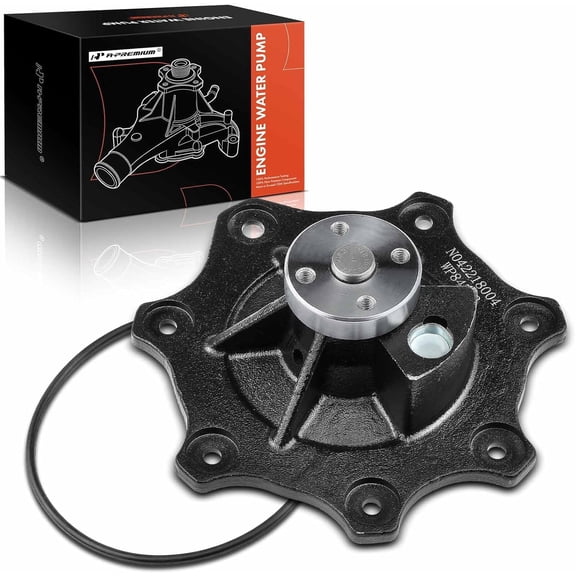
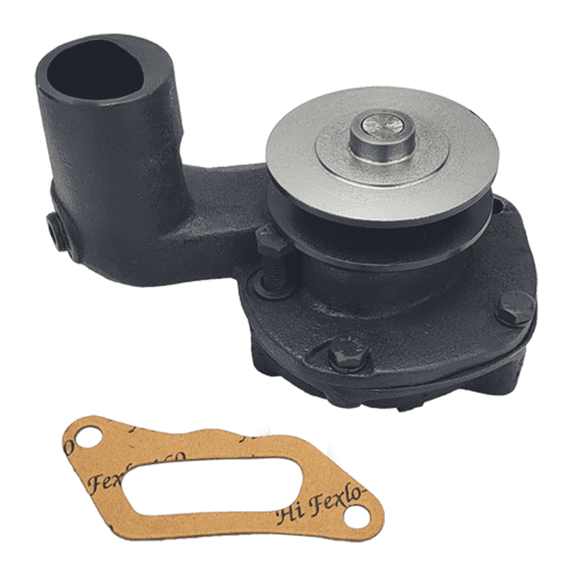
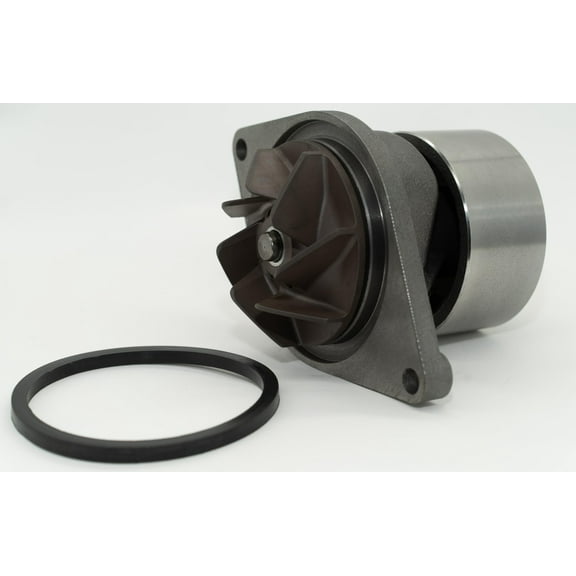
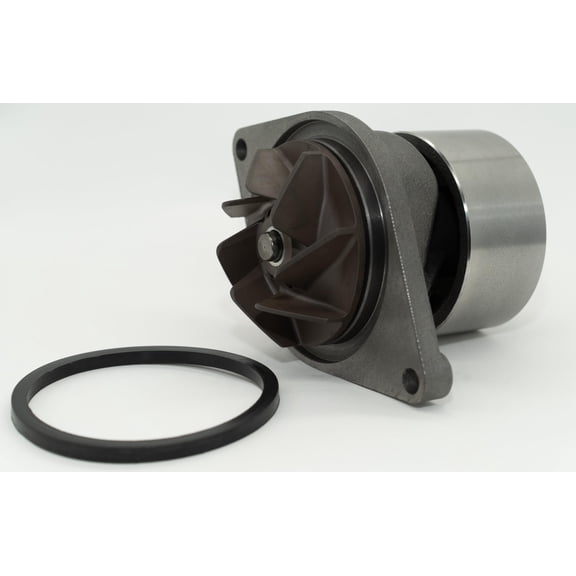
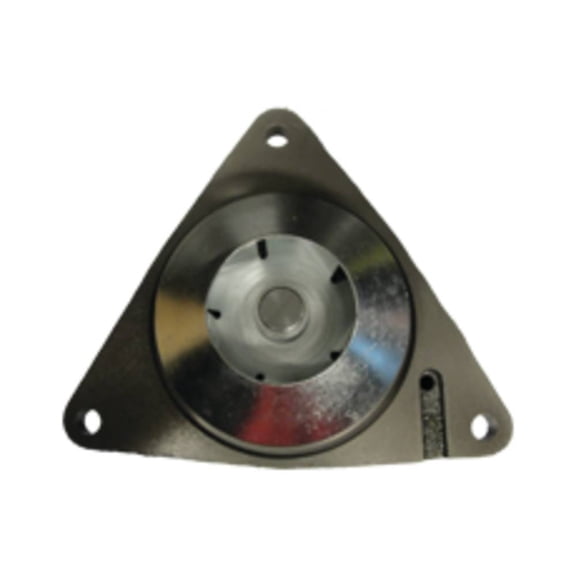
If you need coolant circulation, you may compare each Case IH water pump by housing shape and port layout. You should check whether pulley alignment and bolt hole placement match your equipment.
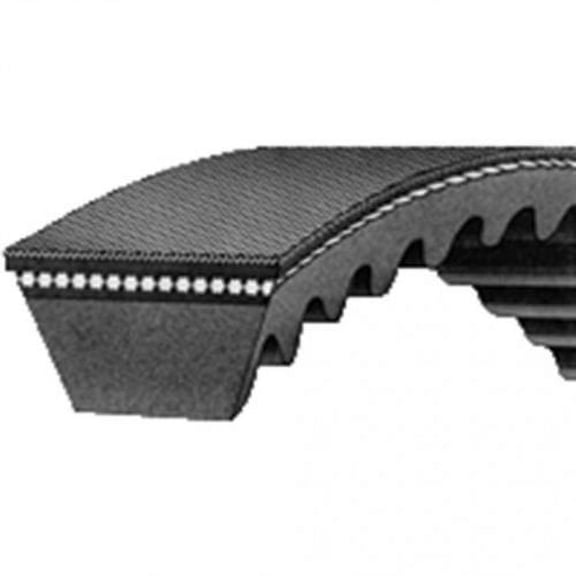
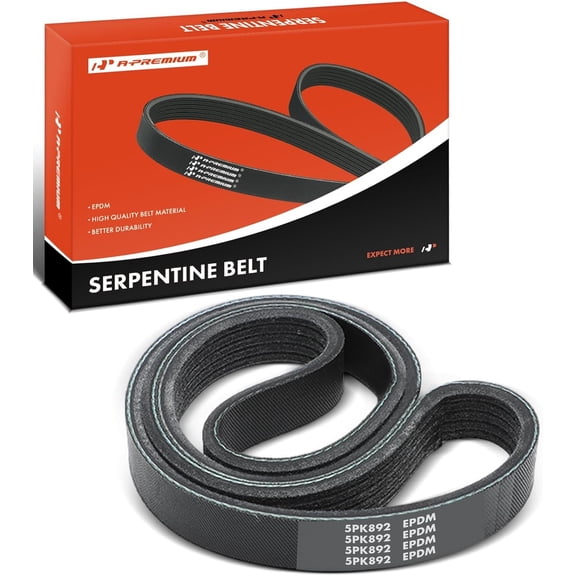
A Case IH thermostat helps you restore proper opening temperature within your cooling circuit. You can also compare cooling fans and hoses when airflow or coolant routing needs attention.
Your component choice often depends on how you use your machine through planting, mowing, transport, or harvest. You may need tractor replacement cooling parts that suit steady operation in dusty, vibration-heavy conditions.
What to look for in compatibility and installation
You should confirm engine model details before you choose any cooling part. You can compare port configurations, hose diameters, and bolt patterns to reduce fit questions.
Installation details matter when you replace a Case IH tractor radiator or pump assembly. You should check whether your part includes gaskets or whether your setup uses separate seals.
Mounting tabs and inlet locations can affect how smoothly your replacement fits. You can save time when you measure your current part and compare each visible connection point.
If you service more than one machine, you may want to organize parts by series and component type. You can use that approach to compare Farmall and Magnum cooling layouts more clearly.
Comparing materials and durability
You should compare materials because your equipment often runs through dust, vibration, and long engine hours. You can choose aluminum, copper-brass, heavy-duty plastic, or steel based on the component design.
Aluminum radiators can appeal to you when you want a lighter construction with efficient heat transfer. Copper-brass options may suit you when you prefer a traditional build for certain replacement setups.
Heavy-duty plastic appears in some tanks and housings where molded shapes matter for fit. Steel components may support brackets, fan parts, or hardware where strength and rigidity count.
You should also compare OEM replacement and aftermarket alternative part types as decision paths. You can use those categories to narrow fit expectations, construction style, and replacement goals.
Matching cooling capacity to your workload
Your machine's workload affects how you choose tractor cooling system parts. You should consider field size, engine load, idle time, and seasonal heat when you compare cooling capacity.
Core thickness and row count can tell you how much heat a radiator can move. You can look for those details when your equipment handles long pulls or repeated stop-and-go tasks.
A fan and hose setup also supports how evenly your system moves air and coolant. You should inspect surrounding parts because one weak connection can limit your overall cooling performance.
If you maintain a combine or harvester, you may need extra attention on dust-heavy operating conditions. You can compare durable materials and precise fit points for equipment that runs through debris-filled fields.
Using category attributes to narrow your fit
You can make faster choices when you compare one attribute at a time. Start with equipment type, then move to component type, series compatibility, material, and part type.
For a tractor in the Puma Series, you might first confirm a radiator or thermostat by OEM cross-reference. For a utility vehicle, you may focus on hose routing and compact mounting space.
If your machine works through long harvest days, you may compare aluminum radiators with heavy-duty fan components. If your repair is routine, you might focus first on a thermostat or hose replacement.
You should use the same method for combines, harvesters, and field tractors across your fleet. That process helps you compare Case IH tractor parts with fewer fit surprises and clearer replacement planning.
Case IH cooling parts are easier to choose when you lead with series fit, installation details, and cooling capacity. You can keep your equipment maintenance focused and your replacement search more precise.