

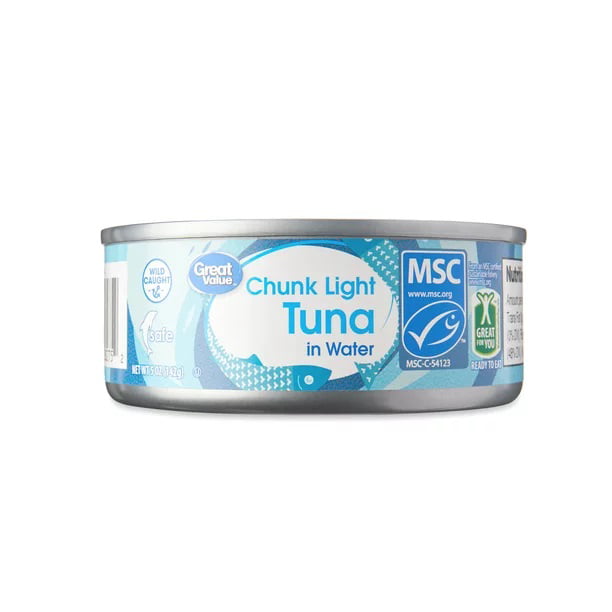
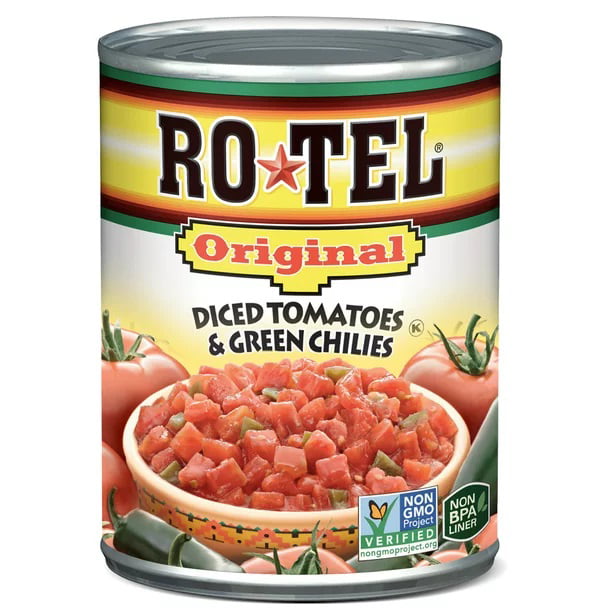
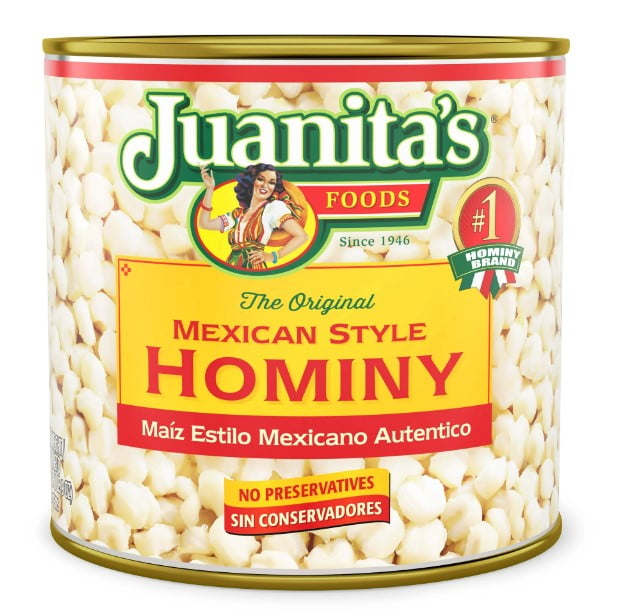
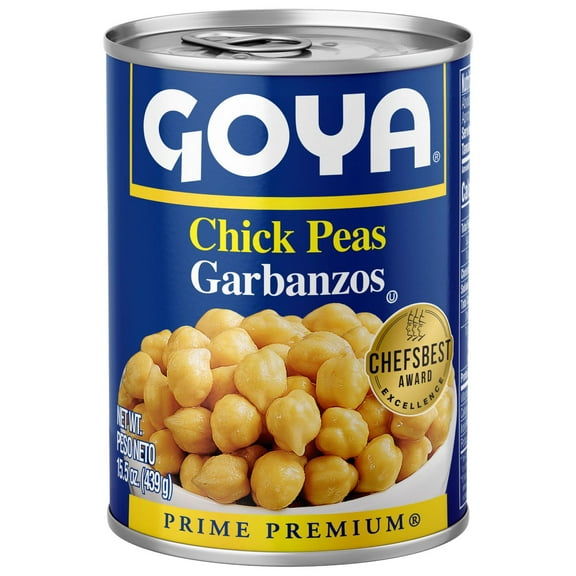
Canned goods in Pantry








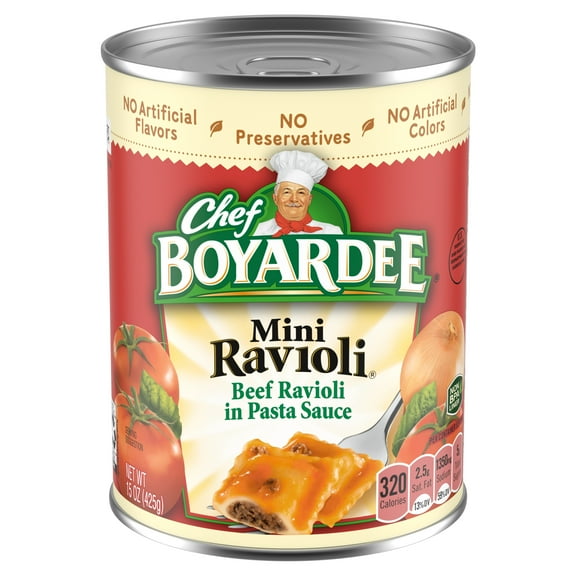
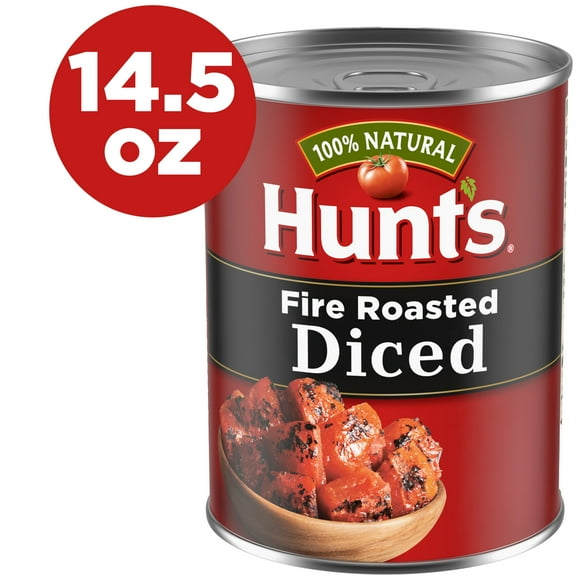

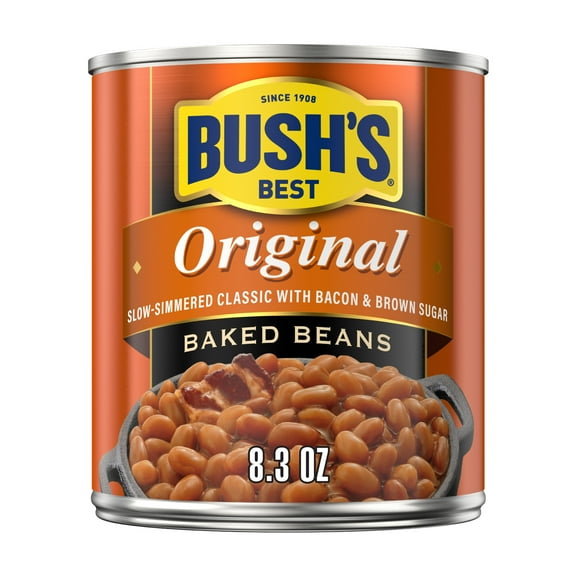
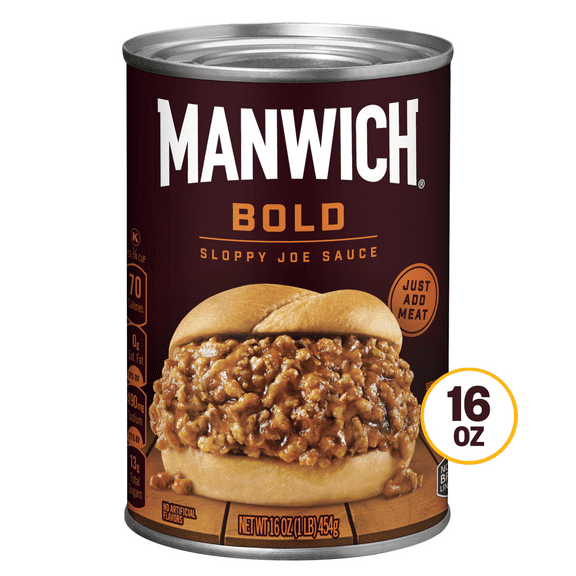



About Canned goods in Pantry - Walmart.com
You can stock canned goods for quick meals, pantry planning, and steady kitchen routines. You’ll find options for vegetables, fruits, soups, beans, and meats that match your recipes and shelf space.
When you compare canned options, you can focus on food category, dietary details, package size, and preservation style. You’ll make quick decisions when you know which contents fit chili, soups, sides, baking, or emergency food supply planning.
How to choose canned goods by food category
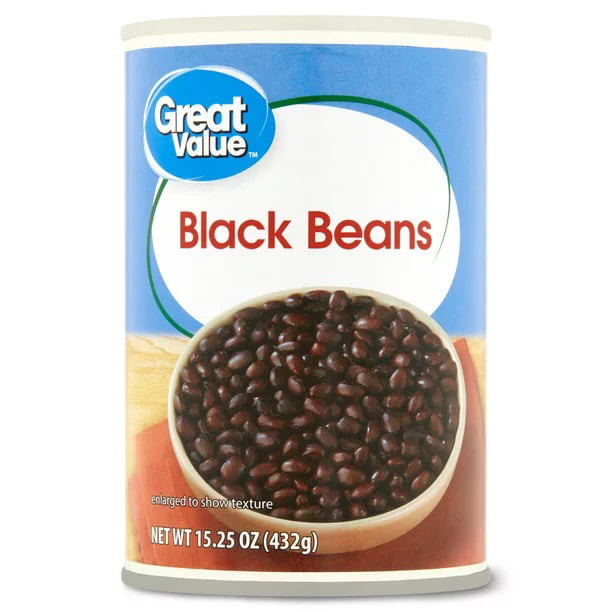
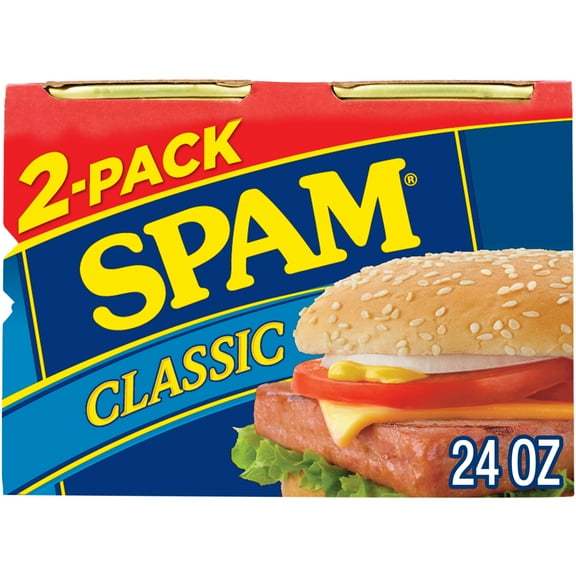
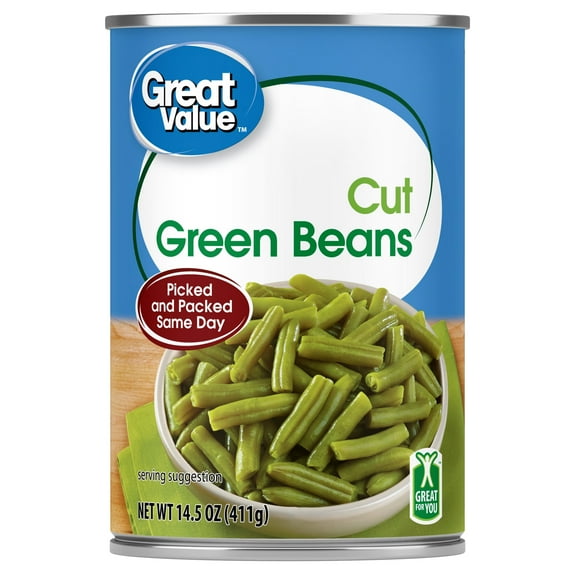
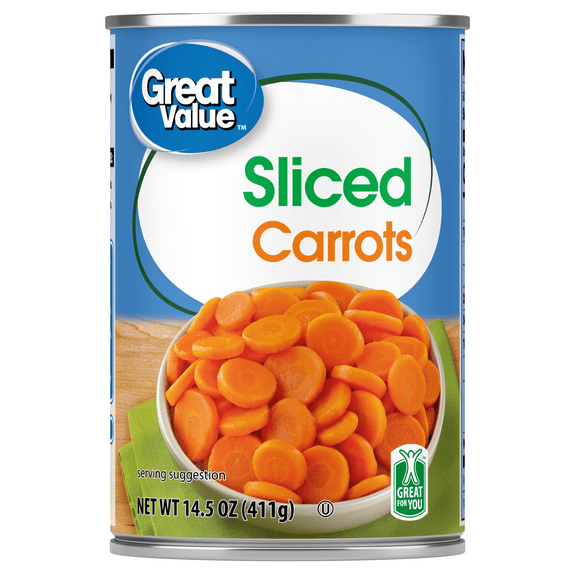
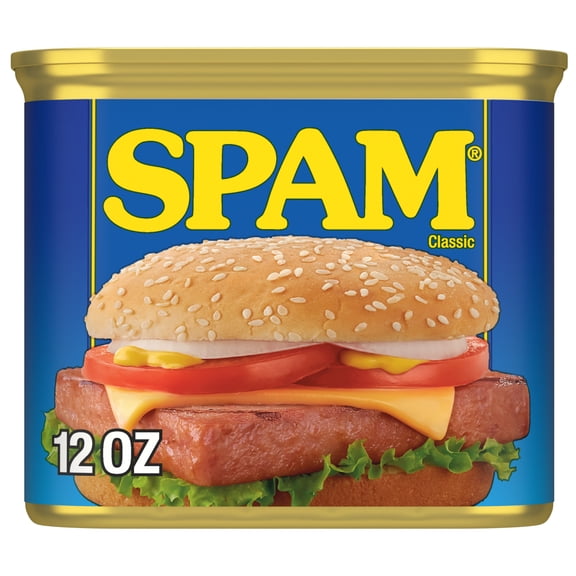
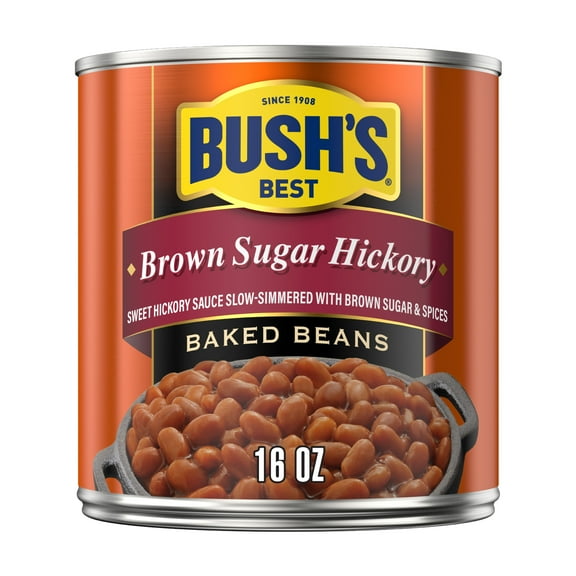
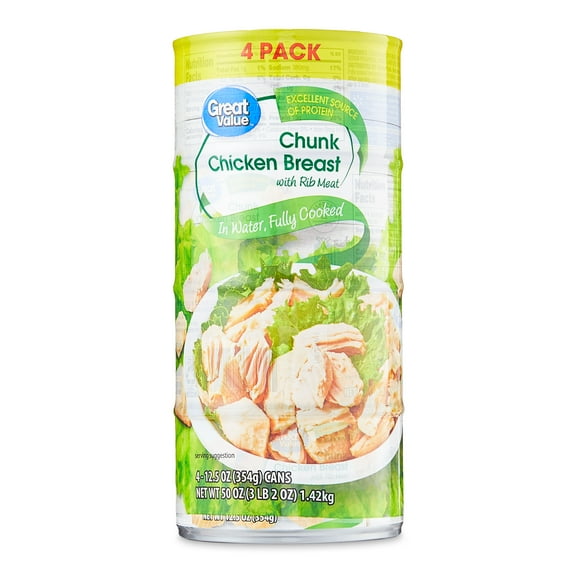
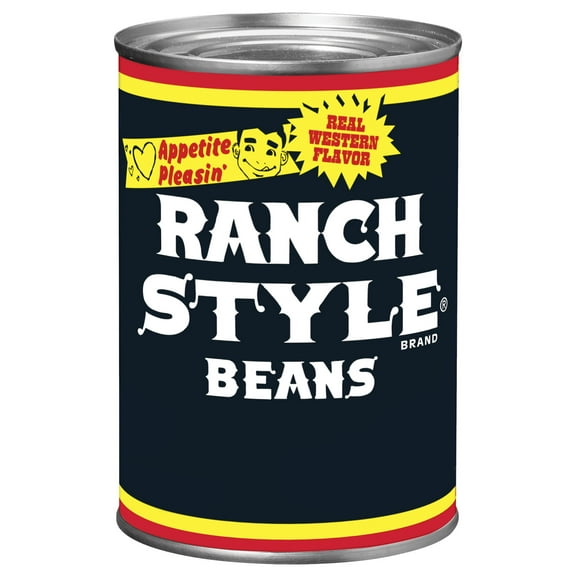
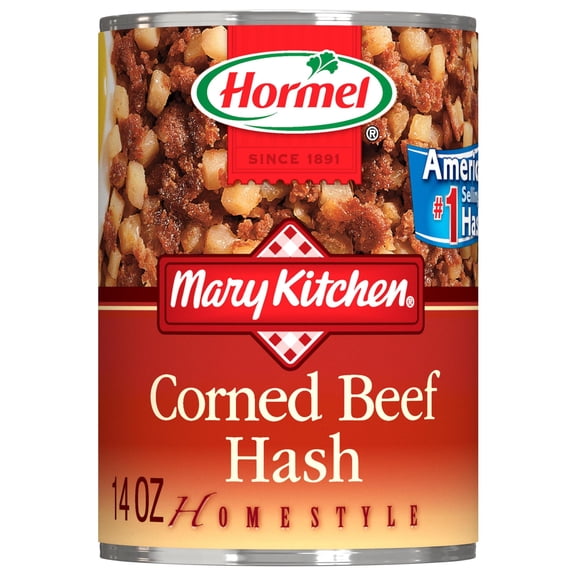
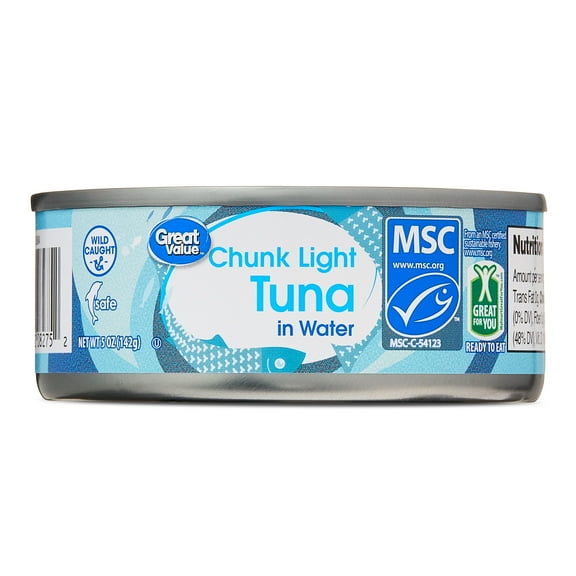
You can narrow your choices by thinking about the meals you make frequently during the week. You’ll often use canned vegetables in casseroles, canned beans in tacos, and canned meat in sandwiches or skillet meals.
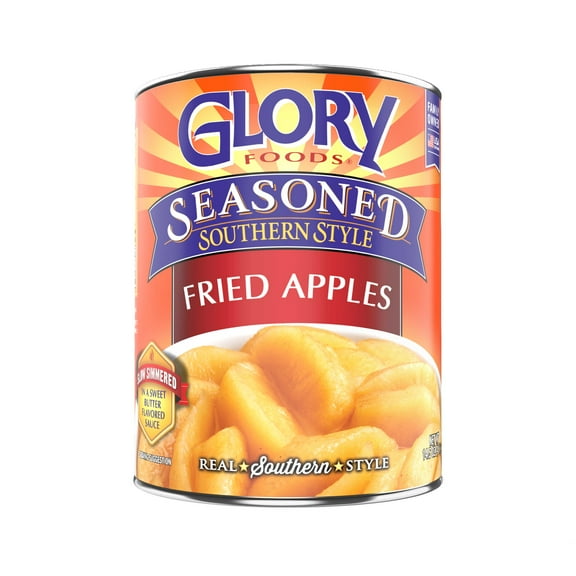
If you want simple lunches, you can start with canned soup in broth-based, creamy, or hearty styles. If you prep desserts or baked dishes, you can use canned fruit for cobblers, toppings, and canned pumpkin recipes.
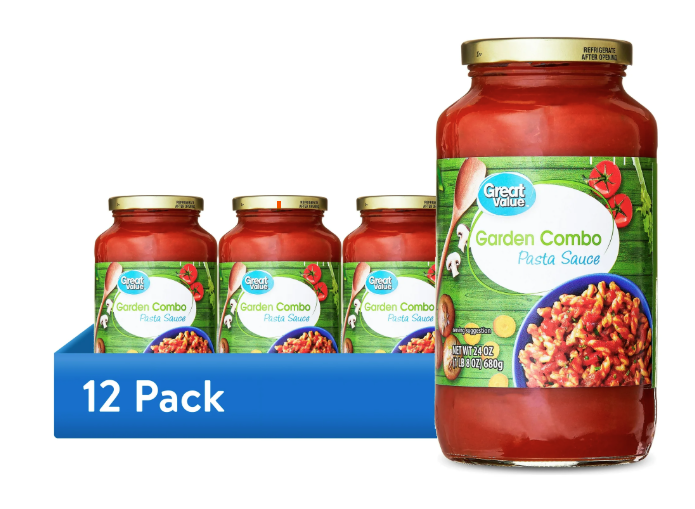
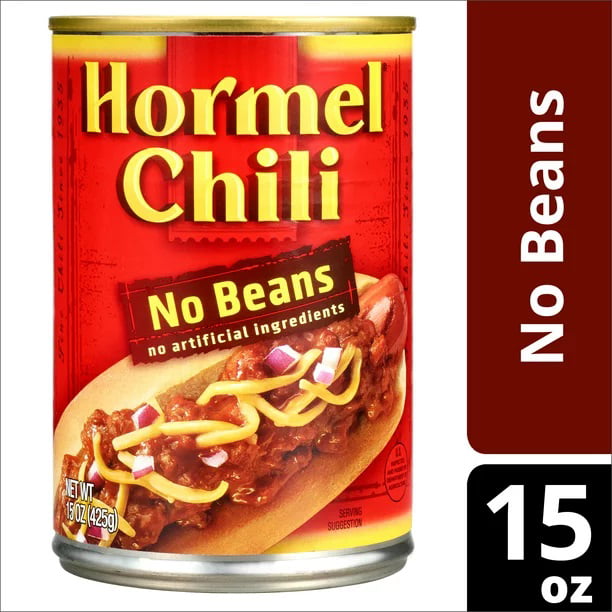
You can keep your pantry flexible when you mix several food categories instead of buying one type. You’ll have ingredients ready for pasta sauce add-ins, chili nights, holiday sides, and shelf stable food backups.
What benefits you get from canned vegetables, soup, and fruit
You can make meals quickly because canned items usually need little prep before heating, mixing, or serving. You’ll spend less time washing, peeling, chopping, or simmering when your ingredients are already packed and portioned.
Another benefit is consistency in your pantry planning across busy weeks and seasonal menus. You can keep canned vegetables for side dishes, canned soup for quick lunches, and canned fruit for dessert ideas in one place.
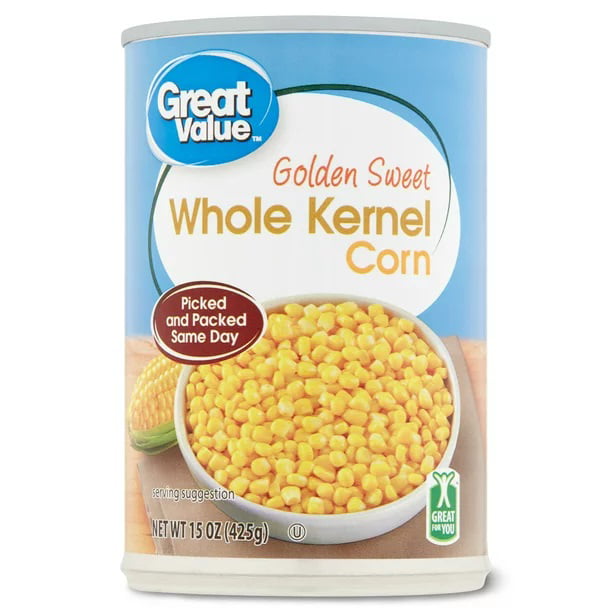
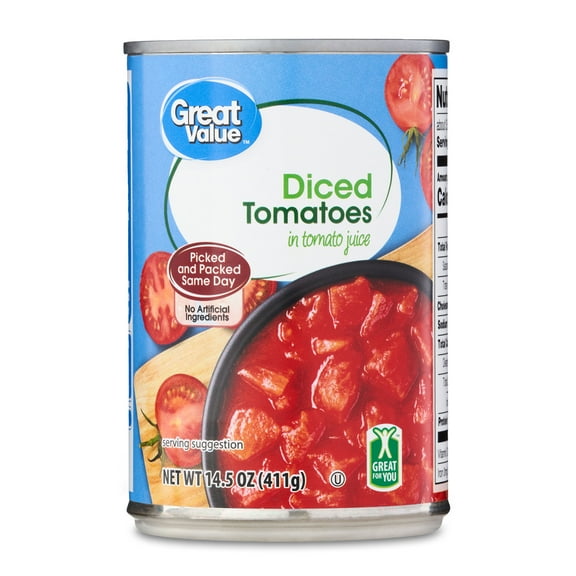
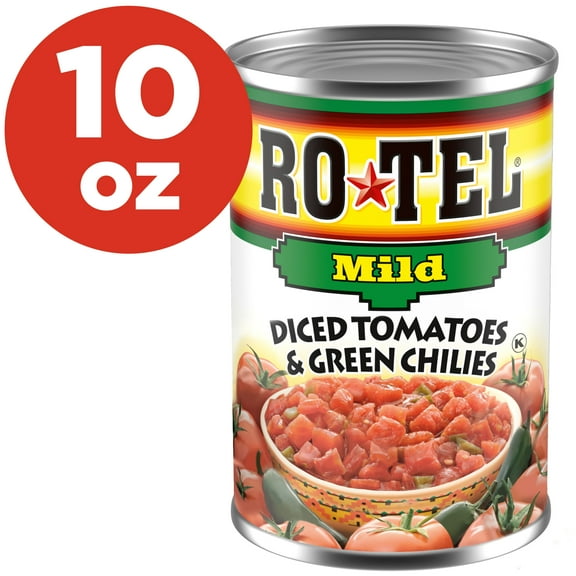
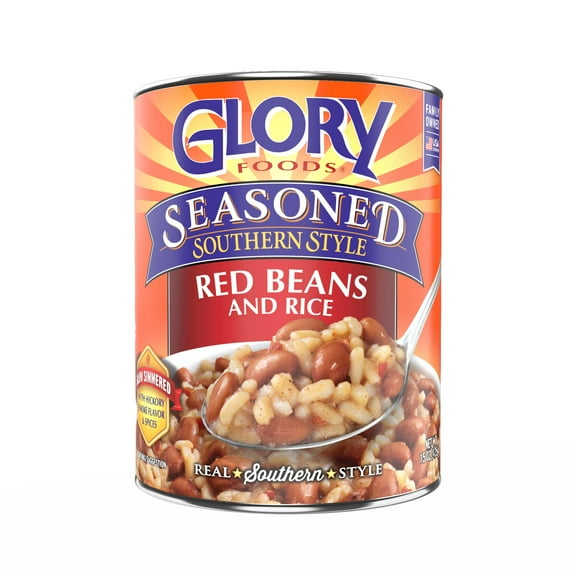
You can also build variety without filling your kitchen with many short-use ingredients. You’ll be able to rotate beans, tomato products, broth-based soups, peaches in juice, or corn in water as recipes change.
- You can keep pantry staples ready for soups, stews, casseroles, and sauces.
- You can choose shelf stable food for storm prep and emergency food supply planning.
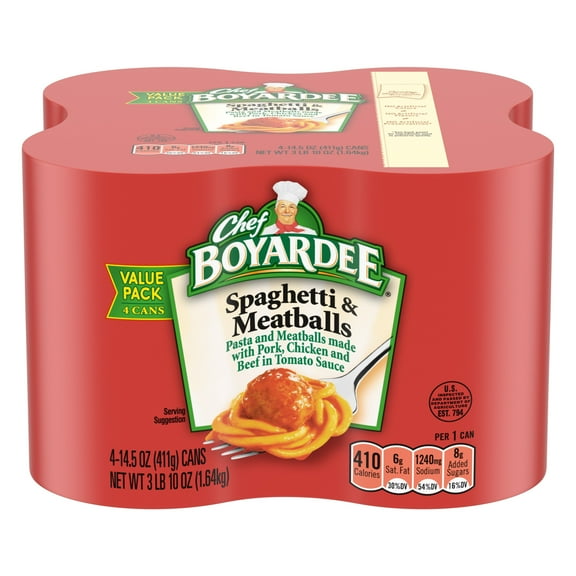
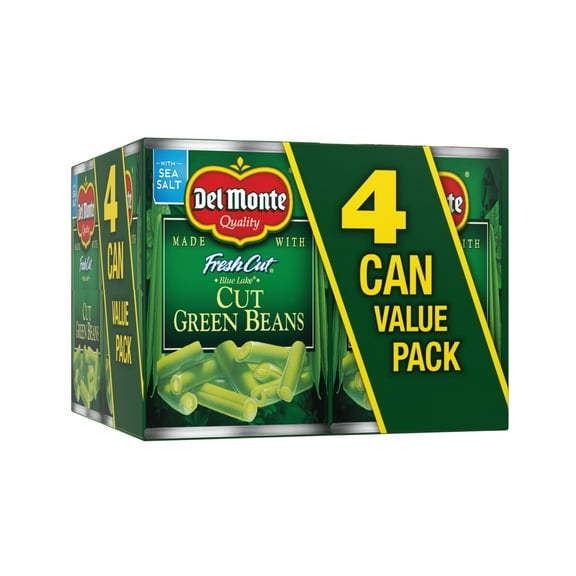
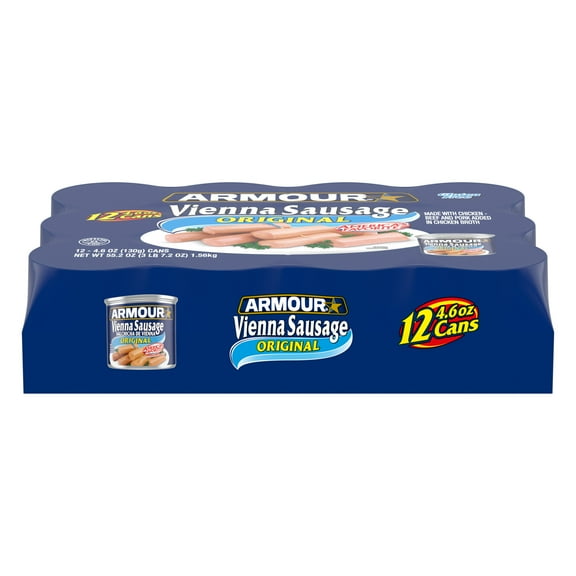
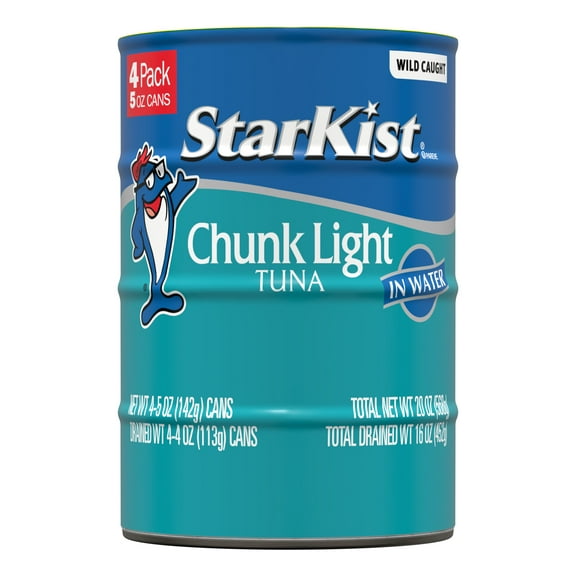
- You can portion single cans for smaller meals or multi-packs for repeat use.
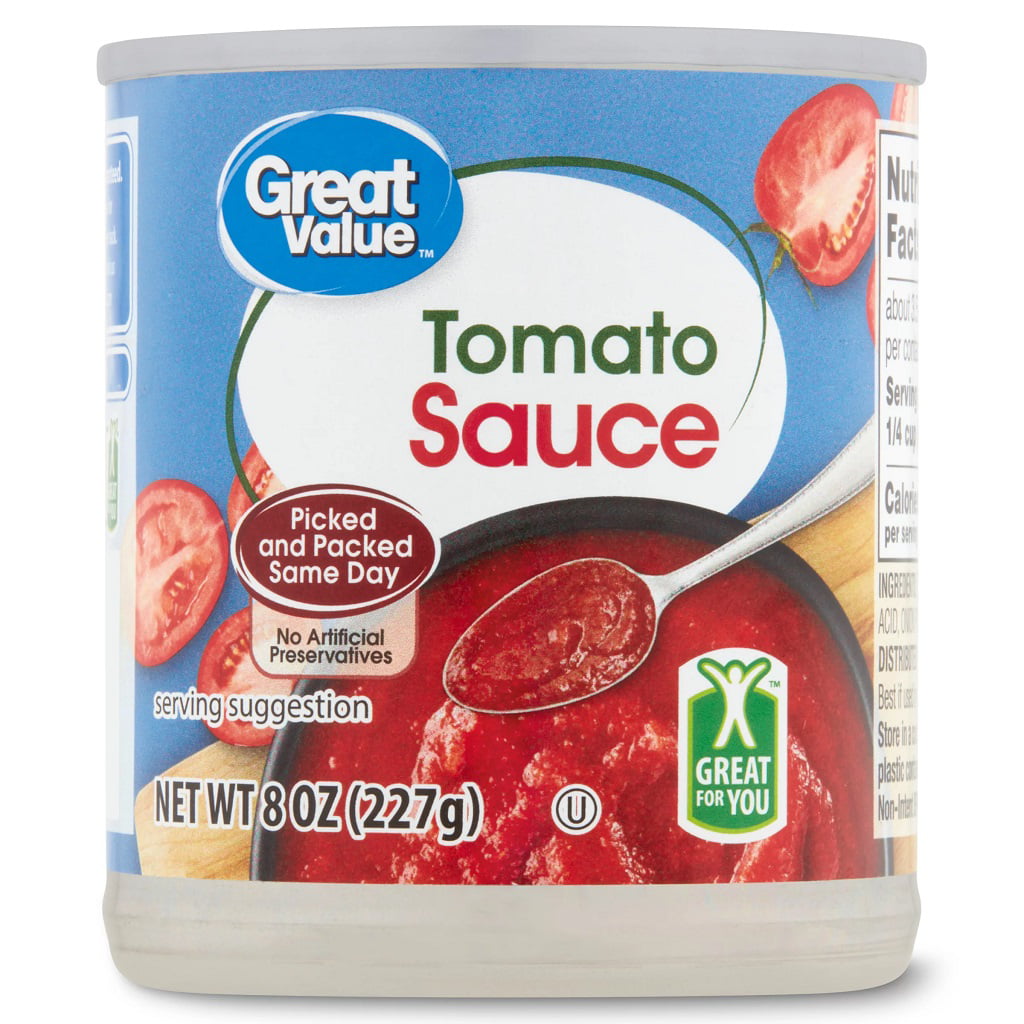
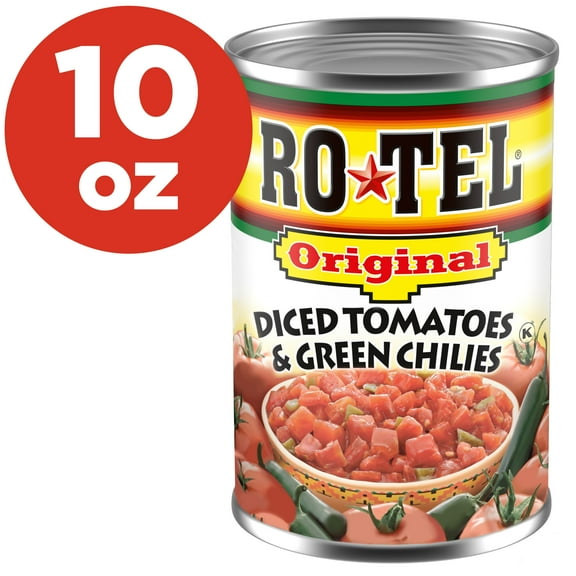
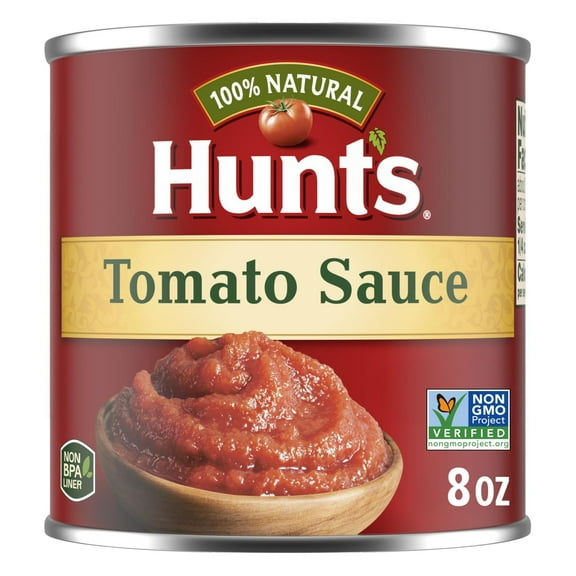
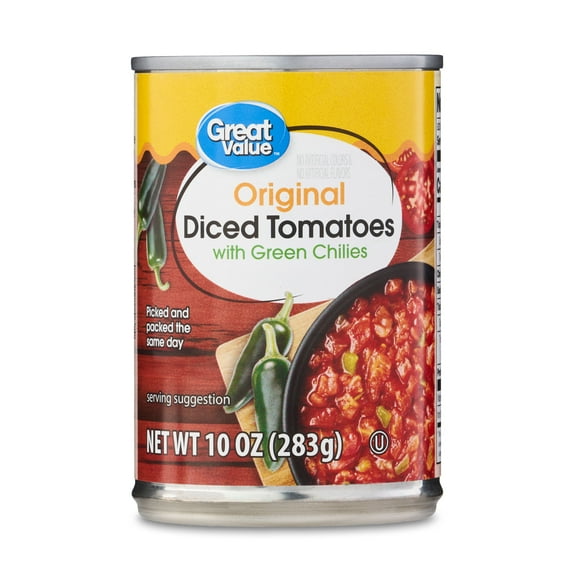
- You can stock recipe basics like tomatoes, canned beans, and broth-based soups.
What to look for in dietary options and can details
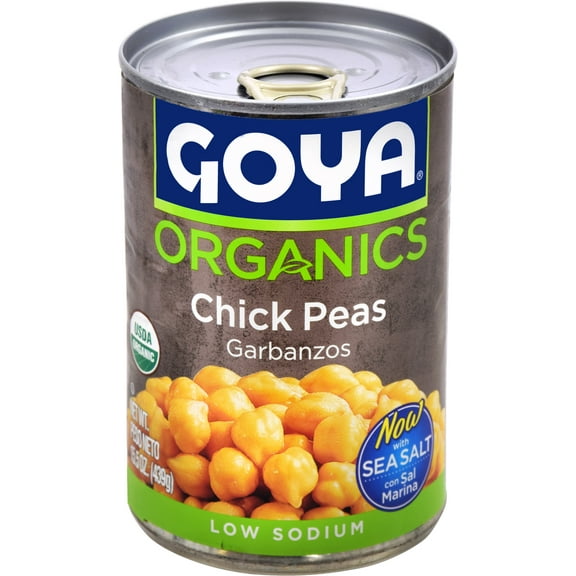
You should compare labels when dietary preferences guide your cart and your weekly meal plan. You’ll often see low sodium, organic, no added sugar, and gluten-free choices across canned pantry staples.
If sodium matters in your recipes, you can check the nutrition panel before choosing soups, vegetables, or beans. You’ll have a simpler time matching your meals when you compare sodium levels per serving.
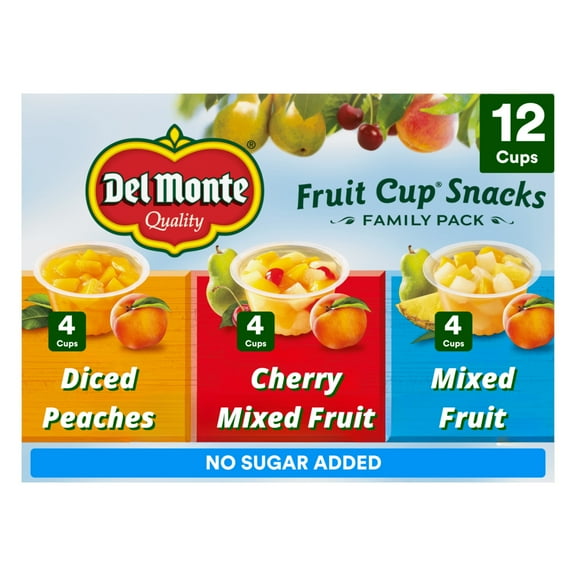
When you buy fruit, you can compare preservation styles like in juice, in water, or in heavy syrup. You’ll notice these options affect sweetness, recipe use, and how easily the fruit fits breakfast bowls or baked dishes.
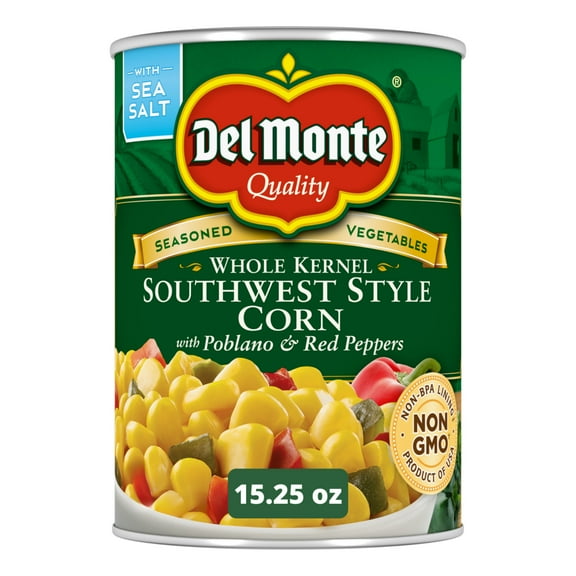
You can also look for can lining information when packaging details matter in your selection process. You’ll sometimes check whether BPA-free status appears on the label or product details before choosing a pantry staple.
Choosing pack size and bulk canned food
You can match package size to how often you cook and how much shelf room you have. You’ll usually prefer a single can for one recipe, while family size cans can suit batch cooking.
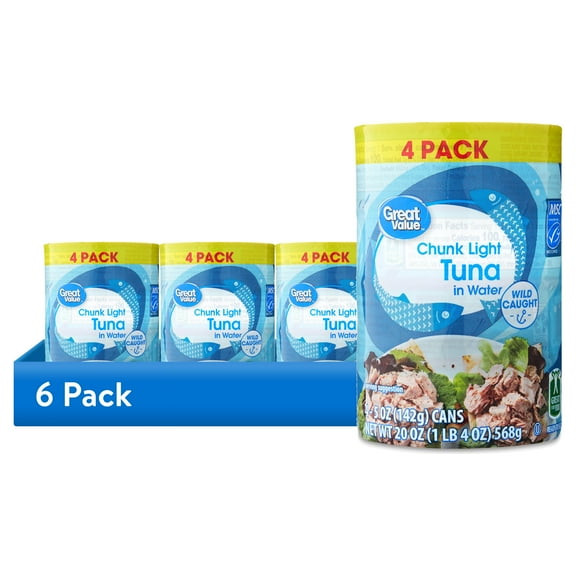
If you restock often, you can compare multi-pack options that keep repeat ingredients on hand. You’ll find bulk canned food useful when your household uses tomatoes, beans, soup, or vegetables every week.
Storage planning matters when you want a pantry that stays organized and easy to rotate. You can stack similar can sizes together, group by meal type, and keep often-used items within easy reach.
You should also consider how quickly you’ll use each size after opening a can. You’ll reduce leftovers when you choose a can size that matches your recipe yield and serving count.
How canned goods fit recipes and seasonal needs
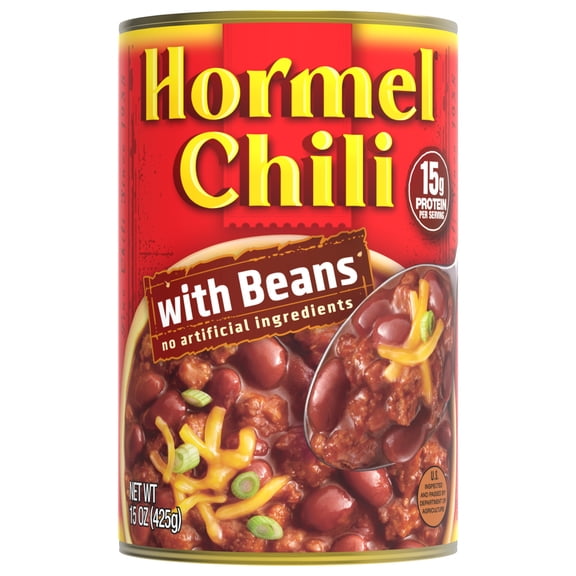
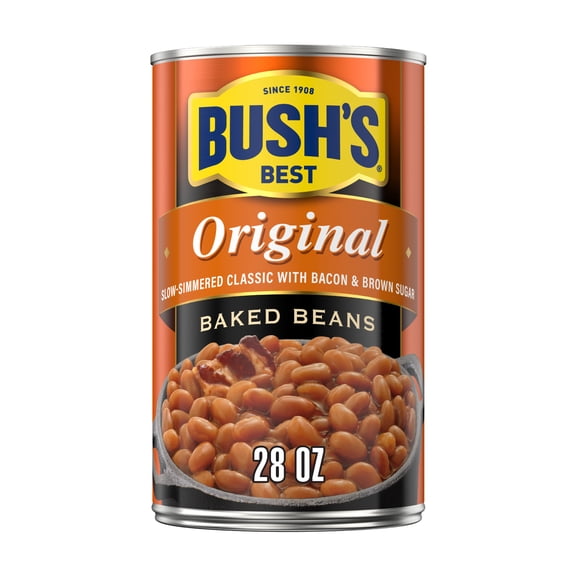
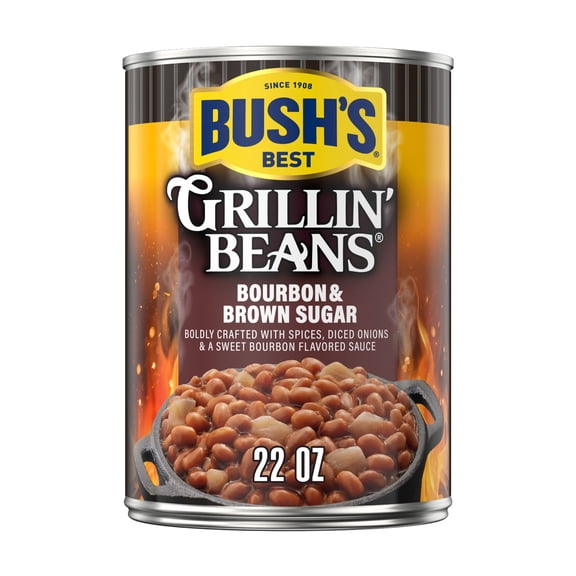
You can rely on canned goods for weeknight meals that need simple assembly and dependable ingredients. You’ll be able to add canned beans to chili, canned vegetables to pot pies, or canned meat to pasta bakes.
For colder months, you can keep canned soup, broth ingredients, and canned pumpkin ready for comforting meals and holiday baking. You’ll appreciate having these staples available when schedules get crowded and recipes become frequent.
You can use canned fruit in juice for smoothies, parfaits, crisps, and dessert toppings without extra prep. You’ll also have flexible options for lunchboxes, side dishes, and quick baking shortcuts.
If preparedness is part of your routine, you can keep assorted cans for practical meal coverage over time. You’ll want a mix of proteins, vegetables, soups, and fruit that supports easy meal building from pantry shelves.
You can shop canned goods with confidence when you compare category, dietary needs, package size, and preservation style together. You’ll build a pantry that supports quick cooking, organized storage, and dependable meal options year-round.