


Captain Morgan
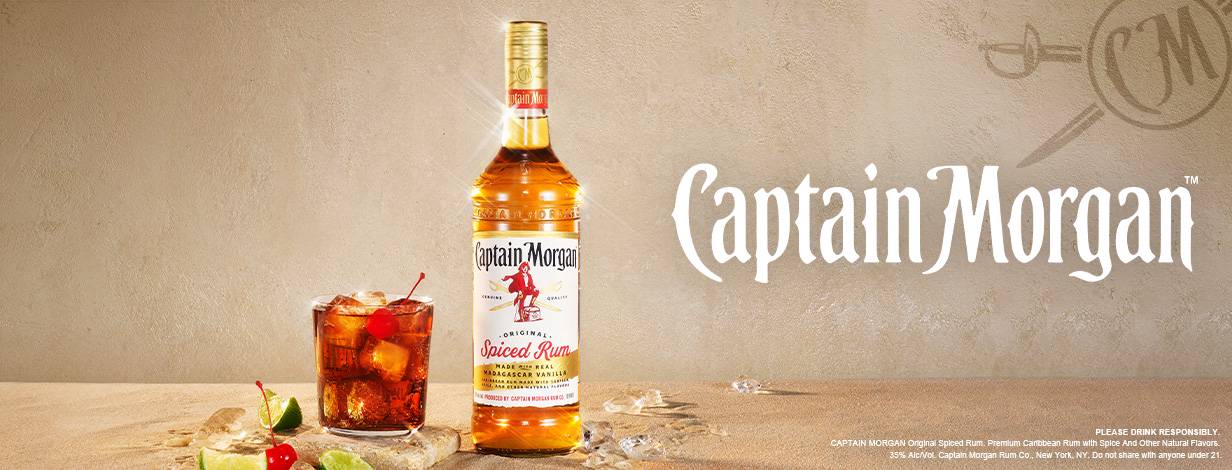
Spice it up with Capt. MorganSpice it up with Capt. Morgan
Turn happy hour into happier hour.Shop now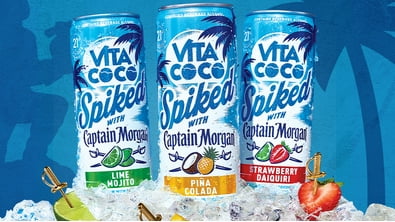
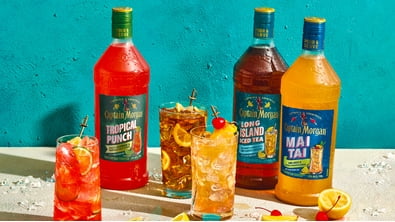


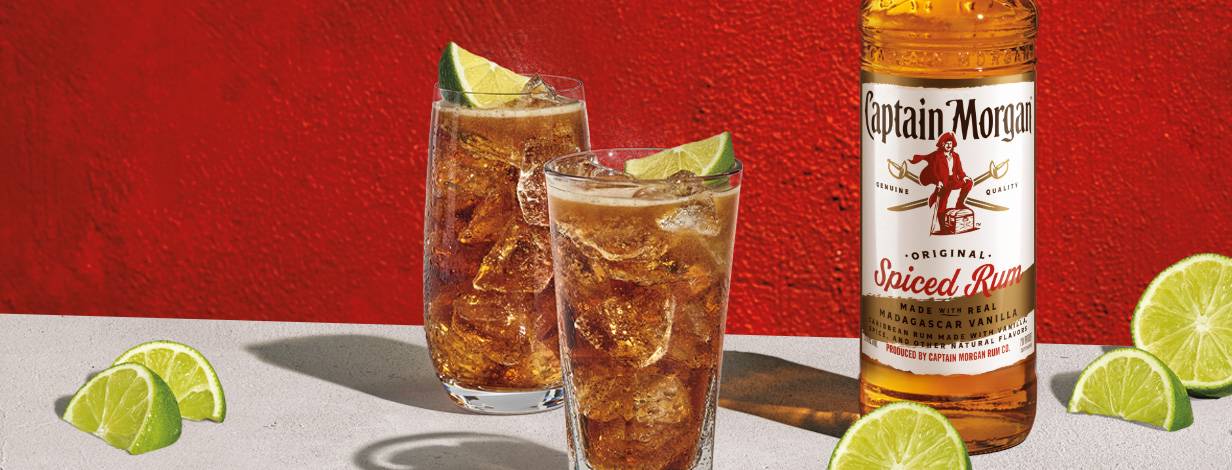
Captain Morgan & Cola
Best seller Coca-Cola Soda Pop Fridge Pack Mini Cans, 7.5 fl oz, 10 Pack $6.94
Best seller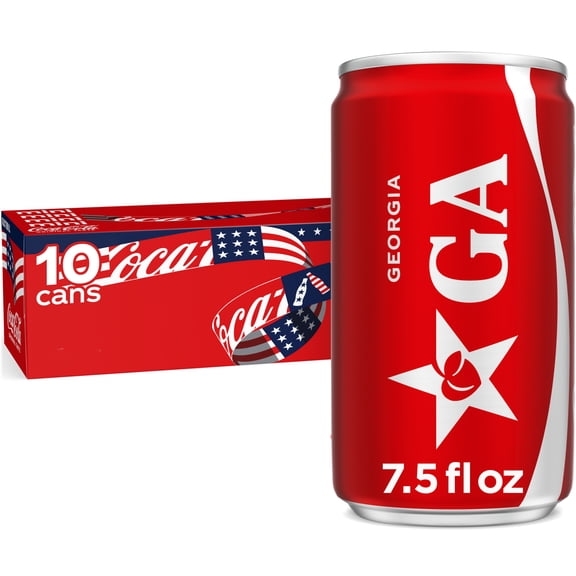 2 optionsAvailable in additional 2 options$694current price $6.94More options from $4.82
Coca-Cola Soda Pop Fridge Pack Mini Cans, 7.5 fl oz, 10 Pack
Save with
 Delivery as soon as 26 minsShipping arrives todayPickup as soon as 10amSNAP EBT eligible
Best seller Coca-Cola Soda Pop Bottle, 2 Liters $2.47 3.7 ¢/fl oz
Best seller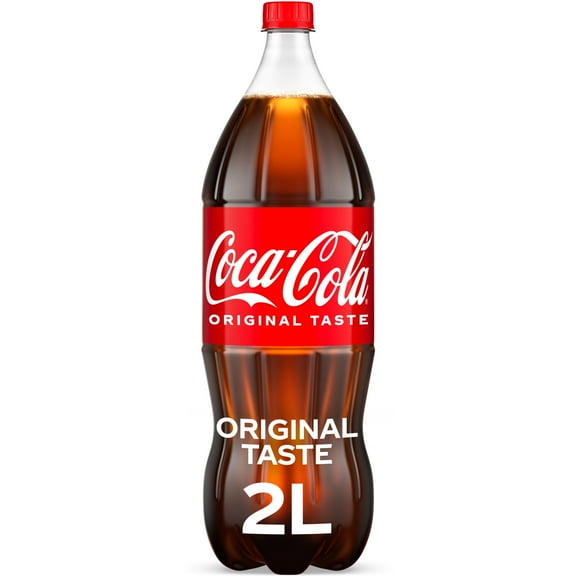 $247current price $2.473.7 ¢/fl oz
Coca-Cola Soda Pop Bottle, 2 Liters
Save withDelivery as soon as 26 minsShipping arrives todayPickup as soon as 10amSNAP EBT eligibleBest seller Diet Coke Soda Pop Fridge Pack Mini Cans, 7.5 fl oz, 10 Pack $6.94
Best seller 2 optionsAvailable in additional 2 options$694current price $6.94More options from $4.82
Diet Coke Soda Pop Fridge Pack Mini Cans, 7.5 fl oz, 10 Pack
Save withDelivery as soon as 26 minsShipping arrives todayPickup as soon as 10amSNAP EBT eligibleBest seller Diet Coke Soda Pop Bottle, 2 Liters $2.47
Best seller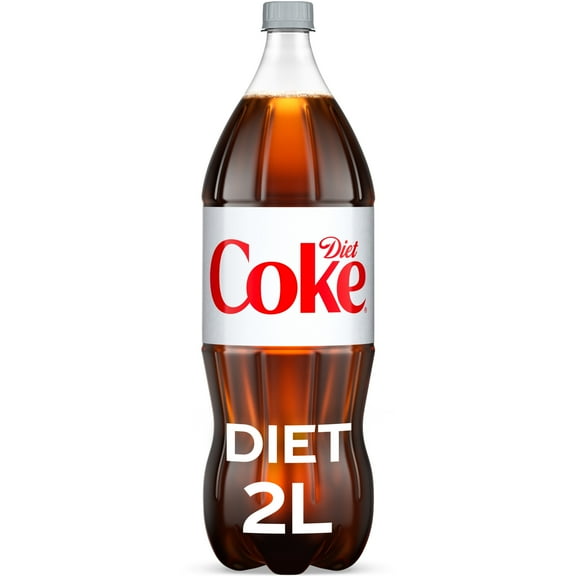 2 optionsAvailable in additional 2 options$247current price $2.47
Diet Coke Soda Pop Bottle, 2 Liters
Save withDelivery as soon as 26 minsShipping arrives todayPickup as soon as 10amSNAP EBT eligibleRollback Sam's Cola Soda Pop, 12 fl oz, 12 Pack Cans $3.97 Was $4.74 2.8 ¢/fl oz
Rollback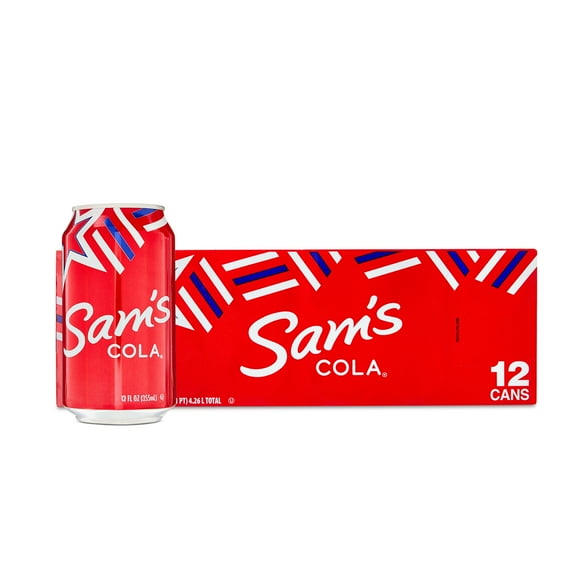 Now$397current price Now $3.97, Was $4.74$4.742.8 ¢/fl oz
Sam's Cola Soda Pop, 12 fl oz, 12 Pack Cans
Save withDelivery as soon as 26 minsShipping arrives todayPickup as soon as 10amSNAP EBT eligibleBest seller Sam's Cola Soda, 2 Liter Bottle $1.00
Best seller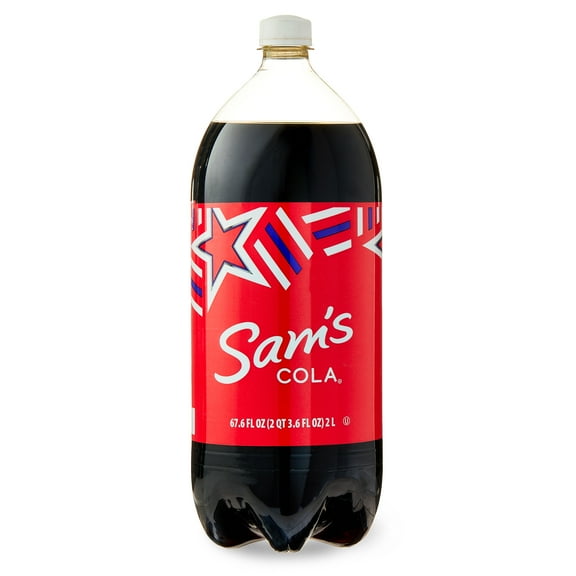 2 optionsAvailable in additional 2 options$100current price $1.00Options from $1.00 – $6.00
Sam's Cola Soda, 2 Liter Bottle
Save withDelivery as soon as 26 minsPickup as soon as 10amSNAP EBT eligibleBest seller Pepsi Cola Soda Pop, 7.5 fl oz 10 Pack Mini Cans $6.78 9.0 ¢/fl oz
Best seller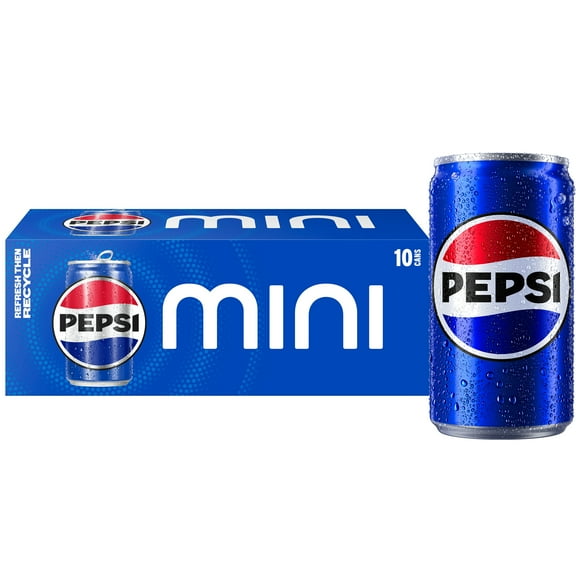 $678current price $6.789.0 ¢/fl oz
Pepsi Cola Soda Pop, 7.5 fl oz 10 Pack Mini Cans
Save withDelivery as soon as 26 minsPickup as soon as 10amSNAP EBT eligibleBest seller Pepsi Cola Soda Pop, 2 Liter Bottle $2.48 3.7 ¢/fl oz
Best seller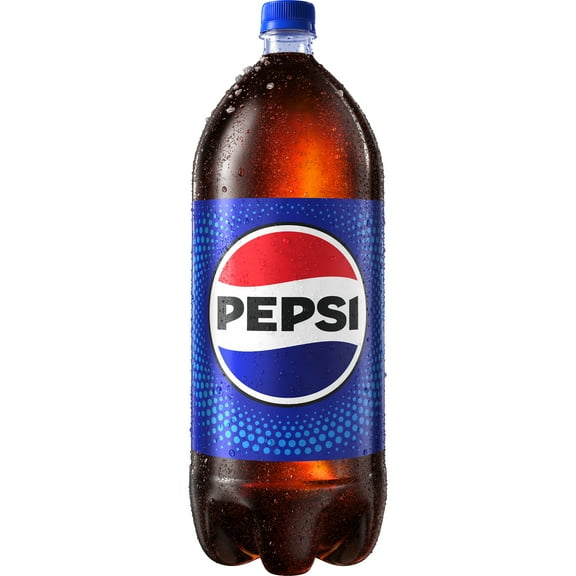 $248current price $2.483.7 ¢/fl oz
Pepsi Cola Soda Pop, 2 Liter Bottle
Save withDelivery as soon as 26 minsPickup as soon as 10amSNAP EBT eligibleRollback Pepsi Cola Zero Sugar Soda Pop, 12 fl oz, 12 Pack Cans $5.97 Was $7.48 4.1 ¢/fl oz
Rollback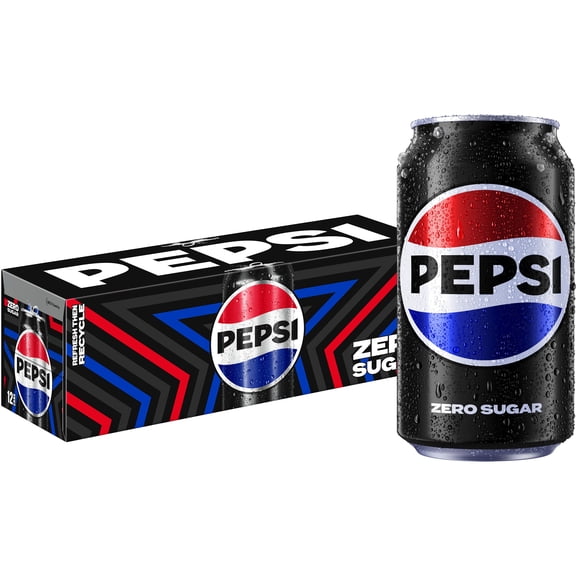 Now$597current price Now $5.97, Was $7.48$7.484.1 ¢/fl oz
Pepsi Cola Zero Sugar Soda Pop, 12 fl oz, 12 Pack Cans
Save withDelivery as soon as 26 minsPickup as soon as 10amSNAP EBT eligibleViski Admiral Bourbon Scotch Old Fashioned Whiskey Glasses, 11 oz, Set of 2 $27.49
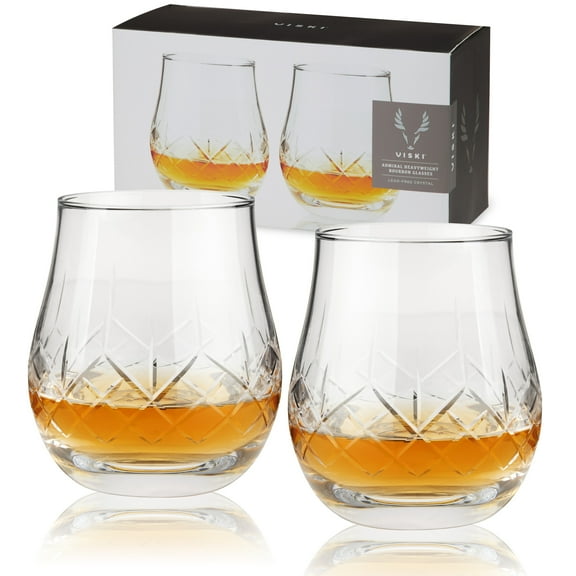 4 optionsAvailable in additional 4 options$2749current price $27.49Options from $27.49 – $38.99
Viski Admiral Bourbon Scotch Old Fashioned Whiskey Glasses, 11 oz, Set of 2
Save withShipping arrives Wed, Jul 29


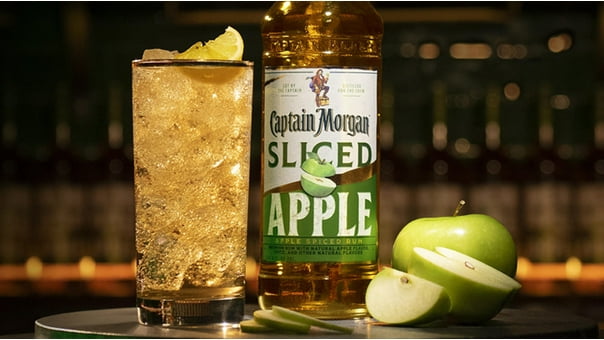

Captain Apple Mule
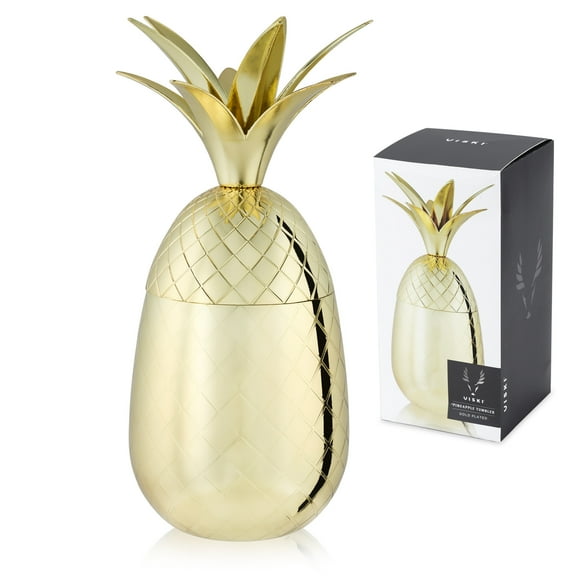
Viski Stainless Steel Pineapple Tumbler with Lid for Cocktails, 16 oz Gold $14.16 Was $17.98
 3 optionsAvailable in additional 3 optionsNow$1416current price Now $14.16, Was $17.98$17.98
Viski Stainless Steel Pineapple Tumbler with Lid for Cocktails, 16 oz Gold
Save withShipping arrives Wed, Jul 29Best seller Goslings Stormy Ginger Beer Cocktail Mixer, 6-12 fl. oz Cans $7.27 10.1 ¢/fl oz
Best seller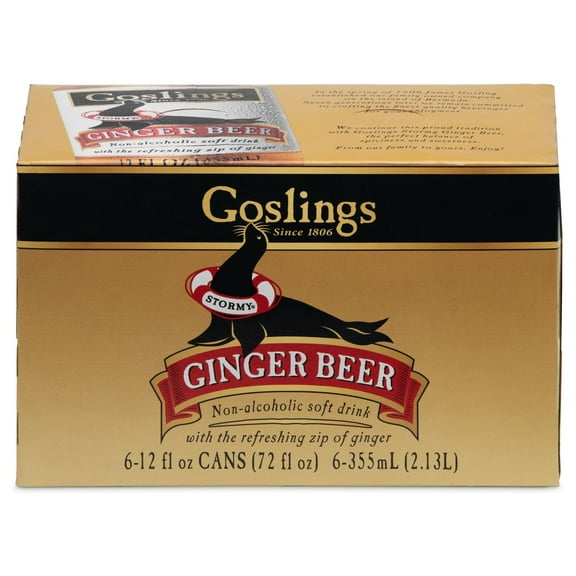 $727current price $7.2710.1 ¢/fl oz
Goslings Stormy Ginger Beer Cocktail Mixer, 6-12 fl. oz Cans
Save withDelivery as soon as 26 minsShipping arrives todayPickup as soon as 10amSNAP EBT eligibleBest seller Goslings Diet Stormy Ginger Beer Cocktail Mixer, 6-12 fl. oz Cans $7.27
Best seller 2 optionsAvailable in additional 2 options$727current price $7.27
Goslings Diet Stormy Ginger Beer Cocktail Mixer, 6-12 fl. oz Cans
Save withDelivery as soon as 26 minsShipping arrives todayPickup as soon as 10amSNAP EBT eligibleBest seller Fever-Tree Premium Ginger Beer, 4 Pack, 200 ML Glass Bottles, 0% ABV $6.12 22.5 ¢/fl oz
Best seller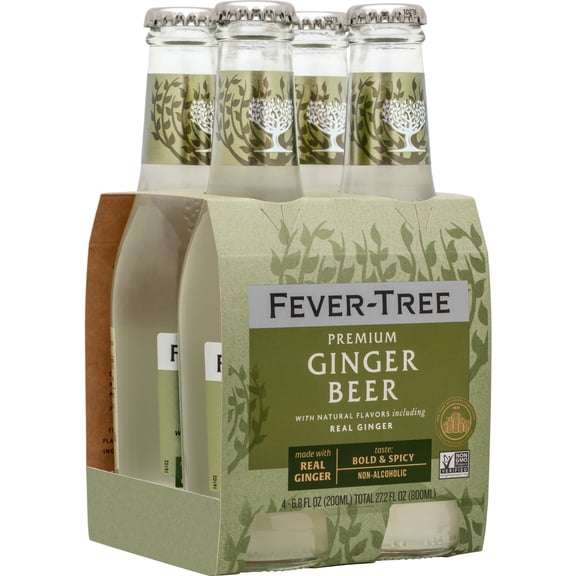 $612current price $6.1222.5 ¢/fl oz
Fever-Tree Premium Ginger Beer, 4 Pack, 200 ML Glass Bottles, 0% ABV
Save withDelivery as soon as 26 minsShipping arrives todayPickup as soon as 10amSNAP EBT eligibleBest seller Fresh Bulk Yellow Lemons - High Quality Perfect for Juicing and Cooking $0.68
Best seller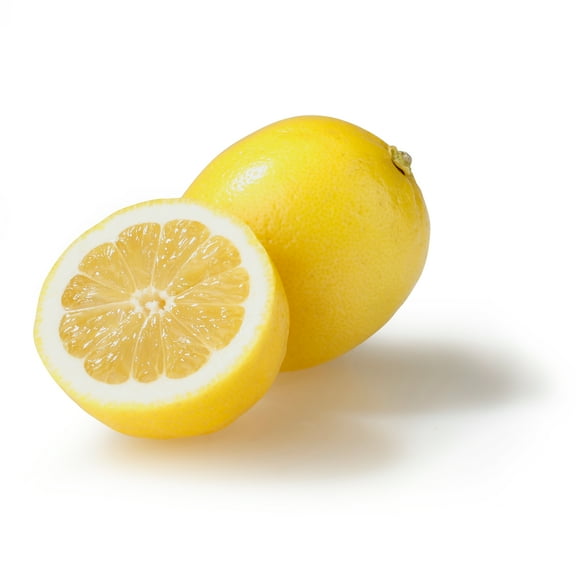 $068current price $0.68
Fresh Bulk Yellow Lemons - High Quality Perfect for Juicing and Cooking
Save withDelivery as soon as 26 minsPickup as soon as 10amSNAP EBT eligibleFresh Lemons, 2 lb Bag $3.92 $1.96/lb
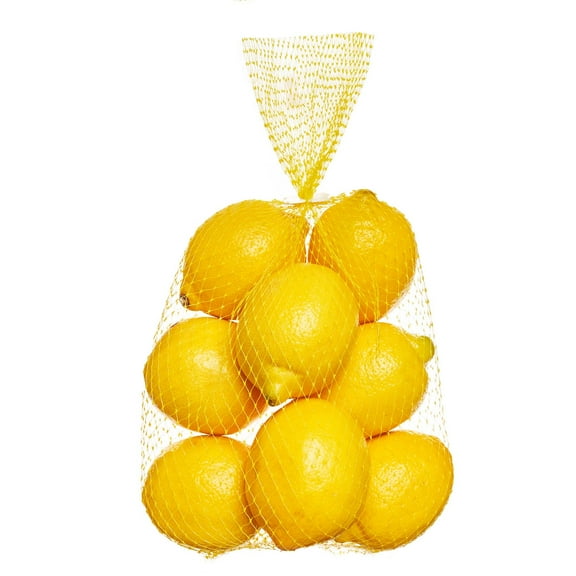 $392current price $3.92$1.96/lb
Fresh Lemons, 2 lb Bag
Save withDelivery as soon as 26 minsPickup as soon as 10amSNAP EBT eligibleOrganic Lemons, 2 Lb. $6.00 $3.00/lb
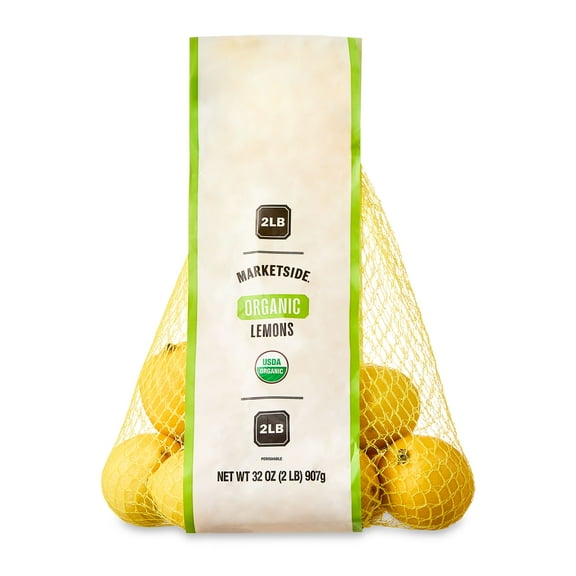 $600current price $6.00$3.00/lb
Organic Lemons, 2 Lb.
Save withDelivery as soon as 26 minsPickup as soon as 10amSNAP EBT eligibleVisland Double Cocktail Jigger Japanese Style Stainless Steel Bar Measuring Jigger 1 & 2 oz $10.09
 2 optionsAvailable in additional 2 options$1009current price $10.09
Visland Double Cocktail Jigger Japanese Style Stainless Steel Bar Measuring Jigger 1 & 2 oz
Shipping arrives in 3+ daysDouble Jigger Set by Barvivo - Measure Liquor with Confidence Like a Professional Bartender - These Stainless Steel Cocktail Jiggers Holds 0.5oz / 1oz - The Perfect Addition to Your Home Bar $8.38 Was $11.99
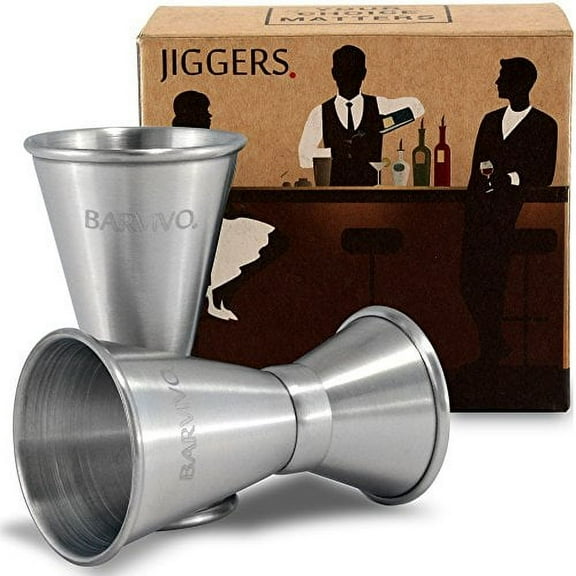 Now$838current price Now $8.38, Was $11.99$11.99
Double Jigger Set by Barvivo - Measure Liquor with Confidence Like a Professional Bartender - These Stainless Steel Cocktail Jiggers Holds 0.5oz / 1oz - The Perfect Addition to Your Home Bar
Save withShipping arrives Wed, Jul 29Best seller SUPTREE Silicone Ice Cube Trays with Lids for Freezer 3 Pack Mini 24 Cubes per Tray for Cocktail Whiskey Chocolate $12.09 Was $19.99
Best seller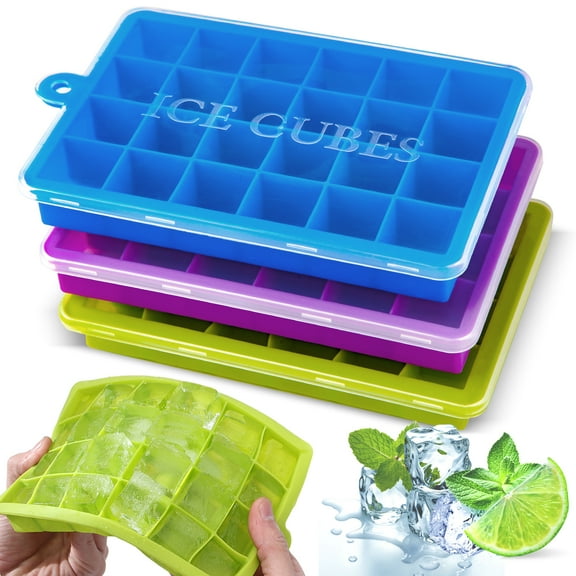 Now$1209current price Now $12.09, Was $19.99$19.99
SUPTREE Silicone Ice Cube Trays with Lids for Freezer 3 Pack Mini 24 Cubes per Tray for Cocktail Whiskey Chocolate
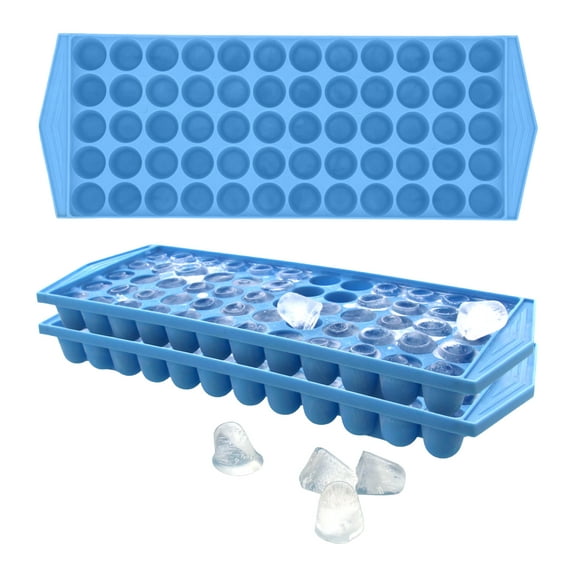
Save withShipping arrives tomorrowArrow Home Products Polypropylene/Plastic 60-Cavity Mini Ice Cube Tray Set of 3 $11.98
 $1198current price $11.98
Arrow Home Products Polypropylene/Plastic 60-Cavity Mini Ice Cube Tray Set of 3
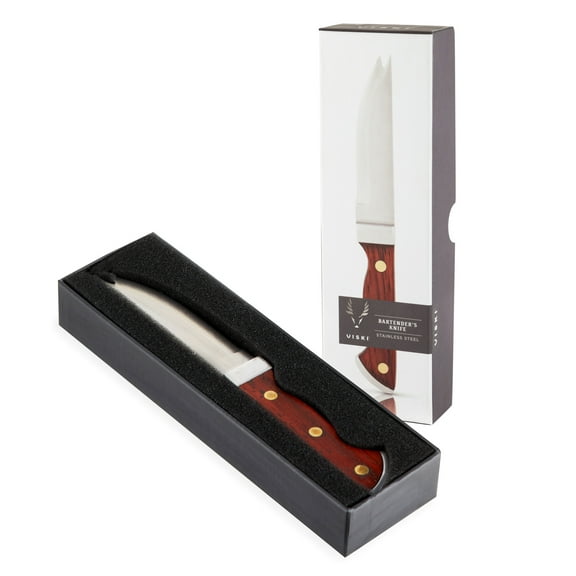
Shipping arrives in 3+ daysViski Acacia Bartender Knife for Cocktails, Orange, Lemon, Lime, Home Bar $20.99 $139.93/ea
 $2099current price $20.99$139.93/ea
Viski Acacia Bartender Knife for Cocktails, Orange, Lemon, Lime, Home Bar
Save withShipping arrives Wed, Jul 29
FAQ
What type of spirit is Captain Morgan?
On this page, you’ll typically find rum-based spirits, including spiced, white, and flavored styles. These are distilled from sugarcane byproducts and may be blended with spices or filtered for a lighter profile. The exact style varies by bottle.
- How to confirm: Check the product title, label images, and description for terms like “spiced rum,” “white rum,” or “flavored rum.”
- Mixing notes: Spiced options tend to offer warm, vanilla/caramel notes; white options are cleaner and crisper.
- Shopping tip: Use site filters and customer reviews to narrow by flavor and format.
Availability can vary by location. Please enjoy responsibly and only if you’re of legal drinking age.
What’s the base alcohol in Captain Morgan?
These spirits are generally rum, produced from sugarcane byproducts such as molasses and distilled to a clear spirit. Some versions are aged or infused with spices and natural flavors to create different profiles. Strength and flavor vary by bottle.
- Look for: The product label and description noting “rum,” the style (e.g., spiced or white), and the listed ABV.
- Flavor cues: Spiced expressions may show notes of baking spice and vanilla; unflavored styles lean lighter.
- Cocktail planning: Balance richer rums with citrus or bubbles; lighter rums suit brighter, minty mixes.
Always review the product page for the most accurate details. Enjoy responsibly and only if you’re of legal drinking age.
Who was Captain Morgan in history?
The name commonly references Sir Henry Morgan, a 17th‑century privateer associated with the Caribbean. His maritime legacy and imagery have long been linked with rum’s seafaring lore and branding.
- Quick context: Active in the late 1600s in the Caribbean region.
- Roles: Privateer and later a colonial administrator.
- On product pages: Some labels and descriptions include short historical notes that add backstory.
For deeper historical details, consider consulting reputable history sources. Information on product pages focuses on the bottle’s story and may provide a brief overview rather than a comprehensive biography.
Spiced rum vs white rum differences?
Spiced rum is typically a rum base blended with spices (think vanilla, baking spice, or botanicals), creating a richer, warmer profile. White rum is usually lighter, filtered, and cleaner in taste, making it versatile for bright, citrusy cocktails.
- Great with spiced: Cola, ginger beer, apple cider, or tropical juices.
- Great with white: Lime, mint, soda water, and light syrups.
- Shopping tip: Use flavor notes in the description and customer reviews to match your taste.
Preferences vary by palate and recipe. If you’re trying something new, consider a smaller format first. Please enjoy responsibly and only if you’re of legal drinking age.
How should I store rum after opening?
Store opened bottles upright in a cool, dark place and keep the cap tightly sealed. Refrigeration isn’t typically necessary. While high‑proof spirits are shelf‑stable, exposure to air, heat, and light can gradually dull aromas and flavors.
- Do: Keep away from direct sunlight and heat sources; close firmly after each pour.
- Consider: Minimizing headspace can help slow flavor fade over time.
- Timing: Many people prefer enjoying spiced or flavored styles within a year or two for best character, while unflavored styles may hold longer.
Results can vary by product and storage conditions. Always keep alcohol out of reach of minors and enjoy responsibly.