









Camping Essentials in Camping Accessories




































About Camping Essentials in Camping Accessories - Walmart.com
Camping essentials help you plan a smoother trip with the right shelter, sleep setup, and cooking tools. You can use this guide to compare camping gear by activity type, group size, season, and camp function.
How to choose camping essentials for your trip
Different trip styles shape which camping equipment belongs in your pack or vehicle first. You should compare weight, packed size, and comfort before you choose a full setup.
If your route includes long hikes, you should look for lightweight or ultralight pieces that carry easily. If your campsite stays near your vehicle, you can choose roomier gear with extra comfort features.
Trip length also changes what belongs on your camping checklist. You should check how your shelter, sleep system, lighting, and cooking pieces work together across several days.
Essential camping gear checklist
Your essential camping gear usually starts with shelter, sleep, food prep, light, and navigation. You can use a camping checklist to keep your setup organized and avoid missing core camp items.
- You should choose tents by capacity, seasonality, and setup style.
- You should match sleeping bags to temperature ratings and sleeping pad size.
- You should compare camp kitchen tools by fuel type, cookware volume, and cleanup needs.
- You should look for lighting that fits tent use, table tasks, and evening walks.
- You should keep navigation tools ready for route planning and campsite orientation.
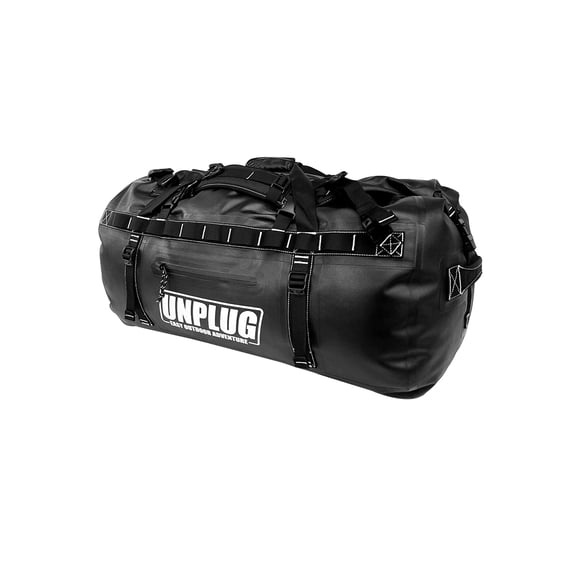
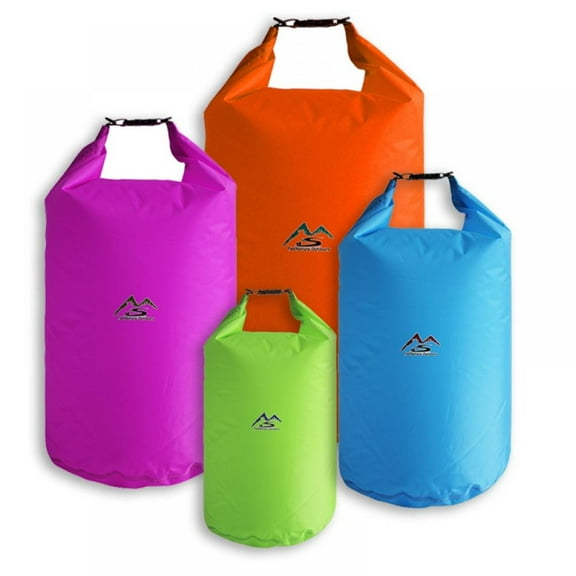
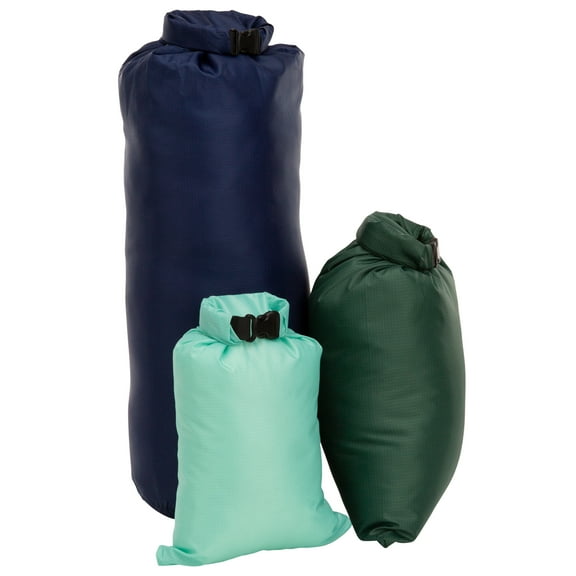
Your checklist may also include coolers, seating, water storage, and repair tools. You can add bins or stuff sacks when your loading plan needs clear organization.
When you group your gear by function, you can pack quickly and unload with less confusion. You also make it easier to replace one item without reworking your whole camp setup.
Choosing camping gear by activity type
Activity type should guide every decision about weight, comfort, and packed size. You can compare backpacking, hiking, car camping, and backcountry trips before choosing bulkier pieces.
For backpacking, you should look for compact gear that fits limited pack space. You may prefer smaller shelters, simple cook kits, and lighter lighting that supports steady movement.
For car camping, you can choose larger tents, taller chairs, and fuller camp kitchen setups. You might also want family-sized cookware and wider lantern coverage for shared meals.
If your plans include backcountry routes, you should balance durability with manageable carry weight. You can compare reinforced floors, waterproof fabrics, and efficient stove systems for remote campsites.
Choosing camping equipment by capacity and season
Group size affects tent space, sleeping arrangements, and cookware capacity. You should compare one-person, two-person, four-person, and family-sized options with your real sleeping and storage needs.
If you camp with kids or extra bags, you may want ample interior room beyond the label suggestion. You can gain easier movement, better gear storage, and a more organized tent layout.
Season choice matters because summer gear differs from winter and four-season camping equipment. You should check sleeping bag temperature ratings because lower numbers usually fit colder overnight conditions.
You should also compare tent waterproof ratings when wet weather is part of your plan. Higher ratings generally support stronger rain coverage, while ventilation helps your tent feel less damp inside.
What to look for in tents, sleeping bags, and camp kitchen gear
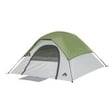
Tent choice should reflect pole design, floor space, and weather coverage. You can compare freestanding styles for easier placement and cabin layouts for more upright interior room.
Sleeping bag choice should match season, shape, and packability. You may want roomier designs for car camping, while your backpacking setup may need a smaller packed footprint.
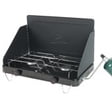
Your camp kitchen should fit how you cook and how many people you feed. You should compare stove controls, cookware size, and nesting designs that keep packing more organized.
Lighting and navigation tools also deserve careful comparison before any trip. You can use lanterns for campsite tasks, headlamps for hands-free visibility, and maps or compasses for route checks.
How durability and setup affect camping gear
Durability needs change with trip frequency, terrain, and weather exposure. You should compare heavy-duty materials for repeated use and lightweight builds for easier carrying.
If rainy conditions are common, you may want waterproof options in key categories like tents and storage. You can also check rainfly coverage, seam construction, and floor materials when weather matters.
Setup time matters when you arrive late or camp with children. You should look for tent pole systems and stove operation that feel straightforward on the first use.
When your gear is easier to use, you can spend more time cooking, relaxing, or exploring. You also reduce the hassle of sorting parts after dark or during quick campsite changes.
Using a camping checklist for real trip scenarios
Your weekend car camping trip may call for a four-person tent, roomier sleeping bags, and a larger stove. You can add seating, lanterns, and a fuller camp kitchen when cargo space allows.
Your backpacking weekend may need a one-person or two-person shelter and ultralight cooking gear. You should keep your load compact with smaller lighting tools and tightly packed sleep systems.
A family trip can benefit from family-sized shelter, extra cookware, and broader lighting coverage. You may also want navigation tools and storage solutions that help everyone find gear quickly.
Your colder weather trip should prioritize four-season shelter and sleeping bags with lower temperature ratings. You can also check waterproof ratings and enclosed cooking accessories for changing conditions.
Your camping essentials work well when each piece matches your trip, weather, and group size. You can build a clearer camping checklist that helps your campsite stay organized from the first night.