








Toy Building Blocks : Building Sets & Blocks


















About Toy Building Blocks : Building Sets & Blocks - Walmart.com
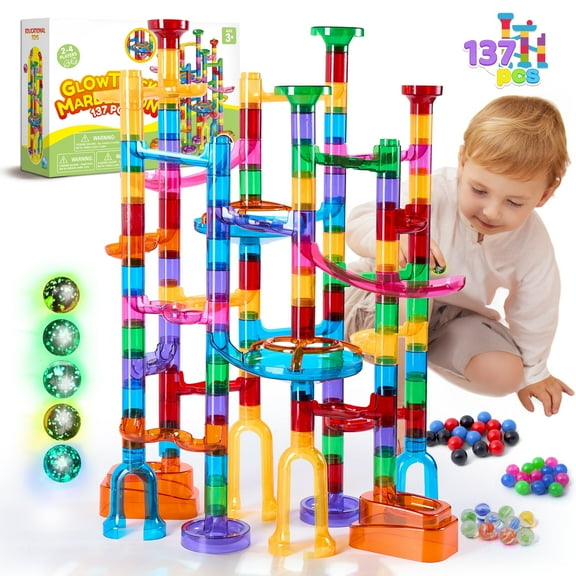
Building blocks help you turn playtime into hands-on creativity, and you can compare ages, materials, and set styles in one place. You can choose classic bricks, wooden building blocks, and magnetic building blocks based on how your child likes to build.
How to choose building blocks by age and skill level
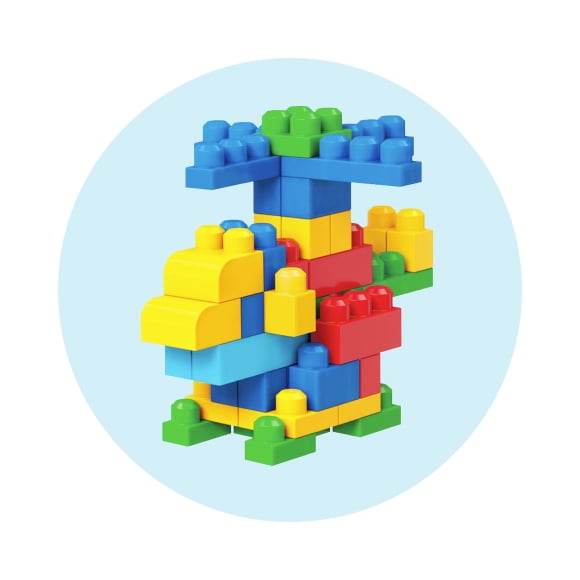
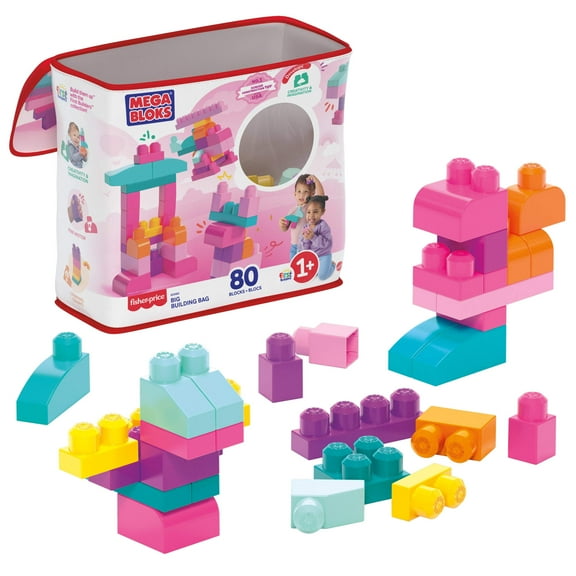
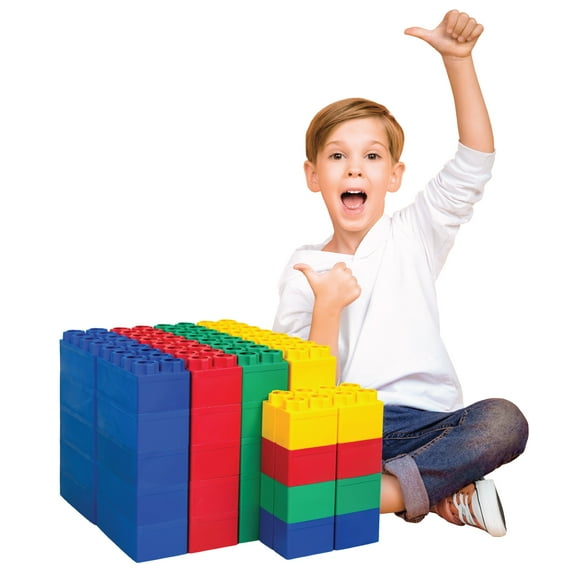
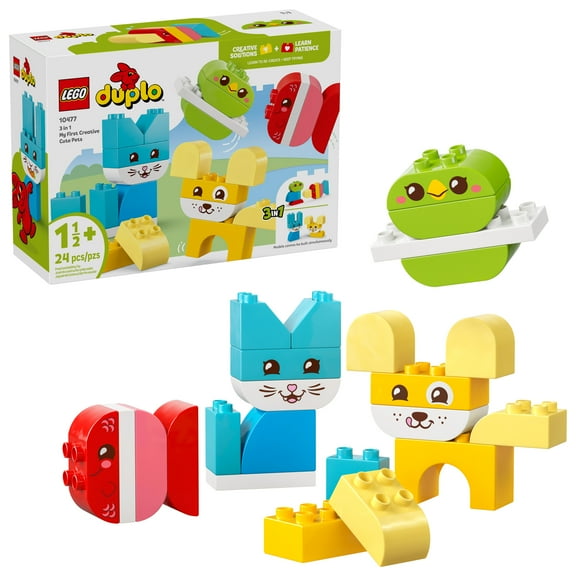
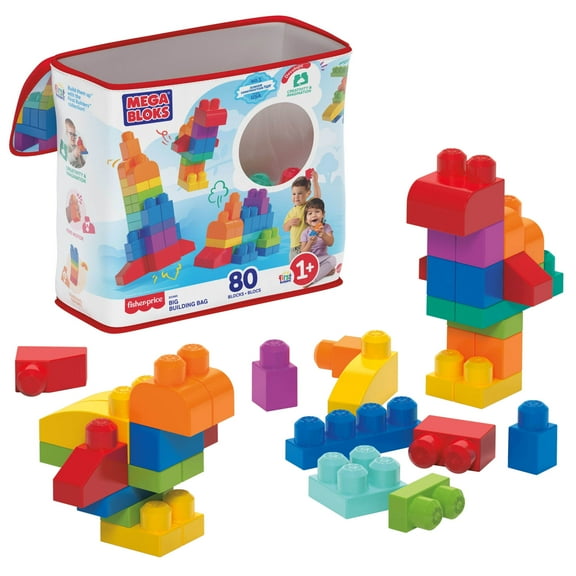
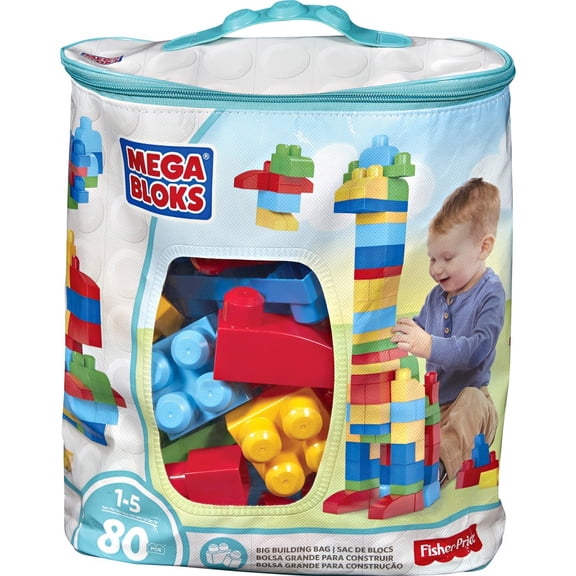
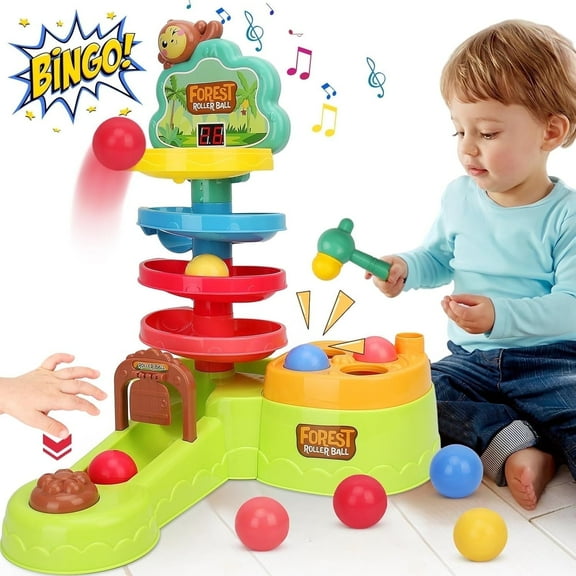
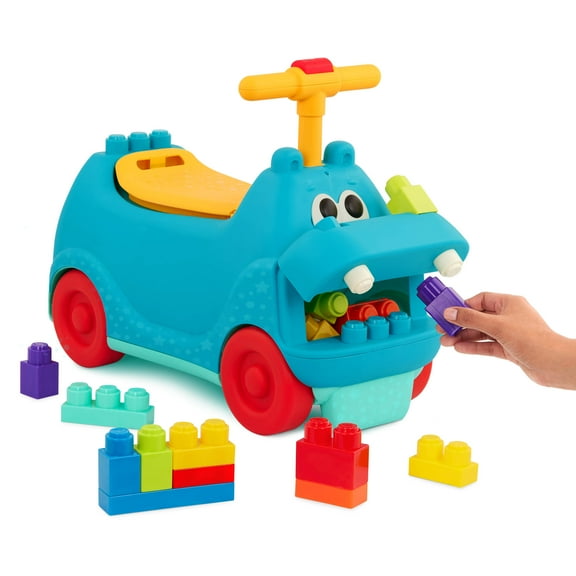
You'll want piece size and build complexity to match your child’s age range. You can start toddlers with larger toddler building blocks that are easy to grasp and stack.
As your child grows, you can move into interlocking toy blocks with more parts and clearer building steps. You can also compare beginner, intermediate, and advanced collector sets for a suitable fit.
For ages one to three years, you should look for larger pieces and simpler shapes. For ages four to seven years, you can consider small builds with color sorting and matching.
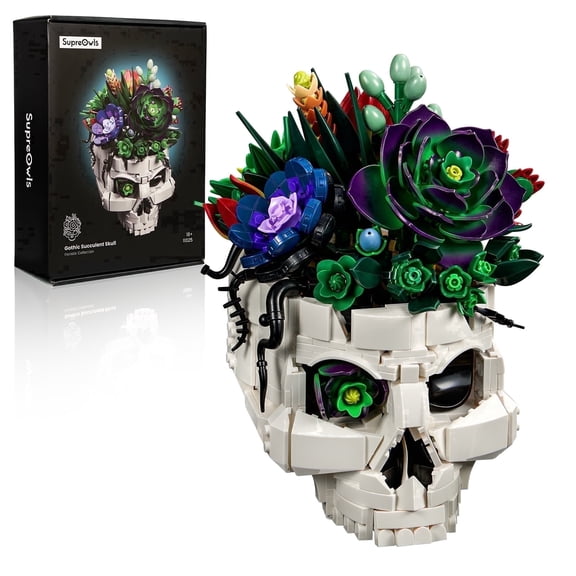
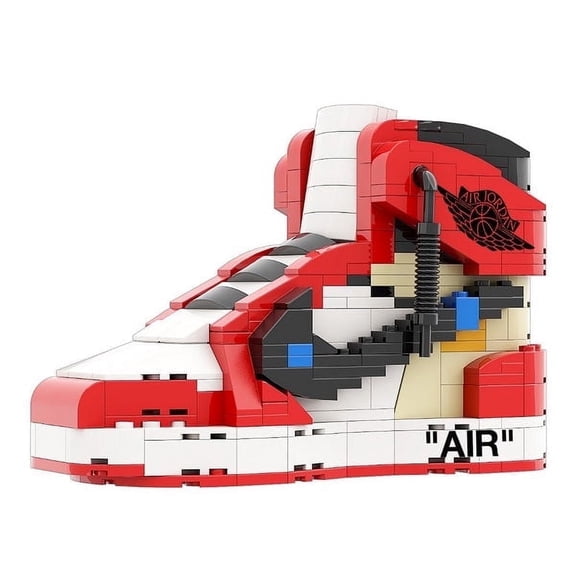
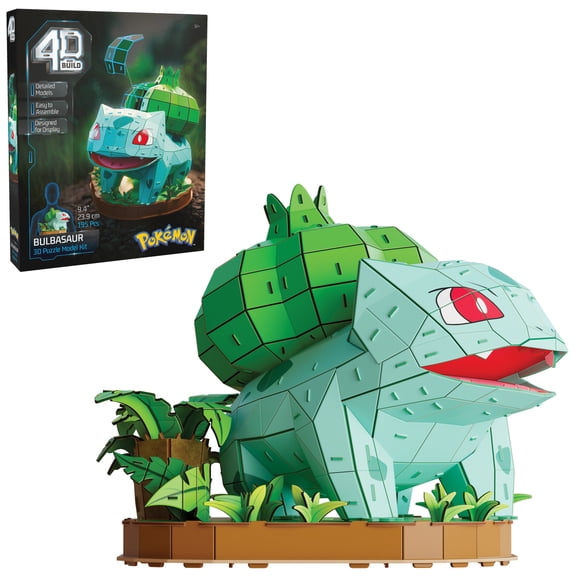
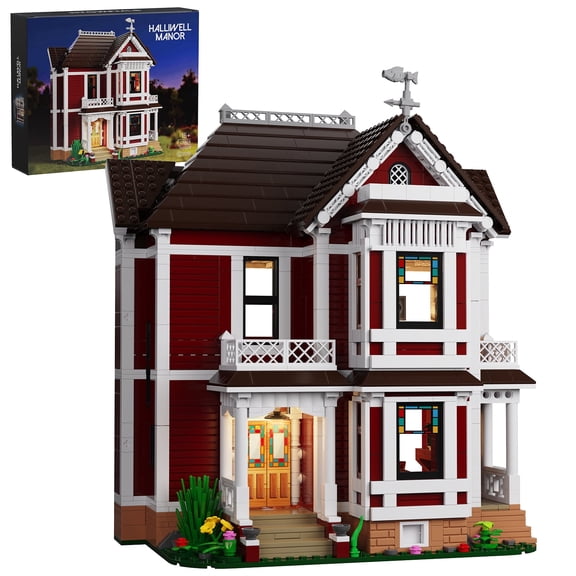
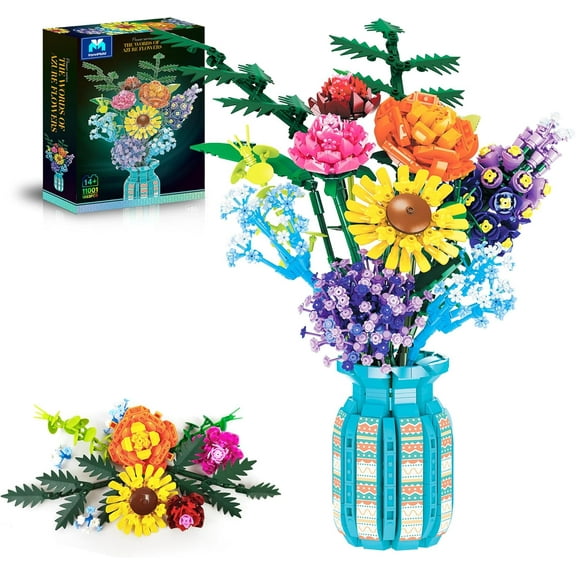
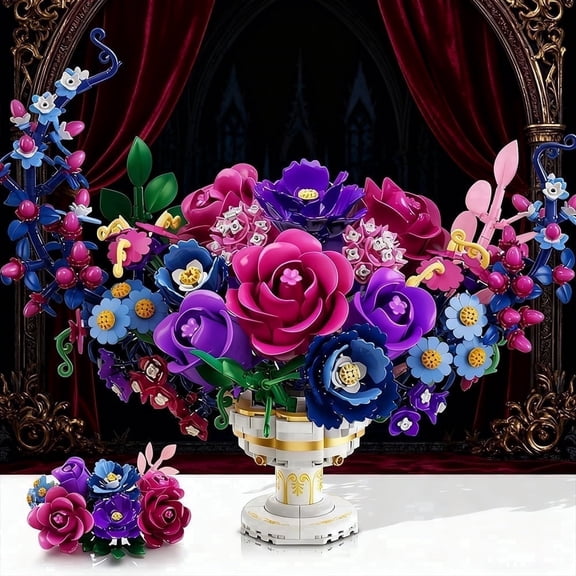
Kids ages eight to 12 years often enjoy sets with more pieces and detailed instructions. If you're shopping for ages 12+, you can compare complex building sets with display-focused themes.
- You can match piece size to age for easier handling.
- You can compare skill levels to keep building engaging.
- You can choose simpler or more detailed builds by stage.
- You can look for age guidance and piece counts before buying.
What to look for in wooden building blocks, magnetic building blocks, and other materials
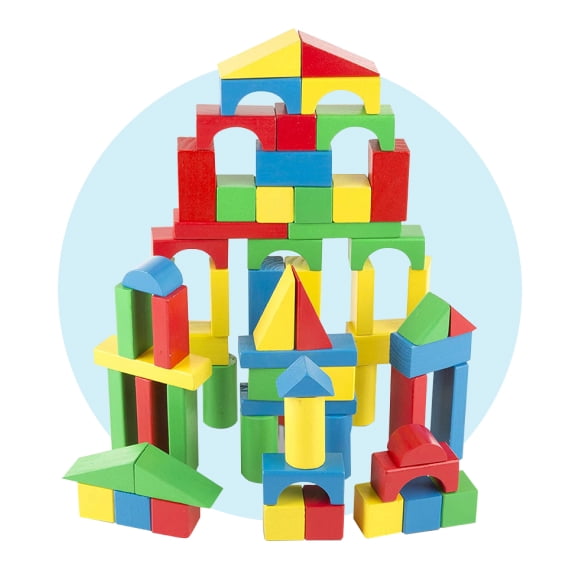
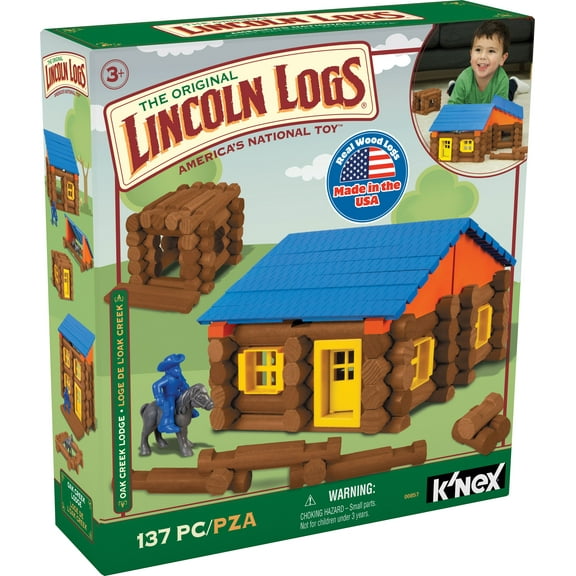
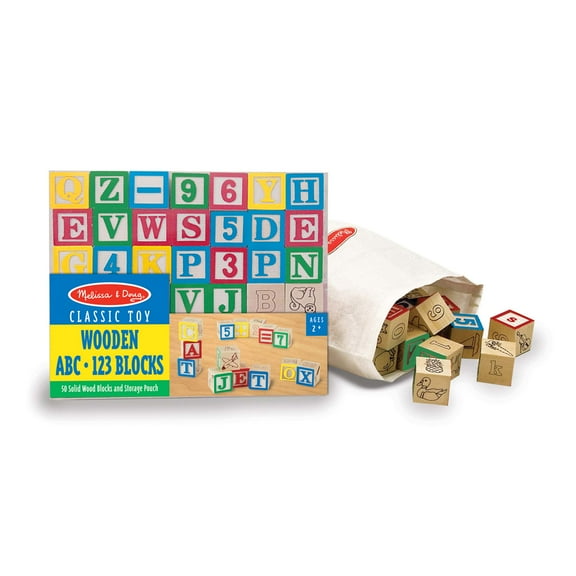
You should compare material first because it shapes the feel, weight, and cleanup of each set. Wooden building blocks often give you a classic stack-and-sort experience with sturdy shapes.
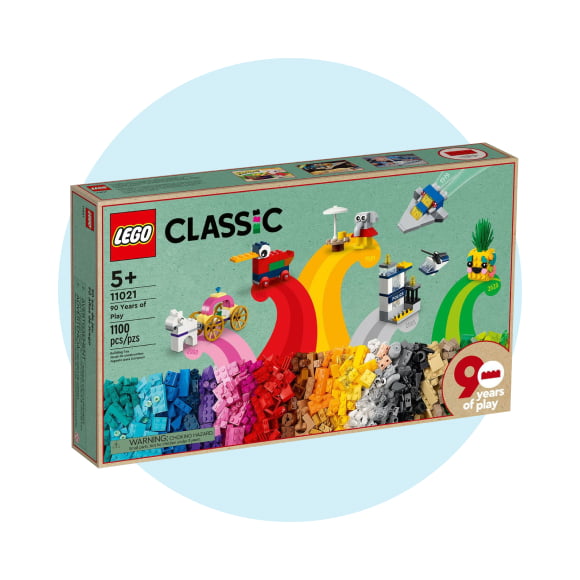
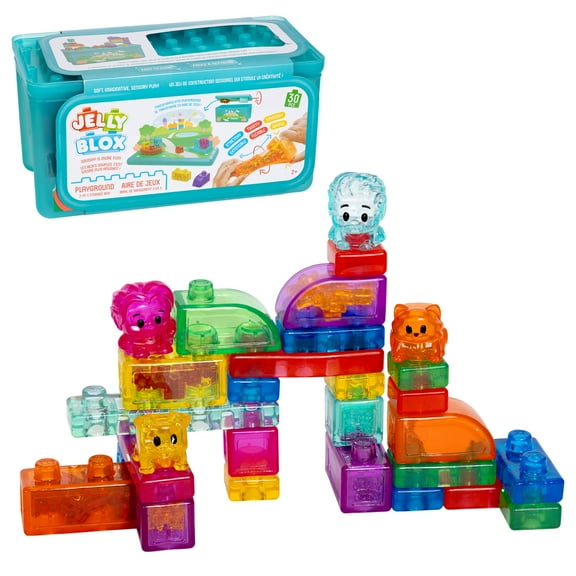
Plastic building bricks usually give you lighter pieces and broad compatibility across many building sets. Foam blocks can work well when you want softer, lightweight pieces for early play.
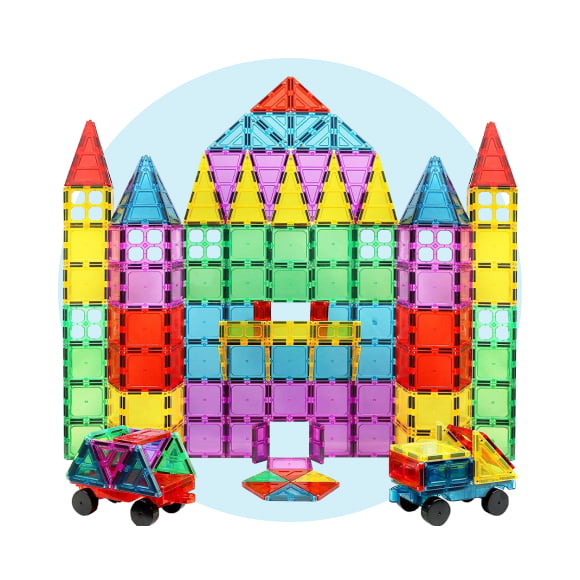
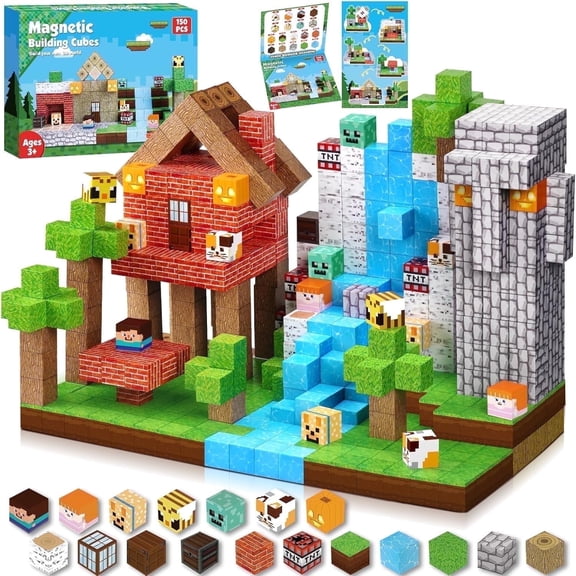
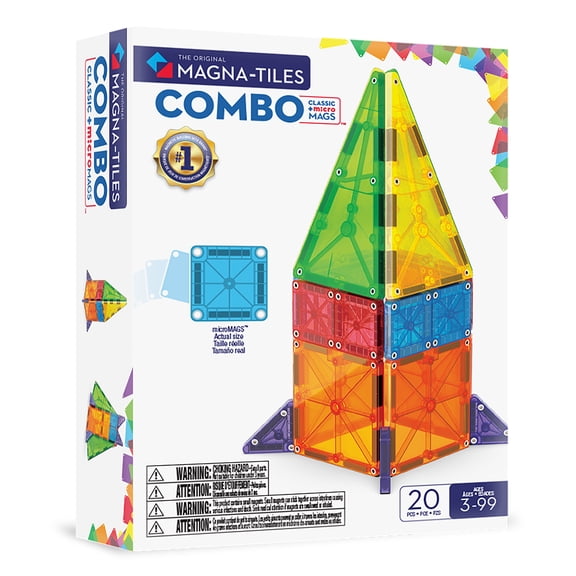
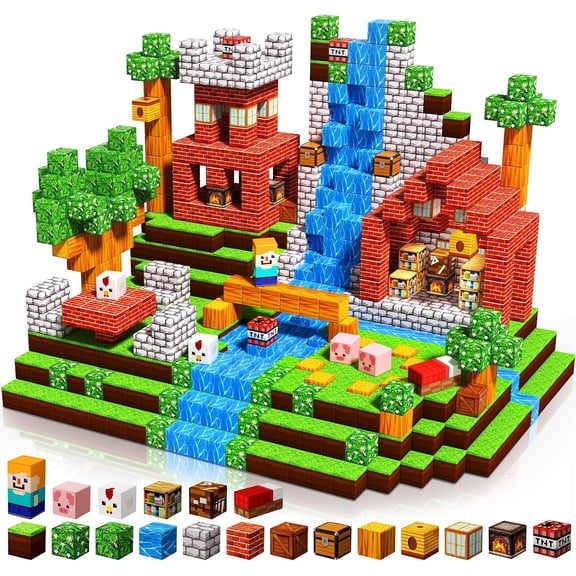
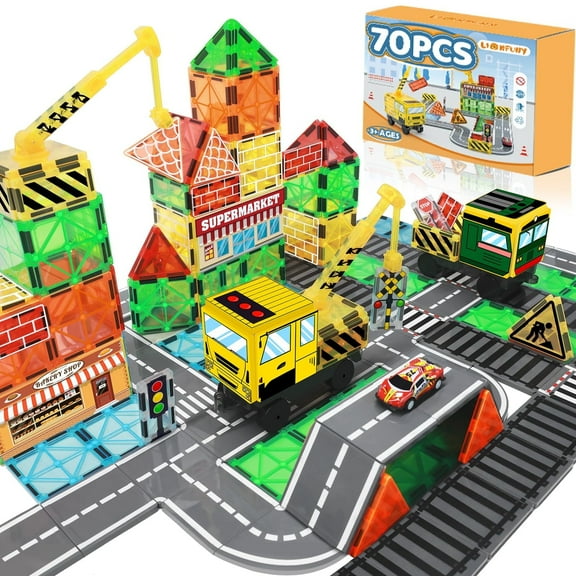
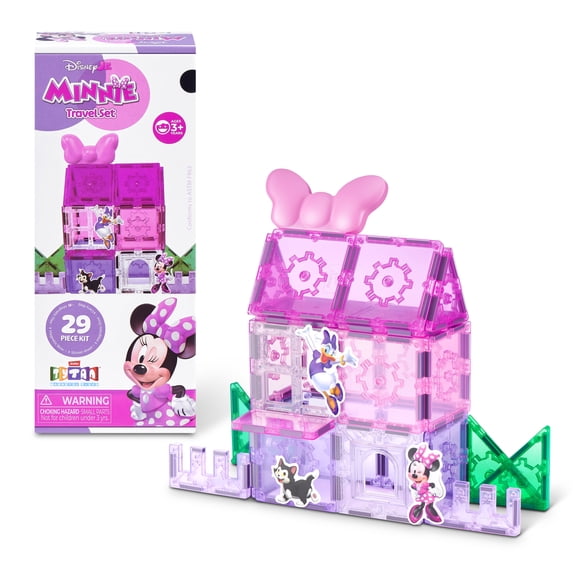
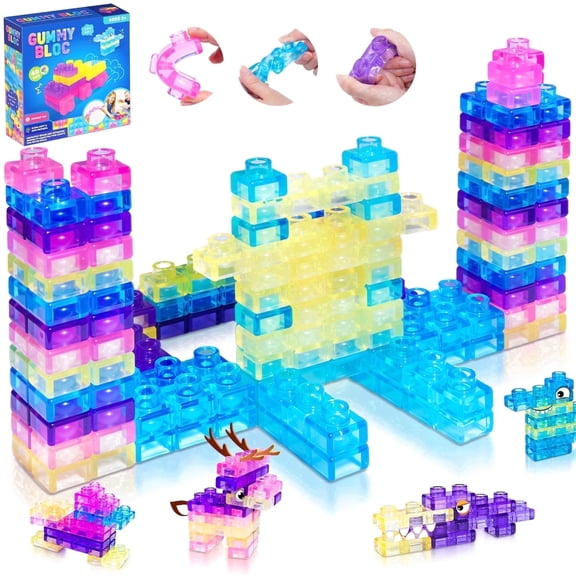
Silicone options can give you flexible textures and easy-to-wipe surfaces for repeat use. Magnetic building blocks let you connect flat tiles or shapes quickly for open-ended designs.
You'll also want to check durability when you compare materials. Wood can feel solid for stacking towers, while plastic can handle repeated snapping and separating.
If you want shape recognition and free stacking, classic wooden sets may suit your needs. If you want fast connections and geometric builds, magnetic sets may fit your play style.
Choosing the right set size and block type
You can narrow your search faster when you compare set size with your available space and storage. Smaller sets under 50 pieces can work for quick builds and simple introductions.
Sets with 50 to 100 pieces can give you more variety without feeling overwhelming. If you want room for bigger scenes, you can consider 100 to 500 pieces.
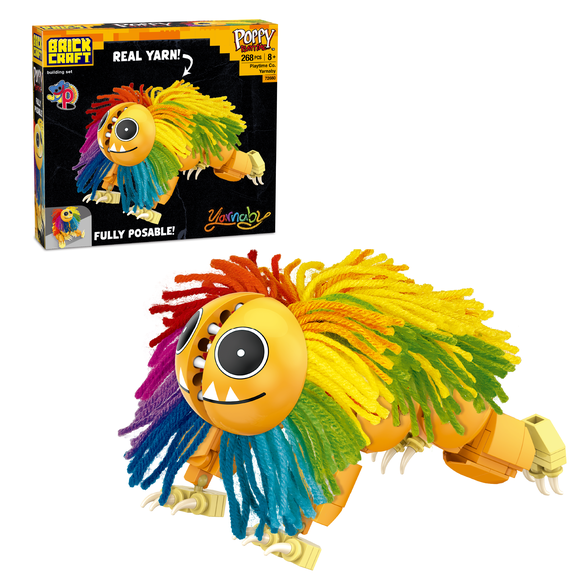
A 500+ piece collection can suit older kids, shared playrooms, or long weekend projects. You should also compare whether you want classic bricks, interlocking parts, magnetic tiles, or educational building toys.
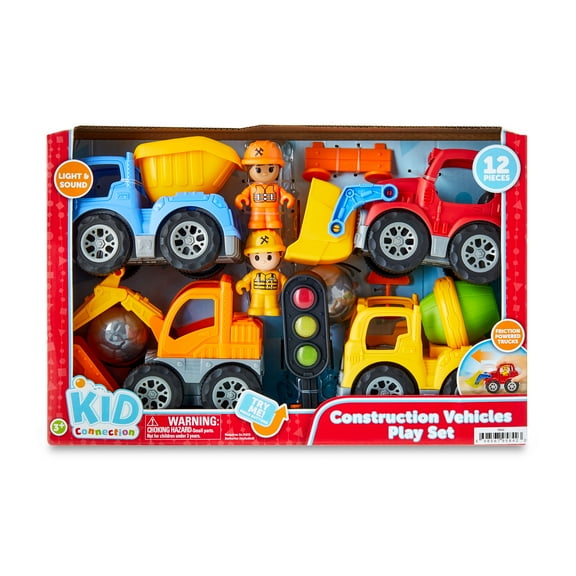
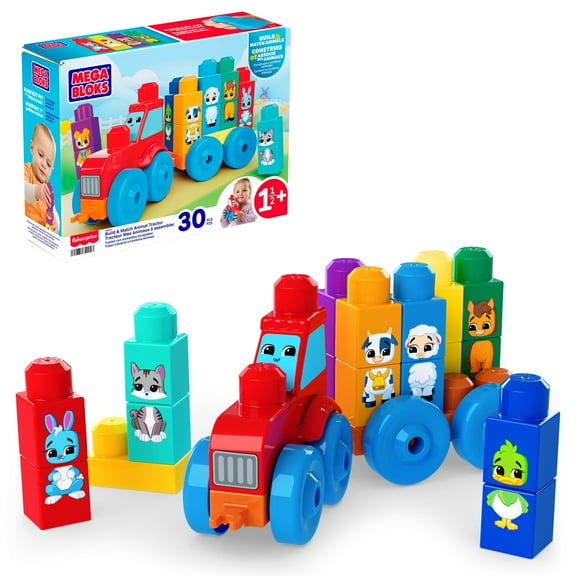
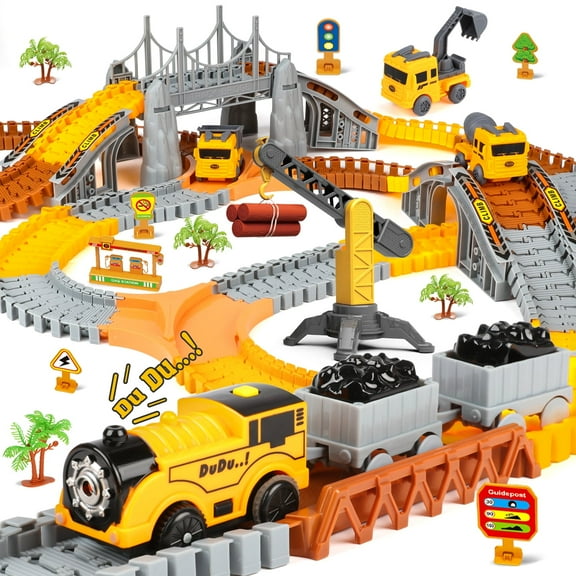
Interlocking blocks can help you build vehicles, houses, and themed scenes with tighter connections. Classic bricks often support freeform towers, walls, and simple shapes that you can rebuild often.
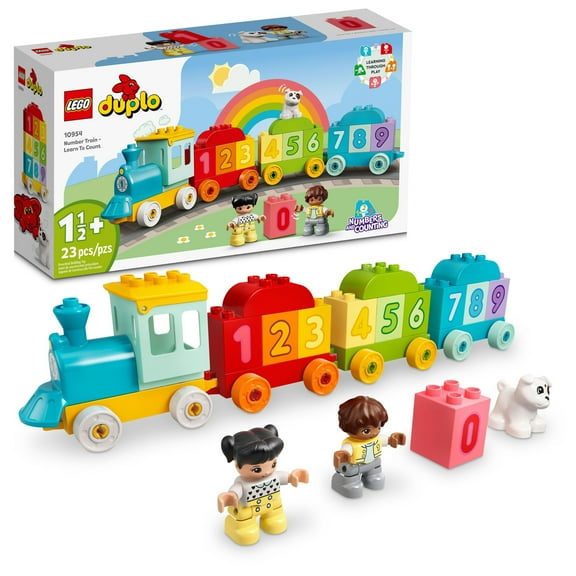
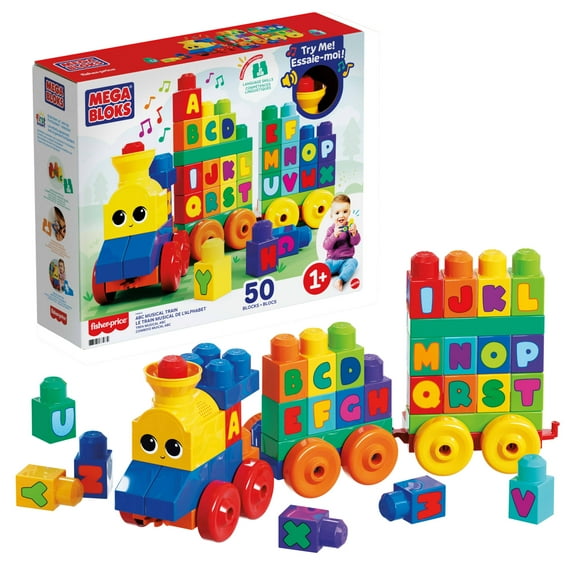
Educational building toys can add letters, numbers, gears, or sorting activities to the experience. You can choose these options when you want play that mixes construction with early learning.
Checking compatibility, durability, and everyday play needs
You may want building sets that work with blocks you already own. You should check product details for compatibility notes if you want to expand an existing collection.
Interlocking standards can matter when you plan to combine plastic building bricks across sets. You can avoid guesswork by reviewing piece shape, stud style, and brand guidance.
Durability matters when you expect frequent rebuilding, dropped towers, and busy playrooms. You can compare material, edge finish, and connection style to understand everyday wear.
You'll also want to consider cleanup and storage before choosing a larger building block set. Smaller counts can fit casual play, while larger assortments can support group builds and long projects.
If you need travel-friendly play, you can look for compact sets with fewer pieces. If you want holiday building sets, you can compare themed options for seasonal decorating and family activities.
How building blocks fit different play styles
You can use building blocks for solo focus, sibling play, or guided family time. Magnetic tiles can support quick pattern building, while classic bricks can encourage longer open-ended construction.
For toddlers, you can choose larger toy blocks for stacking, color practice, and simple shape play. For school-age kids, you can choose themed sets that support step-by-step building and imaginative stories.
If your child likes problem solving, you can compare educational sets with moving parts or sorting tasks. If your child prefers collecting, you can look at larger sets with more detailed finished models.
During gift seasons, you can also compare christmas toy blocks and other themed sets by age and complexity. You can match the set to the child’s interests, available space, and attention span.
When you compare age range, material, set size, and compatibility, you can choose building blocks with more confidence. You’ll end up with a set that fits your child’s hands, interests, and everyday play routine.