


Brunch

Brunch-worthy beverages



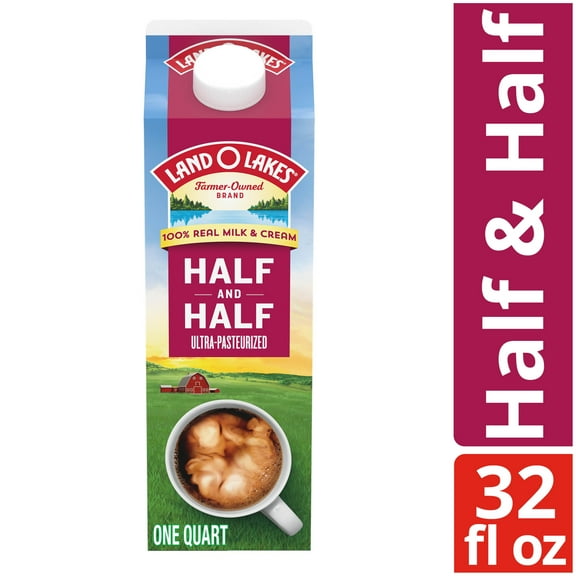



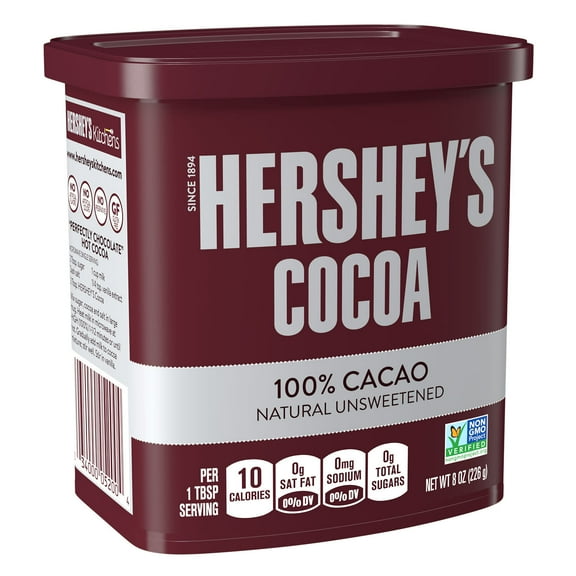


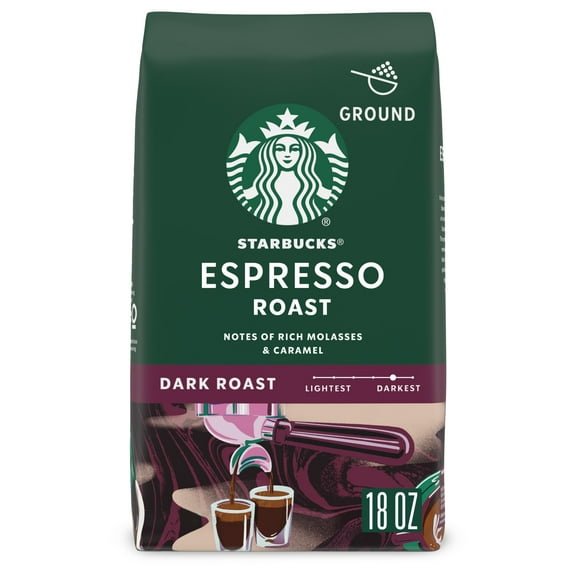



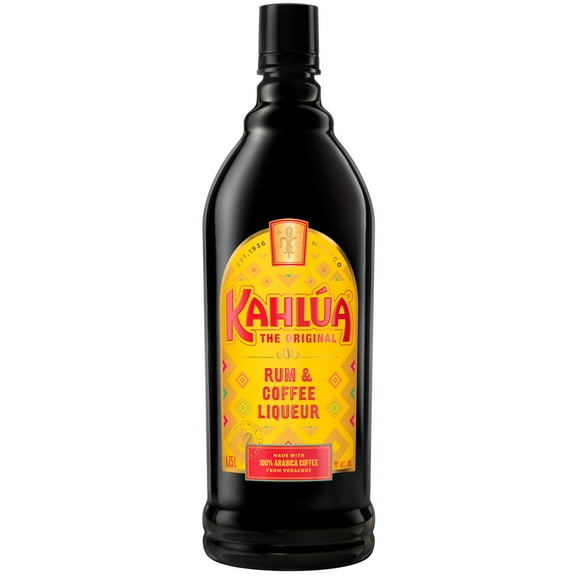

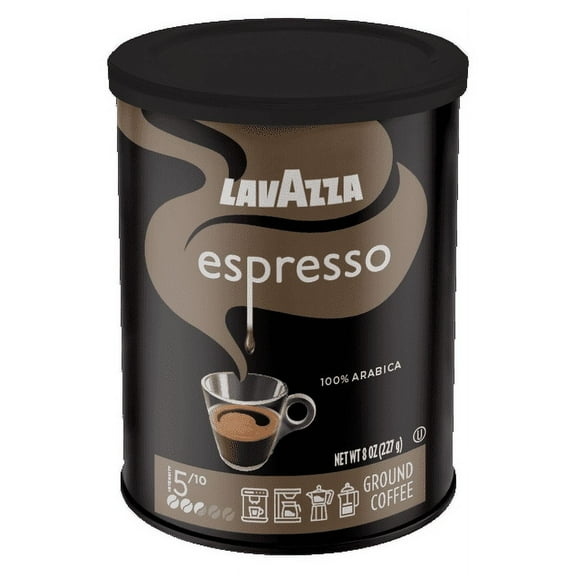


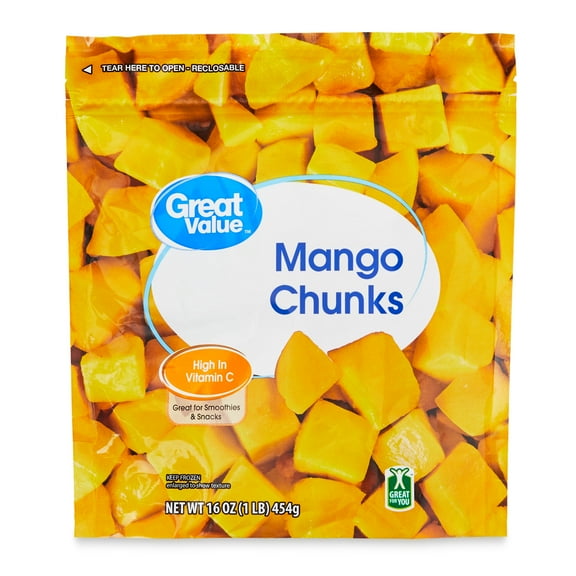
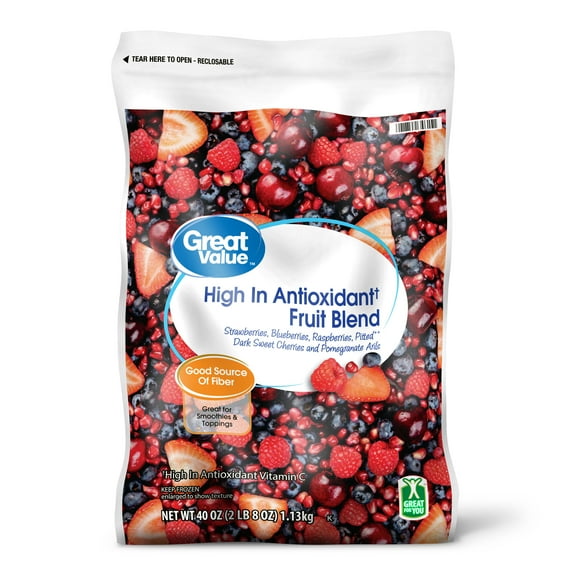
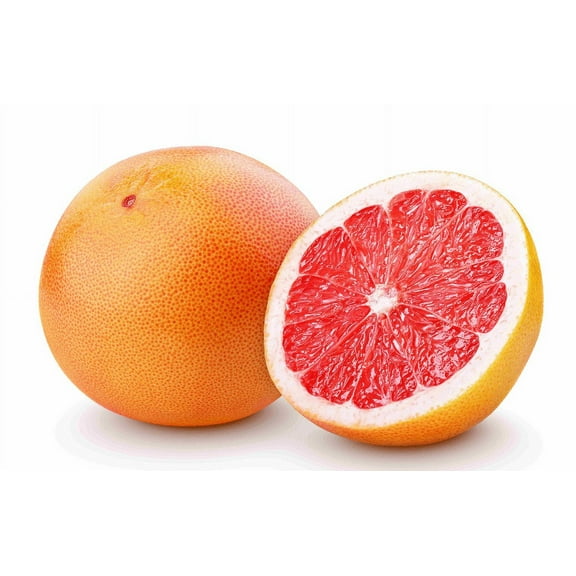
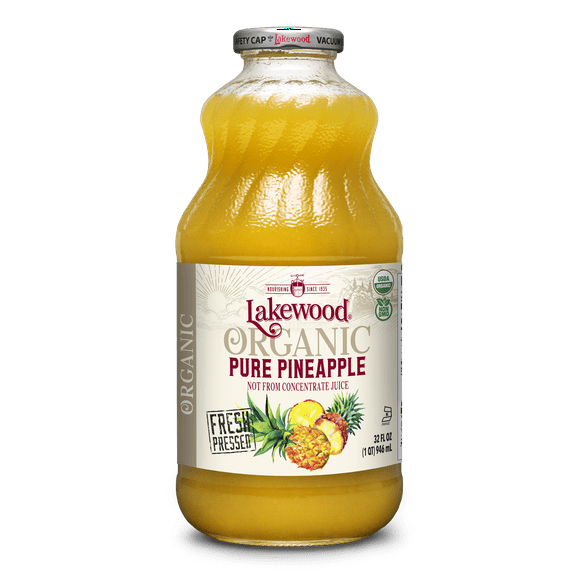
Cheers to brunch in style























FAQ
About Brunch - Walmart.com
Brunch food helps you build a balanced table with pastries, eggs, bacon, fruit, and drinks for your weekend plans. Whether you’re hosting family or friends, your menu can feel coordinated with minimal guesswork.
If you’re planning breakfast and brunch together, this page helps you compare brunch essentials by food type and beverage type. It also helps you sort choices by dietary preference and preparation time.
Choosing the right brunch food mix
Start with sweet and savory balance, so your table feels complete from the first plate. A mix of pastries, fruit, eggs, and bacon gives your guests familiar options.
For a lighter spread, consider fruit and bakery items with coffee or tea. For a heartier meal, add eggs and bacon to anchor the menu.
Different textures help your brunch menu ideas feel intentional instead of random. Flaky pastries, crisp bacon, soft eggs, and fresh fruit create variety across each serving area. That contrast helps your guests build plates with both light and hearty bites.
- You might choose pastries when your setup needs easy serving and classic brunch appeal.
- Your eggs can act as a savory center that pairs with sweet and salty sides.
- Your bacon adds a crisp, hearty option that rounds out softer foods.
- Your fruit brings color, freshness, and a lighter contrast to baked items.
- Your coffee, juice, tea, or mimosa mixers complete the table with flexible drink choices.
How to compare brunch essentials by beverage type
Drink planning shapes the pace of your gathering as much as food selection. Coffee and tea suit slower mornings, while juice and mimosas fit celebratory tables.
If your spread includes rich eggs, bacon, and pastries, citrus juice can brighten each bite. When your menu leans lighter, coffee or tea can add warmth and structure.
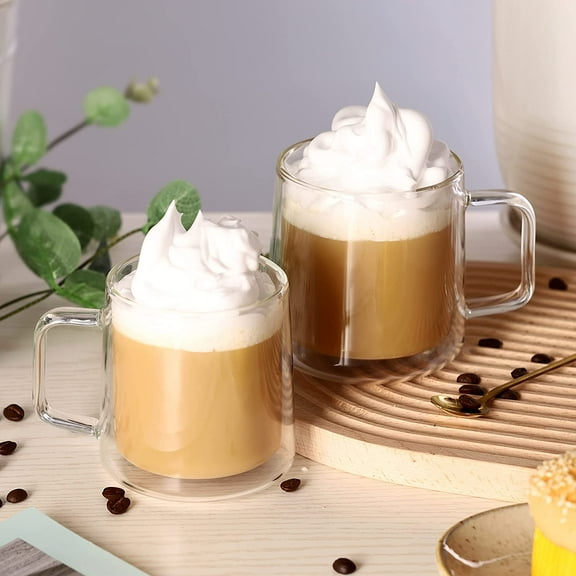
Hot and cold drinks also help when your guests arrive at different times. Your beverage station can feel organized when you group mugs, glasses, and mixers together. That setup helps your guests serve themselves without crowding one area.
During holiday brunch planning, coordinated drinks make the table feel polished. Sparkling options pair naturally with fruit and pastries, while coffee keeps the meal grounded.
What to look for in brunch food by dietary preference
Dietary planning works well when you check preferences before you finalize your menu. That step helps your table include gluten-free, organic, vegetarian, and other routine-friendly choices.
Variety matters because your guests may want different plate styles. A thoughtful spread can include fruit, eggs, and select bakery items with clearly labeled alternatives.
Label reading becomes useful when your group has specific ingredient expectations. Product details can help you compare options without disrupting your overall brunch plan. Clear labels also help your guests choose comfortably and quickly.
Your brunch party food doesn’t need one dish that fits everyone. Instead, your table can feel welcoming when sweet, savory, and specialty items sit side by side.
Choosing preparation time for easy brunch recipes
Preparation time often decides which menu feels realistic for your morning. Ready-to-eat items help you serve quickly, while quick-prep and scratch-made picks offer more involvement.
When your schedule feels packed, bakery items, fruit trays, and beverages keep setup simple. A few warm items, like eggs or bacon, can still make your spread feel fresh.
Scratch-made choices make sense when your guest list is smaller or your morning feels flexible. In that case, convenient sides can keep your kitchen work manageable. A layered plan helps your brunch food stay balanced without extra complexity.
For easy brunch recipes, consider building your menu in layers. One pastry, one protein, one fruit option, and two drinks create a practical lineup.
Planning serving size for weekend brunch
Guest count changes how much variety your table needs and how quickly food moves. Longer meals usually need broader categories, especially when drinks and snackable items stay out.
For a short gathering, your menu may work with a few focused choices. For a longer weekend brunch, extra pastries, fruit, and coffee refills help maintain flow.
Station planning can make serving simple for both small and larger groups. Sweet, savory, and beverage zones help your guests build plates without crowding one area. Category-based planning also helps you estimate quantities with minimal stress.
Your brunch food setup feels complete when flavor, timing, drinks, and dietary needs all connect clearly. That structure keeps your table steady from the first round to the last refill.
How brunch food supports different hosting moments
A casual weekend brunch often works well with pastries, fruit, coffee, and one savory dish. That combination gives your guests a relaxed mix of breakfast and brunch favorites.
For family gatherings, eggs, bacon, juice, and bakery items can cover a wide range of ages. Your menu stays easy to understand when familiar foods lead the table.
Holiday brunch menus usually benefit from a little extra structure. Mimosas, coffee, pastries, and fruit can frame the spread, while warm savory items add staying power. That combination helps your table feel festive without becoming complicated.
When your goal is easy hosting, practical category choices keep the meal balanced. With the right mix of brunch food and drinks, your gathering feels organized from the first cup to the last plate. That planning helps your weekend brunch feel complete, flexible, and easy to serve.