

Breakfast Breads in Bakery & Bread














About Breakfast Breads in Bakery & Bread - Walmart.com
Breakfast breads help you build easier mornings with choices that fit toast, sandwiches, and quick grab-and-go routines. You can compare bagels, English muffins, croissants, and sliced loaves in one place for everyday breakfast planning.
How to choose breakfast breads
You should start with bread type because shape and texture affect how your breakfast comes together. You may want a chewy bagel, a split English muffin, a flaky croissant, or sliced breakfast bread.
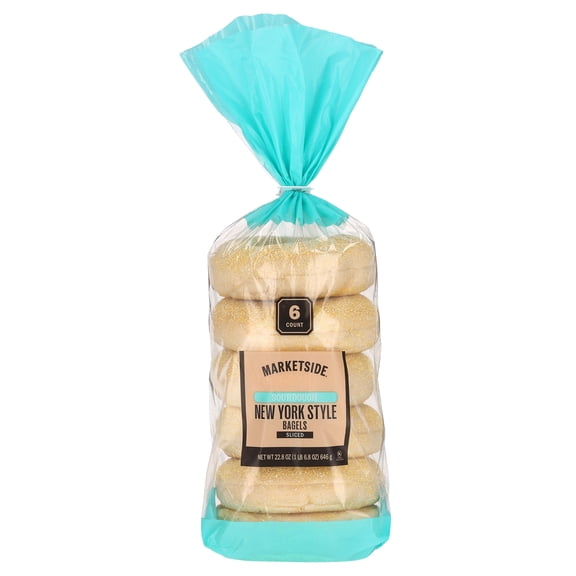
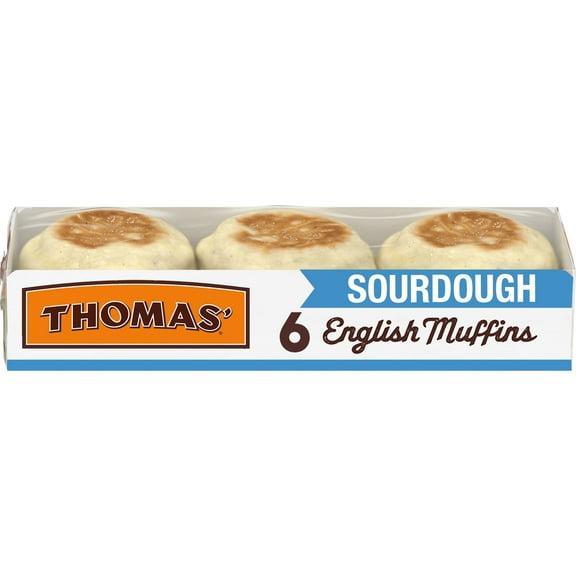
If you make breakfast sandwiches, you can compare structure before flavor. You’ll notice English muffins and bagels hold eggs and spreads neatly, while croissants bring a softer, richer bite.
When you want simple toast, you can look at brioche or sliced loaves first. You’ll often get easy slicing, even browning, and quick serving for busy school or work mornings.
Key benefits for your morning routine
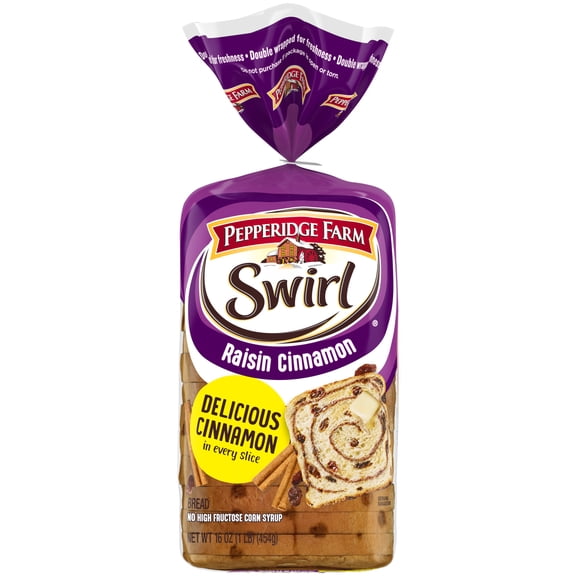
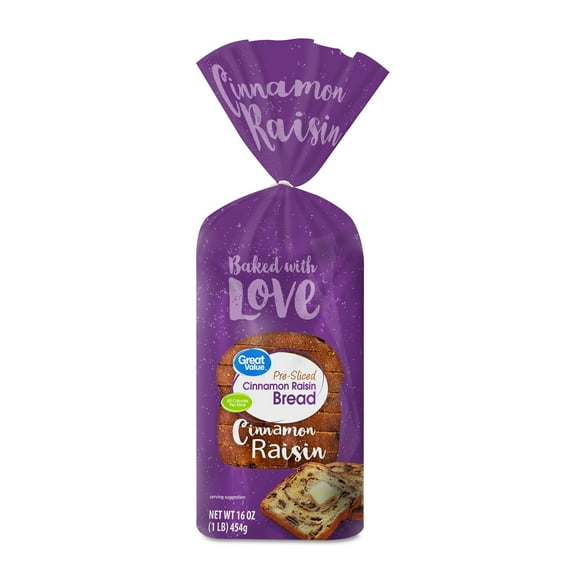
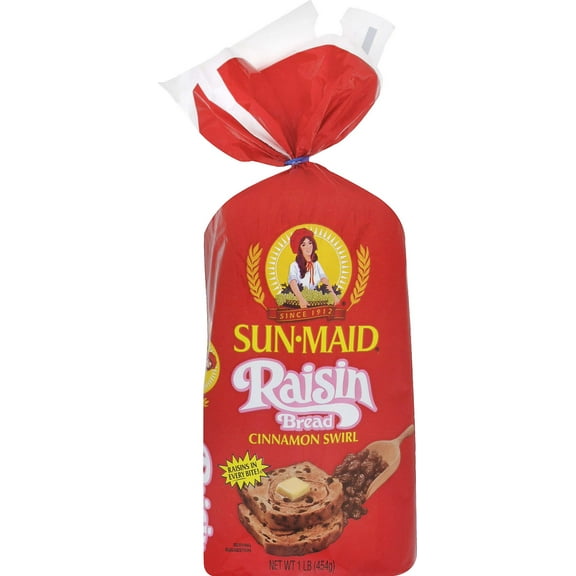
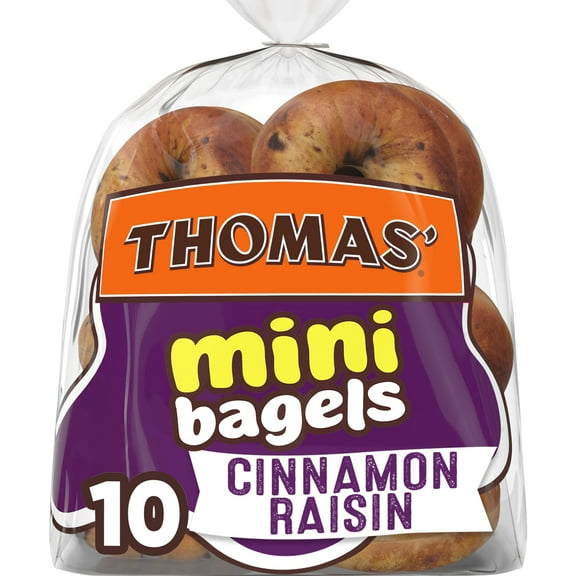
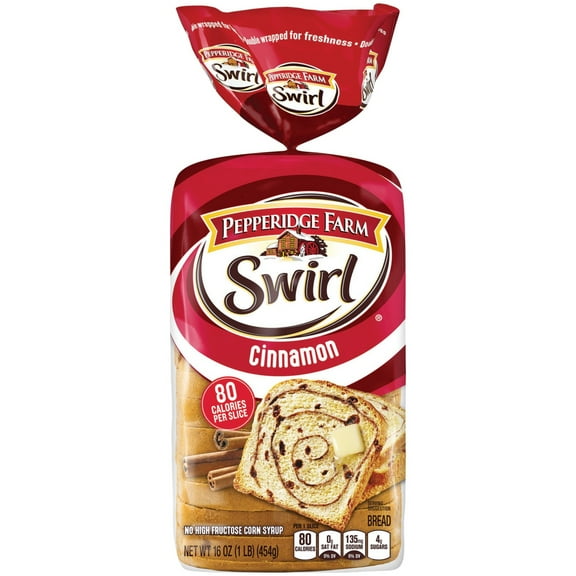
You can keep breakfast flexible when your household likes different textures and flavors. You may choose plain options for sandwiches or sweeter picks like cinnamon raisin bread for toast.
Your routine gets easier when you match preparation to your schedule. You can keep ready-to-eat items for fast mornings, or choose toast-and-serve styles when you want a warmer bite.
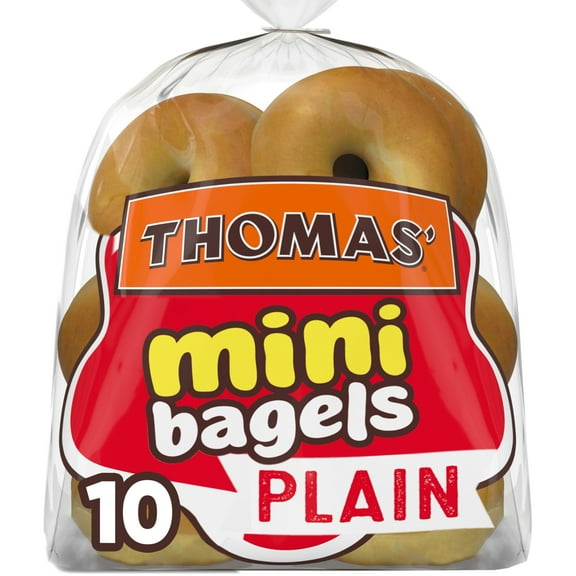
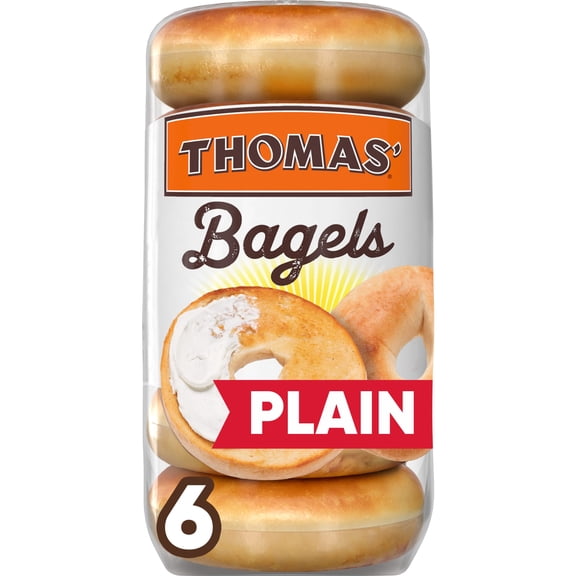
- You can build breakfast sandwiches with English muffins or breakfast bagels.
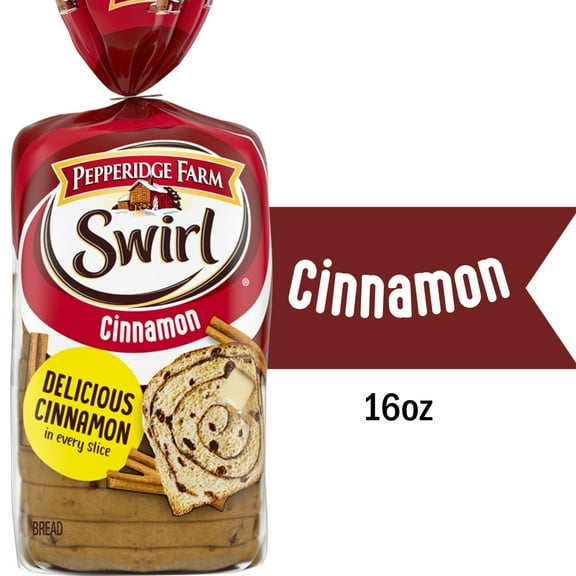
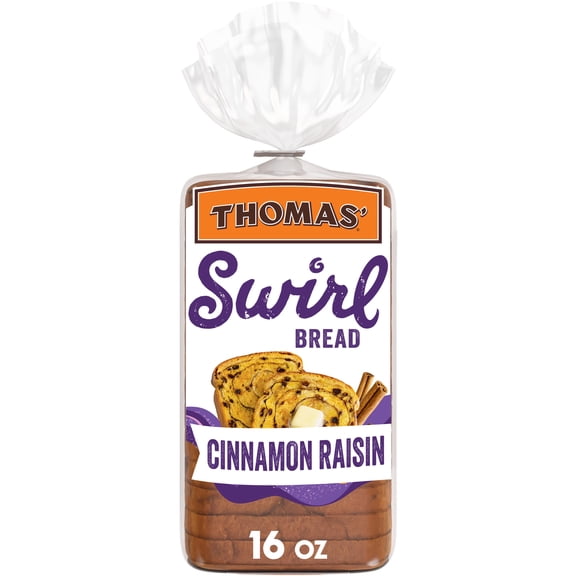
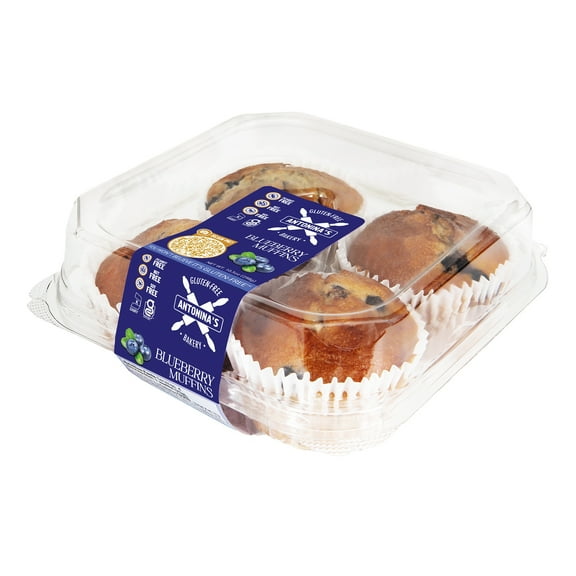
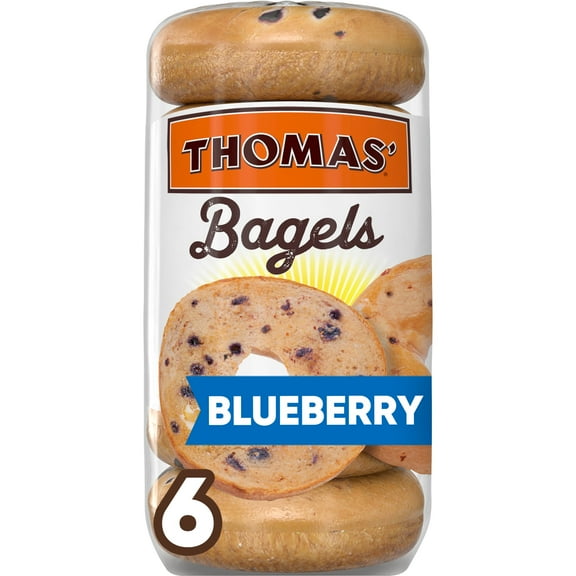
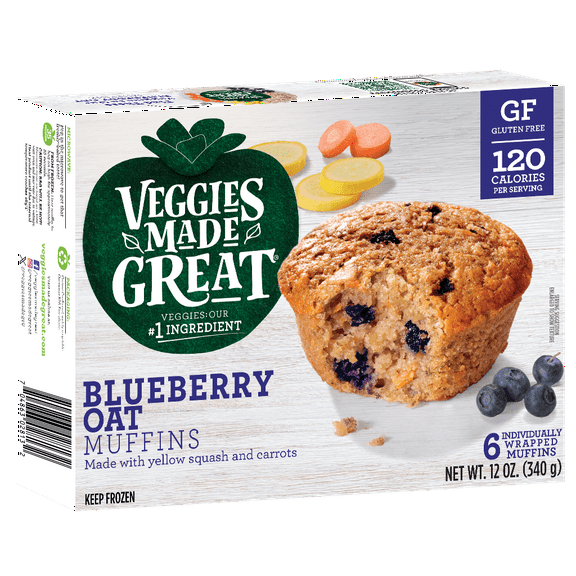
- You can serve sweet toast with cinnamon raisin bread, blueberry flavors, or honey wheat slices.
- You can pair croissants with butter, jam, eggs, or breakfast meats.
- You can keep options on hand for individual servings or family breakfasts.
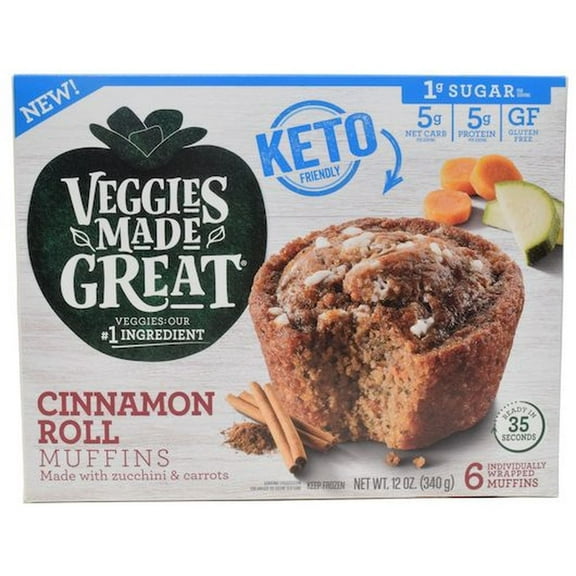
You also get flexibility with dietary preferences that matter at home. You can compare gluten-free, low carb, organic, and keto-friendly options without leaving the breakfast category.
That variety helps you plan for weekdays, weekend brunches, and lunchbox add-ons. You can keep one loaf for toast and another pack for breakfast sandwiches.
Comparing bread type, flavor, and preparation
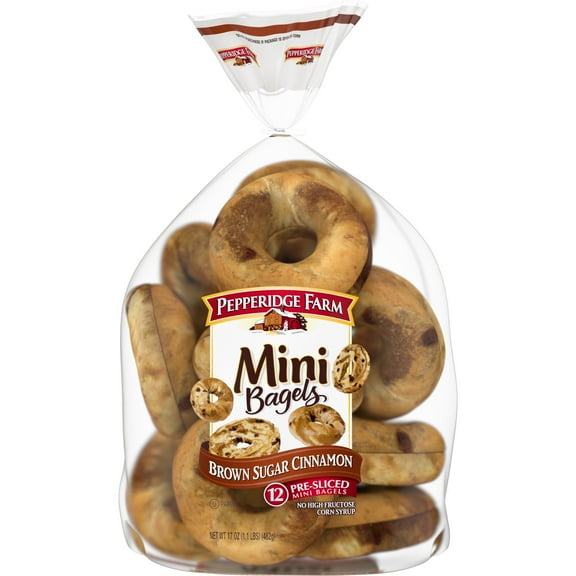
You should compare bread type first because each option supports a different use. You’ll usually find bagels with a denser chew, while croissants bring a lighter, layered texture.
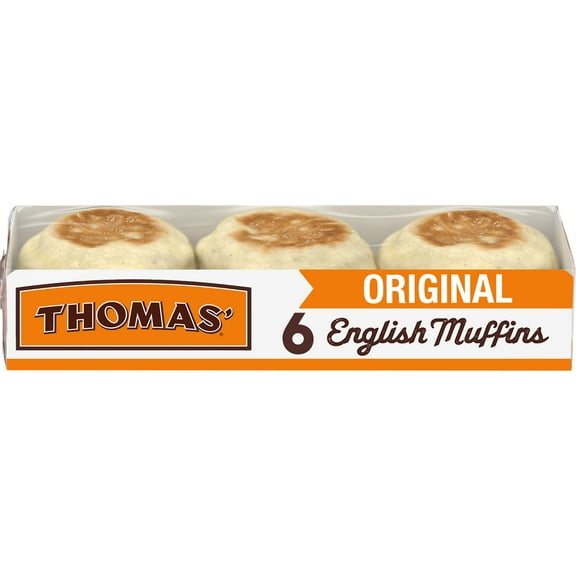
English muffins work well when you want nooks and crannies for butter or preserves. You can also toast them for crisp edges that support eggs, cheese, or sausage.
With sliced breakfast bread, you can focus on thickness, softness, and sandwich use. You may prefer standard slices for toast, or richer brioche for French toast and sweeter pairings.
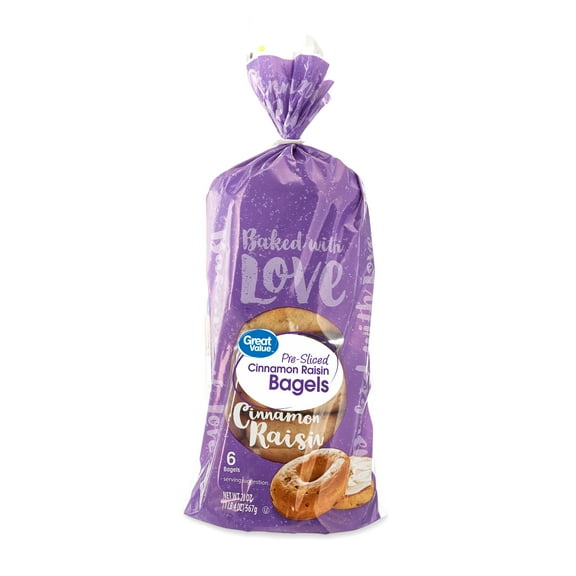
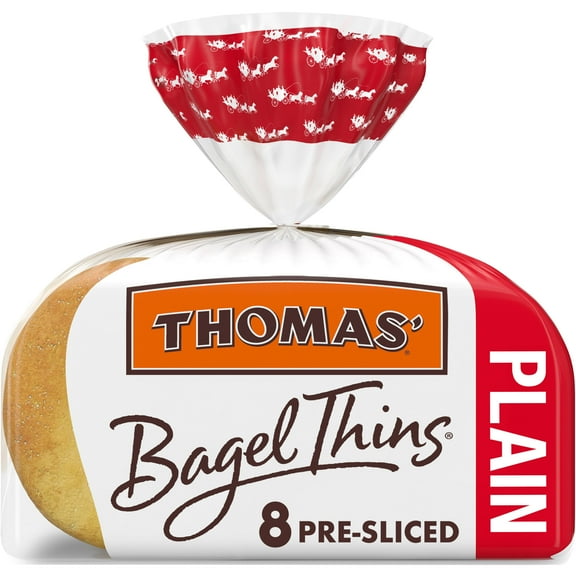
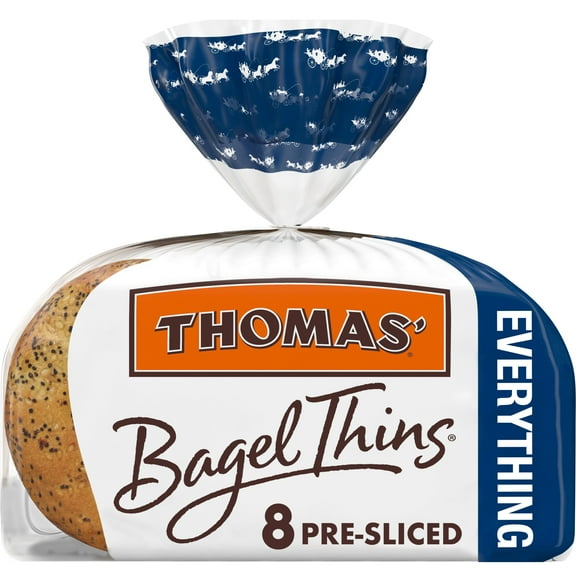
Flavor profile matters when you’re planning toppings and sides. You can keep plain or everything varieties for savory meals, then add cinnamon raisin or blueberry for sweeter breakfasts.
You should also check the preparation style before you choose a pack. You may want ready-to-eat convenience, toast and serve options, or bake-off breads for a fresh-from-the-oven feel.
Pack size can shape your choice just as much as flavor. You can pick smaller counts for one or two people, or larger packs for family breakfasts all week.
Your storage plan matters when you stock up for the week. You can keep many breakfast breads in the pantry for short-term use, or freeze extras for later mornings.
If you freeze bread, you should separate portions before storing when possible. You can then thaw only what you need for toast, sandwiches, or a quick side.
Using breakfast breads for everyday meals
You can use breakfast breads for far more than plain toast. You may build egg sandwiches on breakfast bagels, spread jam on croissants, or make quick peanut butter toast with sliced bread.
For school mornings, you can keep simple options that toast quickly and portion easily. You may want English muffins for individual servings or sliced breakfast bread for fast family batches.
Weekend breakfasts often call for richer textures and sweeter flavors. You can choose brioche for French toast, croissants for brunch spreads, or cinnamon raisin bread with cream cheese.
If your household mixes savory and sweet preferences, you can keep two bread types on hand. You might pair everything bagels with eggs, then offer blueberry slices for a sweeter plate.
You can also plan around dietary needs without changing the whole routine. You may compare gluten-free or low carb options when one person needs a different breakfast base.
When you prep ahead, you can freeze extra bagels, muffins, or slices for later use. You’ll have a simple option ready when your morning schedule feels packed.
You may also pair your picks with spreads and pantry staples for easier meals. You can match breakfast breads with jams, butter, cream cheese, or baking ingredients for homemade touches.
Your choice becomes easier when you compare texture, flavor, preparation, and pack size together. You can build a breakfast setup that fits your mornings and keeps every slice useful.
Breakfast breads give you practical variety for toast, sandwiches, and sweet breakfast favorites. You can choose the styles that fit your routine, so your mornings feel simple and satisfying.