

























Bread Shop
Breads we love
Artisan & specialty loaves
Artisan Breads
Explore rustic loaves, baguettes, and rolls crafted with a golden crust.
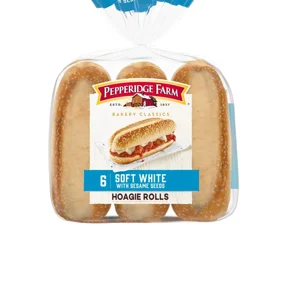
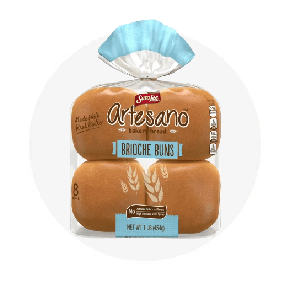
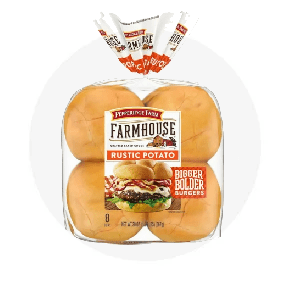
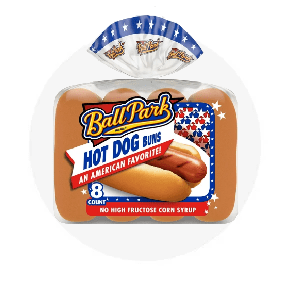
Buns & rolls
Specialty breads
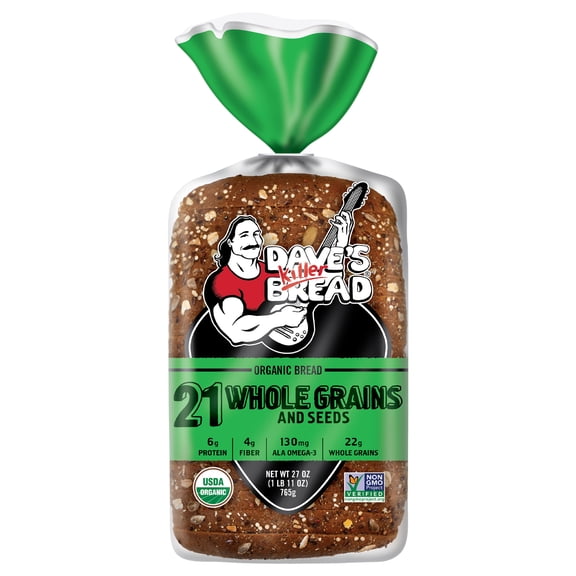
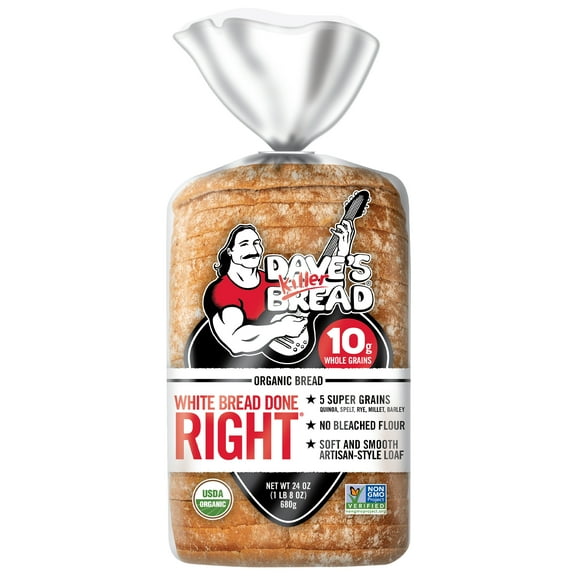
Organic bread
Breakfast essentials
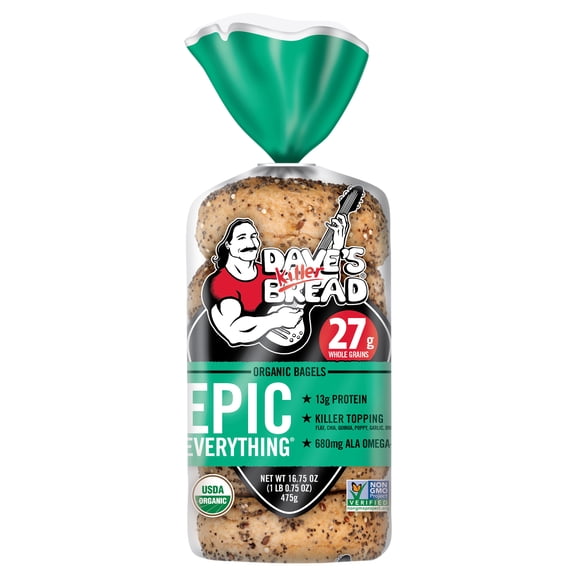
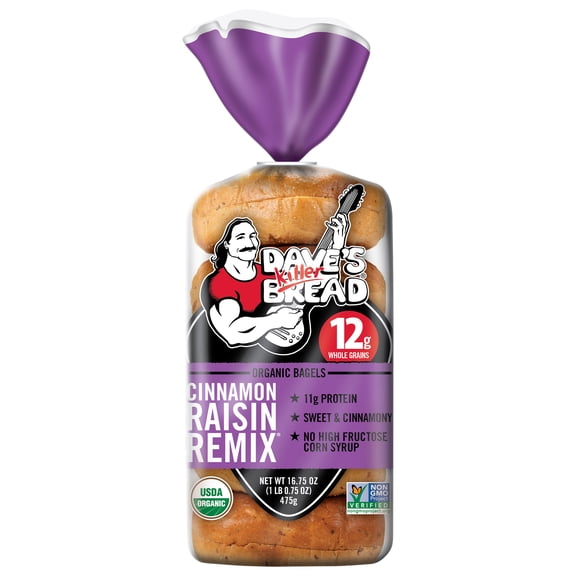
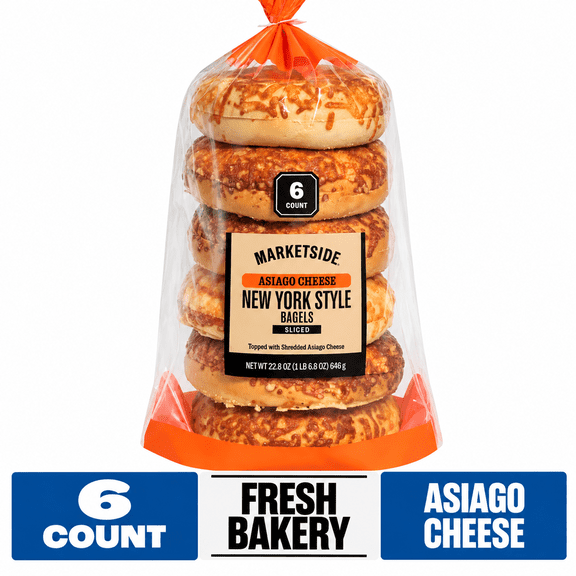
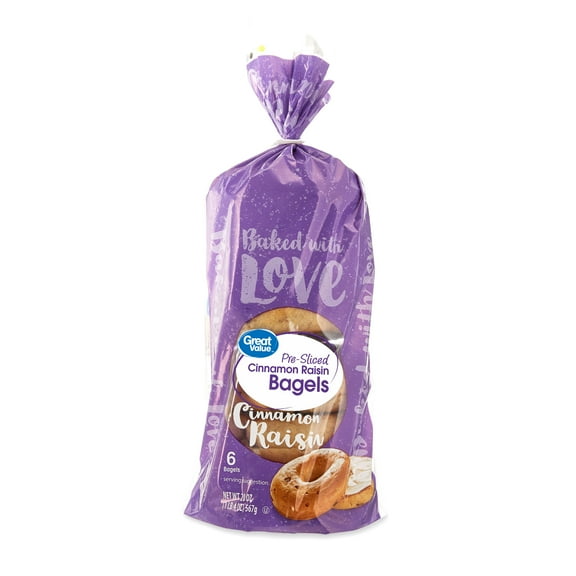
Bagels
Wraps & flatbreads
Elevated handhelds


FAQ
About Bread Shop - Walmart.com
Standard bread helps you cover everyday sandwiches, toast, and quick sides with dependable slices and familiar texture. At Walmart, you can compare fresh bakery picks, packaged loaves, and recipe-ready options in one place.
Whether your week calls for school lunches or dinner pairings, you can sort bread by type, form, ingredients, and freshness needs. That makes it easier for you to match each loaf to your meals.
How to choose standard bread and a loaf of bread
Start with bread type, because your crumb softness and crust texture shape how each recipe turns out. White bread gives you a mild taste, while wheat and multigrain bring a fuller grain flavor.
When you want more chew, you may compare sourdough and rye for a firmer bite and bakery-style character. For packed lunches, regular bread often gives you the soft slices your sandwiches need.
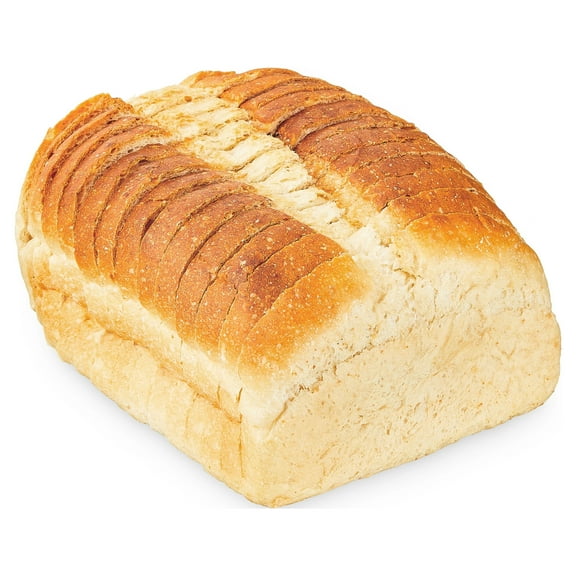
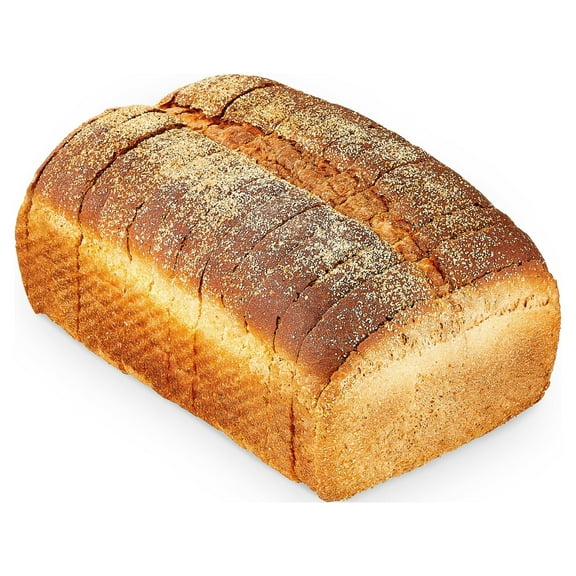
Form factor matters too, because your prep style changes with each bread loaf you buy. Sliced loaves help you move faster at breakfast, while unsliced loaves give your recipes thicker cuts.
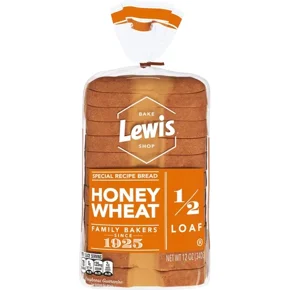
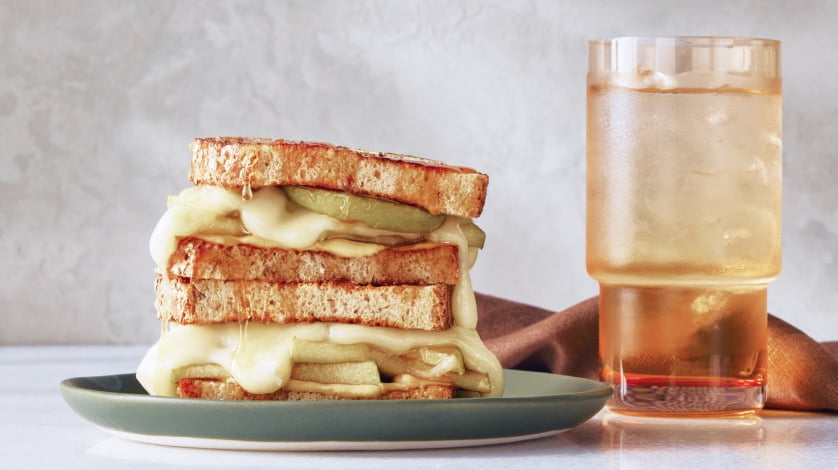
- Your sliced sandwich bread works well for grilled cheese, toast, and weekday lunches.
- Your unsliced loaf of bread suits thicker French toast pieces and soup dipping.
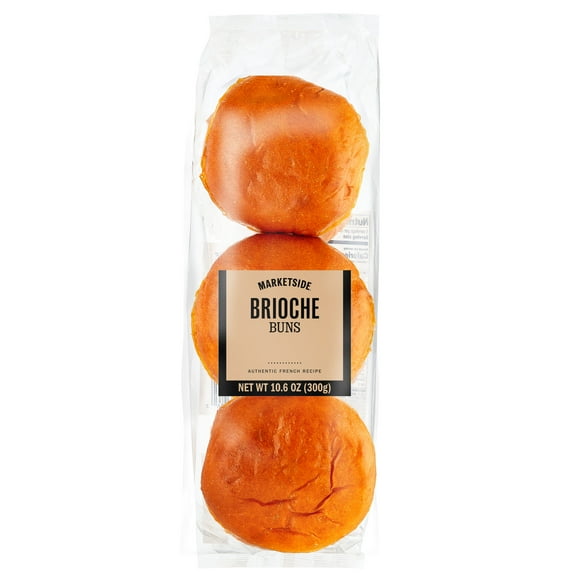
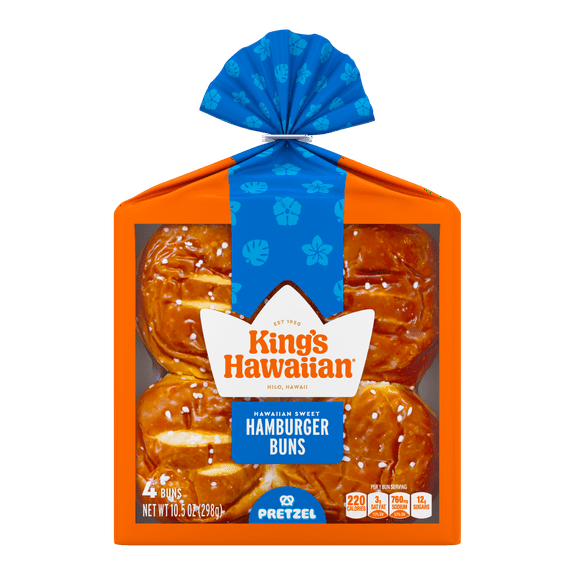
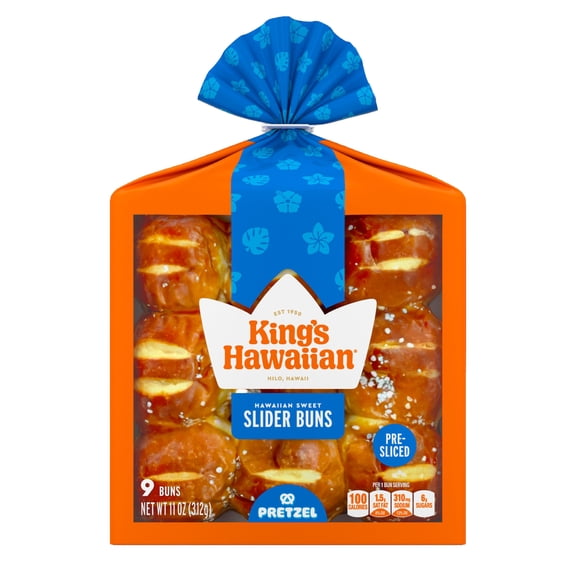
- Your buns and rolls fit burgers, sliders, and deli-style sandwich builds.
- Your baguettes bring a crisp crust for bruschetta, garlic bread, and cheese boards.
Choosing bread types, ingredients, and nutrition details
Ingredient profile can guide your choice when your household prefers simple labels or special dietary formats. You can compare bread with simple ingredients, organic options, gluten-free loaves, and low sodium varieties.
If white bread sodium matters in your planning, check sodium mg per serving before you choose. You may also compare sugar content and whole grain percentage for your daily meals.
Artisan white bread usually gives you a thicker crust and a more open interior than soft sandwich slices. That difference helps you decide whether your meal needs tenderness or a bakery-style bite.
Preparation style also affects how your bread fits the week ahead. Freshly baked loaves suit near-term meals, while packaged, par-baked, and frozen options give your schedule more flexibility.
Storage needs deserve a quick look before you pick up more than one loaf. You may keep packaged bread for weekday rotation, while frozen selections help you plan further ahead.
How a bread loaf fits your recipes
Recipe match matters, because your bread thickness and texture can change the whole meal experience. Softer slices support peanut butter sandwiches, while firmer pieces hold up for French toast.
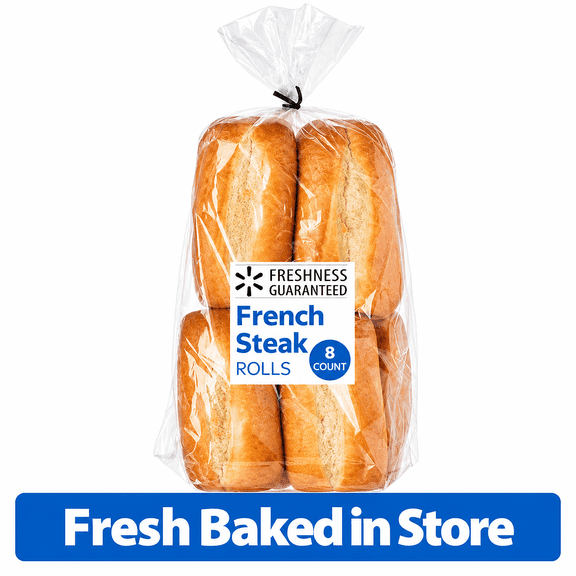
For Philly cheesesteaks, you may want bread with structure, chew, and enough crust to hold fillings neatly. Rolls, hoagie-style bread, or an artisan bread loaf can give you that sturdier feel.
Standard bread works well when your sandwich needs even slices that stack neatly with deli meat or cheese. It also helps your morning toast come out consistent from one piece to the next.
At dinner, you might reach for sourdough or rye when your plate needs a deeper flavor and chewier bite. Multigrain can also give your breakfast or lunch a heartier texture with visible grains.
Some meals call for individual portions instead of one shared loaf. In those cases, your buns or rolls make serving burgers, pulled pork, or chicken sandwiches much easier.
Comparing artisan white bread and artisan bread loaf options
When you compare standard bread with artisan styles, look closely at crust, crumb, and shape. Those details tell you whether your loaf will feel soft and uniform or rustic and chewy.
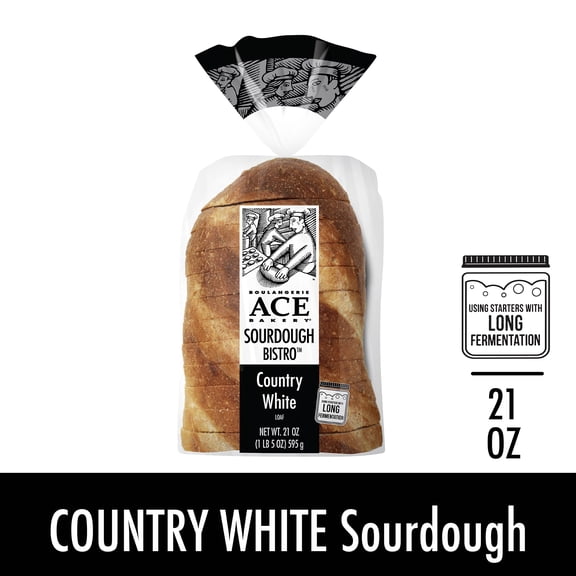
An artisan white bread option often has larger air pockets and a denser crust than regular bread. That texture can work well when your meal includes dipping, slicing, or serving at the table.
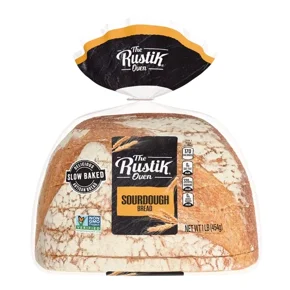
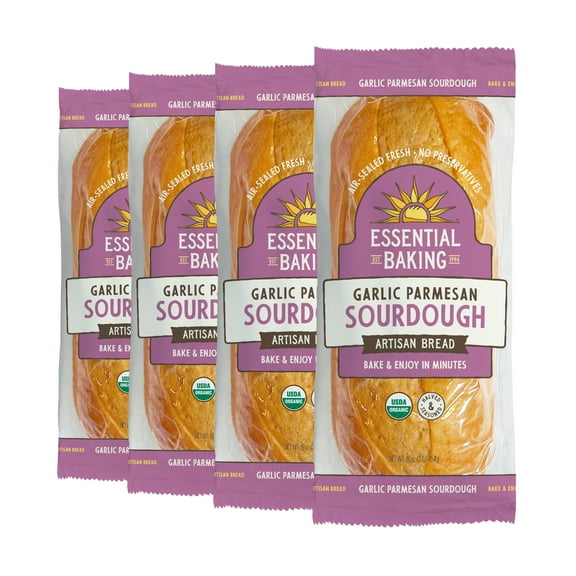
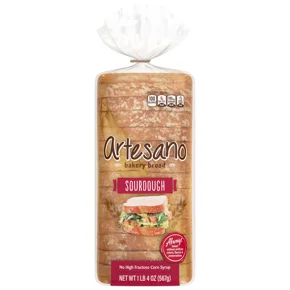
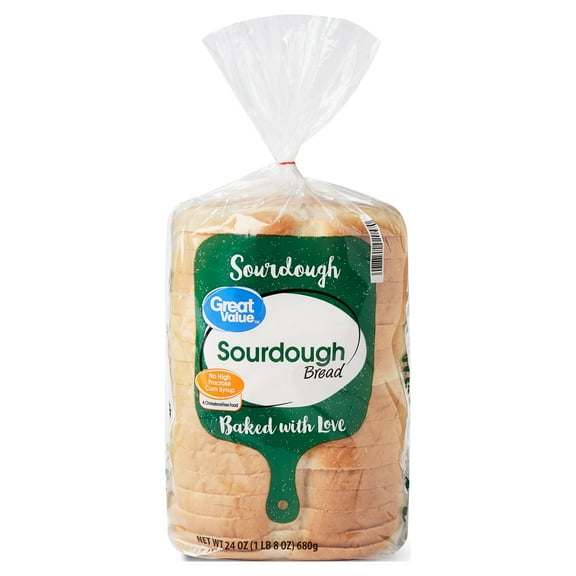
If you like a tangier profile, artesano sourdough bread may fit your toast or sandwich plans. Its structured chew can support toasted builds and hearty dinner pairings.
Par-baked and frozen artisan choices also deserve a look when your timing changes during the week. Those options let you line up bakery-style texture with your meal schedule.
Choosing freshness and storage for everyday use
Freshness starts with buying the right amount for your routine, not simply picking the largest package. You can compare loaf size, slice count, and meal plans before making your choice.
For immediate meals, freshly baked bread often gives you the texture you want right away. For steadier weekday use, packaged loaves can fit better into your pantry rhythm.
By comparing bread type, sodium details, form factor, and storage style, you can choose with more confidence. That approach helps your standard bread stay useful for sandwiches, toast, and recipe prep all week.