






Boxing in Martial Arts






























About Boxing in Martial Arts - Walmart.com
You can build a focused training setup with boxing gear that matches your routine, skill level, and protection needs. You’ll find category choices here that cover glove weight, bag style, hand support, and sparring protection.
How to choose boxing gear for your training
When you compare boxing gear, you should start with your gear type and training level. You may need gloves for bag work, punching bags for drills, and protective pieces for sparring.
If you’re a beginner, you may want straightforward options that help you learn stance, rhythm, and basic combinations. If you’re more experienced, you may look for training tools that match longer sessions and heavier impact.
Your setup can feel more complete when you match each item to a clear purpose. You’ll train with fewer mismatches when your gloves, wraps, and protection level fit the session.
- You can use glove weights to match bag work, pad work, or sparring sessions.
- You can choose punching bags based on power training, timing drills, or footwork practice.
- You can add hand wraps, headgear, and mouthguards to support a more organized routine.
- You can compare materials like genuine leather, synthetic leather, vinyl, and gel-infused padding.
Choosing the right boxing gloves and boxing equipment
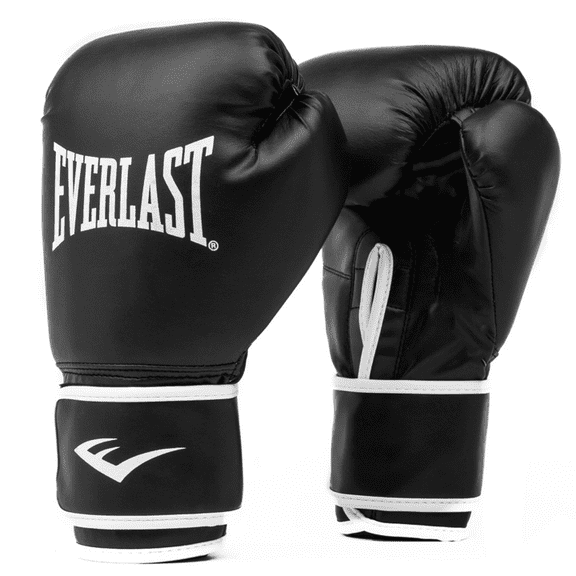
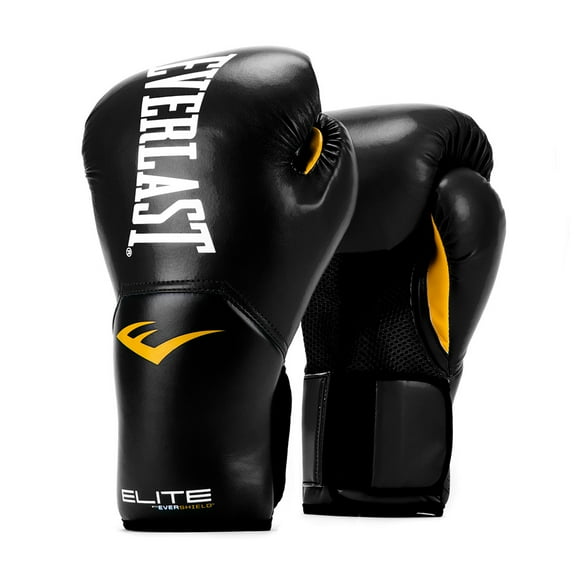
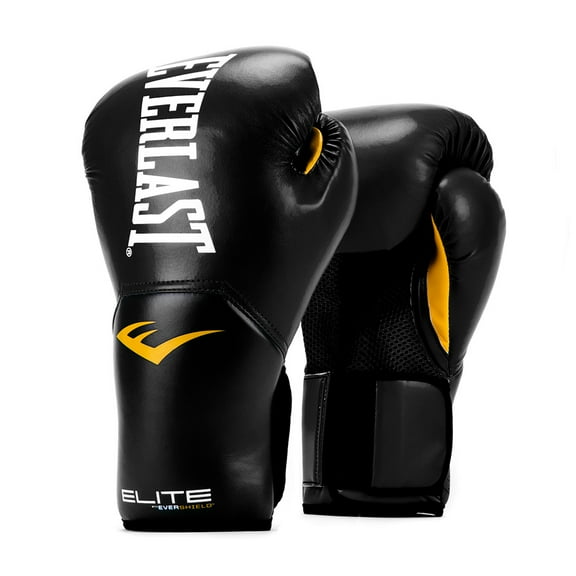
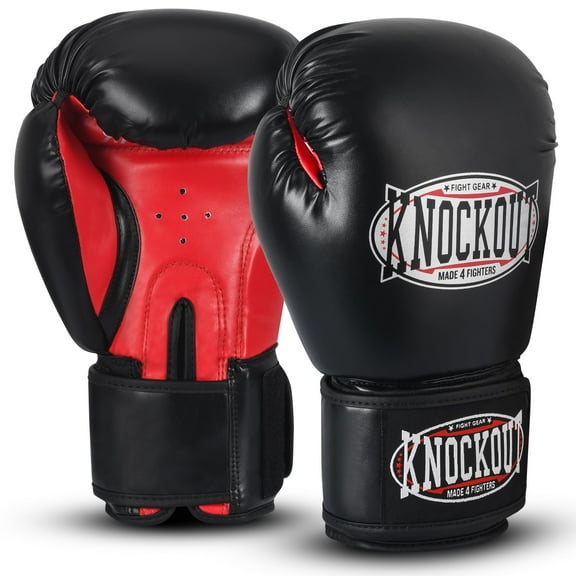
You should treat glove weight as a key decision, because ounce ratings change how your hands feel during training. You’ll often see eight oz, 10 oz, 12 oz, 14 oz, and 16 oz options.
If you want a lighter feel for speed-focused drills, you may compare eight oz or 10 oz gloves. If you need more padding for sparring or heavy sessions, you may check 14 oz or 16 oz gloves.
You should also compare material, because it affects feel, finish, and upkeep. You may prefer genuine leather for a classic feel, while synthetic leather or vinyl can simplify regular training use.
When you review boxing equipment, you should also look at closure style, padding placement, and wrist support. You’ll notice these details matter when you repeat combinations and keep your hands aligned.
Gel-infused options may appeal to you when you want a cushioned feel across repeated rounds. You can use that detail as one more comparison point alongside weight and intended training level.
What to look for in punching bags and boxing protective gear
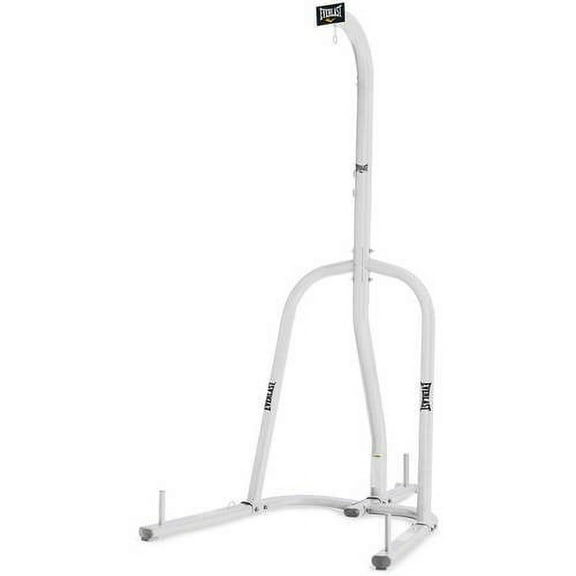
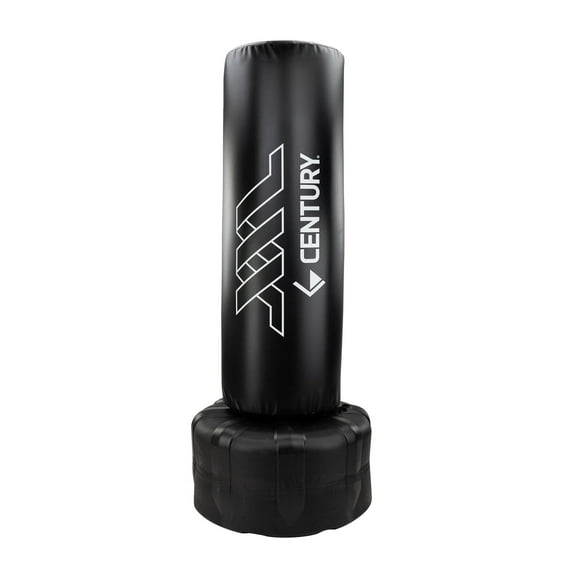
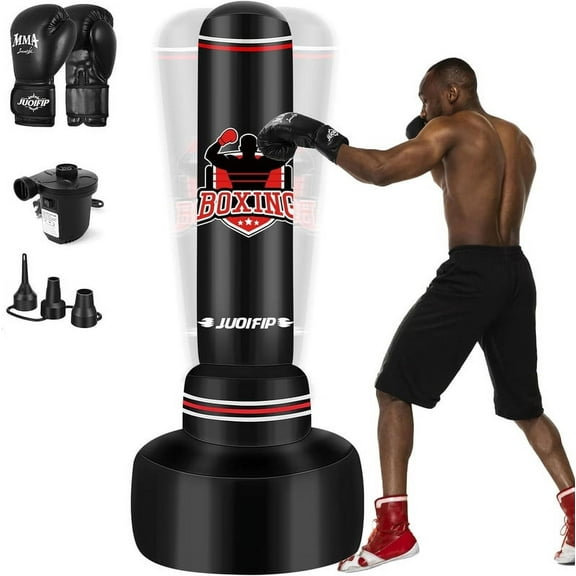
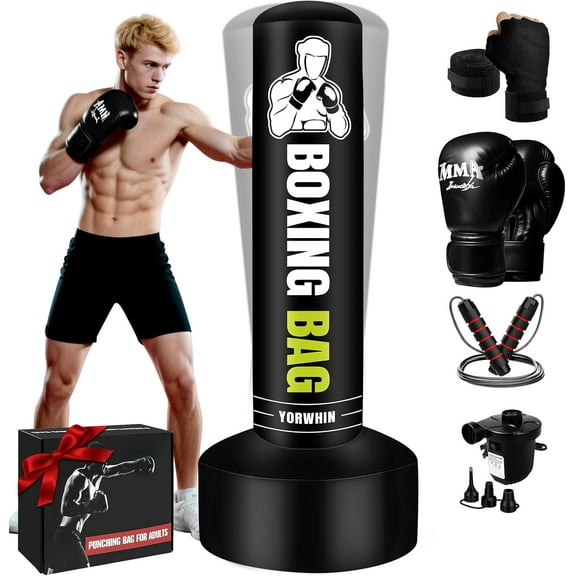
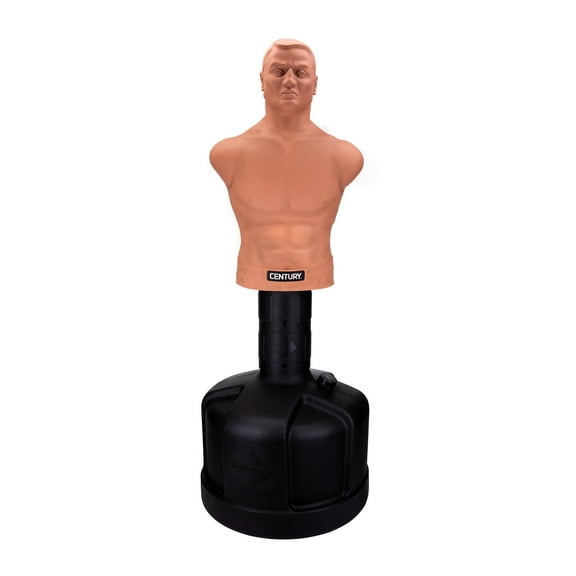
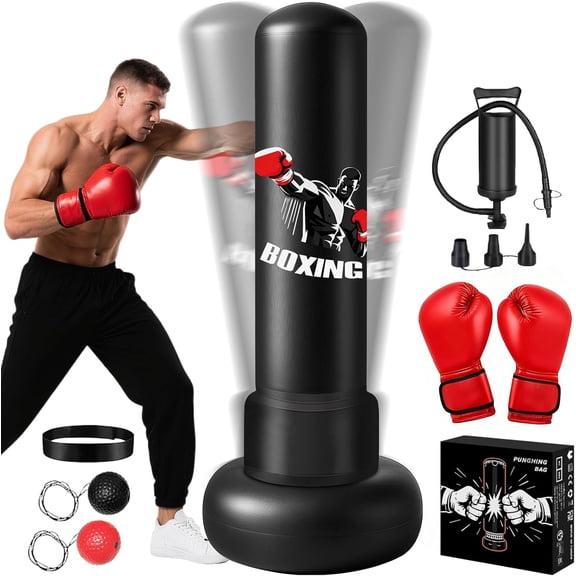
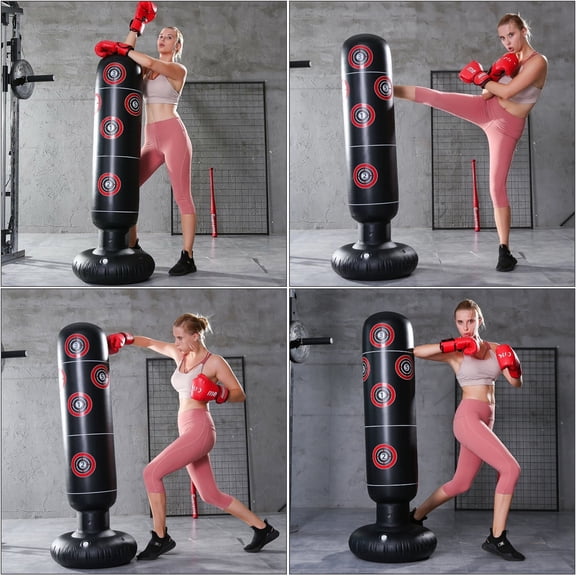
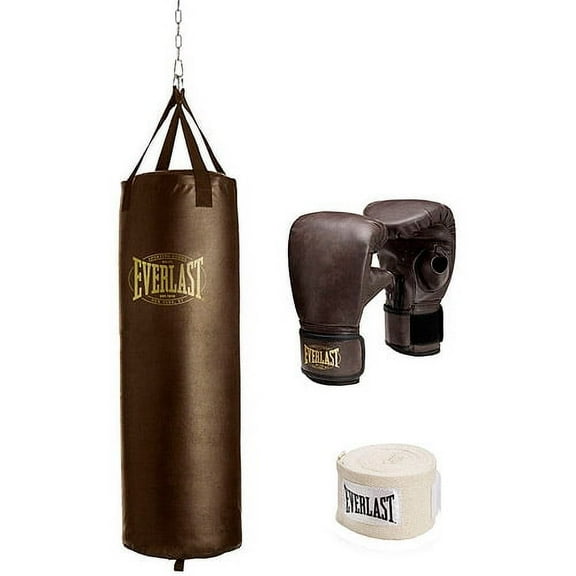
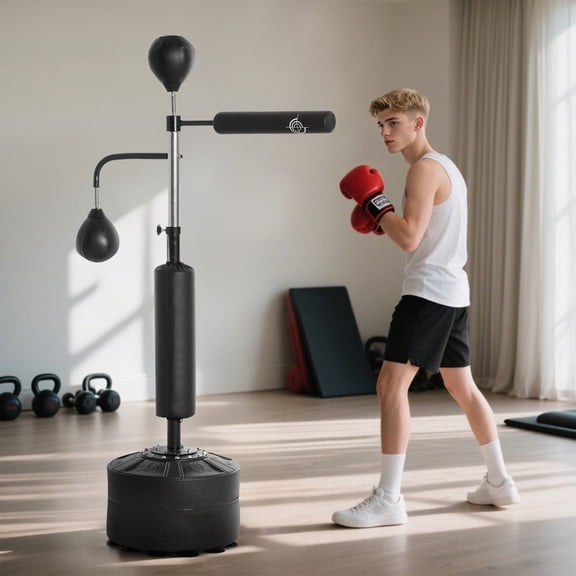
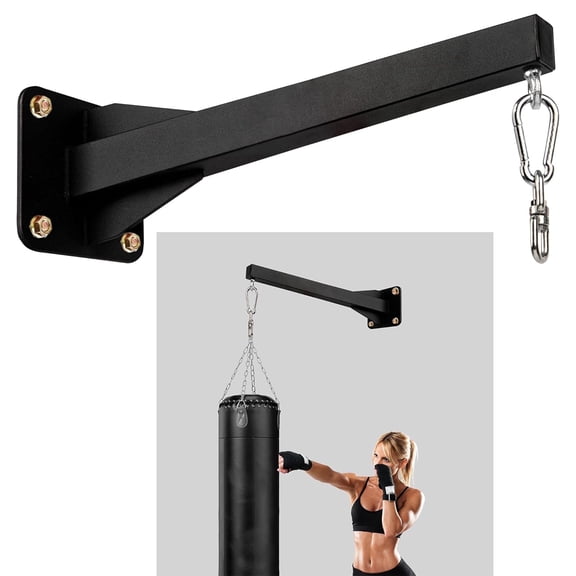
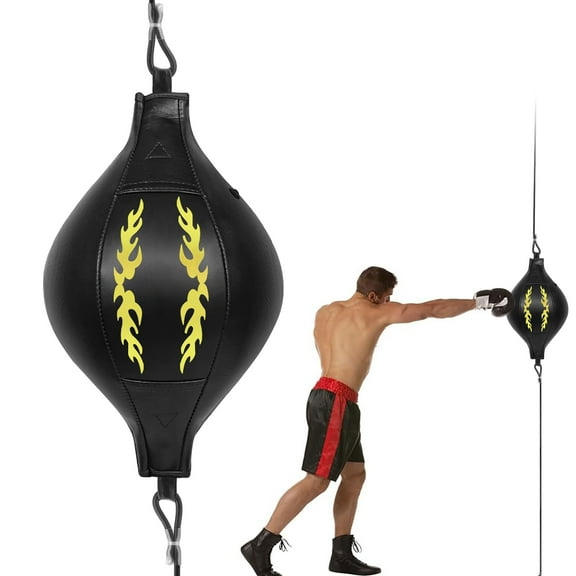
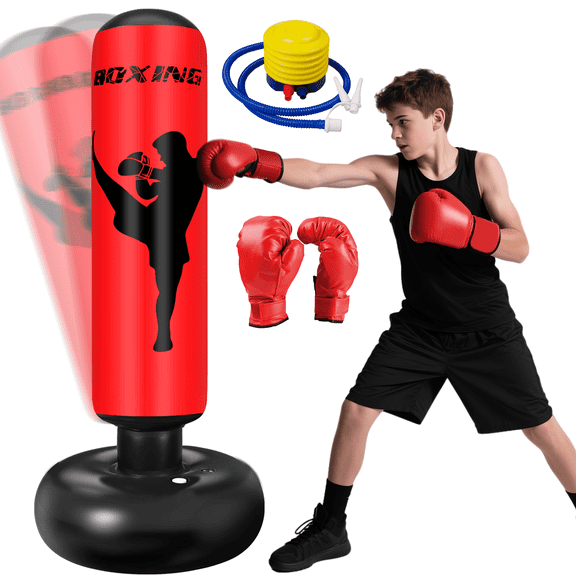
You should choose punching bags based on the kind of practice you want most. You may prefer a heavy bag for power shots and conditioning, while a speed bag suits timing and rhythm.
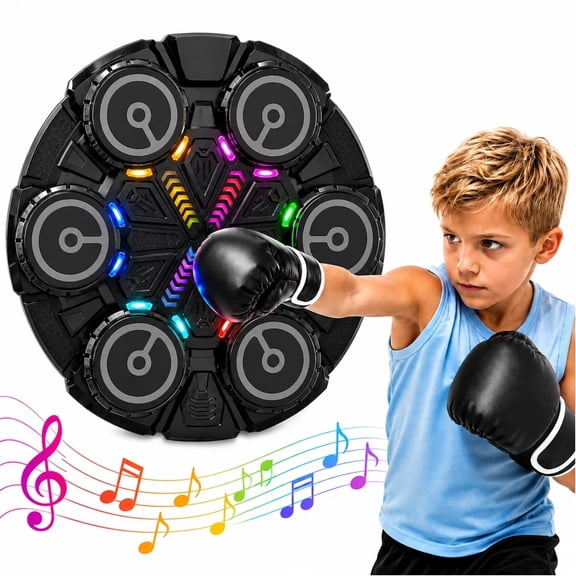
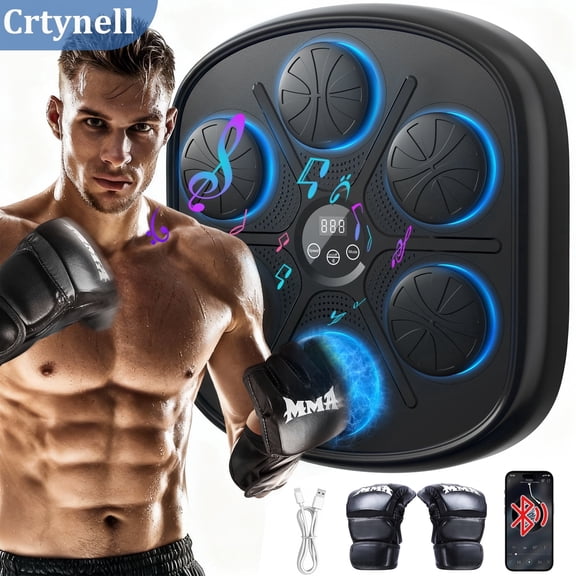
If your goal is longer striking rounds, you may want a bag that supports repeated jabs, hooks, and crosses. If your goal is hand-eye coordination, you may focus on faster rebound and compact bag styles.
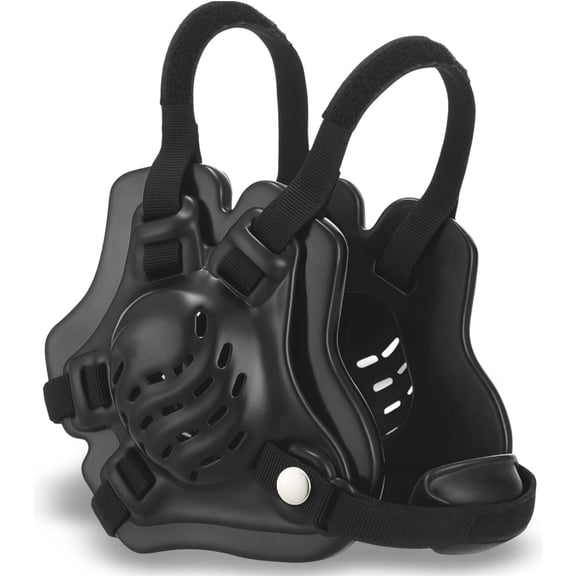
Your boxing protective gear matters when you move from solo drills into partner work or sparring. You can compare headgear, mouthguards, and hand wraps by fit, coverage, and training intensity.
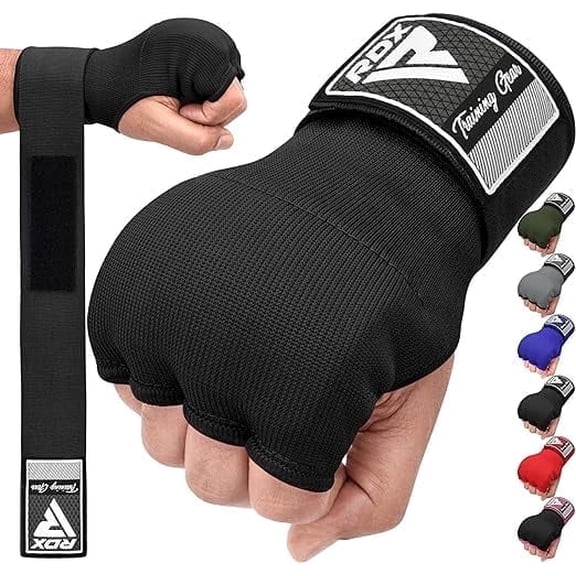
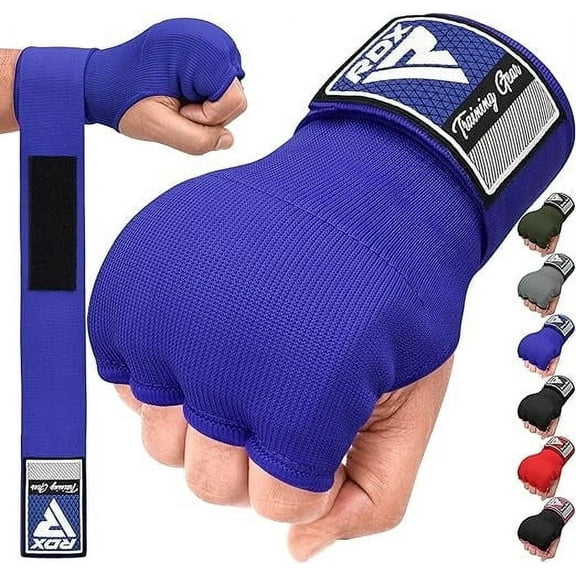
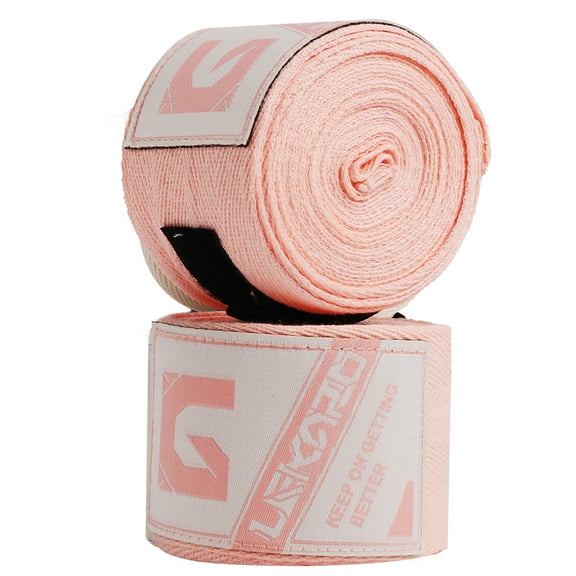
Hand wraps help you create a more secure feel around your hands and wrists before you put on gloves. You’ll want enough length for your wrapping style and enough structure for repeated sessions.
When you compare headgear, you should check sizing with head circumference measurements for a steadier fit. You can also look at cheek coverage, chin closure, and visibility during movement.
Mouthguards are another category detail you may want to keep in your regular kit. You can choose one that fits your training level and works comfortably with your breathing rhythm.
Matching gear type, protection level, and skill level
You can narrow your options faster when you match gear type to your usual workout. You may use gloves and wraps for bag days, then add headgear and a mouthguard for sparring days.
Your protection level should align with how you train, not just with how long you’ve trained. You may need light sparring coverage for controlled drills, or heavier padding for heavy bag training.
If you train at an intermediate level, you may want gear that balances comfort, support, and repeated use. If you train at a professional level, you may compare competition grade details more closely.
You should also think about where you train, because your space can shape your setup. You may want home gym boxing equipment that fits a garage, spare room, or compact workout area.
A boxing set can help you coordinate several essentials when you want a more unified setup. You can use sets as a starting point, then add separate gloves, punching bags, or protective pieces.
Using boxing training gear in real routines
You can build a beginner routine with 12 oz gloves, hand wraps, and a heavy bag for basic combinations. You’ll have a simple foundation for learning footwork, timing, and round structure.
If you focus on conditioning, you may pair heavier gloves with bag rounds and interval work. You can then add a speed bag when you want quicker rhythm drills.
Your sparring setup may include 14 oz or 16 oz gloves, headgear, and a mouthguard for more complete coverage. You should check each size point carefully so your movement stays natural.
For home practice, you may want boxing training gear that supports short sessions between work or school. You can keep wraps, gloves, and compact training tools ready for steady repetition.
You’ll get more from your routine when your boxing gear matches your actual goals instead of a generic list. You can train with clearer purpose when each piece fits your pace, space, and session type.