


Find auto parts that fit
Let’s search for parts that fit your vehicle.Bottle Jacks in Car Jacks



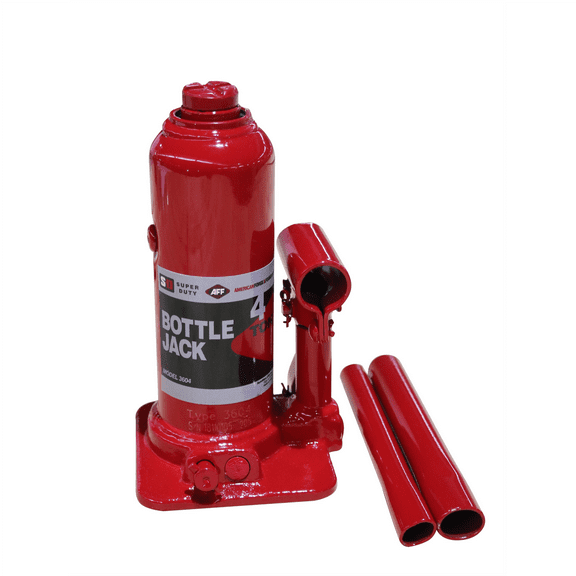
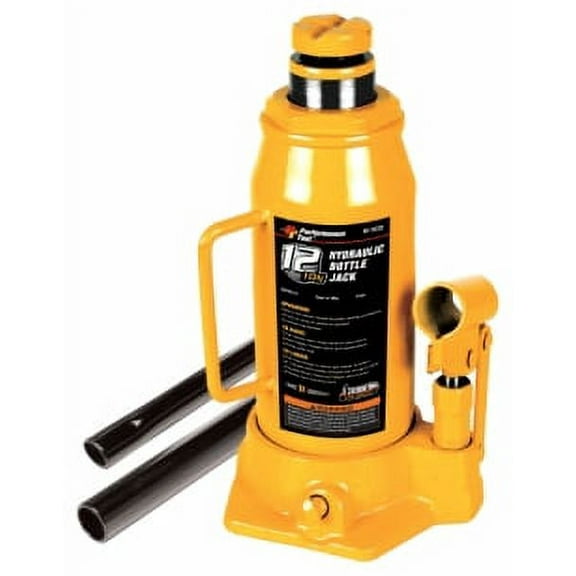
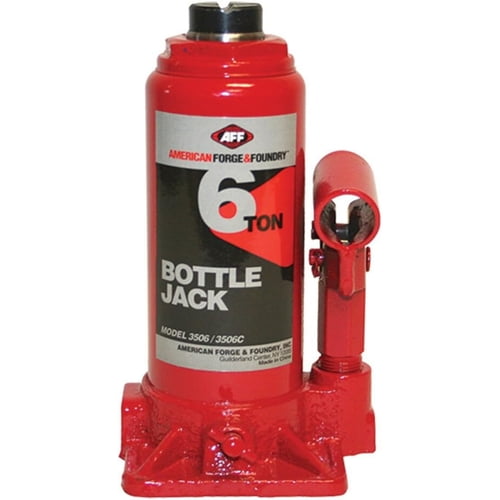

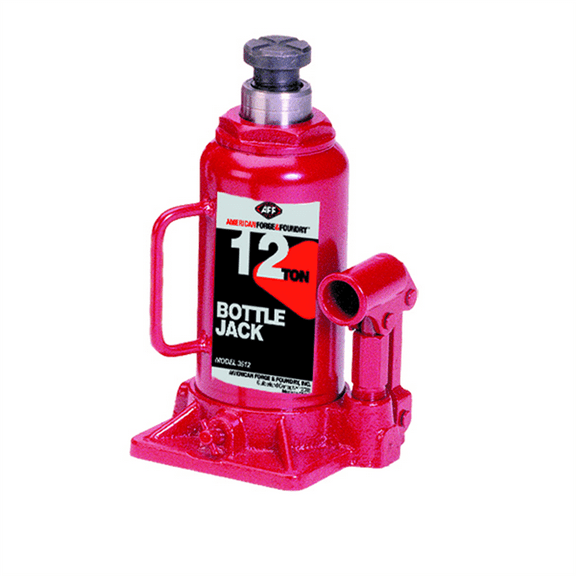



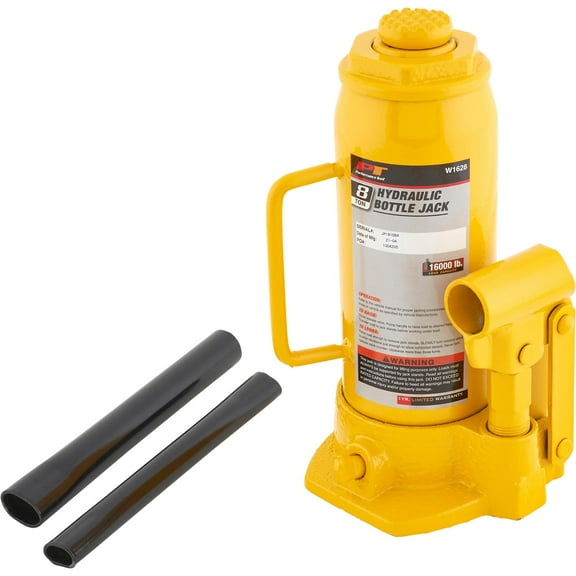

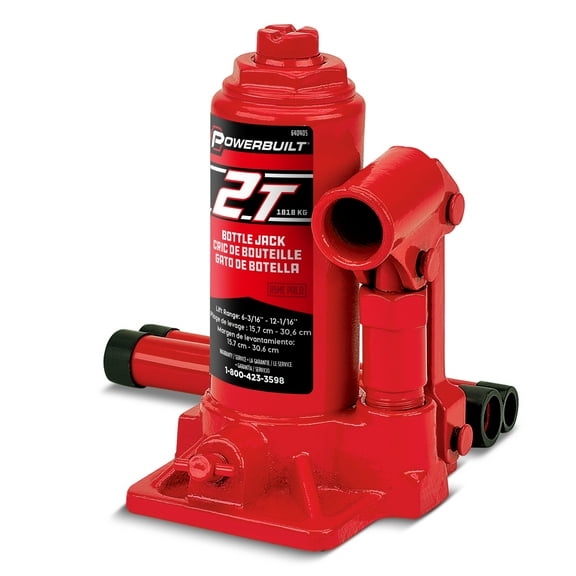



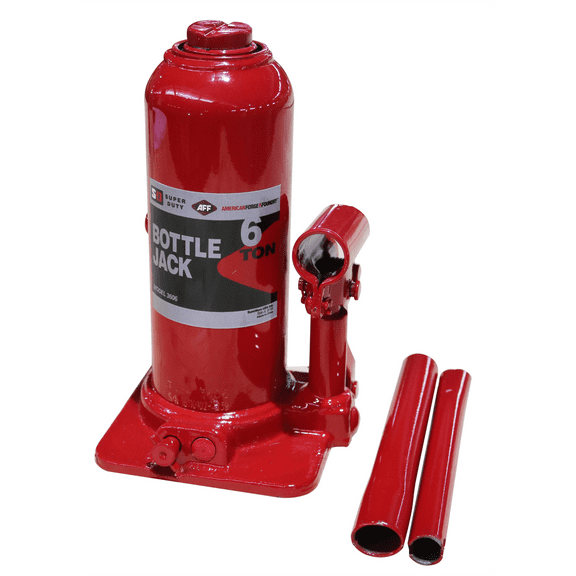



About Bottle Jacks in Car Jacks - Walmart.com
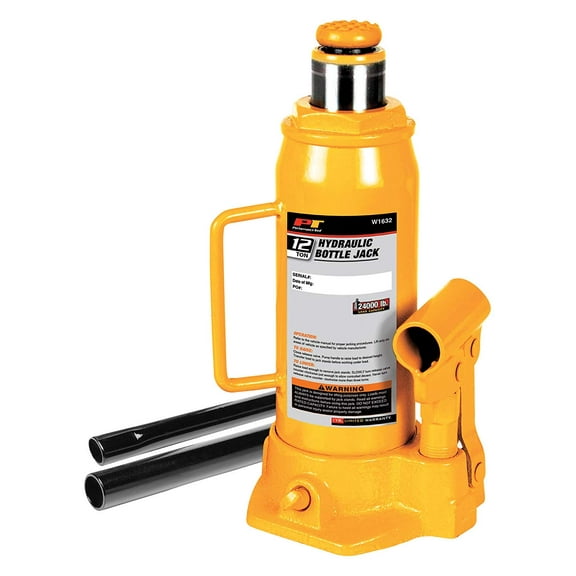
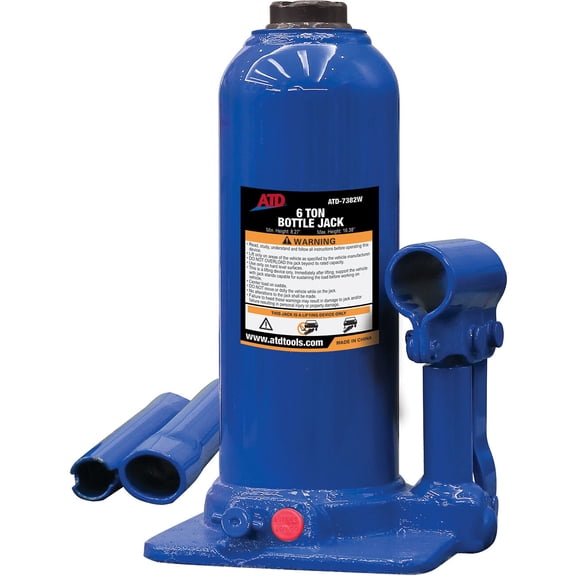
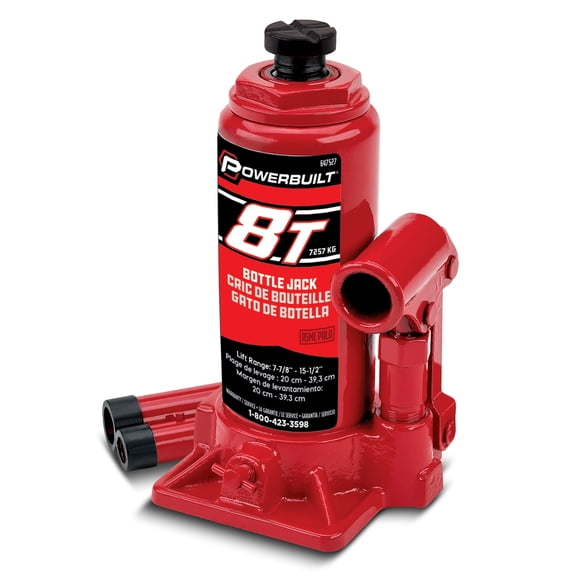
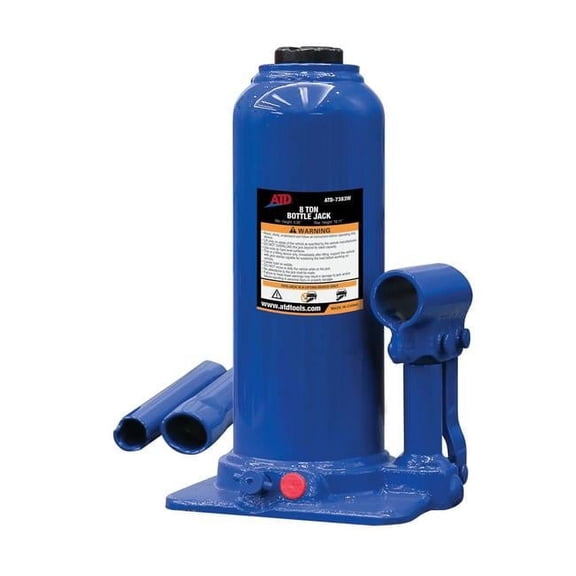
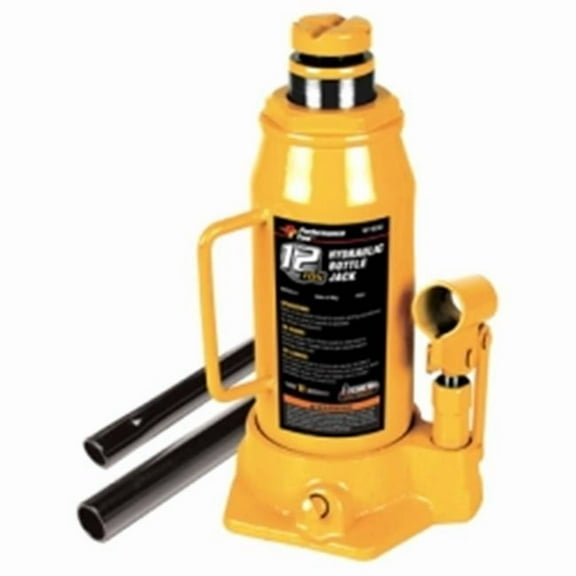
You can choose the right bottle jack by comparing tonnage, lift range, and profile before you start lifting. You’ll also find compact designs here that fit compact storage spaces and work well in garages or service trucks.
If you’re replacing a jar jack or updating your garage setup, you’ll want clear guidance on capacity and clearance. You can use this guide to compare hydraulic bottle jacks, manual screw options, and heavy-duty models for different jobs.
How to choose a bottle jack
You should start with lifting capacity because tonnage needs to match your vehicle or equipment weight. You’ll want a margin above curb weight so your jack works within its rated range.
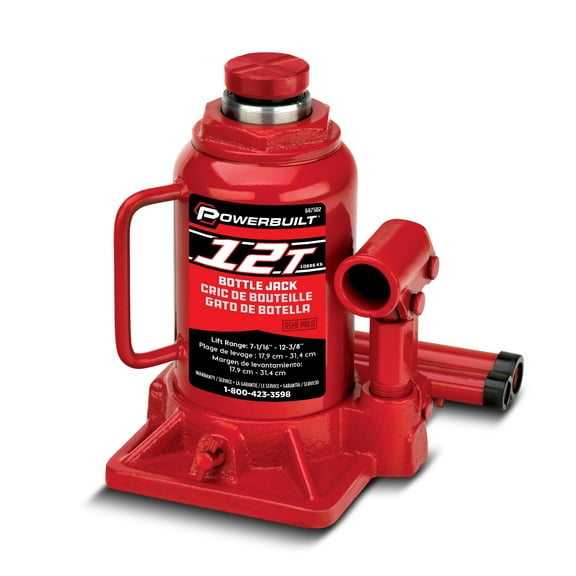
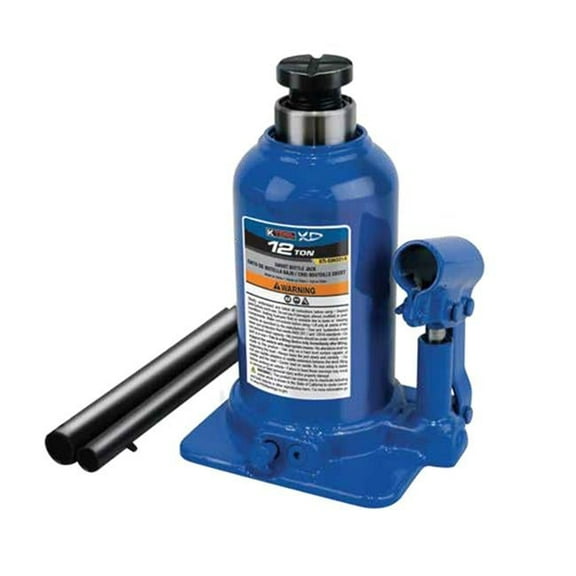
When you compare 12 ton, 20 ton, and 30 ton options, you should match the rating to the load and application. You may choose 12 ton models for many automotive tasks, while 30 ton models fit heavier industrial work.
You should also measure minimum height and maximum lift height before you decide. You’ll need enough clearance to position the jack, and enough stroke length to reach the lifting point.
You can make your decision easier when you focus on the details that affect fit and lifting force. You’ll usually get a cleaner match when you compare capacity, height range, mechanism, and profile together.
- You can use lower tonnage models when your vehicle weight and lift points call for a smaller, easier-to-store tool.
- You may prefer a 20 ton unit when your shop handles heavier trucks, equipment, or repeated lifting tasks.
- You’ll often choose a 30 ton bottle jack when your application needs extra lifting force and a taller body.
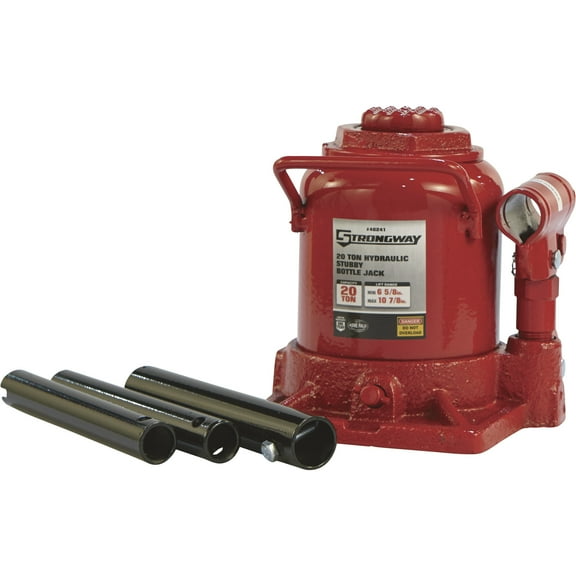
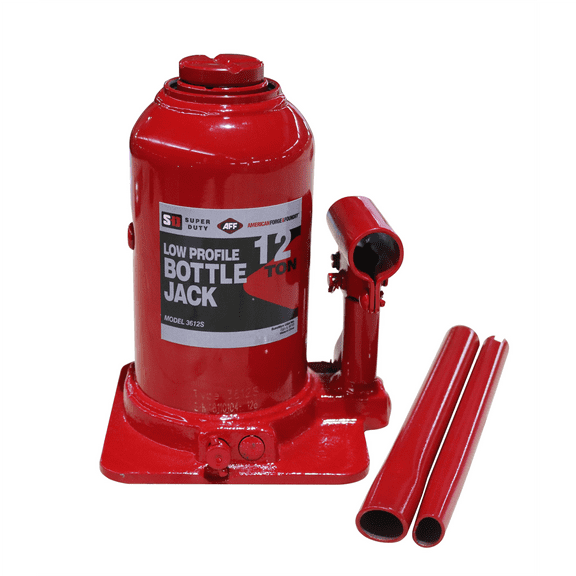
- You should check profile type, because low profile and stubby designs can fit spaces where standard bodies won’t.
Comparing hydraulic bottle jacks and manual options
You’ll notice hydraulic bottle jacks reduce pumping effort and raise loads with smooth motion. You can often finish setup quickly because hydraulic pressure does more of the work.
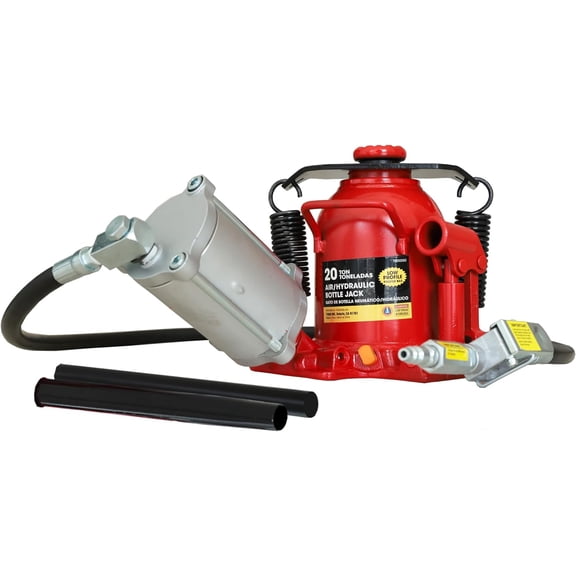
If you compare hydraulic, air hydraulic, and manual screw designs, you should think about your workspace and routine. You may like air hydraulic units when your shop already uses compressed air for frequent lifting.
You can choose manual screw styles when you want simple mechanical operation and direct adjustment. You’ll trade speed for a straightforward design that some shoppers prefer for occasional use.
Safety features matter just as much as lifting force, so you should check for a bypass valve and overload protection. You’ll want those details because they help your jack operate within its intended range.
Choosing 30 ton bottle jack capacity and lift range
You may search for a 30 ton bottle jack when you handle heavier loads in industrial, construction, or fleet settings. You should confirm both tonnage and lift height, because capacity alone doesn’t guarantee the fit.
Stroke length tells you how far the lifting saddle can travel during use. You’ll want enough travel to reach your lifting point without relying on extra height adjustment.
Clearance height matters when you’re working under low vehicles, trailers, or equipment frames. You can avoid fit issues by measuring the space under the lift point before you choose standard or low profile designs.
If you store tools in a service truck or crowded garage, you should compare body size too. You’ll often find bottle jacks in stock with compact vertical shapes that take minimal floor space.
Matching application and profile type to your work
You should choose your application first, because automotive, industrial, and construction work create different lifting needs. You’ll usually need different tonnage, height ranges, and operating speed depending on the load.
For automotive use, you may want a model that balances compact storage with enough lift for trucks and SUVs. You should check saddle reach and closed height so your jack fits under the frame point.
For industrial settings, you’ll often prioritize heavier capacity, repeated use, and steady hydraulic action. You may also prefer air hydraulic designs when you need quick cycling during routine shop work.
For construction tasks, you should look closely at body shape and lift range for equipment access points. You’ll benefit from stubby or low profile options when tight ground clearance limits where you can position the jack.
Standard profiles can work well when you have more room under the load and want broad compatibility. Low profile and stubby shapes help you reach tight spots where standard bodies can’t fit.
What to check before you choose bottle jacks in stock
You should compare the saddle contact area, handle operation, and extension screw if the model includes one. You’ll get a clearer picture of how your jack positions, lifts, and adjusts during real jobs.
You can also think about related equipment before you finalize your setup. You may want jack stands for support after lifting, plus hydraulic jack fluid for maintenance on hydraulic systems.
If you’re narrowing options, you should focus on four details first: tonnage rating, clearance height, stroke length, and mechanism type. You’ll make an accurate choice when those four match your vehicle, equipment, and workspace.
You can choose with confidence when your bottle jack matches your load, your lift points, and your available clearance. You’ll end with a tool that fits your work area and gives you controlled lifting.