


Find auto parts that fit
Let’s search for parts that fit your vehicle.Boss in Auto & Tires Shop By Brand
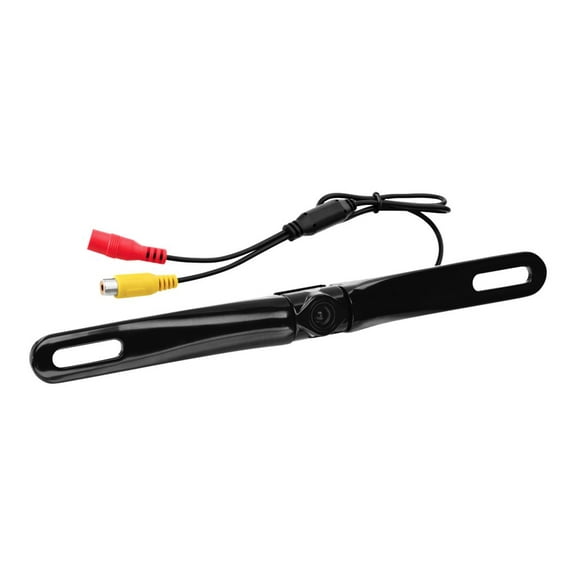





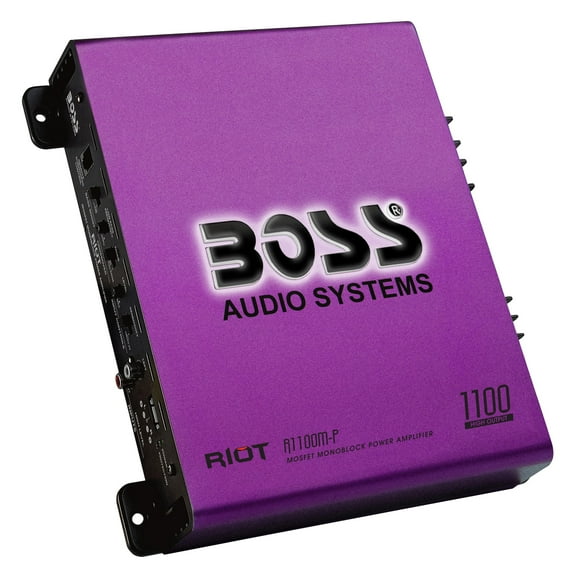


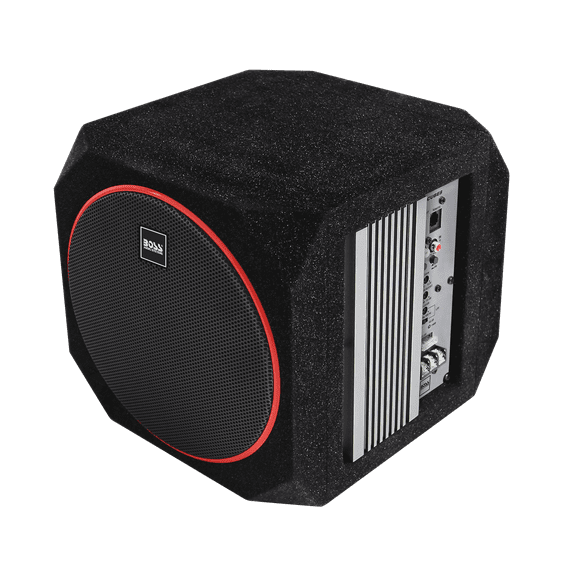








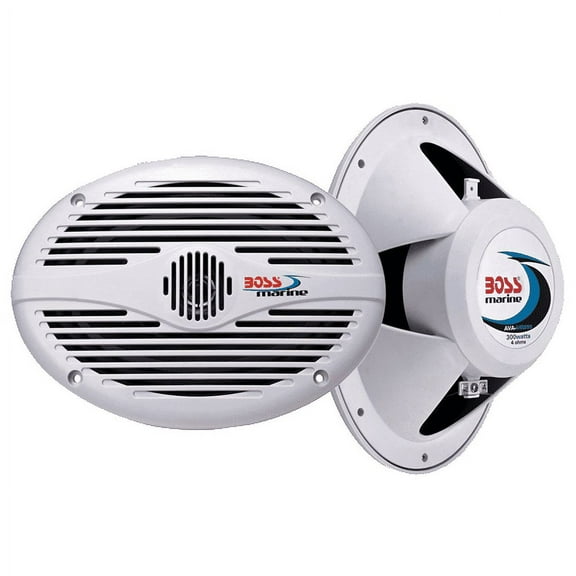
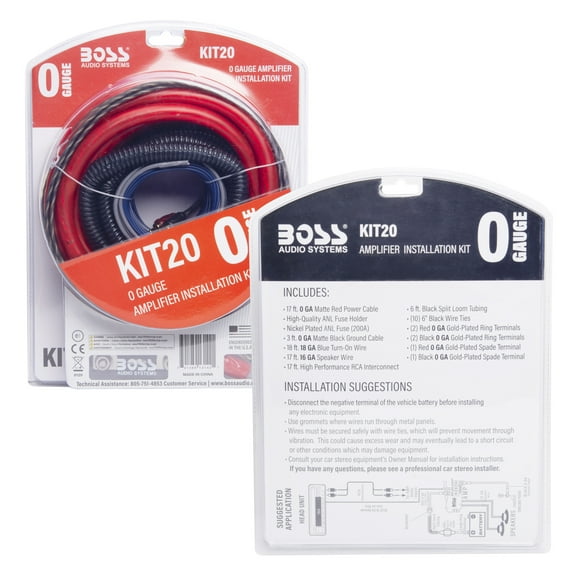
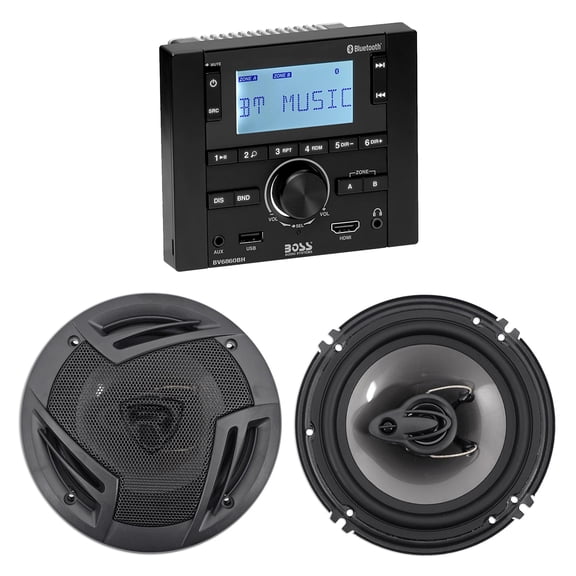

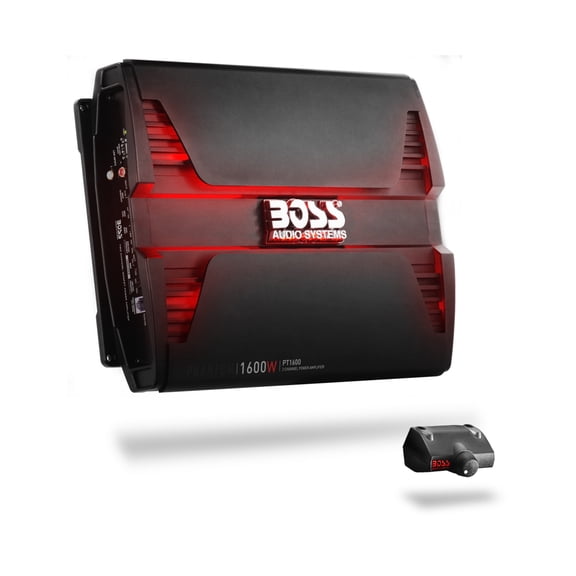





About Boss in Auto & Tires Shop By Brand - Walmart.com
Boss car audio helps you build a more connected, customized ride with stereos, speakers, amplifiers, and subwoofers made for vehicle upgrades. You can compare key fitment details, DIN sizes, and connectivity options here, so your dashboard setup makes sense before installation.
How to choose Boss car audio by product type
You should start with the product type that matches your upgrade plan. You might want a Boss car stereo for controls, Boss car speakers for clearer sound, or Boss amplifiers for added output.
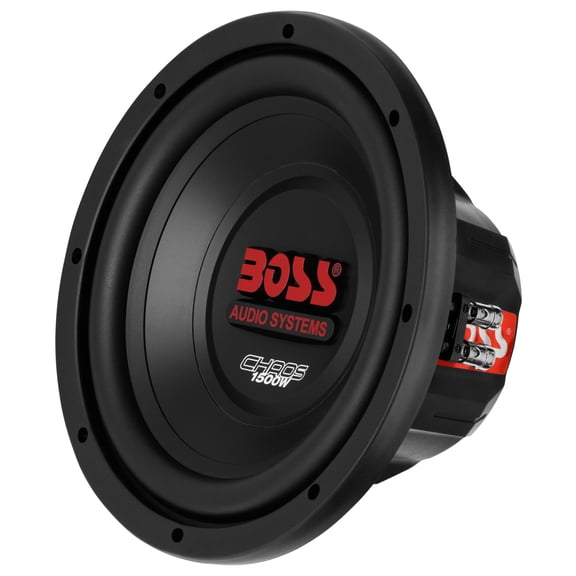
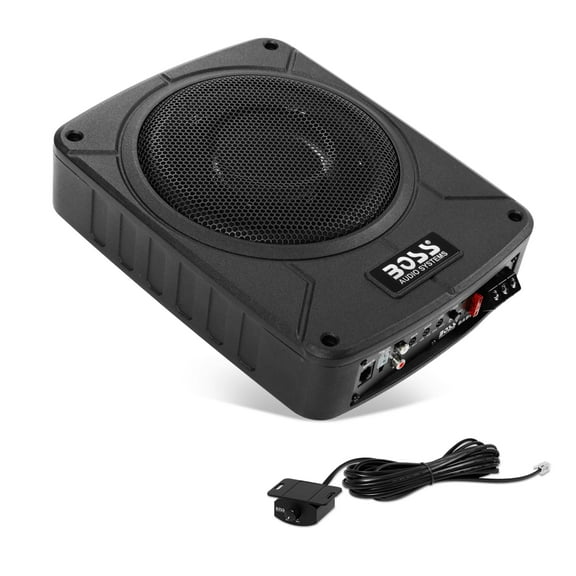
If you want stronger bass response, you can compare Boss subwoofers with your available trunk or cargo space. You can also check whether you want a full system refresh or a single component upgrade.
- You can use car stereos to add touchscreen controls, radio functions, and smartphone-friendly connections.
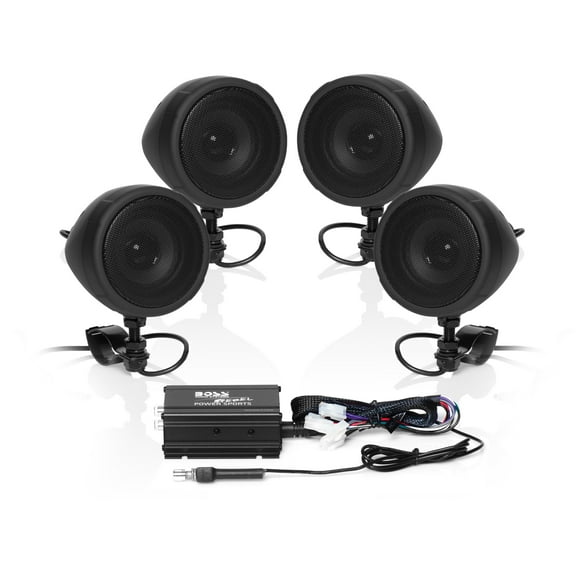
- You can choose car speakers when your factory setup sounds flat or lacks detail.
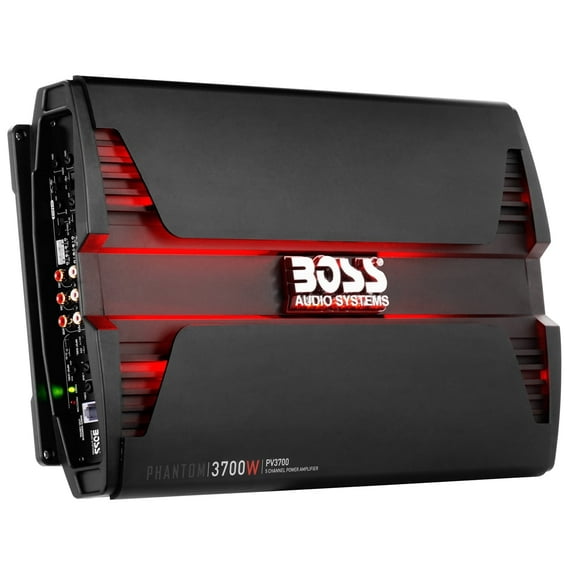
- You can add amplifiers when you want more consistent power across your system.
- You can select subwoofers when you want deeper low-end sound in music-heavy playlists.
You’ll get a more focused shopping path when you compare these product types first. Your final setup feels easier to plan when each component has a clear job.
Choosing the right Boss car stereo and DIN size
You need to check your vehicle’s dashboard opening before choosing a Boss car stereo. You’ll usually compare single DIN and double DIN sizes to match your factory radio space.
If your vehicle uses a single DIN opening, you may want a compact receiver with straightforward controls. If your dashboard fits double DIN, you can often consider a larger screen layout.
You should also look for dashboard dimensions, mounting kits, and wiring harness compatibility. You’ll avoid guesswork when your installation parts match your vehicle and stereo size.
When you compare connectivity, you may prefer Bluetooth for wireless calling and music streaming. You can also look for Apple CarPlay, Android Auto, or auxiliary input based on your phone habits.
If you drive often for work or errands, you may want touchscreen navigation access and simple app control. You’ll notice these features matter most when you rely on your phone every day.
Comparing Boss car speakers and sound output
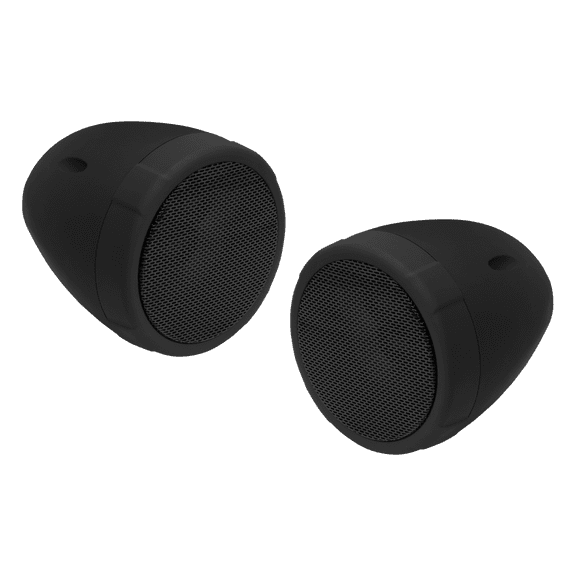
You should compare speaker size, power handling, and placement before choosing Boss car speakers. You’ll want models that fit your doors, dash, or rear deck without forcing extra modifications.
When you review wattage, you should compare RMS power with peak power. You’ll use RMS as the steady power guide, while peak power shows short bursts.
If you want balanced everyday listening, you can focus on RMS ratings that match your stereo or amplifier. You’ll get a smoother setup when your components share similar power expectations.
You may also compare full-range speakers with other configurations based on your listening style. You’ll hear the difference when your speaker choice matches your music preferences and vehicle layout.
For commuters, you may want speakers that improve vocals, podcasts, and daily streaming. For weekend drivers, you may prefer a setup that adds more impact across wider volume ranges.
What to look for in Boss amplifiers and Boss subwoofers
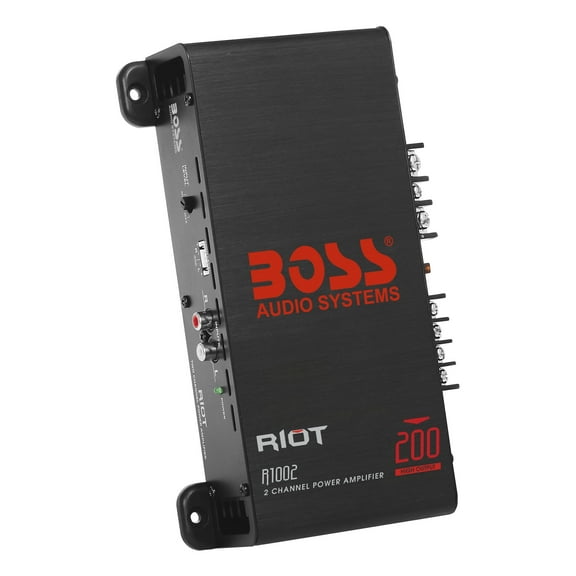
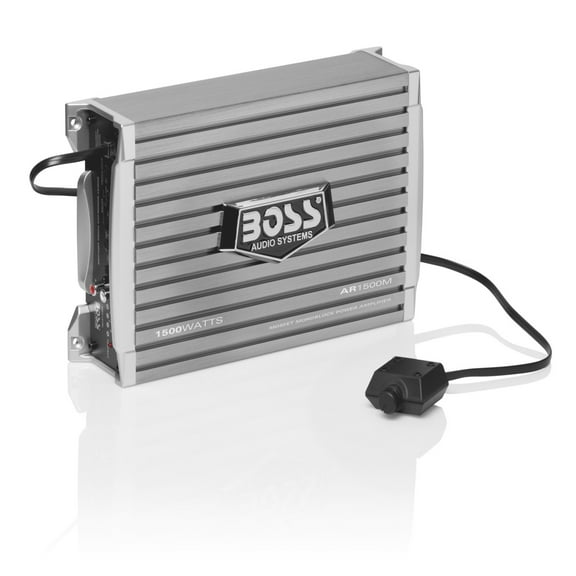
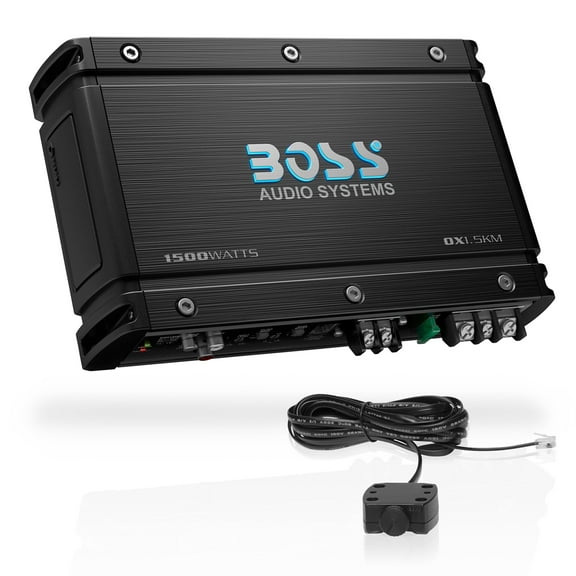
You should choose amplifier channels based on how many speakers or subwoofers you plan to power. You can compare monoblock, 2-channel, and 4-channel options as your system expands.
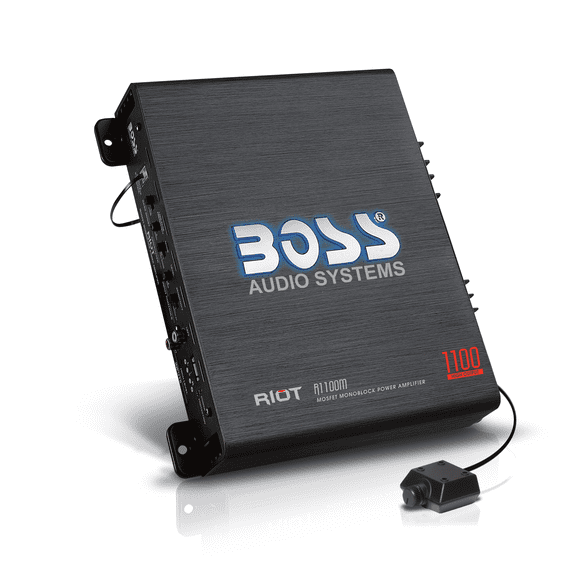
If you’re powering a subwoofer, you may consider a monoblock design for a focused bass setup. If you’re running front and rear speakers, you may prefer 2-channel or 4-channel layouts.
You’ll also want to check speaker compatibility and power output before selecting Boss amplifiers. You can use RMS ratings here too, because they help you match steady power across components.
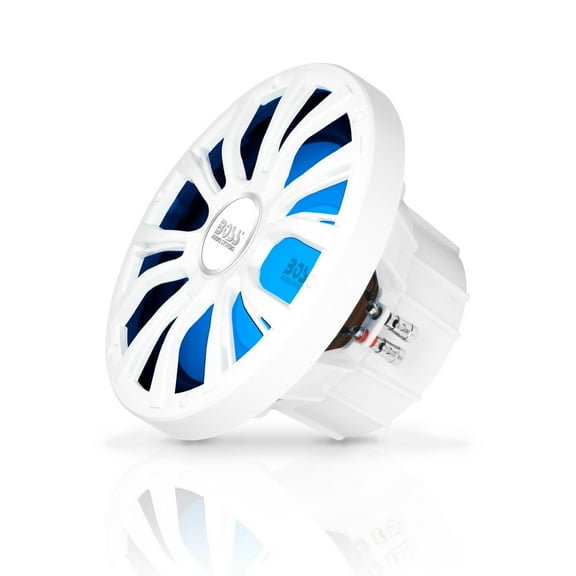
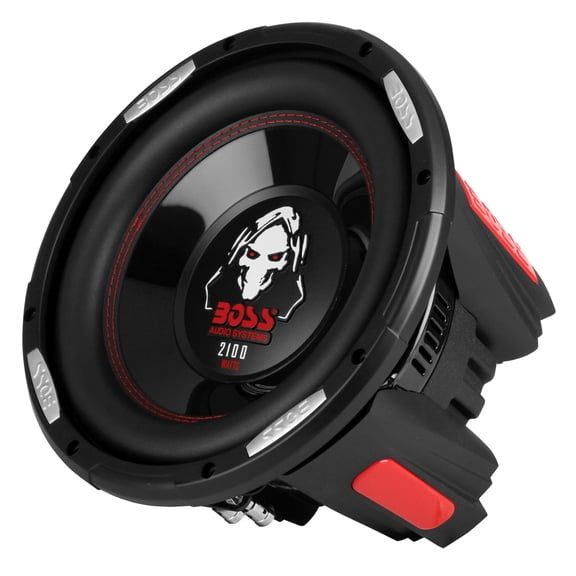
When you compare Boss subwoofers, you should think about enclosure space and bass goals. You’ll want a setup that fits your vehicle without crowding your cargo area.
If you drive a compact car, you may lean toward space-conscious bass options. If you have a larger SUV or truck, you may have more room for a broader low-end setup.
Matching connectivity and installation to your vehicle
You should think about how you’ll use your system every day before choosing features. You may want Bluetooth for hands-free convenience or smartphone integration for a more familiar interface.
If you prefer simple playback, you can choose auxiliary connections and standard controls. If you use apps, calls, and maps often, you may want Apple CarPlay or Android Auto support.
You’ll also need to decide whether your installation fits a DIY approach or professional help. You can often handle simpler swaps when your vehicle uses accessible dash panels and clear harness options.
For more involved upgrades, you may want extra support with mounting kits, amplifier wiring, or multi-component systems. You’ll feel more confident when your install plan matches your tools and experience.
Boss car audio stands out when you need practical choices across stereos, speakers, amplifiers, and subwoofers. You can build a setup that fits your dash, your devices, and your listening style with fewer compatibility surprises.