





Bookends in Desk Organization
























About Bookends in Desk Organization - Walmart.com
You can use bookends to keep shelves tidy, upright, and easy to scan. You’ll also find options that balance strong support with a finished look for desks, offices, classrooms, and living spaces.
How to choose bookends for your shelves
When you compare bookends for shelves, you should start with book size, shelf depth, and room style. You’ll get a cleaner fit when your pair supports book height without hanging past the shelf edge.
Before you choose a set, you should measure your shelf depth and check the space between stacks. You’ll also want a base that sits flat, so your books stay aligned during daily use.
If you organize textbooks, binders, or large hardcovers, you should look closely at weight rating and base grip. You’ll notice that a non-slip or padded base helps keep heavier rows from shifting.
Key benefits you should compare
You can use the right pair to hold upright books, manuals, planners, and cookbooks without constant restacking. Your shelves can look more orderly, and your favorite titles can stay easy to reach.
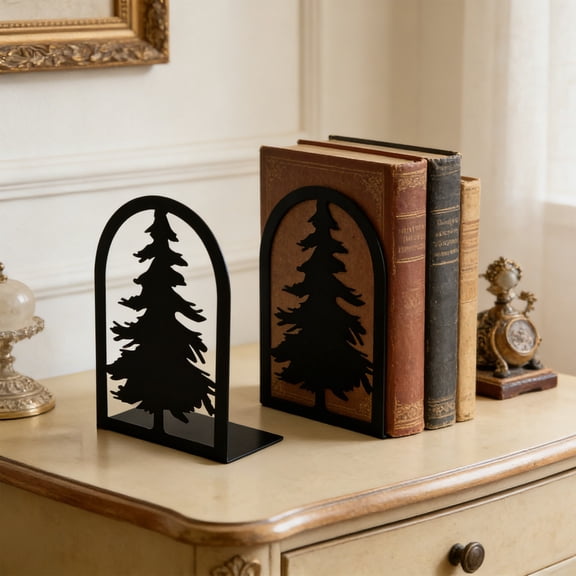
Style matters too, because you may want support that also fits your room. Your setup can feel polished when you match decorative shapes, finishes, and colors to nearby frames, lamps, or storage bins.
- You can keep books standing neatly on desks, shelves, and cabinets.
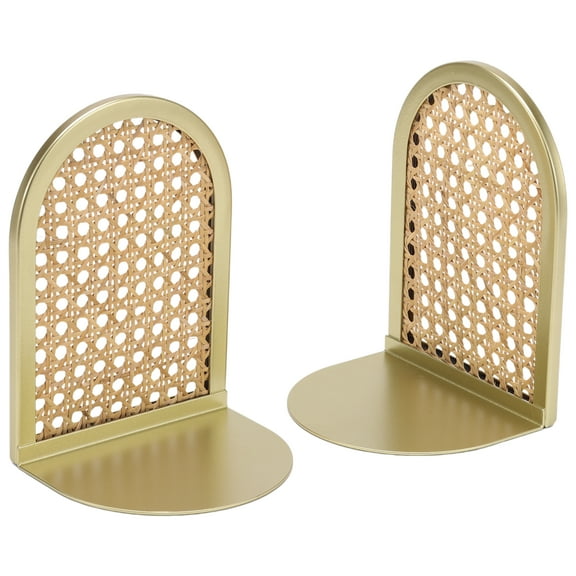
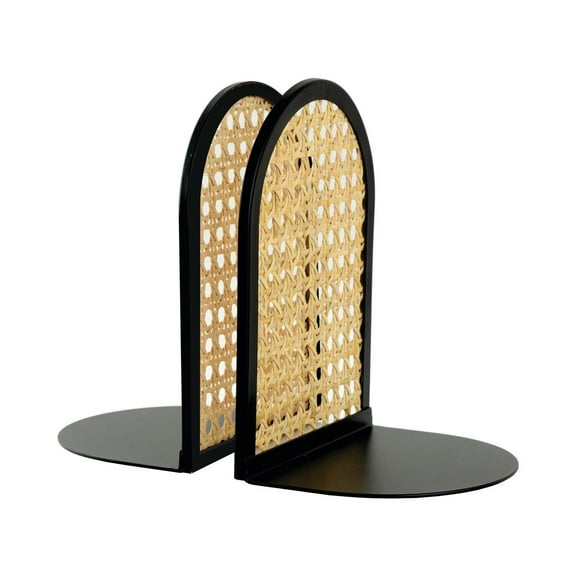
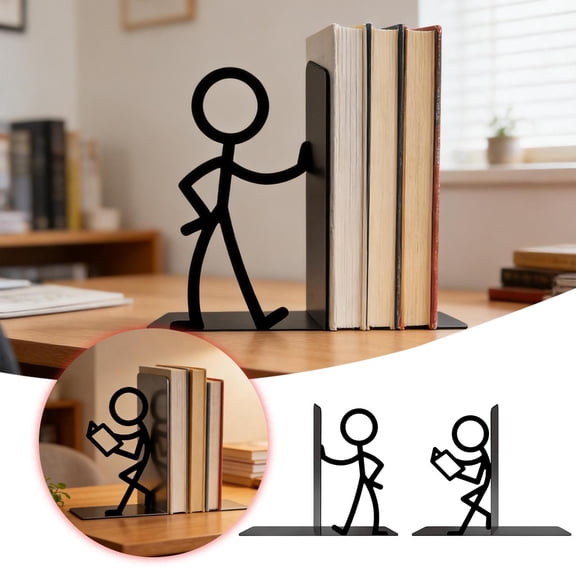
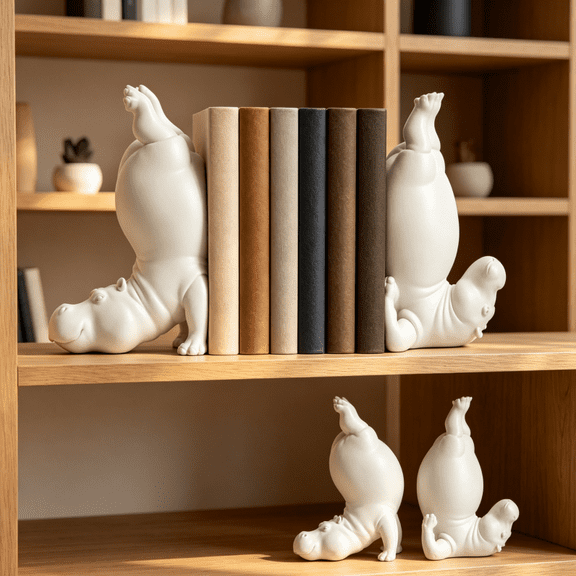
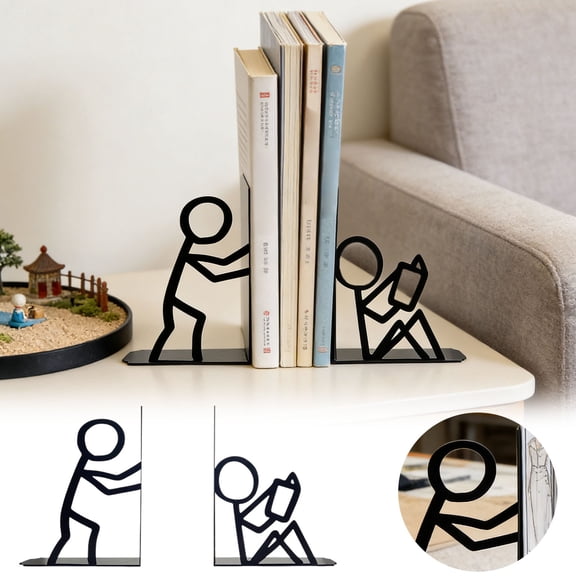
- You can match decorative bookends to modern, vintage, cute, or minimalist spaces.
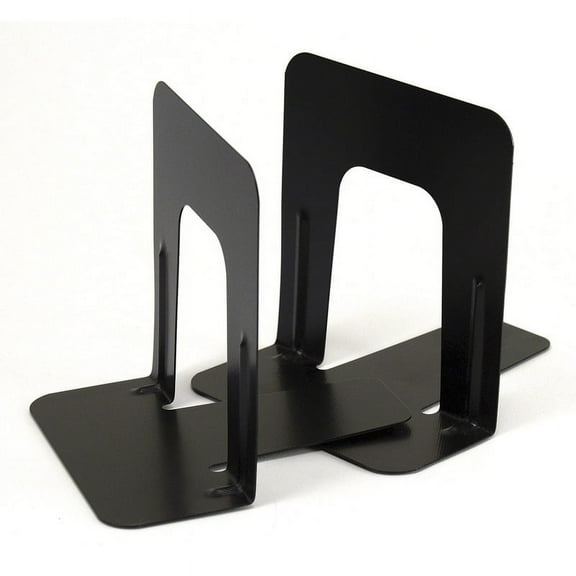
- You can choose heavy duty bookends for larger books, binders, and reference sets.
- You can protect surfaces with padded or scratch-resistant bases.
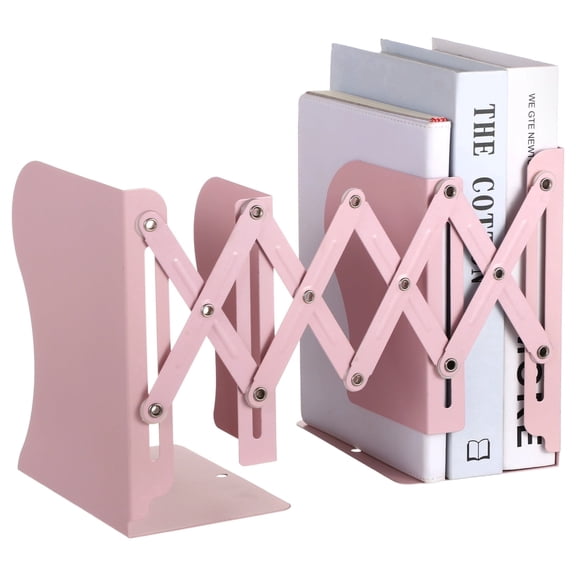
In busy spaces, you may need bookends that move easily from one shelf to another. Your setup stays flexible when you choose lightweight styles for smaller books and standard stacks.
For workspaces, you can create clearer zones for notebooks, files, and manuals. Your desk can feel less cluttered when stacks stay separated instead of leaning into organizers.
Choosing material, style, and support
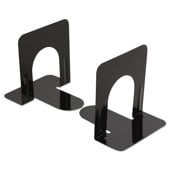
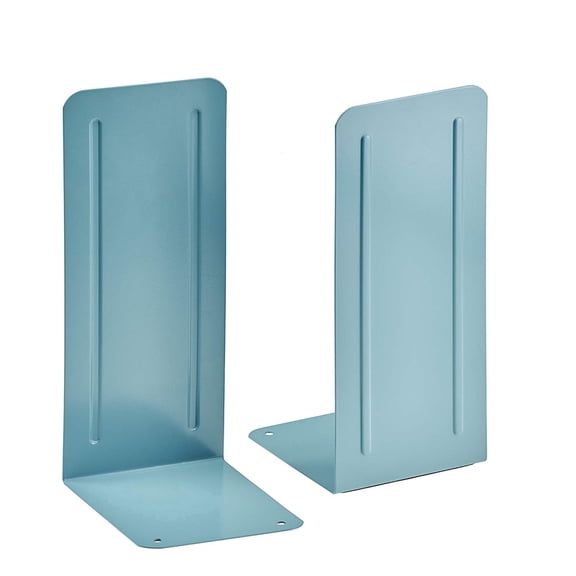
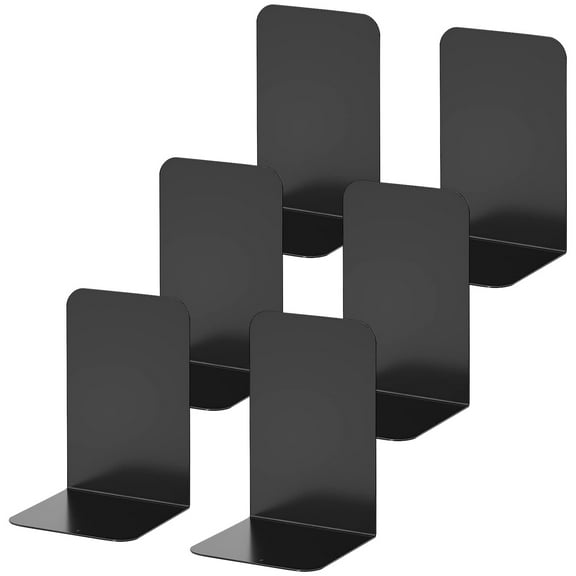
Material changes both look and feel, so you should compare it carefully. You may prefer metal bookends when you want a sleek shape and a sturdy feel for everyday organization.
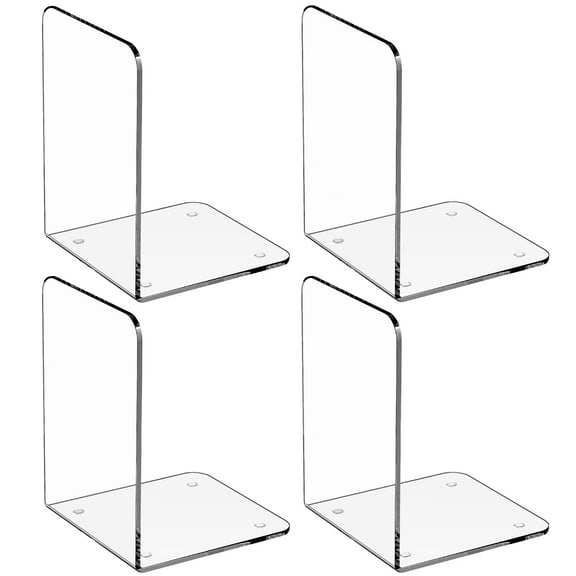
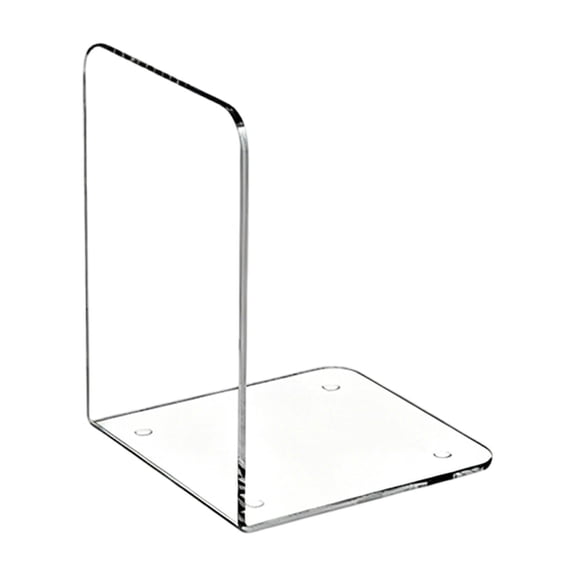
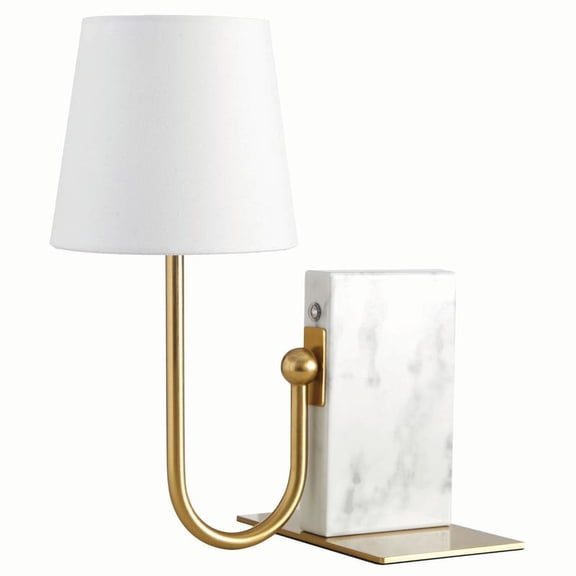
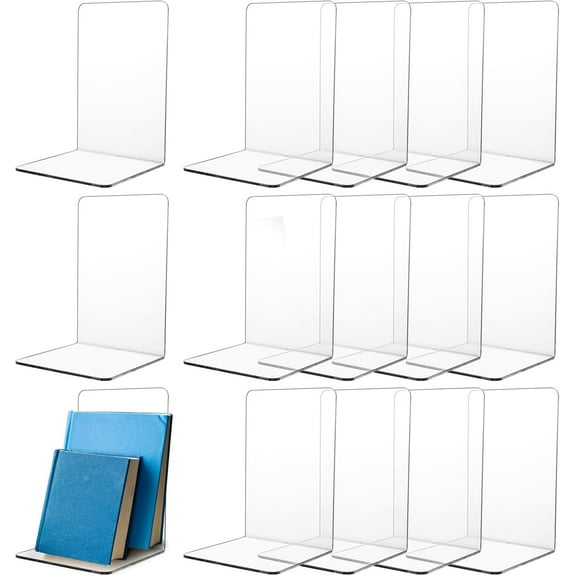
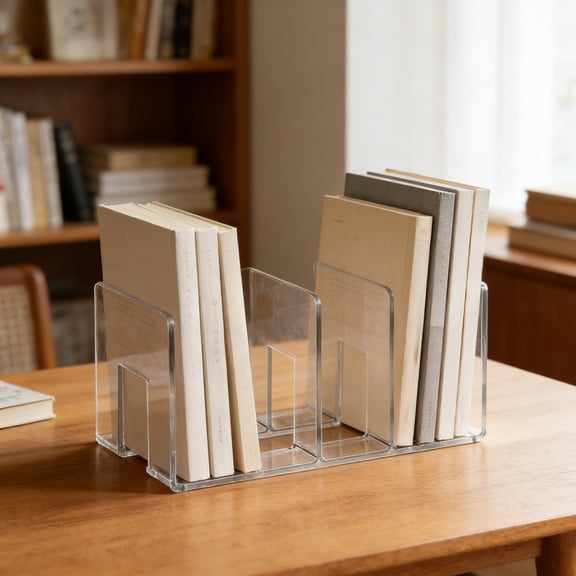
If your room uses warm finishes, you might prefer wood bookends for a furniture-like look. You can also consider marble or acrylic when your shelf styling needs a cleaner decorative accent.
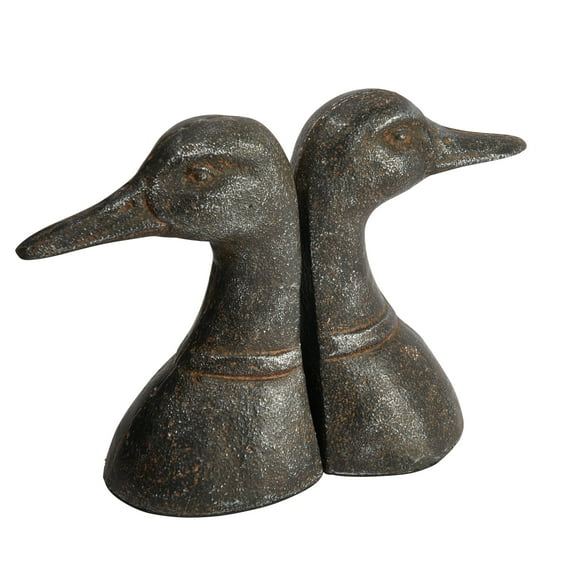
Cast iron styles can suit heavier collections and classic spaces with a grounded appearance. You should still check dimensions, because deeper shelves and taller books need a proportional fit.
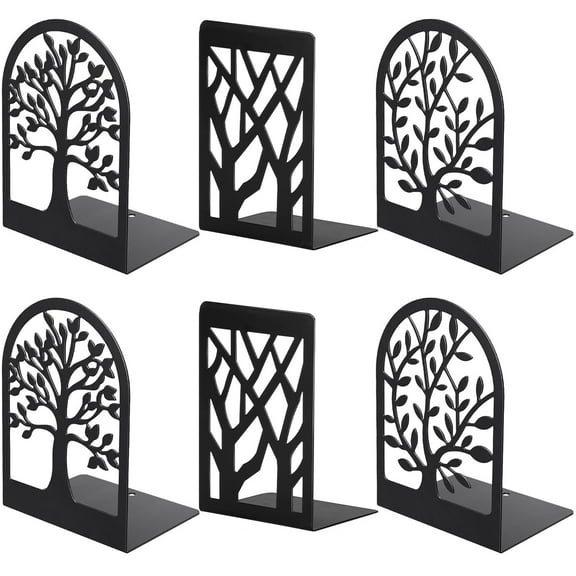
Style choices help you coordinate with the rest of your room. You can compare decorative bookends in modern, vintage, cute, or minimalist looks, depending on how bold you want the display.
Weight capacity is one of the essential decisions you’ll make in this category. You should compare heavy duty, standard, and lightweight options based on whether you’re supporting art books, novels, or slim journals.
Base type matters because your shelf surface affects grip and finish protection. You can look for non-slip, padded, or scratch-resistant bases when you want steadier placement on wood, laminate, or painted shelves.
Heavy duty bookends for larger collections
If you store oversized hardcovers, textbooks, or thick binders, you should focus on heavy duty bookends first. You’ll want a stronger frame and a base that resists sliding under pressure.
Weight rating helps you judge whether a pair fits your stack. You can use that detail to compare support for dense books instead of guessing from appearance alone.
Base material also deserves attention when you build compact rows on smooth shelves. You’ll often get steadier placement when you choose non-slip contact points or padded bottoms.
For shared spaces, you may need support that handles frequent grabbing and reshuffling. Your shelf can stay cleaner when heavy books return to a stable stop instead of slumping sideways.
Bookends for desks, classrooms, and styled shelves
You can use bookends on a home office desk to separate planners, folders, and current projects. Your work area can feel easier to manage when papers and books stay in defined sections.
In a classroom, you may want classroom bookends that help sort readers, workbooks, or subject sets. You should compare lighter options for frequent rearranging and sturdier options for reference materials.
For living room shelving, you can pair modern bookends with framed photos, vases, or storage baskets. Your display can look more intentional when support pieces echo the room’s finish and shape.
On narrow shelves, you should check width and depth before choosing a set. You’ll get a neater result when the base fits inside the shelf line and leaves room for books.
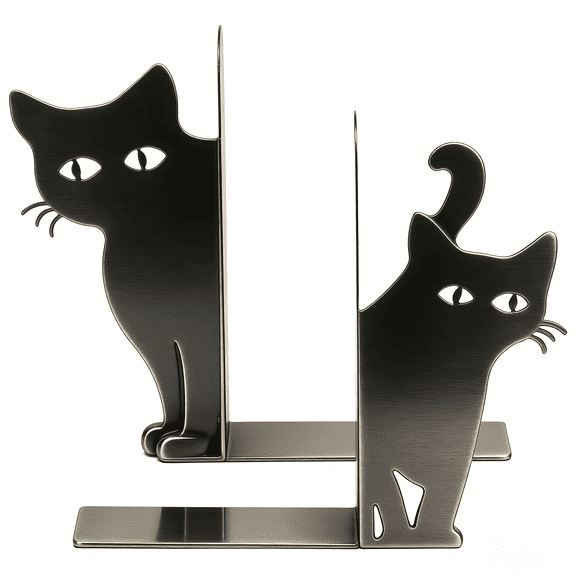
If you style small nooks or children’s rooms, you may prefer cute bookends with playful shapes. Your display can still stay practical when you balance appearance with the right support level.
You can choose bookends with the right material, support level, and base protection for your space. Your shelves can stay organized, stable, and easier to use every day.