

Body Support in Caregiver
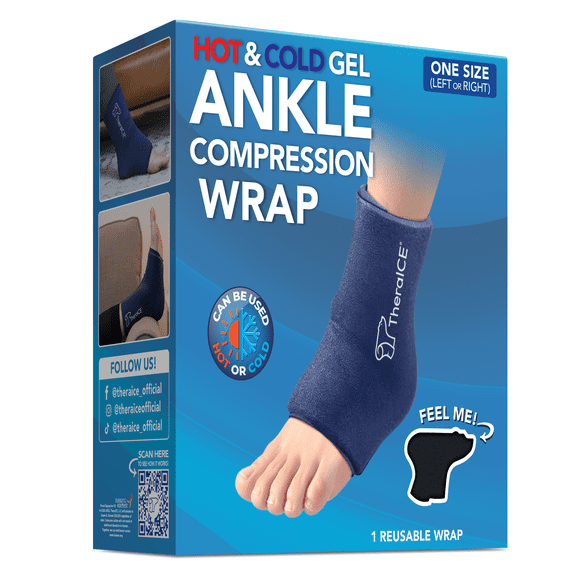

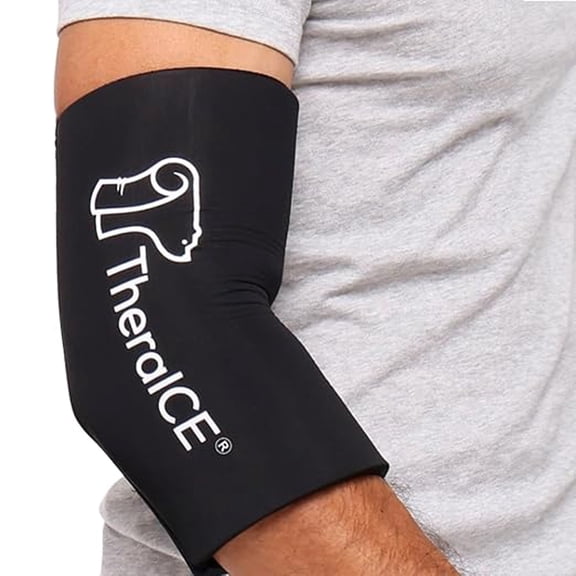

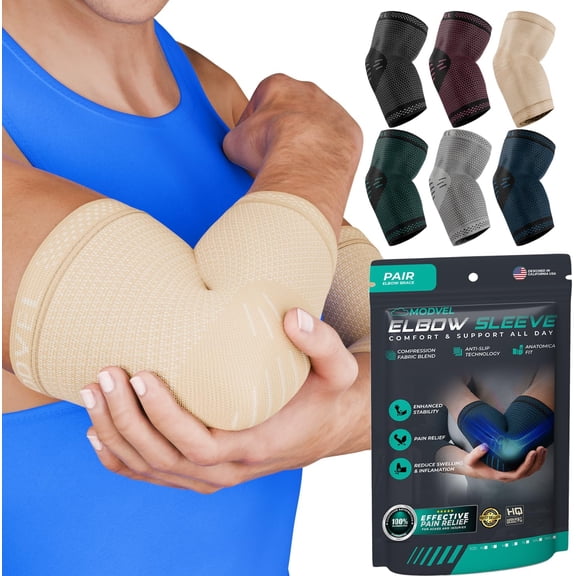
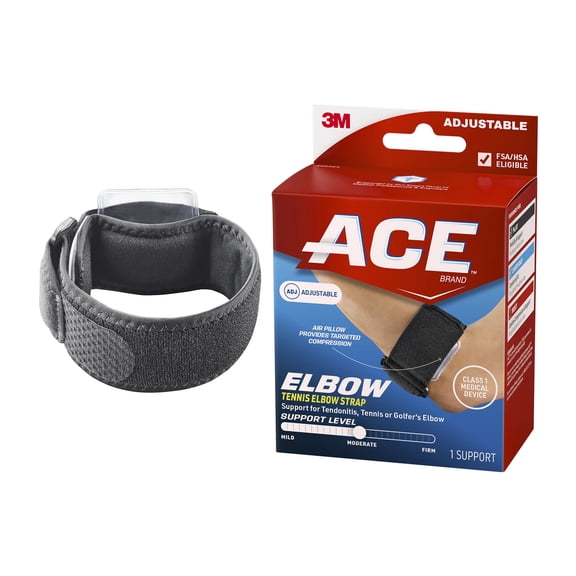








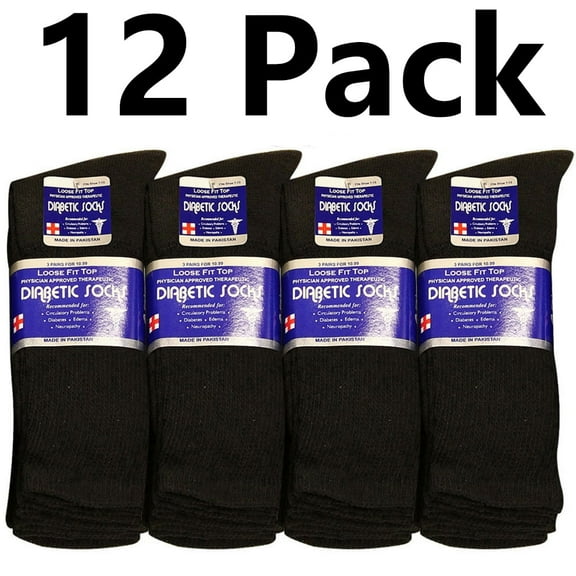


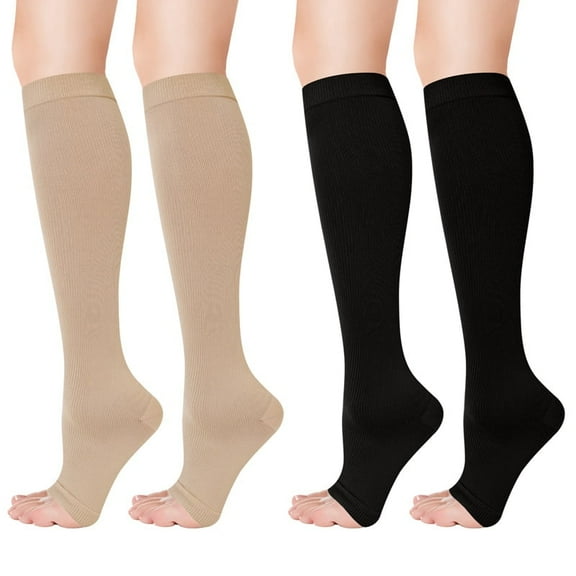
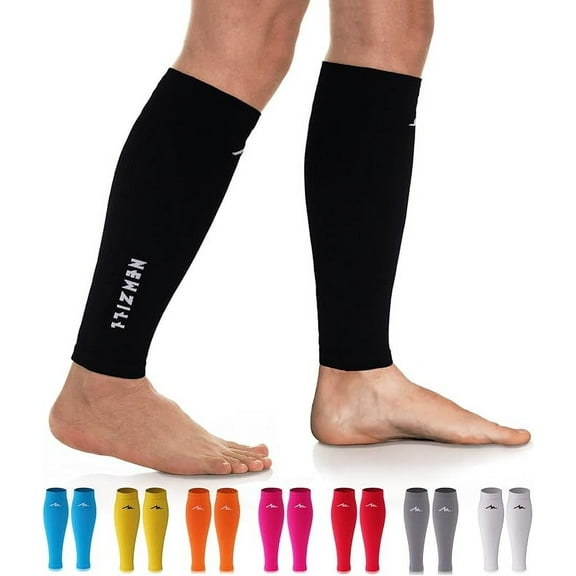


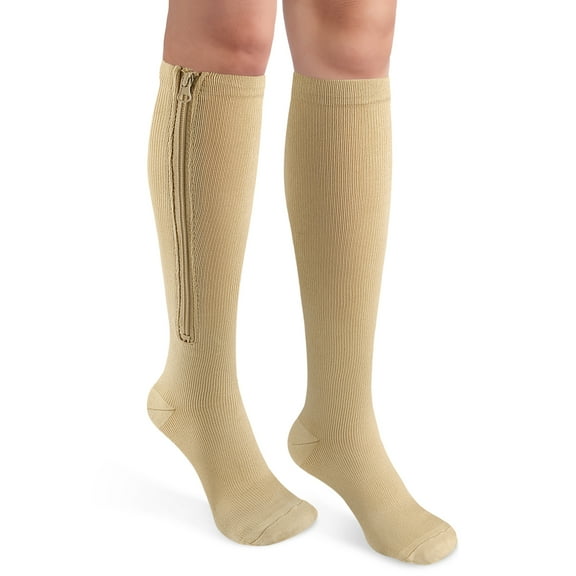


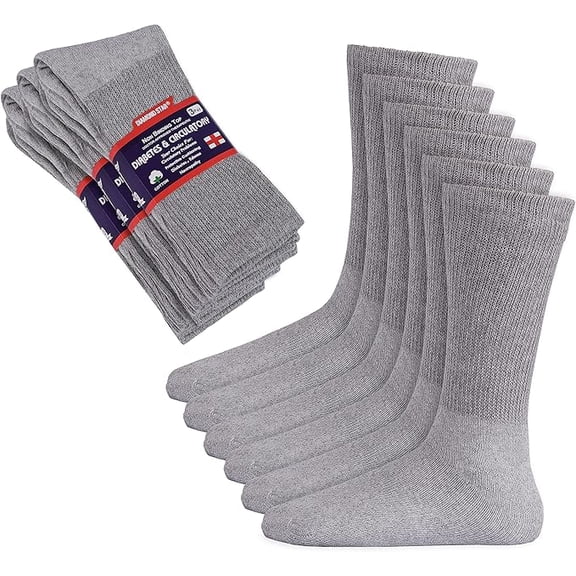

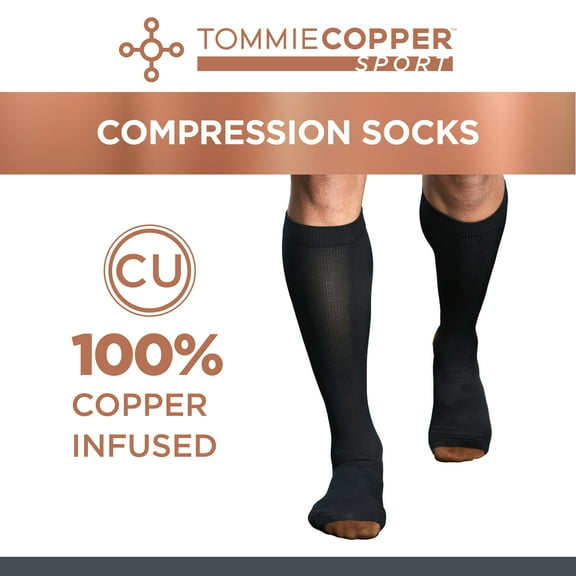
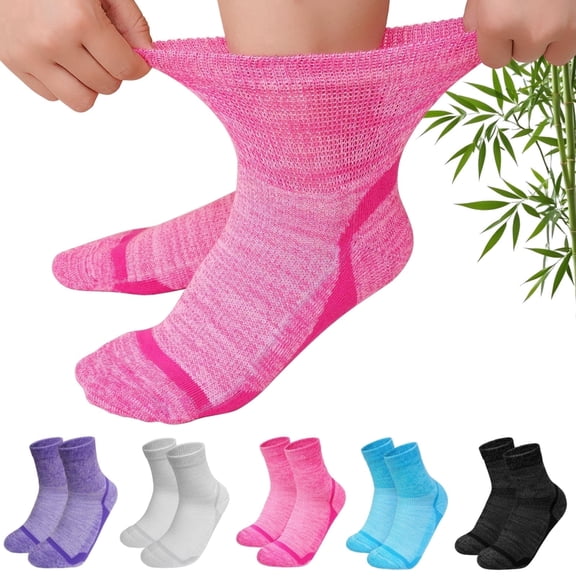


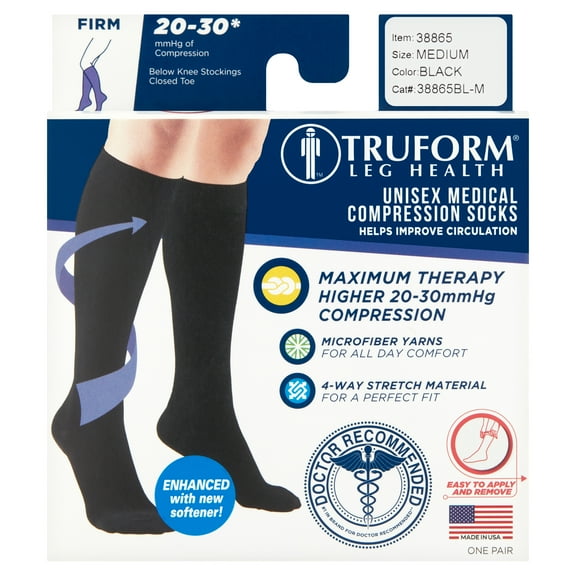






















About Body Support in Caregiver - Walmart.com
You can compare body support options by support level, body part, and fit, so your daily movement feels steadier and more comfortable. You’ll find category choices like braces, wraps, sleeves, and posture correctors that match how you move, sit, lift, and recover.
When you shop this category, you’re usually choosing between mild compression and firmer stabilization for a specific area. You’ll also want materials and closures that feel manageable during work, exercise, commuting, or time at home.
Choosing the right body support
You should start with the body part you want to support, because knee, back, wrist, ankle, and shoulder designs fit differently. You’ll notice each shape targets motion in a specific area, which helps you narrow choices faster.
Support level is another key decision, and you’ll usually see mild, moderate, firm, or structured options. You may prefer mild styles for flexible wear, while firmer choices help you feel more held in place.
- You can use mild support for lighter daily movement and easy layering under clothing.
- You may choose moderate support when you want a balance of flexibility and a closer feel.
- You can look for firm body support braces when you want a more secure, structured fit.
- You may prefer posture correctors when you want alignment-focused support across your upper back and shoulders.
Your routine matters too, because standing all day needs a different feel than typing, walking, or training. You’ll want a design that matches how long you plan to wear it.
How to compare body support braces by fit
You should measure carefully before choosing body support braces, because fit drives comfort, coverage, and how secure the brace feels. You’ll often measure around the knee, waist, wrist, ankle, or upper arm, depending on the style.
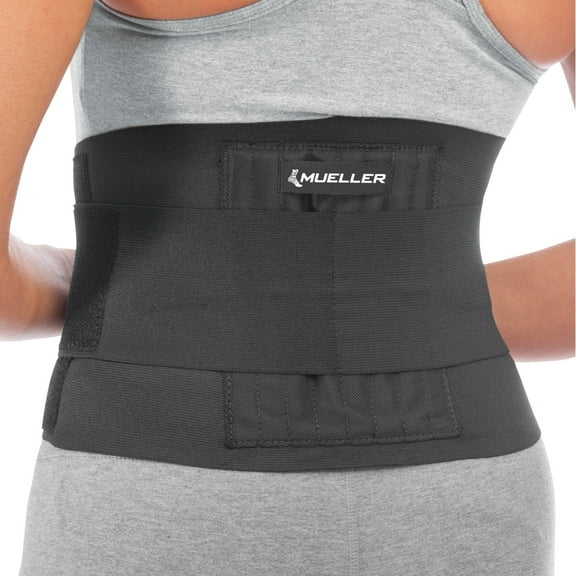
For knee support, you’ll usually check the center of your kneecap and compare that number with the size chart. For back support, you’ll often measure around your waist or lower torso for a closer fit.
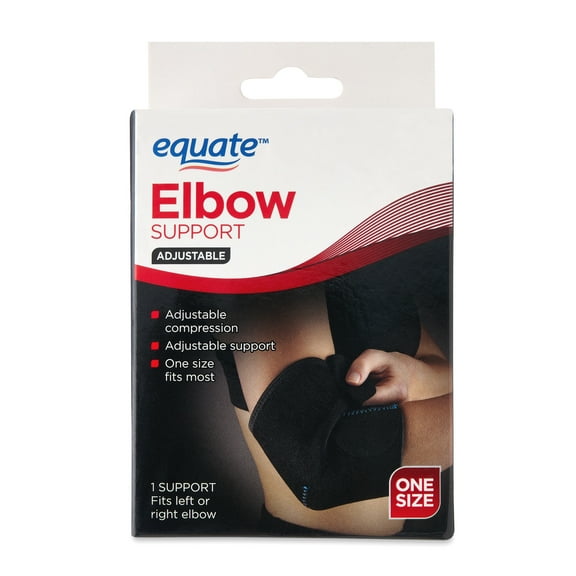
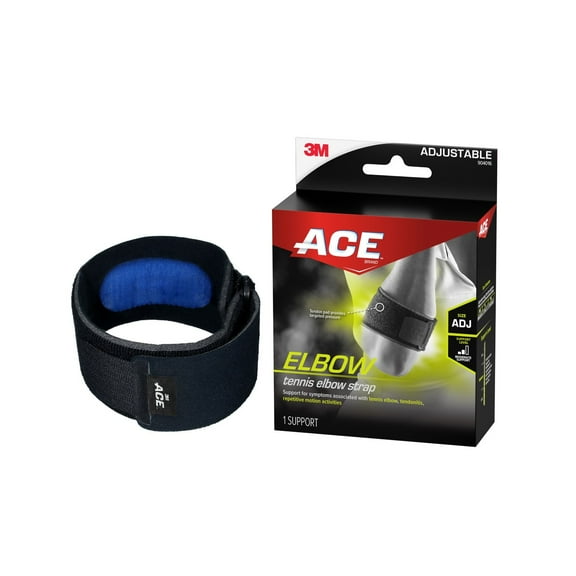
Wrist support and shoulder supports can feel easier to manage when you check closure type before you buy. You may prefer slip-on styles for quick wear, while adjustable straps give you more control.
Hook-and-loop closures can help you fine-tune tension during the day without changing sizes. You’ll also want to check whether the design fits under sleeves, workout wear, or work uniforms.
What to look for in materials and construction
You can compare materials by how warm, flexible, or airy they feel during wear. You’ll often see neoprene, elastic, copper-infused fabrics, and breathable mesh across joint support sleeves and wraps.
Neoprene usually feels snug and cushioned, so you may choose it when you want a close, supportive feel. Elastic styles can feel lighter and stretch easily, which may suit frequent movement.
Breathable mesh can help your support feel less bulky during long wear or active routines. You’ll often like this option when you need airflow under layers or during warmer conditions.
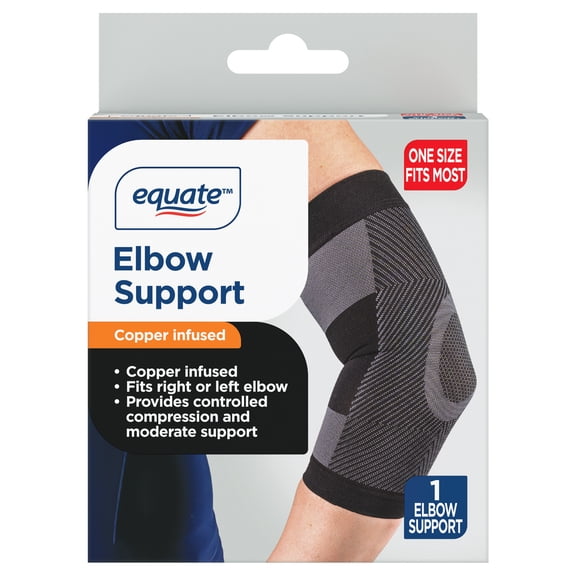
Copper-infused options appear in some compression sleeves and braces, and you may choose them for fabric preference and feel. You should also compare seam placement, edge softness, and panel shape for everyday comfort.
Matching body support to daily use
You can match knee and ankle support to walking, training, or active errands when you want a secure feel around moving joints. You’ll often prefer sleeves for streamlined wear and wraps for adjustable tension.
Back support can work well when you sit for long hours, drive often, or want extra structure during household tasks. You may also compare wider belts and slimmer designs based on how much coverage you want.
Wrist support can suit typing, crafting, gaming, or repeated hand motions when you want steadier positioning. You’ll usually find that slimmer profiles fit more easily under long sleeves or light jackets.
Shoulder supports and posture correctors can make sense when you want upper-body guidance during desk time or light activity. You should check adjustability first, because getting them on and off easily can shape your daily routine.
Joint support sleeves and posture correctors by support level
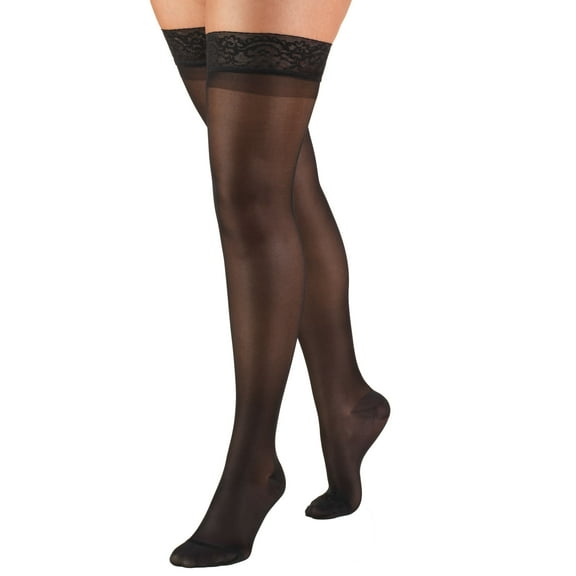
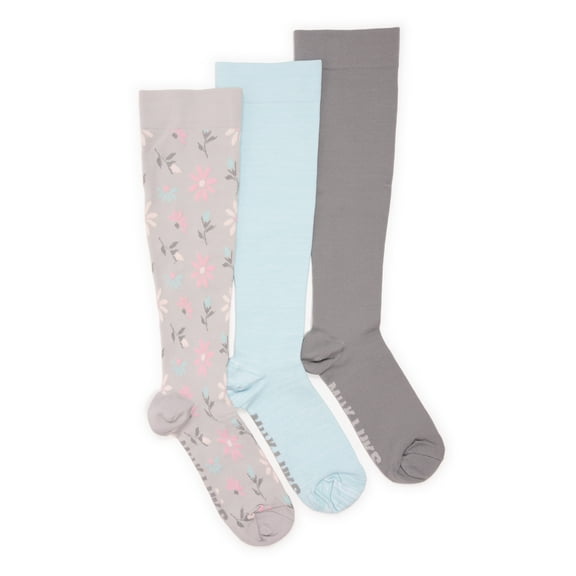
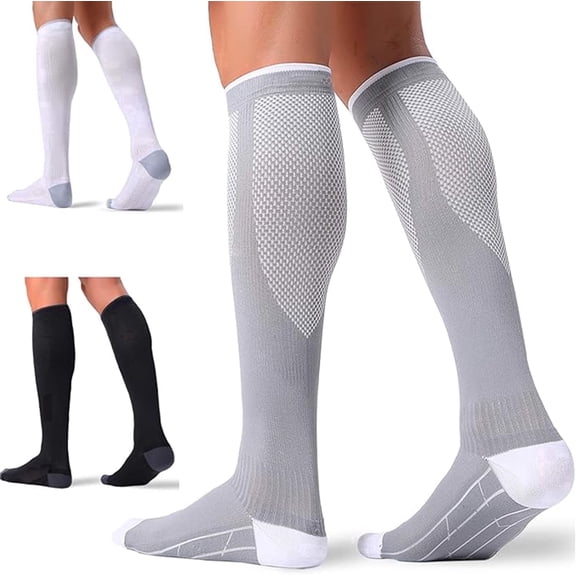
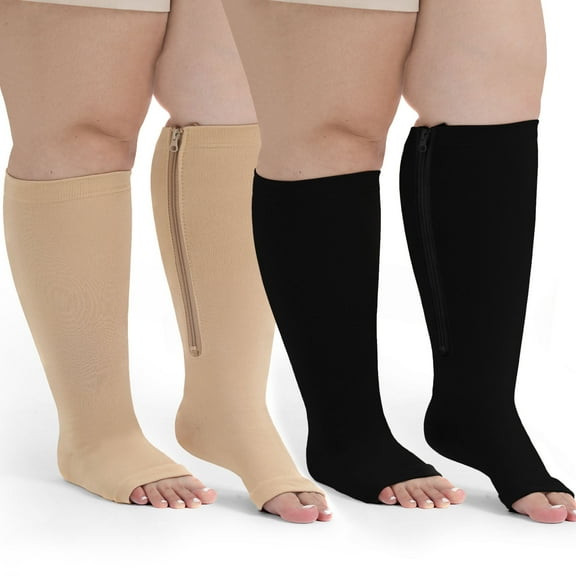
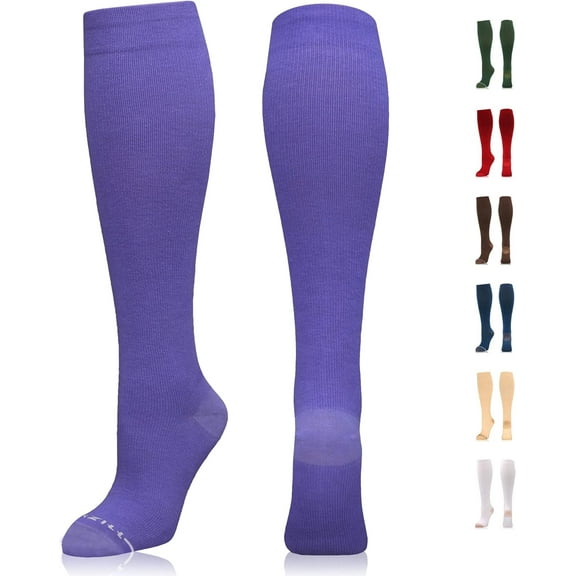
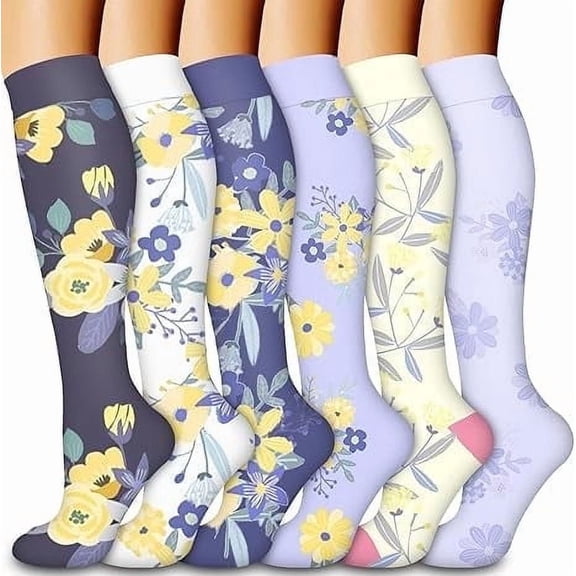
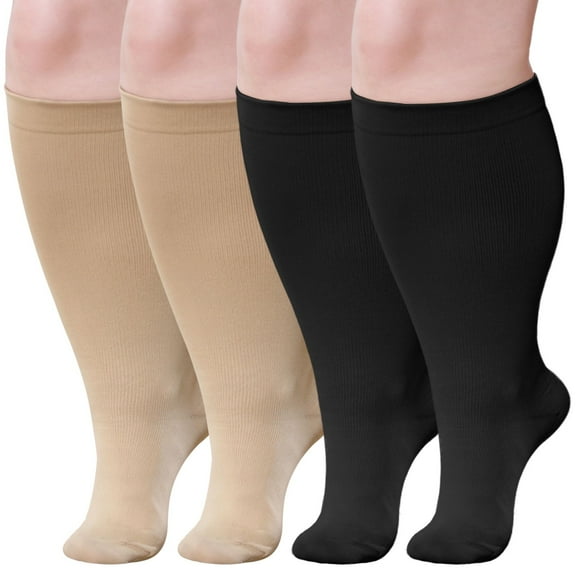
You can use joint support sleeves when you want flexible compression around knees, wrists, ankles, or calves. You’ll often choose them for low-bulk wear that layers neatly under everyday clothing.
Posture correctors usually focus on the upper back and shoulder area, so you can compare strap placement and coverage. You may prefer simpler harness-style designs when you want easier setup and quicker adjustments.
If you’re between support levels, you should compare your usual activity first, then your preferred fit. You’ll make a clearer choice when you balance mobility, coverage, breathability, and adjustability together.
You can shop body support with more confidence when you understand sizing, materials, and closure styles before choosing. You’ll get a more comfortable fit for your routine, whether you need a sleeve, wrap, brace, or posture-focused design.