

Bobcat Cooling in Bobcat Parts










![Oregon OEM 75-095 Belt Bobcat 1-1/8 X 55[250] Bobcat - 38523 Mowmore - BO8810 Rotary - 8810 Stens - 265-928 J Thomas - BT-405](https://i5.walmartimages.com/seo/Oregon-75-095-Deck-Drive-Belt-Bobcat-934004-934005-935002-934003-Yard-Tractors-38523_73920476-6e51-4e29-a331-42150a662ad9_1.7ea9ea9115512363378700d9fed334e1.jpeg?odnHeight=576&odnWidth=576&odnBg=FFFFFF)








About Bobcat Cooling in Bobcat Parts - Walmart.com
Bobcat cooling parts help you restore steady operating temperatures in hard-working equipment. You can compare fitment, materials, and replacement types for skid steers and compact machines in one place.
If you're replacing a worn radiator, hose, fan, thermostat, or pump, you need clear buying guidance. You also need parts that match your model and engine setup without guesswork.
How to choose Bobcat cooling parts by model compatibility
You should start with your machine's model number before you compare any cooling component. Your 743, 753, 763, S185, or T190 may use different mounting points, hose routing, or fan dimensions.
You'll also want to check your engine series because fitment often follows both model and engine details. Your part search gets easier when you compare OEM-spec references and product notes together.
When you review Bobcat skid steer cooling system parts, you should match the radiator size and connection locations. You should also compare water pump housings, thermostat styles, and hose lengths before ordering.
- You can use model numbers like 743, 753, 763, S185, and T190 to narrow fitment faster.
- You should compare engine details for Kubota engine parts or Deutz engine parts before choosing.
- You may want gasket, seal, or hardware details so your installation stays straightforward.
- You can look for OEM-spec wording when your goal is familiar fit and mounting alignment.
What to look for in Bobcat radiator replacement parts
You should compare part type first because each cooling component solves a different replacement need. Your radiator manages heat transfer, while your water pump moves coolant through the system.
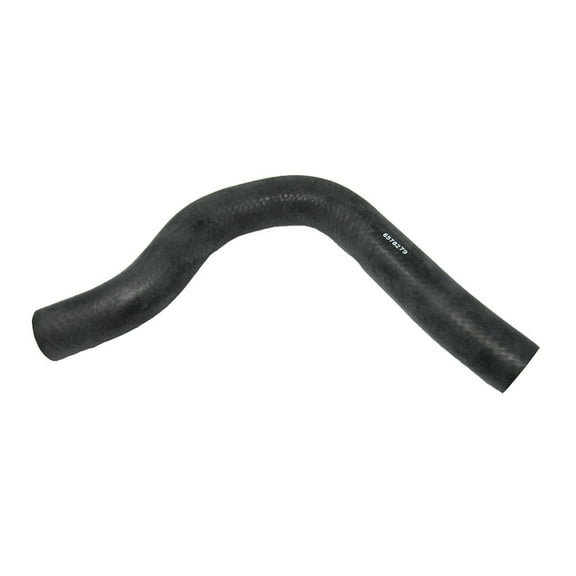
Your thermostat controls coolant flow based on operating temperature, and your hose connects major cooling points. Your fan blade supports airflow through the radiator core when your machine works under load.
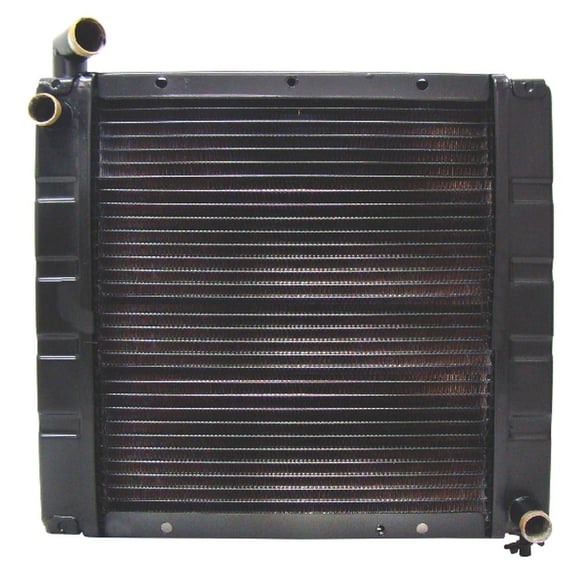
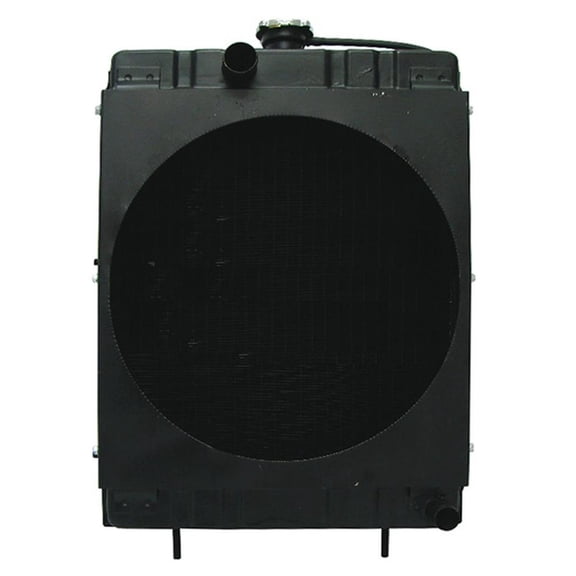
If you're planning a Bobcat radiator replacement, you should check core material and overall construction. Your choice between aluminum and copper-brass can affect weight, repair style, and heat transfer preferences.
You may prefer aluminum when you want a lighter build and common replacement availability. You may prefer copper-brass when your priority is a traditional core style used in many heavy equipment cooling parts.
You should also review heavy-duty steel supports or frames when your machine sees rugged jobsite use. Your mounting surfaces need to align correctly so installation feels predictable.
Comparing engines, materials, and OEM-spec fit
You should check whether your machine uses Kubota engine parts or Deutz engine parts before you choose. Your engine type can change pulley alignment, pump design, and cooling hose connections.
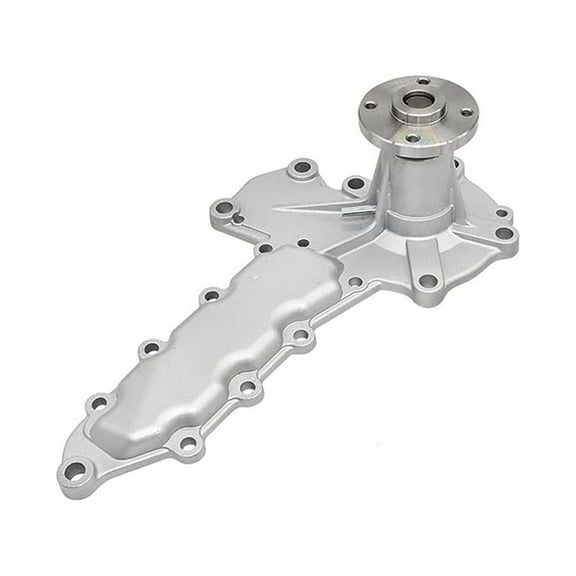
When you compare Bobcat water pump options, you should review shaft style, bolt pattern, and gasket inclusion. Your replacement process goes smoother when you know if the kit includes seals or mounting hardware.
If you're choosing a Bobcat thermostat replacement, you should confirm the housing style and size. Your cooling system works as intended when the replacement matches the original specification range.
You may also compare fan blade count, diameter, and hub pattern for a Bobcat cooling fan. Your airflow support depends on matching the fan design to the existing shroud and engine setup.
OEM replacement and aftermarket parts both matter when you're deciding on fitment expectations. You should read OEM-spec language as a practical sign that dimensions and connections aim to match original equipment standards.
You can use that detail to compare how closely a replacement aligns with your current setup. Your confidence improves when product notes explain fit, included pieces, and intended model coverage clearly.
Matching part combinations to real equipment use
You might replace a radiator and hose together when your machine has older cooling lines and a worn core. Your project can feel simpler when you review connection points and material choices at the same time.
If your skid steer runs long hours with attachments, you may focus on radiator construction and fan support first. Your cooling performance depends on steady airflow and consistent coolant movement during repeated load cycles.
When you're servicing an older 753 or 763, you may compare copper-brass and aluminum radiator designs carefully. Your decision may depend on repair preference, weight, and the exact fit notes listed for that model.
If you maintain an S185 or T190, you may check engine-specific pump and thermostat details closely. Your installation steps can change when Kubota and Deutz setups use different housing or mounting patterns.
You may also plan a full refresh with a Bobcat water pump, thermostat, hose, and fan blade. Your system review makes sense when several parts show wear and you want compatible components together.
For fleet maintenance, you should compare model coverage across several machines before choosing replacements. Your purchasing process gets clearer when each listing states equipment compatibility, engine type, and included hardware.
Choosing Bobcat cooling parts with confidence
You can make a more accurate choice when you compare model compatibility, part type, engine details, and construction together. Your equipment stays ready for work when your replacement parts match the cooling system you already run.
You'll feel more certain when your listing confirms OEM-spec fit, material details, and included seals or gaskets. Your repair moves forward with fewer surprises and a clearer path to proper installation.