

Blenders



















About Blenders - Walmart.com
With blenders juicers, you can match your kitchen routine to smoothies, sauces, frozen drinks, or fresh juice with clearer buying guidance. You can compare blending, juicing, motor power, and cleanup, so your choice fits how you prep ingredients every day.
How to choose blenders juicers for your routine
You should start by deciding whether you want to blend whole ingredients or extract juice from produce. You can keep fiber in blended drinks, while your juicer separates liquid from pulp for a lighter texture.
If you make smoothies, soups, dips, or frozen drinks, you may prefer a blender for broader kitchen use. If you focus on green juice or fruit juice, you may prefer a juicer with a feed chute and pulp container.
You can also compare capacity before you choose. You may see personal cups for single servings, while larger pitchers support family batches, meal prep, or party drinks.
Choosing countertop blenders, personal smoothies blenders, and immersion hand blenders
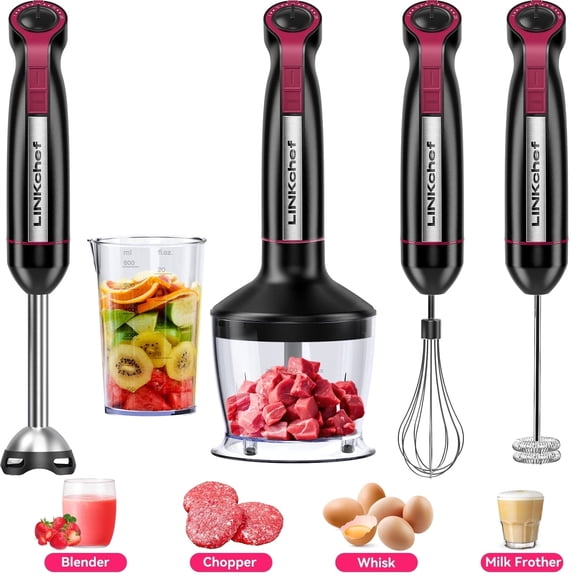
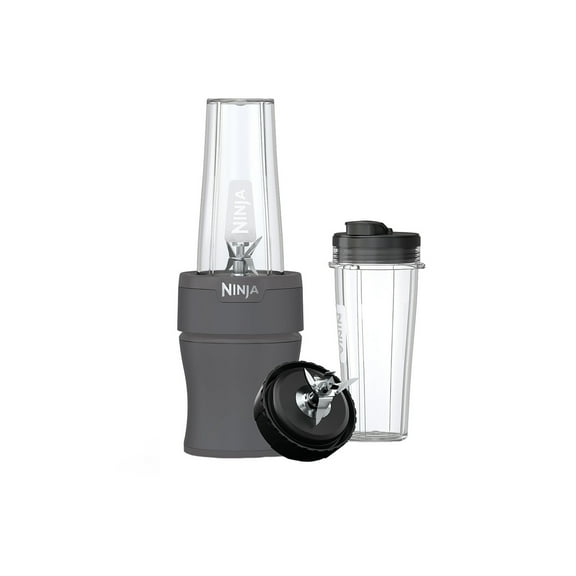
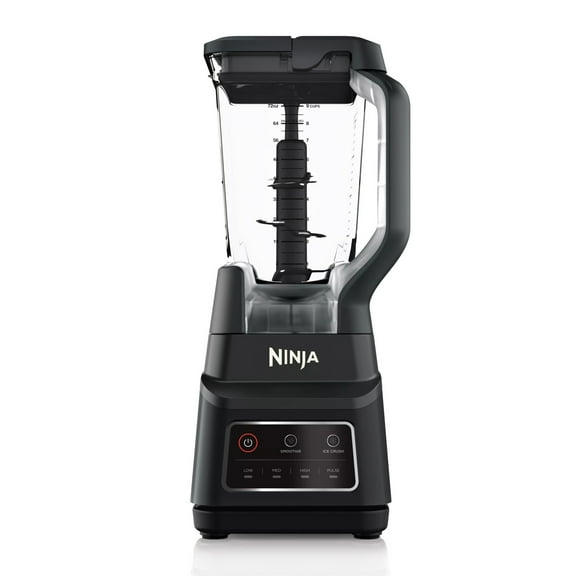
You can compare blender type by thinking about where and how you prep ingredients. You may choose countertop blenders for larger batches, personal smoothies blenders for single cups, and immersion hand blenders for pots or tall containers.
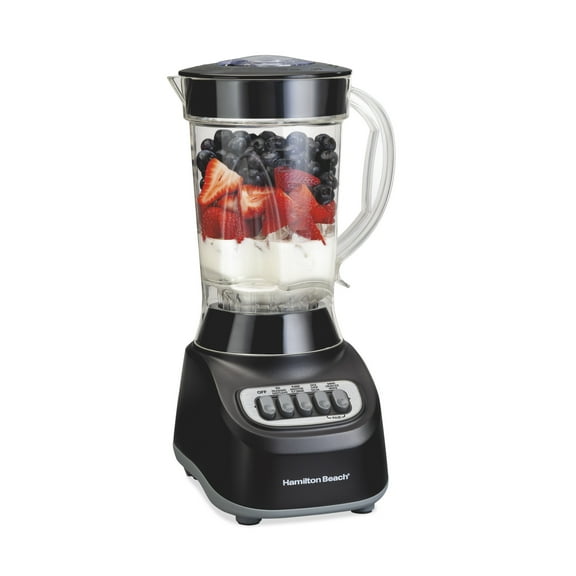
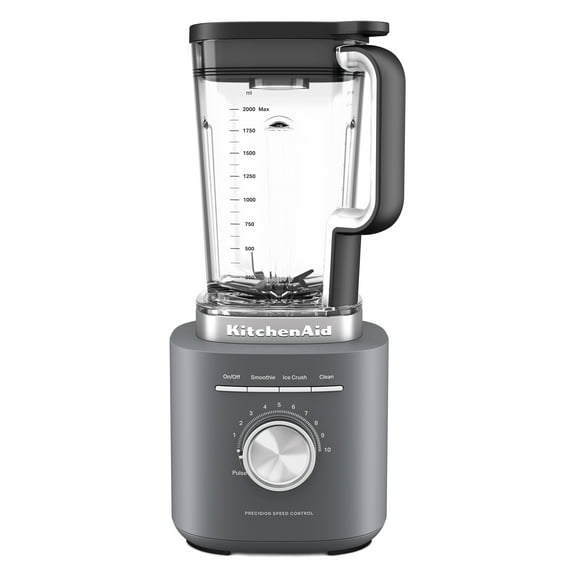
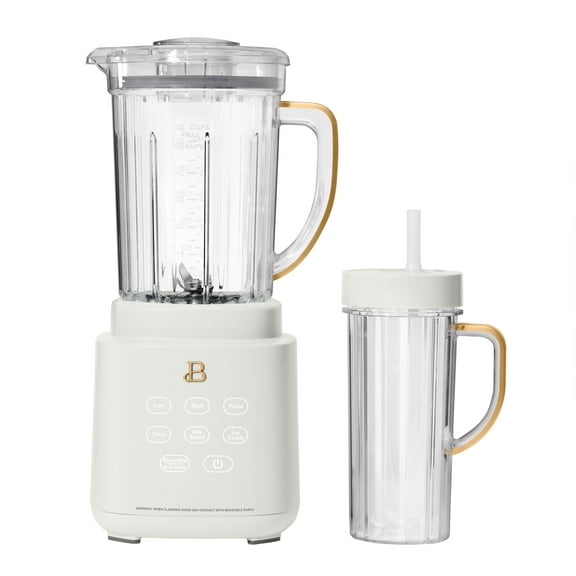
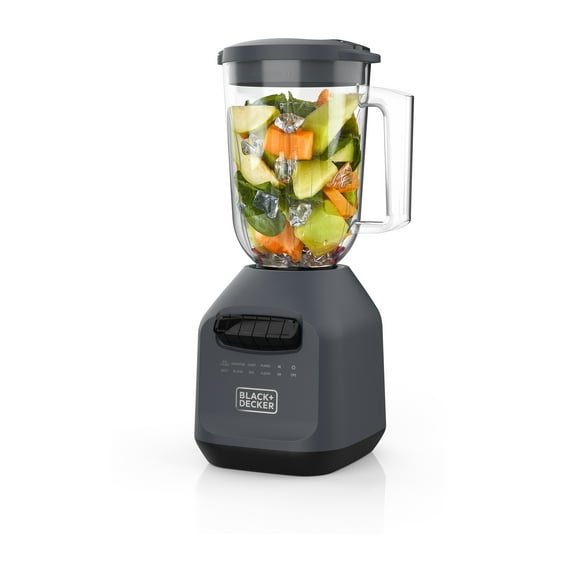
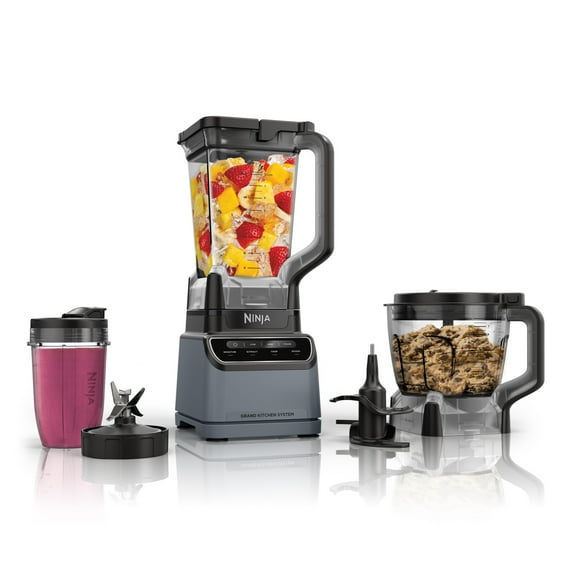
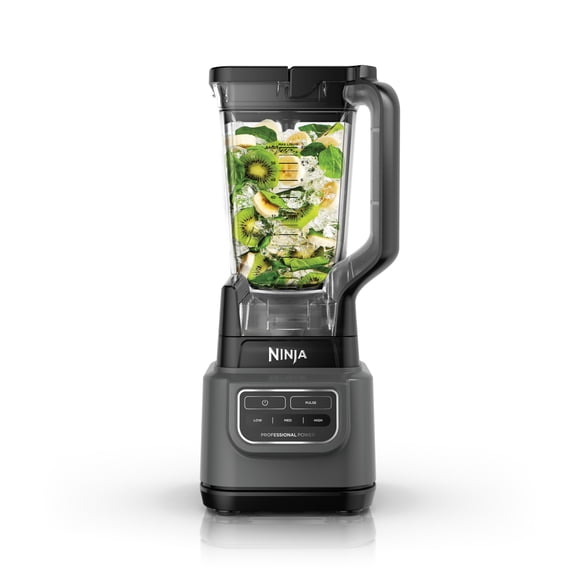
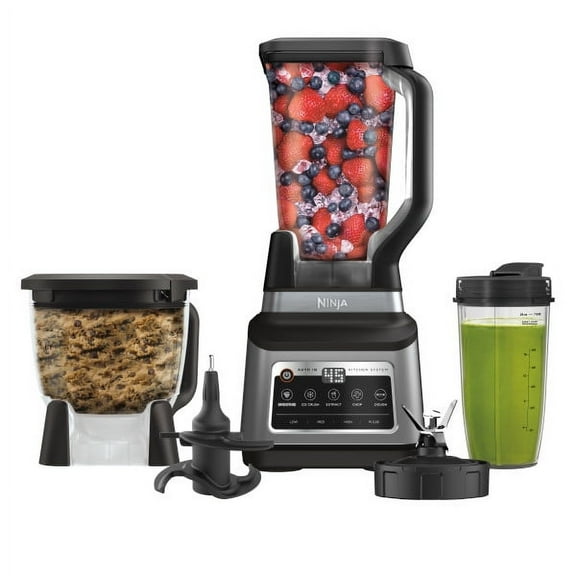
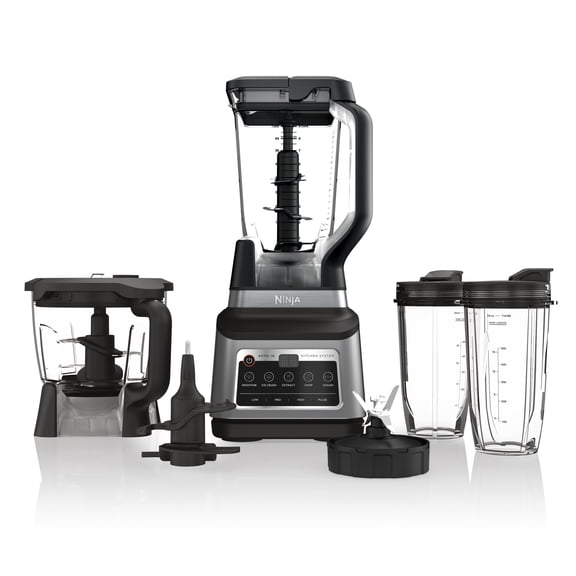
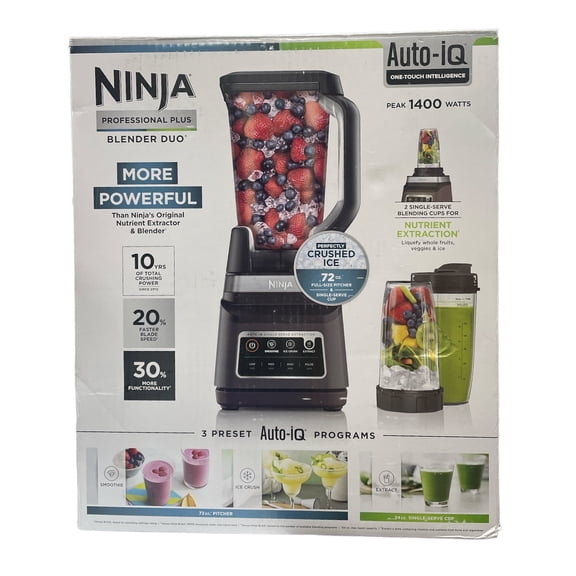
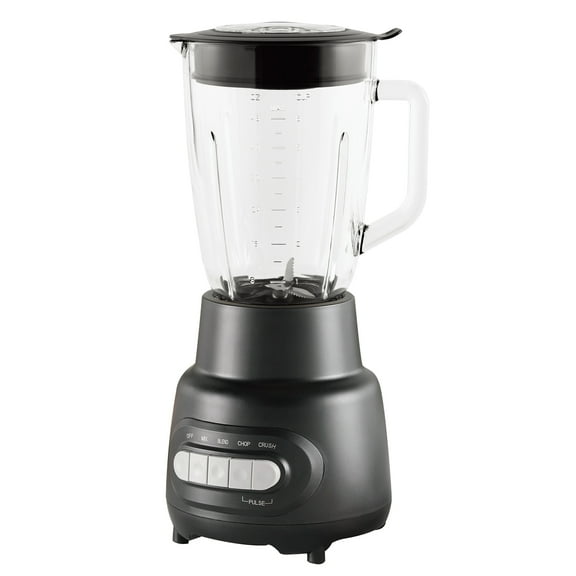
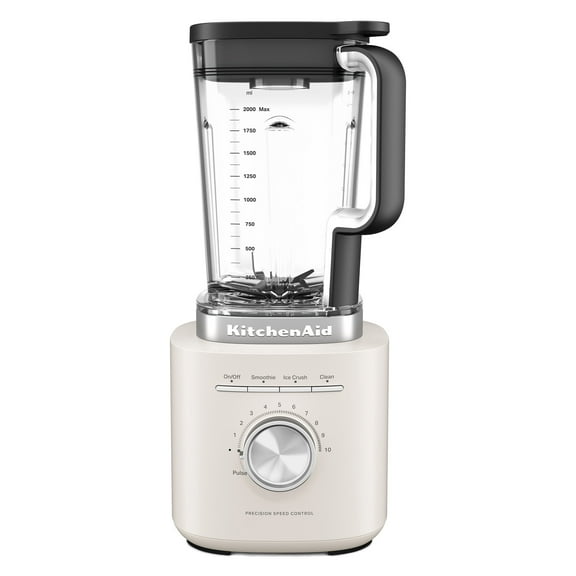
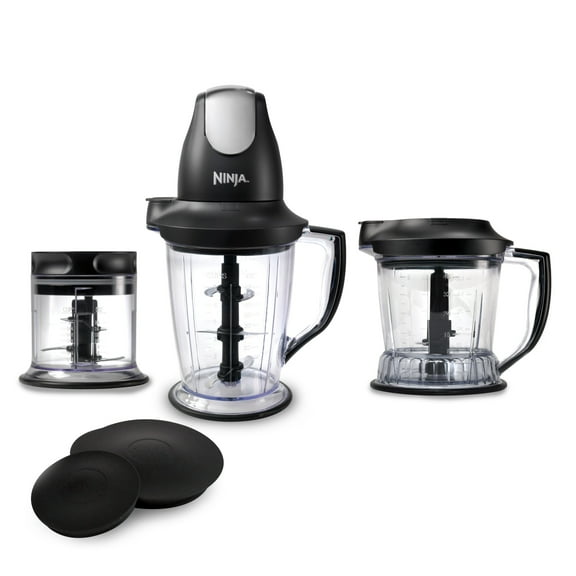
Countertop blenders work well when you want pitcher capacity for smoothies, sauces, or frozen drink blenders. You can get more room for ice, fruit, and multiple servings in one cycle.
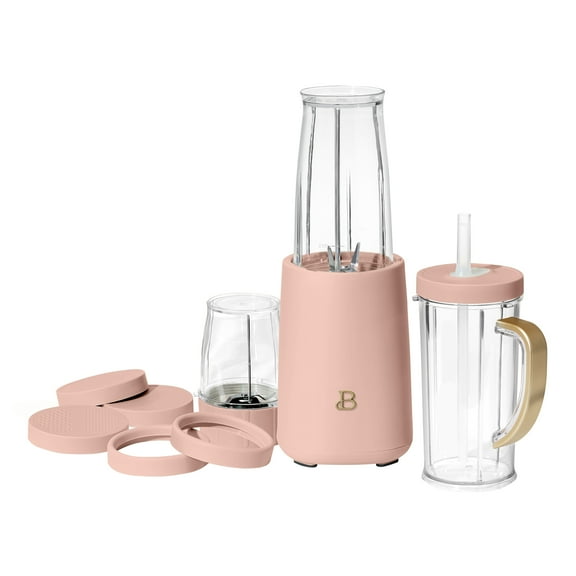
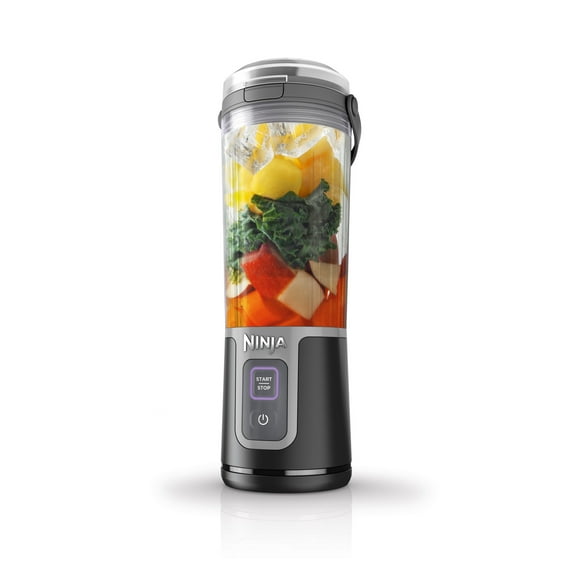
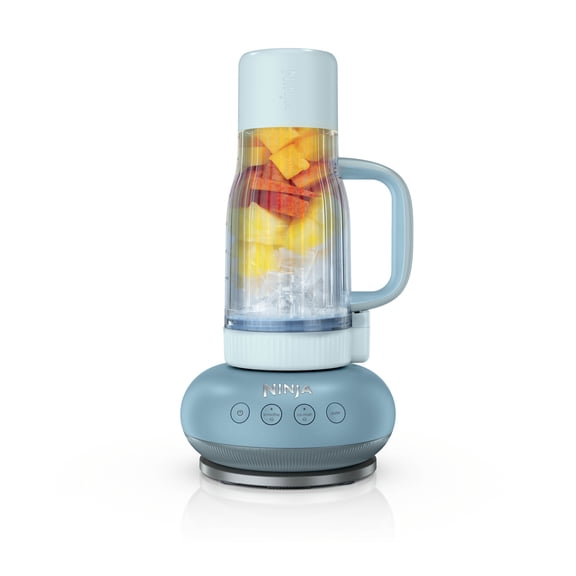
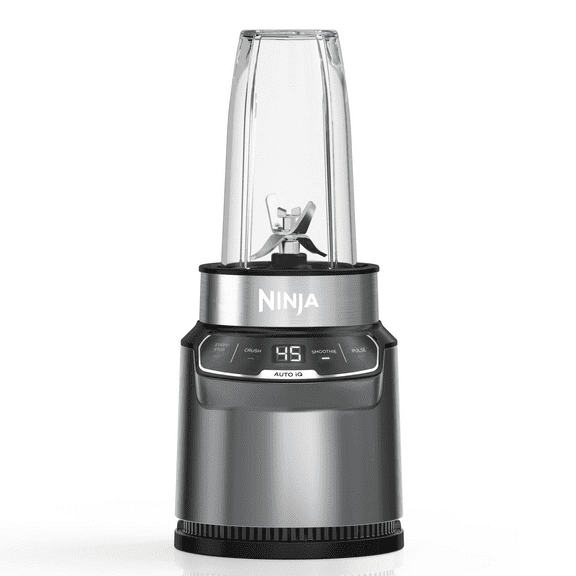
Personal smoothies blenders fit mornings when you want a single serving and less transfer between cup and lid. You may appreciate that format when your counter space is limited or your routine moves quickly.
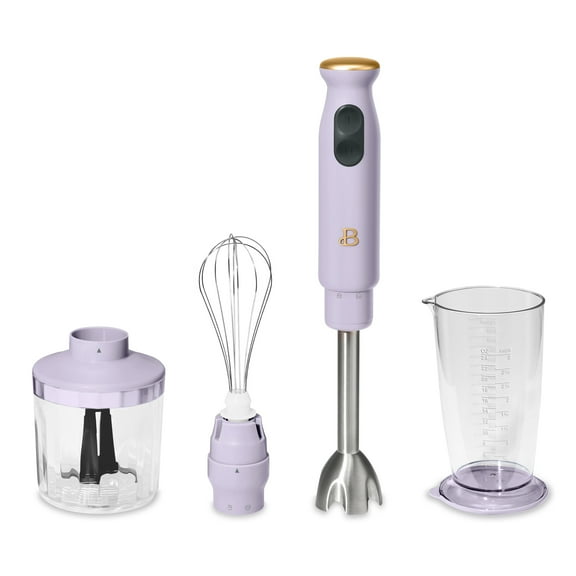
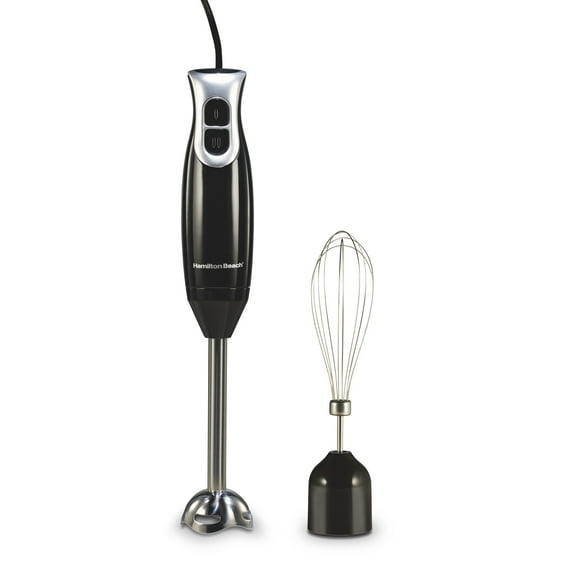
Immersion hand blenders help when you want to blend soups, purees, or dressings directly in your container. You can keep cleanup simple because you’re often washing a blending arm instead of a full jar.
- You can retain fiber with blended drinks made from whole fruits and vegetables.
- You can make more than juice, including dips, sauces, soups, and frozen treats.
- You can match capacity to your routine with single-serve cups or larger pitchers.
- You can simplify cleanup by comparing removable blades, cups, and dishwasher-safe parts.
What to look for in motor power, jar material, and blending performance
You should compare motor power based on what you blend most often. You may find under 500W models suited to softer ingredients, 500W to 1000W models for regular smoothie use, and 1000W+ options for tougher blending.
If you blend ice, frozen fruit, or nut butters, you should check wattage and blade speed together. You can notice higher power supports smoother results and steadier performance for dense ingredients.
You may also see professional blenders when you want frequent use and stronger ice-crushing ability. You can use that category as a shortcut when your recipes include frozen drinks, thick purees, or large batches.
You should compare jar material because it changes weight, feel, and cleanup. You may find BPA-free plastic jars lighter to lift, glass jars heavier with a solid feel, and stainless steel containers useful for durability.
Capacity matters as much as power. You can check ounces or cups to match your servings, whether you need a travel cup, a mid-size jar, or a larger family pitcher.
Choosing masticating juicers and cold press juicers
You can compare juicer type by focusing on speed, texture, and prep style. You may see centrifugal juicing machines work faster, while masticating juicers process ingredients more slowly with a different extraction method.
Masticating juicers are useful when you want more control over leafy greens, celery, or firmer produce. You can expect a slower feed process, which may suit a steady morning prep routine.
Cold press juicers appeal to shoppers who want a slow-processing format for fruits and vegetables. You should check chute size, pulp handling, and container setup, so your prep feels manageable from start to finish.
You can also compare cleanup before choosing a juicer. You’ll want parts that disassemble clearly, brushes that reach filters, and components that fit your sink or dishwasher routine.
How to match features to everyday use cases
You should think about your usual ingredients before narrowing your options. If your mornings center on protein shakes or fruit blends, you may prefer personal smoothies blenders with compact cups and simple lids.
If you prep family smoothies, pancake batter, or sauces, you may prefer countertop blenders with larger jars. You can get more working room for several servings and thicker mixtures.
When you make soups or sauces on the stove, immersion hand blenders can reduce transfers between containers. You can blend directly in a pot or deep vessel, which helps keep your workflow simple.
If your goal is fresh juice from apples, carrots, greens, or citrus blends, you should compare juicer types carefully. You can look for the right balance of feed size, pulp separation, and counter footprint for regular use.
Summer smoothie makers and frozen drink blenders often need enough power for ice-heavy recipes. You can check wattage, jar size, and blade design to support slushes, smoothies, and party drinks.
You can choose more confidently when you compare function, power, capacity, and cleanup together. Your kitchen routine becomes easier when your blender or juicer matches your ingredients, your batch size, and your daily pace.