

Biblical Reference Books and Study Guides







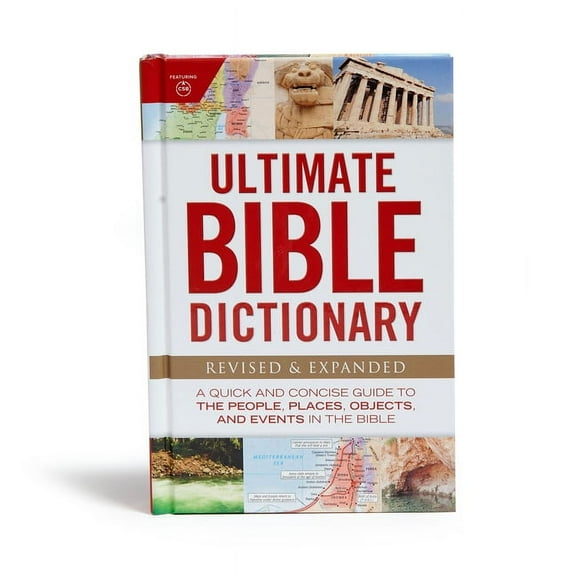









About Biblical Reference Books and Study Guides - Walmart.com
Biblical reference books help you compare passages, trace key terms, and study context with more clarity. You can use them to support classwork, sermon prep, or personal reading with translation-specific guidance.
How to choose biblical reference books
When you shop biblical reference titles, you should first match the reference type to your study goal. You can get different help from commentaries, concordances, dictionaries, atlases, and study guides.
If you want verse-by-verse explanation, you should consider biblical commentaries for context and interpretation. If you want word lookups, you should compare bible concordances and bible dictionaries for faster term tracing.
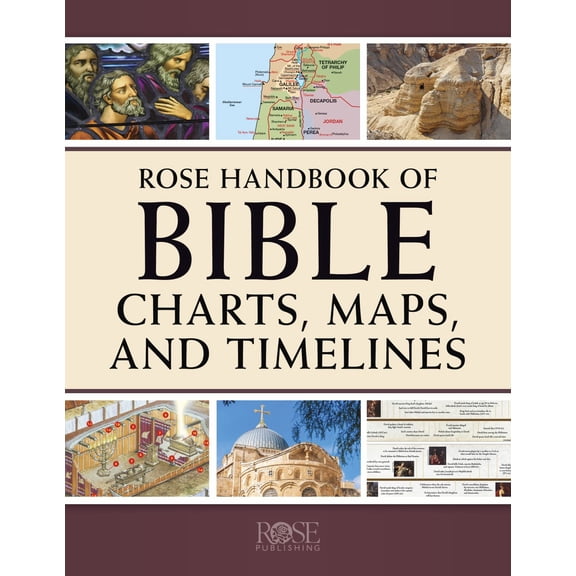
For geography and timelines, you should look at atlases that map places, routes, and regions. For structured reading plans, you should consider bible study guides that organize chapters, themes, and discussion points.
- You can use commentaries for passage notes, historical background, and cross-reference insights.
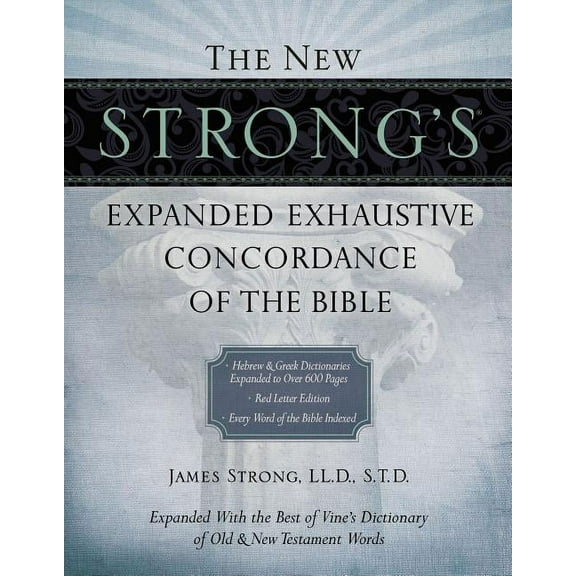
- You can use concordances to locate repeated words and connect verses across books.
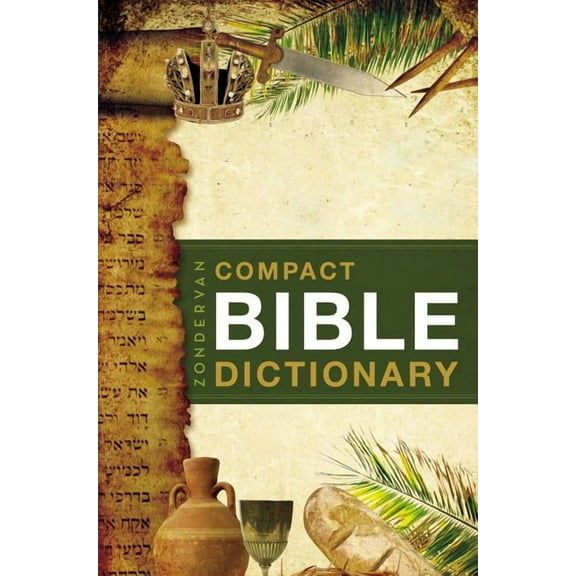
- You can use dictionaries to clarify names, places, customs, and theological terms.
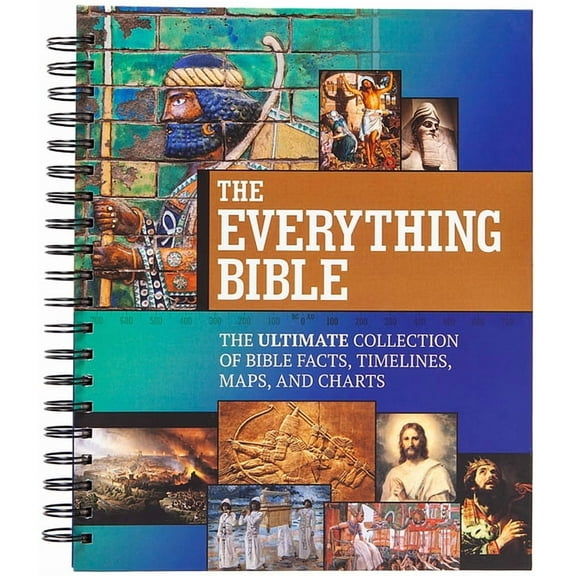
- You can use atlases when you want maps that support Old Testament and New Testament reading.
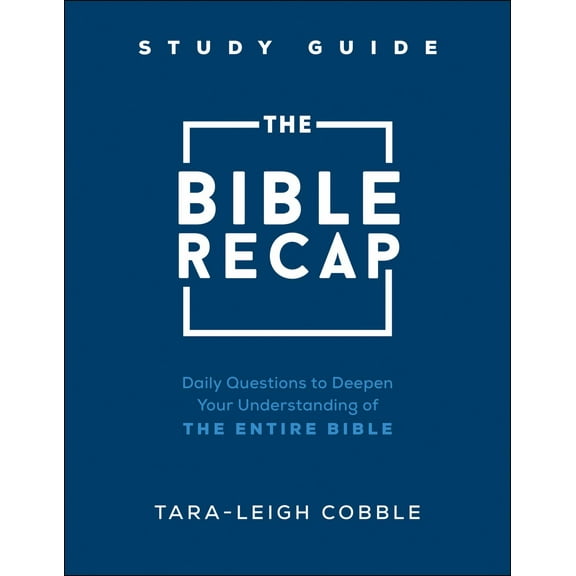
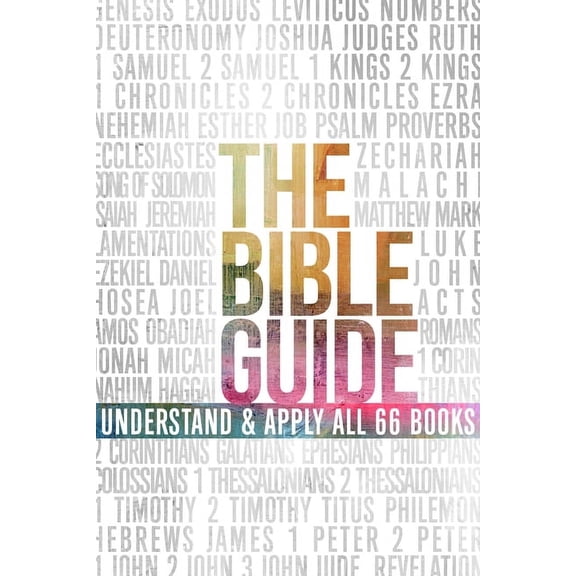
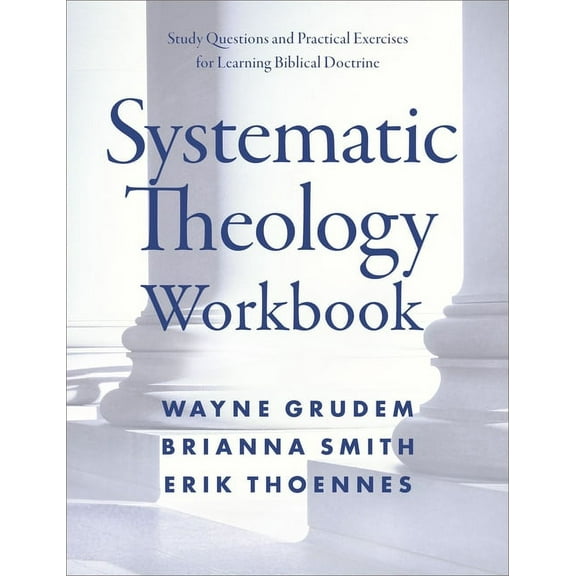
- You can use study guides when you want prompts, outlines, and paced sessions.
Choosing study level and focus area
You should also compare study level before you choose a title for your shelf or device. You may want academic detail, pastoral guidance, beginner-friendly explanations, or personal devotion prompts.
If you’re taking classes or writing papers, you may prefer academic works with deeper notes and source discussion. If you’re leading a group, you may prefer pastoral resources with clear summaries and teaching structure.
If you’re new to study, you may want simpler language, shorter entries, and helpful introductions to major themes. You may also want a focus area like Old Testament history, New Testament letters, theology, or historical context.
When you compare focus areas, you can narrow your search by book coverage and subject emphasis. You can often notice that theology references explain doctrines, while historical context titles explain customs, empires, and daily life.
Biblical reference formats and compatibility
You should check format next, because your reading habits affect convenience and note-taking. You may prefer hardcover for desk study, paperback for portability, leatherbound for presentation, or digital for quick searching.
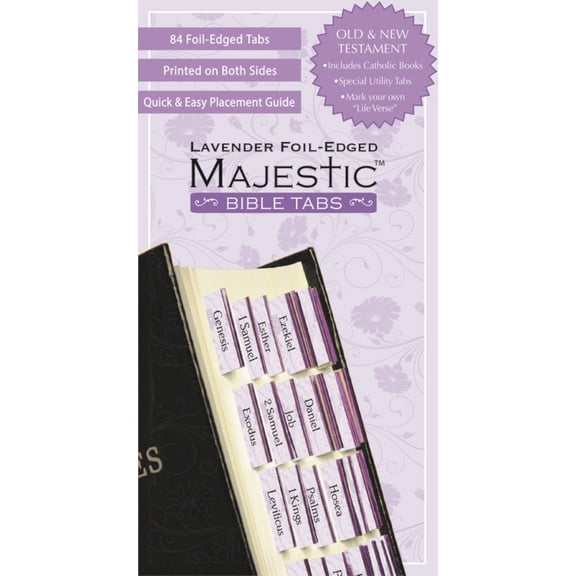
If you read at home, you may want a larger trim size and room for tabs or sticky notes. If you carry books to class or church, you may prefer lighter editions with flexible covers.
Translation compatibility matters when you choose biblical reference material for word studies and cross-references. You should check whether a concordance, guide, or commentary aligns with KJV, ESV, NIV, or another translation.
You may usually want close translation matching when you study repeated terms or exact wording. You can use broader guides across translations, but you should confirm book introductions and verse references fit your preferred text.
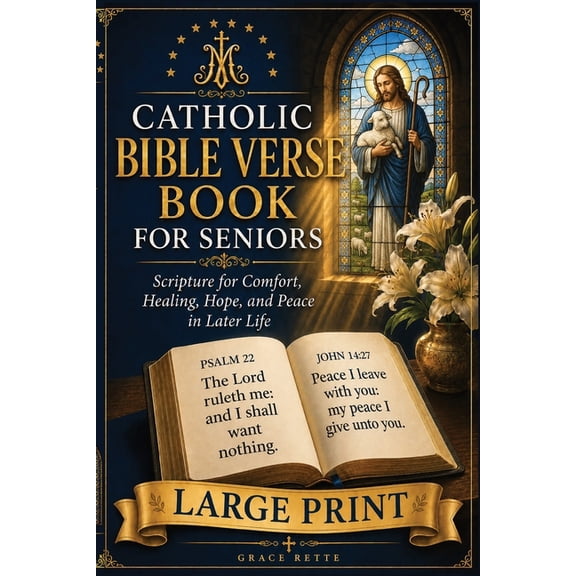
Print size also shapes your experience during longer reading sessions and detailed comparisons. You may want larger text, wider margins, and clearer headings when you read footnotes, maps, or indexed entries.
Using bible study guides in real situations
You can match reference types to the way you actually study each week. If you prepare lessons, you may combine biblical commentaries with atlases for passage background and location details.
For personal devotion, you may choose bible study guides with reflection prompts and shorter sections. You can pair them with christian reference books that explain names, symbols, and key themes in plain language.
If you lead discussions, you may want resources with outlines, discussion questions, and book-by-book summaries. You can use those tools to keep sessions organized without losing the larger historical setting.
For word-focused study, you may compare bible concordances with dictionaries that explain terms and proper names. You can find that this combination helps you trace repeated language and understand references inside a wider context.
When you study prophecy, journeys, or temple settings, you may want atlases and historical context references. You can use those materials to connect places, periods, and events across the biblical timeline.
If you’re building a starter library, you may begin with one guide, one dictionary, and one commentary. You can expand later with translation-specific tools that fit your reading style and subject interests.
What to look for in biblical reference selections
You should compare organization, because indexes, cross-references, and chapter layouts affect how quickly you find answers. You may want alphabetical entries, verse-based notes, maps, charts, or reading plans.
Look for clear table-of-contents pages and section labeling that support faster navigation. You may also want to measure how much explanation you need, especially if you’re balancing devotion, teaching, or academic work.
With the right biblical reference resources, you can build a study setup that fits your translation, depth, and daily routine. You can gain clearer navigation through scripture, context, and key terms with every session.