



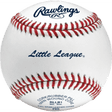


Baseballs
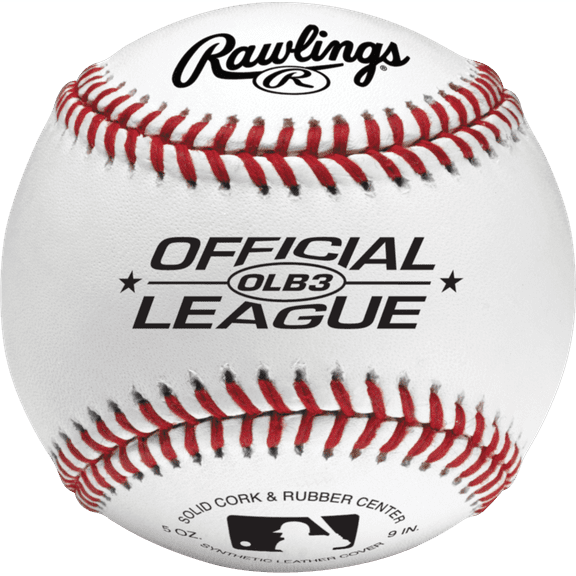


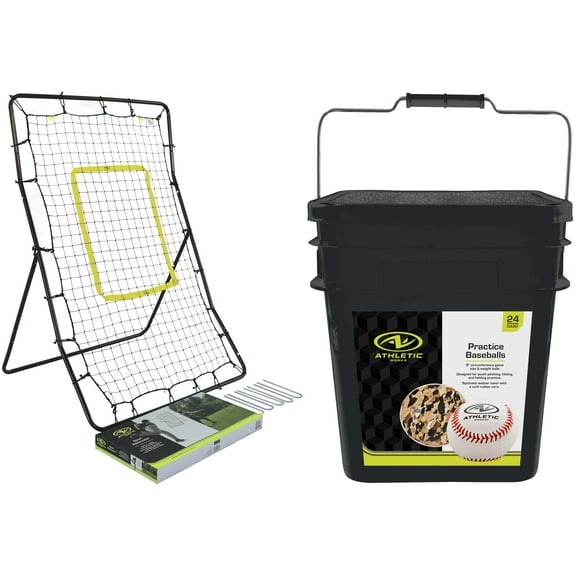


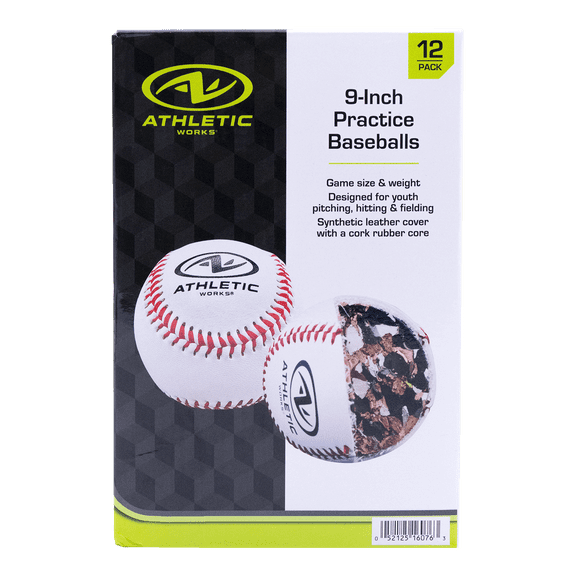




















About Baseballs - Walmart.com
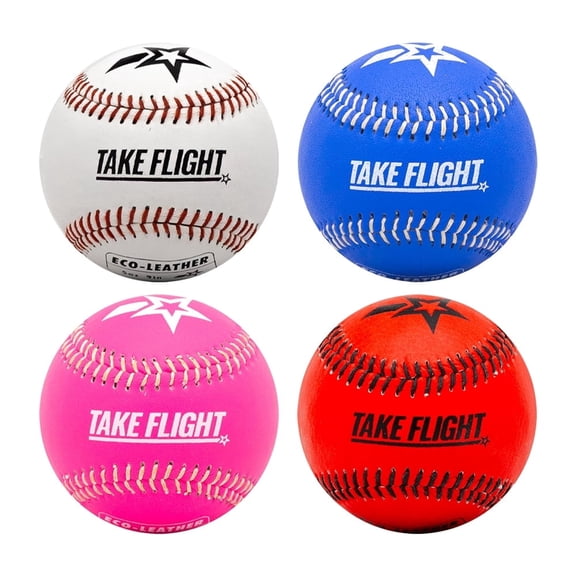
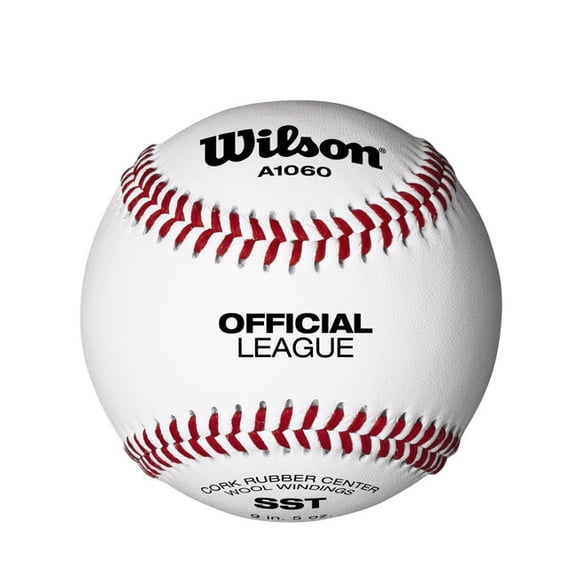
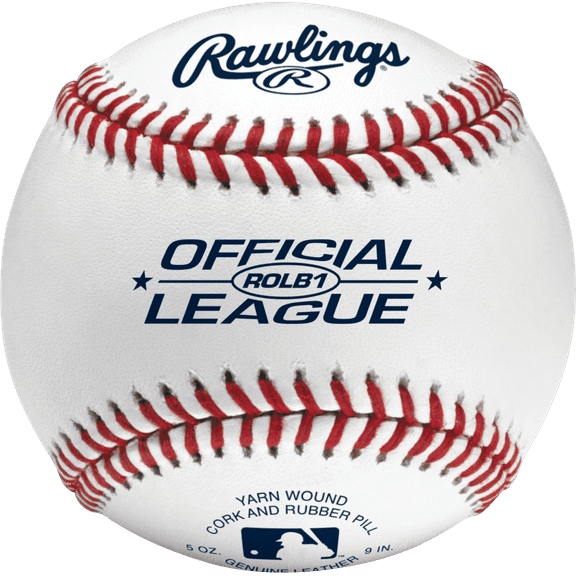
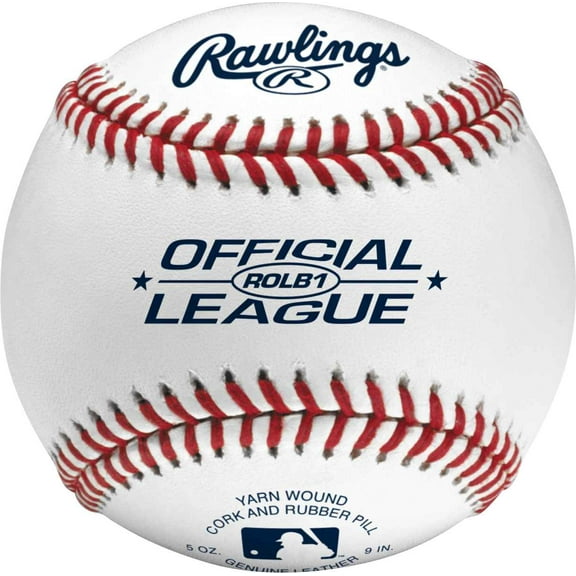
Baseballs help you prepare for practice, games, and training with the right cover, seam, and certification. You can compare baseballs by material, league approval, and pack size, so your choice fits how you play.
How baseballs support practice and game play
When you choose the right ball, you get more consistent flight, cleaner fielding reps, and a truer feel off the bat. You can also match your ball to cage work, bullpen sessions, or official game use.
Coaches often need practice baseballs that hold up through repeated grounders, batting practice, and machine feeding. Parents may need youth baseballs that match league rules, so players can train with familiar weight and feel.
- You can use leather baseballs when you want a classic game feel and a cover that breaks in over time.
- You can choose synthetic or composite covers when you want repeatable practice sessions and easy team stocking.
- You can pick raised seams for extra grip or flat seams for smoother pitching machine feeding.
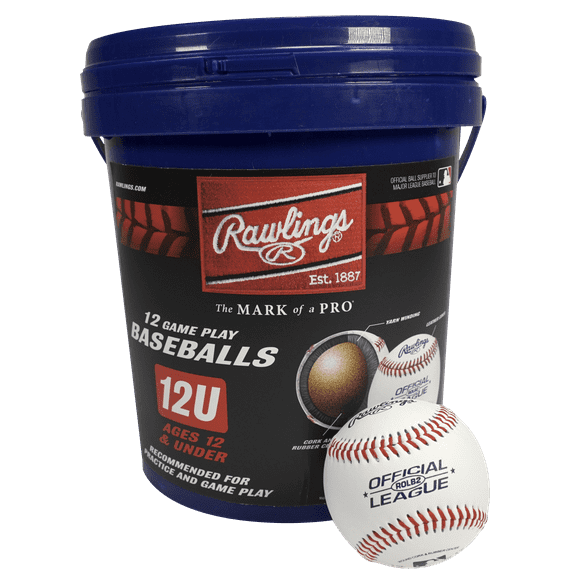
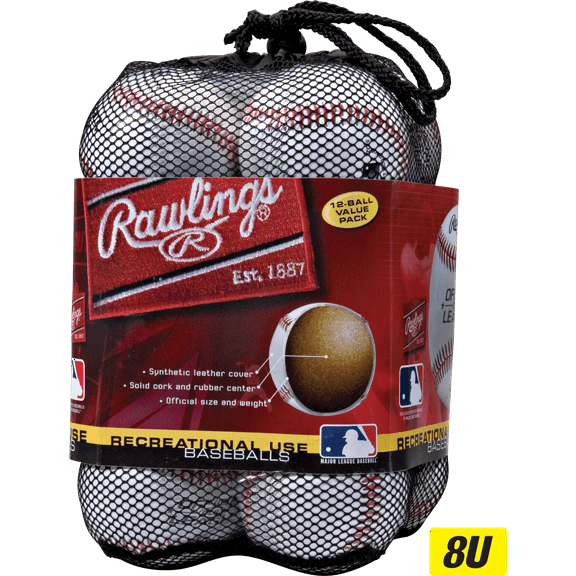
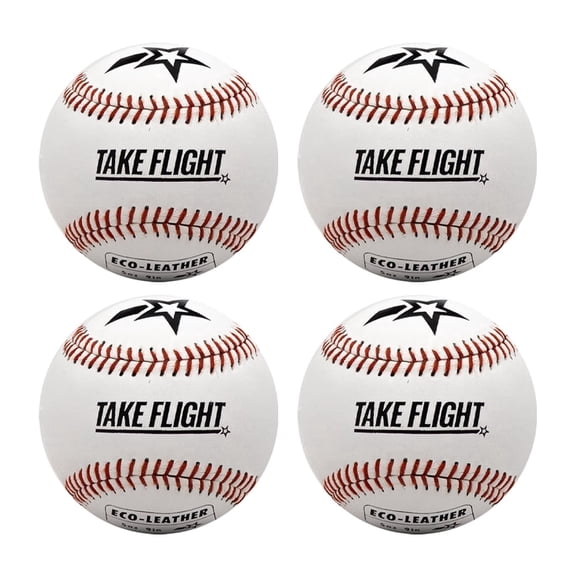
- You can select a 12-pack, a bucket of baseballs, or bulk baseballs for drills, teams, and season planning.
Because different drills wear balls differently, you should compare the ball to the session, not just the label. You’ll notice that batting practice, tee work, and scrimmages can call for different builds.
Choosing baseballs by material and certification
Material changes how your ball feels in the hand and how it wears over time. You should look at leather, synthetic, and composite covers as practical choices for different routines.
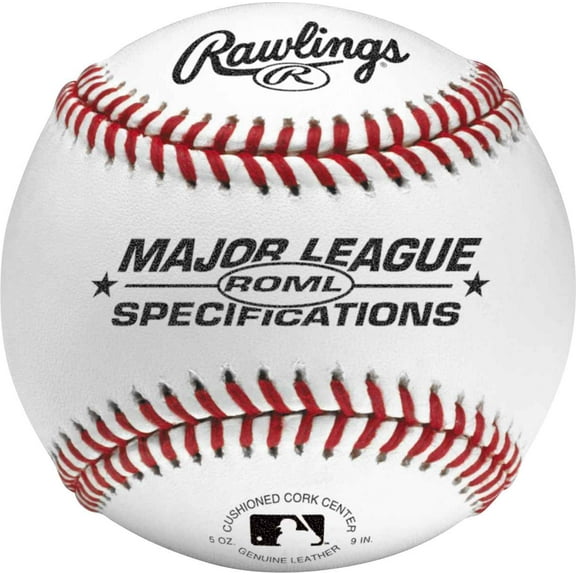
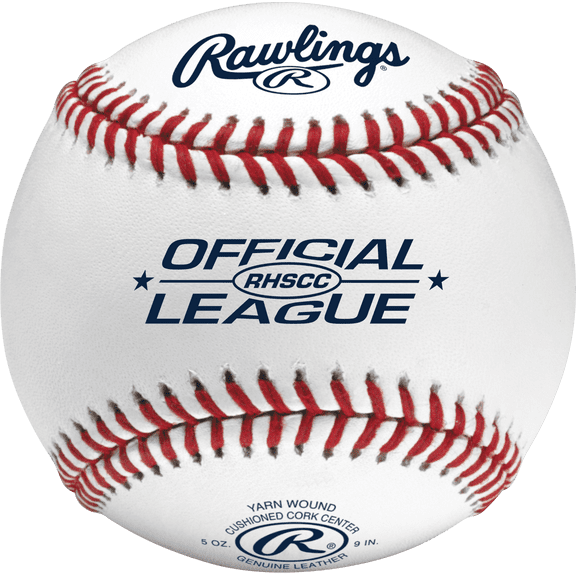
Leather baseballs usually give you a traditional surface and game-ready feel. You may prefer them when your player needs a ball that feels closer to official league baseballs.
Synthetic covers can make sense when you need repeat use for drills and team workouts. You can keep sets organized for school, rec, or backyard sessions without mixing game balls into practice.
Composite options give you another middle ground when you want training-focused durability and a consistent outer feel. You should compare cover type with how often your balls will hit dirt, nets, and machines.
League certification matters because your player may need a ball approved for Little League, USSSA, NFHS, or MLB standards. You should check the listing details, so your baseballs match the rules used for your season.
Youth baseballs can vary by certification, even when they look similar at a glance. You can avoid practice-to-game surprises by matching the approved stamp to your league before the first pitch.
What to look for in practice baseballs and seam type
Seam height affects grip, release, and machine use, so it’s a key buying detail. You should compare flat seam and raised seam baseballs based on how you train.
Raised seams can give you more finger traction during catch play, bullpen work, and defensive drills. You may prefer them when your players are building control and want a more noticeable grip.
Flat seam baseballs can feel smoother through pitching machines and fast batting practice rounds. You should consider them when your team runs high-volume reps and needs steady feeding.
Practice baseballs also differ in how they handle repeated contact from bats, gloves, and training gear. You can keep your sessions more consistent when you choose a seam style that matches the drill plan.
If you run indoor work, batting cages, or machine-based swings, seam type becomes even more important. You should pair your baseballs with your training setup, so the session stays focused and efficient.
How to choose bulk baseballs and pack size
Pack size affects how smoothly your workouts run and how often you need to stop for pickup. You should think about roster size, drill rotation, and storage before choosing quantity.
A single ball can work for casual catch, glove break-in, or simple backyard use. You may want a 12-pack when you’re setting up team infield reps or batting stations.
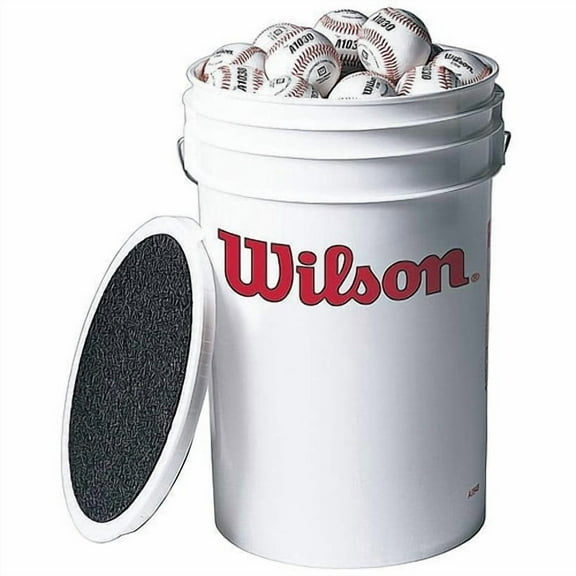
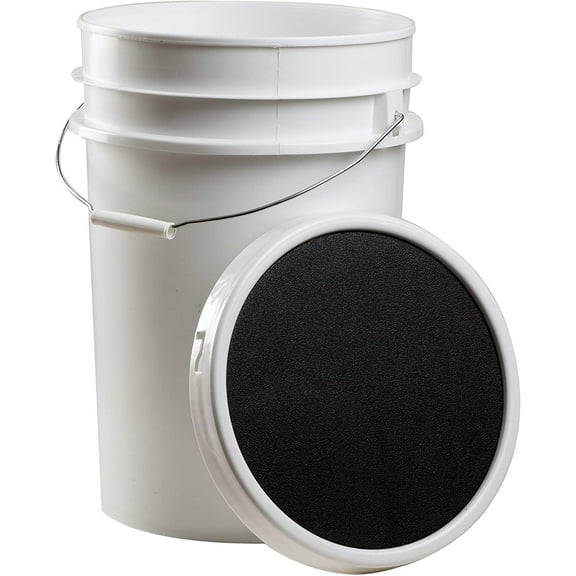
A bucket of baseballs can help you move from drill to drill with less downtime. You can carry, store, and sort balls more easily when your practices follow a station-based setup.
Bulk baseballs make sense when you coach multiple age groups or run frequent practices across a season. You should also consider replacement needs, because high-contact sessions can wear through inventory quickly.
Teams often separate game balls from training balls to keep both groups organized. You can label buckets by age group, certification, or seam type, so setup stays simple for every practice.
Matching baseballs to real playing situations
For youth rec seasons, you should start with certification and then narrow by cover and seam. That approach helps you choose youth baseballs that feel familiar on game day.
For batting cages and machine work, you should look closely at flat seam practice baseballs. You can keep feeds smoother and maintain a more repeatable training rhythm.
For bullpen sessions and defensive practice, you may prefer raised seams for a clearer hand feel. You can use them for catch play, fielding reps, and live throwing drills.
For school teams, travel squads, and camps, bulk baseballs can support longer sessions with fewer interruptions. You should compare bucket counts and case quantities to your roster and schedule.
If you need one group for games and another for daily reps, you can mix leather baseballs with synthetic training balls. You’ll create a more organized setup that matches each part of your routine.
When you choose baseballs with the right material, certification, seam, and quantity, your practices feel more organized and your game prep feels more consistent. You can build a setup that fits your league, your drills, and your season plan.