


Find auto parts that fit
Let’s search for parts that fit your vehicle.Base Layers in Heated Motorcycle Gear


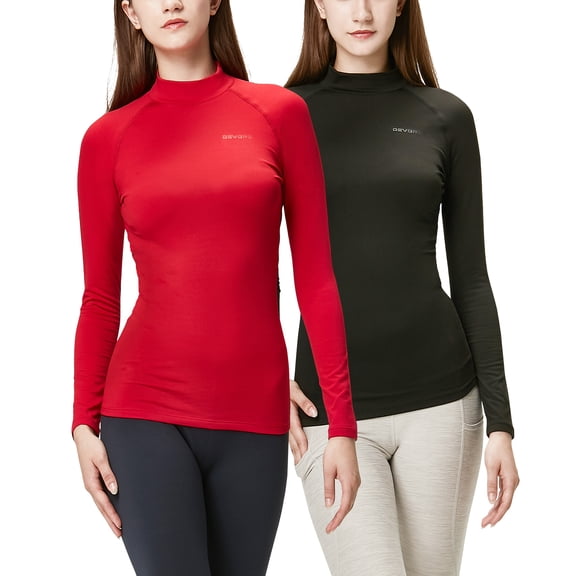

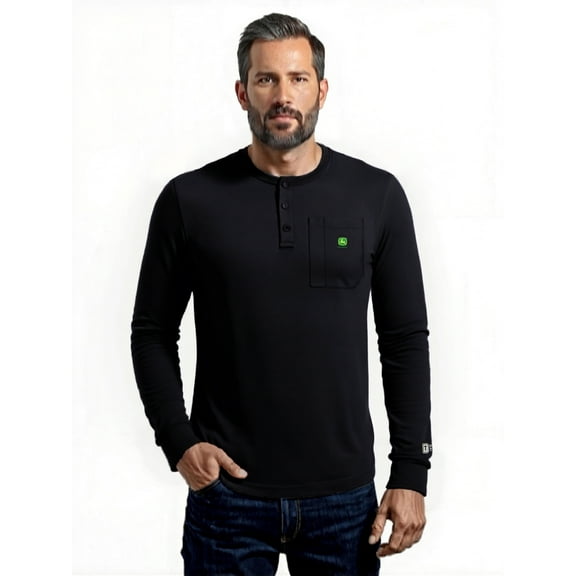
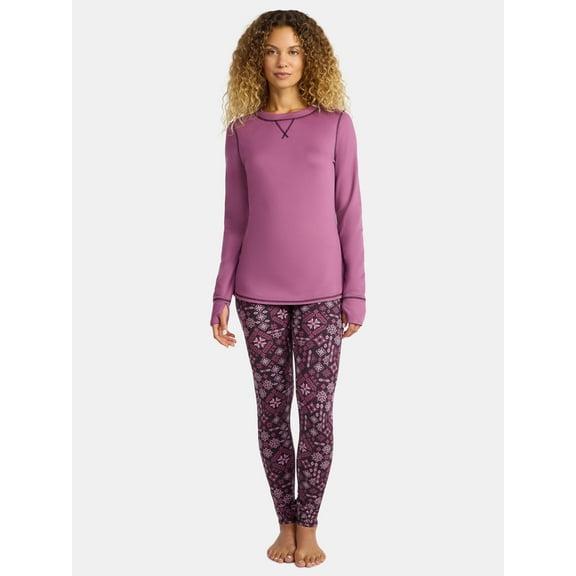


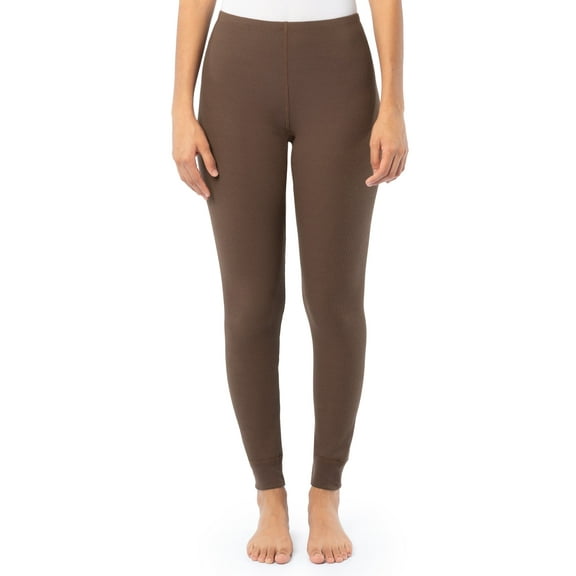


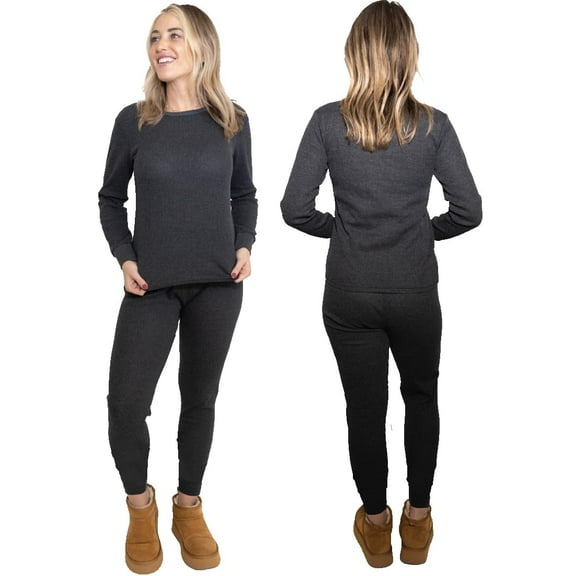
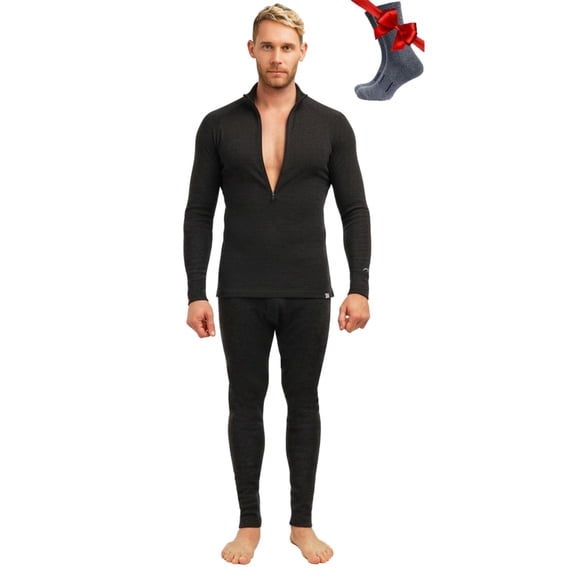


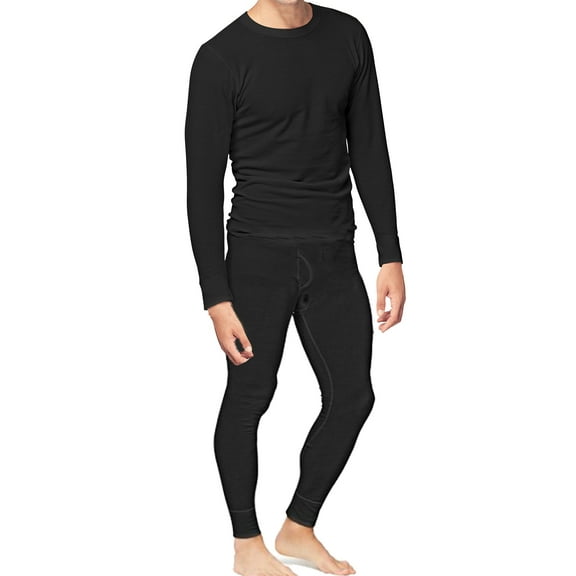




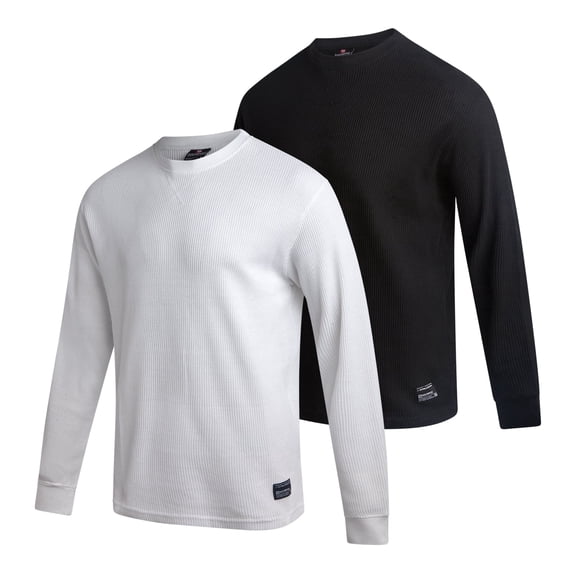


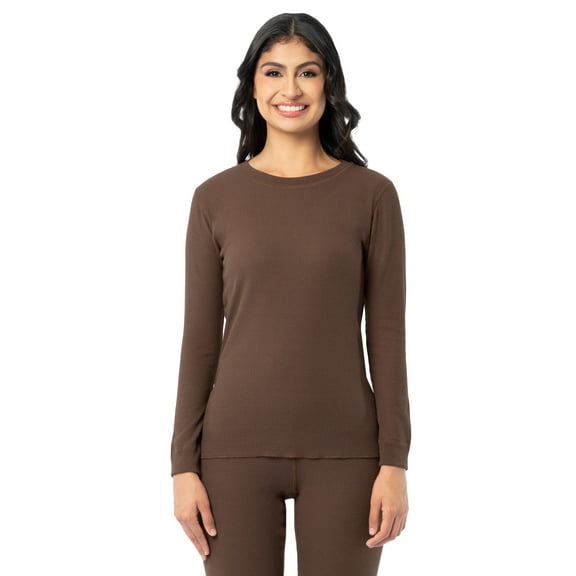


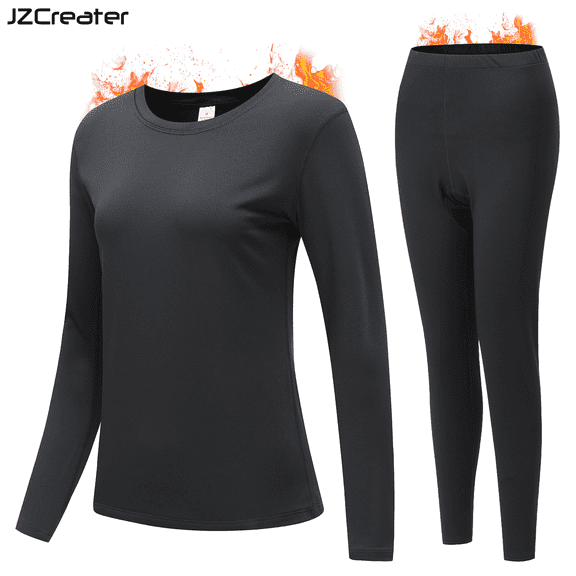
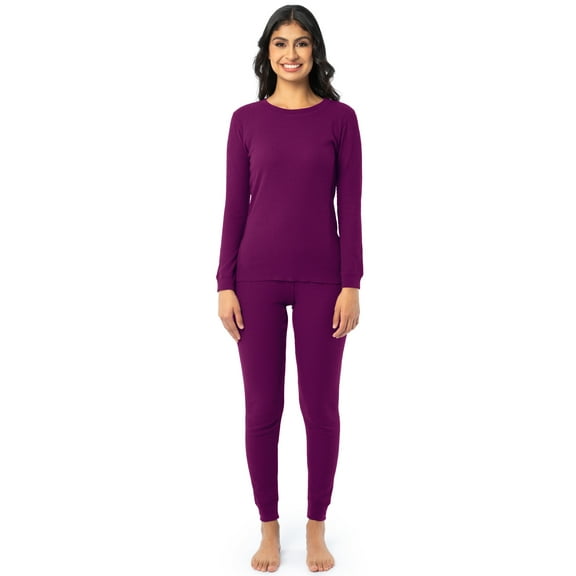


























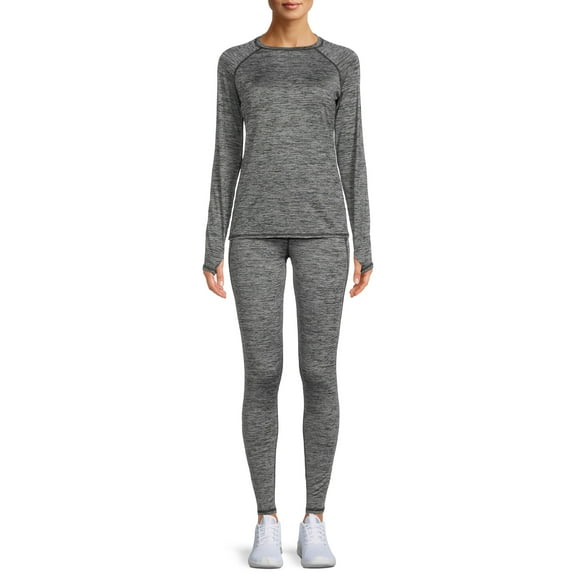


About Base Layers in Heated Motorcycle Gear - Walmart.com
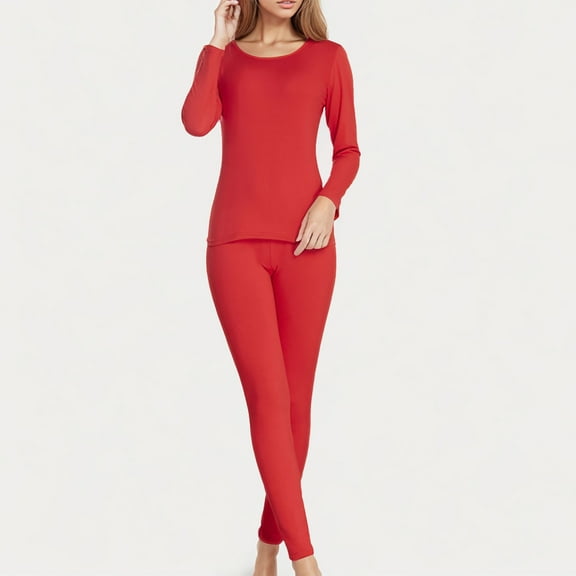
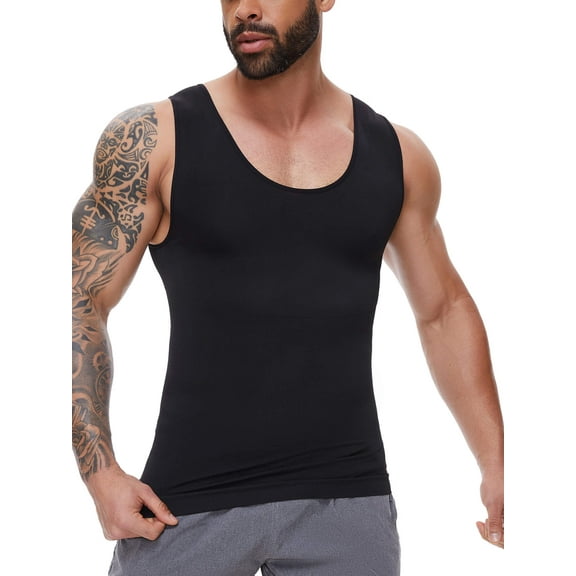
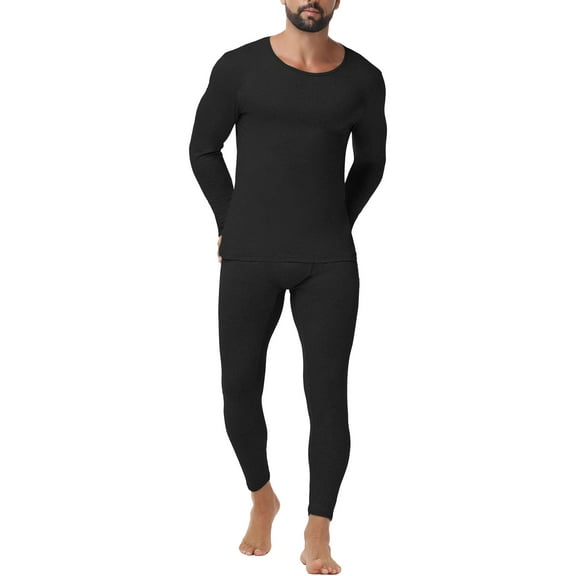
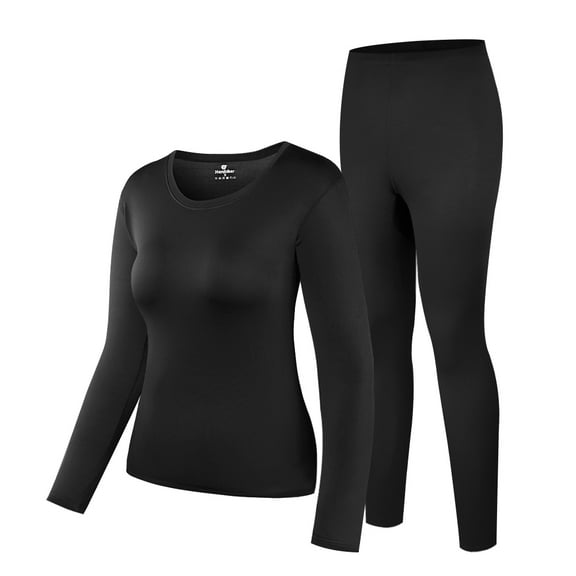
Heated motorcycle base layers help you ride through cold miles with steady warmth close to your skin. You can compare power source, fit, fabric, and heating zones to choose gear that works under your riding jacket.
Choosing heated motorcycle base layers
When you shop heated motorcycle base layers, you’re choosing a system that supports comfort during long rides. You’ll want close-to-body coverage that layers smoothly under armored outerwear and riding pants.
Unlike bulky mid-layers, you can wear these pieces as your first layer for direct heat transfer. You’ll also notice less bunching at the waist, sleeves, and knees while you move.
If you ride in changing weather, you can use heated motorcycle gear base layers to adapt without adding heavy bulk. You can stay focused on your route when warmth sits where your body needs it.
- You can keep warmth close to your core without stacking thick layers.
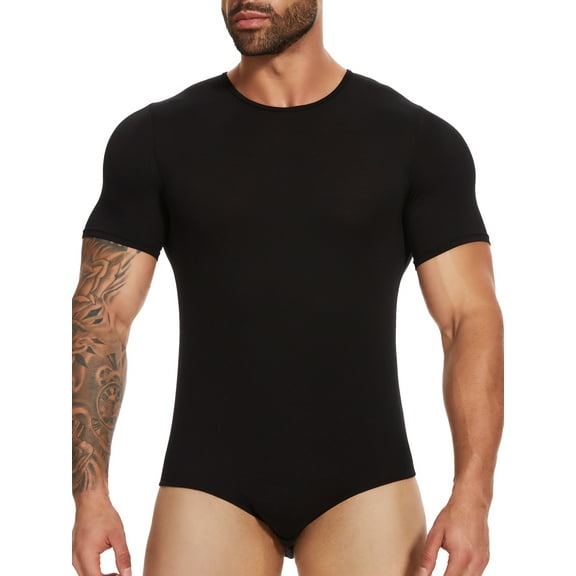
- You can choose tops, bottoms, or a one-piece suit for targeted coverage.
- You can compare wired and portable power options for your riding setup.
- You can look for moisture-wicking fabric that feels drier during active rides.
Comparing power source options
You should start with power source because it affects ride length, mobility, and setup. You can choose 12v heated base layers, 7.4V rechargeable styles, or 5V USB-powered options.
If you want continuous power from your motorcycle, you may prefer 12V direct vehicle battery designs. You’ll usually get a stable connection that suits commuting, touring, and longer cold-weather motorcycle gear sessions.
If you want more freedom off the bike, you may consider battery heated base layers with 7.4V packs. You can move around stops and rest breaks without staying connected to the motorcycle.
If you want flexible charging, you can look at 5V USB power bank designs for lighter heating needs. You should check battery placement and cable routing so your layers fit cleanly under other gear.
Picking garment type and fit
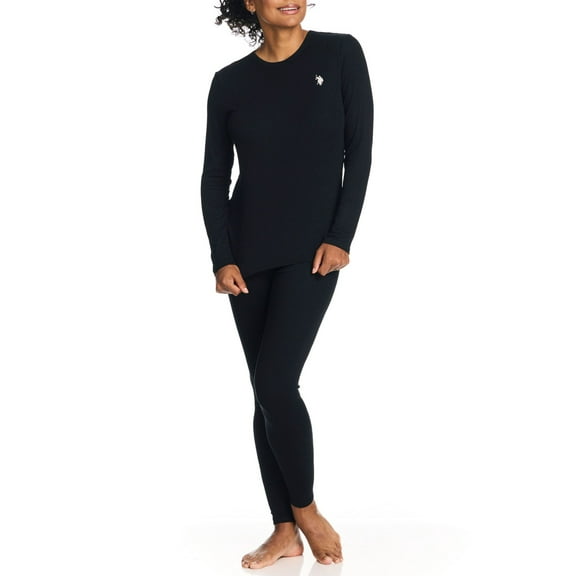
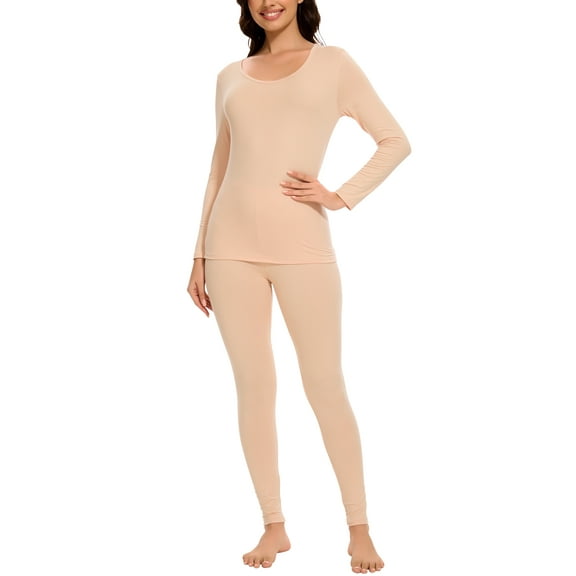
You can narrow your choice by deciding whether you need a heated motorcycle shirt, heated motorcycle pants, or a one-piece suit. You should match coverage to where you usually feel cold first.
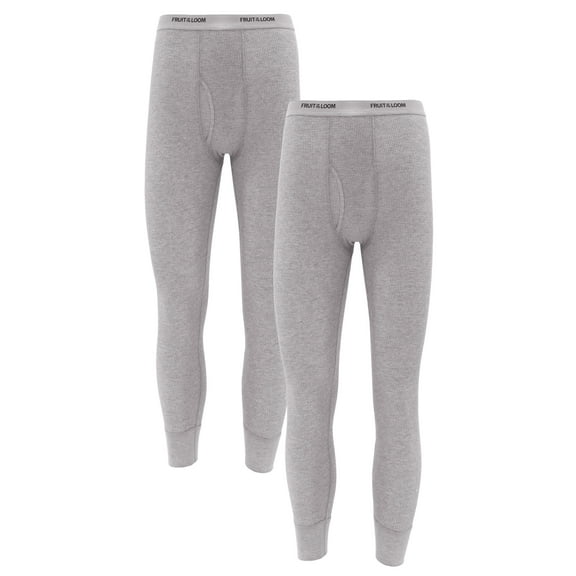
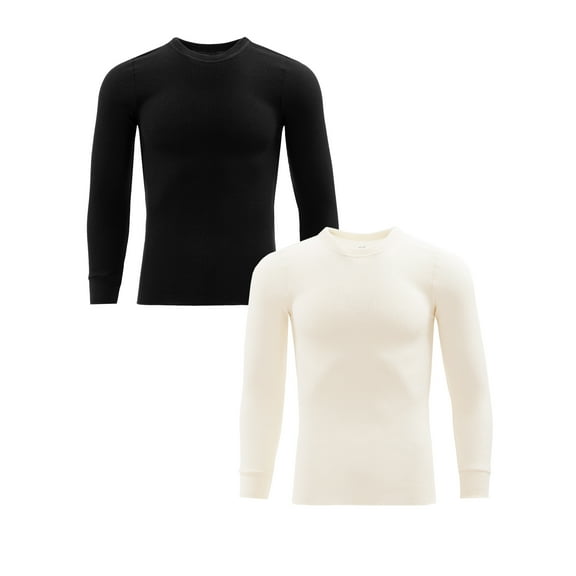
If your chest and back lose warmth early, you may start with a heated top. If your legs feel cold on highway rides, you may add bottoms for thigh and knee coverage.
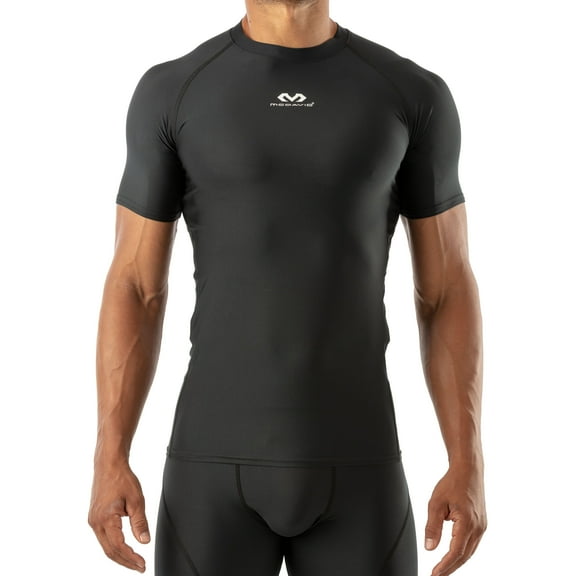
You should look for a snug fit because heating elements work closest to your body. You don’t want extra fabric shifting under your jacket, bibs, or riding pants.
When you check sizing, you should consider base-layer use instead of casual lounge fit. You’ll want stretch that follows your movement without feeling restrictive at the shoulders, elbows, hips, or knees.
Understanding materials and lining
You can use fabric details to decide how the layer feels during active riding. You should compare polyester blend, fleece-lined, and moisture-wicking options based on your routine.
If you want smoother layering, you may prefer a polyester blend that slides easily under outer gear. You’ll often notice less friction under armored jackets and overpants.
If you ride in deeper winter conditions, you may want fleece-lined heated thermal base layers for extra softness. You should still check overall bulk so your protective gear keeps its intended fit.
If you ride hard or change pace often, you may prefer moisture-wicking heated motorcycle underwear. You can help manage sweat buildup, which keeps your layer feeling more comfortable as conditions shift.
Checking heating zones and ride scenarios
You should compare where the heating elements sit because placement changes the riding experience. You can look for chest and back zones, collar and sleeve zones, or thighs and knees.
If you ride at highway speed, you may want chest and back coverage to support core warmth. If your hands and arms feel colder first, you may value collar and sleeve heating.
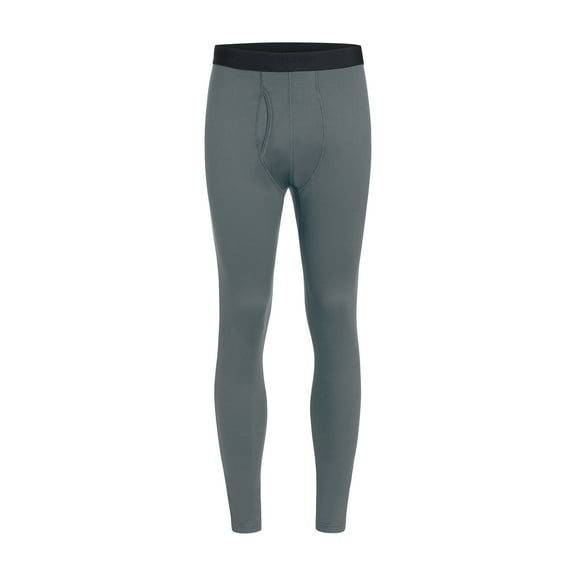
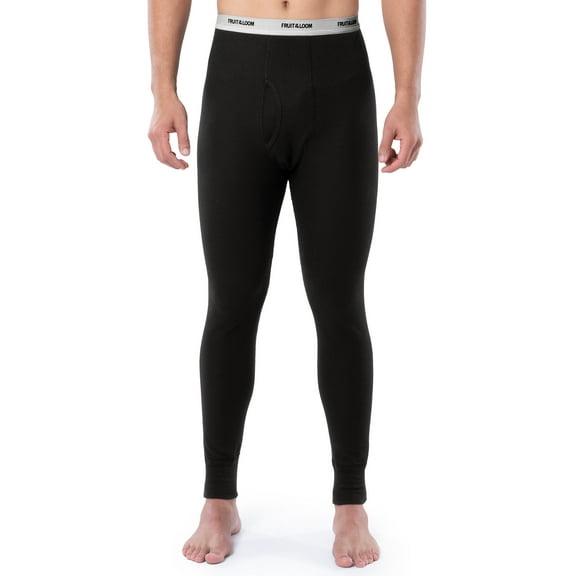
If you take long winter commutes, you may choose heated motorcycle pants with thigh and knee zones. You can pair them with a top when you want fuller coverage from morning starts to evening returns.
For touring, you may prefer heated riding gear with 12V power and broad heating zones. For shorter rides, you may like portable heated motorcycle gear base layers that let you move easily at stops.
You should also check care details before choosing a set for regular use. You’ll want washable designs, simple connector access, and controls that stay easy to reach with your layering system.
Why the right setup matters
You can get more from every cold ride when your heated motorcycle base layers match your power source, fit, and coverage needs. You’ll feel steadier warmth under your gear, with less bulk and fewer mid-ride adjustments.