

Baking Ingredients in Baking



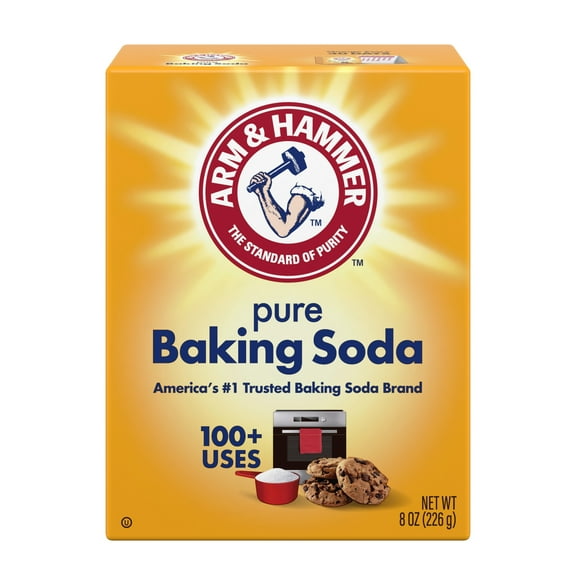
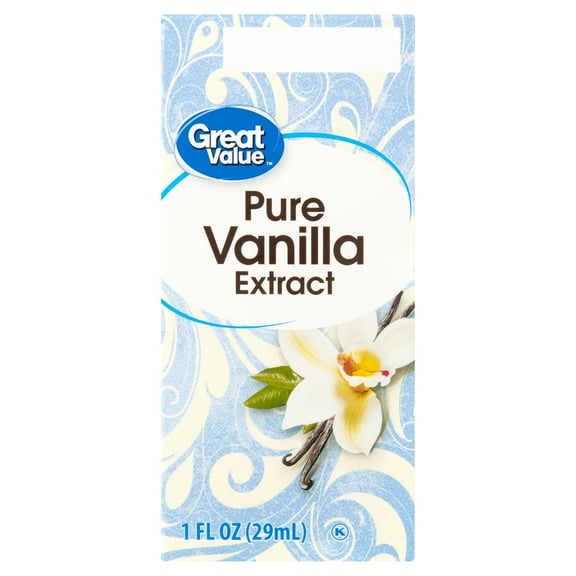

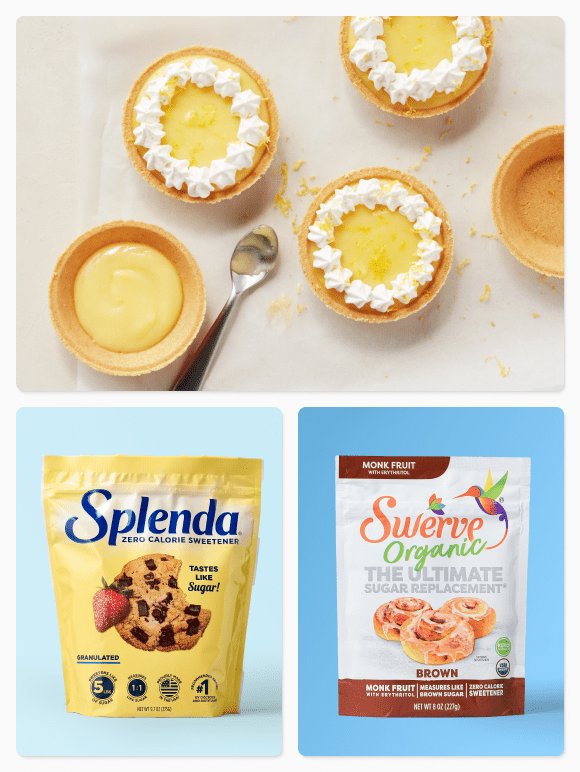


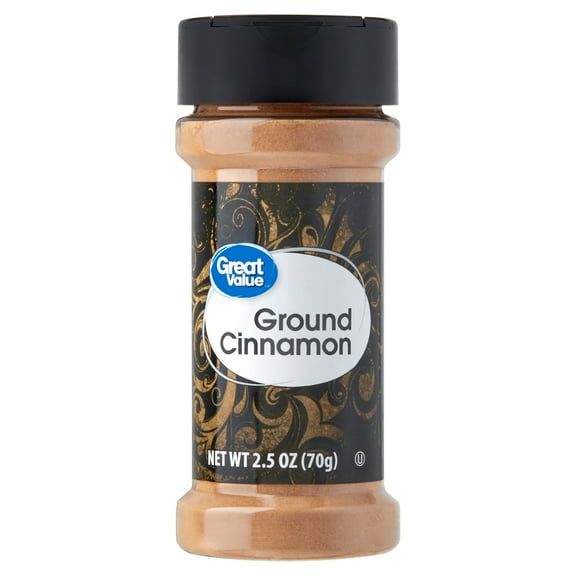



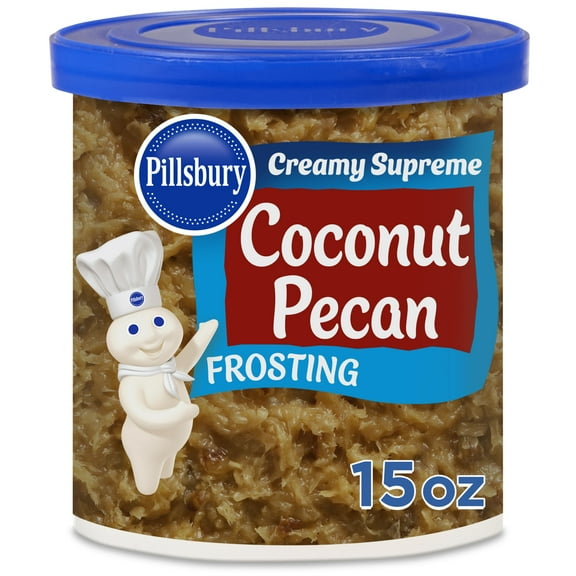
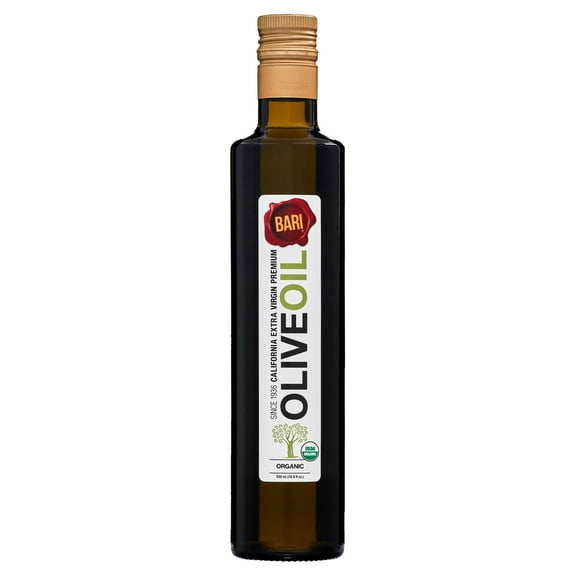
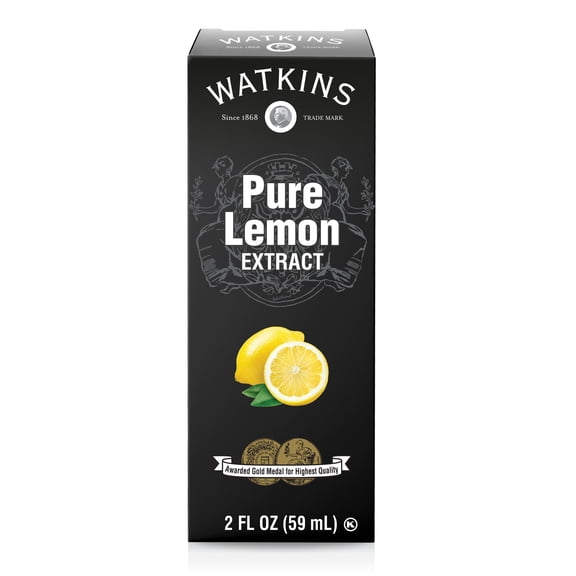
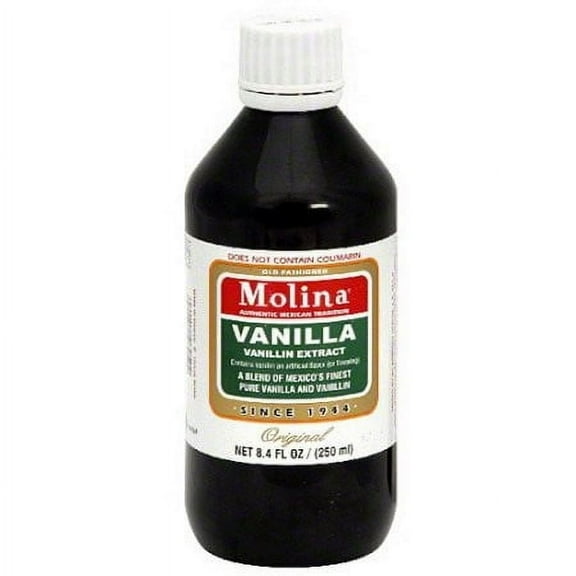

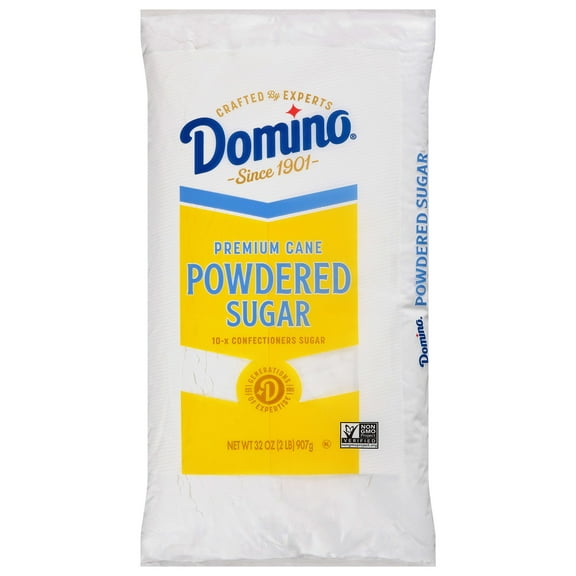
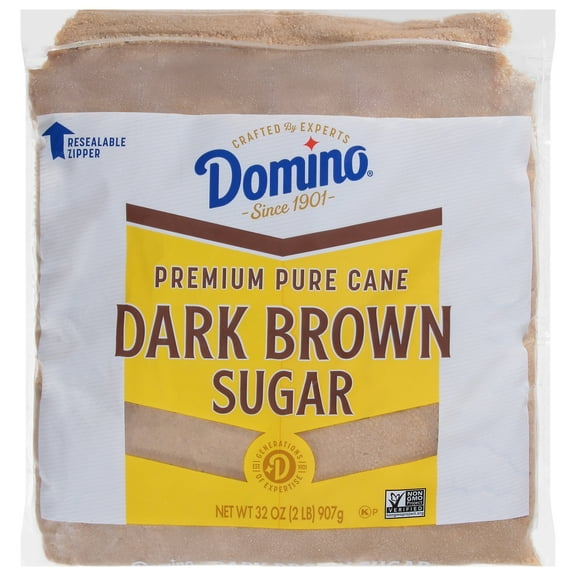
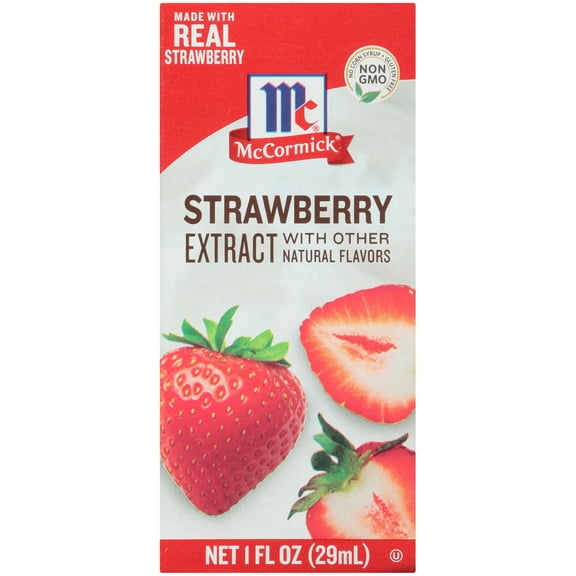

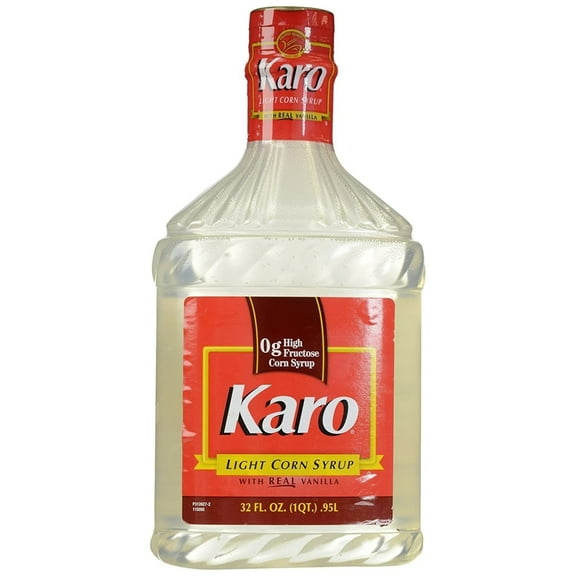

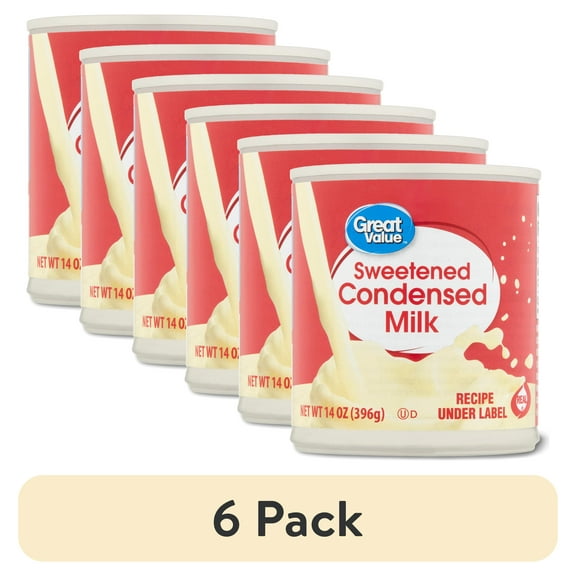
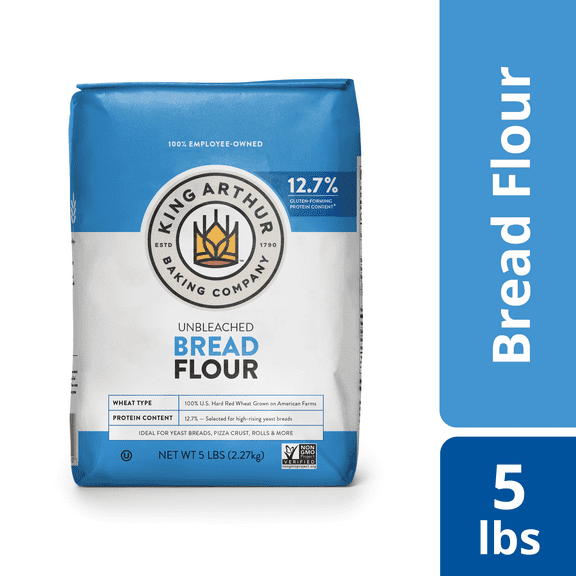

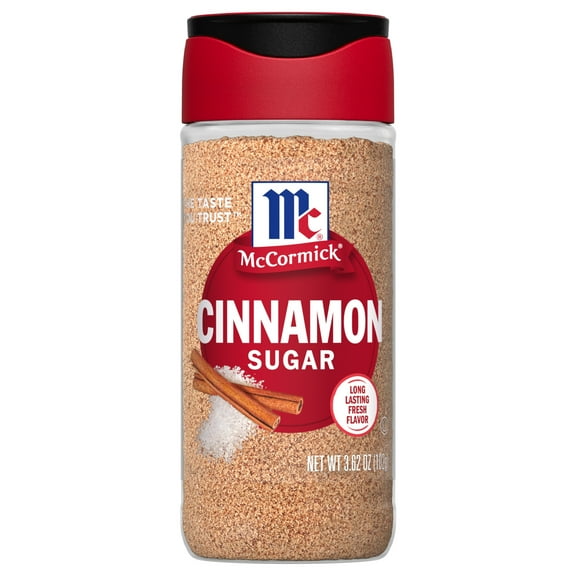
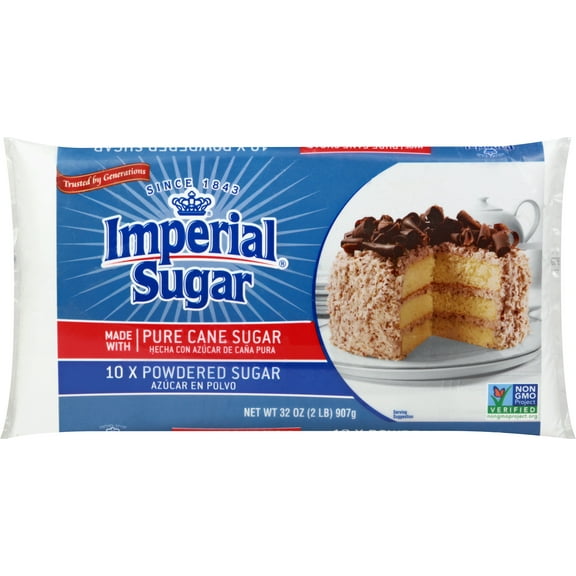
About Baking Ingredients in Baking - Walmart.com
You can stock your pantry with baking ingredients for everyday baking, holiday prep, and recipe experiments. You’ll find staple options like flour, sugar, yeast, cocoa, and baking powder for reliable recipe planning.
When you compare this category, you need guidance that matches real baking decisions. You can sort choices by ingredient type, form, dietary attribute, flavor profile, storage needs, and recipe yield.
How to choose baking ingredients by ingredient type
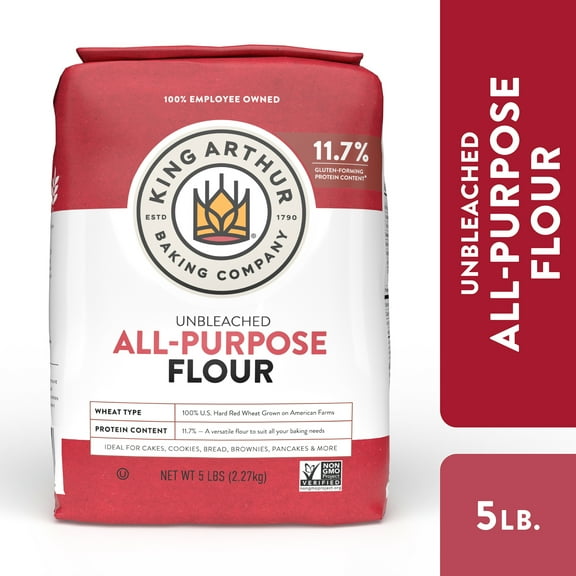
You should start with ingredient type because each staple changes how your batter, dough, or frosting turns out. You’ll usually compare flour for structure, sugar for sweetness, yeast for lift, cocoa for chocolate flavor, and baking powder for rise.
If you bake bread, you may focus on yeast, flour, and recipe yield before other details. If you make cookies or cakes, you may compare cocoa, sugars, and baking extracts for flavor and texture.
You can narrow options faster when you match each ingredient to the recipe step it controls. You’ll notice leavening agents affect height, while sweeteners influence browning, moisture, and crumb.
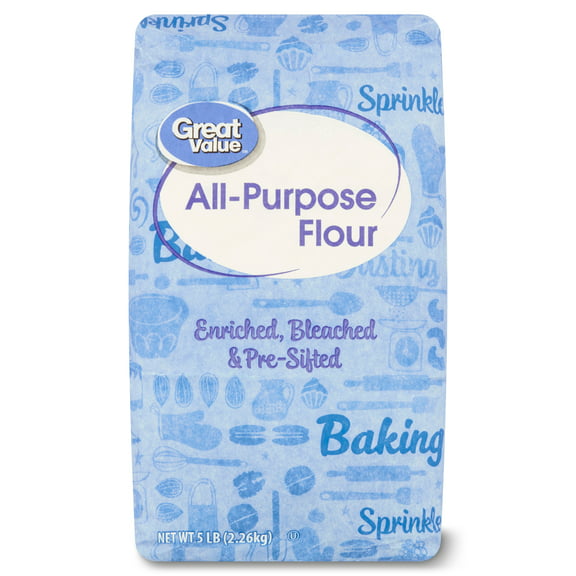
- You can use flour choices to guide texture, from tender cakes to structured doughs.
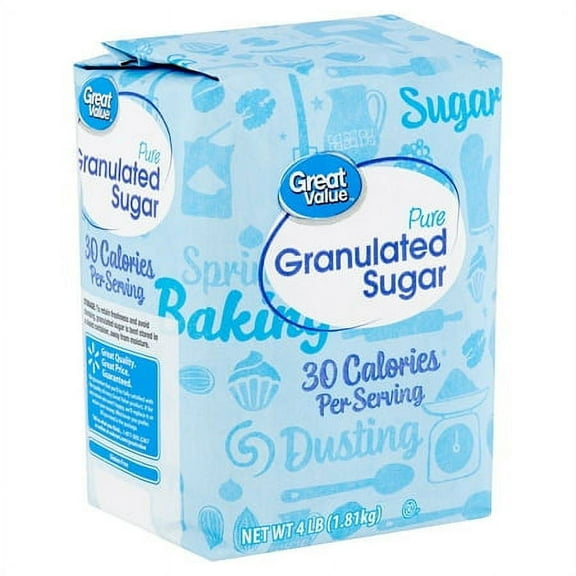
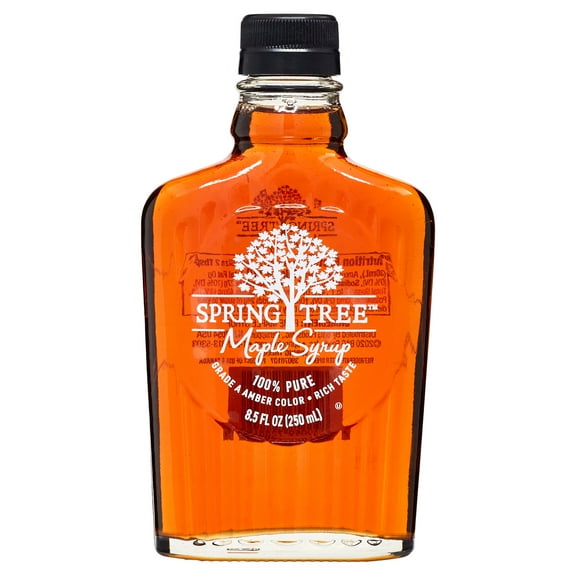
- You can use sugar and syrup options to influence sweetness, color, and moisture.
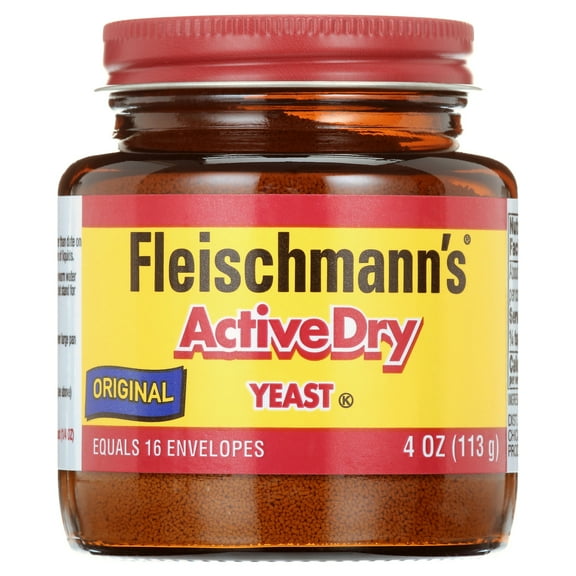
- You can use yeast or baking powder to support the rise your recipe needs.
- You can use cocoa and baking extracts to build flavor without changing your full ingredient list.
Choosing the right form, including salted honey syrup
You should compare form next because powder, liquid, granules, and syrup behave differently in measuring cups and mixing bowls. You’ll often want powders for dry mixes, granules for easy measuring, liquids for smooth blending, and syrups for finishing.
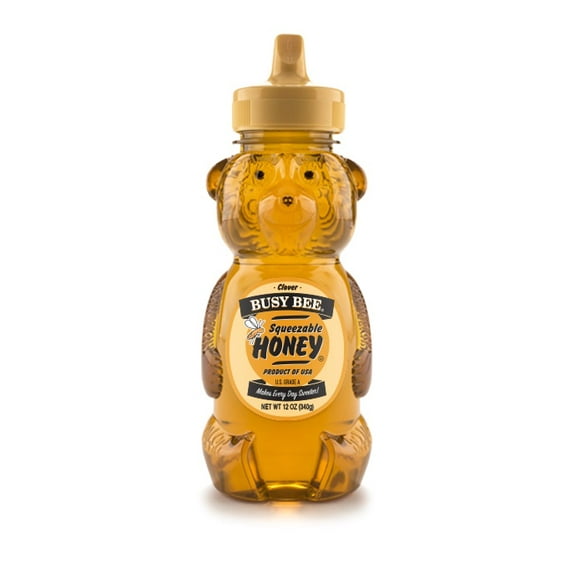
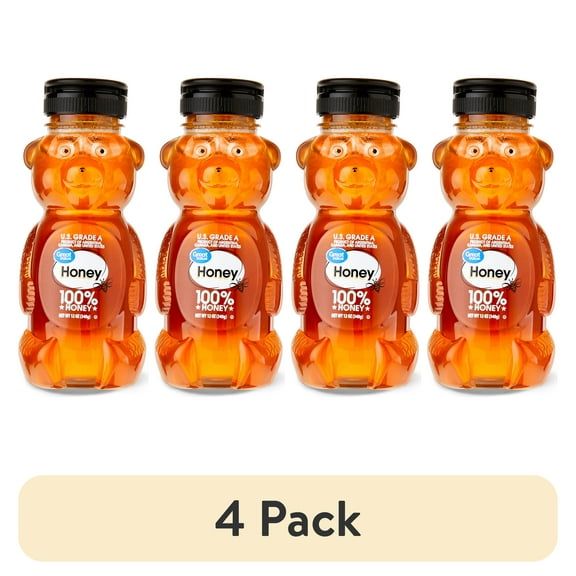
If your recipe needs precise dry ratios, you may prefer dry baking ingredients that pour and scoop easily. If your recipe calls for a glaze or drizzle, you may look at syrup options like salted honey syrup.
You can also compare honey dripping styles when you want a topping or mix-in with a flowing texture. You’ll find consistency matters when you’re coating pastries, sweetening batters, or finishing breakfast bakes.
When you check package details, you should look at storage guidance and how quickly you’ll use the contents. You’ll usually want resealable packaging for powders and granules, especially if you bake in small batches.
How to compare dietary attributes and dry baking ingredients
You may need baking ingredients that align with a specific eating style or substitution plan. You can compare gluten-free, organic, keto, and sugar-free options when standard pantry staples don’t fit your recipe.
If you swap traditional flour, you should check whether your recipe needs a one-to-one replacement or a blend. You can get a smoother baking process when you compare how each alternative handles moisture, structure, and browning.
You should also think about shelf life before you stock up on dry baking ingredients in larger sizes. You can keep powders, granules, and mixes easier to manage when you choose package sizes that match your baking frequency.
For occasional baking, you may want smaller packs that help you rotate ingredients more often. For frequent baking, you may prefer larger pantry sizes that support weekly cookies, muffins, breads, and cakes.
What to look for in flavor profile and baking extracts
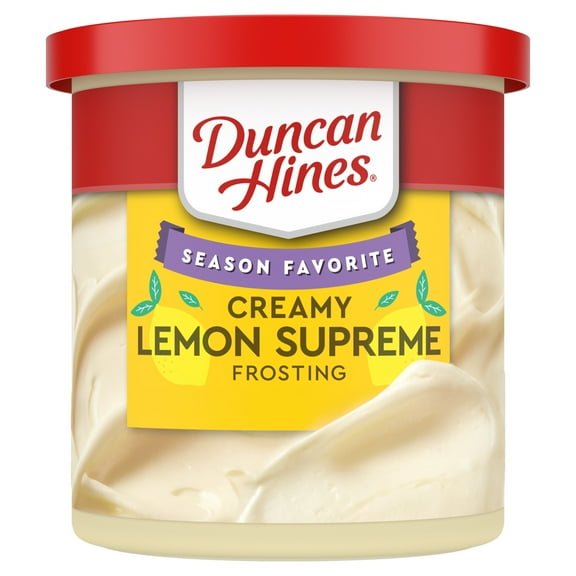
You should compare flavor profile closely because sweet, savory, and unflavored ingredients can shift an entire recipe. You’ll want sweet options for cakes and frostings, savory choices for specialty breads, and unflavored basics for flexible pantry use.
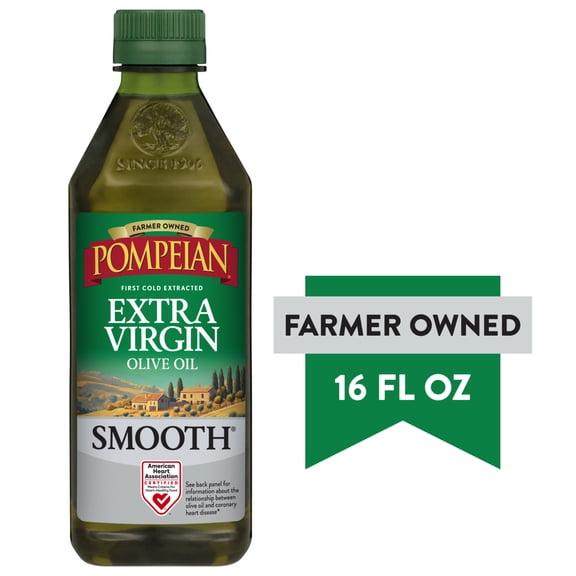
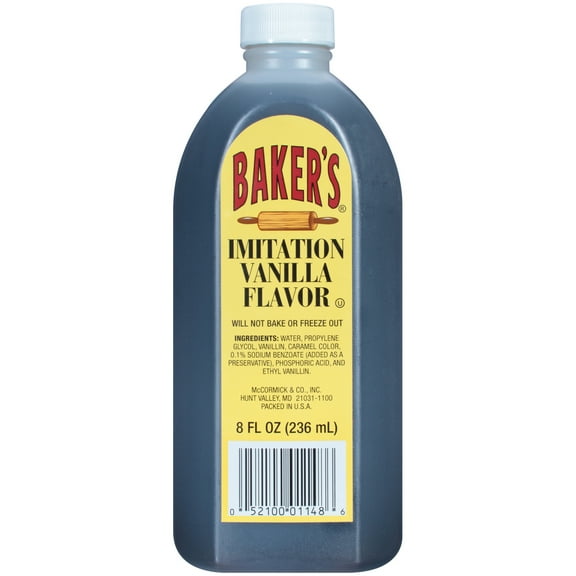
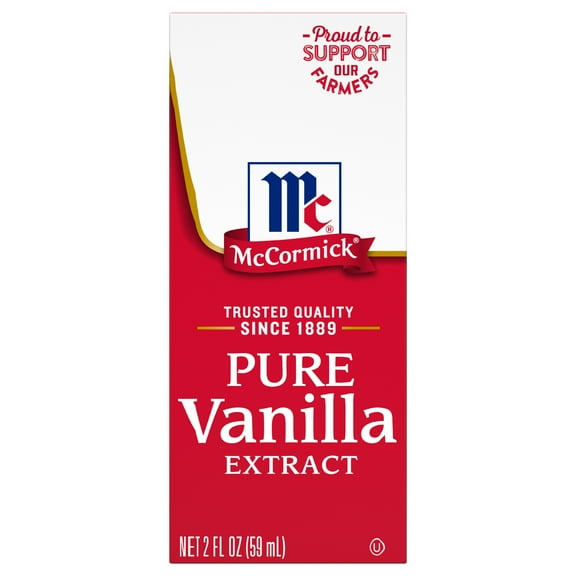
When you evaluate baking extracts, you should pay attention to extract concentration because it’s decision-critical. You’ll usually need less of a stronger extract, which helps you control flavor intensity in batters, fillings, and icings.
If you’re making layered desserts or neapolitan style treats, you may combine cocoa, vanilla-style notes, and fruit flavors carefully. You can keep flavors balanced when you compare concentrated extracts with milder syrups or dry mix-ins.
You may also think about whether your recipe needs a background note or a standout flavor. You’ll often choose unflavored baking bases when you want cocoa, spices, or extracts to stay in focus.
Matching package size, storage, and bakery ingredients
You should match package size to recipe yield so your pantry stays practical instead of cluttered. You can compare small quantities for occasional cupcakes and cookies, or larger packs for regular bread baking and holiday prep.
If you bake for gatherings, you may want bulk flour, sugar, or cocoa that supports repeated batches. If you test new recipes, you may prefer smaller sizes that let you try new forms and flavors.
You should read storage details in plain terms before you choose powders, liquids, granules, or syrups. You’ll usually want cool, dry pantry storage for many dry items, while some liquid flavorings fit tightly closed bottles.
When you compare the cost of baking ingredients, you should weigh quantity against how often you bake. You can make a smarter pantry plan when your package size matches your real recipe routine.
You may also compare bakery ingredients when you’re planning larger batches, decorated desserts, or bread projects. You can use the same storage and yield checks to keep your ingredient list organized.
Using baking ingredients for everyday and specialty projects
You can use baking ingredients for muffins, birthday cakes, bread dough, brownies, frostings, and seasonal desserts. You’ll also find options that support specialty decorating, flavored fillings, drizzles, and candy-inspired bakes with loose candy accents.
If you’re building a pantry from scratch, you should start with versatile basics and then add flavor builders. You can cover many recipes with flour, sugar, cocoa, yeast, baking powder, and a few baking extracts.
For weekend baking, you may focus on simple staples that move from pancakes to cookies with little adjustment. For giftable desserts or themed recipes, you may add syrups, decorative mix-ins, and stronger flavor concentrates.
You can feel more prepared when your pantry includes the right mix of powders, granules, liquids, and syrups. You can bake with more consistency when each ingredient type fits your recipe style, storage space, and flavor goals.