


Find auto parts that fit
Let’s search for parts that fit your vehicle.Axles & Components in Transmission & Driveline
![A-Premium Mass Air Flow Sensor [4-Pins] Compatible with Honda Civic 2016-2020, CR-V 2017-2020, Accord 2018-2020 & Acura RDX 2019-2020](https://i5.walmartimages.com/seo/A-Premium-Mass-Air-Flow-Sensor-Compatible-with-Honda-Civic-2016-2021-CR-V-Acura-RDX-without-Housing_fd6015fa-4a5c-4d2f-8f36-3390a1e23e1c.38190058ecd3db7ab3e9f2b0836d74a8.jpeg?odnHeight=576&odnWidth=576&odnBg=FFFFFF)
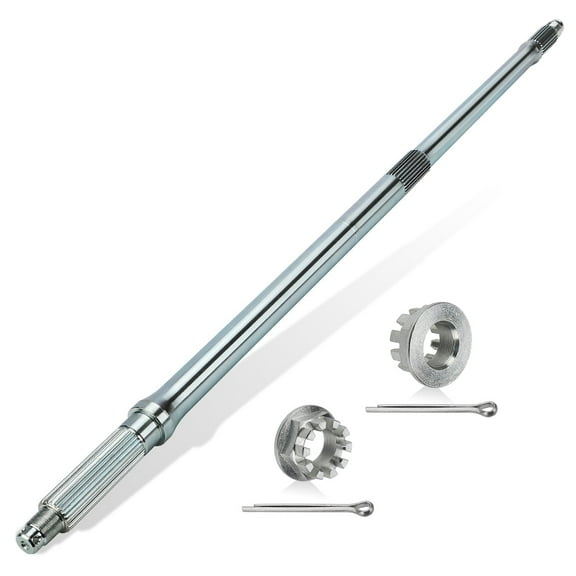
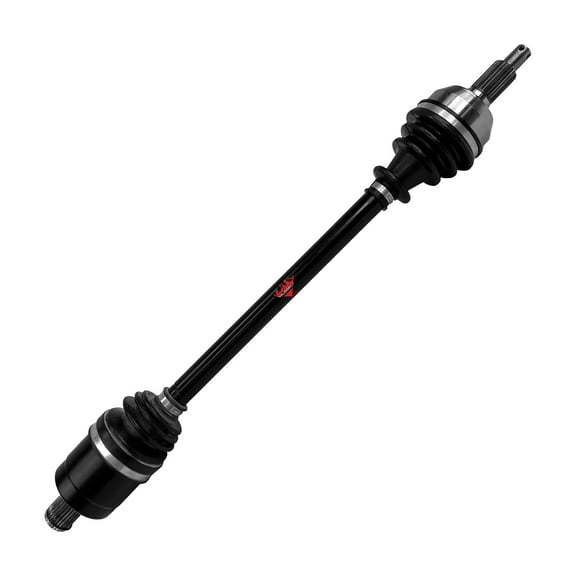
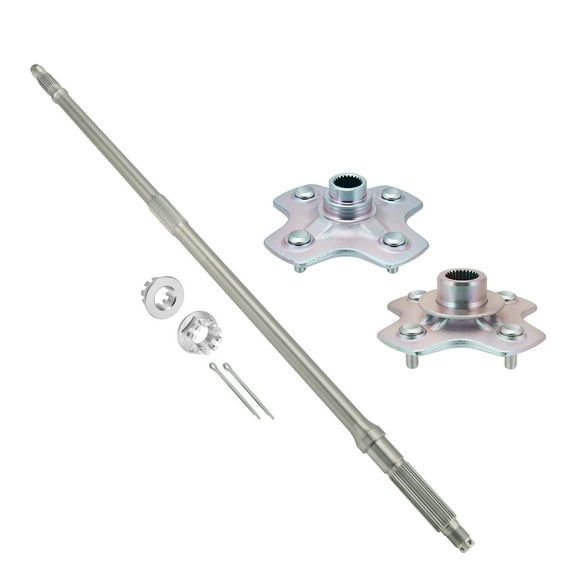
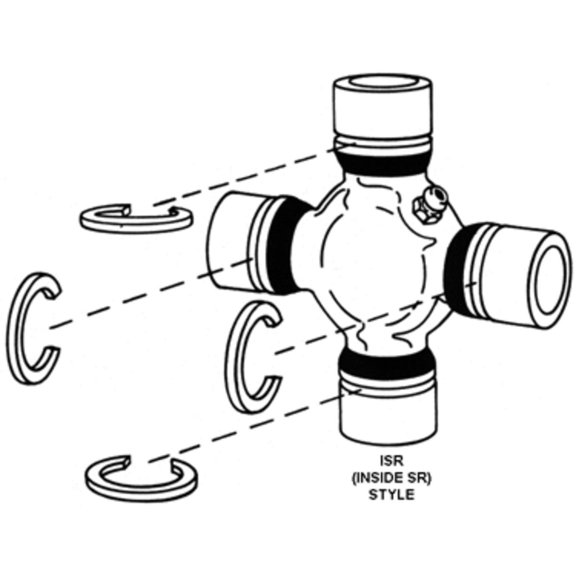
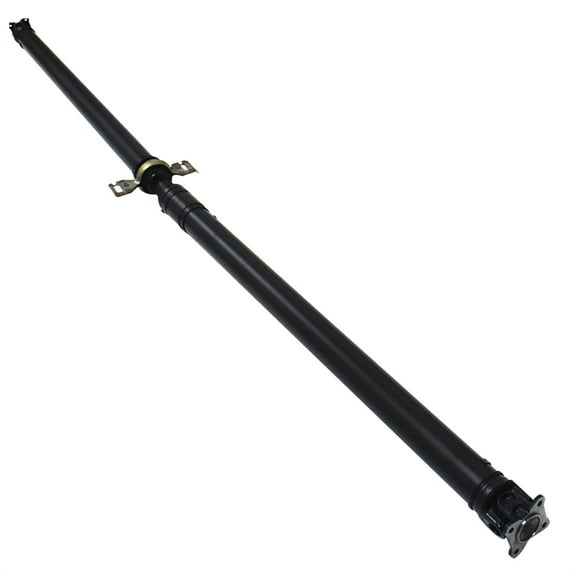
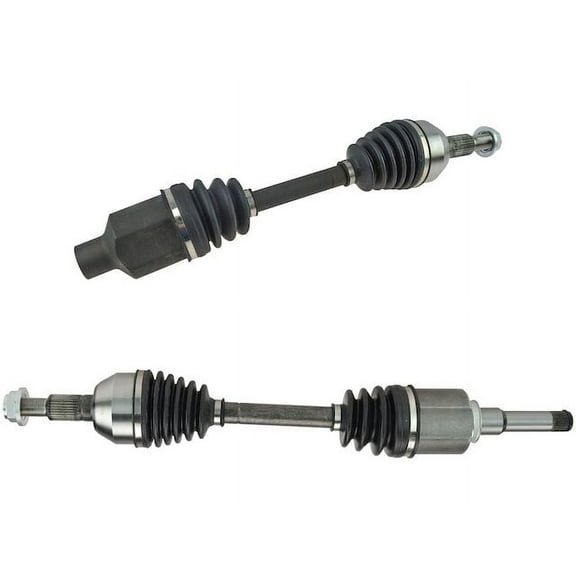
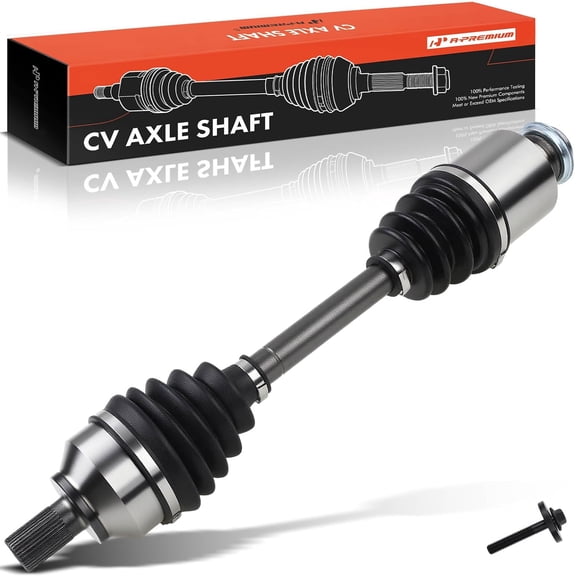
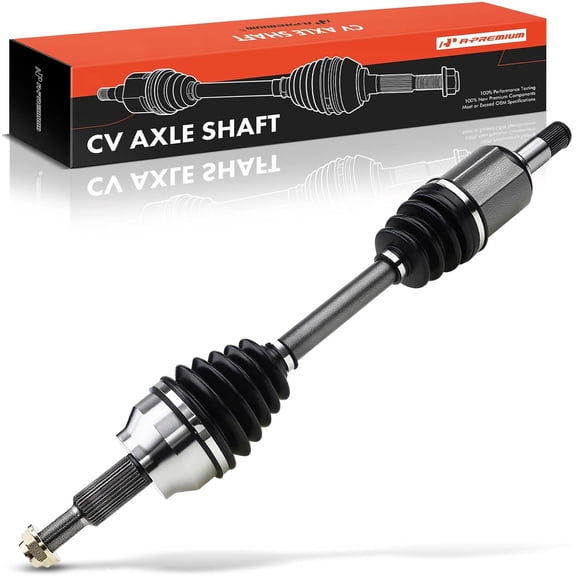
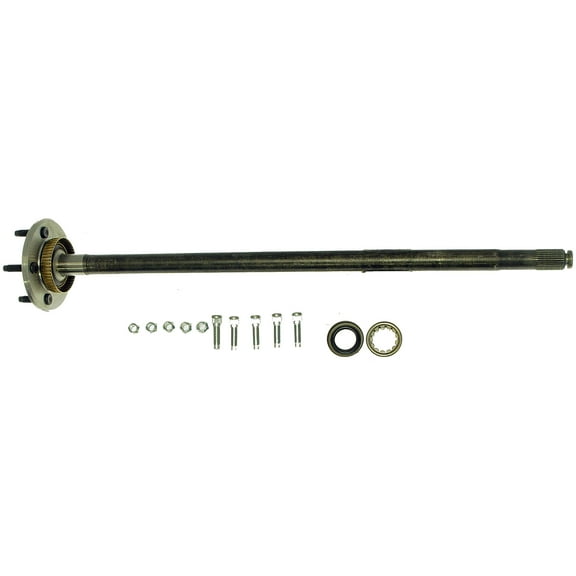
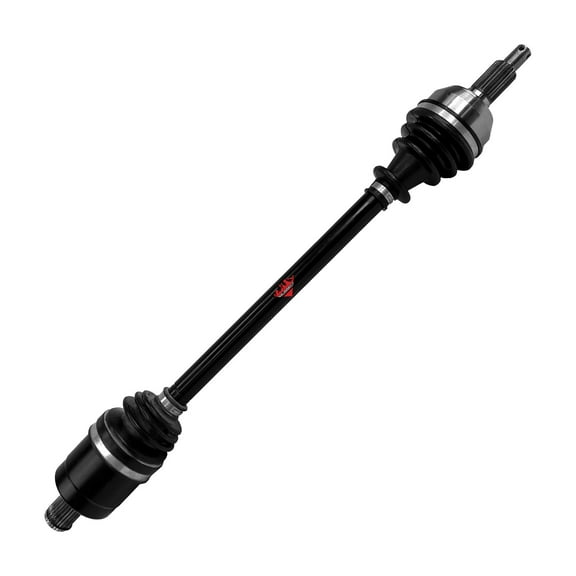
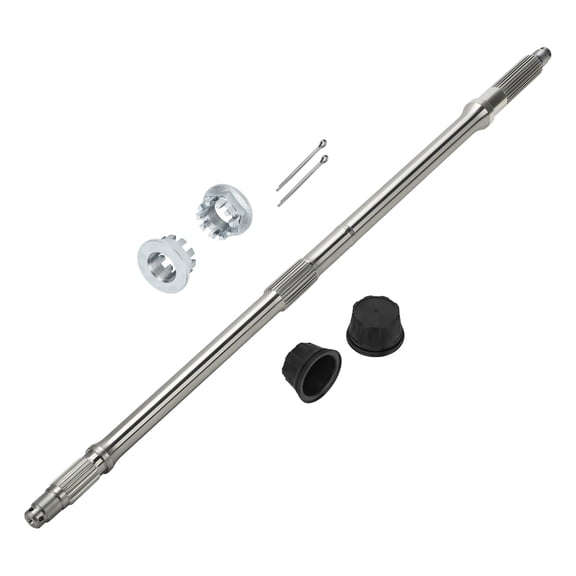


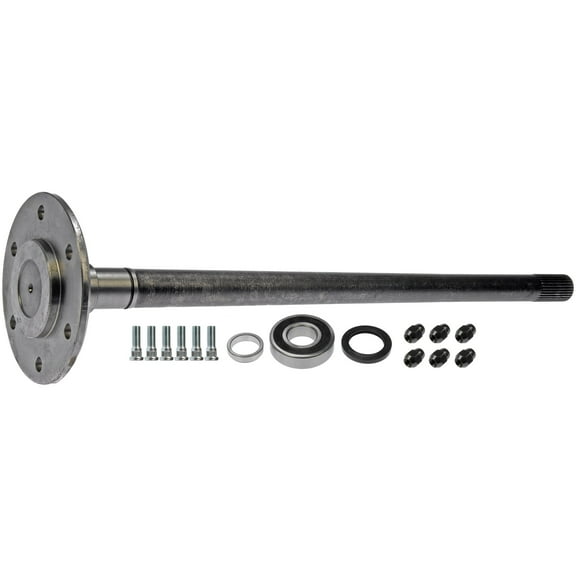






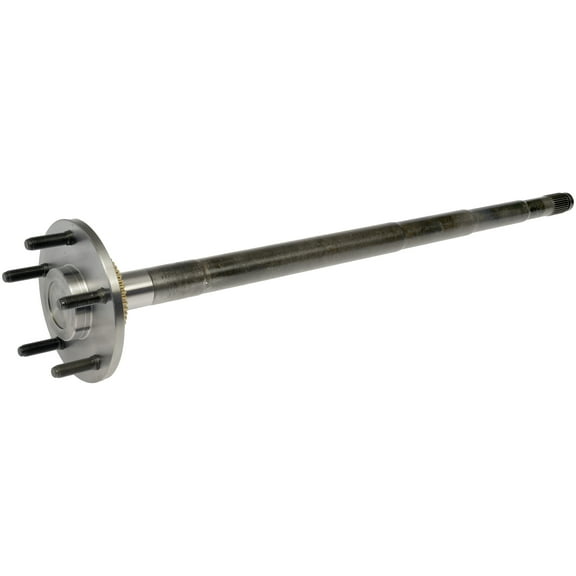

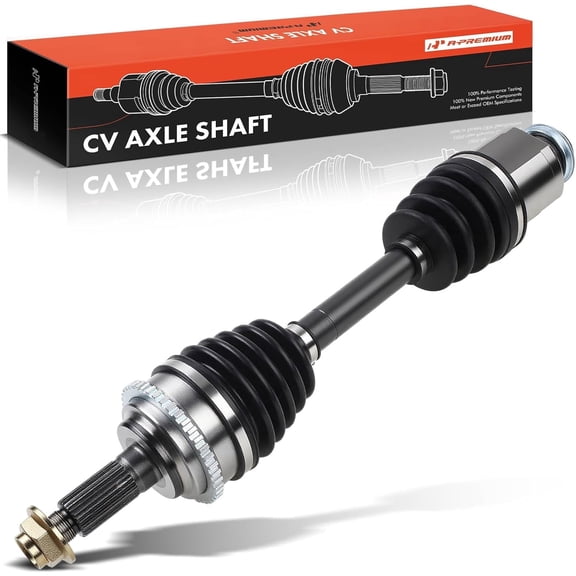


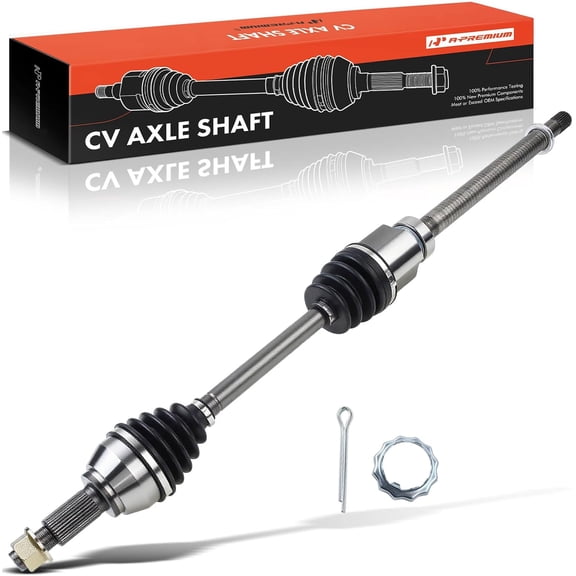
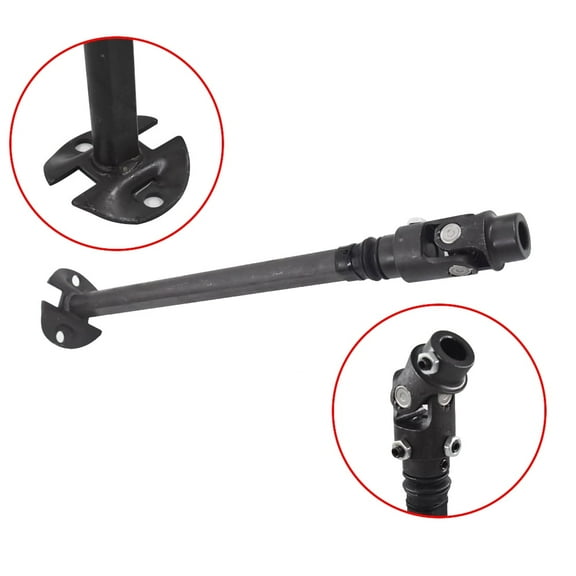

About Axles & Components in Transmission & Driveline - Walmart.com
When you need a wheel seal or other axle components, you can compare fitment, placement, and material details with less guesswork. You’ll also find transmission axle and driveline parts that match common replacement jobs across many vehicle setups.
How to choose wheel seal and axle components
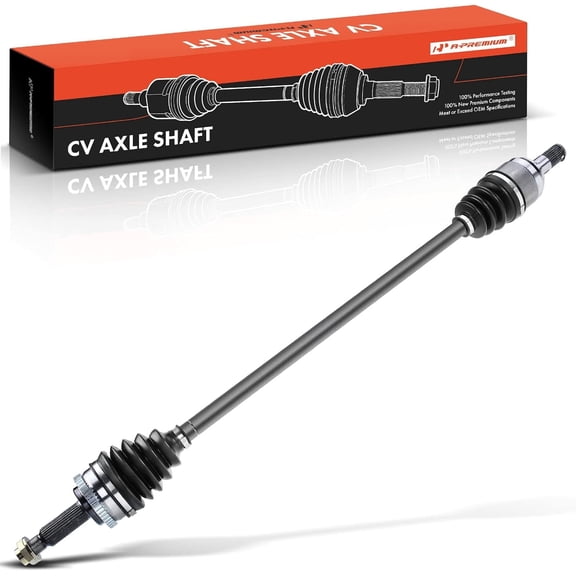
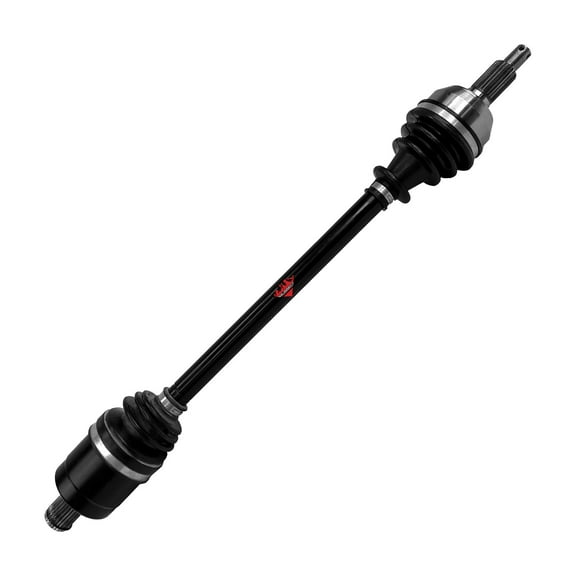
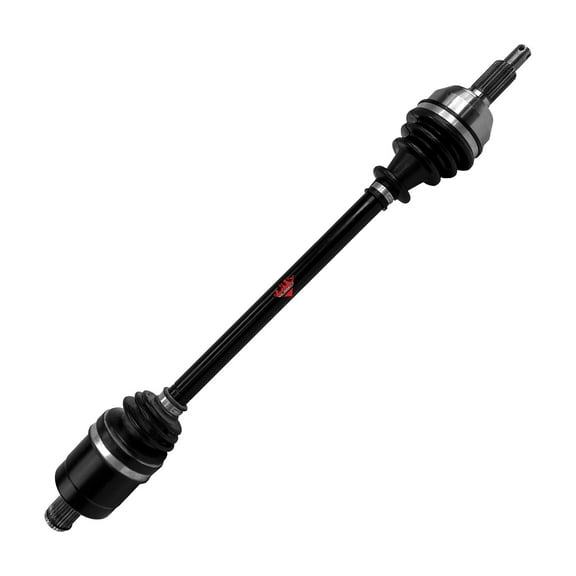
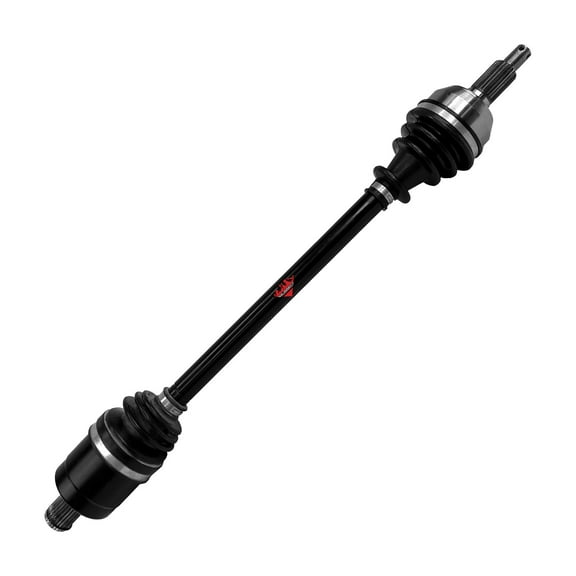
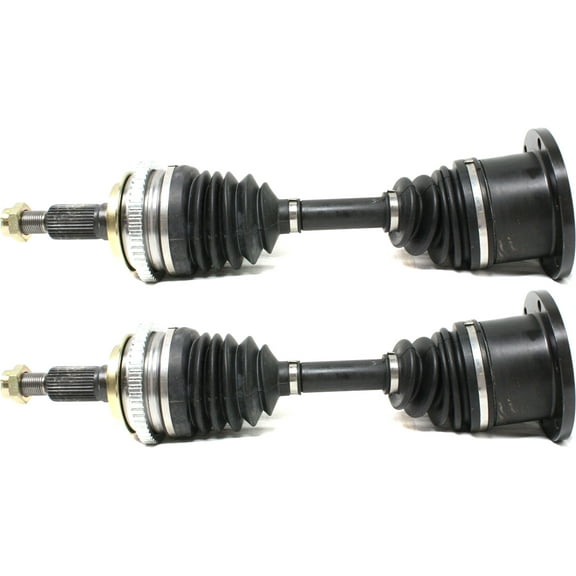
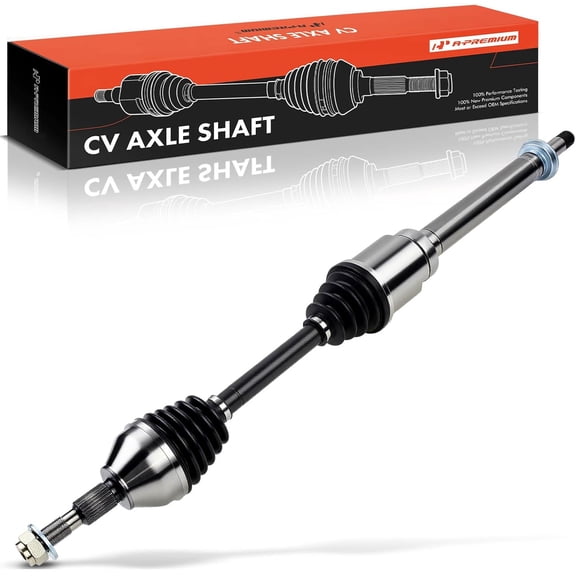
Start with component type, because your repair changes based on whether you need a wheel seal, axle shaft, CV joint, or driveline boot. Comparing the exact function of each piece before ordering helps you avoid mismatched parts.
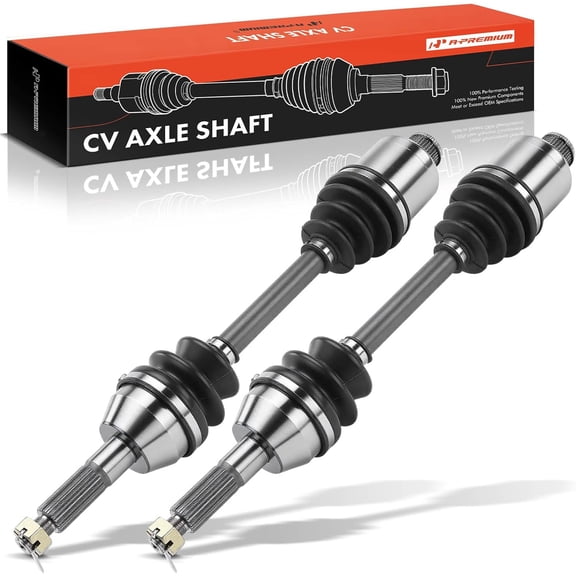
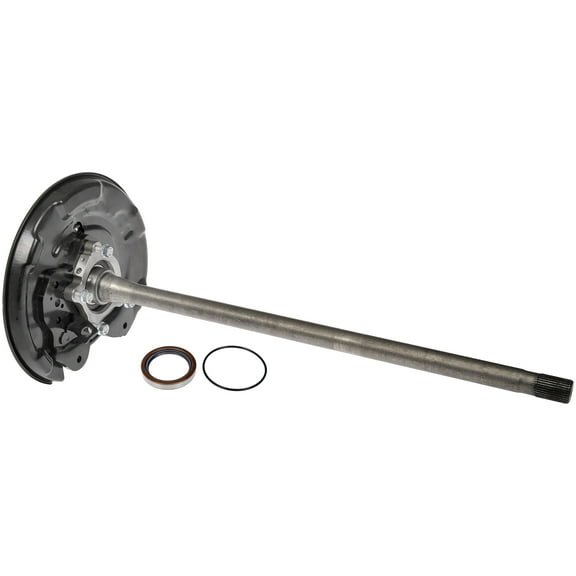
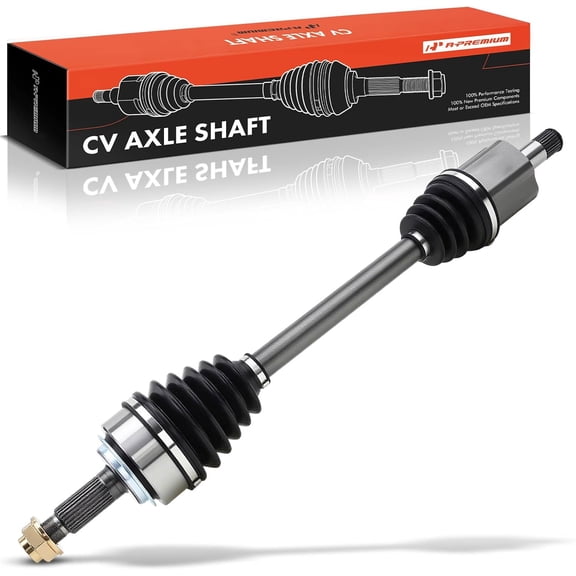
A wheel seal supports closure at the sealing surface in your axle assembly, while a driveline boot covers moving joint areas. You’ll usually compare an axle shaft or CV joint when your repair involves power transfer and rotating fitment.
Placement matters just as much as part type, because front, rear, left, right, inner, and outer positions often differ by vehicle. You should check your service information carefully, because one side may use different dimensions.
- You can compare front and rear placement to match the correct axle location.
- You can check inner and outer sizing to confirm shaft and bore fit.
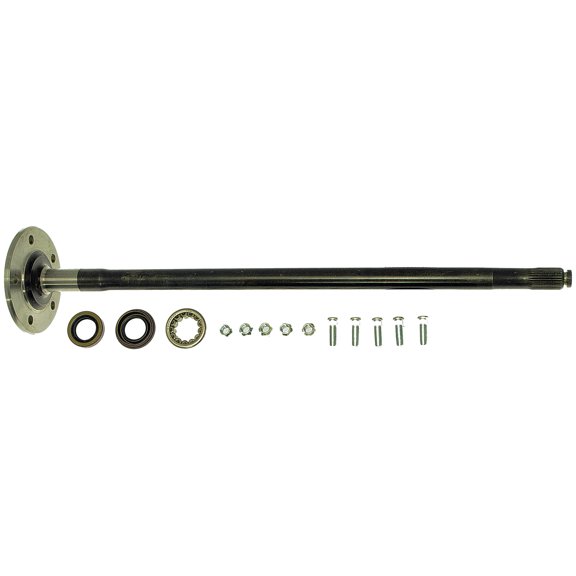
- You can review boots, grease, clamps, or seals in the package before installation.
- You can choose standard replacement parts or heavier-duty materials for demanding use.
Choosing the right wheel seal for your vehicle
Vehicle compatibility should be your first filter, because axle parts depend on your make, model, year, drivetrain type, and engine setup. Confirming those details before comparing dimensions helps you get an accurate match.
If your listing includes VIN support or year, make, and model filters, you should use them before checkout. You can reduce guesswork when your axle car part matches the exact factory application.
For wheel seal selection, you should compare inner diameter, outer diameter, and width in millimeters. You’ll need those measurements to match your axle shaft and housing bore correctly.
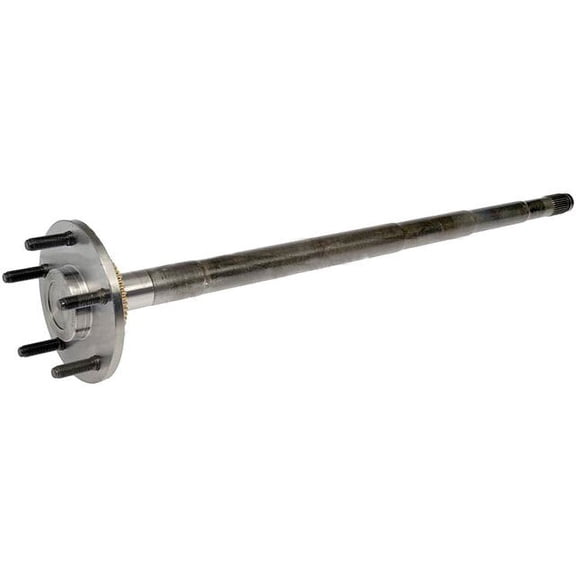
When you’re replacing an axle shaft, spline count and shaft diameter matter because they affect how your part connects and rotates. You can use those specs as decision tools instead of treating them like jargon.
If you’re comparing transmission axle and driveline pieces, you should also check whether the package includes hardware. You’ll want to know if your order comes with boots, grease, clamps, or seals for a complete repair.
What materials and construction mean for your repair
Material choice affects how your axle components handle contact, movement, and regular road use. You can compare heavy-duty steel, nitrile rubber, and polyurethane based on the part you’re replacing.
Heavy-duty steel is common for axle shafts and other structural car axle parts, because your load-bearing points need solid strength. You’ll often look for this material when you want an OEM-style replacement or a heavier-duty option.
Nitrile rubber is a common choice for a wheel seal because you need a sealing edge that fits snugly against moving surfaces. You can look for this material when you’re matching a standard replacement application.
Polyurethane often appears in boots or related axle components where your repair needs flexibility and shape retention. You’ll want to compare it when your service involves joint coverage and exposed underbody movement.
You should also look at what comes in the box, because installation parts affect planning and convenience. Your repair can go smoothly when your package includes the related pieces your job requires.
Matching axle parts to real vehicle repair scenarios
If you’re handling a front-wheel-drive repair, you may need to compare a CV joint, driveline boot, or axle shaft by side and spline details. You’ll want to confirm left or right placement before choosing.
For rear axle service, you may focus on a wheel seal or shaft location that matches rear inner or outer dimensions. You can narrow options easily when you measure first and compare second.
If your vehicle has four-wheel drive or all-wheel drive, you should verify drivetrain type along with year, make, and model. You’ll often find that similar trims use different axle components.
When you’re replacing worn parts during a larger service job, you can compare bundled hardware to reduce extra searching. You’ll appreciate knowing whether the package already includes boots, grease, clamps, or seals.
If you want an OEM replacement feel, you should match original dimensions, spline count, and placement as closely as possible. You can also compare heavier-duty materials when your vehicle sees towing or rougher road use.
For garage planning, you should think through access points and paired replacements before ordering. You’ll often check wheel bearings, differential covers, or related axle parts during the same service window.
What to look for before you order wheel seal parts
Measure carefully and compare every fitment field before you choose a wheel seal, axle shaft, CV joint, or boot. You can make a confident choice when placement, dimensions, compatibility, and package contents all line up.
With the right specs in hand, you can sort through axle components with less guesswork and repair-ready confidence. This can bring you closer to a clean installation and a proper fit the first time.
Popular in Axles & Components in Transmission & Driveline - Walmart.com
- Mercury Sable Rack And Pinion Bellows Kit
- Mercury Topaz Rack And Pinion Assembly
- Ford Freestar Engine Timing Chain Tensioner
- Buick Limited Differential Pinion Seal
- Volkswagen Vanagon Rack And Pinion Assembly
- Buick Century Axle Shaft Seal
- Volkswagen Touareg 2 Air Spring To Coil Spring Conversion Kit
- Chevrolet Avalanche Engine Variable Timing Sprocket
- Ford Econoline Engine Crankshaft Pulley
- Transmission Linkage Bushing
- Mercury Monarch Suspension Ball Joint
- Ford Econoline Engine Timing Chain Tensioner Guide