


Find auto parts that fit
Let’s search for parts that fit your vehicle.AutoMeter in Auto & Tires Shop By Brand















About AutoMeter in Auto & Tires Shop By Brand - Walmart.com
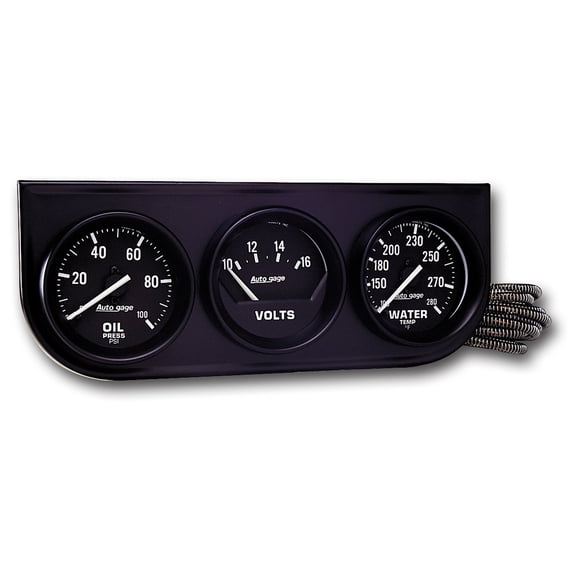
Autometer helps you build a clearer dashboard for performance driving, towing, and restoration projects. You can compare gauge types, signal styles, mounting options, and series looks that match your vehicle.
How to choose autometer gauges
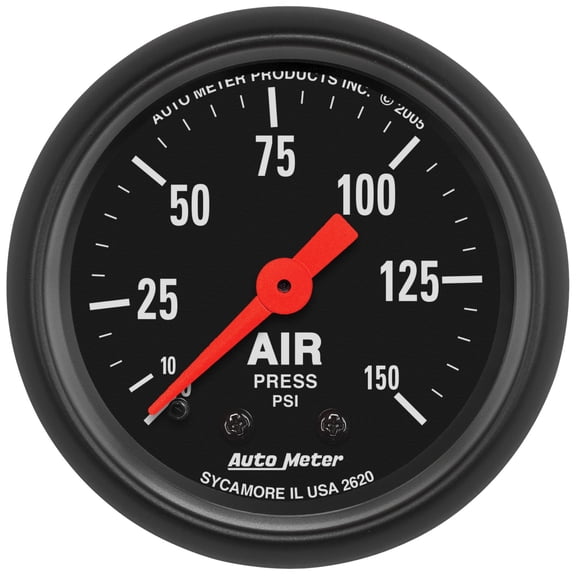
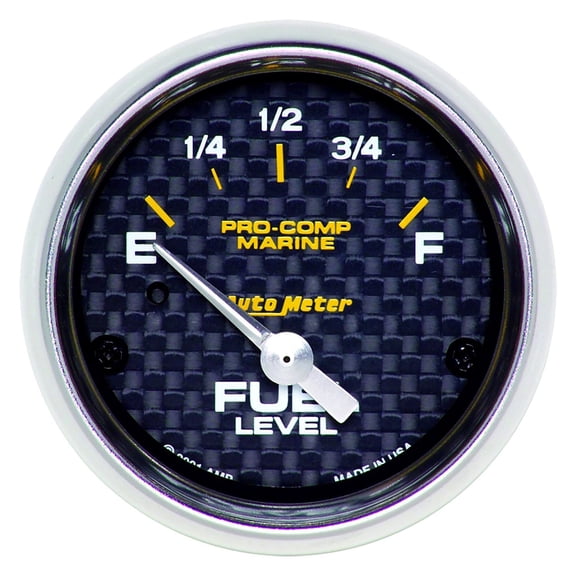
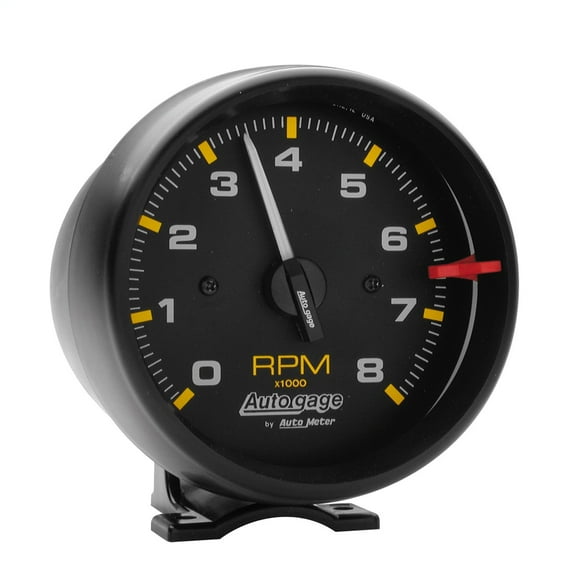
You should start with the reading you want to monitor frequently. Your choice may center on an autometer tachometer, boost gauge, oil pressure gauge, speedometer, or water temp gauge.
When you compare gauge types, you can match each instrument to your driving goals. You may want rpm visibility for shifting, pressure tracking for engine data, or temperature readings for steady monitoring.
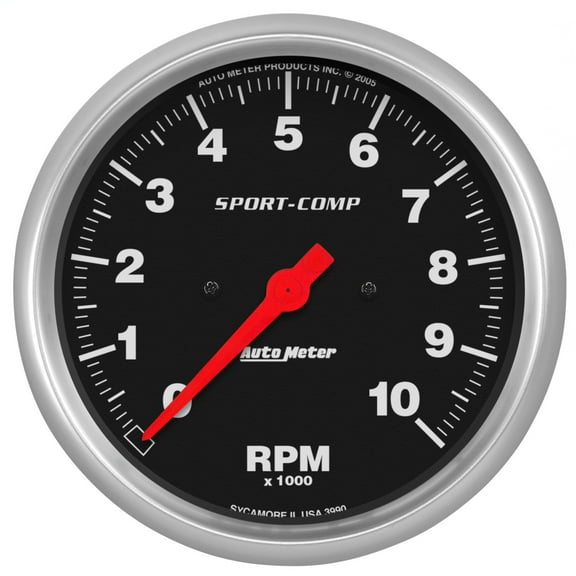
- You can use a tachometer when your build needs quick rpm reference during spirited driving.
- You can choose a boost gauge when your setup includes forced induction and you want clear pressure readings.
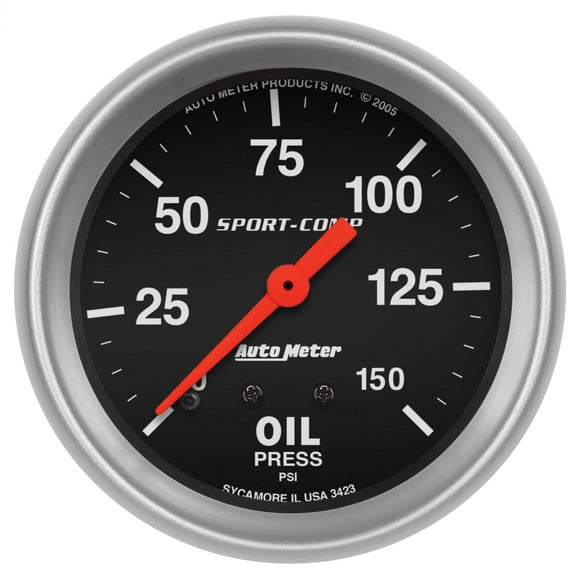
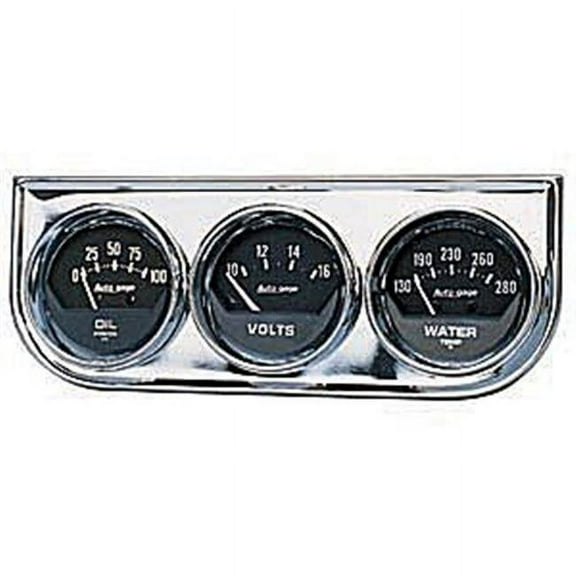
- You can pick an oil pressure gauge when your project calls for direct engine data on the dash.
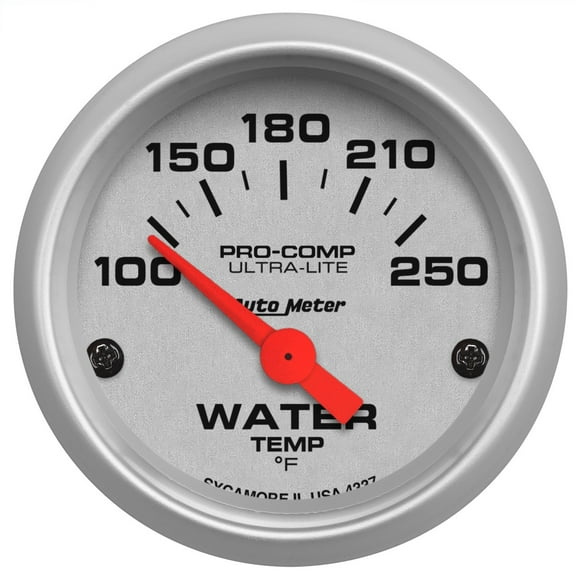
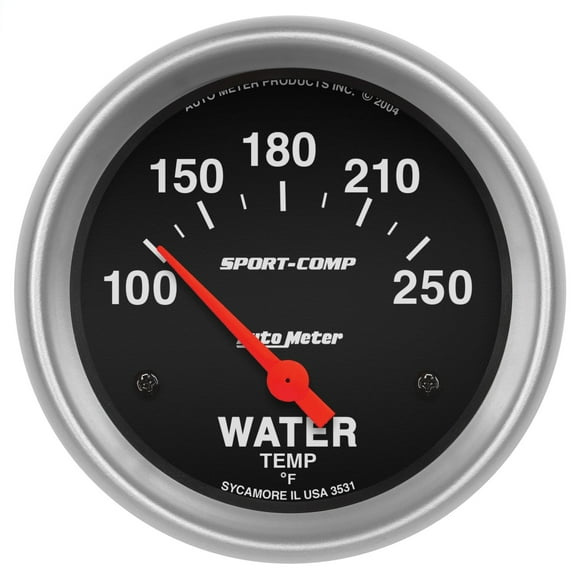
- You can add a water temp gauge when you want an easy way to monitor coolant temperature trends.
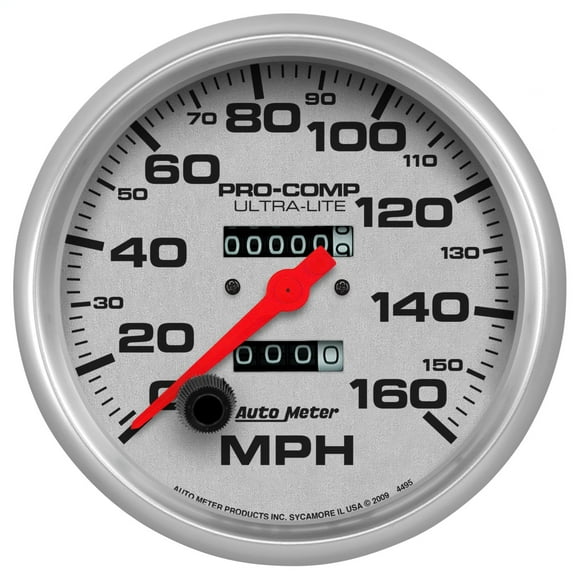
- You can select a speedometer when your custom dash needs a clean instrument layout.
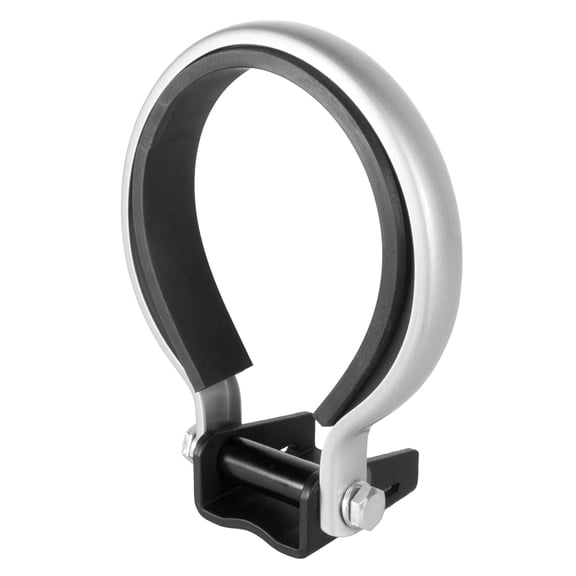
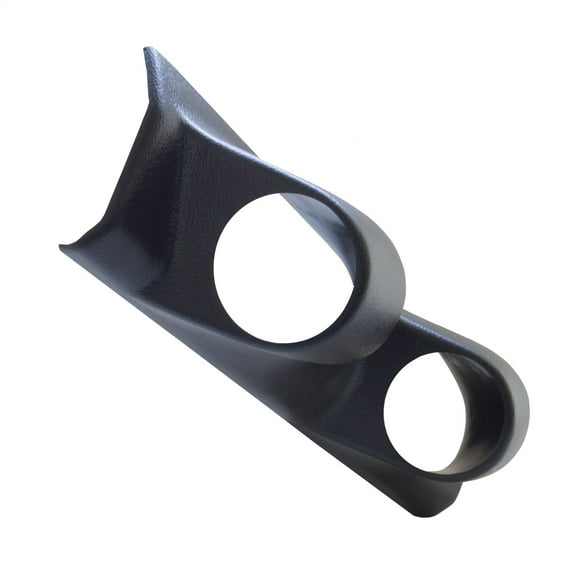
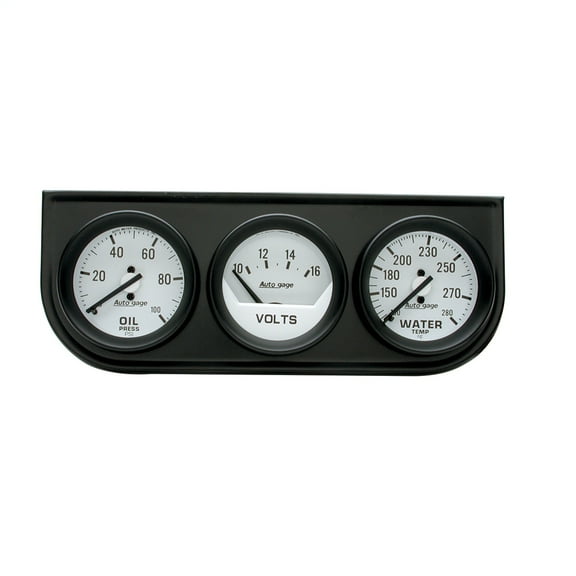
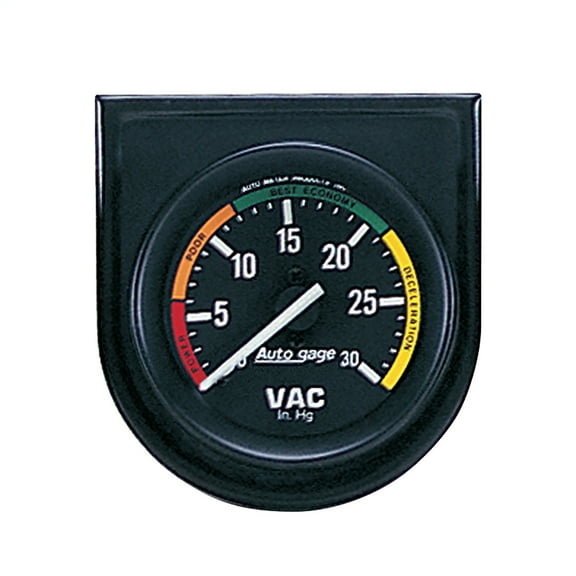
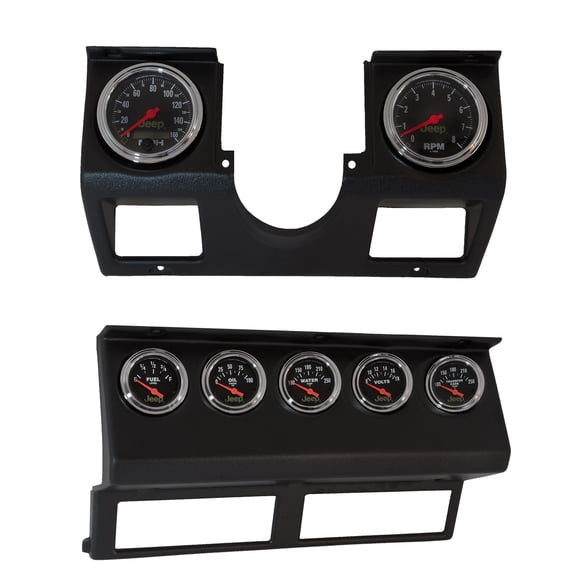
You should also compare how each gauge fits your cabin and viewing angle. Your layout may work with a gauge pod, an in-dash opening, a cup mount, or a pillar location.
Choosing signal type for autometer
You need to compare mechanical, electrical, and digital stepper motor options before you choose. Your decision affects wiring approach, sender setup, and the display response you prefer.
With mechanical gauges, you usually connect the reading source more directly to the instrument. You may choose this style when your build favors classic hardware and straightforward analog feedback.
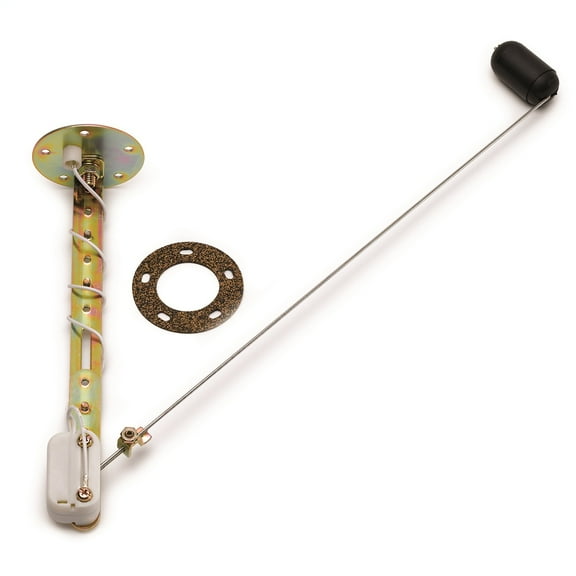
With electrical gauges, you typically use a sender and wiring to transmit the reading. You might prefer this route when your installation needs flexible routing through modern engine bays and interiors.
Digital stepper motor designs can give you smooth needle movement and a precise visual sweep. You may like this format when your dashboard blends classic faces with updated instrument behavior.
You should check the signal type against your vehicle age, engine setup, and available mounting space. Your wiring plan, sender location, and cabin layout all matter before you finalize the instrument set.
Picking the right mounting style and size
You can narrow your options faster when you measure your intended mounting location first. Your choice may come down to pillar pod, dash pod, in-dash, or cup mount placement.
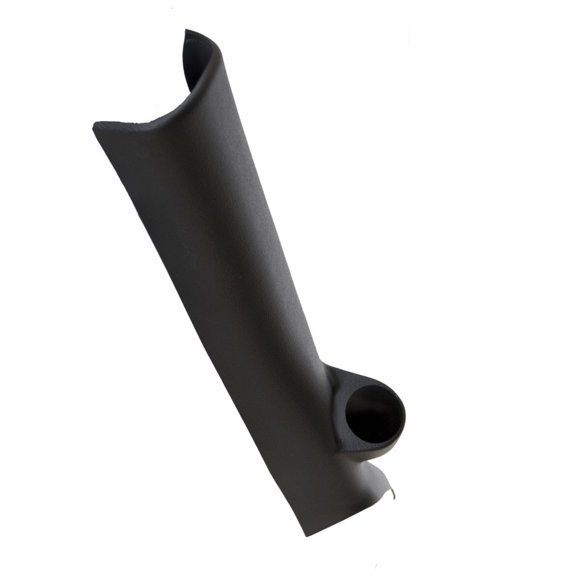
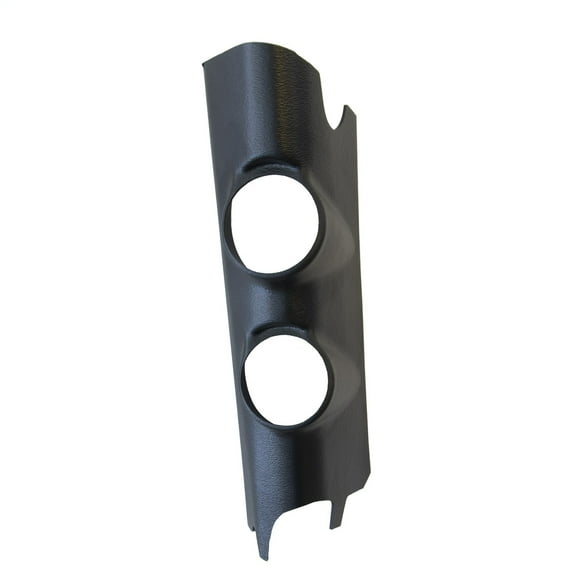
A pillar pod can keep key readings near your natural line of sight. You may prefer that position when you want quick glances during acceleration, towing, or track-style driving.
A dash pod can work well when your cabin has limited factory openings. You can place important readings on the upper dash without reshaping the original instrument cluster.
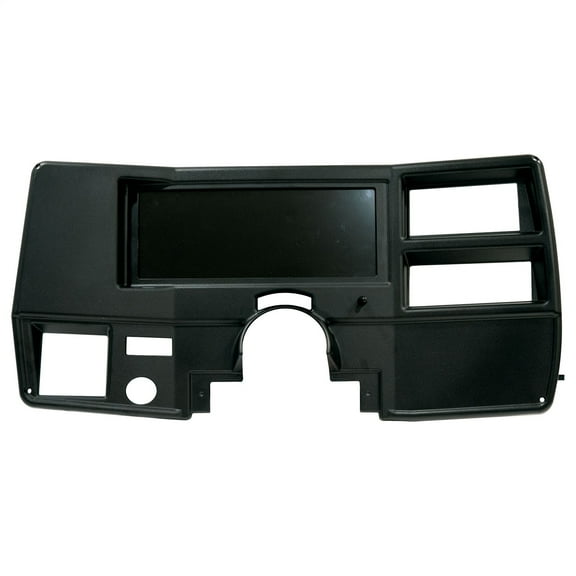
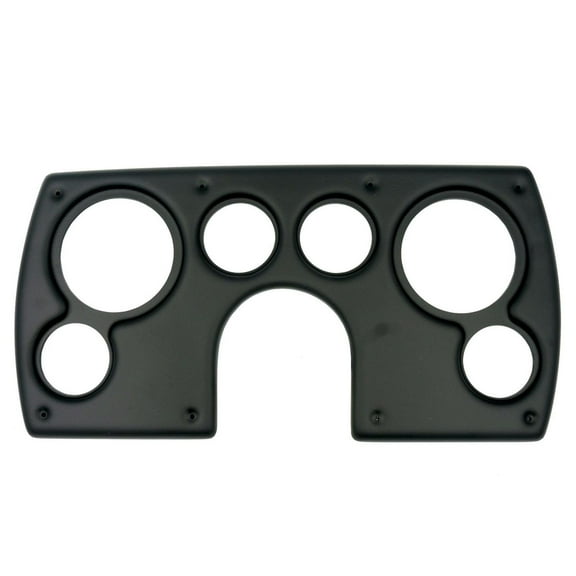
An in-dash fit can create a more integrated appearance in custom builds and restorations. You should confirm diameter, depth, and rear clearance before you choose this mounting route.
A cup mount can help when your cabin needs a less permanent placement option. You may find this style useful when your project needs flexibility during testing or staged upgrades.
Matching series style to your interior
You should compare series style as carefully as you compare function. Your dashboard can look more cohesive when the dial face, bezel finish, and lighting tone fit the rest of your cabin.
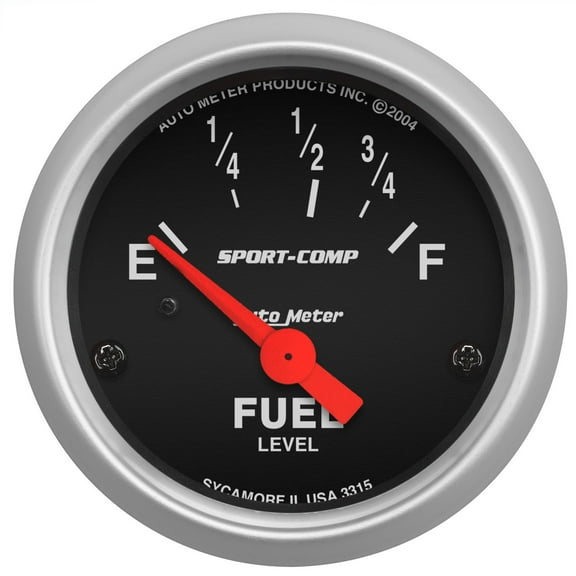
Sport-Comp styling usually gives you a bold, performance-focused look with easy-to-read markings. You may choose it when your interior leans toward a classic motorsports appearance.
Cobalt styling can suit cabins that use cooler lighting and a more modern visual theme. You might consider it when your existing controls and displays use blue-toned illumination.
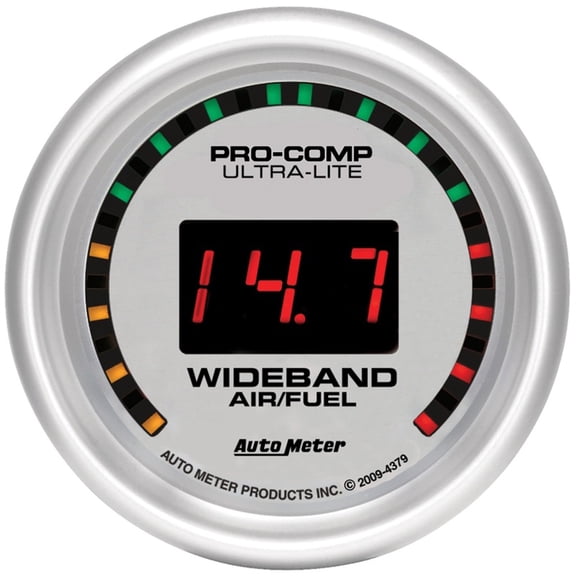
Ultra-Lite styling can complement lighter interiors and stripped-down performance builds. You may like that look when your project emphasizes clean contrast and reduced visual clutter.
Phantom styling can fit custom interiors that call for a softer face design in daylight. You should compare the dial appearance at night too, because your lighting preference affects daily readability.
Using autometer for real vehicle setups
You can build a practical instrument package by combining gauge type, signal style, mount, and series. Your final setup should reflect how you drive and how your cabin is arranged.
For a turbo street build, you might pair a boost gauge with electrical or digital stepper motor operation. You can mount it in a pillar pod when your dash space is already committed.
For a classic car restoration, you may prefer a speedometer and autometer gauges with styling that suits older interiors. You can choose a mechanical or electrical approach based on your wiring plans.
For a truck that tows, you might focus on oil pressure and water temp visibility. You can place those readings in a dash pod when you want steady access during long pulls.
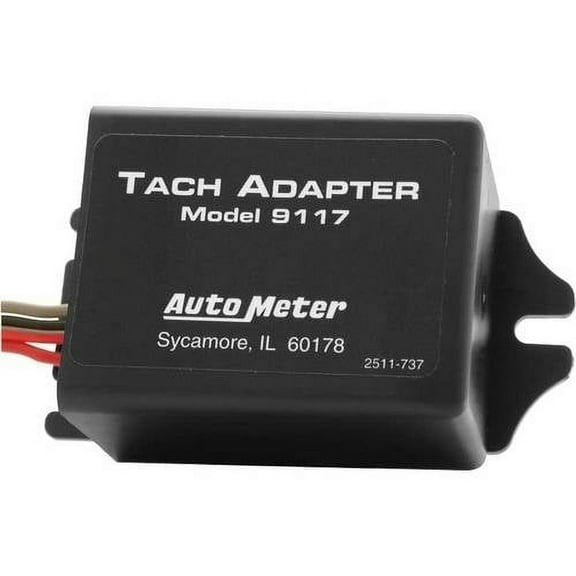
For a weekend performance car, you may center the layout on an autometer tachometer and supporting pressure readings. You should match the series style to your factory lighting so the cluster feels intentional.
You can shop with more confidence when you compare the exact decisions that shape fit, function, and appearance. Your right autometer setup gives you readable data, cleaner installation planning, and a dashboard that feels purpose-built.