

Arrows in Arrows and Bows









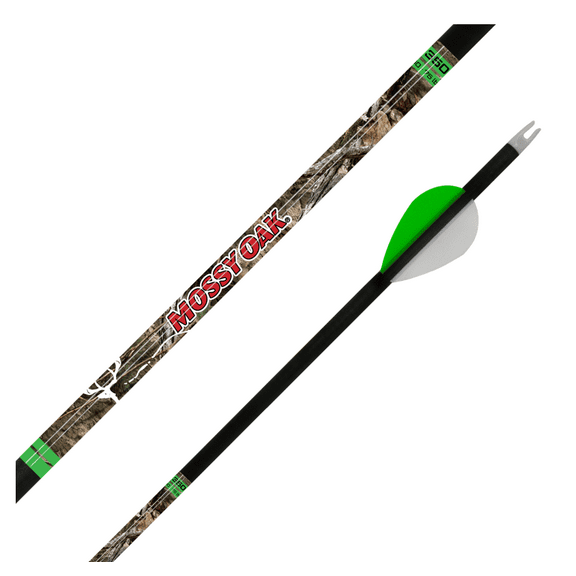

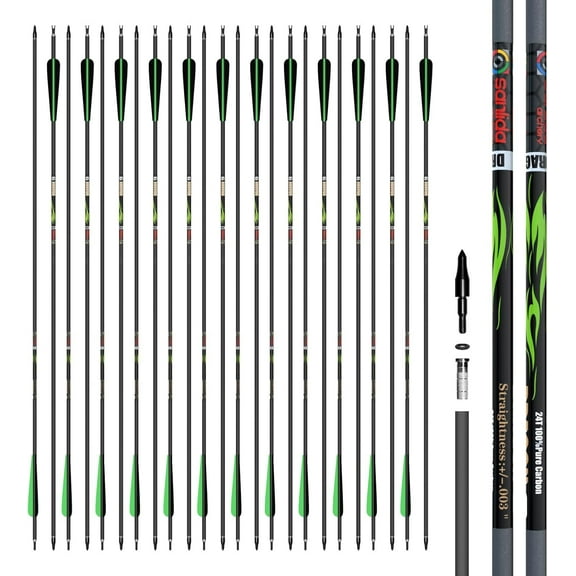




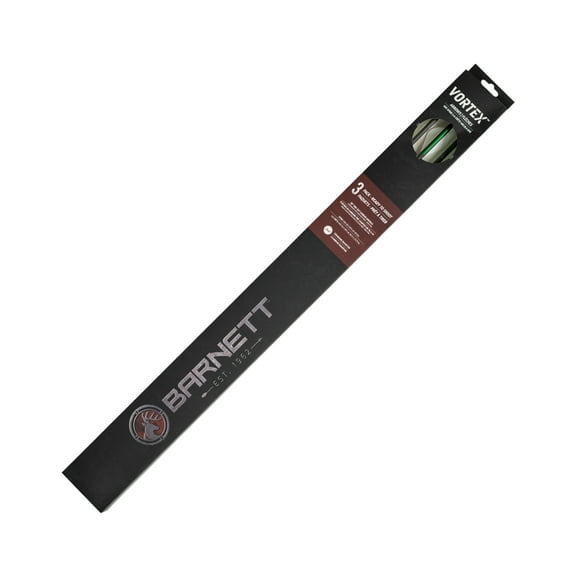
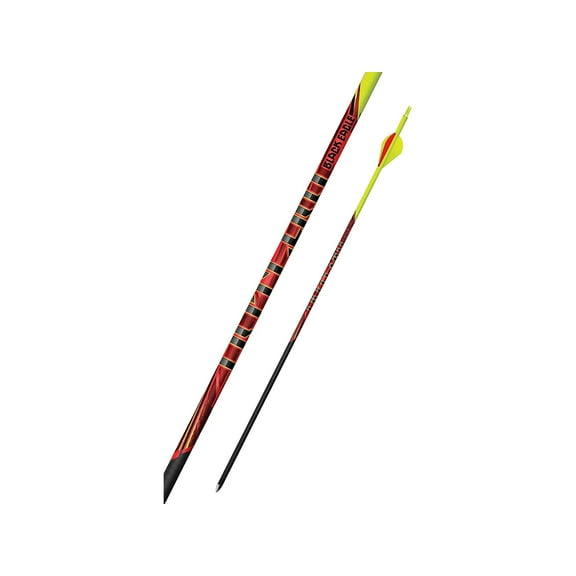

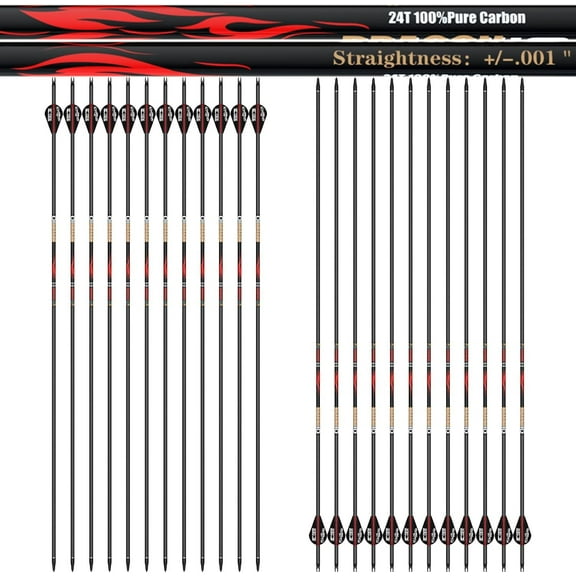
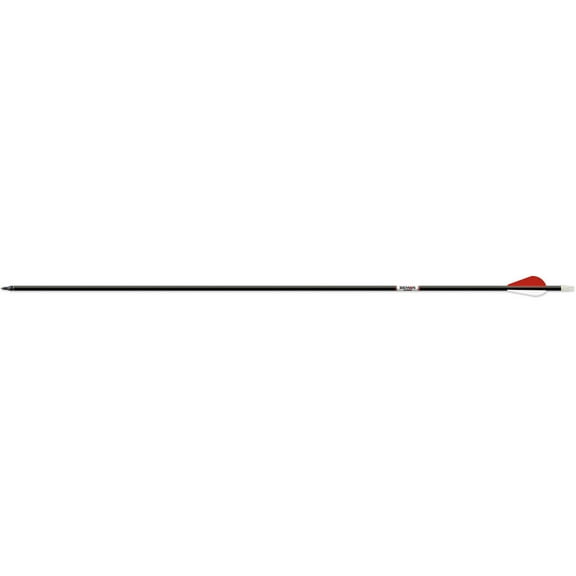

About Arrows in Arrows and Bows - Walmart.com
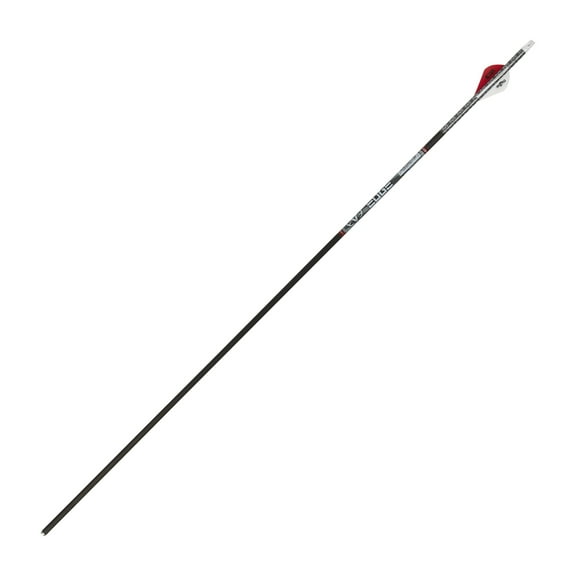
Arrows help you tune your archery setup for cleaner release, steadier flight, and improved bow compatibility. You can compare material, spine rating, length, and fletching to match how you shoot.
How to choose arrows for your bow
When you shop arrows, you should start with your bow type and your shooting goal. You may need different shafts for target practice, hunting, recreational archery, or 3D archery.
You’ll also want to check whether you need standard archery arrows or crossbow bolts. You can avoid mismatch issues when you compare your setup before choosing shaft length and spine.
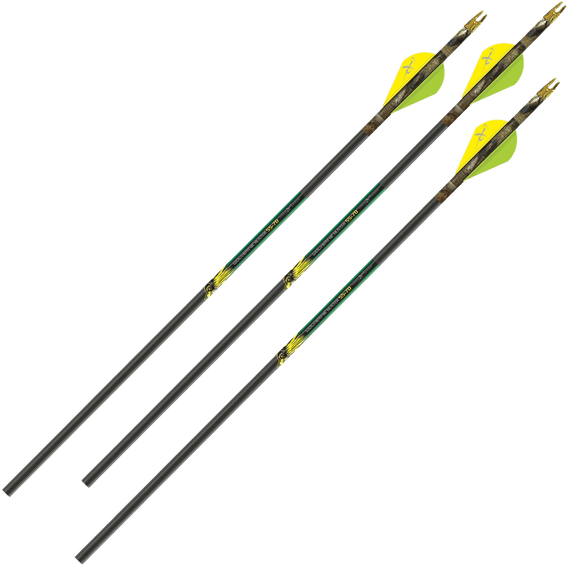
Another key choice is arrow material, because each option changes feel and durability. You may prefer carbon arrows for lighter weight, while fiberglass, aluminum, and wood suit other setups.
- You can use carbon shafts when your setup calls for lightweight construction and repeatable flight.
- You can choose fiberglass arrows when you want a straightforward option for casual shooting sessions.
- You can consider aluminum shafts when you want consistent diameter and familiar tuning behavior.
- You can pick wood arrows when your traditional bow setup calls for a classic look and feel.
Choosing archery arrows by material and use
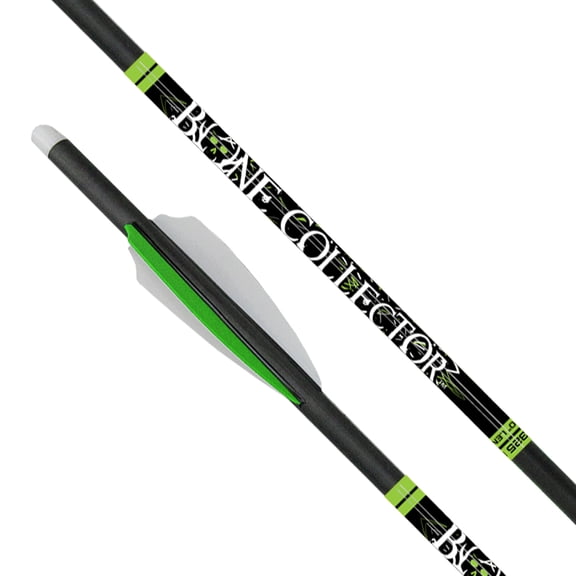
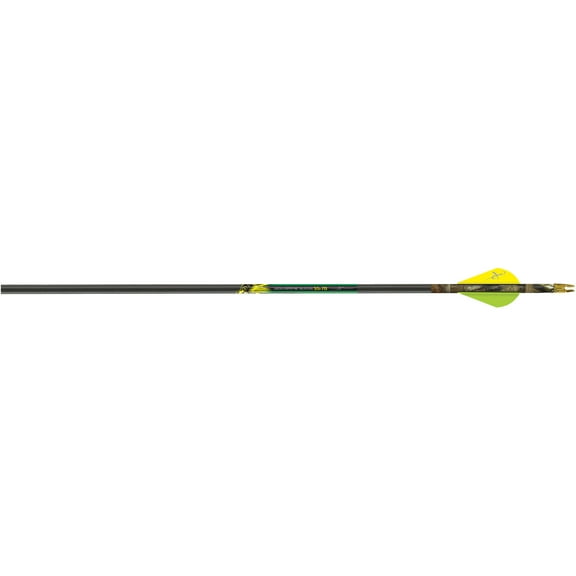
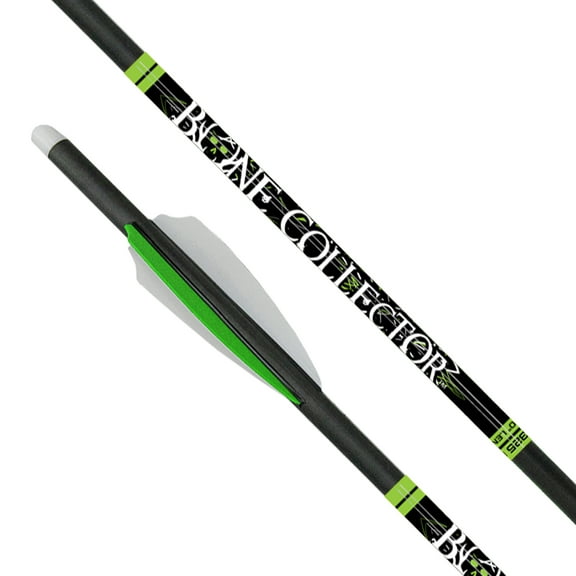
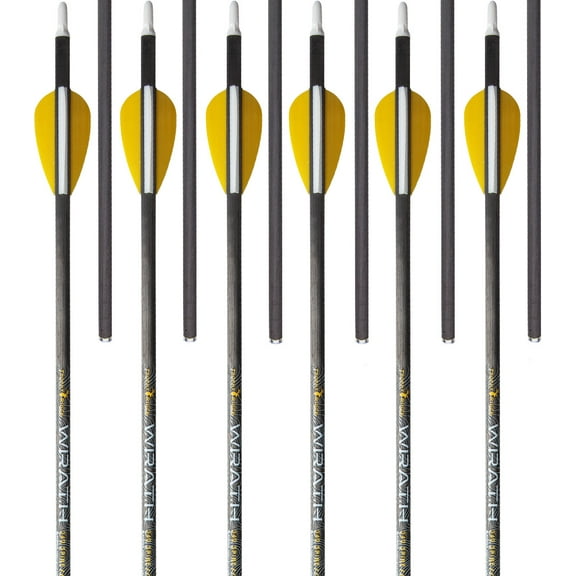
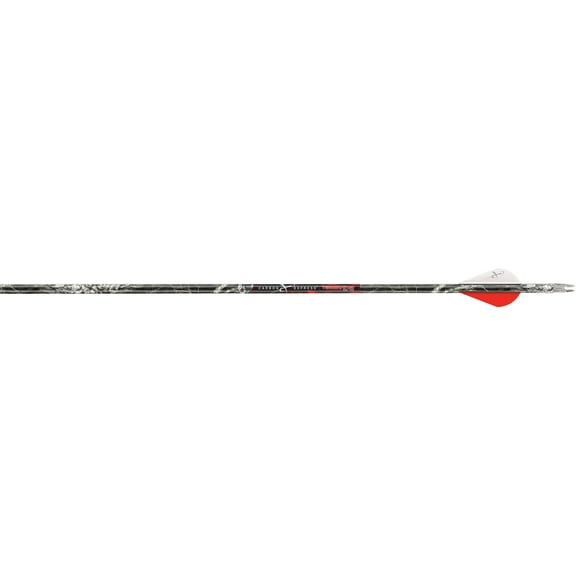
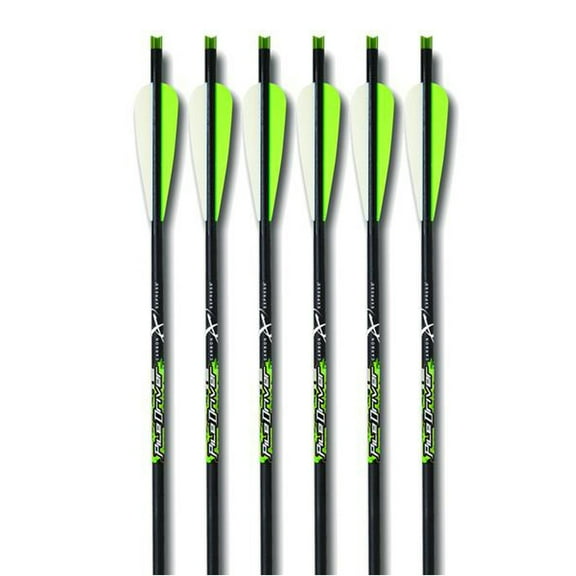
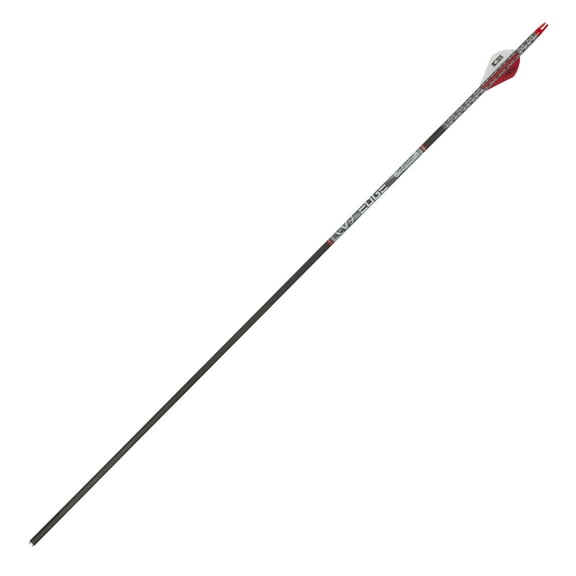
Carbon arrows often appeal to you when you want durable shafts that stay light through repeated practice. You’ll notice they fit many modern compound and recurve setups for target and field use.
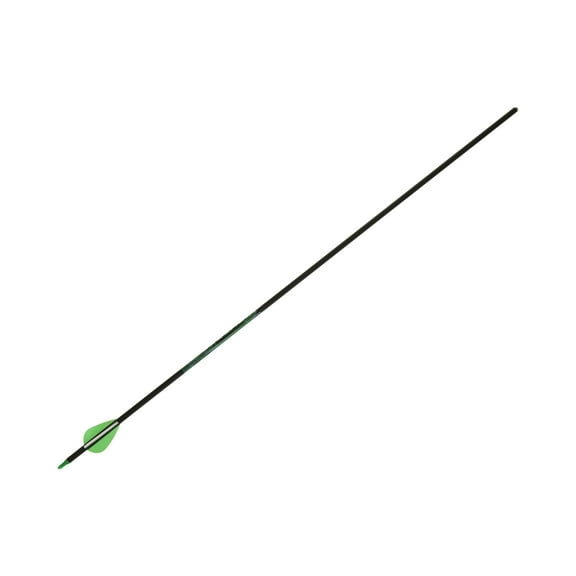
Fiberglass arrows can make sense when you’re building a simple recreational setup or introducing new shooters to archery. You can compare them with aluminum options if you want a different balance and shaft feel.
Aluminum arrows give you another path when you want a uniform shaft size and easy point matching. You may also look at wood arrows if your longbow or recurve setup favors a traditional shooting style.
Your activity matters just as much as material when you narrow the field. You may choose hunting arrows for broadhead use, while target shafts often focus on repeatable point weight and grouping.
Comparing spine rating, draw weight, and arrow length
Spine rating is one of the key checks you can make before choosing a shaft. You should match spine to your bow draw weight, because that pairing affects launch consistency.
You may see common choices like 300 spine, 340 spine, 400 spine, and 500 spine. You can use those numbers to compare flex across setups, then confirm the chart from your bow style.
A stiffer shaft often suits heavier draw weight setups, while a more flexible shaft fits lighter combinations. You should always compare your bow specifications with the maker’s sizing guide before final selection.
Arrow length matters too, because your draw length affects how the shaft fits your shooting form. You can compare 28 inch, 30 inch, and 31 inch arrows, or choose cut-to-length options.
When you measure draw length carefully, you can narrow your choices quickly. You’ll usually want enough shaft length for your setup, point choice, and intended shooting style.
What to look for in fletching and point compatibility
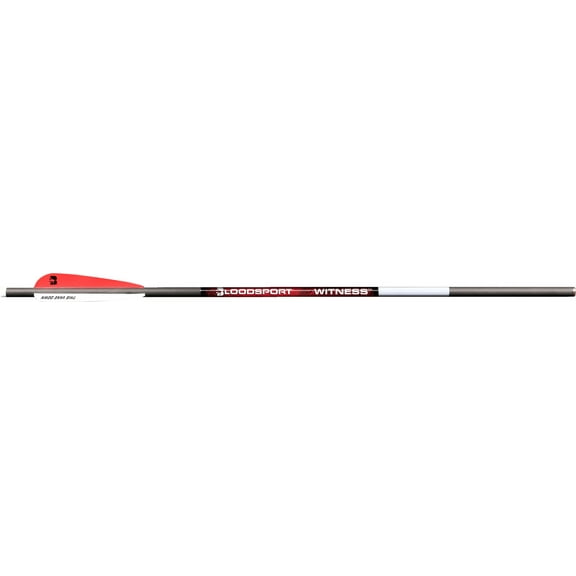
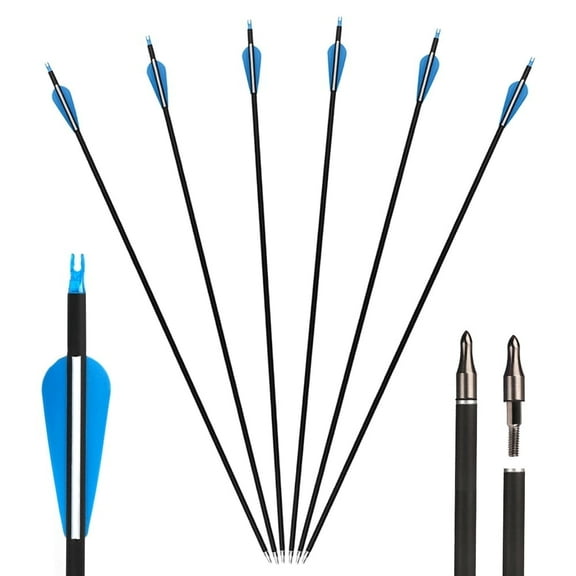
Fletching helps guide the shaft in flight, so you should compare styles with your use case. You may choose plastic vanes, feather fletching, or helical fletching based on bow setup and shooting conditions.
Plastic vanes often suit modern setups where you want durable, low-maintenance arrow control. Feather fletching may fit traditional gear, while helical fletching can help you prioritize spin and stabilization.
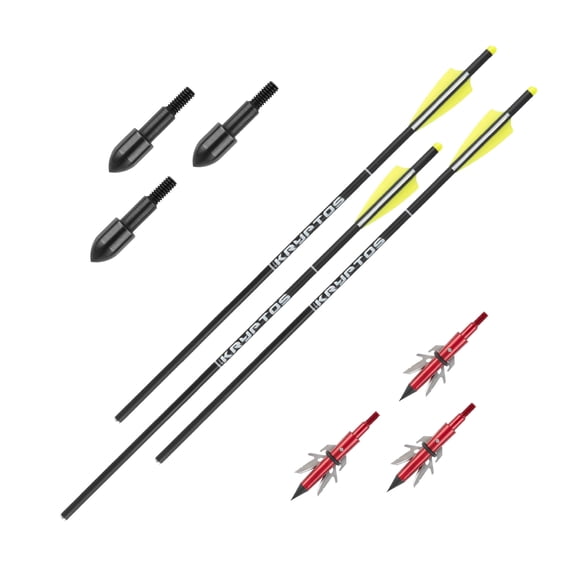
You should also check insert and tip compatibility before you decide. Your arrows may need to pair with field points for practice or broadheads for hunting applications.
Thread size and grain weight are decision points you shouldn’t skip during setup. You can improve tuning consistency when your point weight and shaft build work together.
Matching hunting arrows and target setups to real use
If you shoot paper targets or backyard blocks, you may focus on consistent spine, length, and field point fit. You can build a dependable practice setup by comparing shaft material with your bow weight.
If you head into the field, you may prioritize hunting arrows that support your broadhead choice and shaft durability. You should confirm spine rating, point weight, and fletching style before the season starts.
For 3D archery, you may want a balanced setup that handles repeated shots across changing distances. You can compare carbon shafts and helical fletching when you want stable flight and simple recovery.
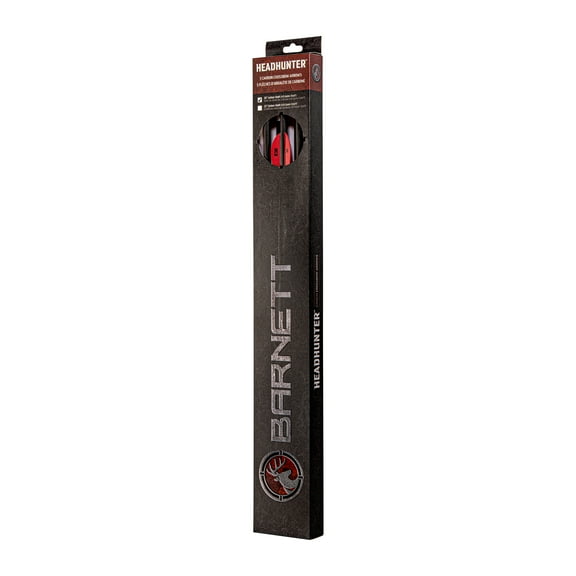
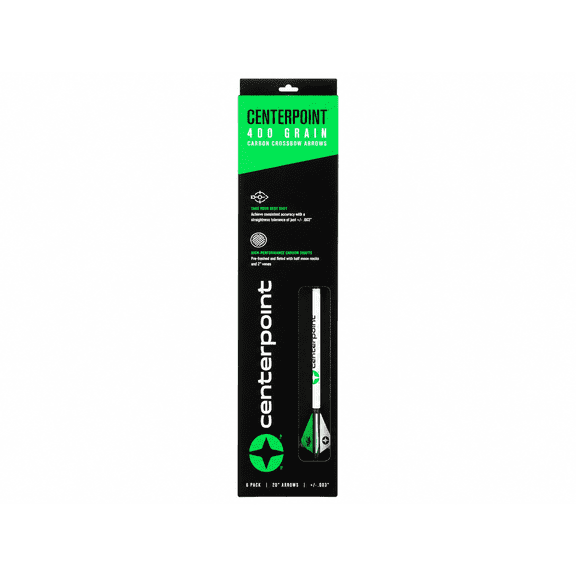
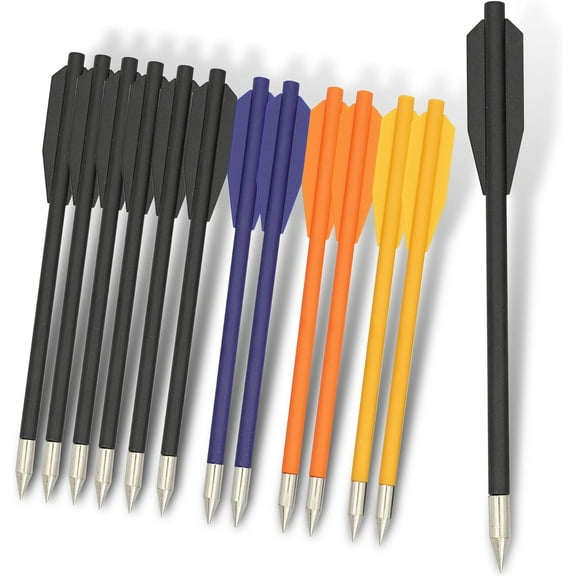
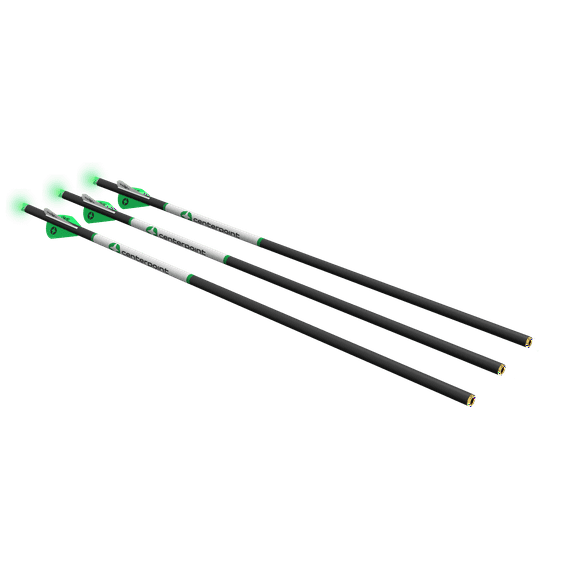
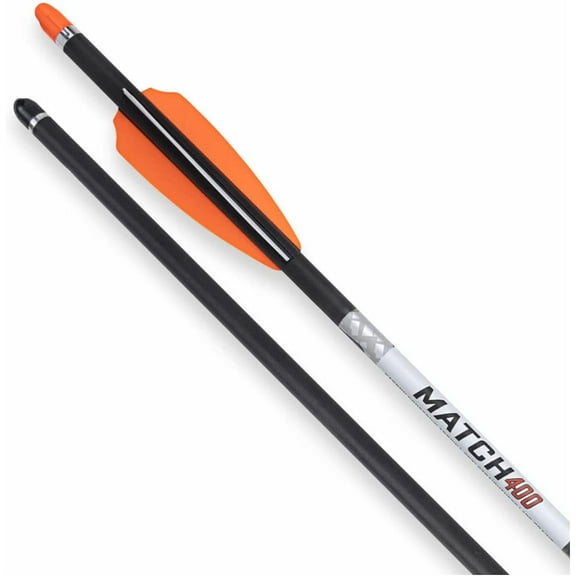
If you shoot a crossbow, you should look specifically at crossbow bolts instead of standard vertical bow shafts. You can narrow your options quickly when you check bolt length, nock style, and point fit.
You may also coordinate your arrows with related gear like compound bows, recurve bows, archery targets, and broadheads. That approach helps you build a setup that matches your practice routine and hunting plans.
Choosing arrows with more confidence
When you compare arrows by material, spine, length, and fletching, you can make a more informed choice for your bow. You’ll get closer to a setup that feels consistent at release and stays easier to tune.