




Archery


















About Archery - Walmart.com
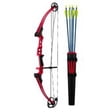
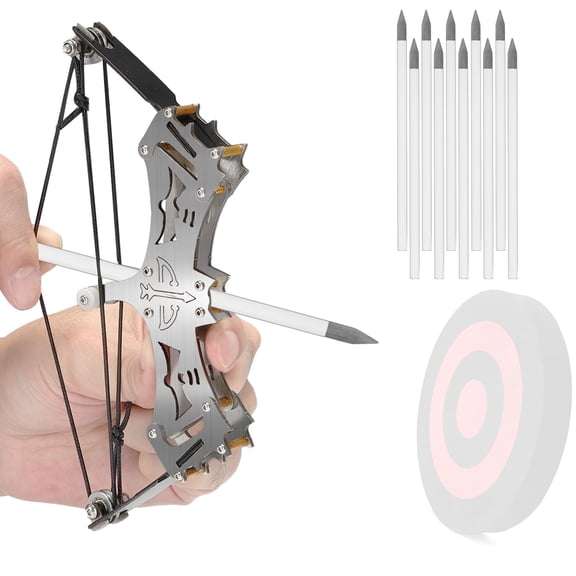
When you shop arrows and bows, you need clear choices for bow type, draw weight, and arrow compatibility. You can compare recurve styles, compound designs, and matched arrow options for practice, target shooting, and hunting setups.
How to choose arrows and bows for your setup
You should start with your shooting style before you compare any details. Your target sessions, backyard practice, and field use each call for different bow shapes and arrow builds.
If you want a simple design, you may prefer a recurve bow or longbow. If you want cams and let-off, you may compare compound bows for steadier aiming at full draw.
You should also check hand orientation before you narrow your list. Your right-hand or left-hand choice affects grip shape, sight placement, and overall comfort during repeat shots.
Choosing between archery bows by bow type
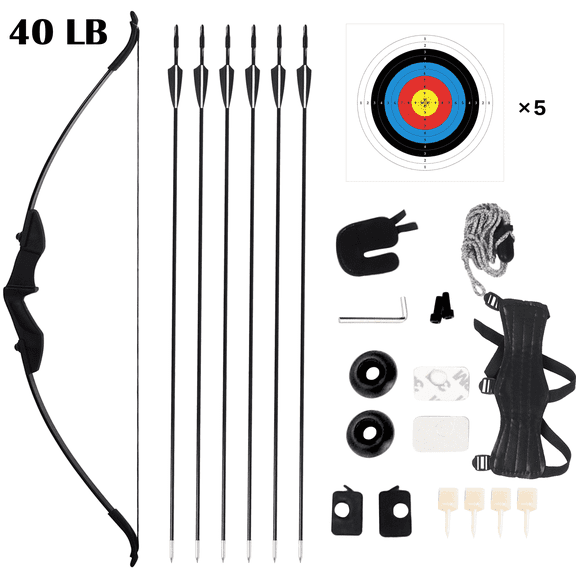
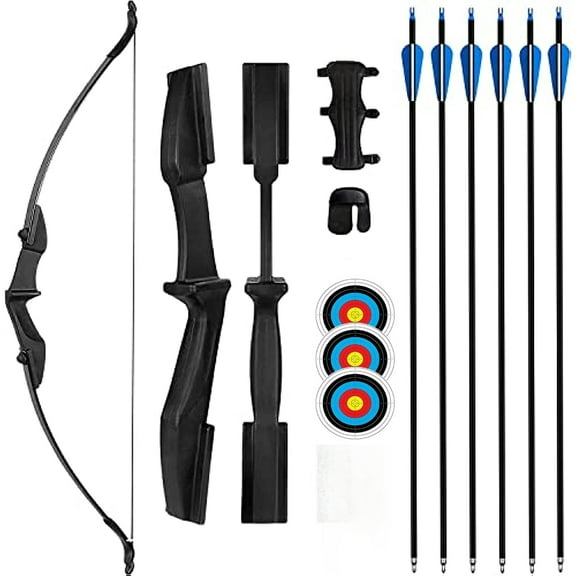
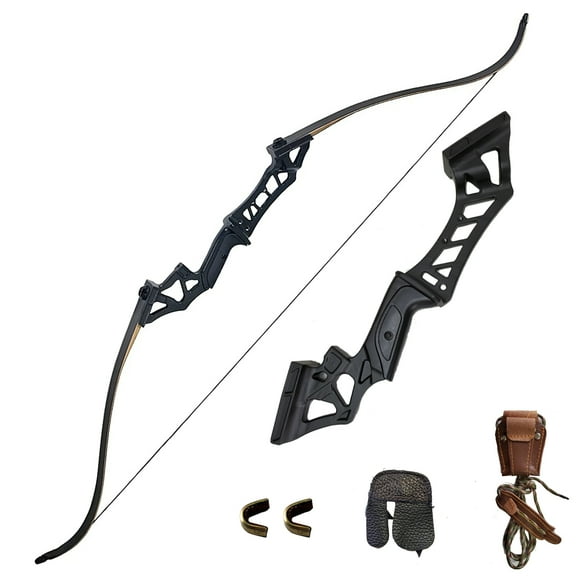
You can use recurve bows when you want a traditional feel and a direct shooting experience. Your form stays front and center, which helps many learners understand anchor points and release timing.
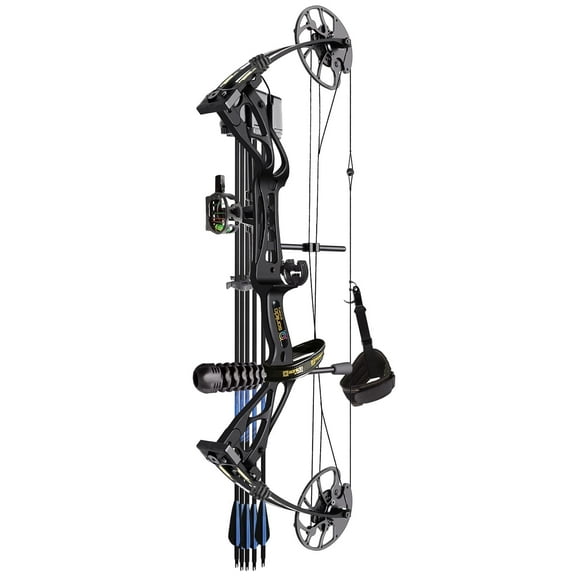
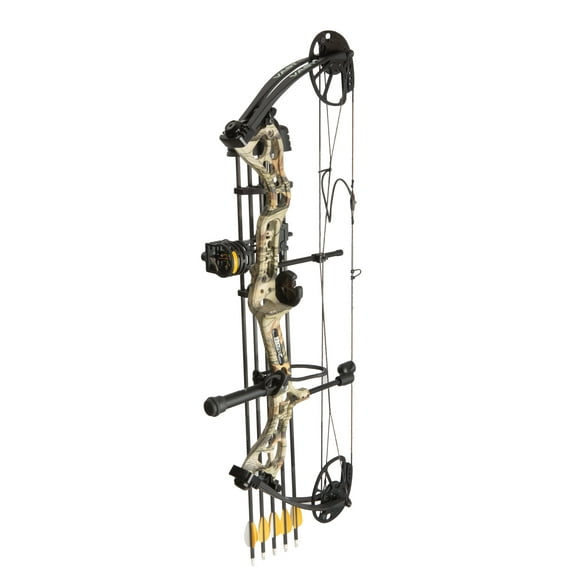
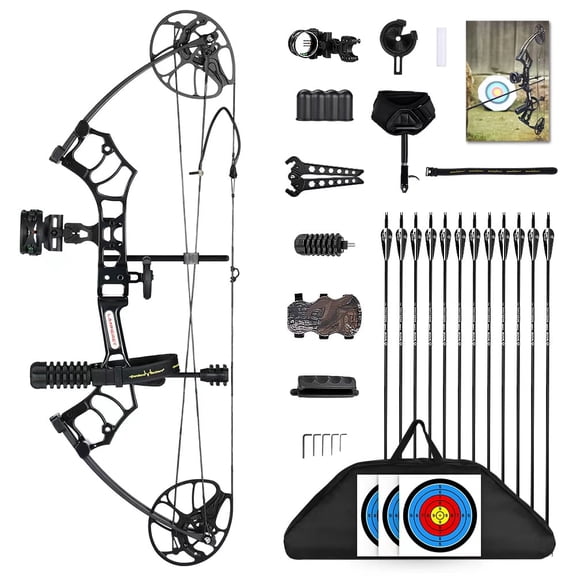
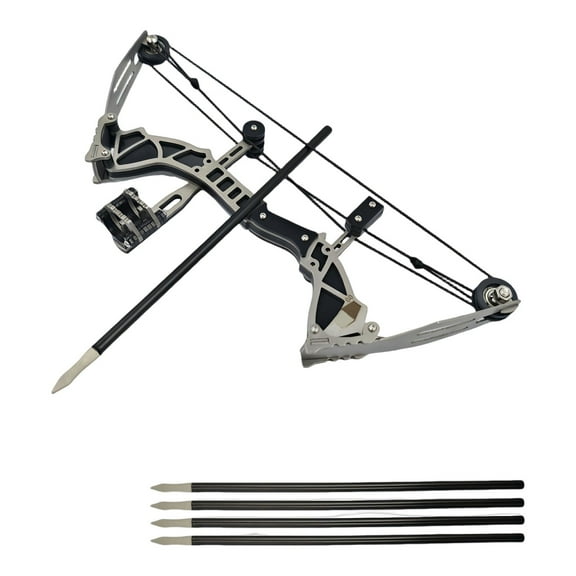
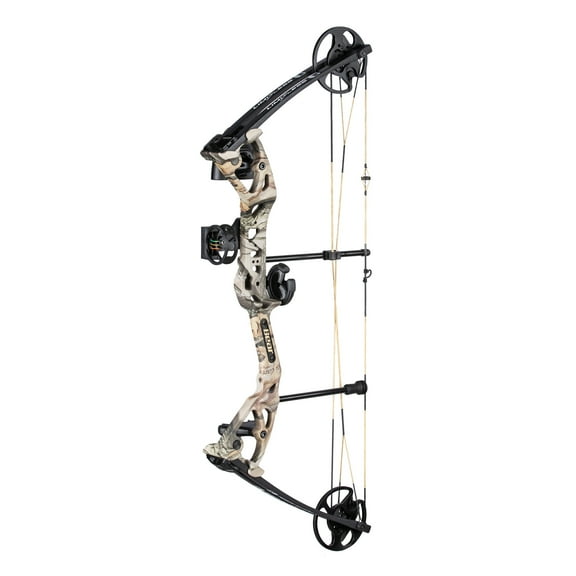
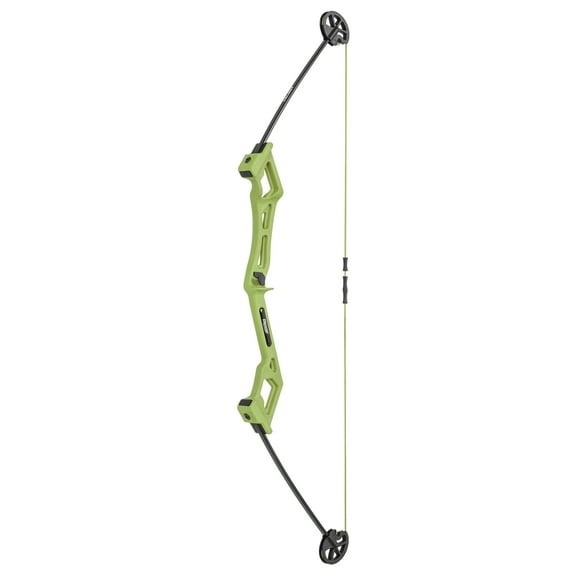
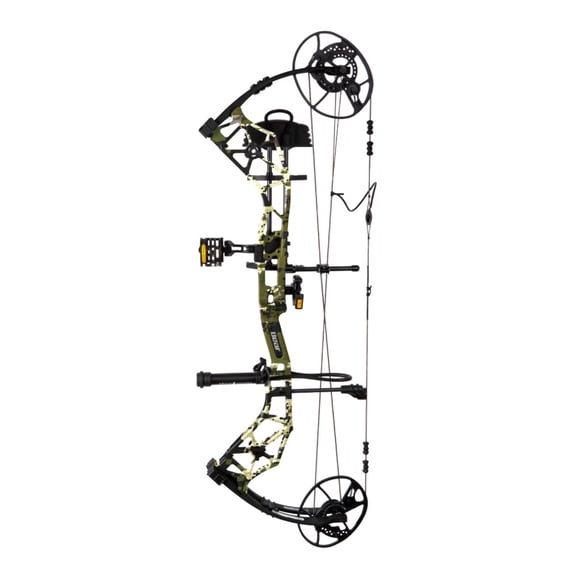
You may choose compound bows when you want adjustable settings and mechanical assistance at full draw. Your hold can feel steadier because the cam system reduces the weight you support.
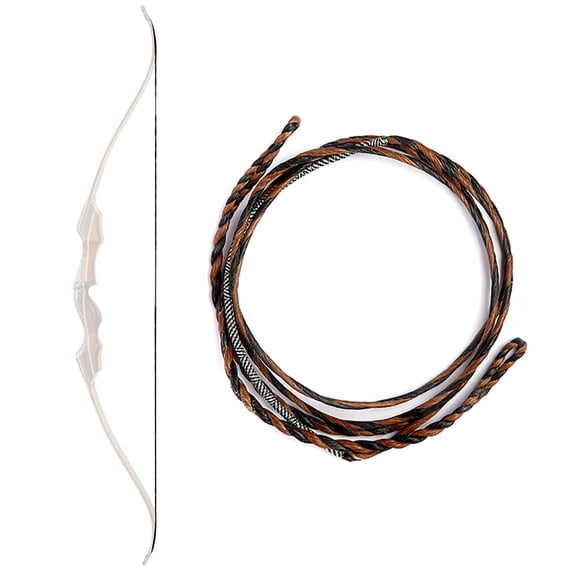
If you like a classic profile, you can compare longbows for smooth handling and simple construction. Your choice may suit instinctive shooting and shorter accessory lists.
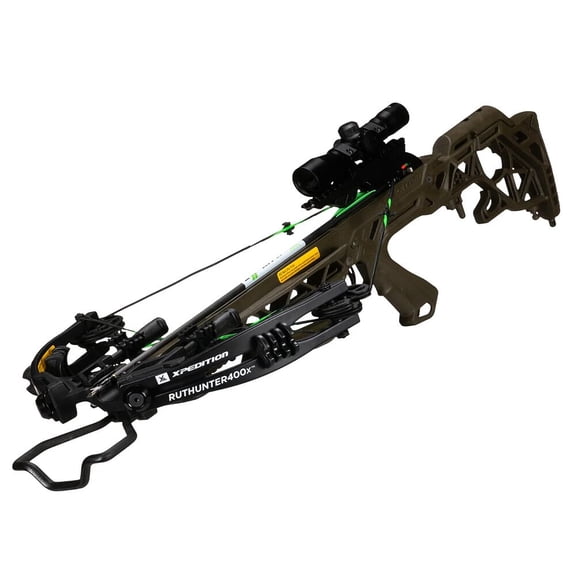
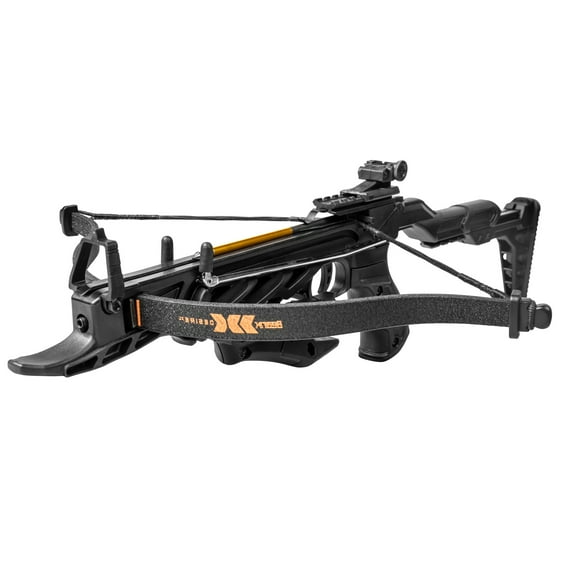
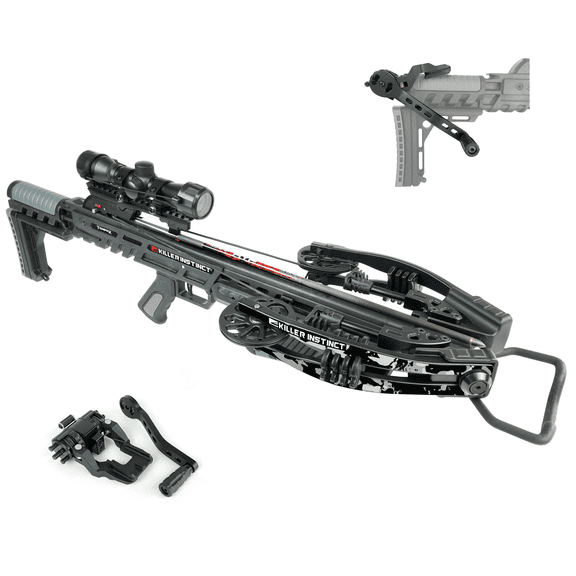
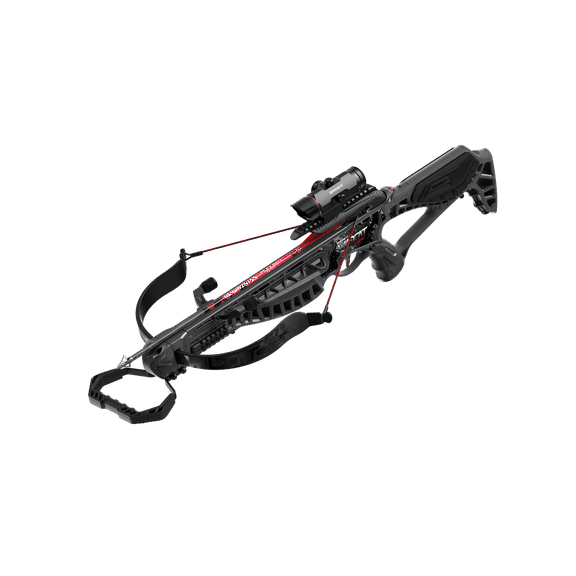
You may also see crossbows in this category when you want a horizontal limb design. Your setup process differs from vertical archery bows, so you should check cocking method and bolt compatibility.
- You can compare recurve bows for traditional target practice and skill building.
- You can compare compound bows for adjustable draw settings and hunting bows configurations.
- You can compare longbows for classic shooting styles and simple gear choices.
- You can compare crossbows when your preferred platform uses bolts instead of standard arrows.
Choosing draw weight in archery bows
You should match draw weight to your strength, experience, and intended use. Your first sessions usually feel smoother when you start with a manageable pull instead of an aggressive one.
For youth archery gear, you may look under 20 lbs to keep practice approachable. Your young shooter can focus on stance, anchor position, and release instead of fighting the string.
If you're a beginner or casual target shooter, you may compare 20 to 40 lbs options. Your sessions often stay more comfortable, and your form usually stays more consistent across repeated shots.
When you need stronger output, you may look at 40 to 60 lbs or higher. Your hunting setup, experience level, and local requirements should guide that decision in plain terms.
What to look for in archery arrows
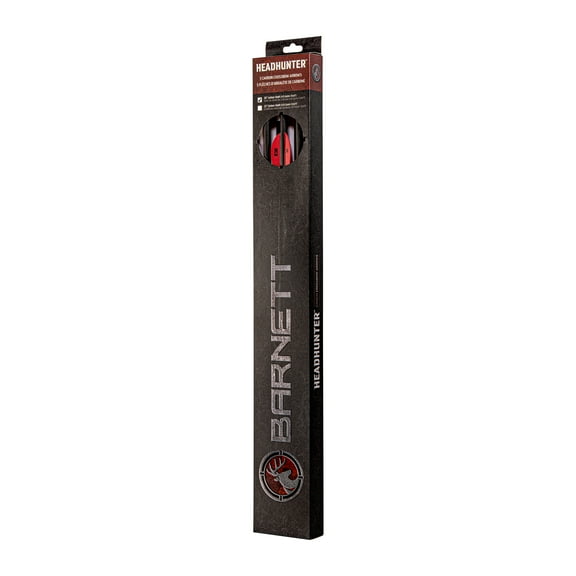
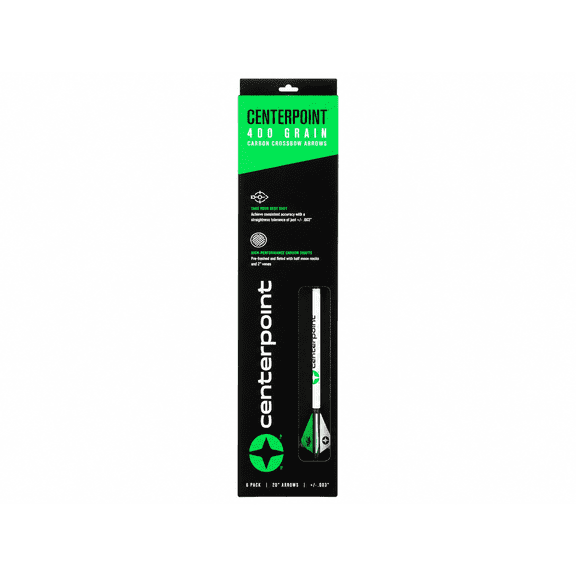
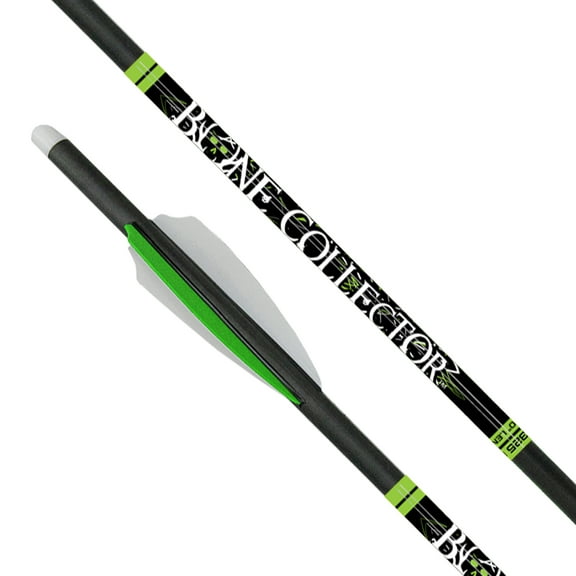
You should choose archery arrows that match your bow style, draw weight, and draw length. Your arrow length and spine rating work together, so a mismatch can change flight feel and point of impact.
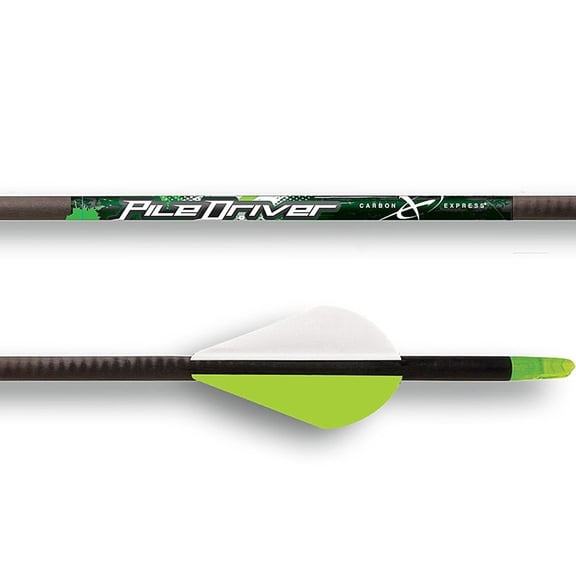
You may notice carbon arrows feel light and consistent for many shooters. Your fiberglass options can suit entry setups, while aluminum arrows may offer a familiar balance and straightness.
If you prefer a classic look, you can compare wood shafts for traditional shooting. Your material choice affects durability, weight, and the way your setup feels during release.
You should also compare fletching material and vane shape before you buy. Your arrow control can change with feather or synthetic fletching, especially when your bow style changes.
- You should check spine rating so your arrows flex appropriately for your bow.
- You should measure arrow length to match your draw length and release style.
- You should compare carbon, fiberglass, aluminum, and wood based on handling preferences.
- You should review fletching details for the flight behavior you want.
Matching bow and arrow set options to your skill level
You can narrow a bow and arrow set by user level before comparing accessories. Your experience often decides whether you need simple starter gear or more adjustable components.
For youth and beginner use, you may prefer lighter draw weights and straightforward sighting options. Your setup can feel easier to learn when adjustment points stay simple and clearly labeled.
If you're intermediate, you may compare tuning options, limb design, and arrow selection more closely. Your growing consistency often makes details like spine rating and axle length more noticeable.
For advanced use, you may focus on refined fit and repeatable performance. Your checklist may include release compatibility, sight mounting, rest style, and exact arrow pairing.
Using arrows and bows for target practice and hunting
You can choose different combinations depending on where and how you shoot. Your backyard target sessions may call for lighter draw weights, while your hunting bows setup may prioritize range and control.
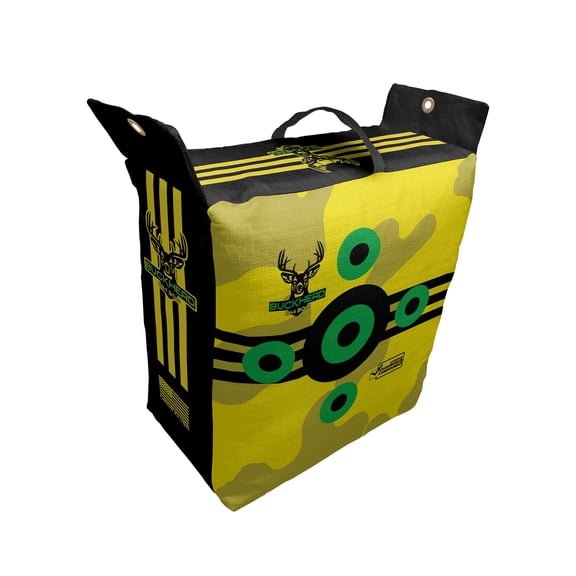
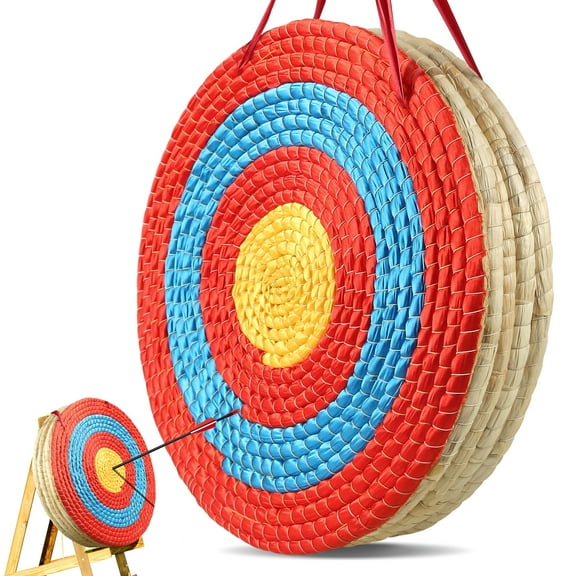
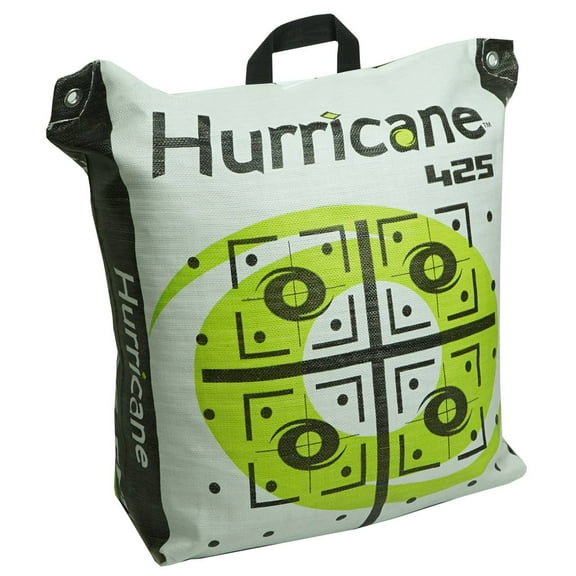
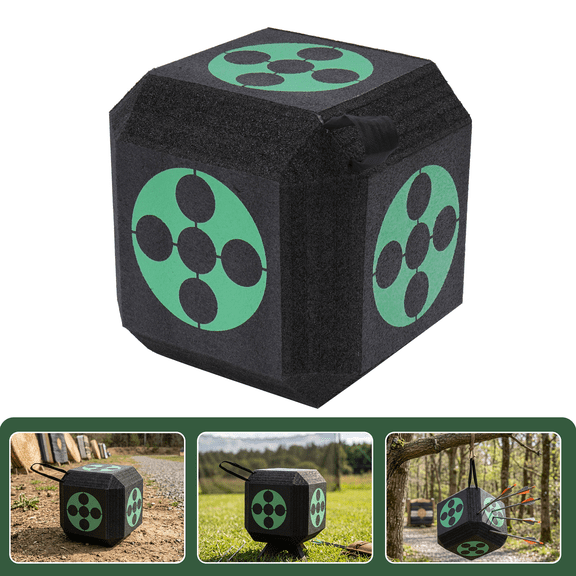
For target practice, you may want recurve bows with matched archery arrows for repeated range sessions. Your focus stays on clean release, stable grouping, and easy retrieval from standard targets.
For field use, you may lean toward compound bows with carefully matched arrows and accessories. Your setup benefits from draw-weight selection, hand orientation checks, and arrow specs that fit your bow.
When you want a straightforward starting point, you can compare a coordinated set. Your package may help you align basic components faster, so your first sessions feel more organized.
You can shop with more confidence when your choices follow bow type, draw weight, arrow material, and user level. Your setup feels more consistent when those details work together from the start.