



Arcade Game
























About Arcade Game - Walmart.com
Arcade games help you turn a spare corner into a lively game room with classic controls, cabinet styles, and home-friendly footprints. You can compare sizes, game libraries, and player setups when you know how each option fits your space.
How to choose arcade games for your room
When you shop arcade games, you should start with cabinet size because your floor space shapes every other decision. You can fit tabletop units on desks, while full-size cabinets need a dedicated footprint and overhead clearance.
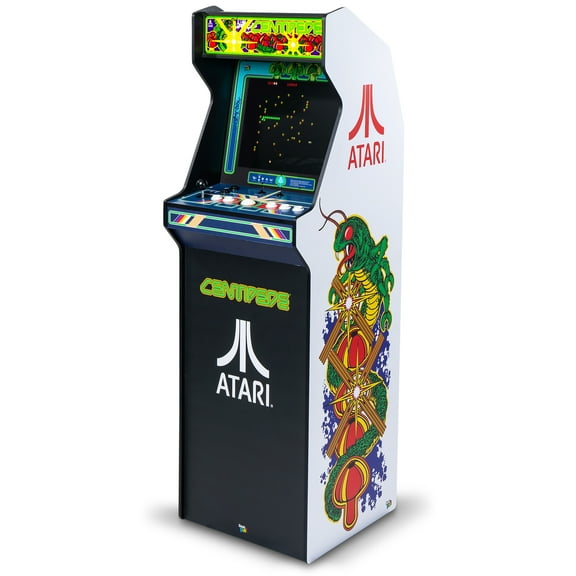
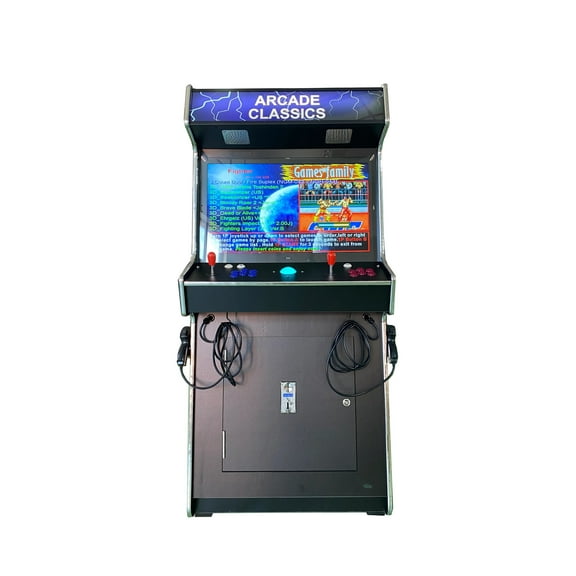
If you want a traditional stance and taller screen position, you should compare full-size cabinets with three-quarter scale models. You can find three-quarter scale units easier to place in bedrooms, offices, and smaller rec rooms.
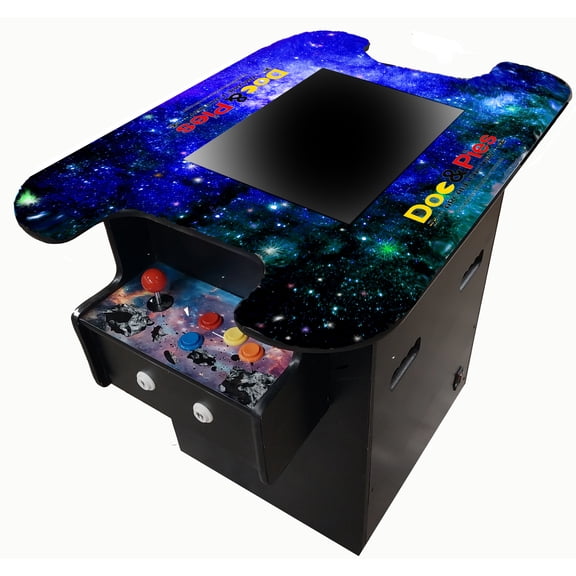
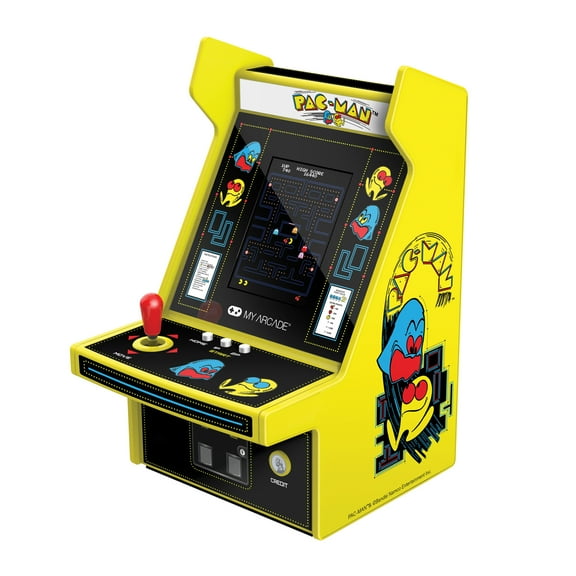
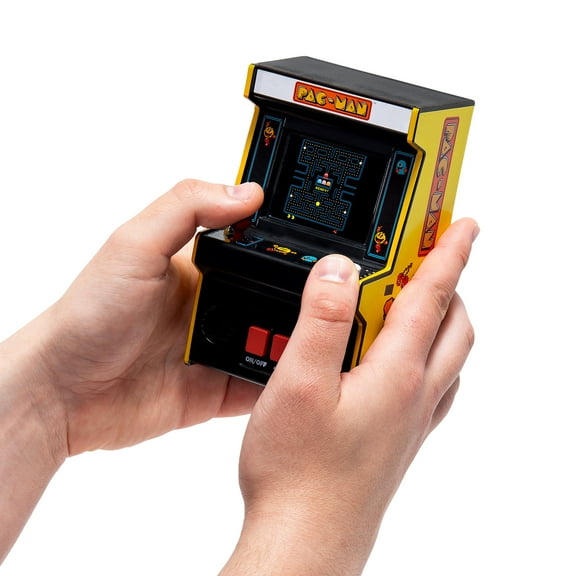
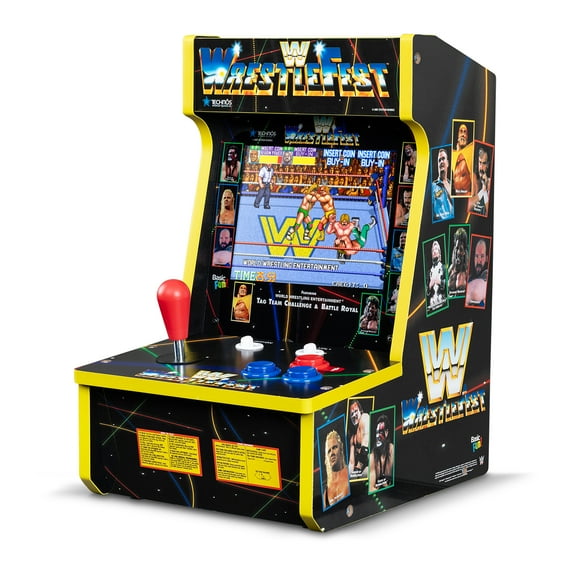
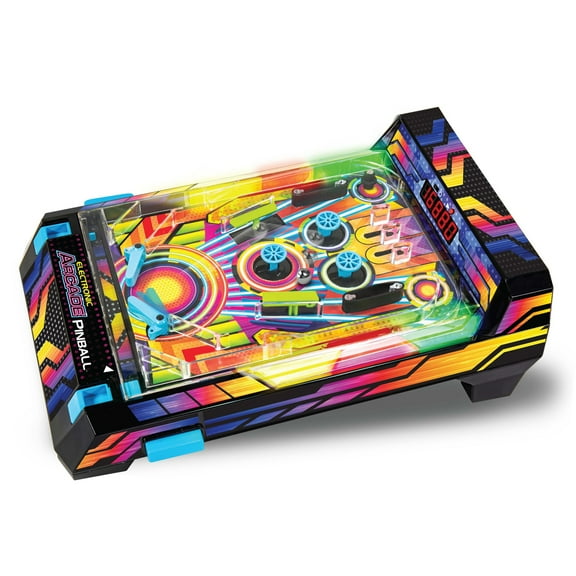
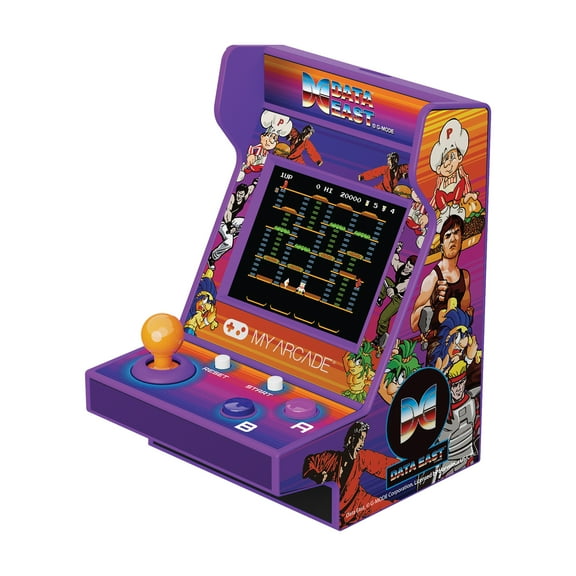
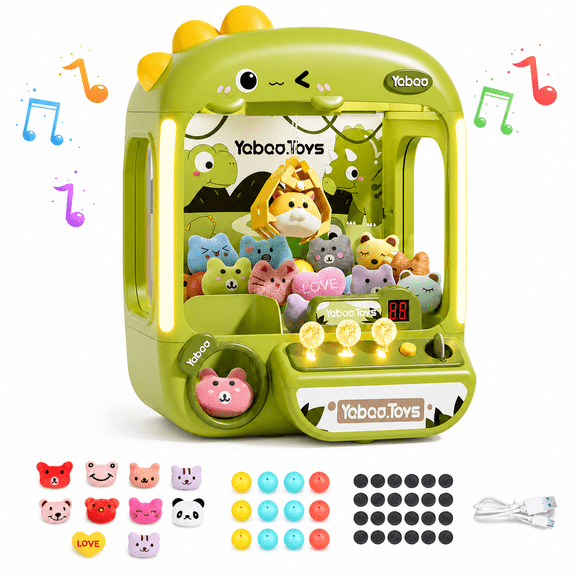
Countertop cades work well when you want quick setup on a bar, shelf, or sturdy table. You can move them easily, and you don't need to redesign your whole room around one machine.
Choosing home arcade cabinets by size
You should measure width, depth, and walking space before you choose home arcade cabinets for your setup. Your cabinet should fit comfortably without crowding seating, storage, or nearby doors.
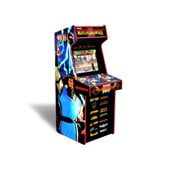
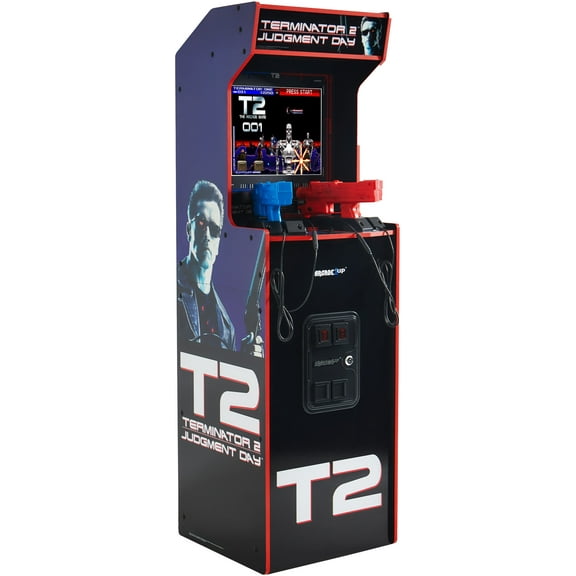
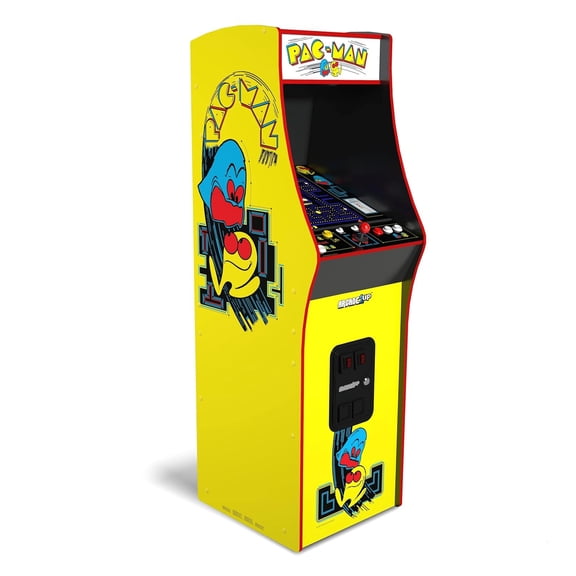
Full-size cabinets give you the closest look to commercial machines, and you can notice their taller profile from across the room. You may prefer them when your basement, den, or bonus room already has open floor space.
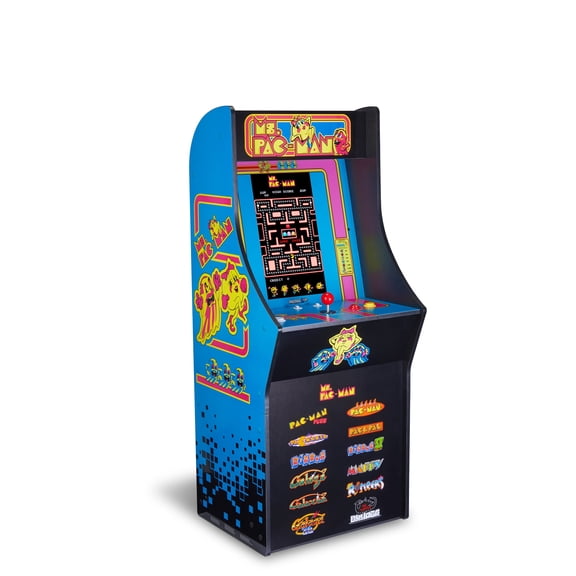
Three-quarter scale cabinets balance presence and practicality, so you can enjoy upright play without a larger footprint. You can see them in home game rooms where scale matters as much as placement.
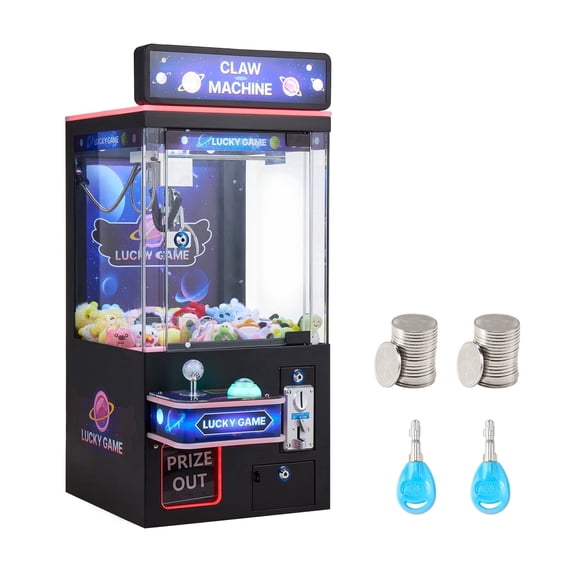
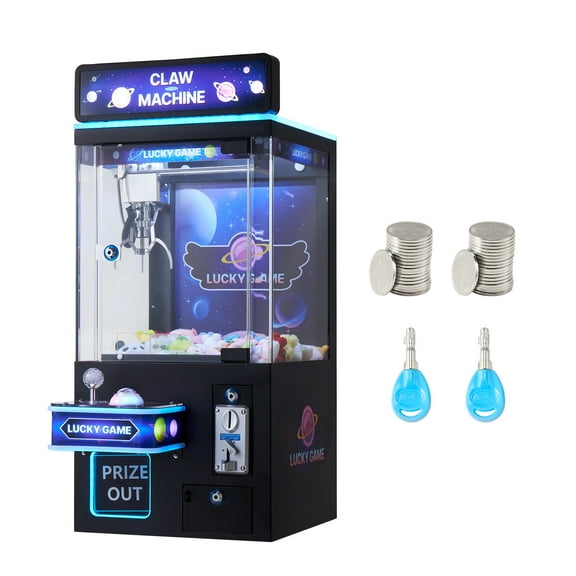
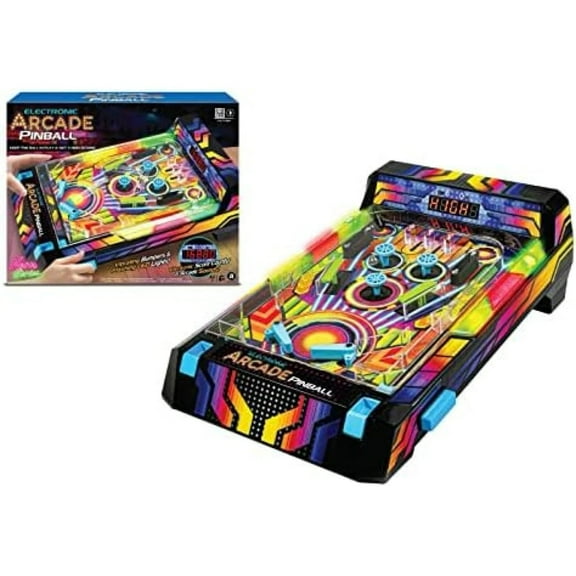
Tabletop and countertop styles suit apartments, dorm rooms, and mixed-use spaces where every inch counts. You can set them up for casual sessions, then reclaim surface space when you're done.
- You can match cabinet height to your room layout and playing style.
- You can pick a smaller footprint when your floor space is limited.
- You can create a dedicated game room feel without overfilling the area.
- You can compare upright and tabletop formats based on how often you play.
What to look for in retro arcade machines
When you compare retro arcade machines, you should check the game list before anything else. You may want a single-game cabinet for a focused experience or a multi-game cabinet for extra variety.
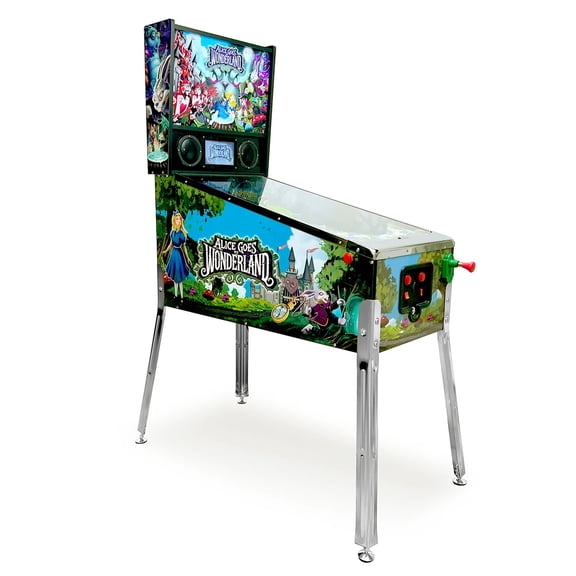
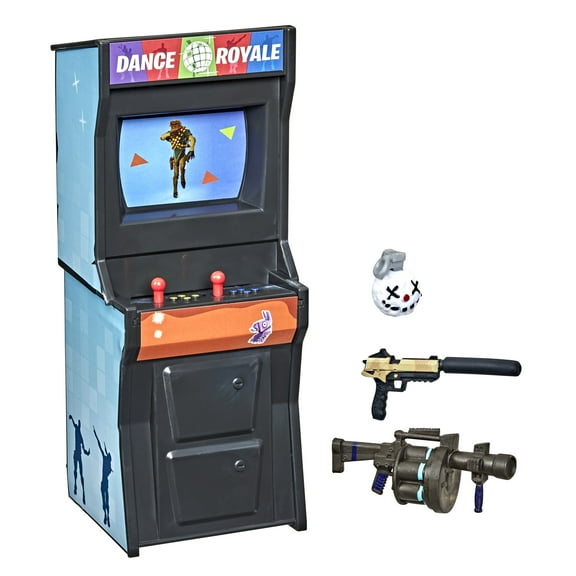
Single-game models appeal when you want a cabinet centered on one classic title or franchise. You can get a theme-driven look that anchors your room's style.
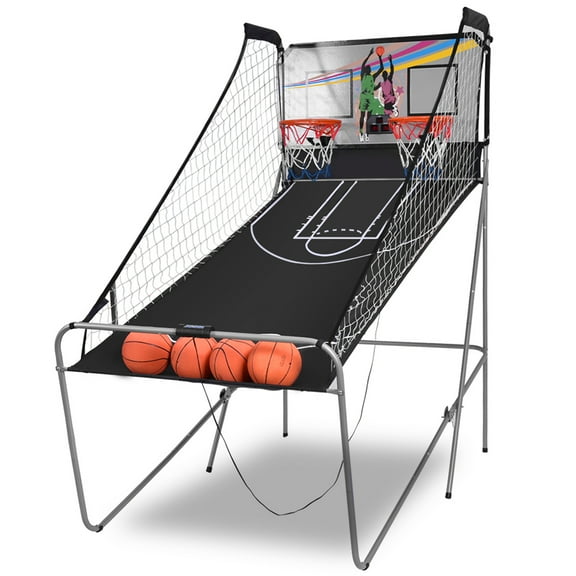
Multi-game options make sense when you want several genres in one machine, including racing, platform, sports, or fighting titles. You can keep different players engaged without adding multiple cabinets.
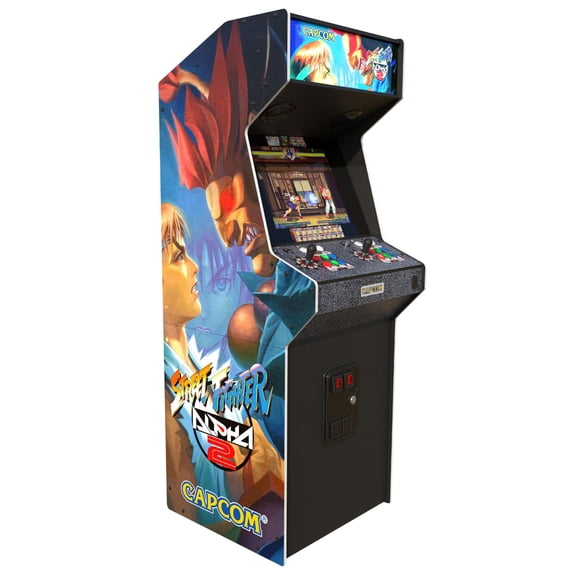
Classic arcade games focus on familiar visuals, old-school controls, and recognizable sound effects that bring back original arcade energy. You can also compare modern fighting lineups if your sessions revolve around head-to-head play.
Some arcade game machines come pre-loaded, while other options let you expand your library through connected platforms. You should check whether your preferred titles come with the machine or fit the supported system.
Comparing multiplayer arcade machines and controls
You should think about player capacity early because your control layout affects how you use the machine. A one-player setup fits solo play, while two-player and four-player layouts support family nights and friendly competition.
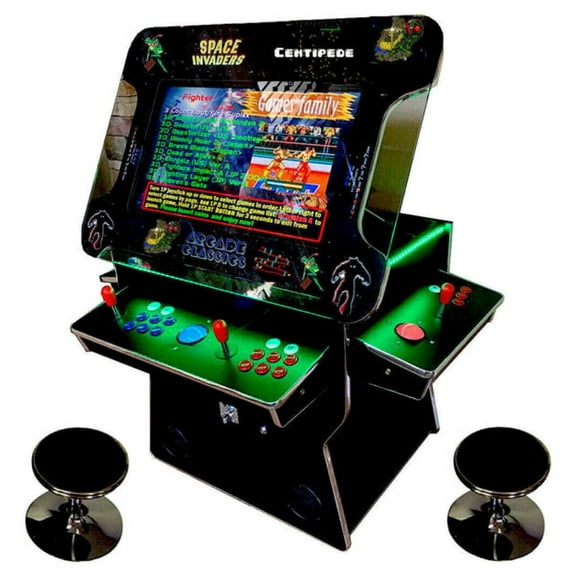
Two-player cabinet arcade games work well when you want side-by-side play without taking up extra room. You can get enough deck space for racing, sports, puzzle, or fighting sessions.
Four-player multiplayer arcade machines need extra width, so you should confirm that your room can handle the larger control deck. You may prefer that format when your household likes party-style gaming and shared sessions.
You should also look at button spacing, joystick placement, and screen visibility from each standing position. Your group can feel comfortable when every player has clear access to the controls.
Checking assembly, setup, and everyday use
You should review assembly details before you choose a cabinet because setup time can vary by size and design. Some units use simpler panel construction, while larger cabinets involve extra steps and hardware.
If you want a smoother setup day, you should check tool requirements and parts organization before the box arrives. You can appreciate clear instructions when you're building in a basement, office, or upstairs room.
Screen height, riser design, and control deck placement also shape everyday comfort during longer sessions. You can compare these details to match who plays frequently and where the cabinet sits.
Holiday arcade gifts also benefit from this planning because you can avoid size surprises during seasonal room setups. You can choose a model that fits the space and the people using it.
Matching arcade games to your play style
You should match cabinet size, game selection, and player count to the way you play at home. If you want quick solo sessions, a smaller single-game unit may suit your routine.
For shared spaces, you may prefer home arcade cabinets with broader libraries and two-player controls. You can keep guests engaged without needing separate machines for every genre.
If your goal is a classic game room look, you should focus on upright profiles, themed side panels, and classic arcade games with familiar controls. You can create a setup that feels intentional every time the screen lights up.
When you compare these decisions carefully, you can choose arcade games that fit your room, your group size, and your favorite genres. You can end up with a setup that feels comfortable, playable, and ready for repeat game nights.